Precursor Cross Linking Chemistry Impact on Sodium Ion Anode Capacity
Precursor cross-linking freezes aromatic pitch ordering, preventing graphitization during pyrolysis to expand d002 spacing and maximize plateau capacity.

Precursor cross-linking freezes aromatic pitch ordering, preventing graphitization during pyrolysis to expand d002 spacing and maximize plateau capacity.

Lithium cell transit mandates Class 9 classification, certified UN 38.3 summaries, verified low charge states, and rigid UN-spec packaging across air and sea.
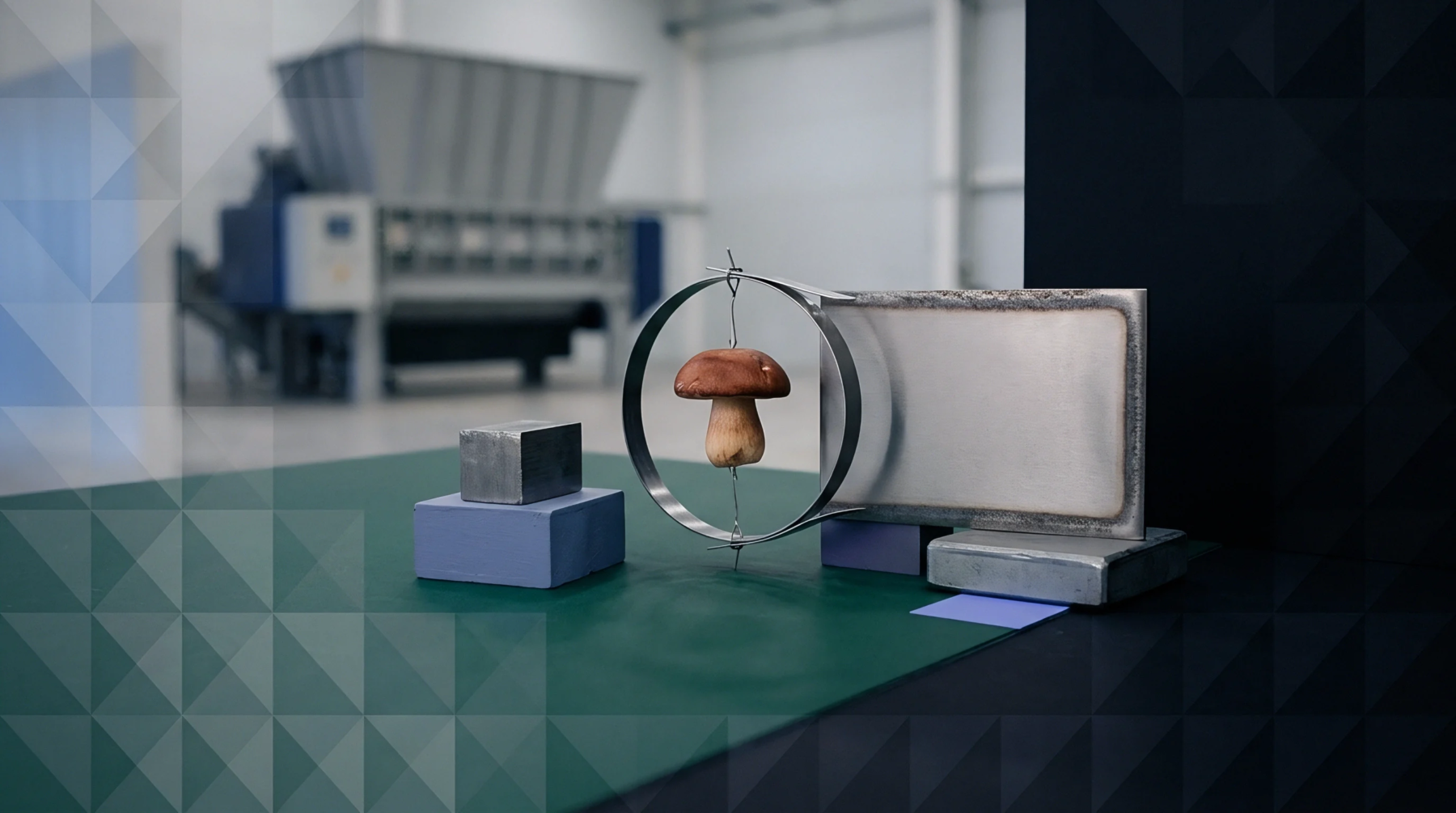
Hard carbon selection requires balancing closed pore volume against open surface area to maximize initial coulombic efficiency and low-voltage plateau capacity.

Coupled viscoplastic modeling and hot isostatic pressing eliminate premature thermal fatigue cracking in additive conformal cooling inserts for battery enclosures.

Reference potential shift during fast charging stems from uncompensated ohmic drops and fringe field geometry, requiring current-interrupt stripping validation.

Ceramic-shielded reference wires resist dynamic compression when shear-buffered, but micro-cracking and impedance growth require continuous drift calibration.

Ohmic gradients across large current collectors distort differential capacity peaks, requiring rate-adjusted spectroscopy to prevent false SOH degradation claims.
Calibrate three-component Chaboche kinematic backstresses from out-of-phase thermomechanical fatigue loops to prevent early tool steel thermal cracking.
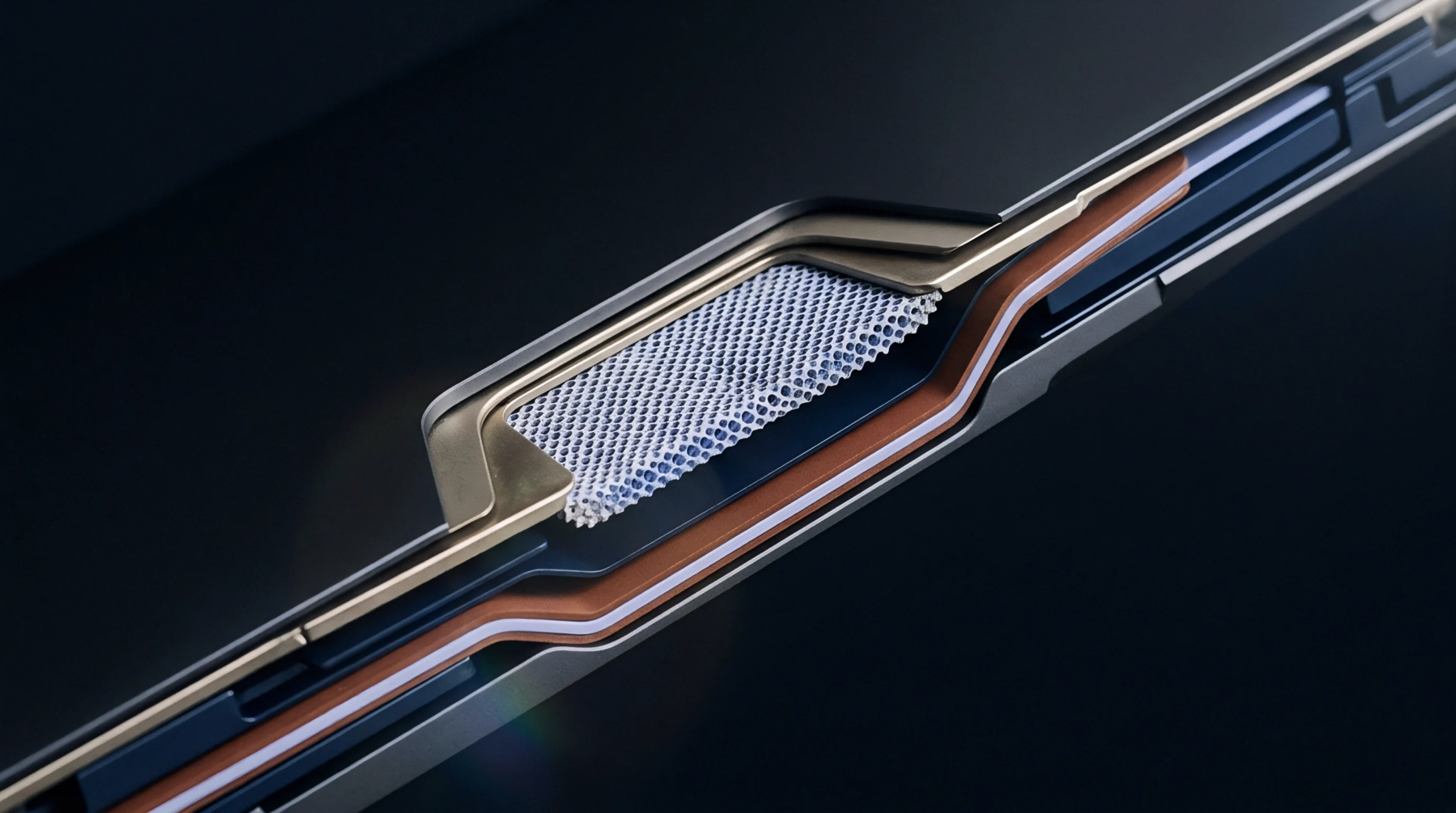
Internal temperature gradients trigger localized current crowding and plating; tab cooling and real-time core thermal estimation mitigate premature cell failure.

Thermomechanical strain life modeling predicts high pressure die casting tool life by quantifying elastoplastic strain ranges from transient injection thermal shock.

Solid state reference electrodes isolate anode overpotentials in pouch cells to prevent fast-charge lithium plating despite severe geometric field distortions.
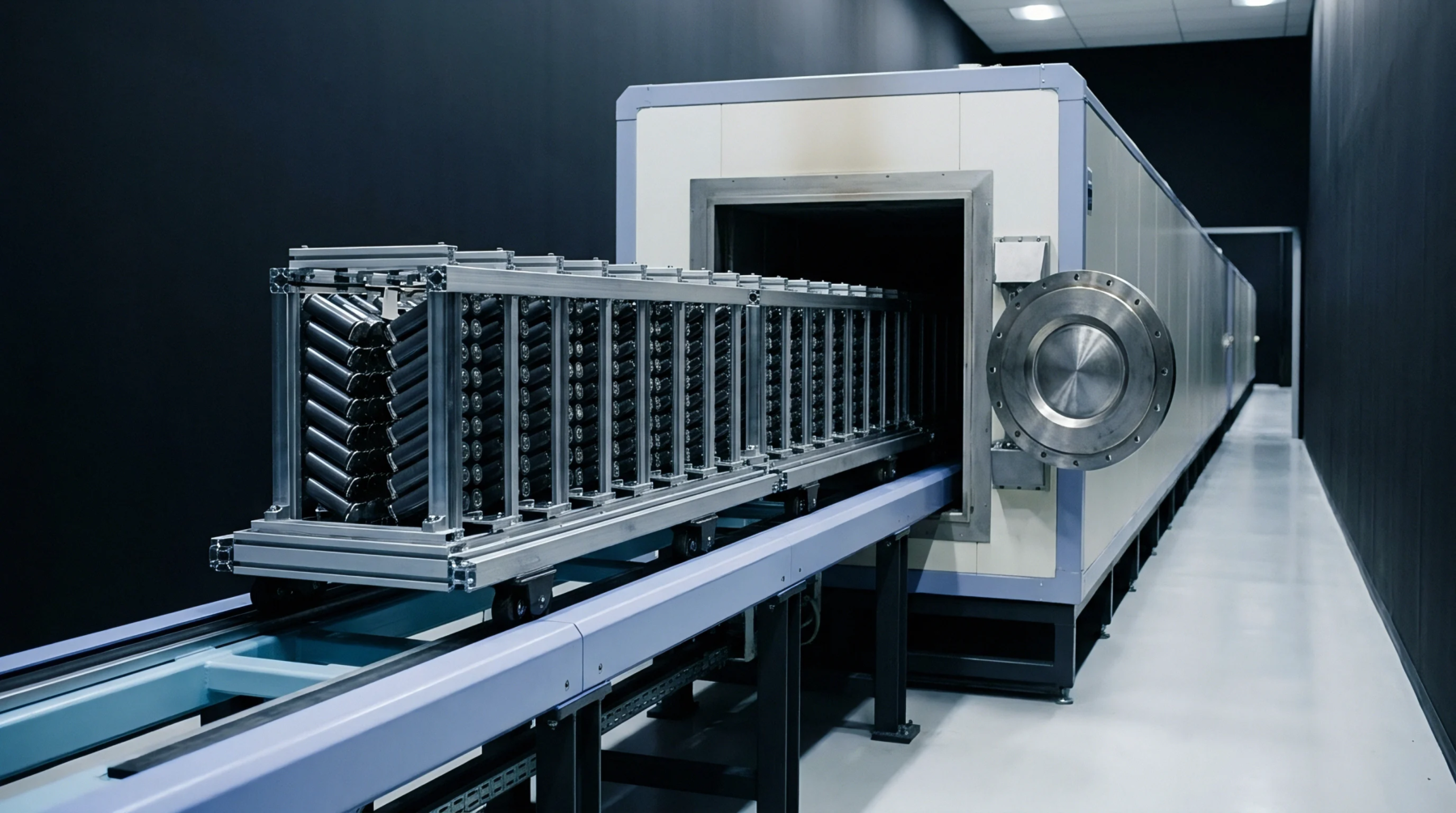
Dynamic thermal shock induces glass feedthrough microcracking and reference potential drift, demanding matched CTE alloys and real-time Nernst compensation.
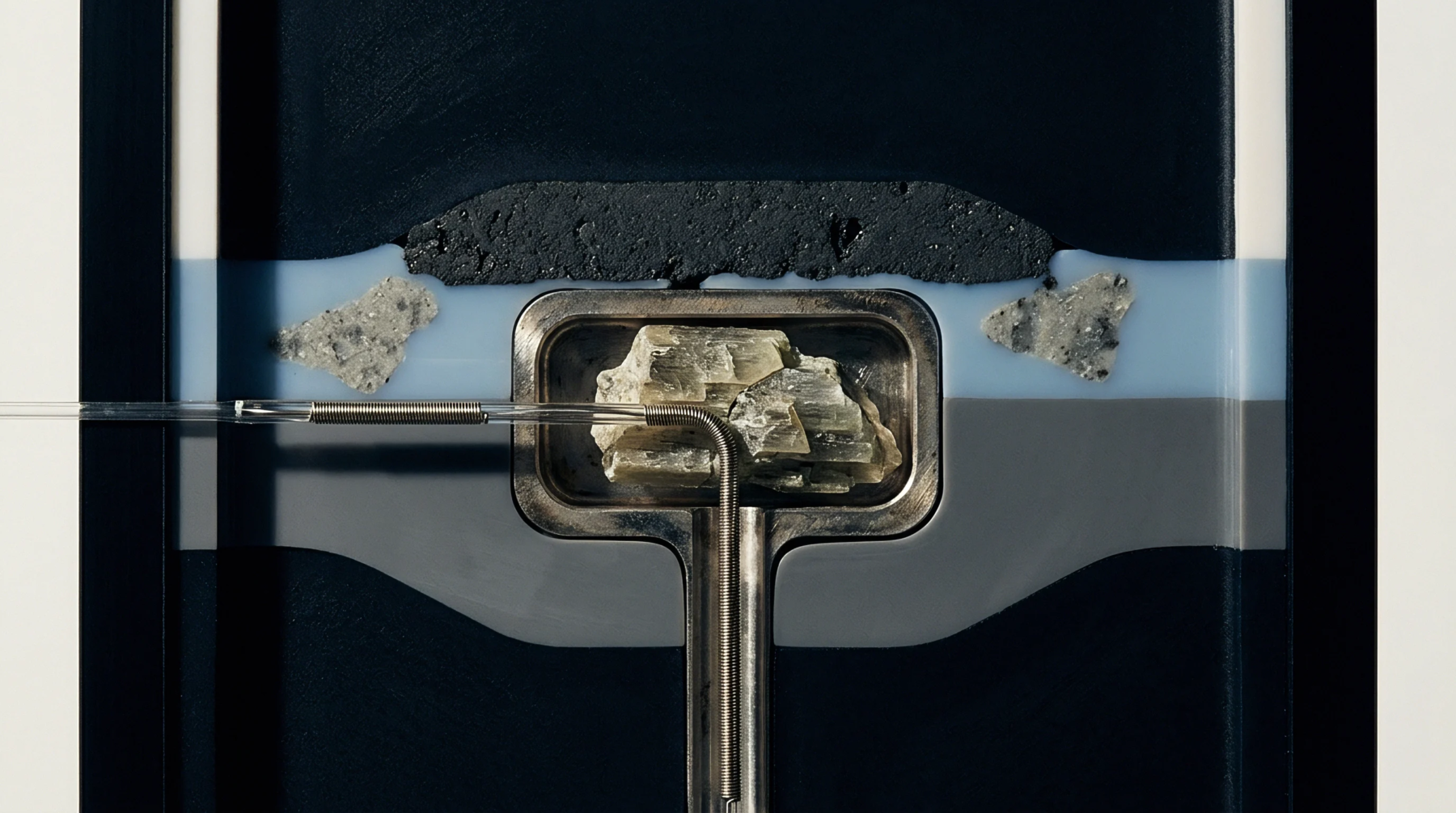
Tracking dual-phase cathode current divergence under thermal gradients protects cells from localized overcharge and premature capacity rejection.

Multi-terminal differential voltage slope discrepancies arise from geometric foil potential drops, requiring dedicated Kelvin sensing to prevent false rejection.

Dynamic pouch cell strain requires compliant spring restraints maintaining 0.2 to 0.5 MPa to prevent separator occlusion and seal failure under fast charging.

Micro-reference electrodes dynamically regulate charging current to pin anode potential above zero volts, preventing lithium plating without cycle-life loss.

Decoupling thermal overpotential from true cell degradation isolates core thermal acceleration to prevent masking irreversible impedance growth.

Compliant compression frameworks balance silicon anode breathing between 0.1 and 0.8 MPa using tailored elastomeric pads and springs to avoid separator collapse.

Hydrostatic pressure accelerates multi-component oxide dissolution by shifting solvus boundaries, clearing resistive grain interfaces within 45 minutes at 1050 C.

Standardized battery module stack pressure measurement relies on calibrated tactile sensors and rigid, temperature-compensated test fixtures.
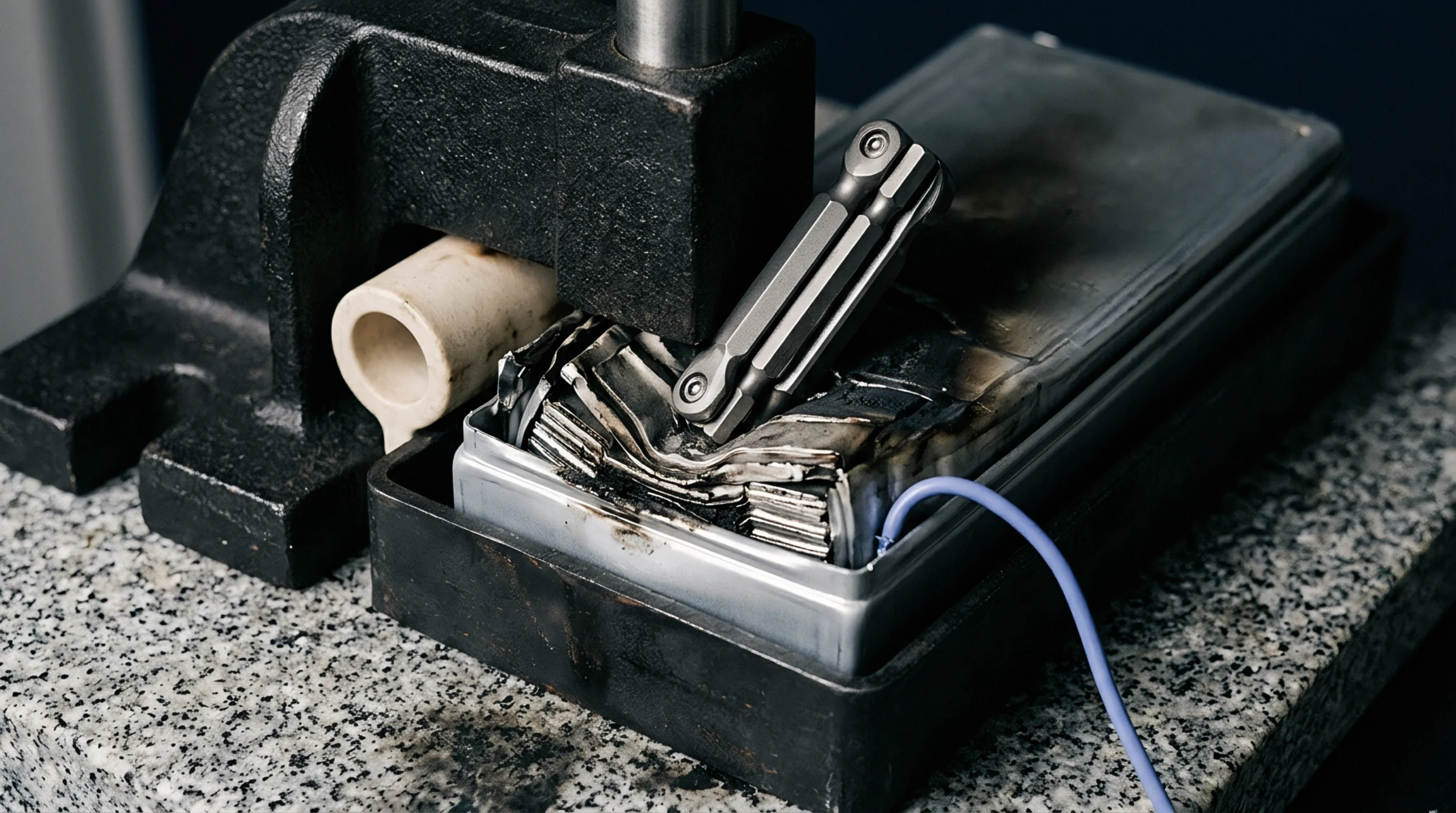
Anode overpotential monitoring decouples half-cell polarization to track the zero-volt lithium plating threshold during sub-zero fast charging.

Differential capacity peak tracking isolates cell-level lithium inventory loss and phase degradation before packaging, reducing latent pack failure risks.

Galvanostatic relaxation protocols decouple ohmic, interfacial, and transport overpotentials in prismatic cells to identify electrolyte starvation.

Extreme fast charging drives tab-adjacent anode zones below zero volts, causing localized metallic lithium plating that evades standard bulk diagnostics.

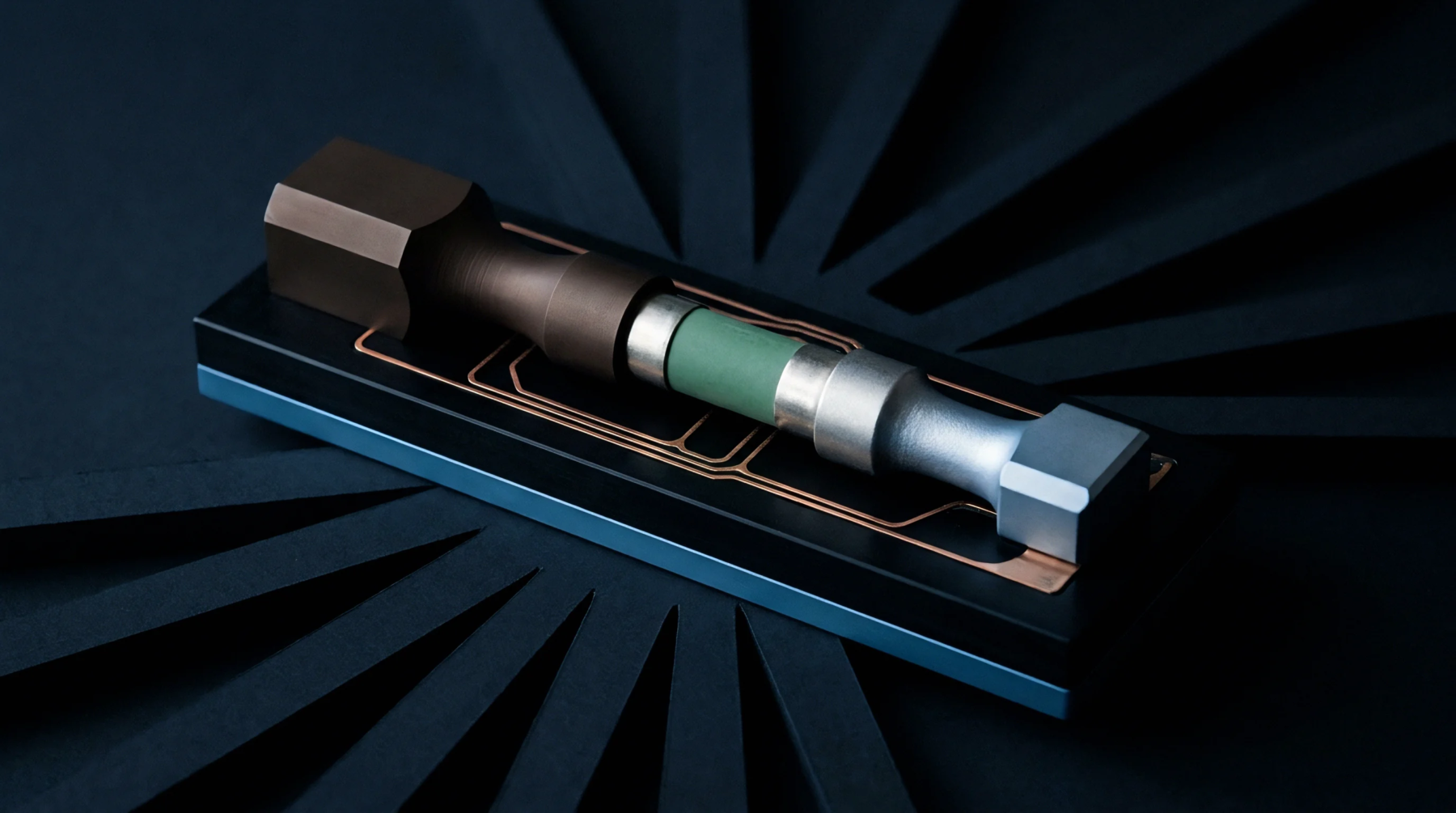
Vacuum carbothermic reduction converts brittle prior particle boundary vanadium oxides into discrete carbides, preventing slitter chipping and separator burrs.

Aged solid-state cells undergo severe interfacial contact loss and kinetic resistance growth at subzero temperatures, collapsing closed-loop tracking.

True cell internal resistance splits into ohmic, charge-transfer, and diffusion parts; 1 kHz ACIR measures only ohmic paths, masking real polarization.

Maintain inert gas atomization oxygen below 100 ppm in tool steel powders via vacuum carbon deoxidation, sub-ppm gas purification, and sealed foil drum packaging.

Three-electrode graphite overpotential calibration demands active uncompensated ohmic drop extraction to prevent false positive voltage readings during fast charge.
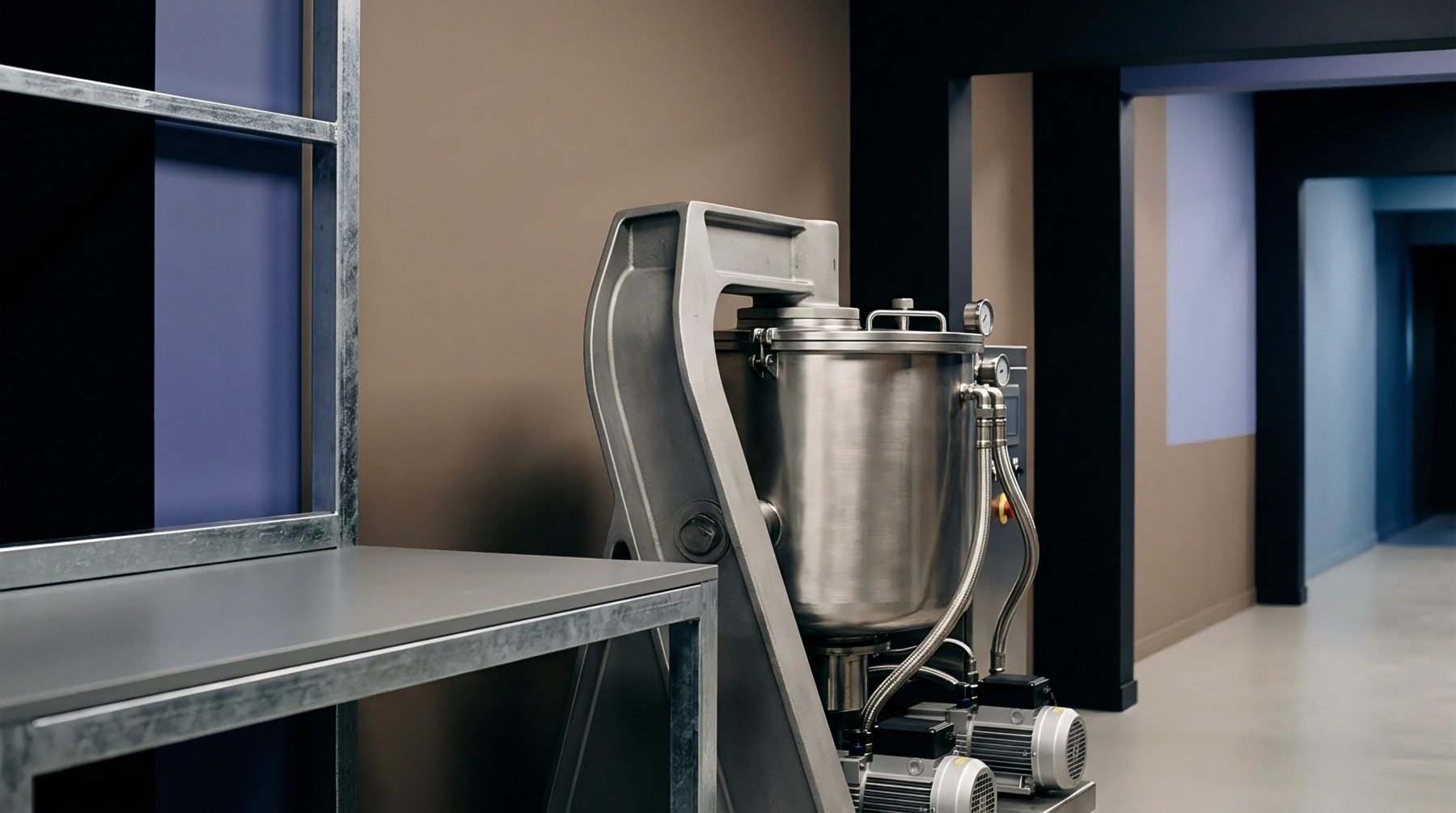
Cathode cracking and lithium trapping separate through relaxation voltage plateaus, acoustic emission bursts, and differential voltage inventory shifts.
Expertise is a utility, not a secret. sentiention™ publishes its working knowledge as open reference: intelligence layer covering the materials it sources, the markets it enters, and the reference that serves both.