
Solid Phase Diffusion Impact on Battery Voltage Lookup Accuracy
Solid phase diffusion creates surface concentration gradients that bias terminal voltage lookups, producing massive SOC estimation errors in flat OCV cells.

Solid phase diffusion creates surface concentration gradients that bias terminal voltage lookups, producing massive SOC estimation errors in flat OCV cells.

Prismatic module enclosures require coupled statistical stacks combining cell manufacturing tolerances with non-linear compression pad and swelling dynamics.
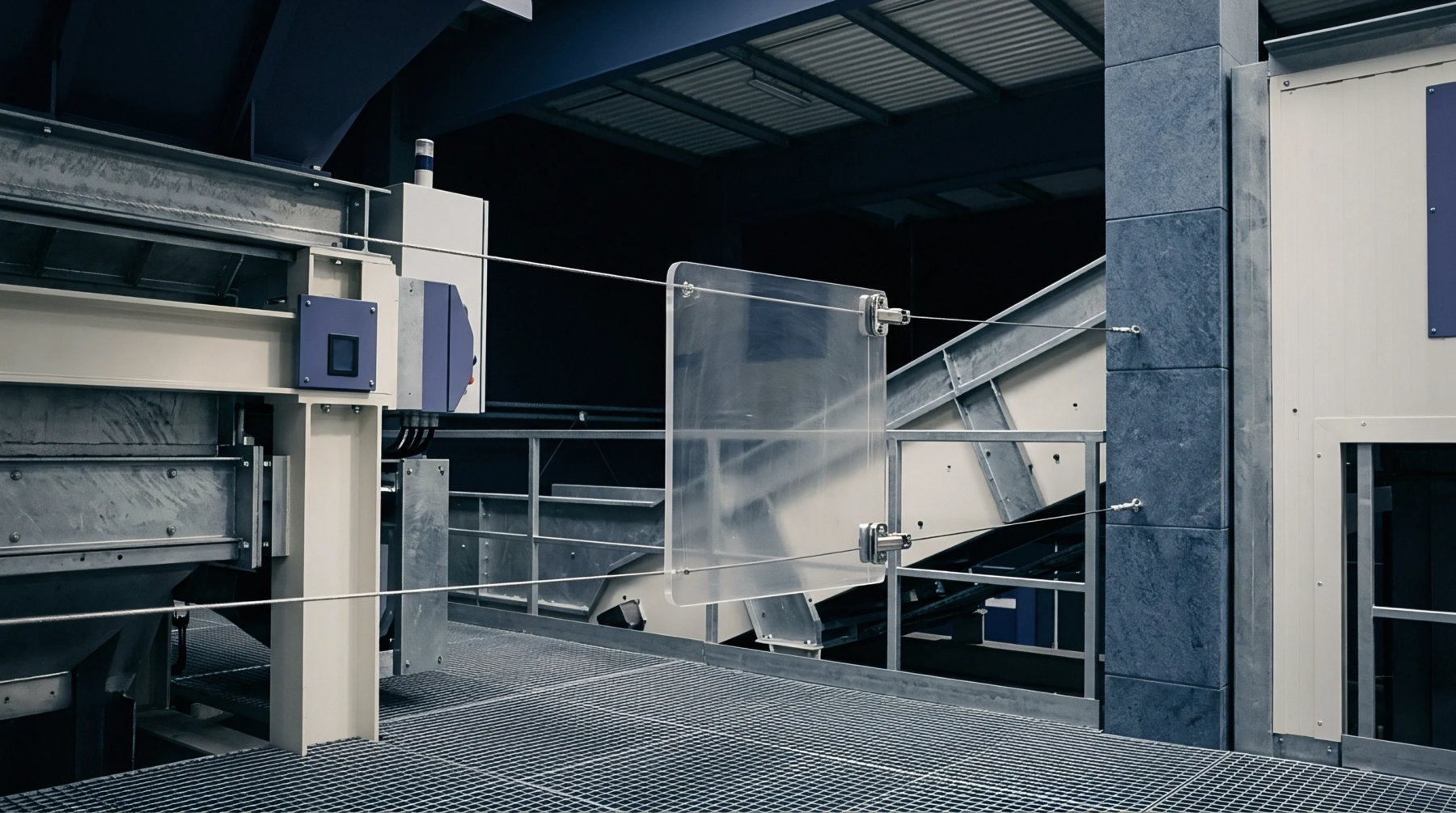
Silicon anode breathing demands calibrated module containment pads that maintain cell face pressure between 0.10 and 0.60 megapascals across life.
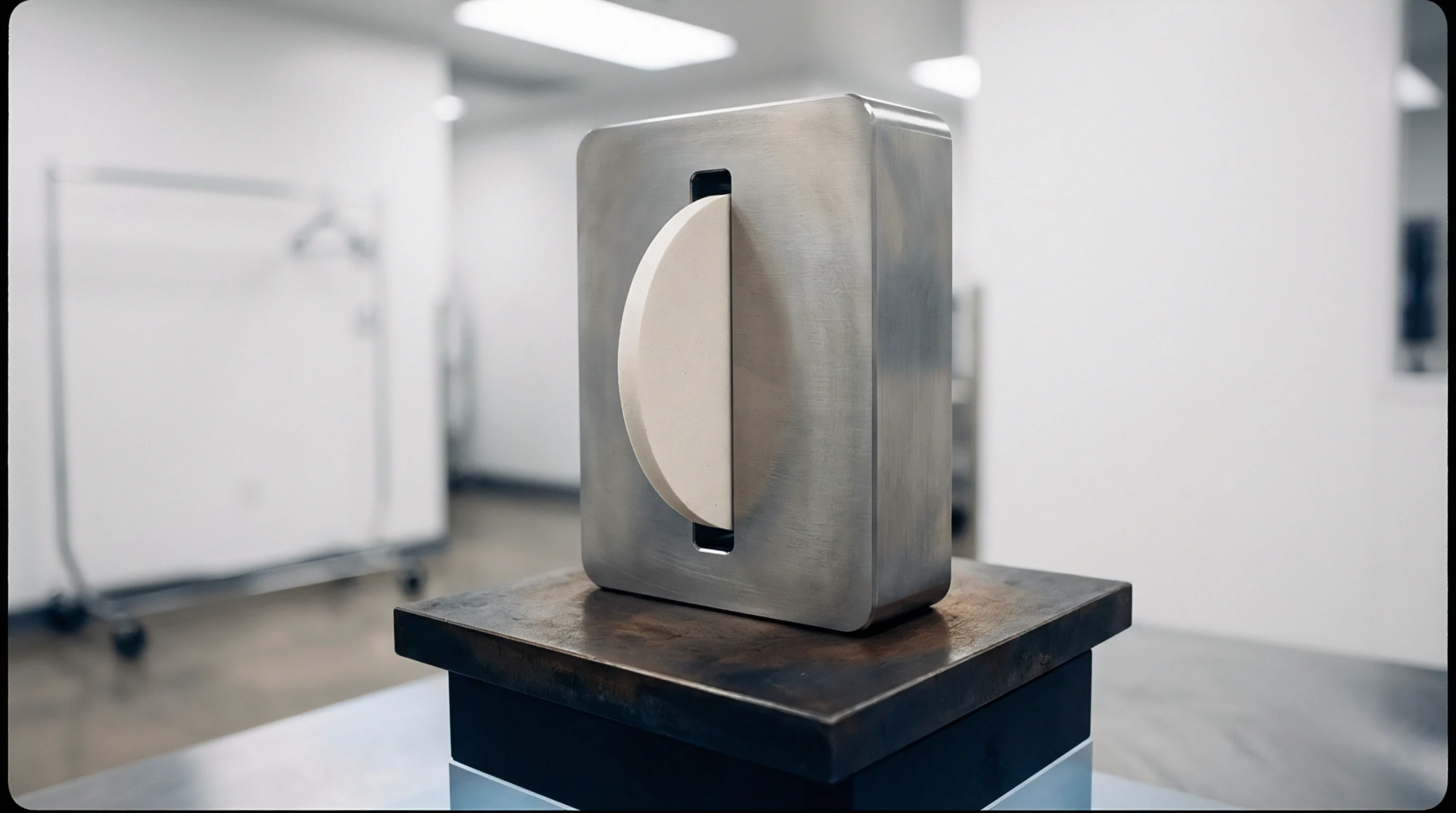
Ceramic coated separators resist pin-prick thermal runaway when the inorganic particle network prevents viscoelastic creep void expansion during the initial current spike.
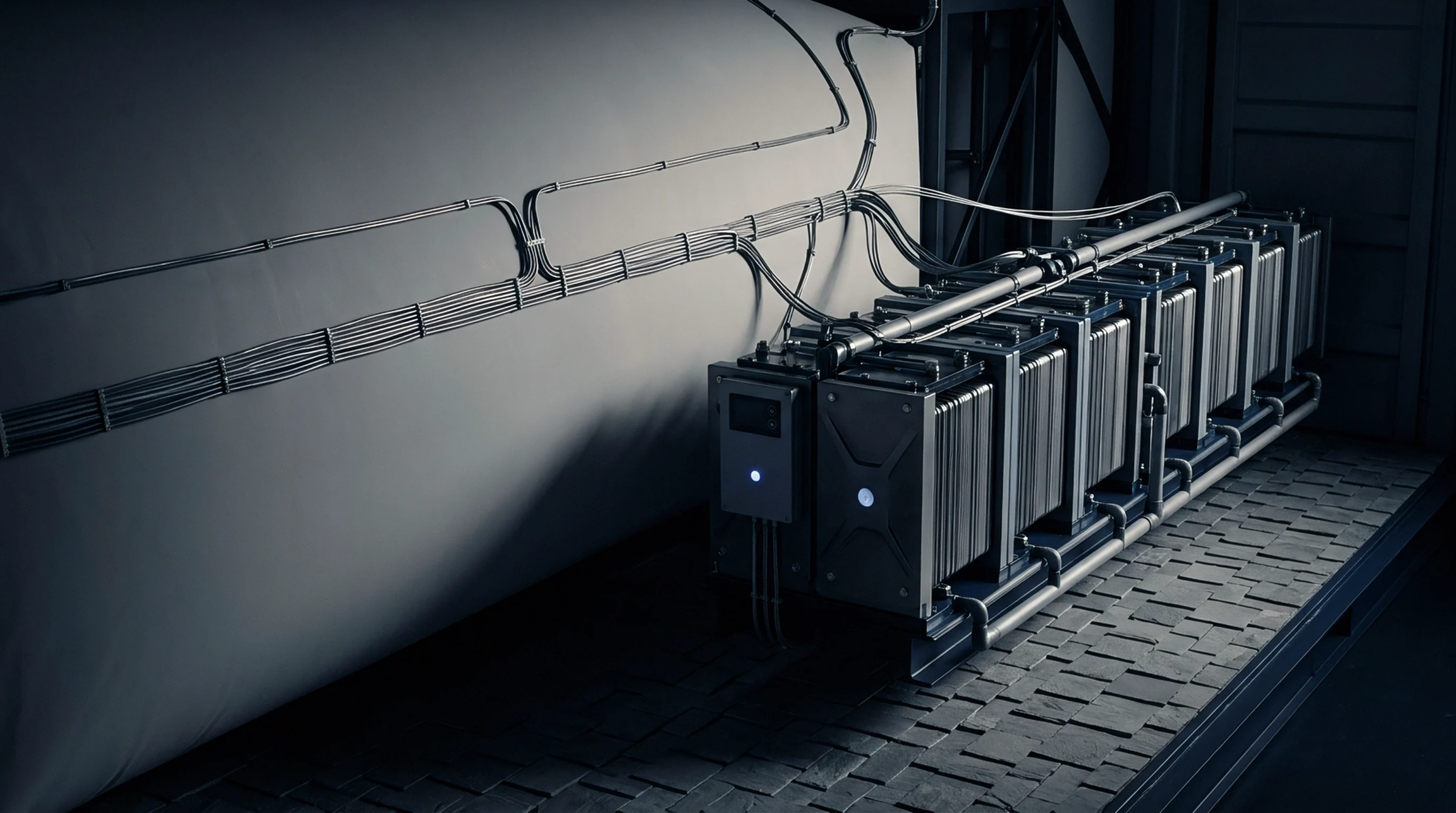
Low temperature storage freezes phase boundary migration in commercial cells, producing artificial capacity loss that resolves through controlled thermal dwell.

Integrating Prony viscoelastic subroutines into separator shrinkage solvers predicts mechanical stress relaxation and prevents thermal short circuits.

Mitigating battery warehouse overpressure demands early off-gas aspiration detection, rack flue segregation, and low-inertia roof venting calibrated to NFPA 68.
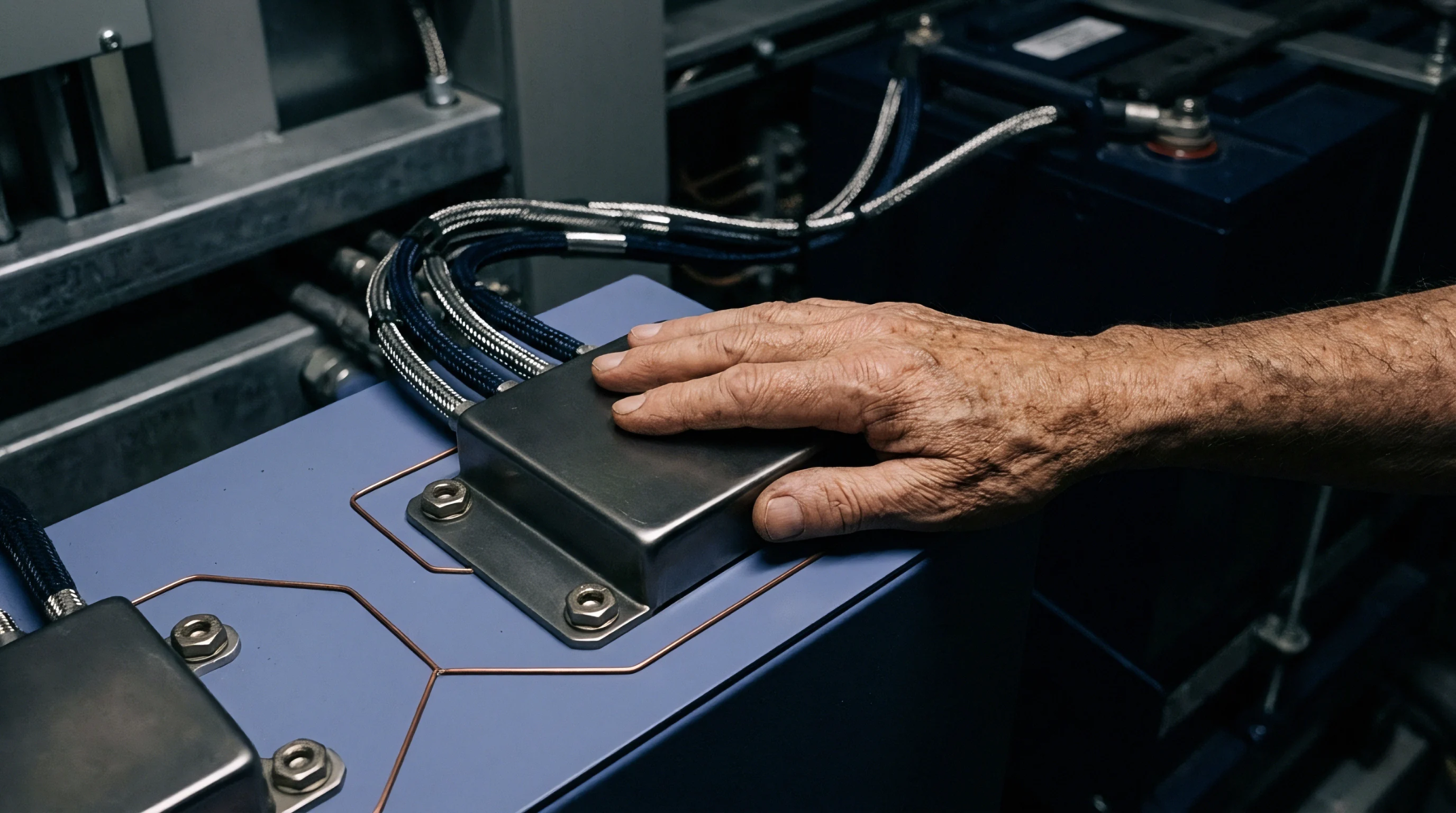
NFPA 68 deflagration vent sizing for high bay BESS depends on UL 9540A peak gas volumes, fundamental burning velocity, and enclosure structural limits.

Verify separator creep compliance under combined pack stack pressure and thermal ramps to prevent latent shorting before commit of cell tooling investments.
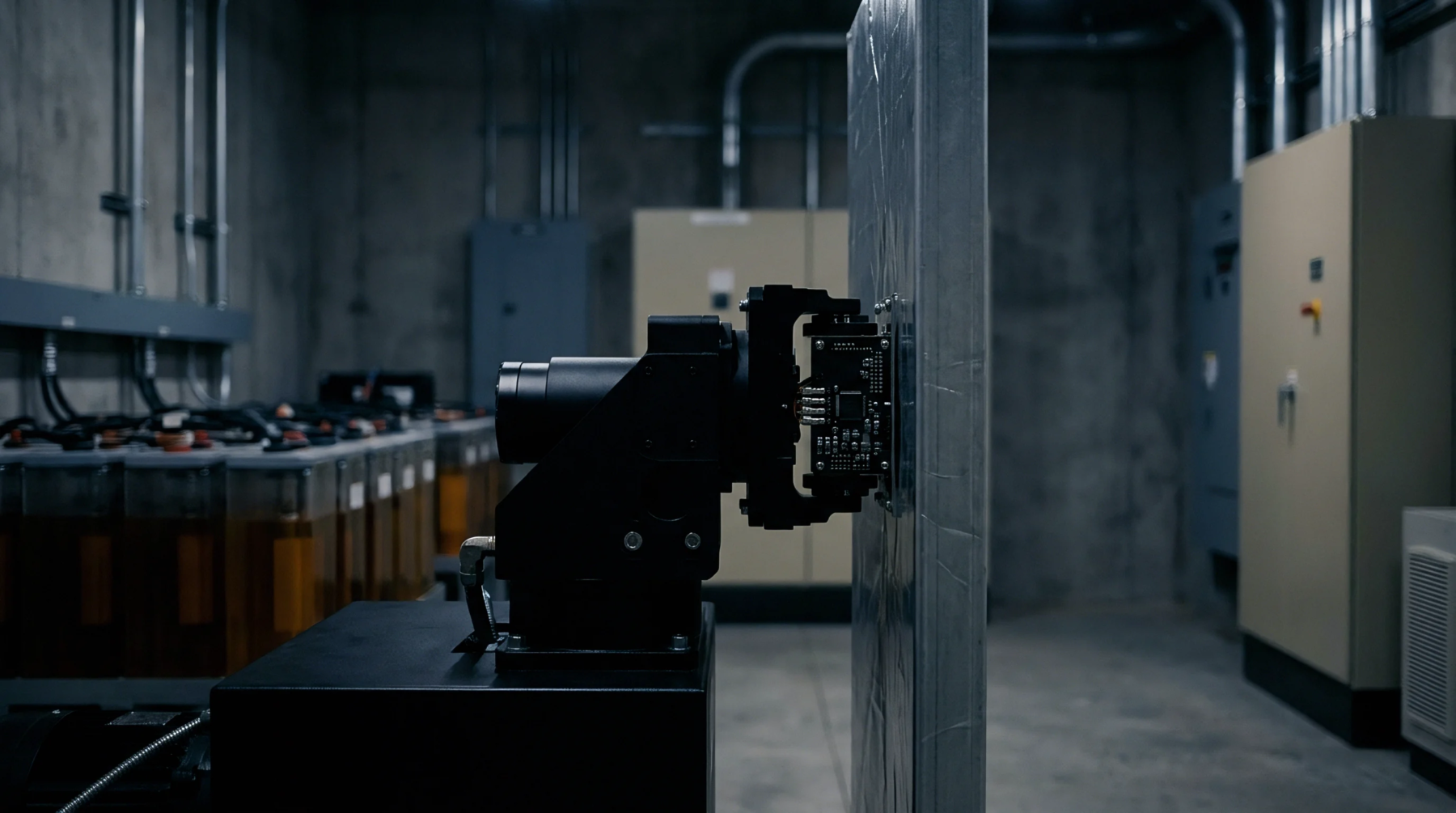
Factory K value measures prismatic cell voltage decay rate over storage dwell to screen out internal micro-shorts through high-resolution multimeter gates.
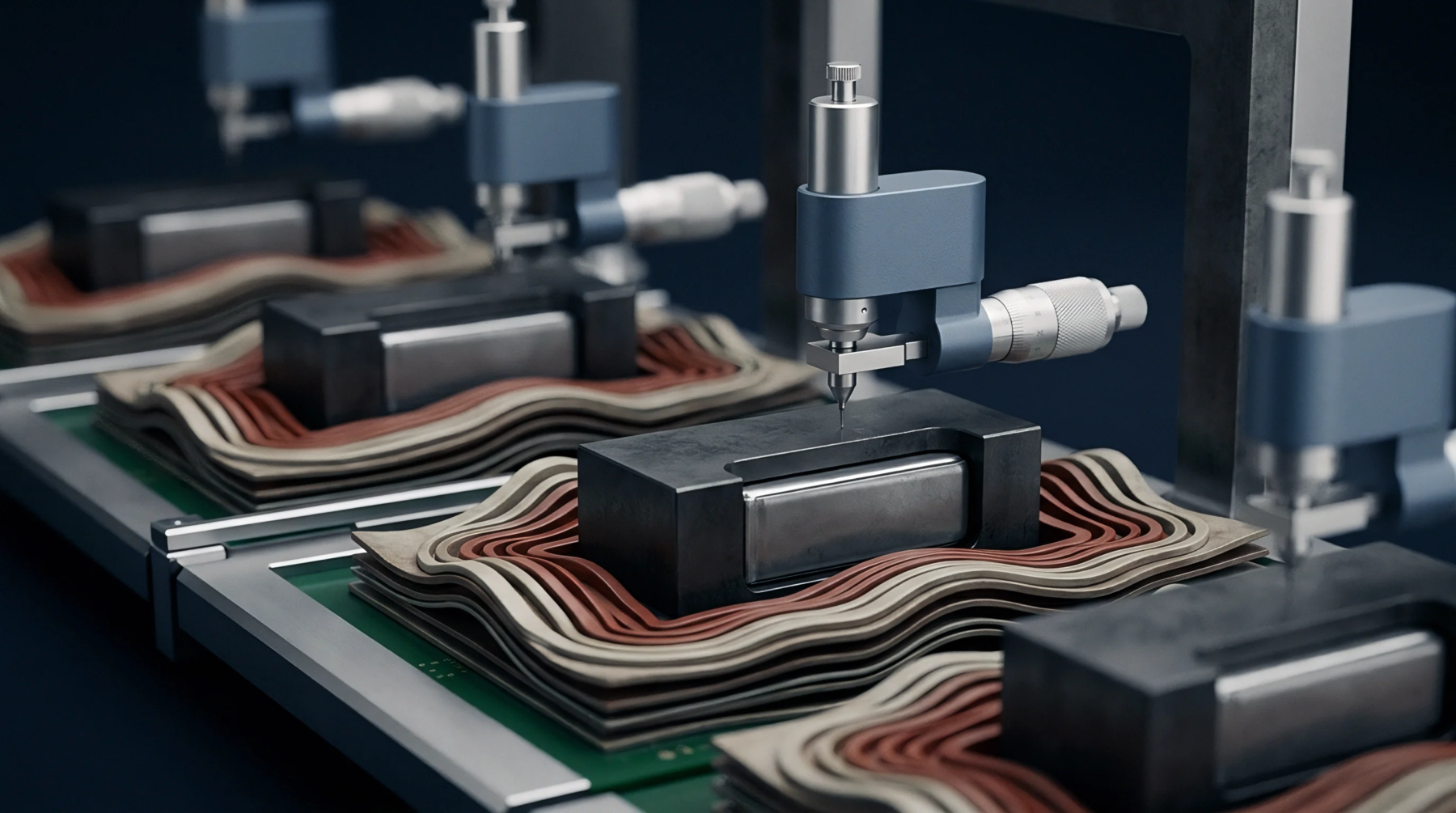
Lithium iron phosphate state of charge determination demands high-frequency current integration bound by deterministic calibration resets at steep voltage knees.

Closed pore volume dictates hard carbon plateau capacity, but high desolvation energy at narrow pore mouths triggers sodium plating under fast charging.
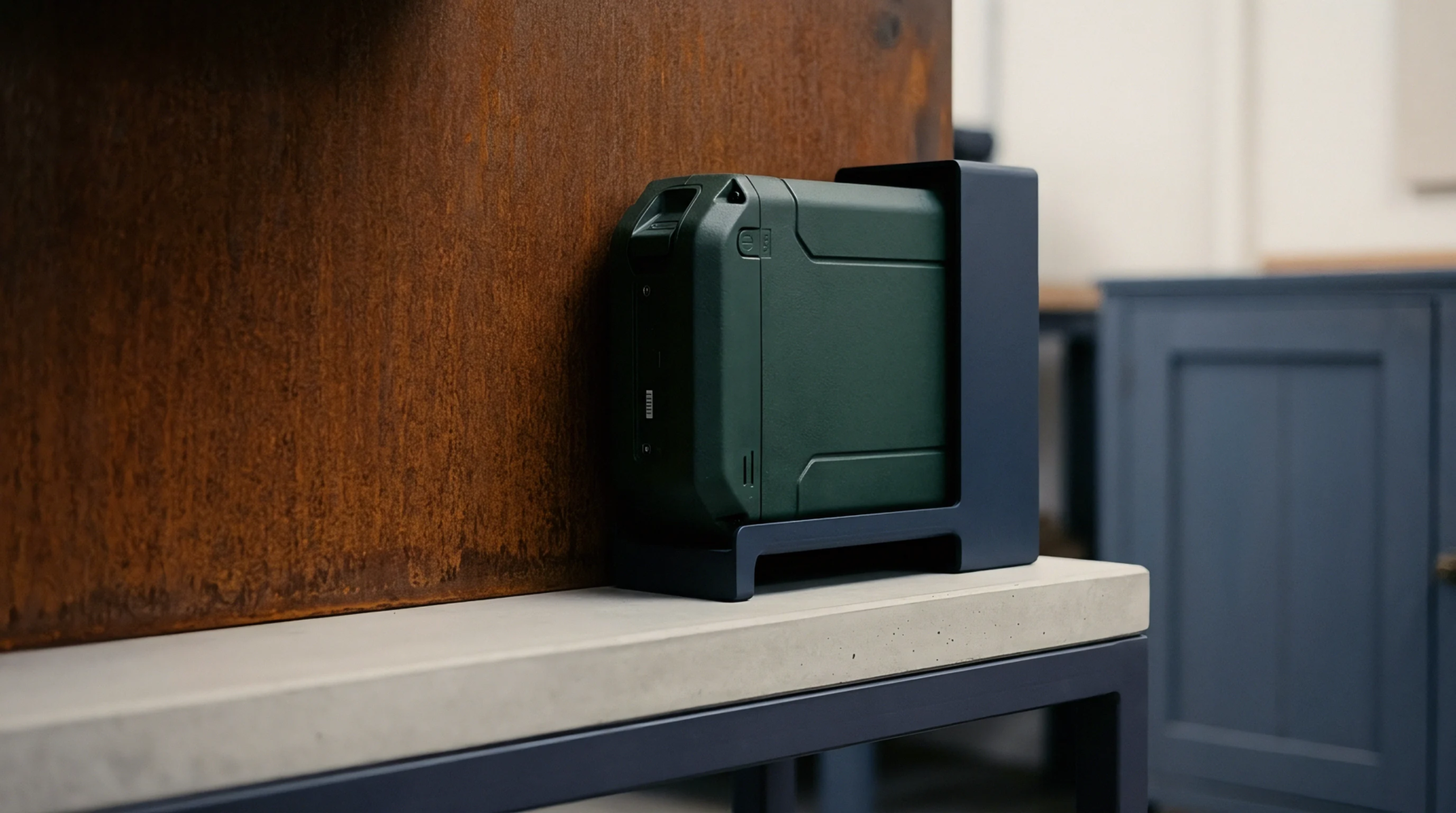
Quantifying warehouse off-gas flammability requires testing-derived constituent volumes, Le Chatelier LFL kinetics, and rapid plume dilution.
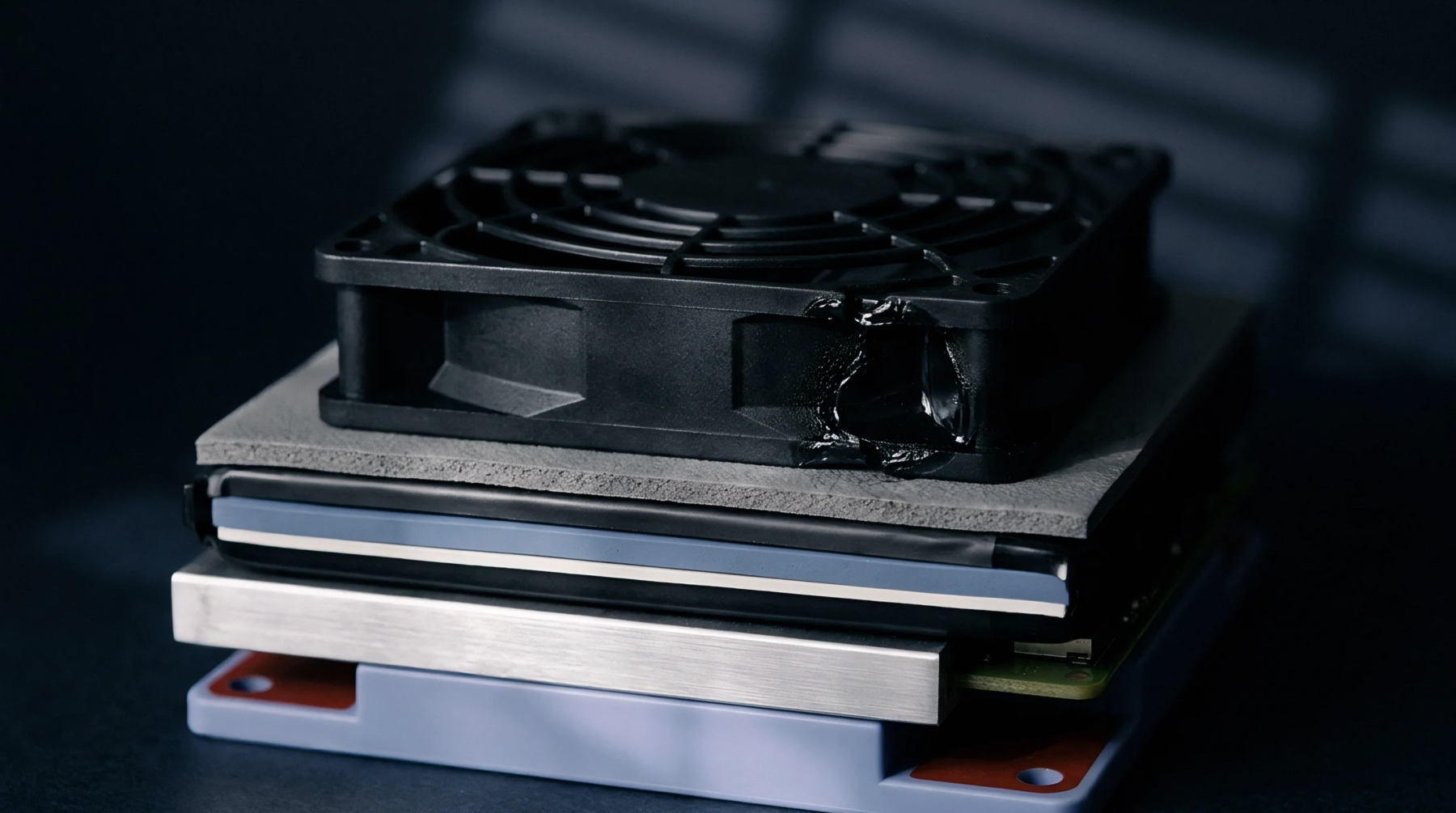
Dynamic stack creep formulations determine cell life by preventing interfacial delamination at low states of charge and lithium plating at high swelling limits.

Low-temperature sodium charging in biomass carbon anodes requires tuning d002 spacing above 0.37 nm and using ether solvents to prevent plating overpotentials.

Finite element modeling of battery end plates requires non-linear contact formulations and hyperelastic foam curves to control cell swell pressure profiles.

Bio-derived hard carbons enable direct sub-zero charging down to -30°C by lowering desolvation energy and preventing dangerous anode surface metal plating.

Dynamic stripping above critical diffusion limits nucleates interfacial voids, concentrating recharge current and causing catastrophic internal dendrite shorts.

Dynamic battery breathing drives conical disc springs into nonlinear fatigue regimes, where inner-diameter cyclic tensile stress governs pack clamping life.

Solid state EV cells require 0.1 to 5.0 MPa continuous stack pressure to prevent interfacial voiding, adding substantial module mass and complexity.
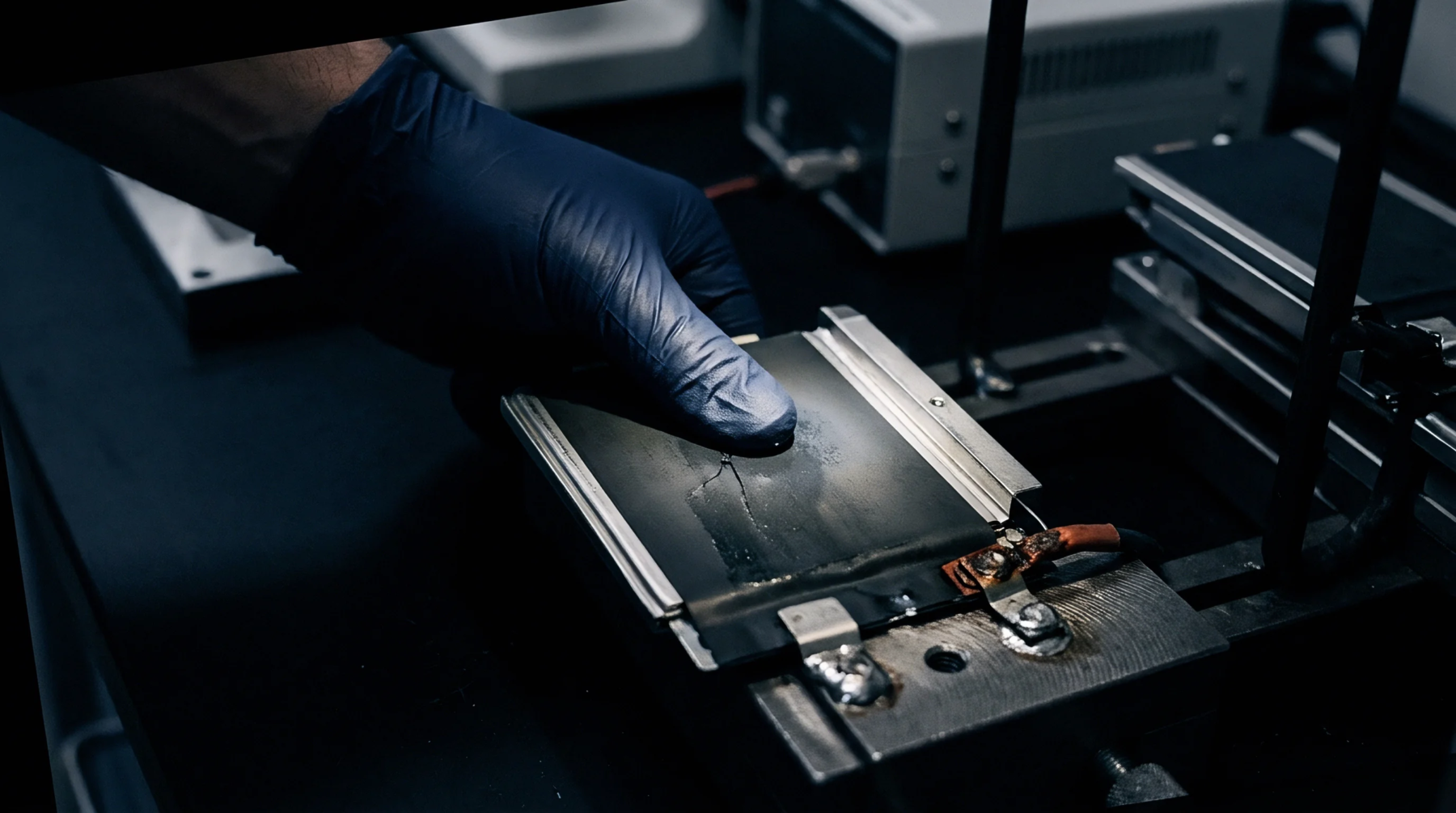
Direct load frame measurement with sub-five-micron displacement control establishes pouch swelling force, isolating irreversible SEI growth from breathing.
Crystal plasticity damage models for cast alloys map segregated primary carbide networks directly to premature cleavage, defining explicit procurement acceptance limits.

Closed pore shrinkage and desolvation limits force sodium plating below zero volts, demanding preheating above ten degrees Celsius to preserve cell life.
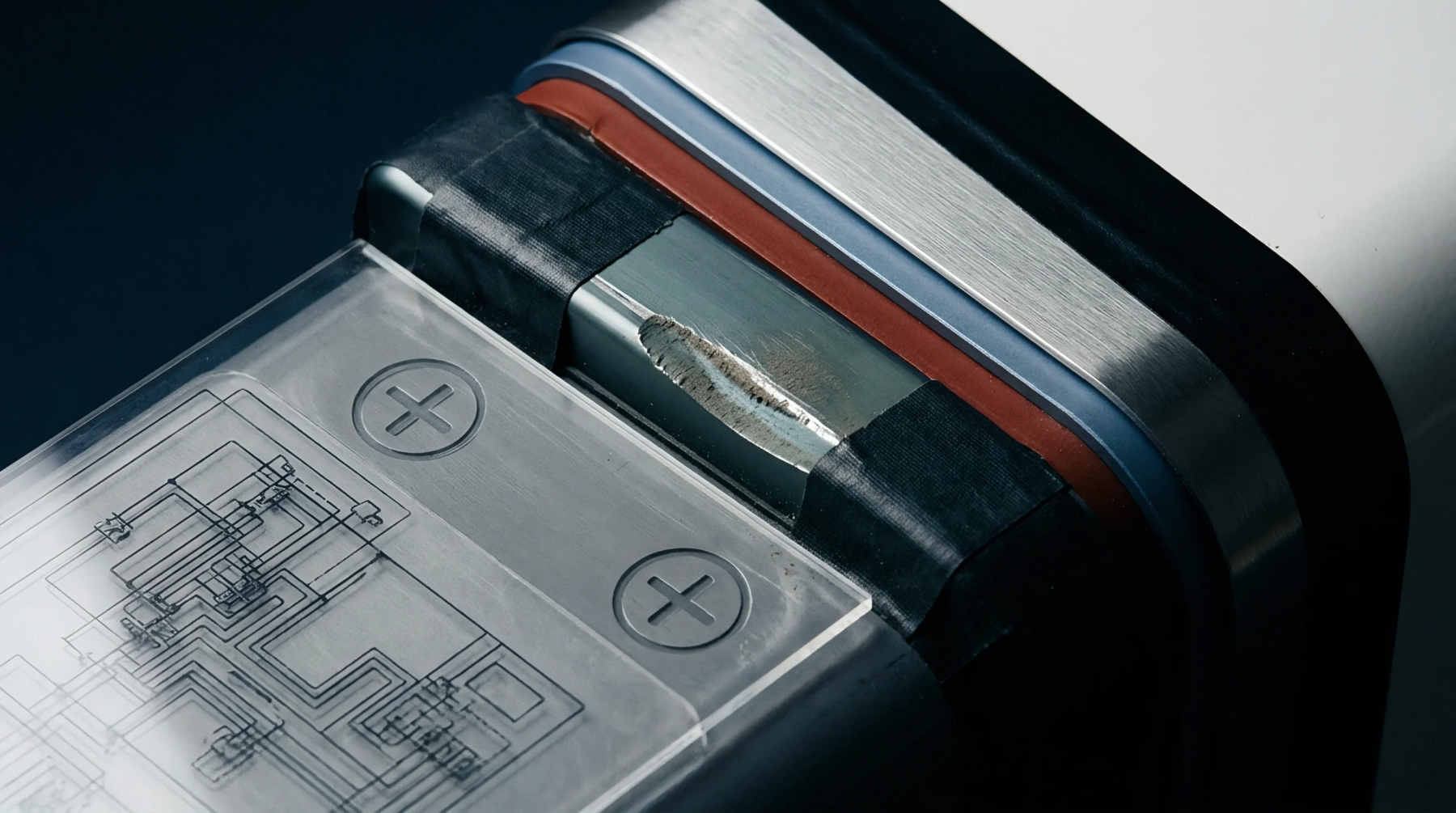
Thermal annealing between 1300°C and 1400°C heals vacancies, closes nanopores, and maximizes low-voltage plateau capacity to yield over 88% initial efficiency.

Battery passport architectures streamline dangerous goods clearance by binding UN 38.3 test summaries to machine-readable declarations at customs borders.
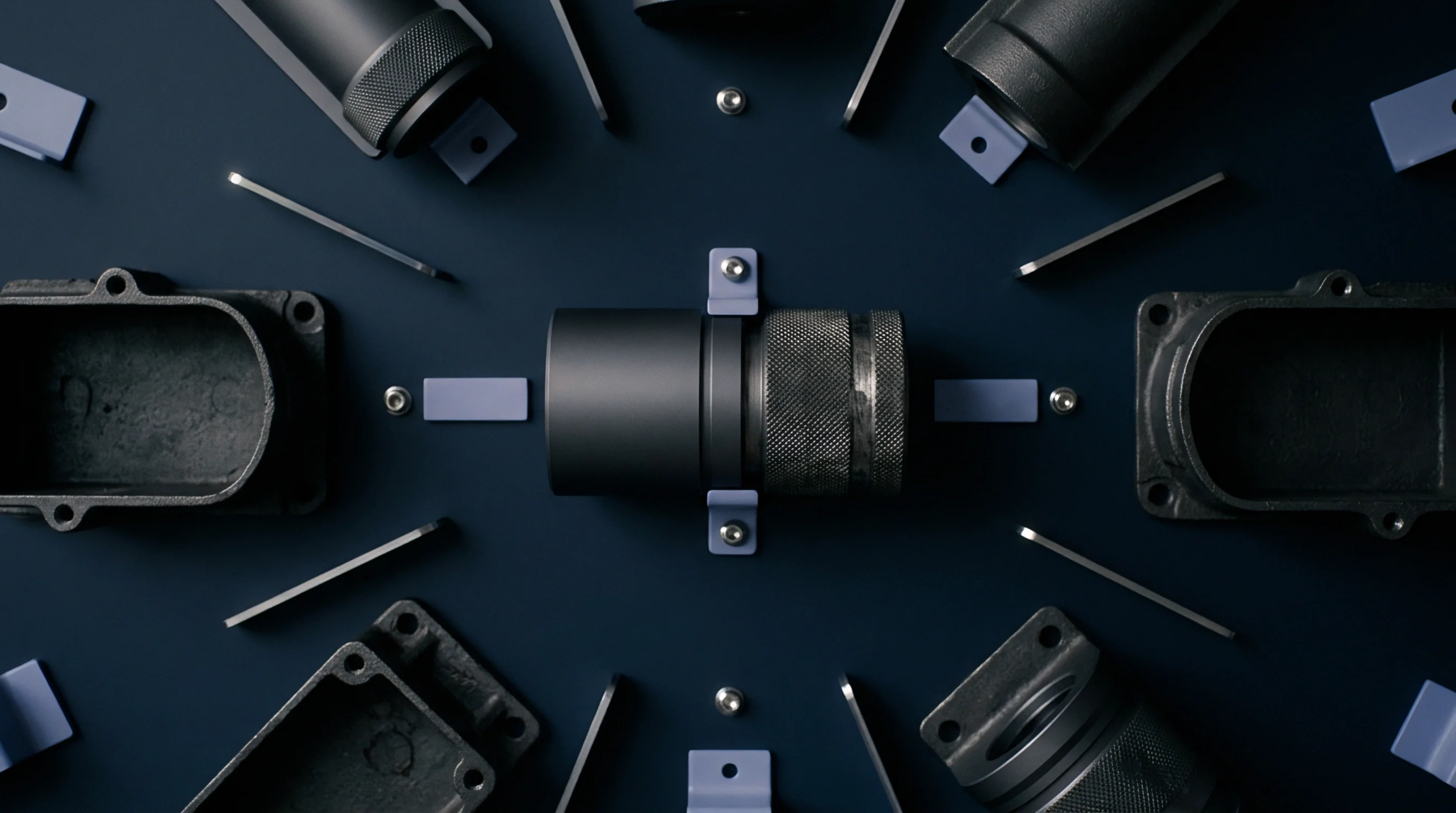
Segregation-mapped viscoplastic fatigue models predict gigacast battery tray die cracking at 34,000 shots, preventing catastrophic pack seal failures.

Carbonizing biomass between 1200°C and 1400°C maximizes low-potential plateau capacity, closes external micropores, and boosts initial coulombic efficiency.

Thermal closed pore shrinkage contracts internal ion reservoirs, slashing plateau capacity and inflating cathode mass requirements across scale cell manufacturing.

Validate UN 38.3 test summaries by matching all ten 38.3.5 fields, laboratory accreditation, and exact pack mass against shipping manifests before clearance.

Electroslag remelting and stepped 1240 °C homogenization are required to suppress H13 eutectic carbide segregation and secure NADCA 207 impact acceptance.
Expertise is a utility, not a secret. sentiention™ publishes its working knowledge as open reference: intelligence layer covering the materials it sources, the markets it enters, and the reference that serves both.