
Open Circuit Voltage Lookup Methods for Lithium Iron Phosphate Cells
Accurate lithium iron phosphate state estimation uses three-dimensional lookup tables combined with dynamic observer filtering to resolve plateau ambiguity.

Accurate lithium iron phosphate state estimation uses three-dimensional lookup tables combined with dynamic observer filtering to resolve plateau ambiguity.

Standard helium leak testing validates battery enclosure hermeticity down to 10^-8 mbar L/s, preventing moisture ingress and electrolyte degradation.

Extracting non-equilibrium micro-hysteresis parameters in aged LFP packs eliminates state-of-charge estimator drift across dynamic operational profiles.

Passivation breakdown under thermal transport stress elevates cell self-discharge and invalidates UN 38.3 safety files prior to assembly.

Adjusting gas-to-metal ratio controls particle size distribution and tap density in battery alloy powders, balancing yield against argon cost.

Quantifying LFP cell dispersion and hysteresis requires directional OCV lookup tables and sub-millivolt resolution to prevent BMS diagnostic failures.

Modulated supersonic nozzles yield sub-3-micrometer sodium cathode precursors with narrow spans, improving rate capability at the cost of lower electrode tap density.

Differential voltage analysis isolates lithium loss and electrode degradation in LFP cells by converting flat voltage plateaus into measurable derivative peaks.

Sacrificial electrolyte additives stabilize high-voltage layered oxides at 4.35V but generate breakdown gases that alter transport safety and long-term liability.

Increasing the gas-to-metal ratio shifts powder size lower and increases surface drag, depressing tap density from 2.10 to 1.45 grams per cubic centimeter.
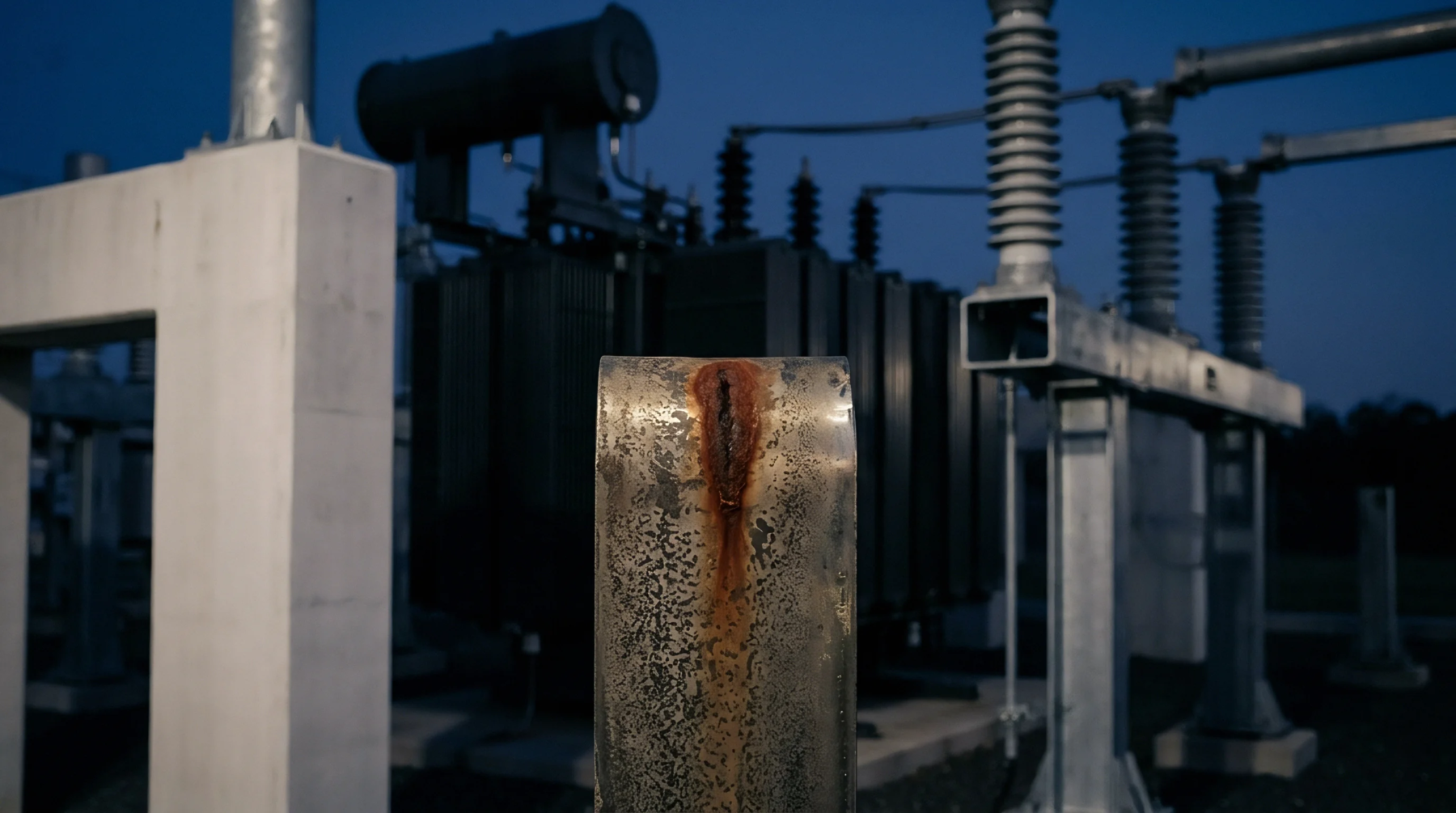
High-nickel cathode interphase degradation drives rapid impedance rise and gassing, demanding strict storage dry-rooms, tight voltage cutoffs, and warranty terms.
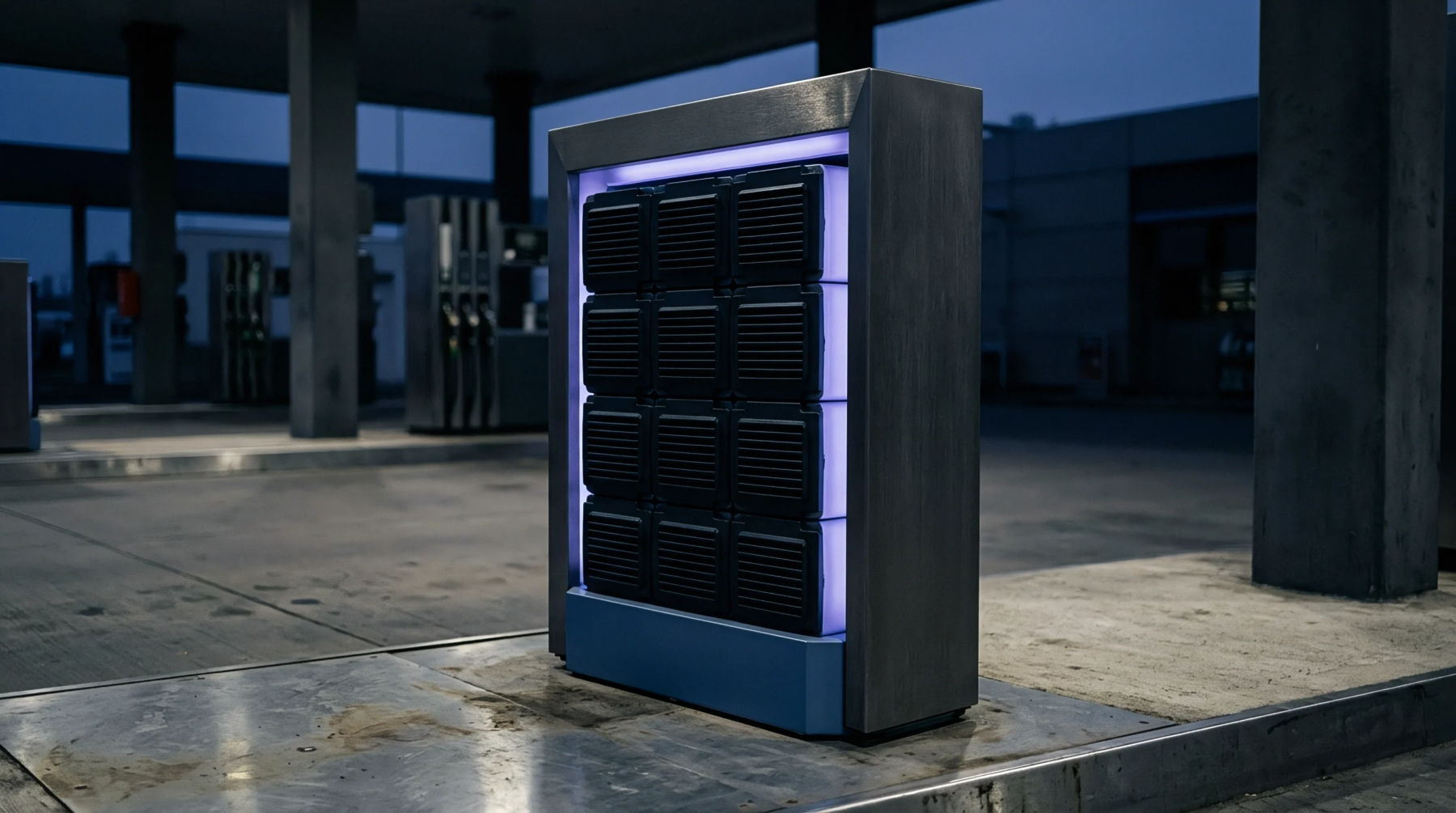
Deconvolution of thermodynamic hysteresis from kinetic polarization in aged LFP cells prevents up to twenty percent SOC estimation drift under variable thermal cycles.

Active thermal management of master clock substrates limits transient phase jitter below 12 picoseconds during megawatt inverter step-load tests

Sub-microsecond impedance testing requires sampling timing jitter below 100 picoseconds to prevent parasitic inductance from corrupting real resistance data.

Flat voltage gradients paralyse closed-loop state observers, requiring high-precision analog front-ends and structured rest windows to prevent state drift.

Titration testing isolates solid-state diffusion and overpotential across LFP state-of-charge regions, exposing true fast-charge and cold-weather limits.

Subzero EIS deconvolution separates SEI growth from charge transfer stagnation, identifying premature cell failure risks before commit of pack assembly funds.
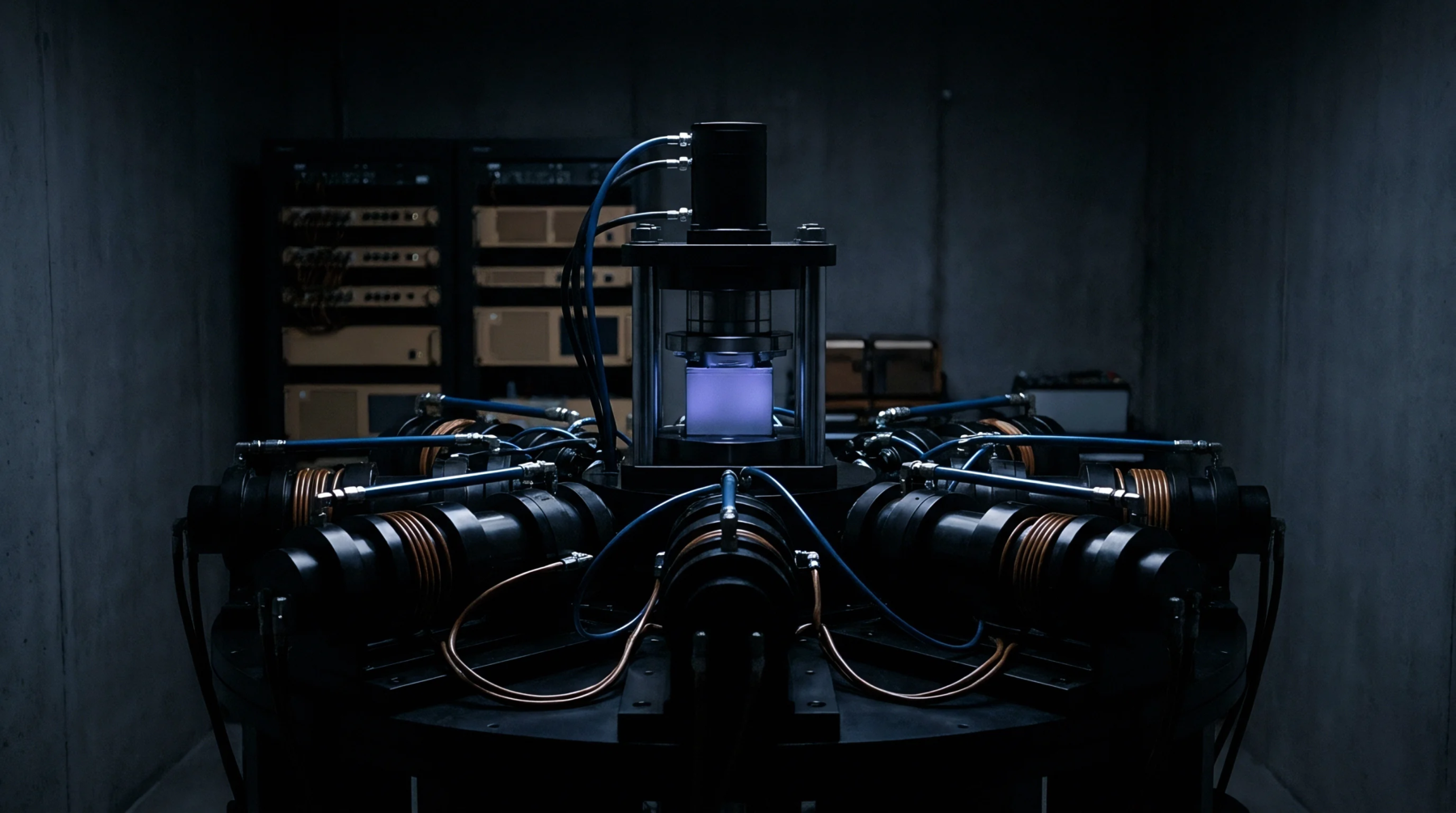
Primary precursor breakup in two-fluid gas atomization depends on aerodynamic shear matching liquid surface tension to yield uniform droplets before secondary breakup.

Phase noise in battery test hardware clocks introduces sampling jitter that distorts high-frequency impedance measurements and invalidates safety records.

Optimal pouch cell retention requires dynamic stack pressure containment between 0.3 and 0.8 MPa to absorb silicon anode swelling without separator collapse.

Differential capacity analysis detects cold charging phase transformations and lithium plating by resolving staging shifts and discharge stripping peaks.

Digital FIR and all-pass filters compensate high-current cycler group delay skew, preventing false dV/dt cutoffs in battery transport compliance testing.

Microsecond sampling delays between voltage and current channels induce phase skews that corrupt pulse impedance values, requiring clock-synchronized acquisition.

Maintain long-term module pressure windows by pairing non-linear elastomeric creep decay models with silicon anode cell irreversible growth kinetics.
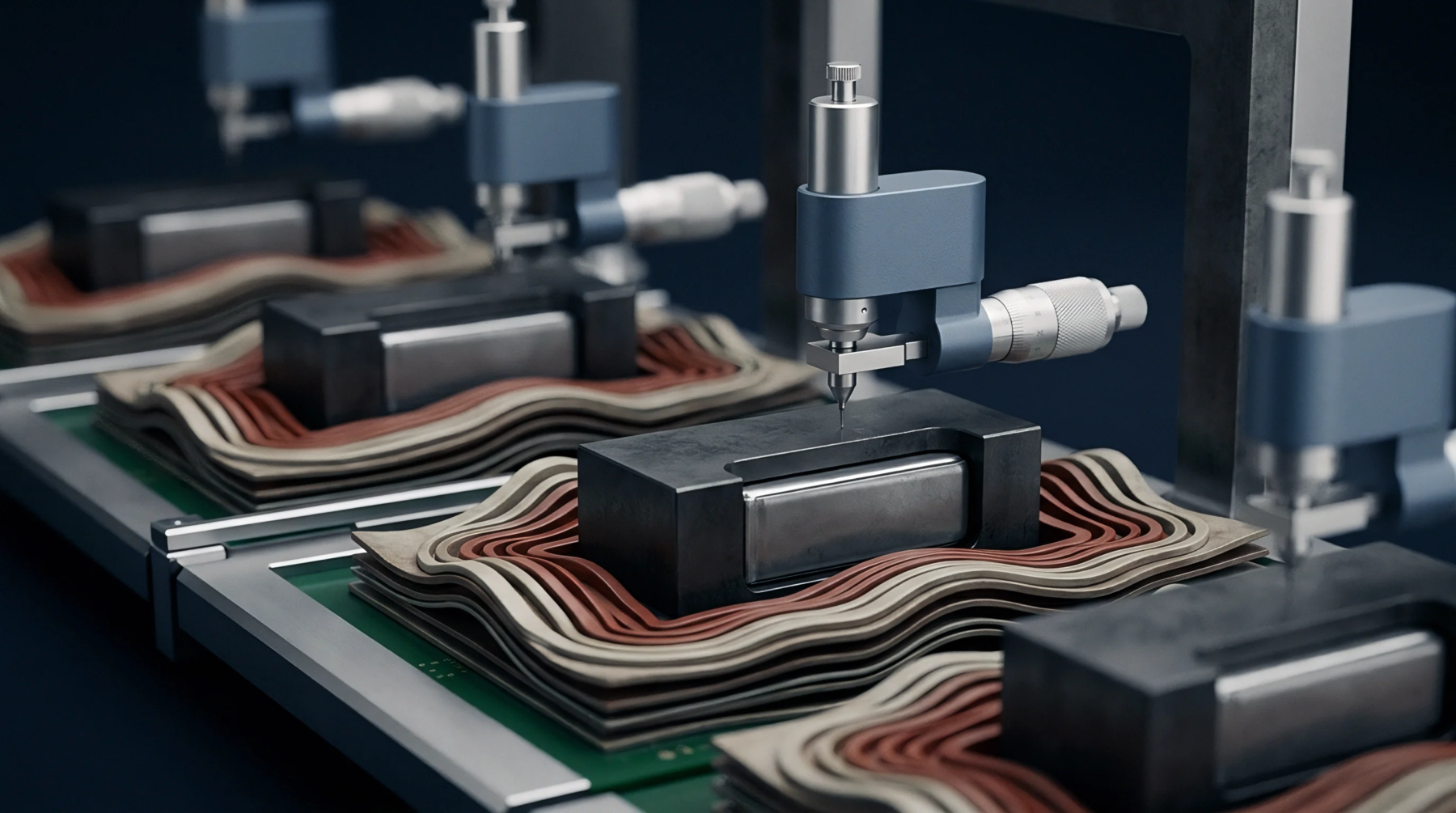
Sub-zero lithium plating triggers when negative electrode charge transfer overpotential drops below zero volts against metallic lithium reference potentials.

Subzero charging drives anode potential below zero volts, causing mechanical interphase rupture, active electrolyte depletion, and dead lithium isolation.
SEI swelling mechanics drive cell thickness growth through continuous chemical passivating layer fracturing, lithium loss, and porous anode structural distortion.

Resolving interpass recrystallization kinetics suppresses directional deformation textures, eliminating yield strength variations and planar anisotropy in rolled strip.

Controlling cold rolling reductions and annealing textures suppresses steel sheet earing below three percent to protect deep-drawn battery casing wall tolerances.

Subzero graphite charging drives anode potentials negative through desolvation and diffusion overpotentials, inducing irreversible lithium metal plating.
Expertise is a utility, not a secret. sentiention™ publishes its working knowledge as open reference: intelligence layer covering the materials it sources, the markets it enters, and the reference that serves both.