Contractual Allocation of Baseline Calibration Limits for Battery Metrology Channel Verification
Allocate metrology uncertainty margins explicitly in supply contracts to isolate cycler channel calibration drift from true cell capacity performance.

Allocate metrology uncertainty margins explicitly in supply contracts to isolate cycler channel calibration drift from true cell capacity performance.
Real-time fixture thermal drift compensation eliminates cell sorting errors by isolating thermomechanical trace expansion from true battery impedance shifts.

Isothermal differential capacity peak extraction requires microvolt sampling and sub-0.1 kelvin bath control to quantify specific cell degradation modes.

Mechanical reference alignment in swelling test channels requires frame compliance compensation and invar sensor arms to eliminate micrometer displacement errors.

Maintaining nozzle pressure ratio within supersonic design boundaries guarantees negative tip aspiration, eliminating melt reflux and maximizing fine powder yield.
Maintaining active spring load above zero point three megapascals prevents localized pressure drop and anode lithium plating in oversized prismatic cells over extended service life.

Constant pressure restraint compresses microporous separators, elevating ionic resistance and forcing liquid electrolyte out of active electrode stack void space.

Ultrafine tungsten carbide slitting blade life depends on limiting cobalt binder pooling below two micrometers to prevent micro chipping and electrode burrs.

Backscattered electron imaging quantifies sub-micron carbide grain integrity and cobalt binder depletion to select slitting tools that prevent edge burrs.

Quantifying microstructural phase transition relaxation prevents mistaking mechanical lattice heat for parasitic oxidation, lowering projected ten-year battery warranty risks.

Prismatic cell lifetime depends on balancing initial mechanical preload pressure between 0.2 and 0.4 MPa to suppress lithium plating while accommodating end-of-life swell within structural limits.

Microcalorimetric heat flow paired with differential voltage profiling separates passive chemical oxidation from active lithium loss during elevated storage.
Differentiating diffusion relaxation from chemical self-discharge requires multi-point voltage decay modeling to isolate transient overpotentials from constant Faradaic leakage.

Characterizing submicron carbide through magnetic saturation, Palmqvist toughness, and SEM grain sizing eliminates edge burrs during battery foil slitting.
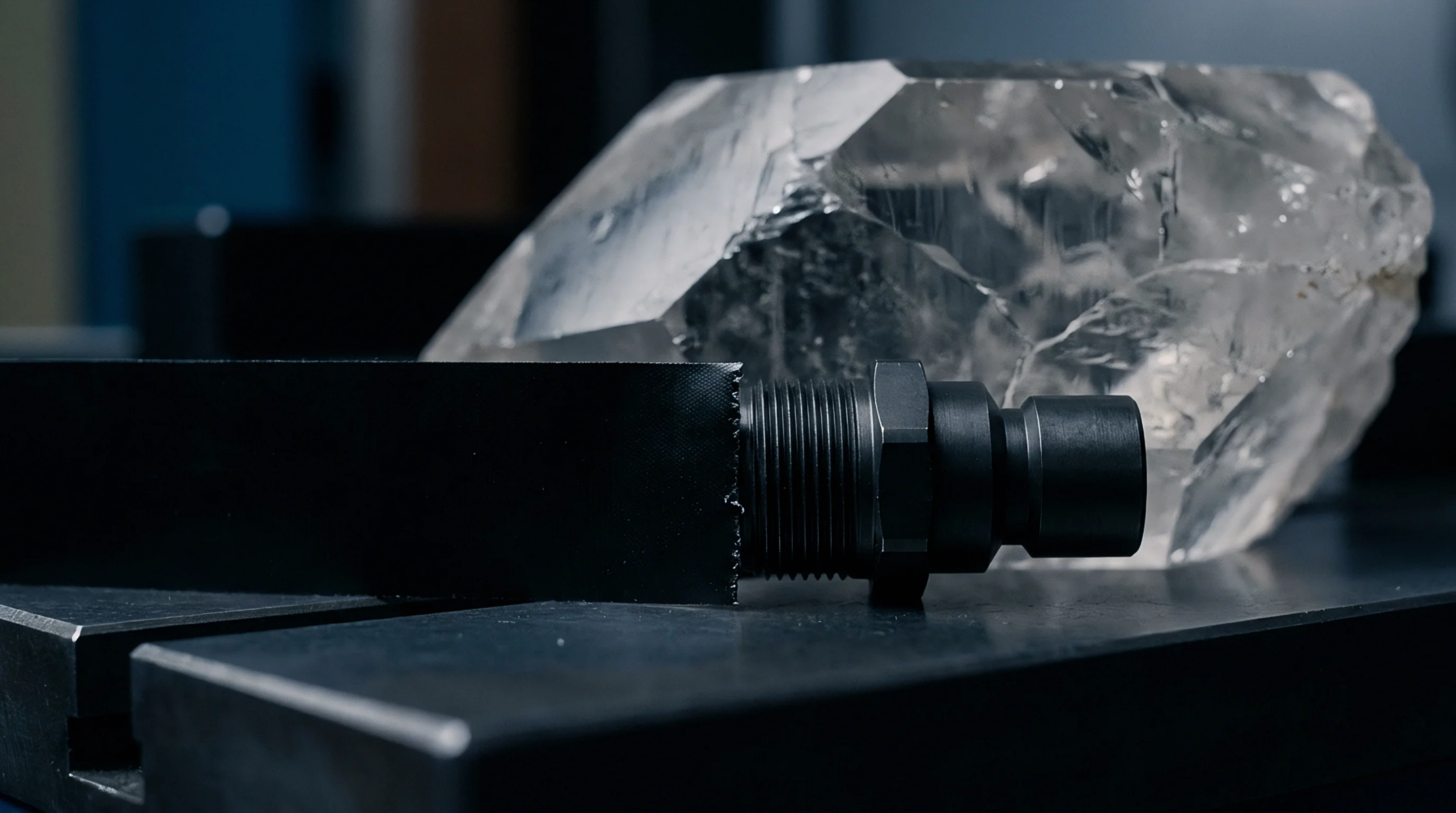
Operando impedance spectroscopy isolates interfacial growth from diffusion decay in single crystal cathodes to secure reliable long-term battery performance.

Dynamic orifice compensation stabilizes supersonic argon flow to preserve fine metal powder yield across high temperature atomization runs.
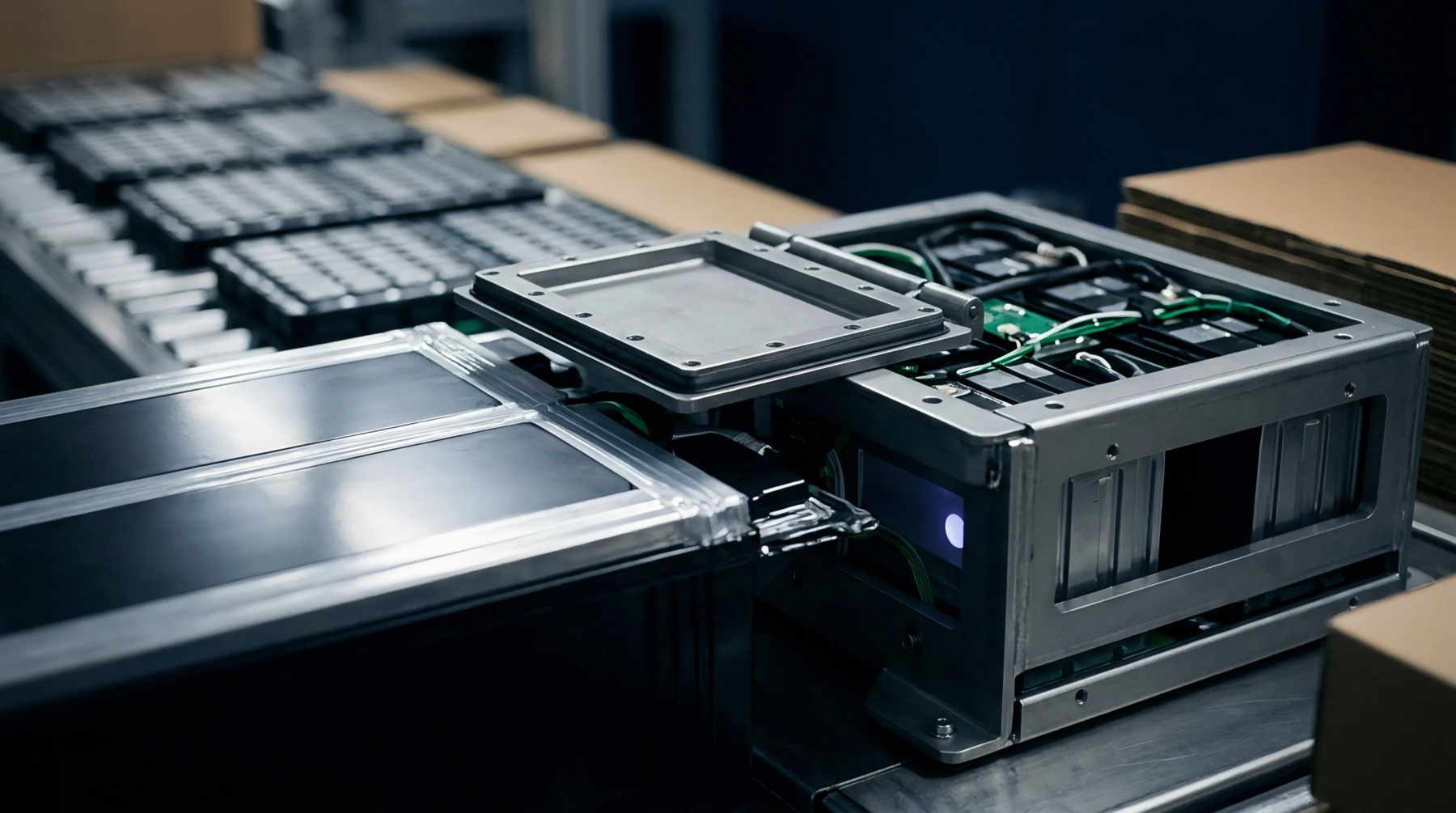
Dynamic regulation of gas supply pressure preserves aspiration differential at close-coupled nozzles, eliminating melt freeze-off and controlling powder size.

Sacrificial sodium preloading compensates hard carbon initial capacity loss, lowering desolvation resistance when inorganic sodium fluoride inner films dominate.

Sodium oxide outgassing reaches 18.7 mL/Ah during formation, requiring 0.25 MPa mechanical clamping and precise vacuum extraction to prevent pouch delamination.
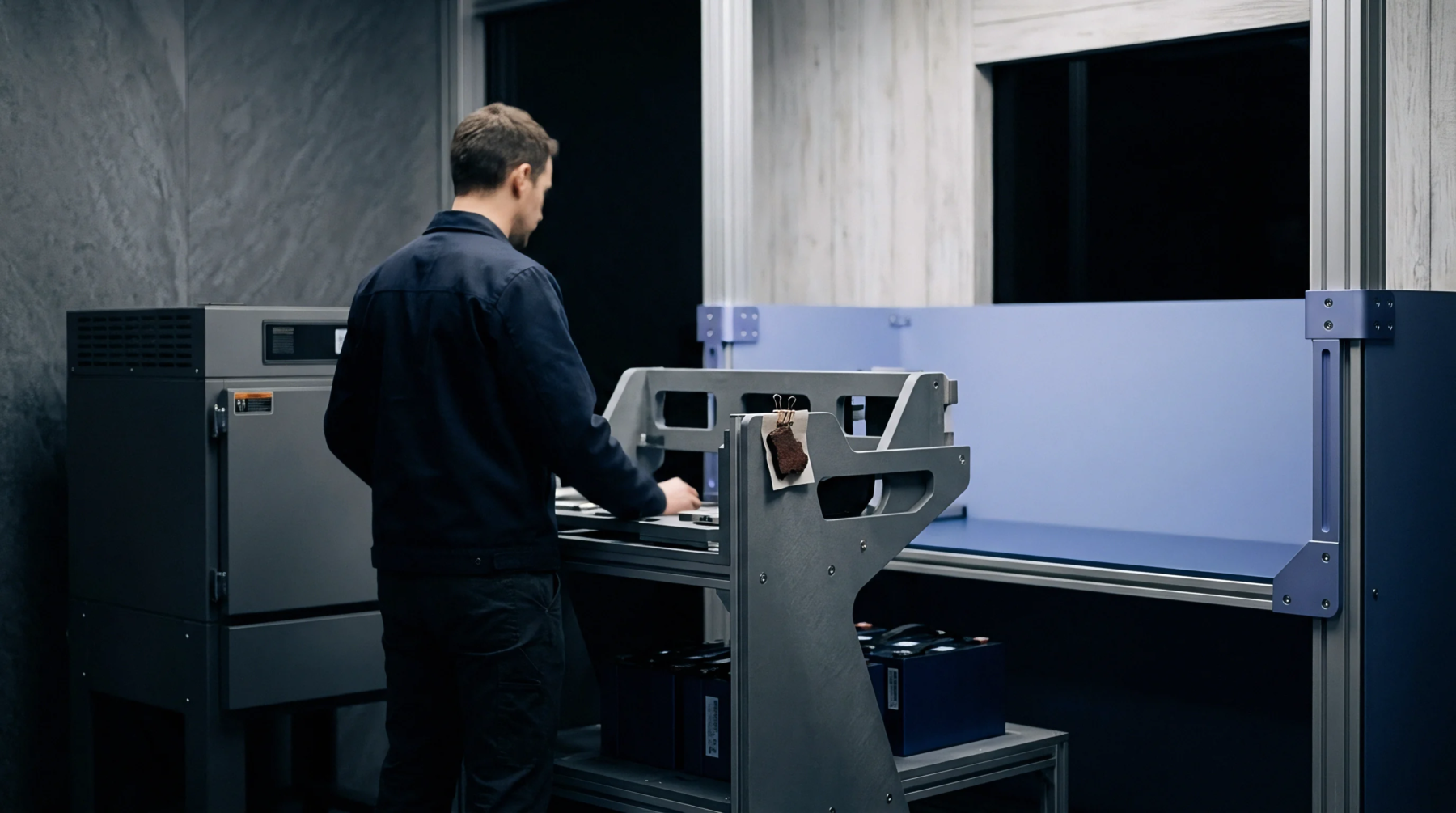
Sacrificial cathode additives offset hard carbon initial sodium loss, raising cell energy density when decomposition potential and off-gassing match formation limits.

Post-charge voltage relaxation inflection tracking reveals sub-zero metallic lithium plating before irreversible dendrite growth damages cold storage battery packs.
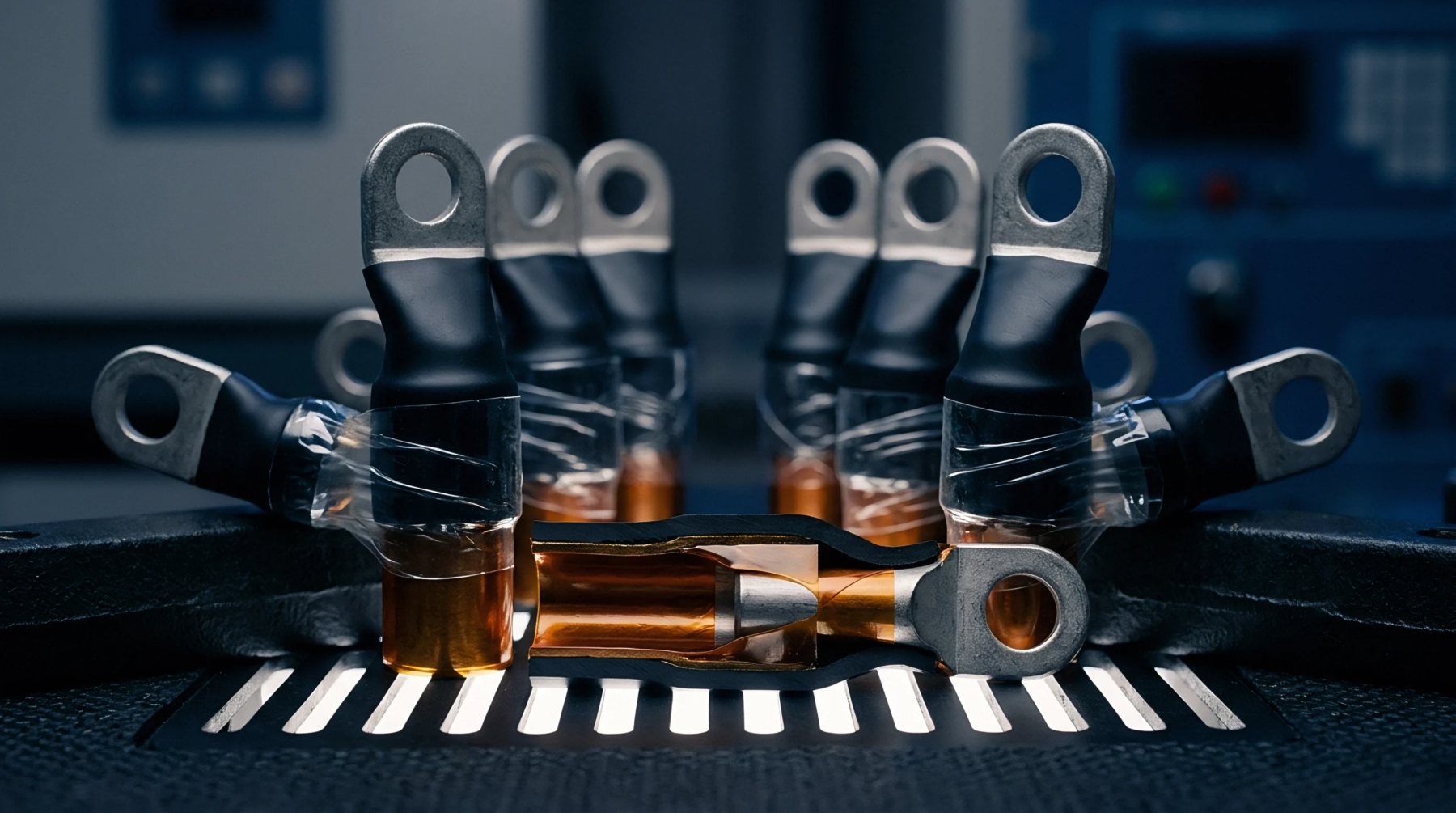
High-voltage cathode metal leaching drives anode cross-talk, destroying SEI layers and causing cell swelling that invalidates warranty and shipping files.
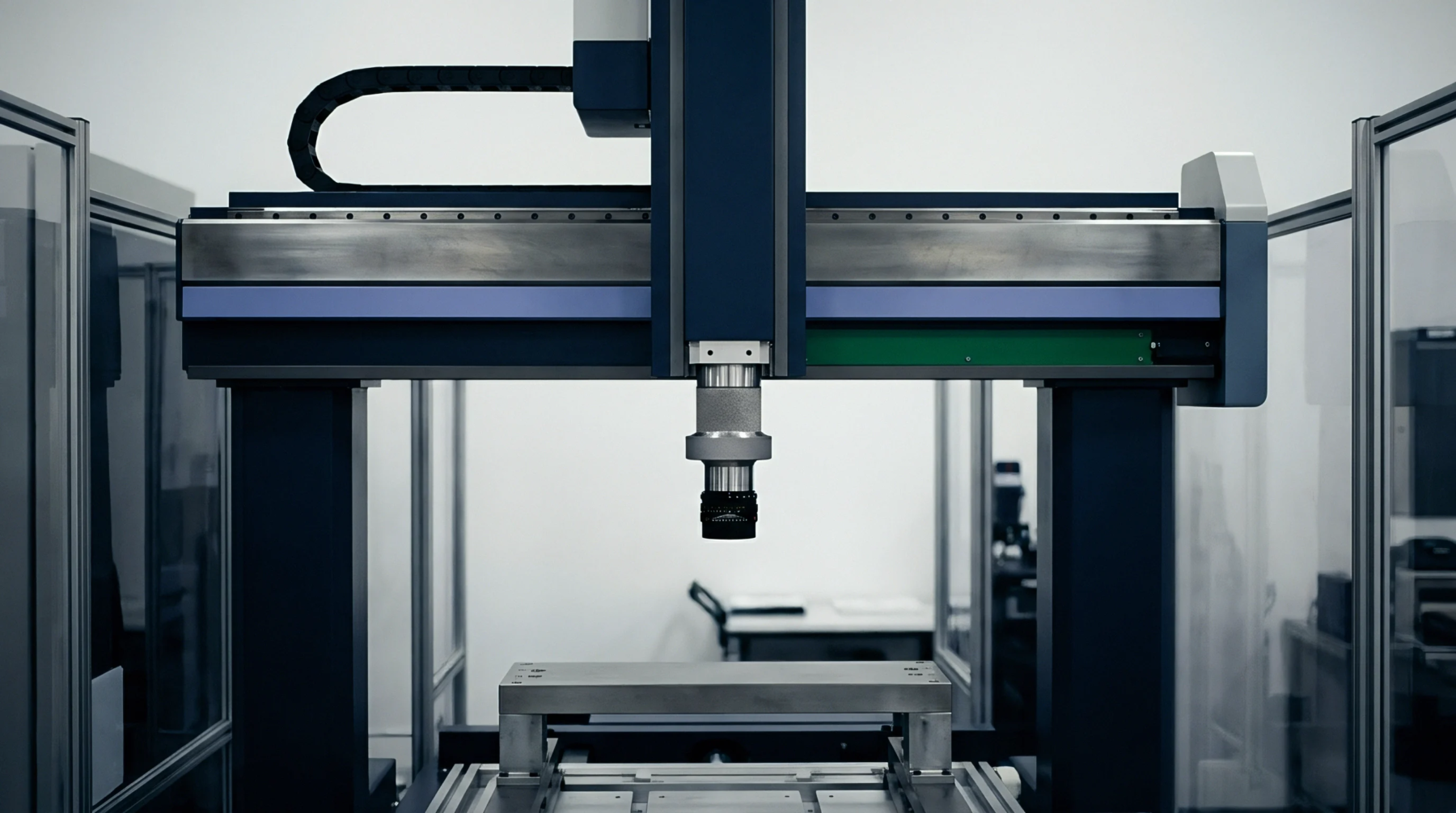
Sub-zero charging forces anode potentials below zero volts, causing metallic lithium plating that requires real-time telemetry and strict current derating.
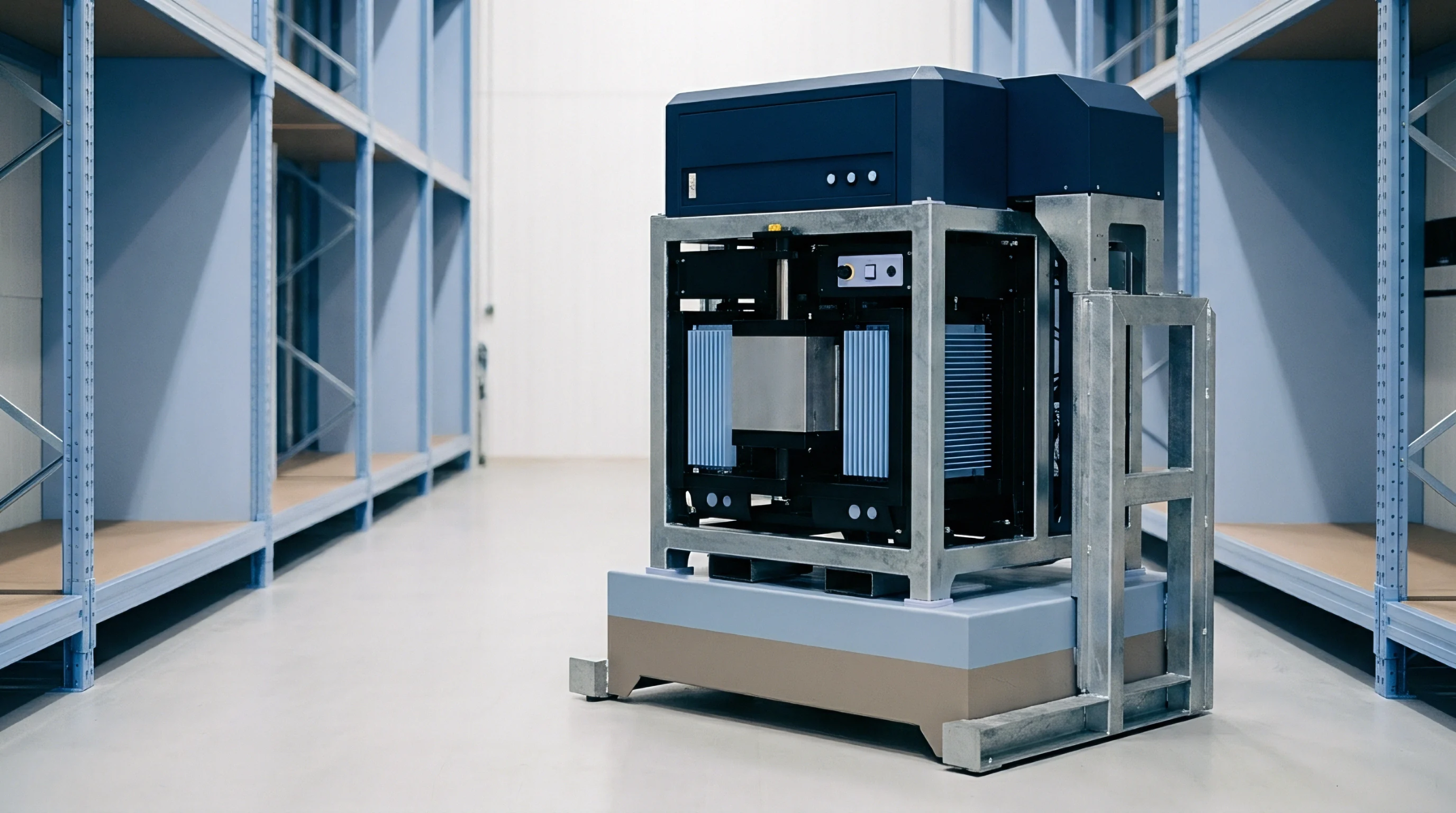
Quantifying high-voltage cathode interfacial impedance via DRT spectroscopy isolates charge-transfer growth to establish batch quality rejection limits.

Precision calibration of argon mass flow and trace purity controls particle size distribution and prevents interstitial oxide formation in atomized powders.

Sub-zero cell performance requires selecting chemistries with low desolvation energy, active thermal pre-heating, and verified low-viscosity electrolytes.

Structured silicon alloy kinetics depend on managing stress-driven diffusion back-pressure and silicide matrix creep under external mechanical stack confinement.
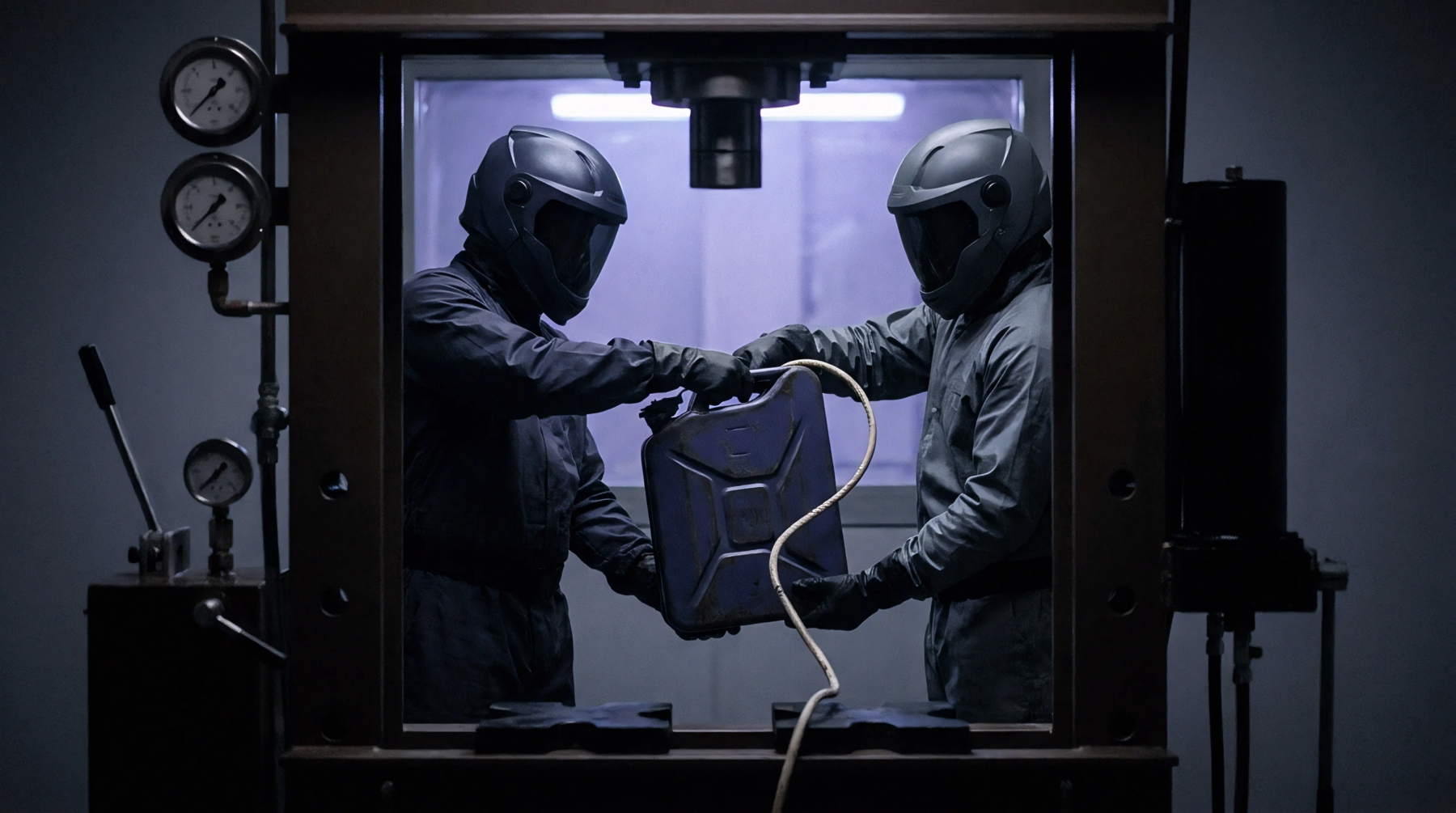
Extended high voltage thermal abuse destabilizes cathode oxide crystal lattices; atomic layer coatings suppress phase transformation and maintain transport compliance.

Advanced cathode interphase diagnostics combine cryogenic vacuum spectroscopy with operando gas analysis to prevent high-voltage capacity fade and regulatory transport rejections.

Controlled stack pressure suppresses terminal crystalline phase transitions in silicon alloy anodes, doubling cell cycle life through mechanical containment.
Expertise is a utility, not a secret. sentiention™ publishes its working knowledge as open reference: intelligence layer covering the materials it sources, the markets it enters, and the reference that serves both.