
Characterizing Planar Yield Asymmetry in Cold Formed High Alloy Steel Blanks
Planar yield asymmetry in cold-formed high-alloy blanks demands multi-axial yield locus calibration to eliminate earing and unpredicted flange drift.

Planar yield asymmetry in cold-formed high-alloy blanks demands multi-axial yield locus calibration to eliminate earing and unpredicted flange drift.

Texture control in martensitic enclosure sheets suppresses adiabatic shear bands to improve high-strain crash energy absorption.

Subzero lithium plating occurs when sluggish desolvation and diffusion force graphite potential below 0.000 V, triggering irreversible metallic deposition.

Microsecond timing skew between acquisition channels distorts cell ohmic resistance calculations, causing false batch grading and pack thermal imbalances.

Planar strain ratio testing quantifies directional flow differences across sheet steel coils to eliminate flange earing and prevent press tooling failures.
Subzero rapid lithium stripping forces desolvation kinetic inversion, demanding fluorinated low-viscosity electrolytes to suppress interfacial overpotential.

Dynamic multi-axial fracture limits in battery sills govern crash energy absorption and dictate the safe packaging clearance protecting cells from intrusion.

Finite element modeling underestimates heavy battery vibration amplification unless corrected for non-linear interfacial damping and shaker fixture resonances.

Documentation rejections transfer financial liability to the shipper of record unless contractual clauses explicitly shift compliance burdens to upstream pack builders.

Online impedance derating adjusts subzero charging current dynamically to prevent lithium plating while maintaining maximum safe energy transfer.
Electrochemical impedance spectroscopy identifies lithium plating through charge-transfer resistance drops, DRT peak splits, and post-charge relaxation shifts.

Three-electrode differential voltage relaxation analysis maps sub-zero lithium plating thresholds, preventing irreversible anode decay and thermal risk.

Exceeding a 20 percent shift in mass or Watt-hours, or 0.1 V in nominal voltage, voids UN 38.3 certification and legally mandates complete pack retesting.

UN 38.3 qualification requires passing T.1-T.8 abuse tests and securing a standardized test summary certified at 30% state of charge for air carriage.

Reconciling ASTM E1245 with ISO 4967 demands aligning spatial proximity bridging algorithms and aspect ratio limits to match visual stringer aggregation rules.
Automated optical inspection replaces subjective metallographic rating with objective pixel thresholding for tool steel carbide and inclusion verification.

Active preheating circuits prevent sub-zero lithium plating by raising core temperatures above five degrees Celsius before high-rate charging commences.
Sinusoidal vibration sweeps in UN 38.3 induce resonant heel cracking and intermetallic fatigue in interconnect welds, requiring controlled transmissibility limits.

Sub-zero cell qualification requires verifying charge-transfer impedance and anode overpotential thresholds to prevent irreversible field lithium plating.
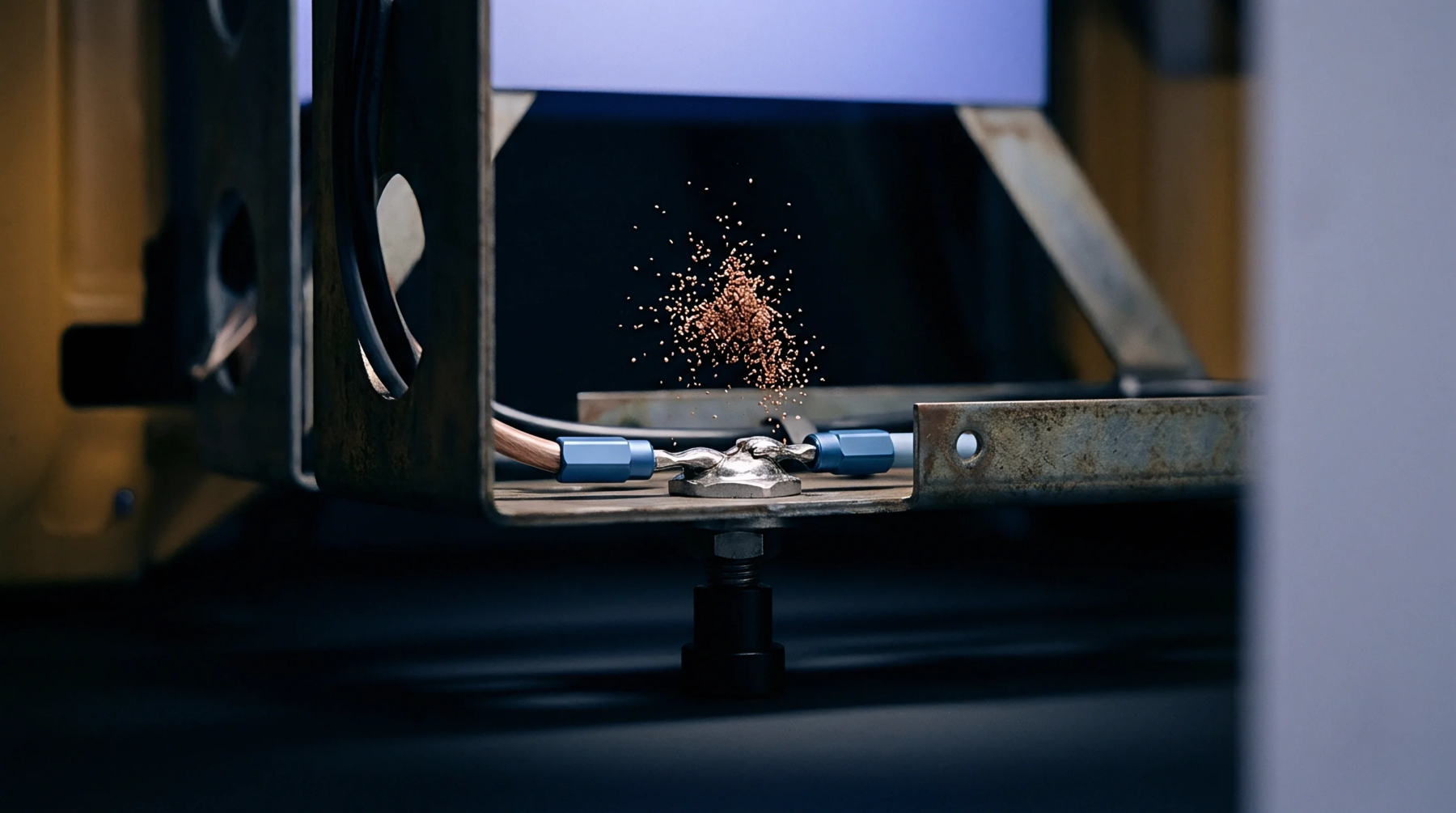
Calibrating automated inclusion rating in high-speed tool steels requires dual-threshold gray segmentation and EDS chemical gating to separate oxides from carbides.

Structural evaluation parameters for module vibration certification require matching natural frequencies, joint shear fatigue limits, and G-RMS profiles.
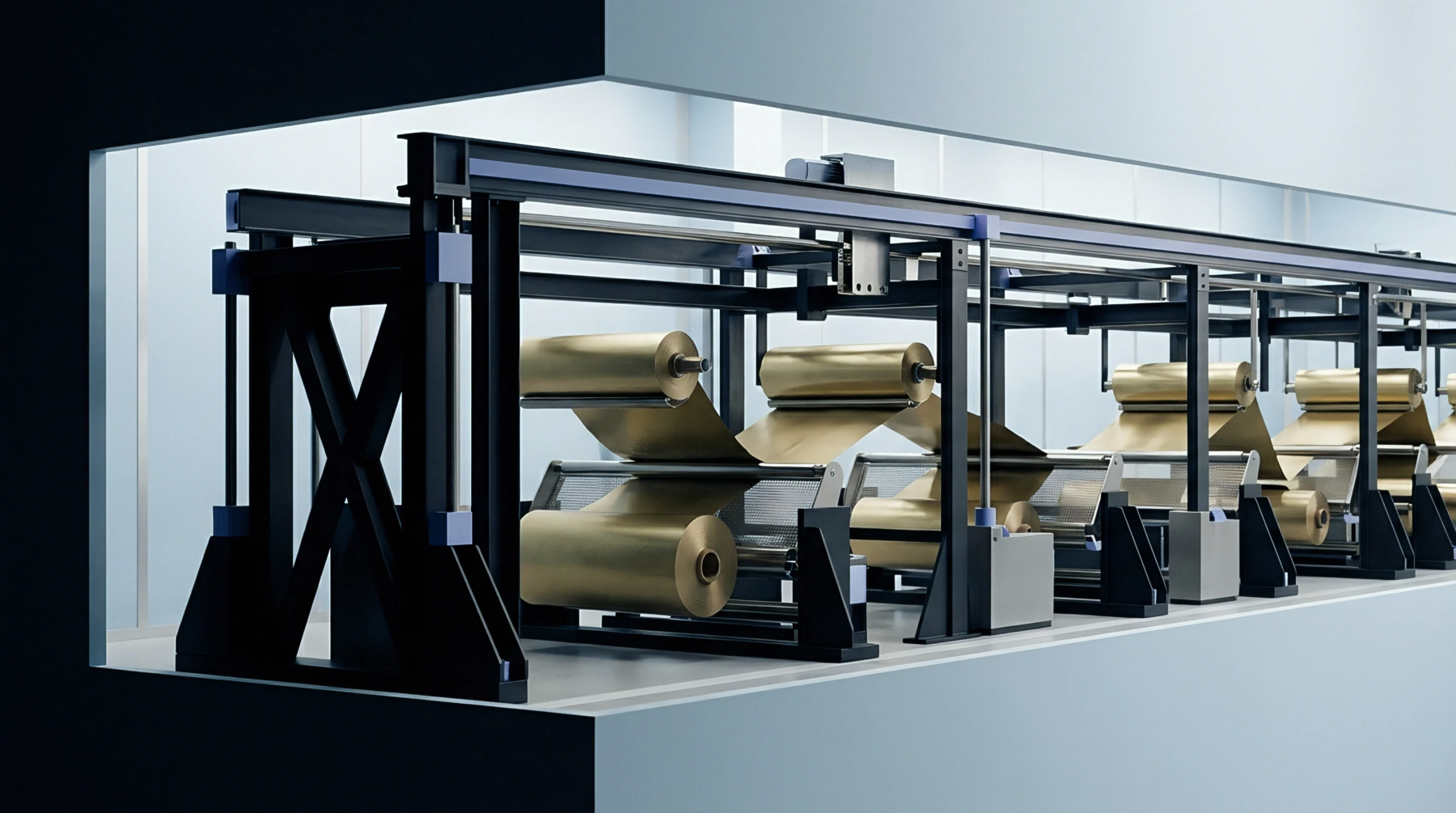
Mitigating shock recirculation in metal atomization requires secondary gas bleed purge and tuned acoustic damping to ensure high yields of ultra-fine powder.

Border impoundments resolve by matching outer package markings, cell casing etchings, and UN 38.3 test summaries prior to carrier tender.
Maintaining stable negative aspiration pressure during liquid silicon gas atomization optimizes spherical particle morphology and suppresses satellite formation.

Subzero storage increases charge transfer resistance and fractures the solid electrolyte interphase, requiring low SoC levels and post-storage equilibration.

Auditing UN 38.3 test reports demands checking T.1-T.8 raw parameters, verifying UN 38.3.2.2 design modification thresholds, and validating ISO 17025 test summaries.

Subzero capacity retention drops primarily due to desolvation impedance and electrolyte viscosity rise, making active pre-heating mandatory to avoid plating.

Close coupled gas atomization generates ultrafine sub-30 micron alloy anode powders through gas-jet shearing of molten metal at high quenching rates.
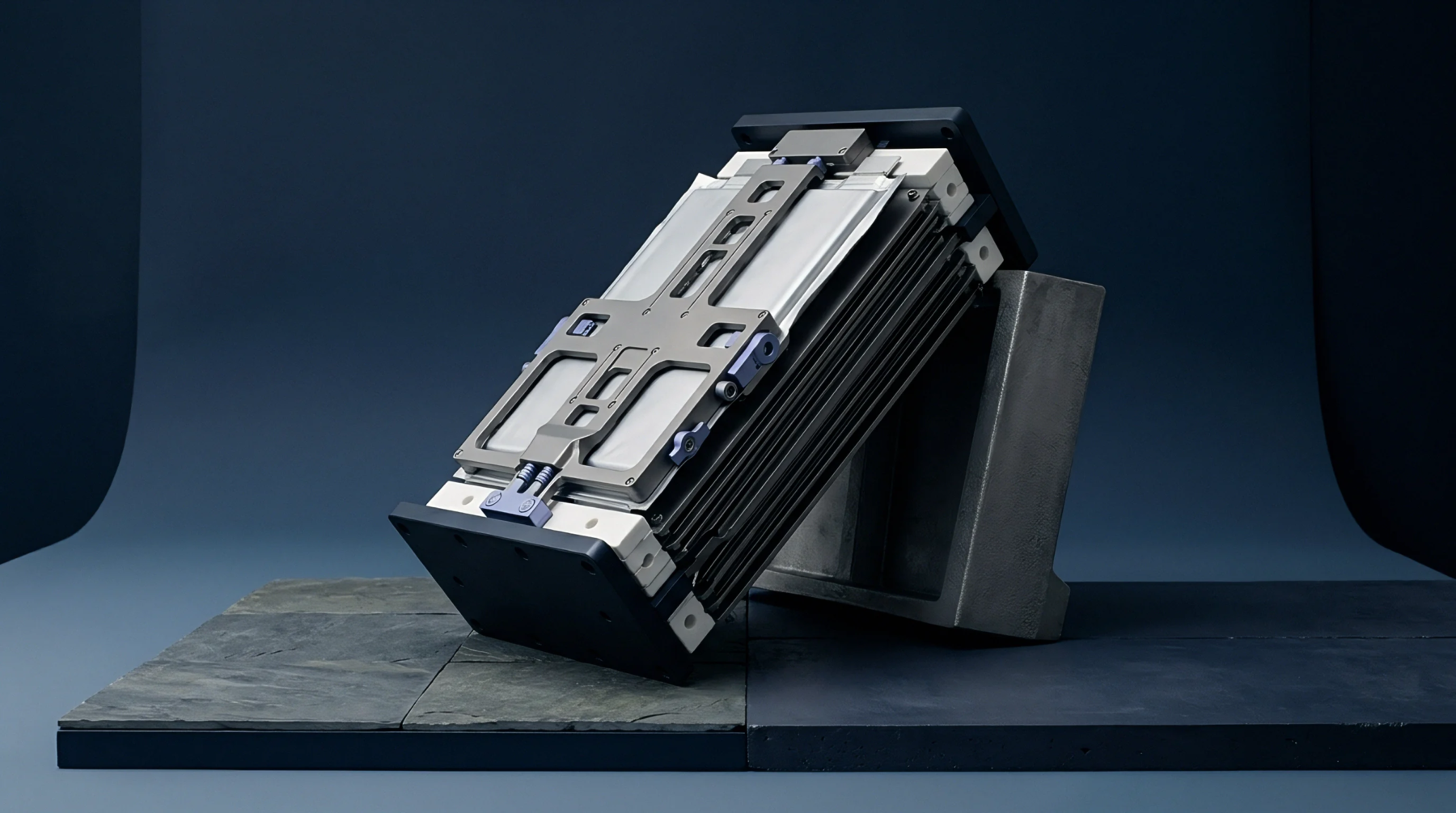
Subzero capacity testing requires calibrated thermal soak times and strict voltage cutoff standardization to prevent artificial capacity truncation and unrecorded lithium plating risks.

UN 38.3 air transport compliance requires mandatory T.1-T.8 safety qualification, under 30 percent state of charge, and complete statutory test summary files.
Expertise is a utility, not a secret. sentiention™ publishes its working knowledge as open reference: intelligence layer covering the materials it sources, the markets it enters, and the reference that serves both.