Silicon Anode Mechanical Stress and Electrochemical Hysteresis Fundamentals
Silicon anode volume changes generate severe mechanical stress and voltage hysteresis, requiring engineered void space and controlled stack pressure to preserve cell life.

Silicon anode volume changes generate severe mechanical stress and voltage hysteresis, requiring engineered void space and controlled stack pressure to preserve cell life.
Dynamic mass loss from micrometer seam fissures breaches chemical stability limits long before tripping UN 38.3 gross gravimetric transport thresholds.

Headspace GC-MS quantifies trace electrolyte solvent venting and fluorophosphates in packaging to identify heat-damaged cells before customs quarantine.
Sub-0.025 mm nozzle concentricity control stabilizes aspiration pressure, maximizing sub-45 micron metal powder yields and eliminating batch melt aborts.
Electrolyte solvent vapor detection identifies sub-micron battery seal leaks down to 1e-8 mbar L/s, securing dangerous goods shipping compliance.

Prelithiated silicon composite anodes dissipate significant mechanical hysteresis energy as heat across phase boundaries, requiring calibrated pack-level thermal mitigation.
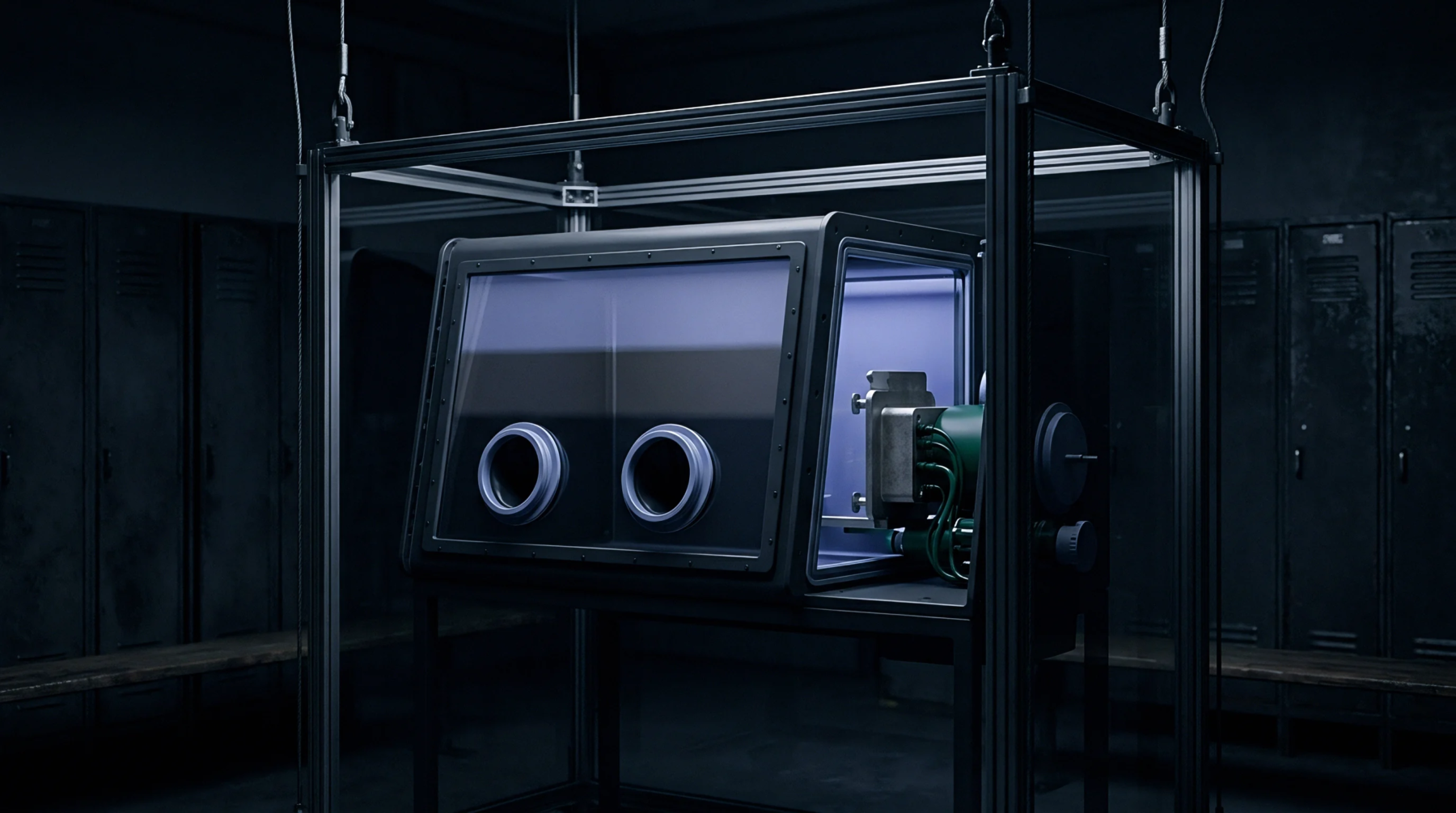
Adjusting melt tube setback from 0.5 to 2.0 millimetres controls aspirator vacuum from -15 to -45 kilopascals to maintain stable melt suction and fine powder yield.
Stress-potential coupling depresses open-circuit voltage during charge and elevates it on discharge, creating structural voltage hysteresis that reduces energy efficiency.

Enforcing cell lower cutoff voltages above 70 millivolts suppresses Li15Si4 crystallization, tripling silicon anode cycle life and preventing rapid cell swelling.

Dynamic multi-gigapascal contact stress accelerates vacancy migration into planar clusters that cleave cathode primary particles and invalidate transport safety.

Plateau voltage flatness creates mathematical observability loss in aged LFP, demanding dynamic pulse injection or differential capacity peak tracking.

Quantifying grain boundary oxygen release via multi-rate calorimetry establishes the true thermal stability barrier of aged high-nickel cathode cells.

Augmenting the Extended Kalman Filter state vector with a hysteresis parameter prevents severe SOC drift and false balancing on flat LFP cathode voltage plateaus.

Dynamic compression degradation in lithium metal pack tooling requires clear contractual pressure retention SLAs to prevent voiding cell warranties.

Subsurface phase inversion transforms active high-nickel cathode surfaces into high-resistance rock-salt layers, driving impedance growth and safety risks.
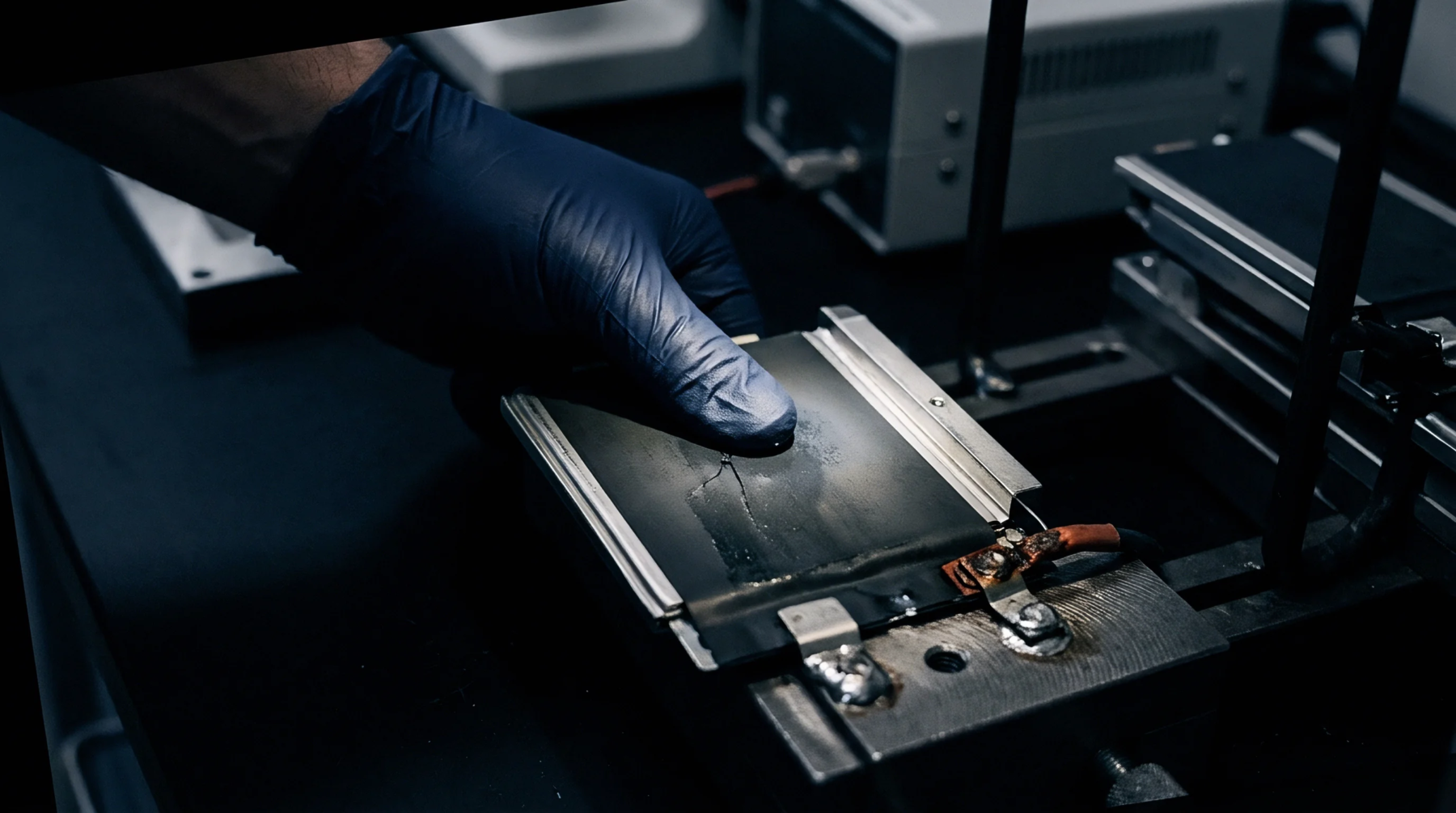
Modeling endplate deflection requires coupling dynamic state-of-charge expansion with long-term degradation growth to set pre-load tolerances under 0.5 mm.

Olivine cell phase transitions generate flat voltage envelopes that require derivative diagnostic tracking rather than raw voltage thresholding.

Dynamic temperature-dependent OCV modeling accounts for SEI-induced stoichiometric slippage and shifting entropic coefficients to prevent costly pack estimation errors.
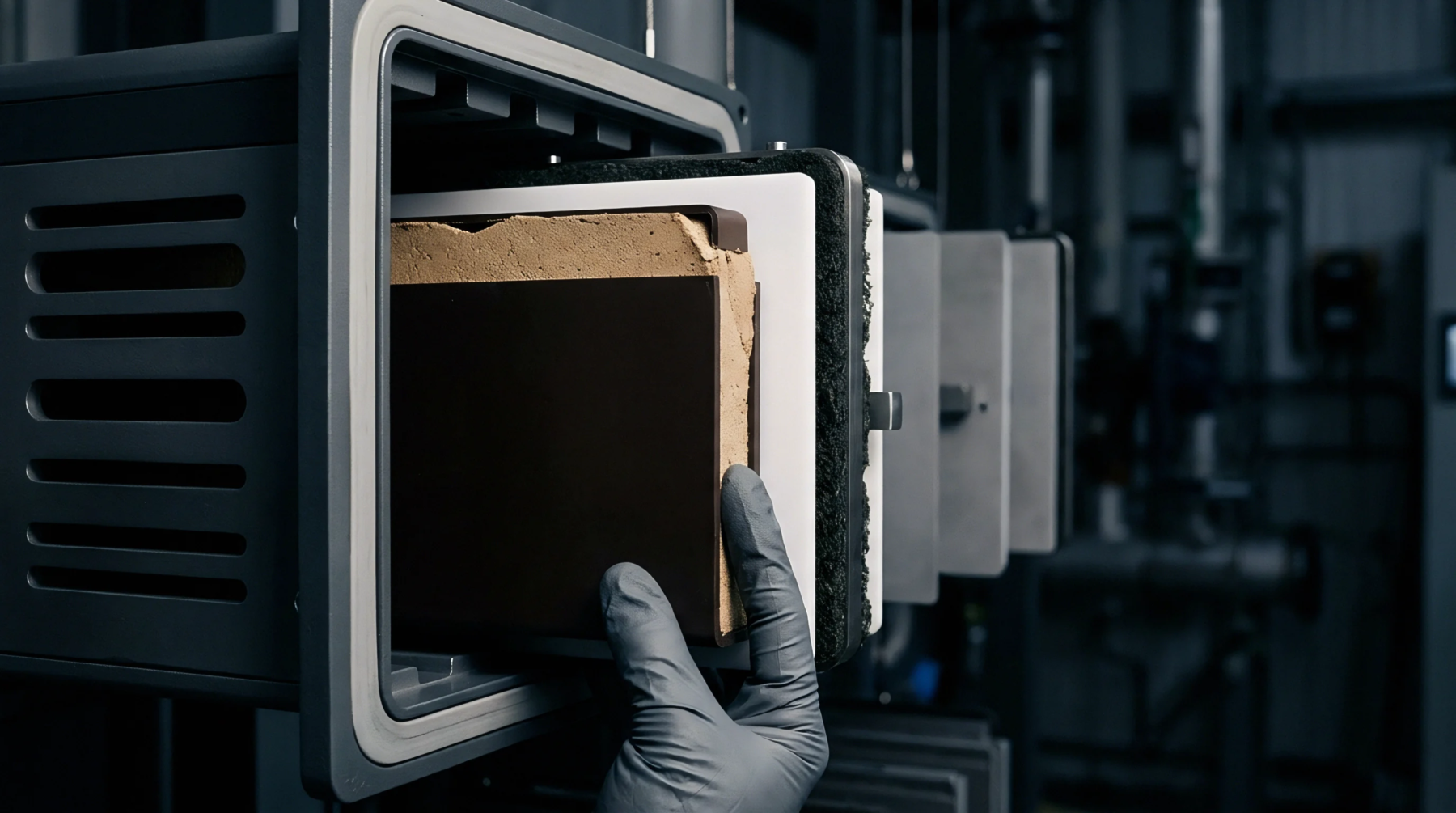
Operando synchrotron X-ray spectroscopy provides non-destructive crystallographic proof of cell defect mechanisms to enforce supplier warranty indemnification.
Dynamic path-dependent hysteresis in LMFP cathodes requires nested sub-loop extraction to prevent 15 percent state-of-charge drift in automotive pack controllers.

XPS depth profiling quantifies nanoscale rock-salt reconstruction on aged cathodes, parameterizing localized solid-diffusion resistance for predictive models.
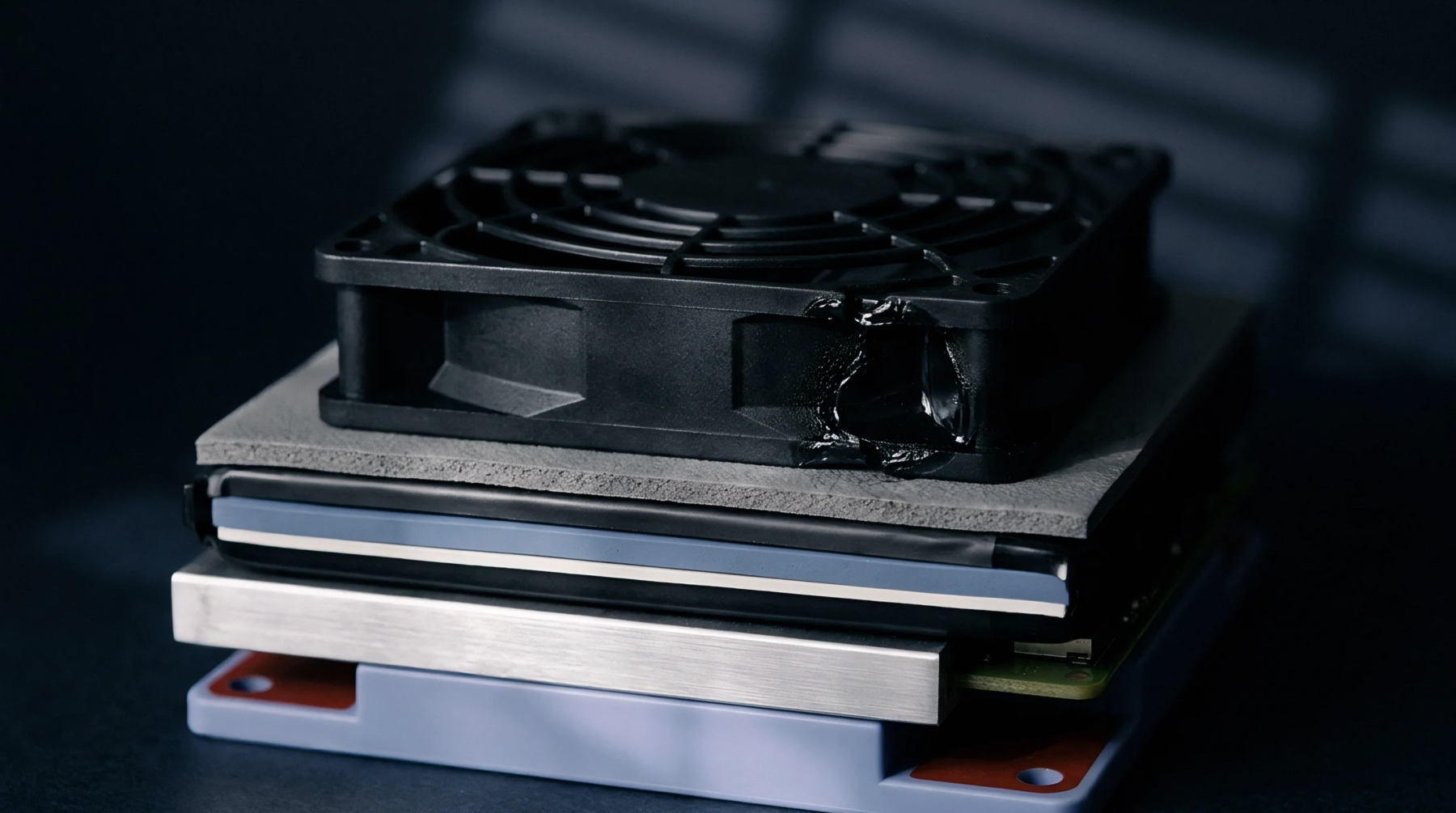
Maintain uniform 50 to 200 kPa stack pressure using compliant silicone or polyurethane pads to prevent stripping voids without causing separator creep shorts.
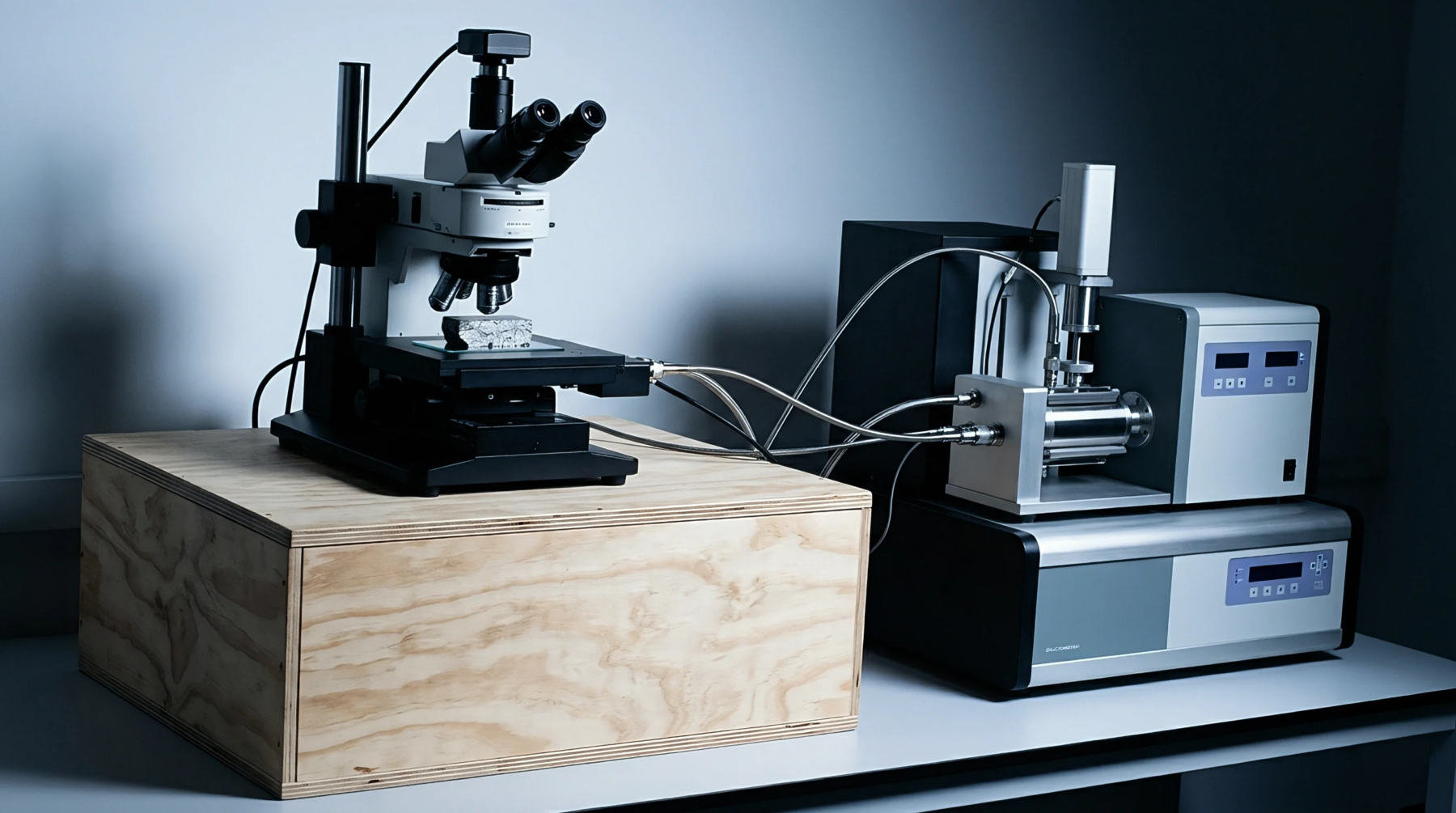
Cathode surface phase stability verification prevents sudden impedance growth and thermal instability by auditing spectroscopic depth profiles and impedance growth.

Triaxial tension in brazed cooling fillets accelerates creep cavitation, making damage mechanics modeling decisive for pack cold plate warranty validation.
Automated machine learning decouples analog filter phase delay and ringing artifacts from true battery microstructural noise to ensure diagnostic accuracy.

Multiaxial fatigue modeling for vacuum brazed pack channels requires critical plane criteria to prevent rib root cracking under combined fluid and swelling loads.
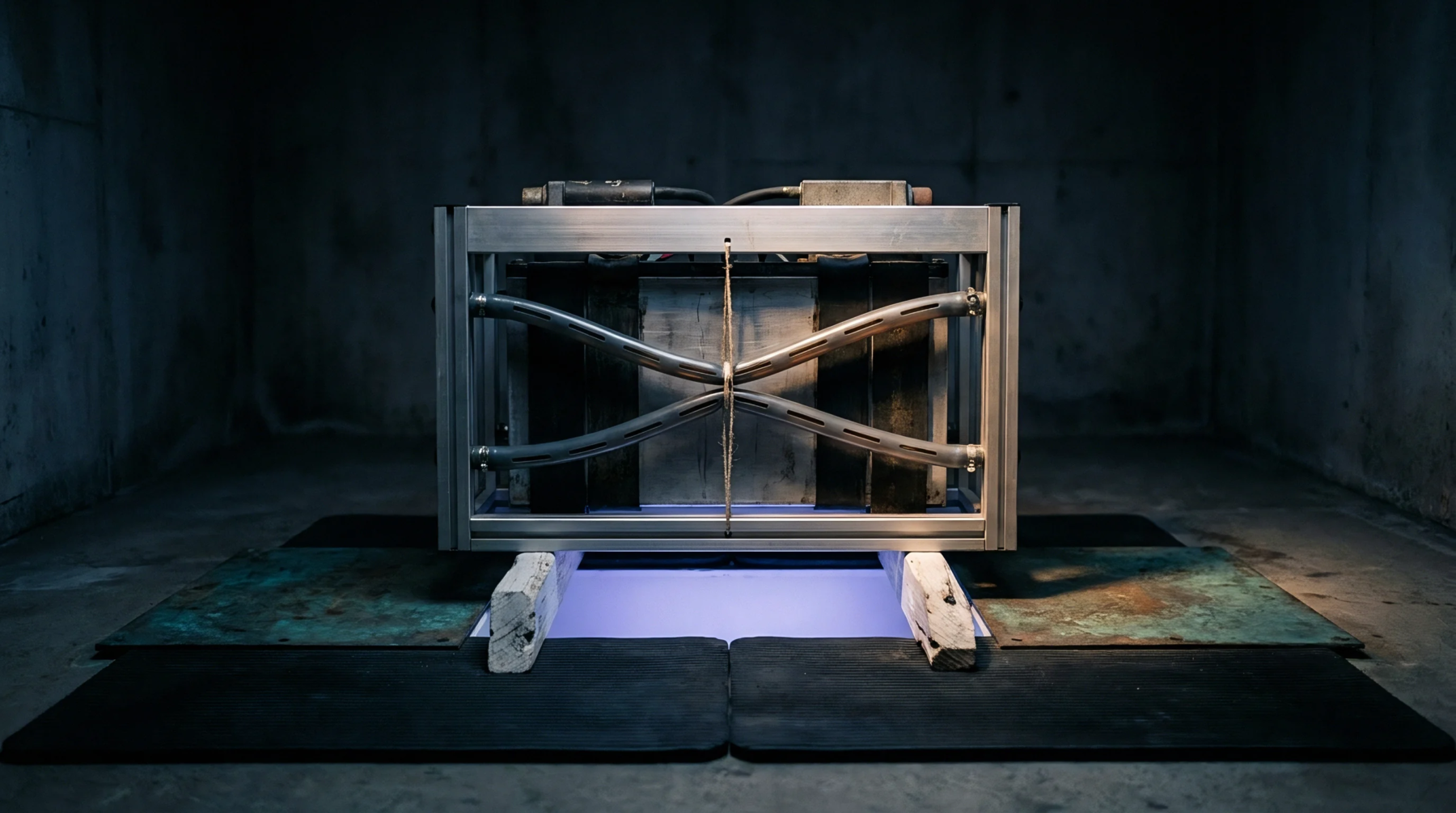
Brazed aluminum cooling plates fail under creep-fatigue when cell swelling compression combines with pressure pulses at braze fillet roots.

Verify raw voltage logs against qualification dQ/dV curves using residual variance tests to prevent smoothed derivatives from hiding active material degradation.

LFP cells require up to 48 hours resting to achieve thermodynamic OCV equilibrium due to flat phase plateaus, hysteresis, and slow solid-state lithium diffusion.
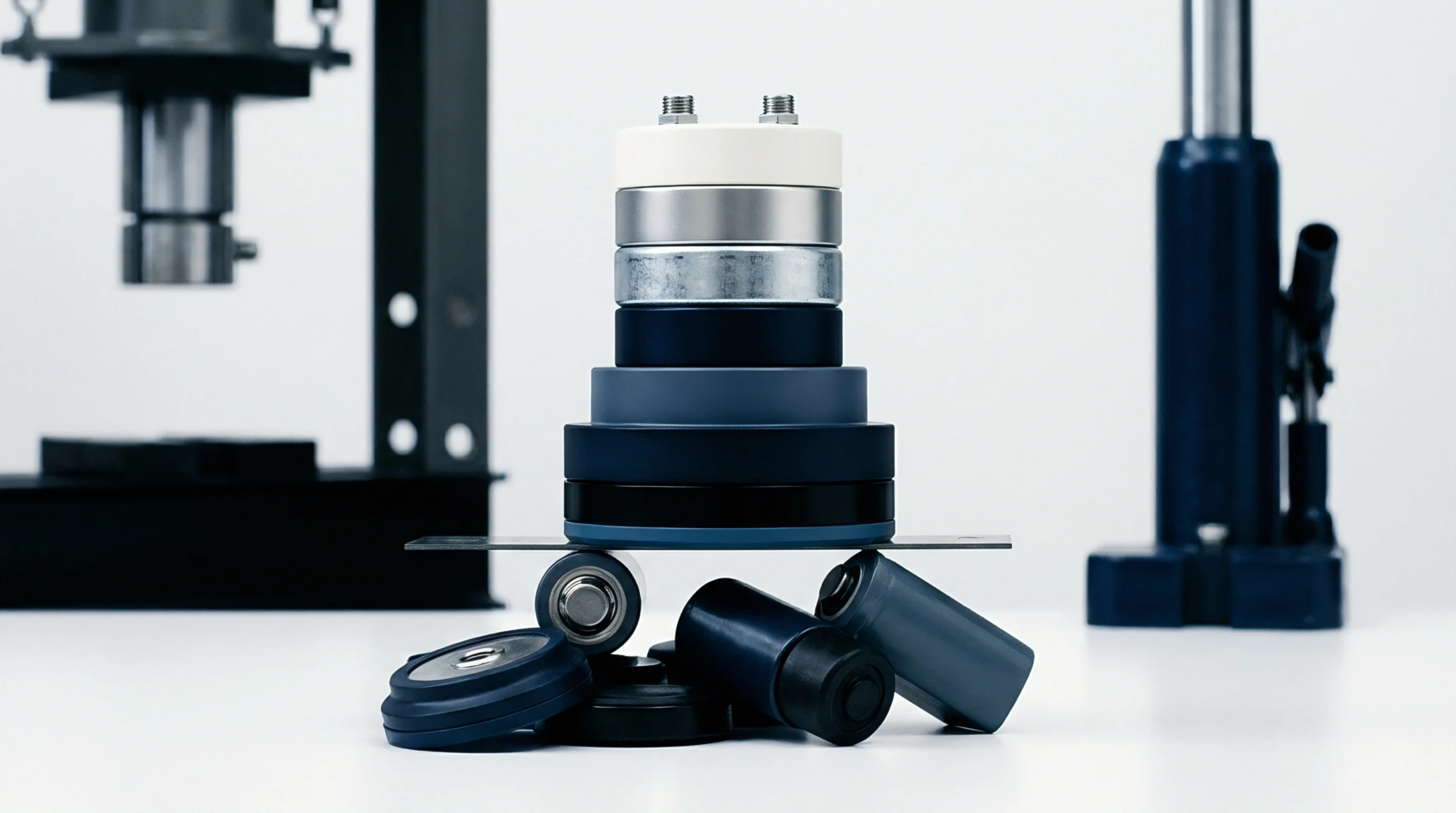
Extracting nonlinear continuum creep parameters under thermal pulsing and multiaxial hydraulic stress establishes accurate cold plate and cell case fatigue limits.
Expertise is a utility, not a secret. sentiention™ publishes its working knowledge as open reference: intelligence layer covering the materials it sources, the markets it enters, and the reference that serves both.