
Winter Charging Limits and the Cost of Ignoring Them
Sub-zero lithium-ion charging without precise current derating triggers irreversible anode plating, driving immediate capacity loss and fire hazards.
Sub-zero lithium-ion charging without precise current derating triggers irreversible anode plating, driving immediate capacity loss and fire hazards.

Incoming cell lot clearance requires zero-acceptance sampling combined with temperature-controlled K-value screening to intercept latent internal micro-shorts.
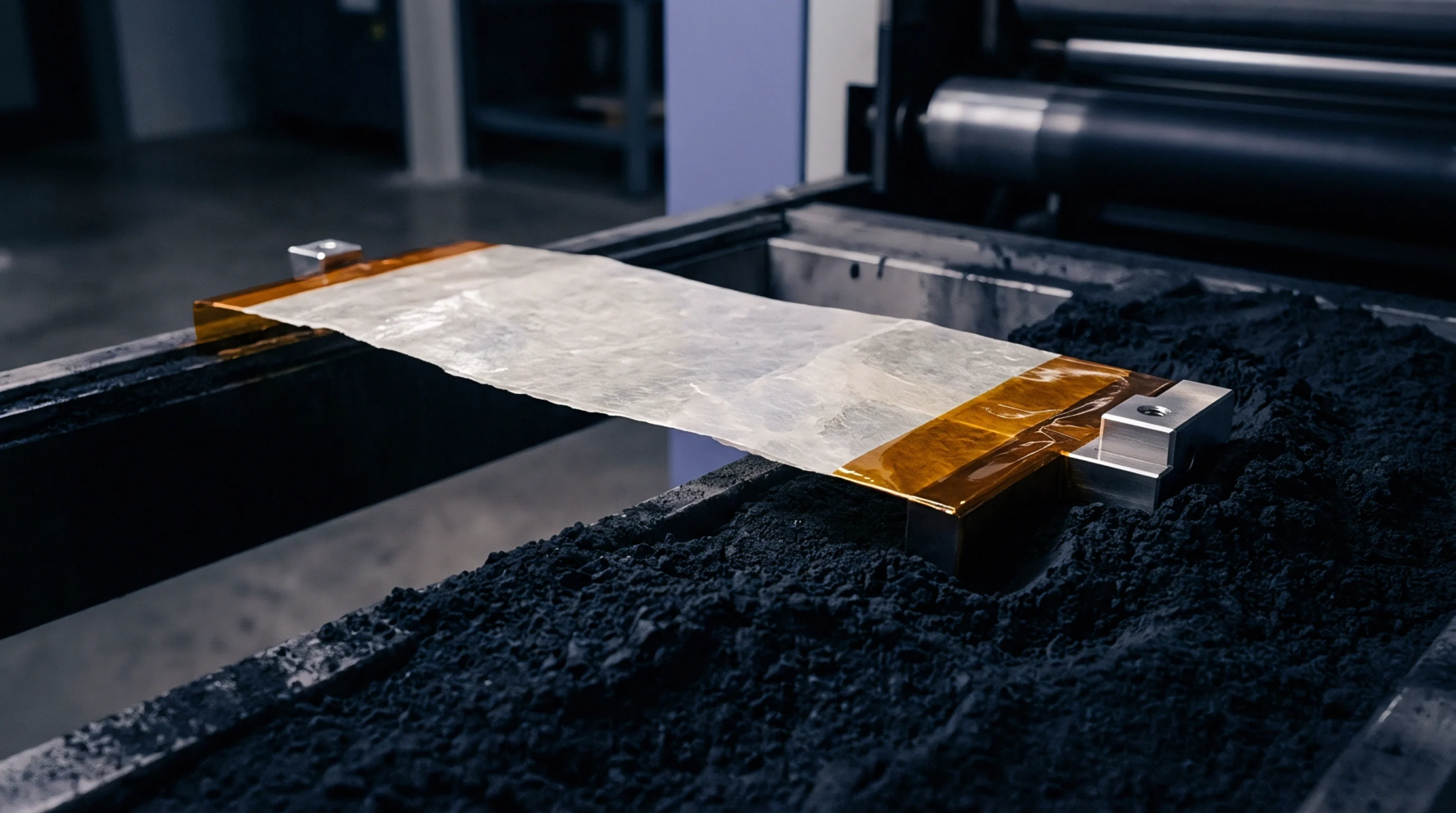
Voltage relaxation transients distort open circuit measurements causing state of charge errors exceeding twelve percent without persistent diffusion modeling.

LFP cell voltage relaxation spans milliseconds to weeks, requiring structured rest periods to separate kinetic polarization from factory K-value self-discharge.

Fast charging requires negative electrode potential monitoring above zero volts against lithium reference to prevent cell degradation and thermal risks.

Subzero charge drives graphite surface potential below 0V vs Li/Li+, causing metallic lithium plating that demands temperature-compensated derating.
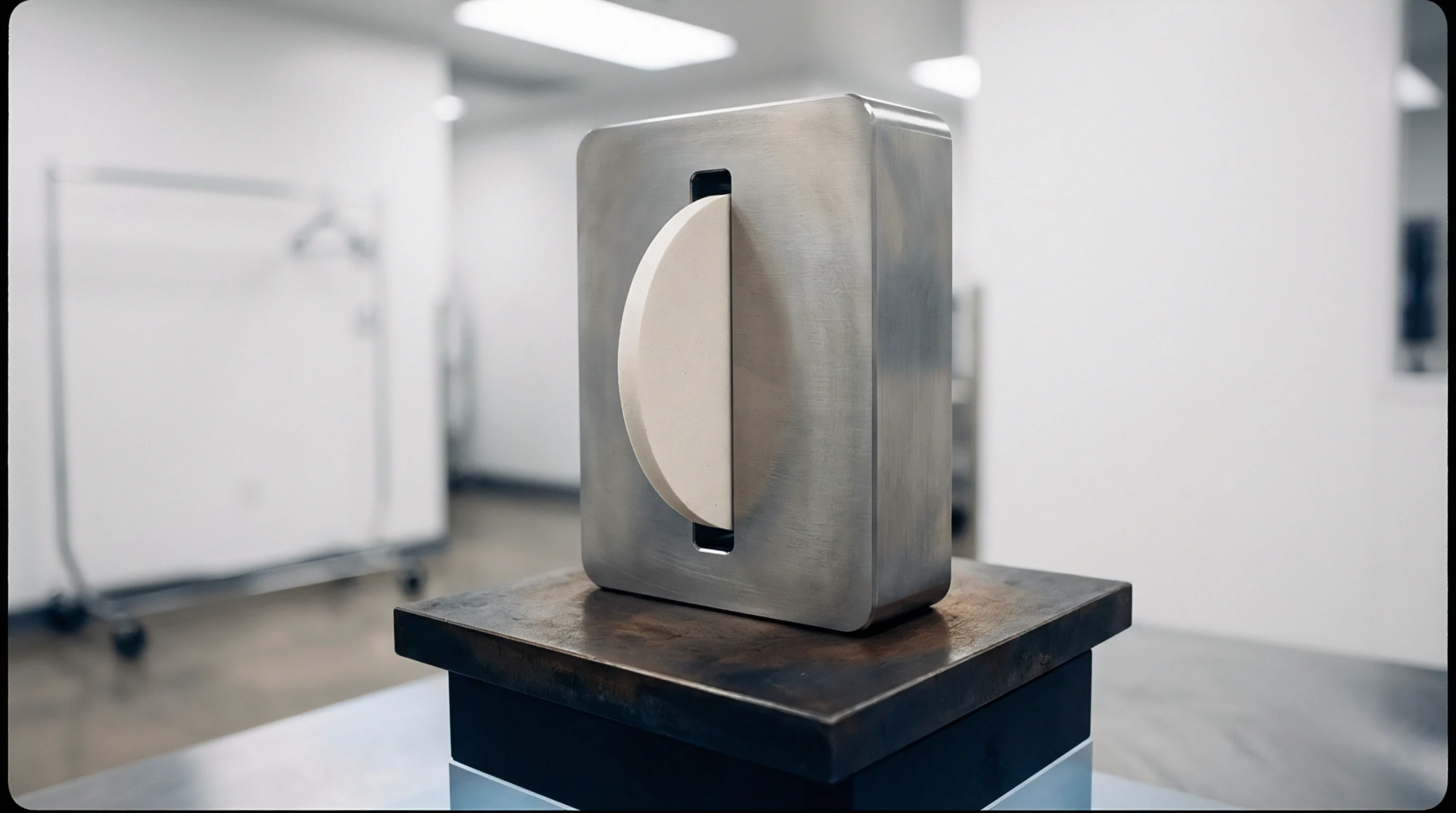
Charge transfer overpotential crossover marks the transition from kinetic to diffusion control, quantifiable via transient voltage relaxation fitting.

Quantify lithium plating signals by isolating post-charge open-circuit voltage plateaus and integrating dQ/dV stripping peaks under isothermal thermal control.

Reversible lithium stripping under cold operation requires voltage relaxation or dQ/dV diagnostic tracking to adjust BMS derating and protect cycle life.

Sub-zero charging forces graphite anode potential negative, driving metallic lithium deposition, accelerating internal short risks, and invalidating safety transport certifications.

Three-electrode anode overpotential testing isolates uncompensated potential thresholds to prevent lithium plating during fast charge algorithm design

Sub-zero charging of high mass anodes causes localized salt precipitation and lithium plating, demanding strict mass loading caps and pre-heating protocols.

Low temperature charging shifts graphite potential below zero volts against lithium, initiating destructive metallic plating when polarization exceeds kinetic intercalation limits.

Post-charge voltage relaxation inflection tracking reveals sub-zero metallic lithium plating before irreversible dendrite growth damages cold storage battery packs.

Active anode potential tracking prevents metallic lithium plating, extending cell life and enabling safe 15-minute fast charging in high-power battery packs.
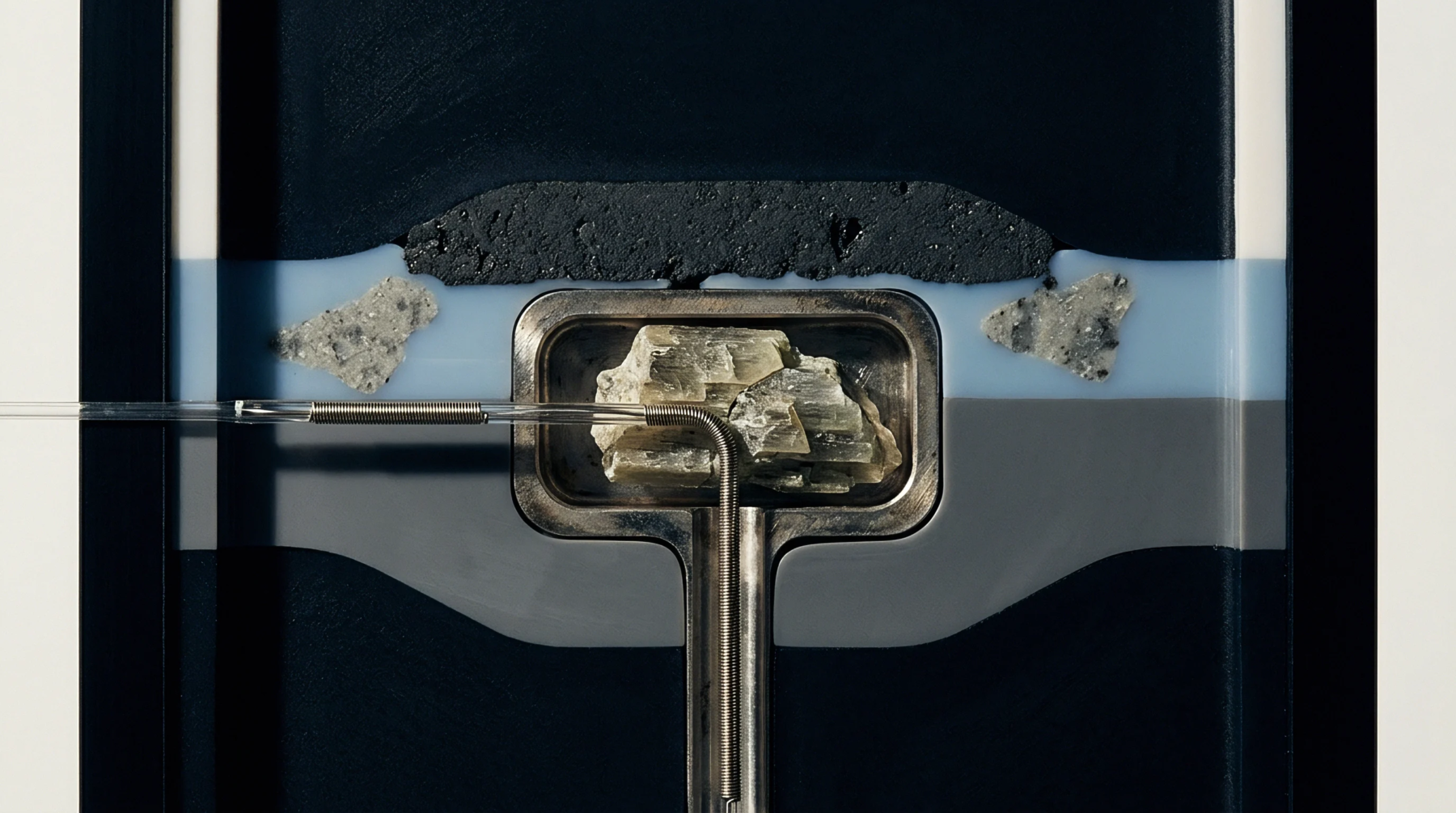
Cryogenic fast charging forces graphite anode overpotentials below zero volts, driving metallic lithium deposition that requires pre-heating or dynamic current scaling to prevent cell failure.

Subzero lithium plating occurs when anode potential drops below zero volts, demanding auxiliary cell heating or current derating to stop cell degradation.
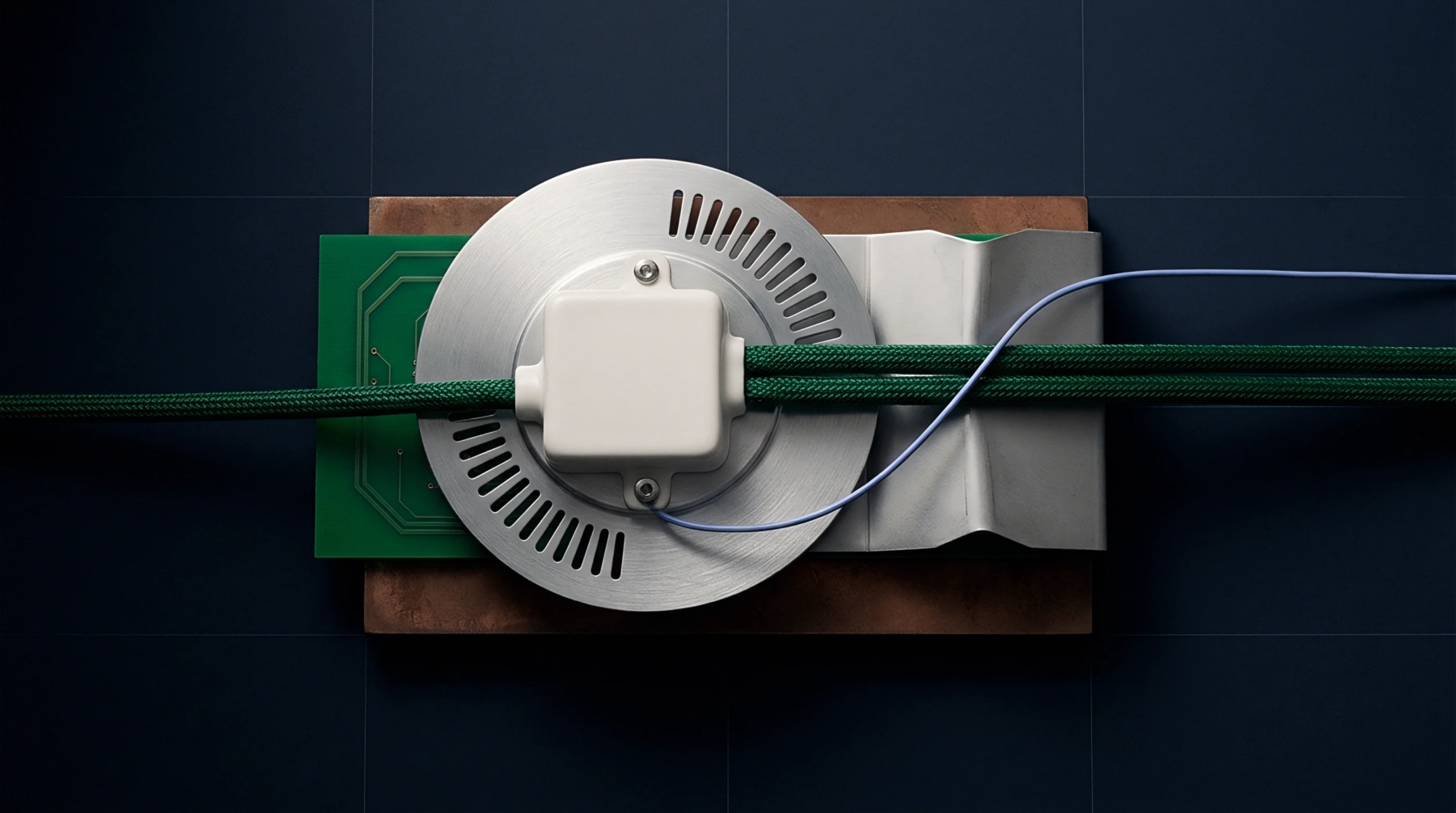
Battery open circuit voltage profiling measures relaxed cell equilibrium potentials to map thermodynamic state metrics, requiring strict rest criteria.
Sub-zero lithium plating occurs when anode potential drops below 0V vs Li/Li+; three-electrode analysis isolates overpotentials to define safe charge windows.

Early cycle screening uses high-precision coulometry and differential voltage peak shifts over five cycles to catch cell defects before pack integration.

Sub-zero charging forces irreversible metallic lithium plating on graphite, demanding precise dQ/dV diagnostics and rigorous telemetry logging to enforce warranty remedies.

Iron dendrite micro shorts drive exponential voltage decay detectable through multi-week K-value screening, mitigating thermal runaway in warehouse storage.
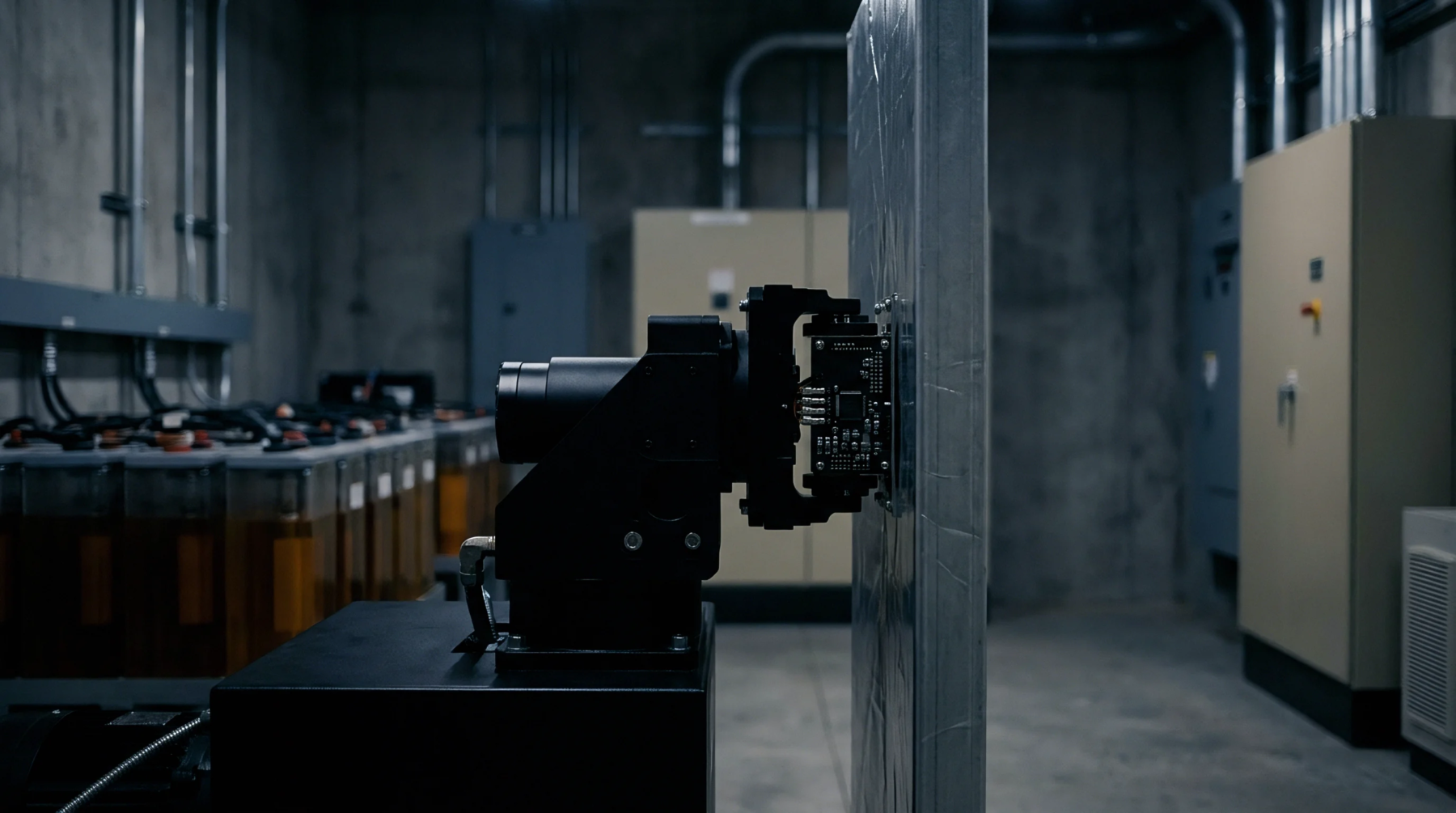
Factory K value measures prismatic cell voltage decay rate over storage dwell to screen out internal micro-shorts through high-resolution multimeter gates.
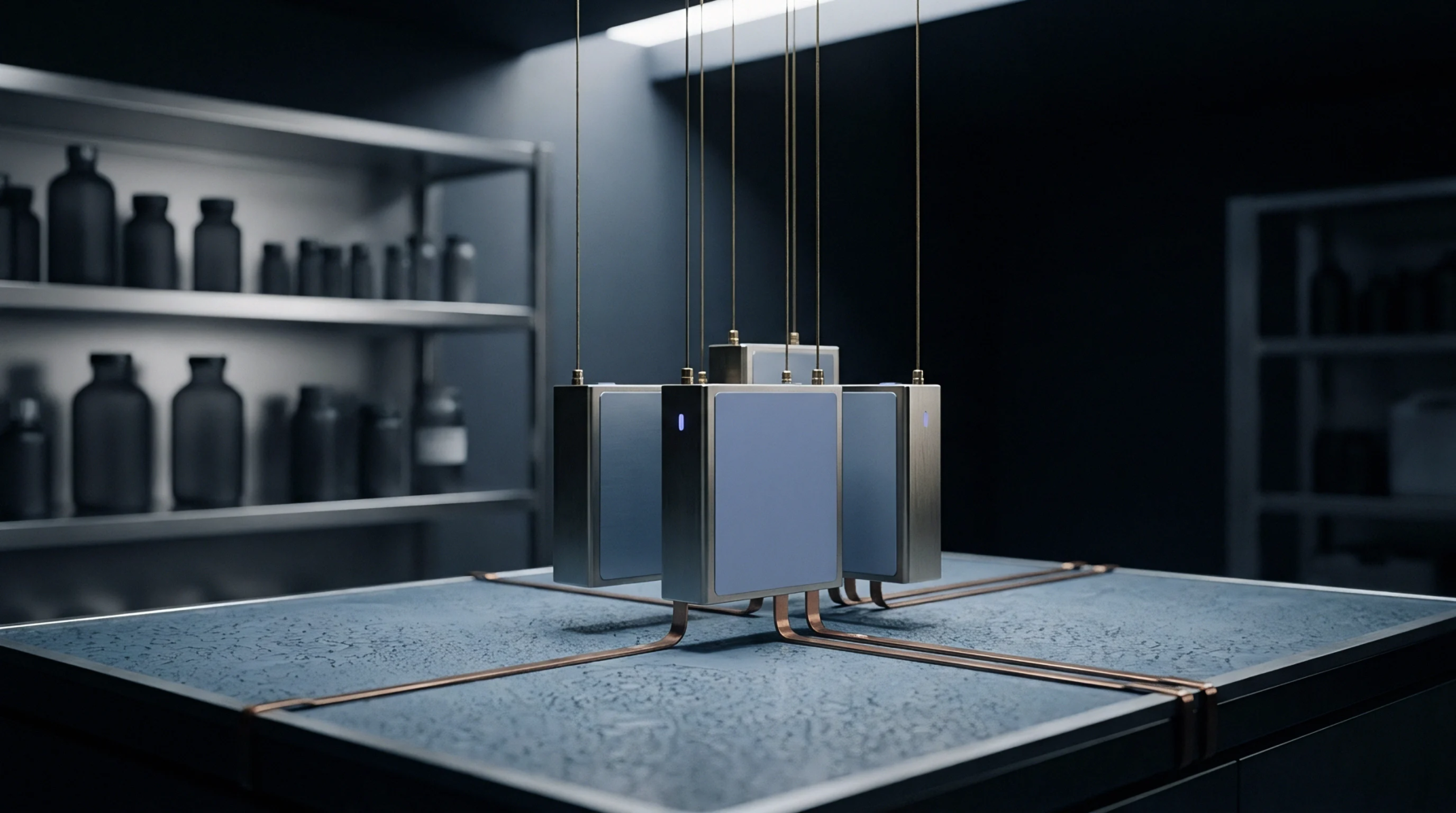
Solid phase diffusion creates surface concentration gradients that bias terminal voltage lookups, producing massive SOC estimation errors in flat OCV cells.

LFP cells require up to 48 hours resting to achieve thermodynamic OCV equilibrium due to flat phase plateaus, hysteresis, and slow solid-state lithium diffusion.

Augmenting the Extended Kalman Filter state vector with a hysteresis parameter prevents severe SOC drift and false balancing on flat LFP cathode voltage plateaus.

Online impedance derating adjusts subzero charging current dynamically to prevent lithium plating while maintaining maximum safe energy transfer.

Subzero graphite charging drives anode potentials negative through desolvation and diffusion overpotentials, inducing irreversible lithium metal plating.
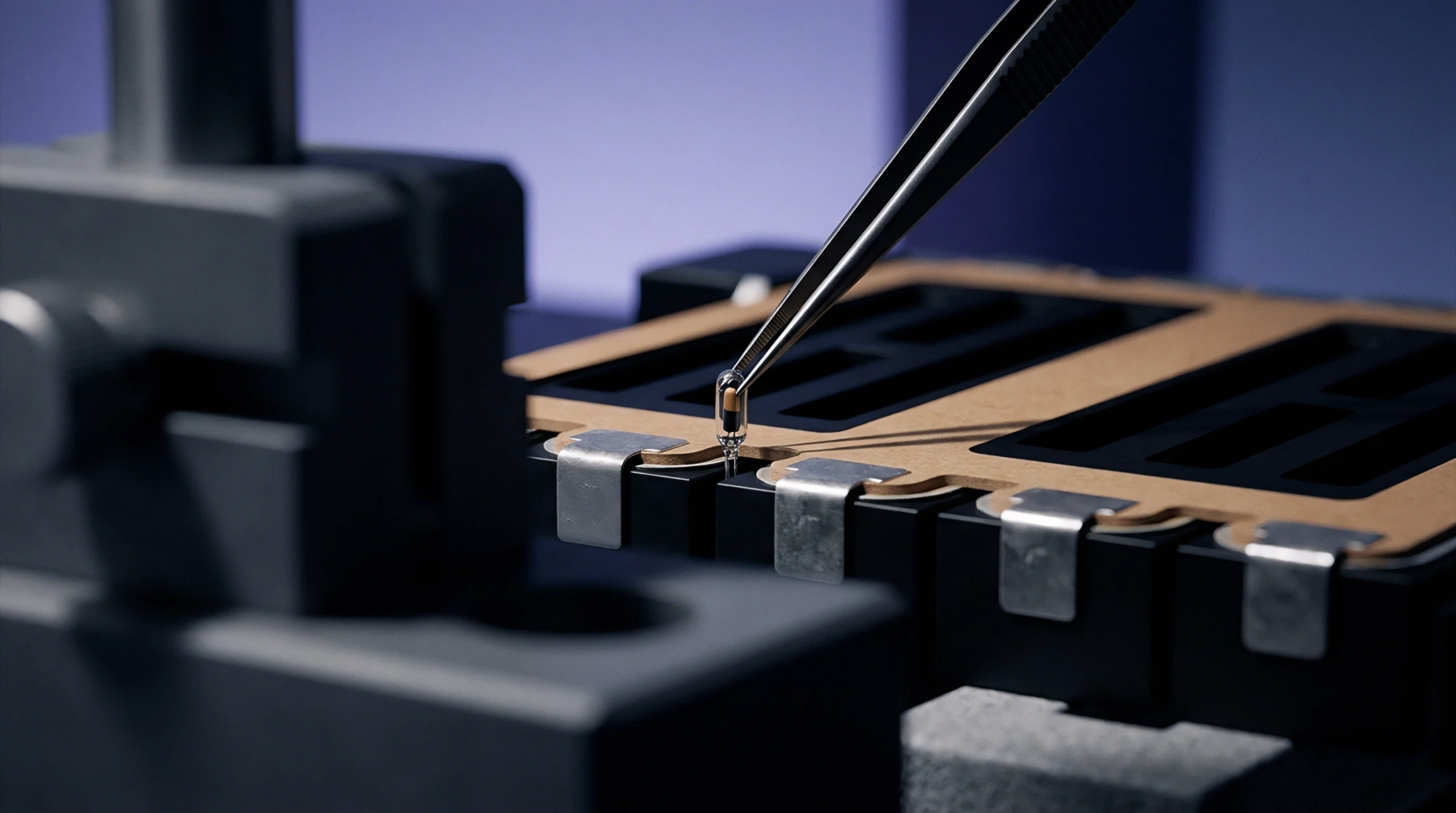
Sub-zero lithium plating triggers when negative electrode charge transfer overpotential drops below zero volts against metallic lithium reference potentials.
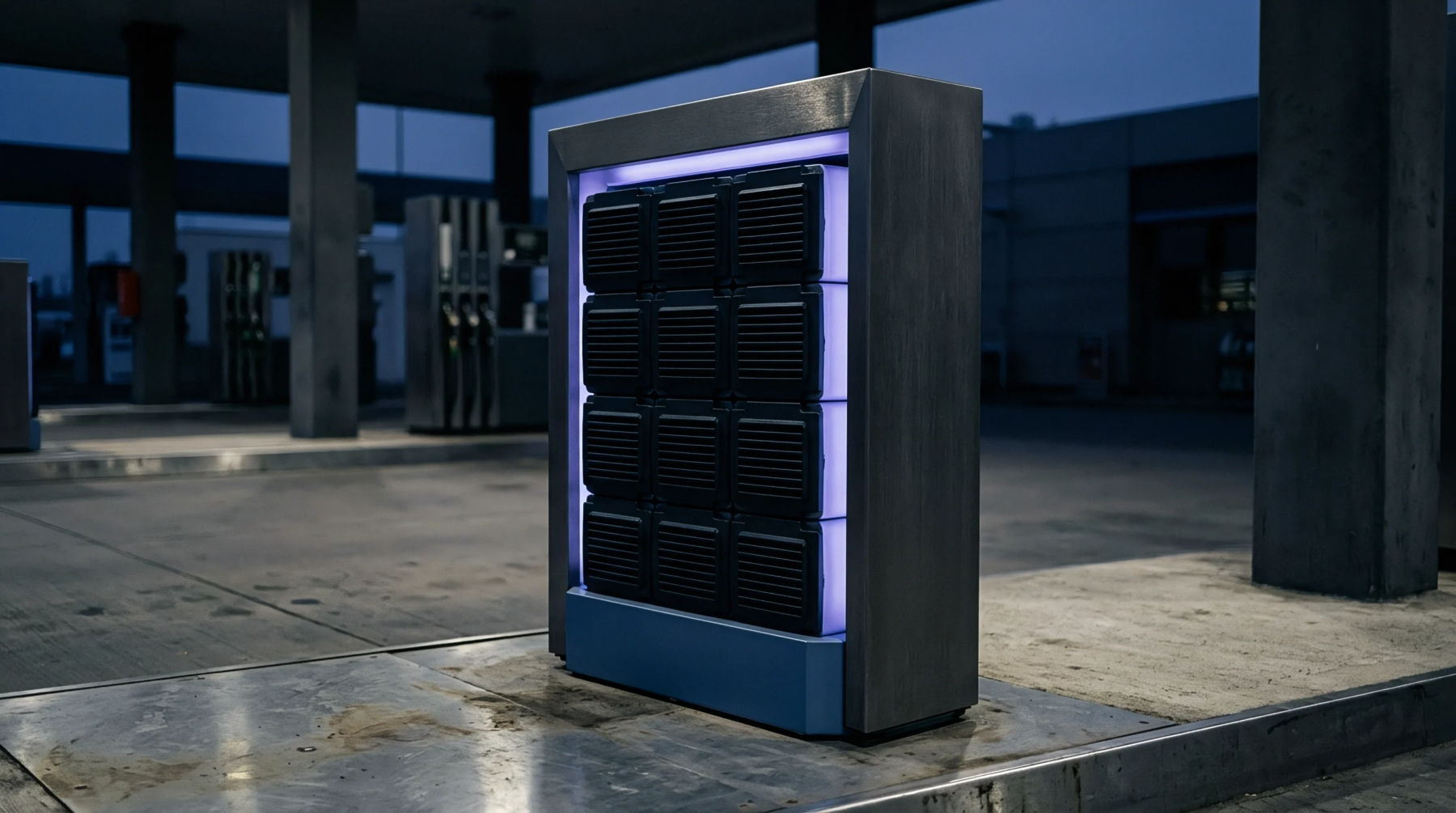
Quantifying LFP cell dispersion and hysteresis requires directional OCV lookup tables and sub-millivolt resolution to prevent BMS diagnostic failures.
Expertise is a utility, not a secret. sentiention™ publishes its working knowledge as open reference: intelligence layer covering the materials it sources, the markets it enters, and the reference that serves both.