
Incoming Batch Inspection and Degradation Testing Procedures for Sodium Ion Shipments
Immediate AC-IR screening and differential capacity testing reveal hidden transit degradation and cell capacity variance in sodium ion shipments.
Immediate AC-IR screening and differential capacity testing reveal hidden transit degradation and cell capacity variance in sodium ion shipments.

Structural warranty seams rely on precise pressure limits and micro-strain sensor telemetry to separate cell expansion defects from pack structural loading.

Solid-state prismatic expansion demands dynamic stack compression and strict header weld strain limits to prevent interfacial delamination and capacity fade.

Silicon anode lithiation requires voltage cutoff management above 50 mV vs Li/Li+ to prevent c-Li15Si4 crystallization and severe mechanical capacity loss.
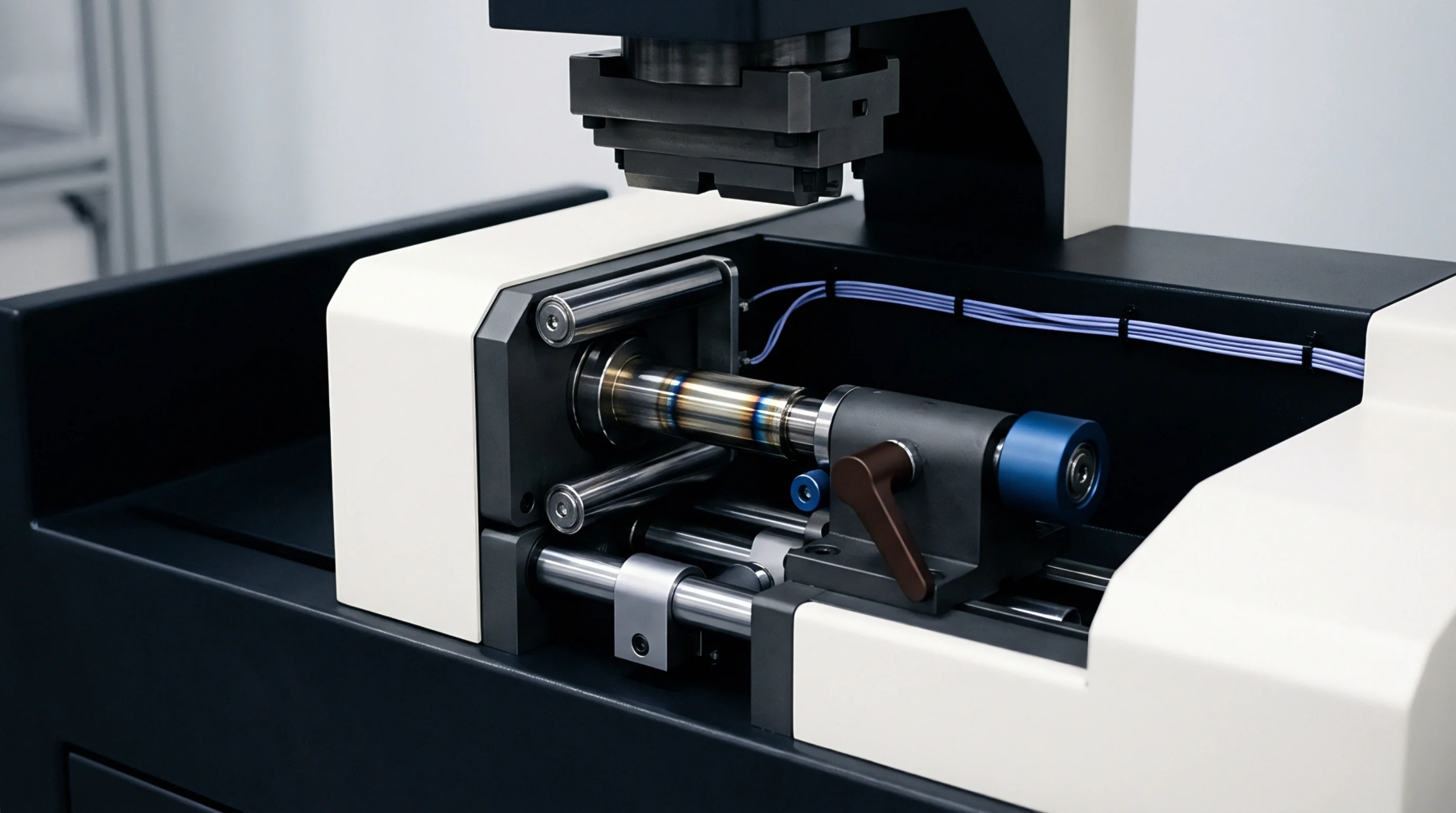
Optimizing module heat dissipation demands matching thermal interface wet-out and structural clamping spring rates to compensate for cyclic cell expansion.

Resolving flat LFP voltage plateaus depends on temperature-corrected differential voltage curves to eliminate state-of-charge drift and warranty risk.

Restricting silicon anode lithiation potential above fifty millivolts prevents crystalline phase formation and expands cycle life.

Early cycle analytics fail to predict nonlinear battery degradation knees when sacrificial additives mask microstructural stress accumulation.

Non-linear mechanical stress shifts Butler-Volmer kinetics in high-silicon anodes, lowering nucleation barriers and driving local lithium plating under stack pressure.
Hydrostatic pressure elevates lithium chemical potential and raises nucleation energy barriers, suppressing destructive phase fracture in encapsulated silicon anode powders.

Industrial electricity tariffs dictate over fifty percent of synthetic graphite production costs, driving price compression down toward natural graphite parity.

Dynamic module pressure retention requires continuous dynamic strain compensation to prevent lithium metal anode degradation and structural pack housing fatigue.

Non-equilibrium phase partitioning in multi-component alloy anodes is predicted using coupled phase-field flux equations to bound interfacial diffusion speeds.

Sufficient stack pre-load retention and ceramic coating friction prevent wetted polyolefin separator sliding and tab shear in lubricated cell stacks.

Prismatic cell lifetime depends on balancing initial mechanical preload pressure between 0.2 and 0.4 MPa to suppress lithium plating while accommodating end-of-life swell within structural limits.

Upper full cell voltage cutoff calibration limits local anode lithiation potential above 50 mV vs Li/Li+ to prevent crystalline silicon phase breakdown.
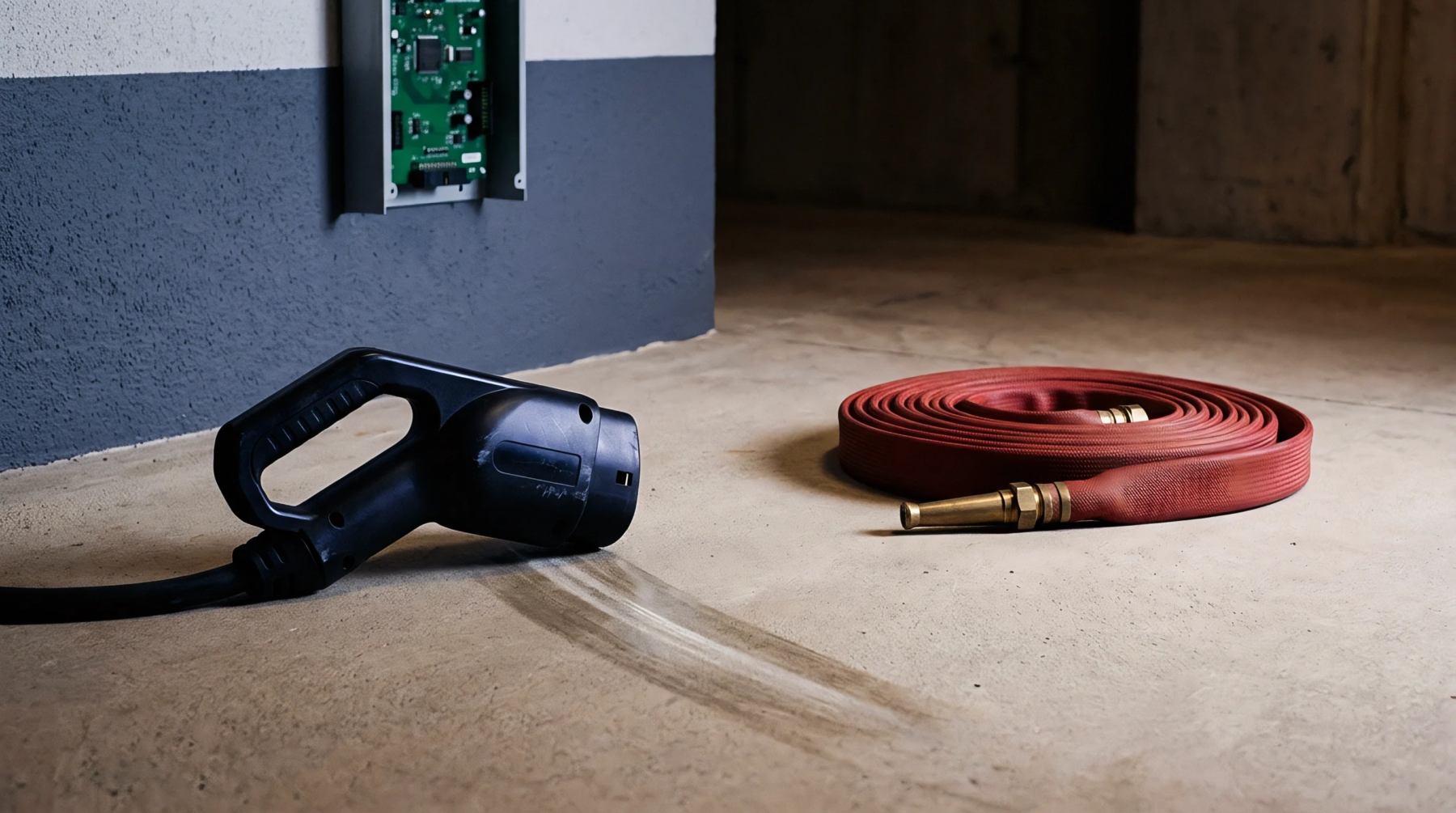
Silicon-graphite composite anodes under fast charging require controlled module compression and step-down current profiles to limit mechanical stress fade.

Solid silicon anode expansion demands 5 MPa stack clamping to prevent void delamination, imposing module hardware mass penalties that cut pack energy density.
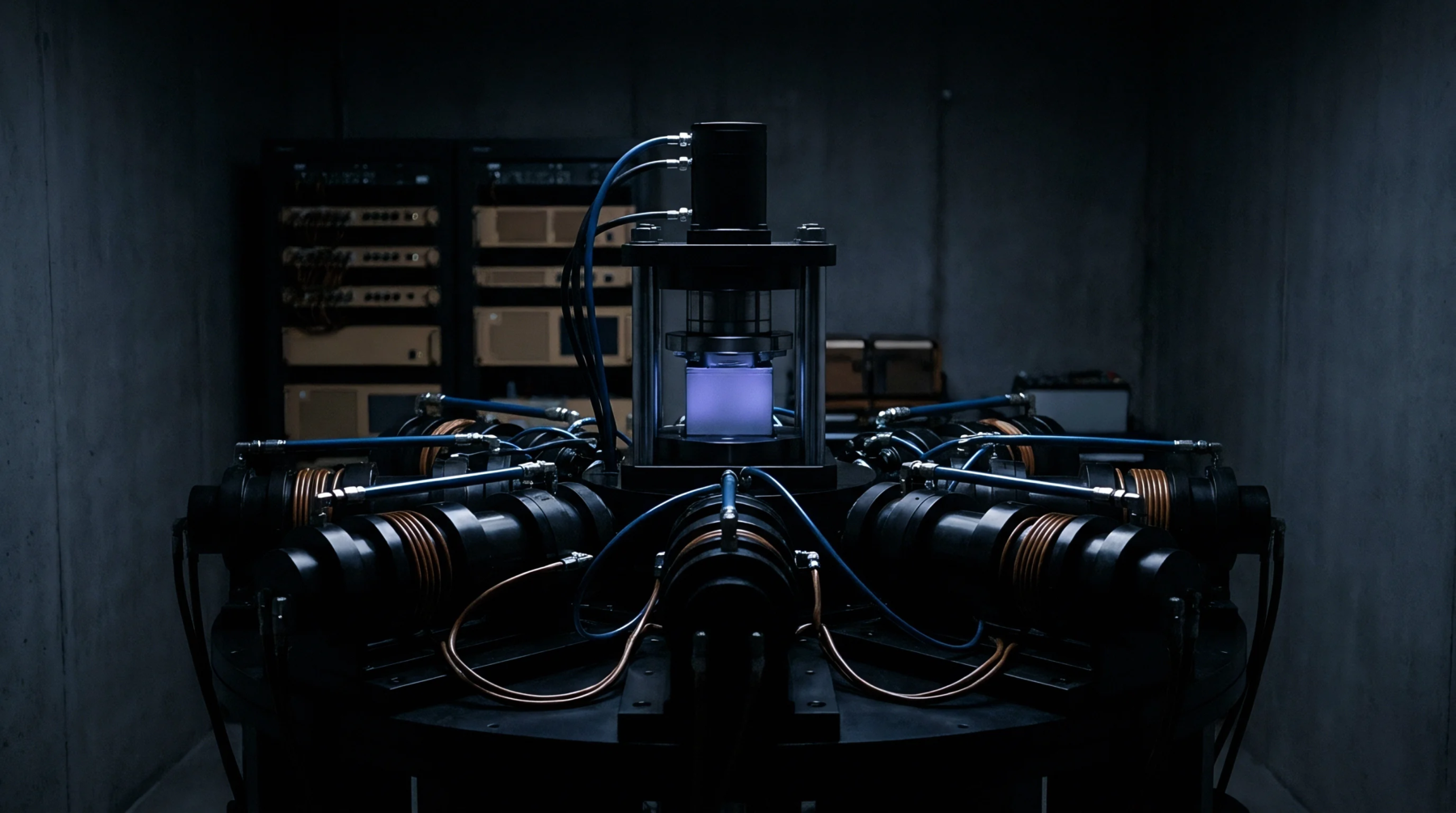
In situ pressure monitoring reveals that void-constrained core-shell silicon anodes arrest phase boundary migration when internal contact stress exceeds 300 MPa.

Solid state EV cells require 0.1 to 5.0 MPa continuous stack pressure to prevent interfacial voiding, adding substantial module mass and complexity.
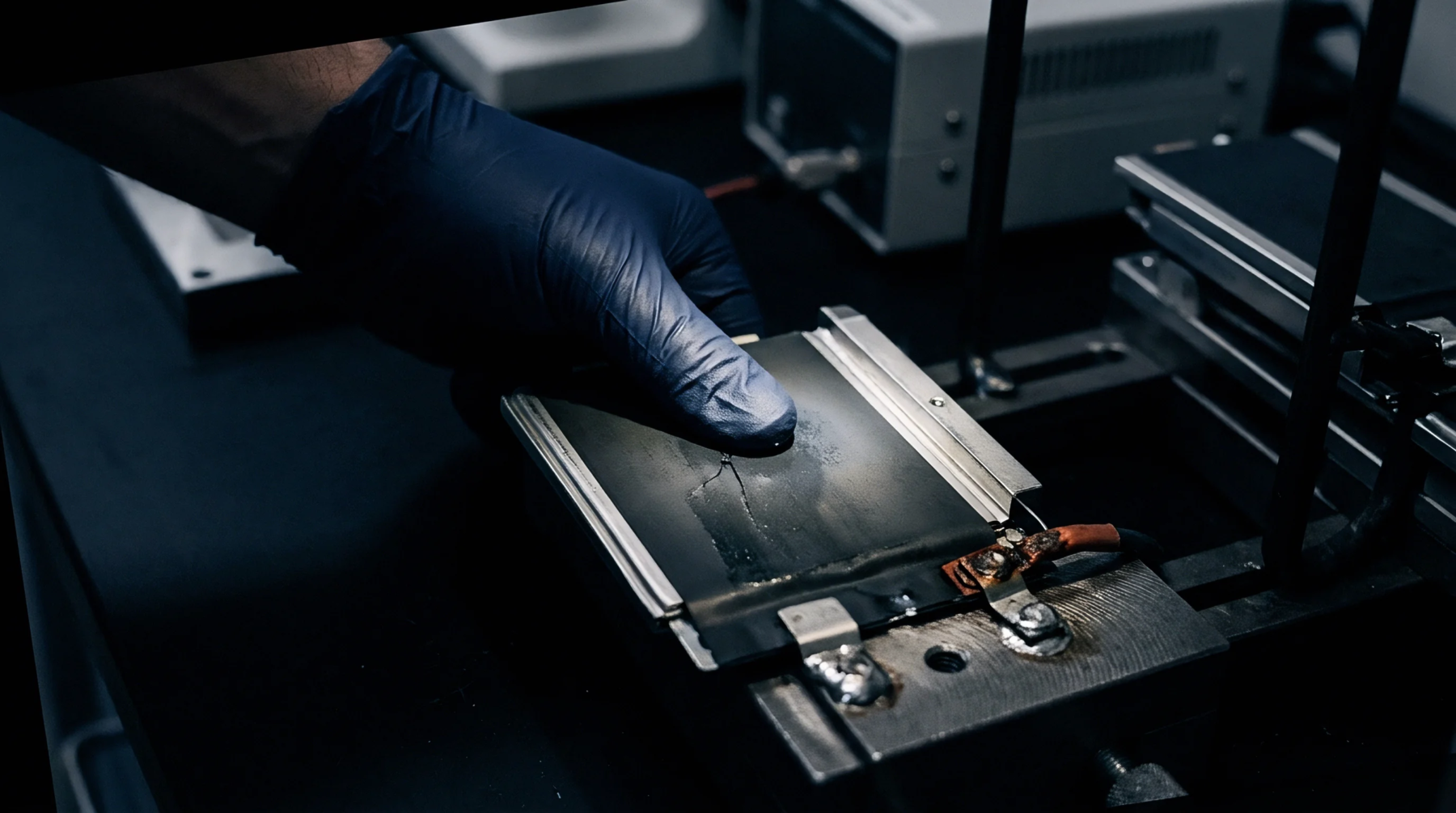
Modeling endplate deflection requires coupling dynamic state-of-charge expansion with long-term degradation growth to set pre-load tolerances under 0.5 mm.

Silicon anode volume changes generate severe mechanical stress and voltage hysteresis, requiring engineered void space and controlled stack pressure to preserve cell life.

Cyclic compression accelerates polypropylene seal creep in swelling pouch cells, creating sub-micron capillaries that breach hermeticity and invalidate UN 38.3 transport safety filings.
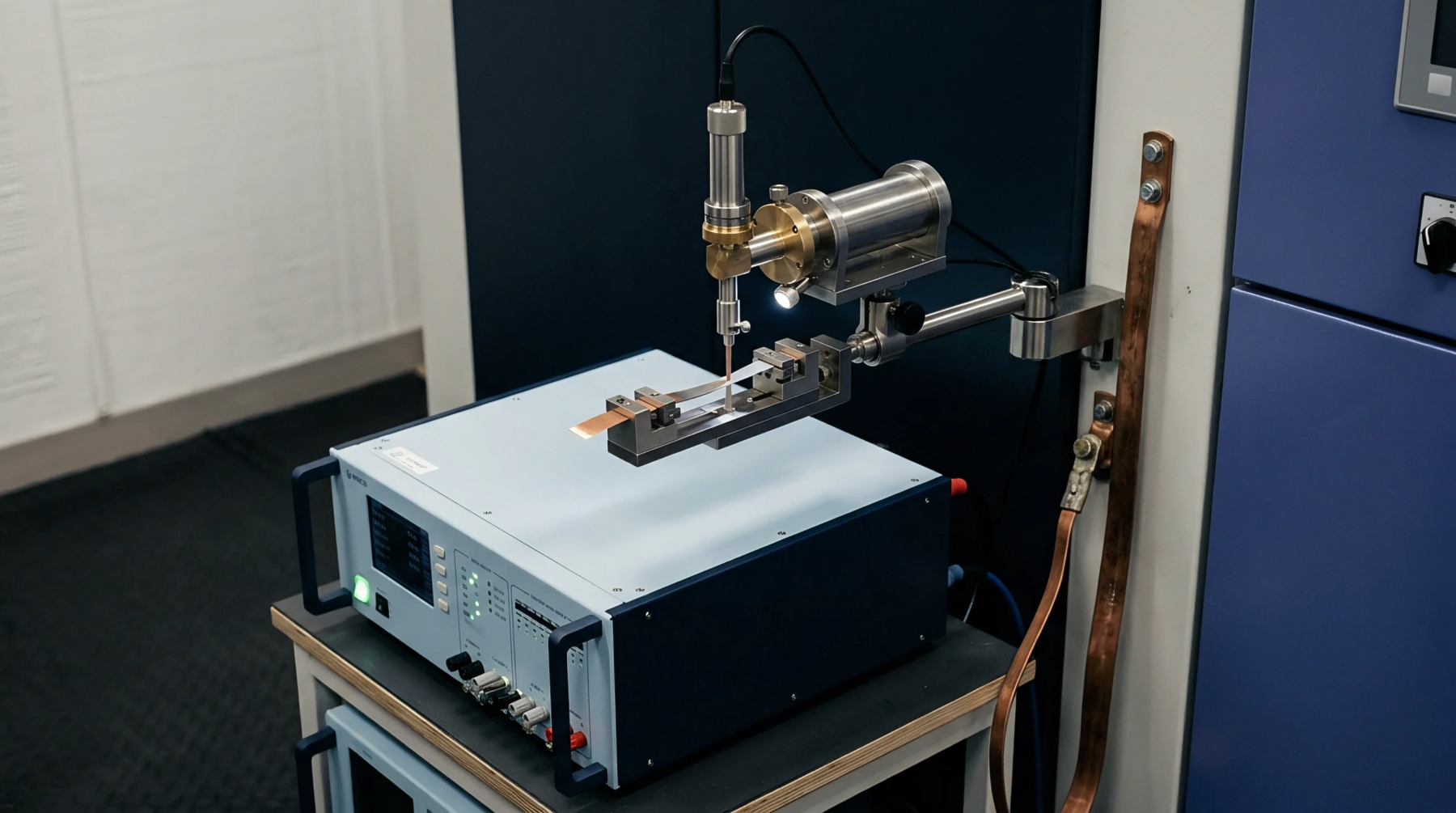
Accurate solid electrolyte interphase diagnostics under fast charging rely on temperature-decoupled impedance metrics to avoid false plating rejections.

Sub-zero charging of thick anode cells drives localized lithium plating and severe capacity loss, manageable only through controlled heating and reduced charge C-rates.

Silicon phase transitions demand tight lower voltage cutoffs and controlled expansion constraints to prevent rapid lithium inventory loss and cell swelling.

Silicon alloy anode phase stability under stress requires active domains below twenty nanometers and sustained stack pressure of zero point eight megapascals.

Stack pressure above 1.0 MPa retards outer SEI cracking in silicon alloy anodes but accelerates lithium plating at high charge rates.

Stress-assisted diffusion couples mechanical strain to lithium transport in silicon alloy composite anodes, requiring optimized stack pressure to minimize degradation.
Dynamic module pressure management above 5 MPa accelerates room-temperature viscoplastic lithium flow, healing interfacial voids during rest periods.
Expertise is a utility, not a secret. sentiention™ publishes its working knowledge as open reference: intelligence layer covering the materials it sources, the markets it enters, and the reference that serves both.