
Phase Boundary Mechanics in Active Battery Materials
Phase boundary mechanics dictate battery degradation: lattice mismatch stresses drive microcracking, surface expansion, and accelerated lithium loss.
Phase boundary mechanics dictate battery degradation: lattice mismatch stresses drive microcracking, surface expansion, and accelerated lithium loss.

Cell relaxation transforms incomplete rest periods into large state-of-charge errors, demanding calibrated rest windows or dynamic overpotential compensation.

Electrochemical impedance spectroscopy and high-speed DC pulses isolate interfacial resistance, enabling rigorous incoming cell quality verification.

Enforce joint liability and locked escrow funds tied to telemetry voltage decay rates to allocate latent micro-short losses before arbitration begins.

Voltage decay screening isolates internal micro-shorts by tracking millivolt drops against statistical lot baselines using precision Kelvin metrology.

Prismatic cell swelling combines SOC-driven expansion and permanent SEI growth, demanding calibrated module compression between 0.1 and 0.3 MPa to preserve cycle life.

Iron dendrite micro shorts drive exponential voltage decay detectable through multi-week K-value screening, mitigating thermal runaway in warehouse storage.

Prismatic cells show 20-fold anisotropic thermal conductivity, demanding ISO 22007-2 or ASTM C177 testing under precise 0.3 MPa preload to model pack cooling.

Inline electromagnetic filtration combined with dual-stage high-temperature K-value screening stops microscopic iron inclusions before cell shipment.

Mechanical pre-load between 0.2 and 0.5 MPa optimizes cycle life by preventing graphite delamination while maintaining pore network ionic diffusivity.

Prismatic cell mechanical preload management balances initial zero point two megapascal compression against elastomeric spacer deflection to prevent capacity fade.
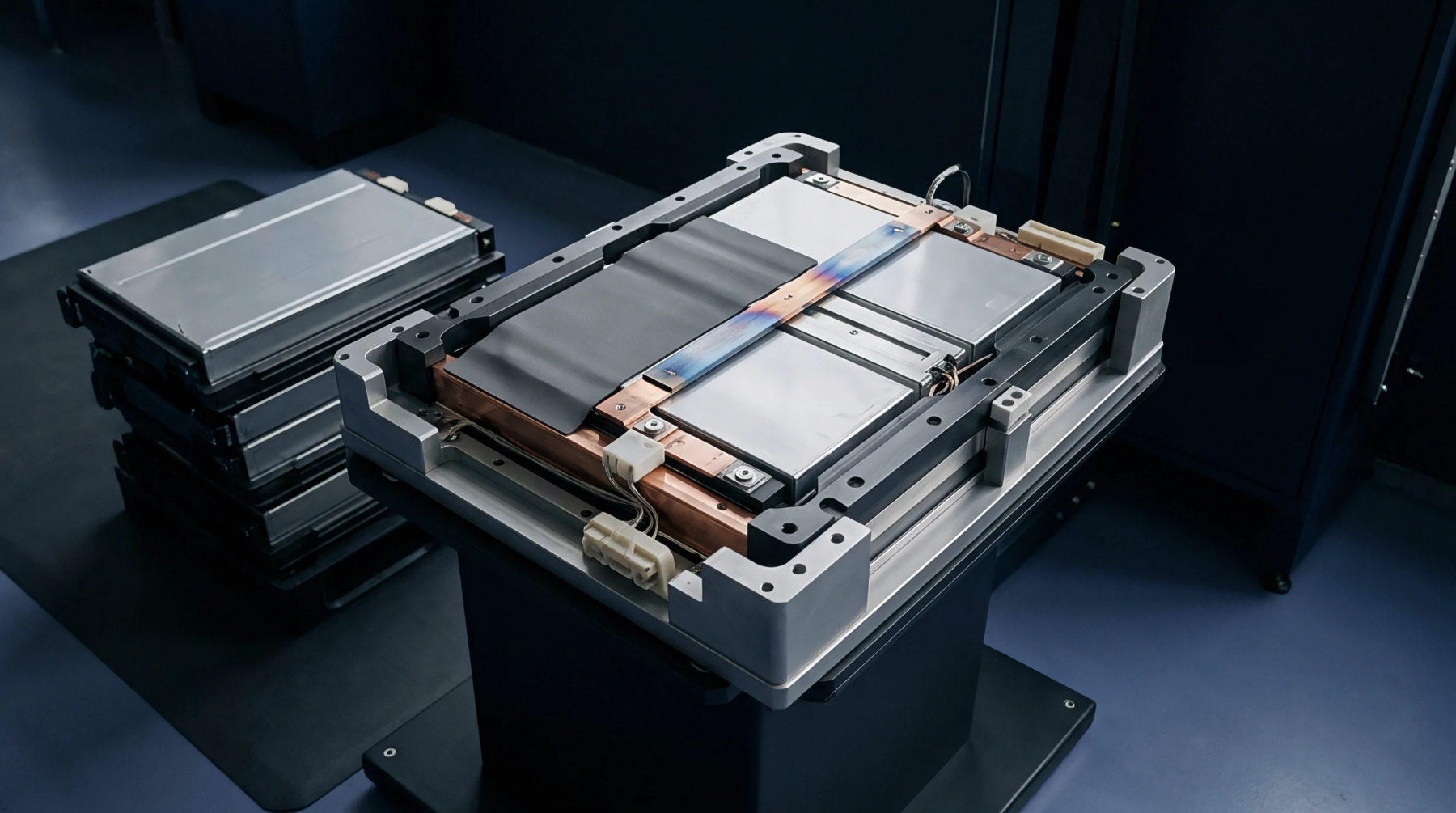
Prismatic cell expansion requires compliant clamping to maintain contact pressure between 0.2 and 0.4 MPa, minimizing interfacial thermal resistance.

In situ prismatic cell strain testing requires rigid frame compliance calibration and active thermal decoupling to isolate electrochemical stack breathing.

Partitioning sub-arctic impedance growth separates reversible desolvation barriers from irreversible lithium plating and interphase delamination across seasons.

Non compliant battery test summaries trigger container quarantine, daily Class 9 demurrage, regulatory civil penalties, and insurance voidance at ports.

Verify cell voltage stability after relaxation to certify thirty percent state of charge limits on dangerous goods ocean shipping manifests.

Asymmetric base cooling drives internal equalization currents up to 0.28C across large prismatic cells, requiring lateral thermal paths to avert lithium plating.

Calendar resistance growth in stored prismatic cells stems from passive film thickening and contact relaxation, identifiable via relaxation time deconvolution.

Cross-border battery transport requires verified UN 38.3 test summaries, sub-30-percent aviation charge limits, and modal UN packaging marks to clear customs.

Marine cell freight degrades inventory through thermal acceleration, terminal oxidation, and micro-motion fatigue; mitigate via under-deck DAP terms.
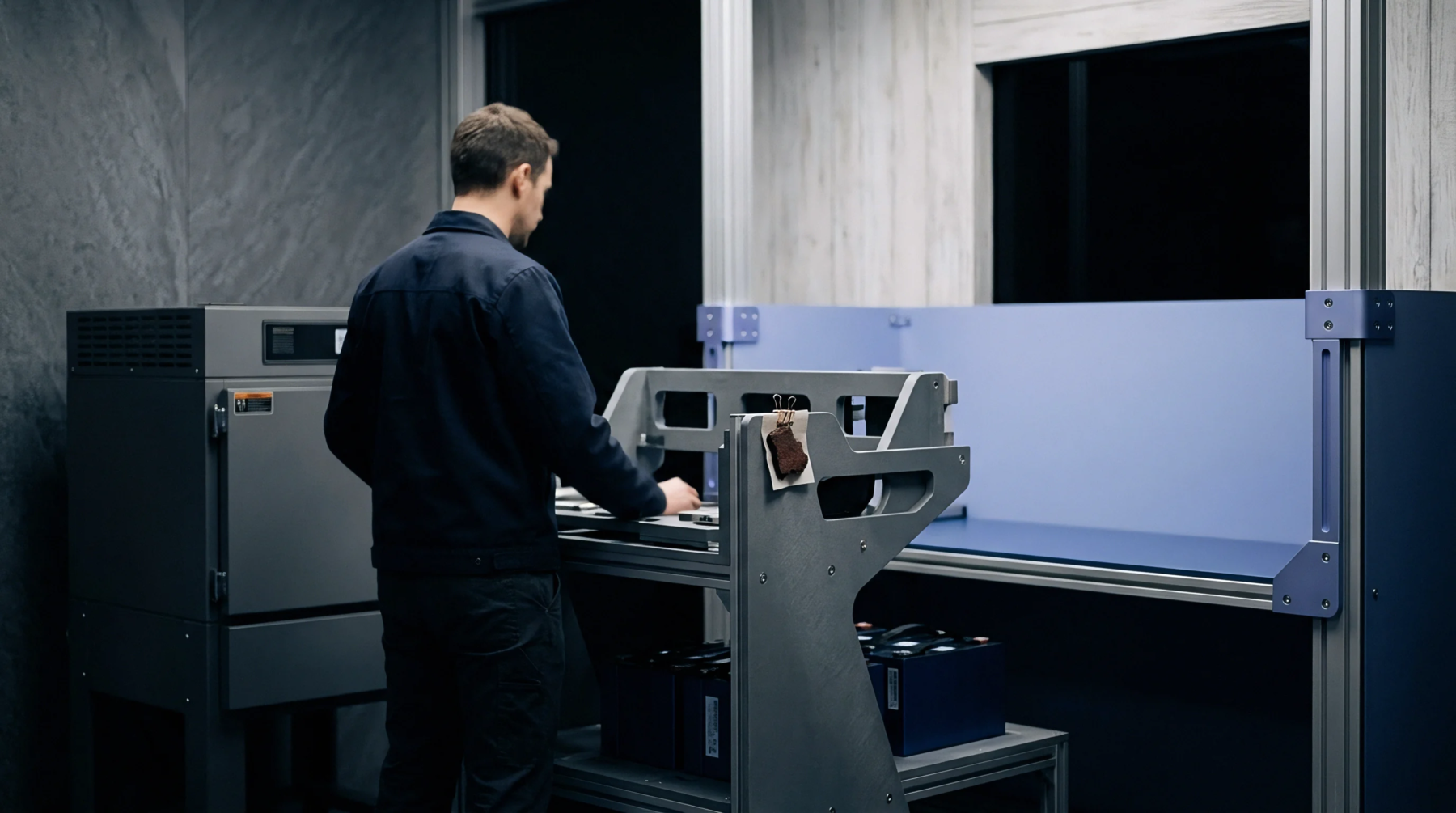
Early cycle screening uses high-precision coulometry and differential voltage peak shifts over five cycles to catch cell defects before pack integration.
High precision derivative spectroscopy quantifies active phase stability and isolates lithium inventory losses to identify premature cell rollover failures.

Battery open circuit voltage profiling measures relaxed cell equilibrium potentials to map thermodynamic state metrics, requiring strict rest criteria.
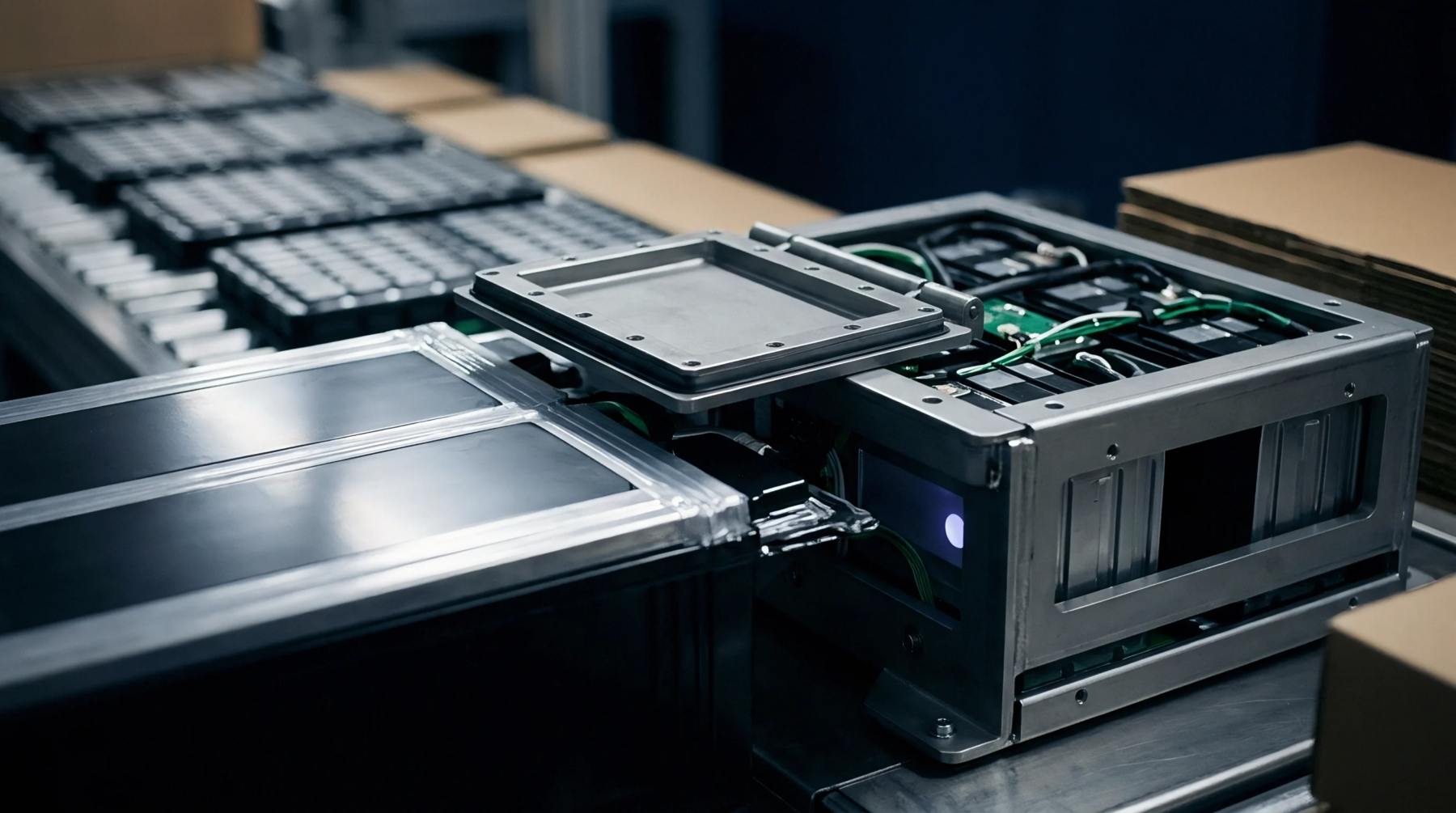
Intermittent preconditioning undershoots accelerate charge transfer resistance growth, driving rapid power fade and invalidating standard cell warranty terms.

Dynamic detonation limits require module vent area ratios exceeding enclosure yield boundaries to arrest high-velocity hydrogen deflagration transitions.
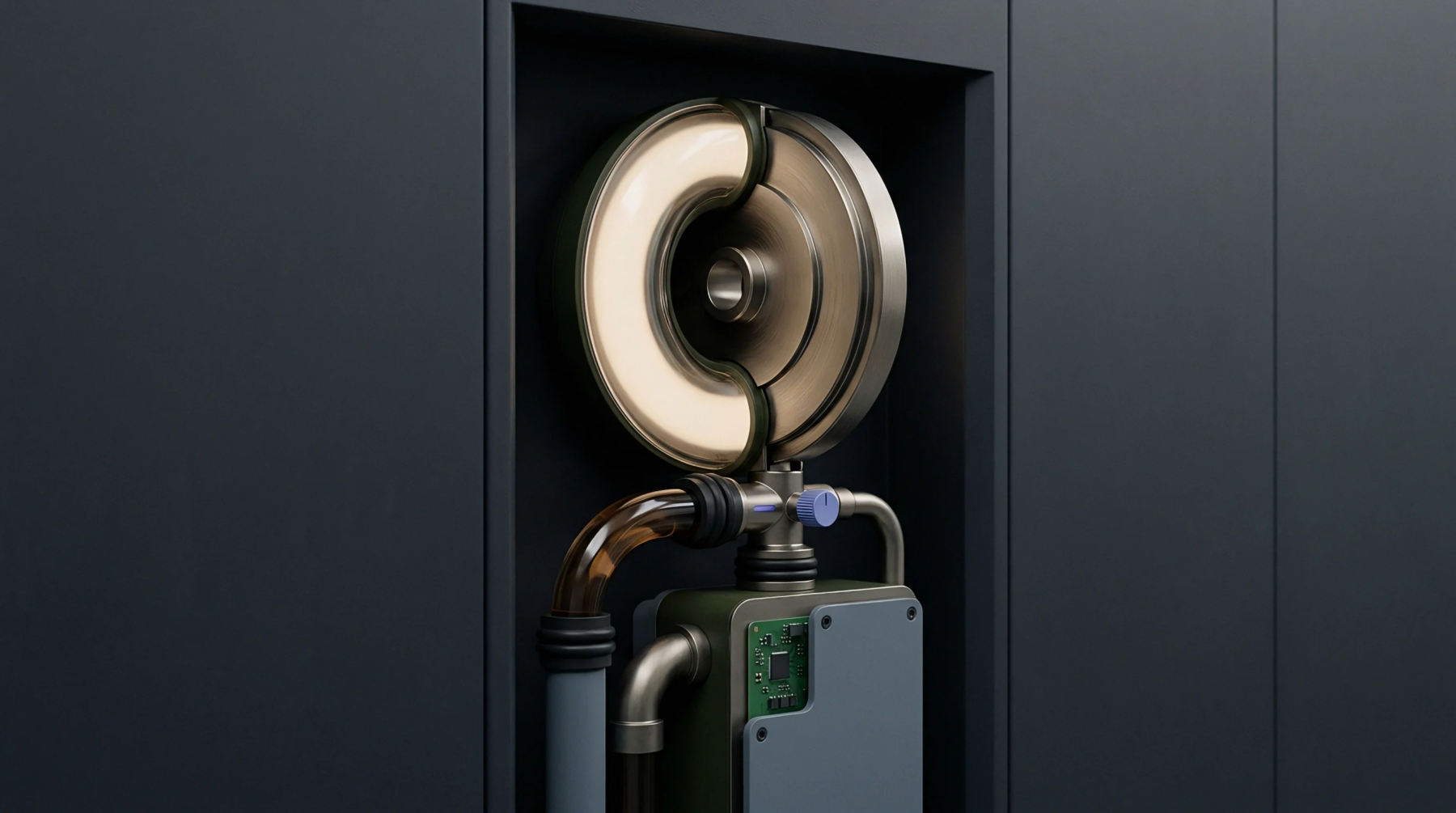
Reduced energy storage clearances require UL 9540A full-scale fire test proof showing adjacent cabinet radiant flux stays below 12.5 kW/m² to prevent fire spread.
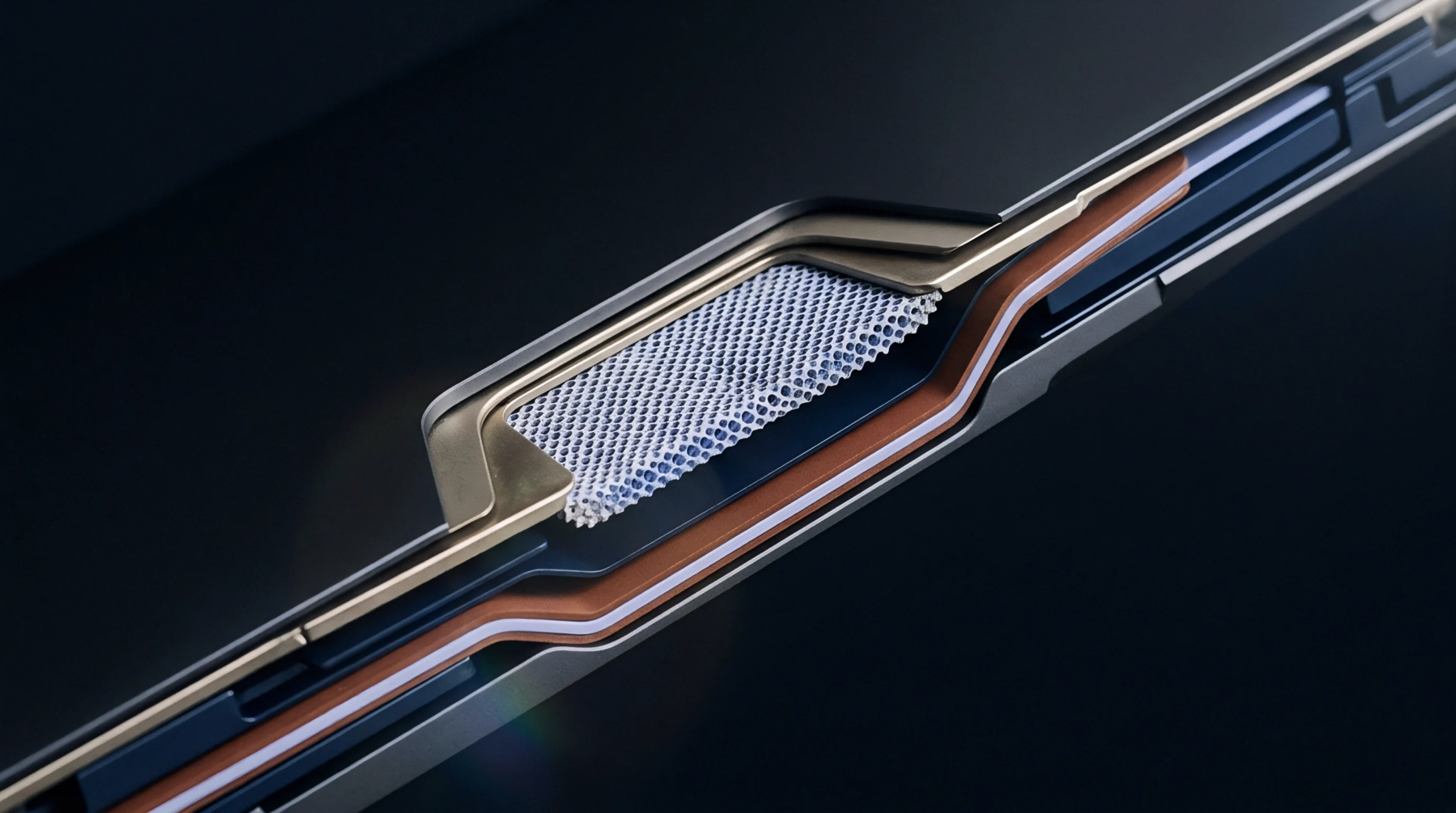
Dynamic voltage drift screening at elevated temperature separates benign chemical decay from dangerous internal micro-shorts in received lithium cell lots.

Four-wire Kelvin sensing isolates drive current from potential sensing, eliminating lead and contact resistance errors in sub-milliohm battery impedance tests.

Inbound cell receiving mandates thermal quarantine, UN 38.3 documentation verification, four-wire impedance sampling, and strict AQL defect thresholding.
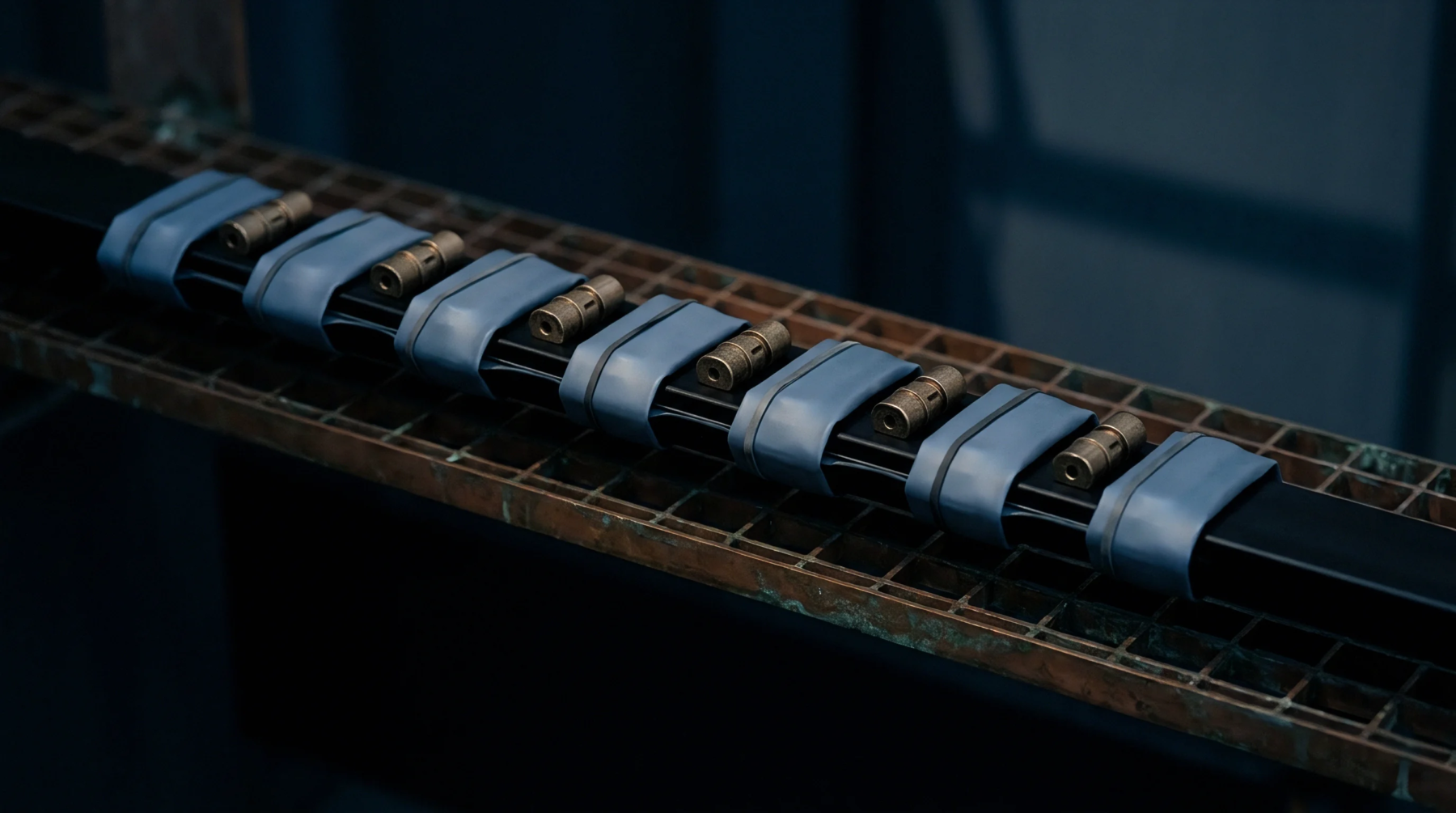
Automated off-gas false positives trigger terminal hazmat quarantines, shifting demurrage and testing liabilities to cargo owners unless contractual riders preempt tariff liens.
Expertise is a utility, not a secret. sentiention™ publishes its working knowledge as open reference: intelligence layer covering the materials it sources, the markets it enters, and the reference that serves both.