
Solid Phase Diffusion Impact on Battery Voltage Lookup Accuracy
Solid phase diffusion creates surface concentration gradients that bias terminal voltage lookups, producing massive SOC estimation errors in flat OCV cells.
Solid phase diffusion creates surface concentration gradients that bias terminal voltage lookups, producing massive SOC estimation errors in flat OCV cells.

Prismatic module enclosures require coupled statistical stacks combining cell manufacturing tolerances with non-linear compression pad and swelling dynamics.
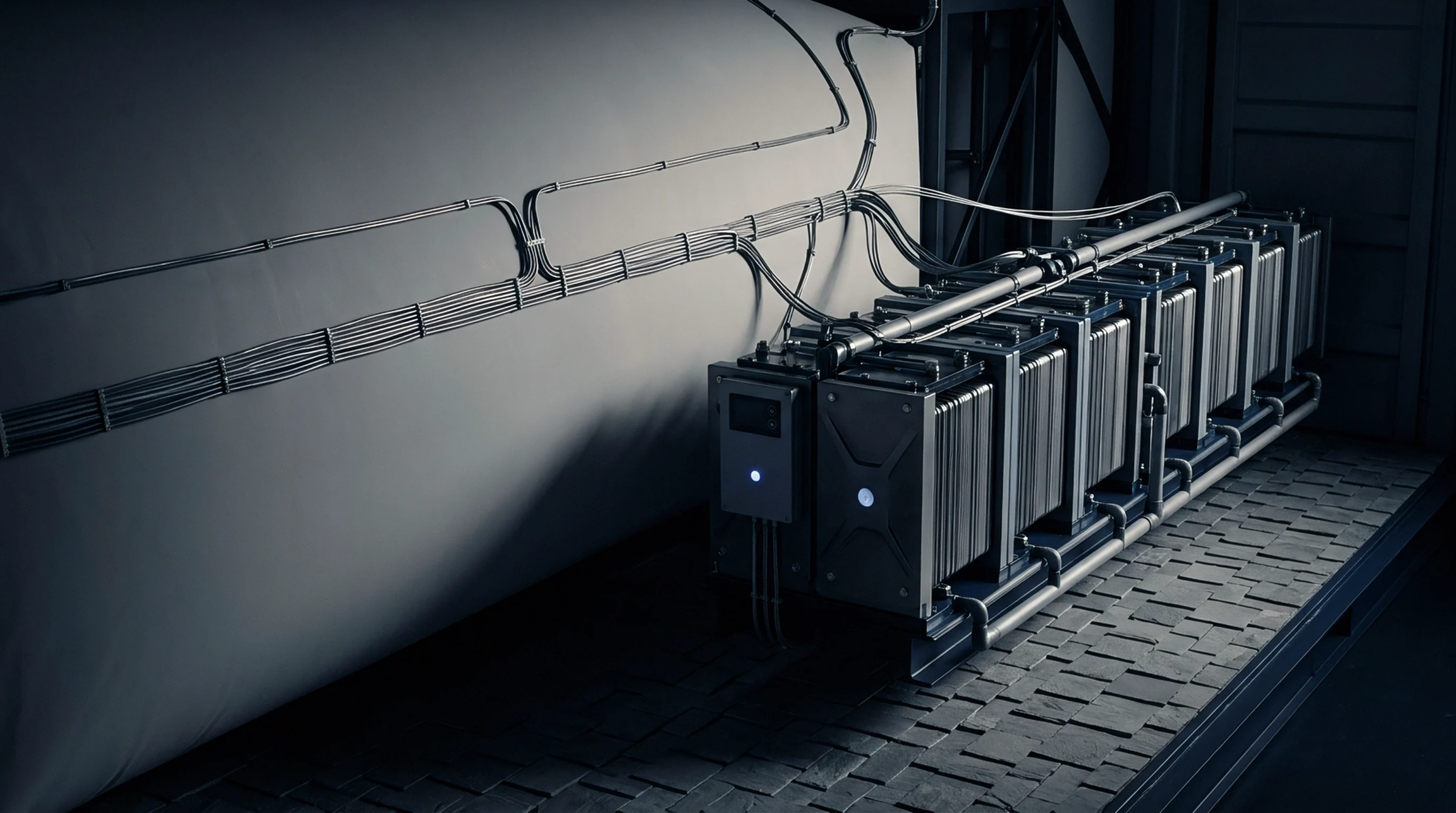
Low temperature storage freezes phase boundary migration in commercial cells, producing artificial capacity loss that resolves through controlled thermal dwell.
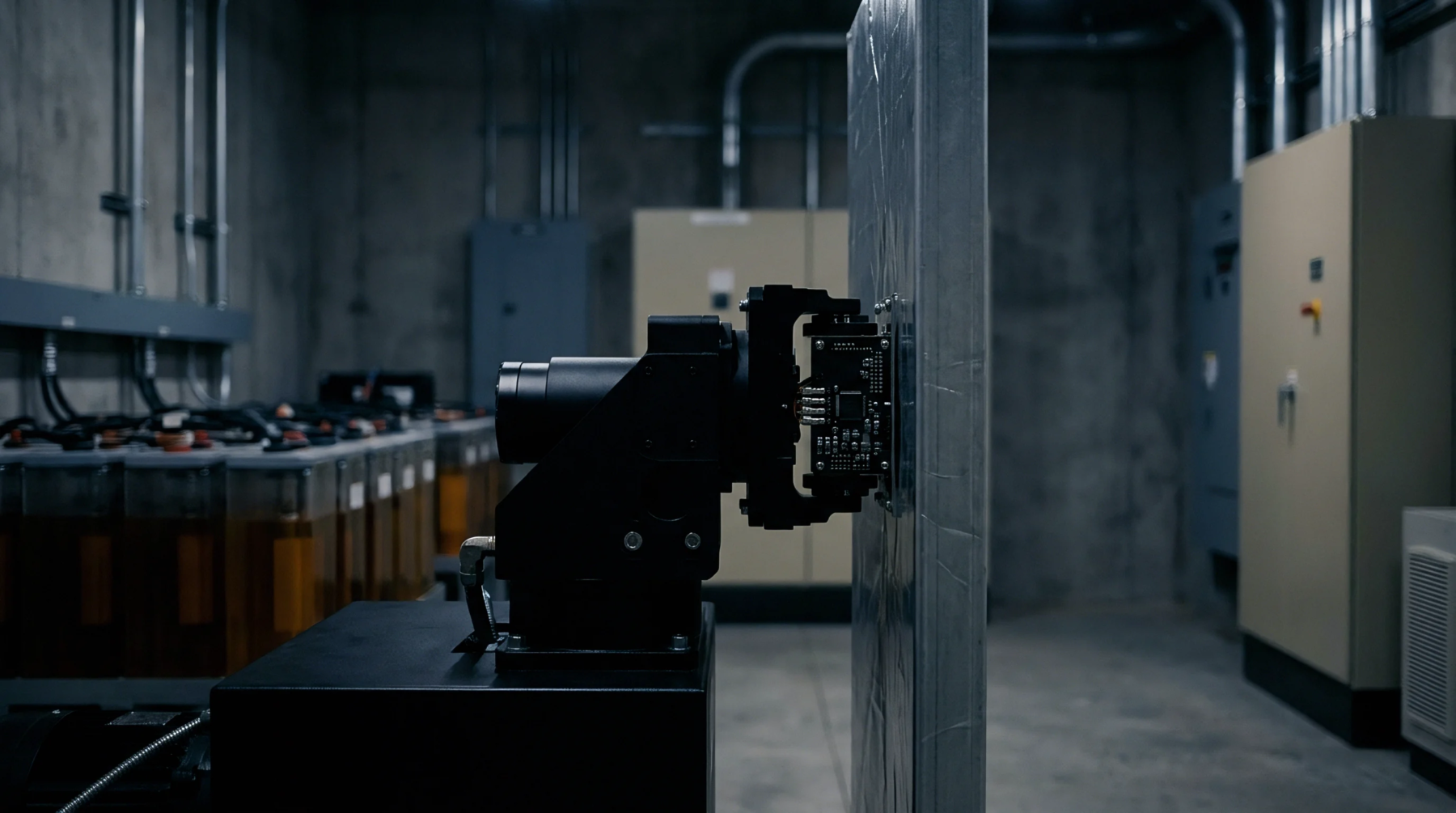
Factory K value measures prismatic cell voltage decay rate over storage dwell to screen out internal micro-shorts through high-resolution multimeter gates.
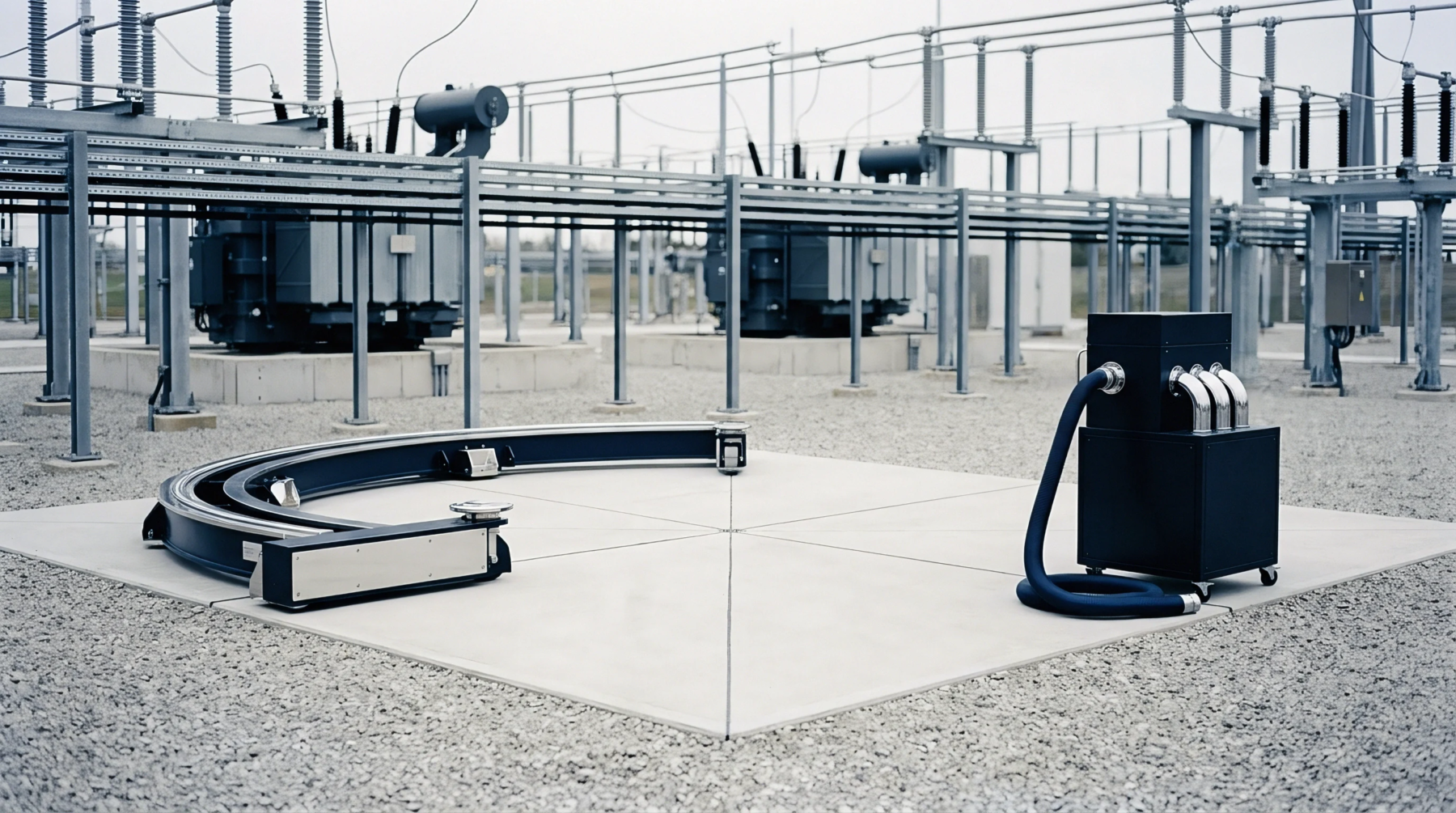
Quantifying warehouse off-gas flammability requires testing-derived constituent volumes, Le Chatelier LFL kinetics, and rapid plume dilution.

Dynamic battery breathing drives conical disc springs into nonlinear fatigue regimes, where inner-diameter cyclic tensile stress governs pack clamping life.

Ohmic gradients across large current collectors distort differential capacity peaks, requiring rate-adjusted spectroscopy to prevent false SOH degradation claims.

Solid state reference electrodes isolate anode overpotentials in pouch cells to prevent fast-charge lithium plating despite severe geometric field distortions.

Multi-terminal differential voltage slope discrepancies arise from geometric foil potential drops, requiring dedicated Kelvin sensing to prevent false rejection.

Galvanostatic relaxation protocols decouple ohmic, interfacial, and transport overpotentials in prismatic cells to identify electrolyte starvation.

True cell internal resistance splits into ohmic, charge-transfer, and diffusion parts; 1 kHz ACIR measures only ohmic paths, masking real polarization.

Pegging batch release to sub-zero direct current resistance limits insulates battery buyers from cold-weather derating penalties and field warranty exposure.

Standard capacity retention metrics separate reversible self-discharge from irreversible capacity fade through verified post-storage conditioning cycles.

Spatial temperature gradients in prismatic cells drive localized lithium plating and accelerated SEI growth, shortening pack cycle life.

Qualification requires holding barrier unexposed faces below adjacent cell ignition thresholds while maintaining 1000V dielectric integrity under compression.

Prismatic cell swelling force escalates nonlinearly across cycle aging, demanding compliant inter-cell cushioning to prevent separator crushing and weld fatigue.

Algorithmic drift correction isolates instrumentation bias from true electrochemical fade using thermodynamic phase anchors to protect warranty claims.
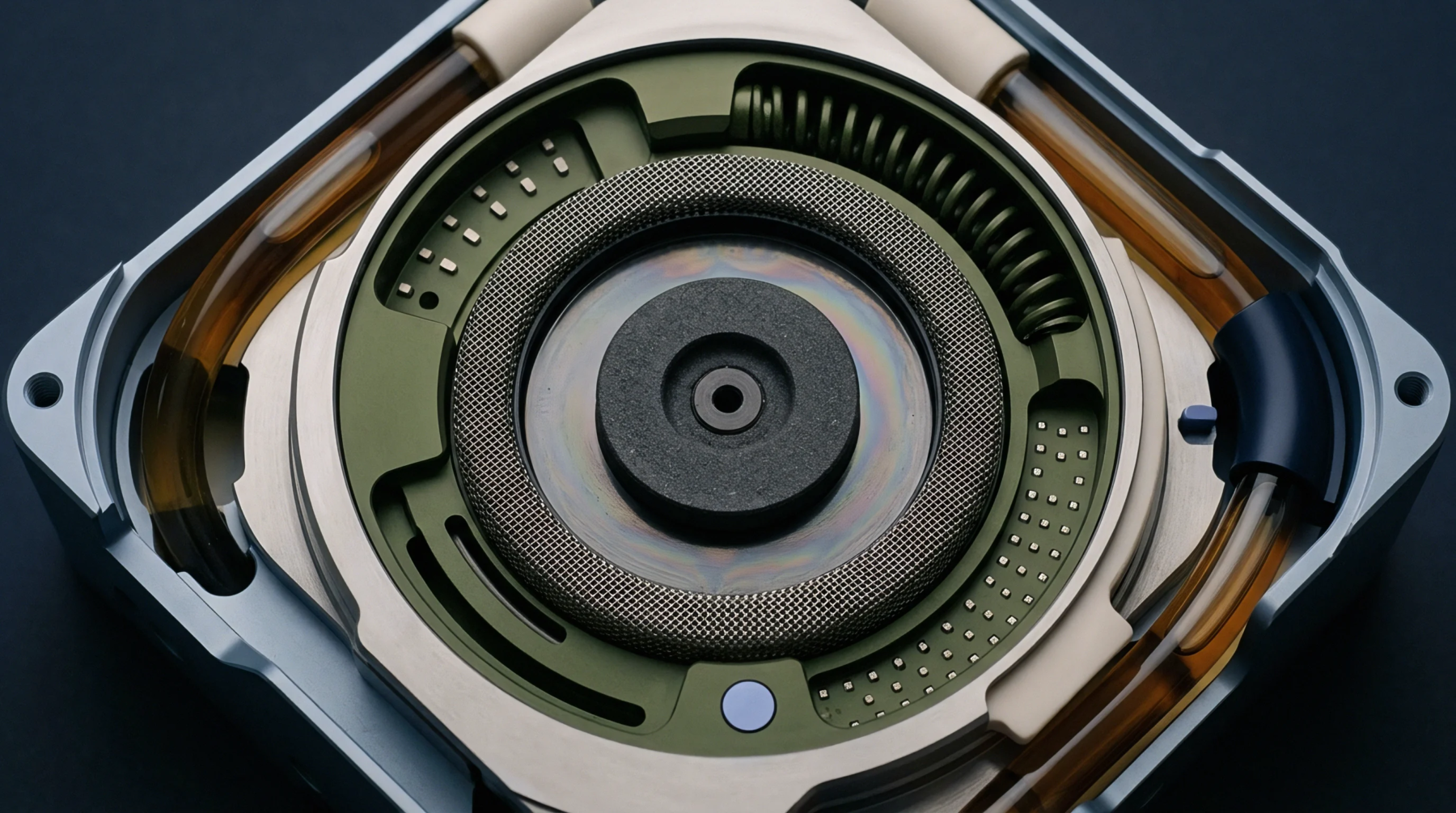
Contractual specification limits must define measurable cell and module thermal gradient thresholds enforced by liquidated damages and capacity warranty baselines.

Kelvin probe fixtures eliminate contact resistance in high-throughput sorting, but dynamic wear and loop inductance require rigid tooling and routine calibration.

Maintain beginning of life cell preload between 0.08 and 0.15 MPa to prevent electrode delamination while preventing separator collapse and end plate deformation.

IFC Chapter 12 caps indoor lithium-ion storage at 20 kWh unless UL 9540 listing, UL 9540A testing, 2-hour partitions, and 3-foot clearances permit higher limits.

Parasitic electrolyte reduction continuously consumes cyclable lithium under float storage, driving premature capacity knee-point failure in scaled battery systems.

Validate testing laboratory ISO 17025 scope annexes to ensure equipment ranges, current shunts, and thermal chambers cover actual cell safety test parameters.

Integrating insurer loss survey telemetry into cell contracts converts ambient transit logging into binding warranty triggers that assign liability immediately.
Prismatic cell acceptance hinges on dockside AQL sampling that isolates electrochemical variance and mechanical header tolerances before pack welding commits cost.

Dynamic temperature compensation and probe wear modeling prevent contact impedance drift from corrupting high-throughput production cell classification.

Automated shunt selection requires low-Seebeck alloys and isolated potential taps to prevent thermal and contact errors from corrupting cell capacity grading.

True cell impedance testing requires dedicated four-point Kelvin paths, inductive loop cancellation, and mechanical scrub to bypass contact resistance.

Statutory IMDG compliance permits maritime transport, but carrier-specific safety rules dictate vessel loading, requiring matched dossiers before gate-in.

Air transit compliance demands cell state of charge verification below thirty percent using calibrated current integration and relaxation-corrected voltage lookups.
Expertise is a utility, not a secret. sentiention™ publishes its working knowledge as open reference: intelligence layer covering the materials it sources, the markets it enters, and the reference that serves both.