
Incoming Cell Lot Acceptance Sampling and K Value Self Discharge Inspection Protocols
Incoming cell lot clearance requires zero-acceptance sampling combined with temperature-controlled K-value screening to intercept latent internal micro-shorts.
Incoming cell lot clearance requires zero-acceptance sampling combined with temperature-controlled K-value screening to intercept latent internal micro-shorts.

High nickel cells experience self-discharge via transition metal dissolution and interphase breakdown, demanding strict K-value screening to prevent pack imbalance.

Fix format, compression pads, NRE tooling costs, and BMS regulatory boundaries before signing supply contracts to avoid costly re-tooling and unhedged liability.
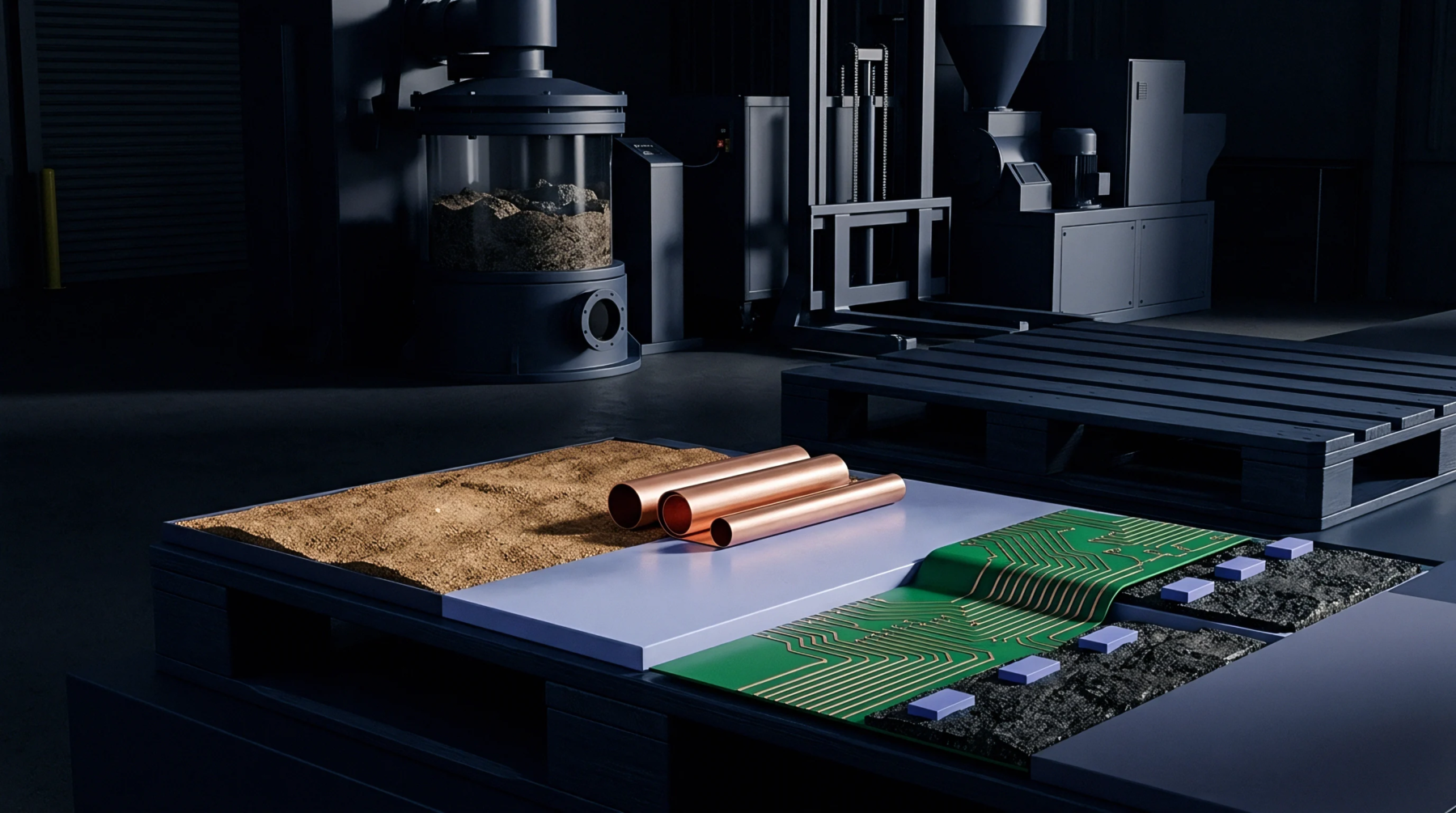
LFP outperforms NMC in non-resting duty cycles by maintaining lattice stability, eliminating continuous microcracking, and cutting cooling costs over 4,000 cycles.

Cell chemistry selection dictates system safety, cycle longevity, thermal cooling architecture, dangerous goods logistics, and levelized storage cost per delivered cycle.

High nickel cathode calendar aging stems from surface oxide reduction and parasitic electrolyte oxidation, requiring strict SOC derating below forty percent.
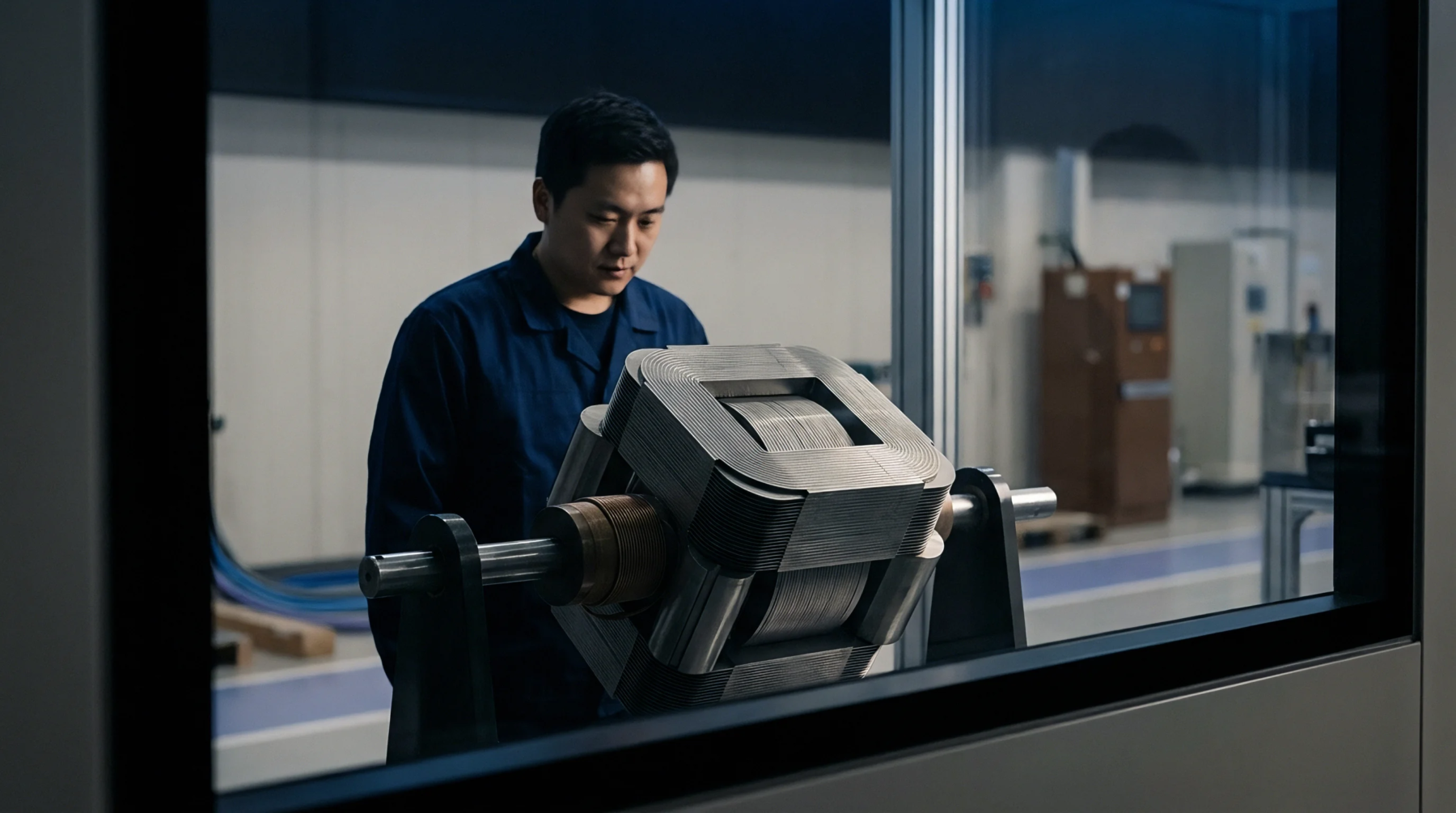
Core-to-surface thermal gradients in prismatic cells drive localized plating and SEI growth, requiring 3D electro-thermal models to prevent early fade.

High-voltage operation accelerates cathode surface reconstruction and transition metal dissolution, demanding operando impedance testing and warranty risk controls.

High-nickel cell passivation growth follows diffusion-limited kinetics driven by cathode lattice oxygen loss and transition metal dissolution cross-talk.

Low temperature battery testing requires rigorous cold soak protocols, four-wire Kelvin sensing, and impedance analysis to ground supplier performance claims.

Differential capacity analysis extracts thermodynamic phase boundaries to deconvolve lithium inventory loss from active material degradation non destructively.

Internal thermal gradients accelerate prismatic cell active material loss by driving localized current crowding, high-temperature SEI growth, and particle cracking.

Dynamic impedance matching and symmetrical busbar resistance prevent destructive circulating currents and accelerated capacity fade in parallel cell strings.
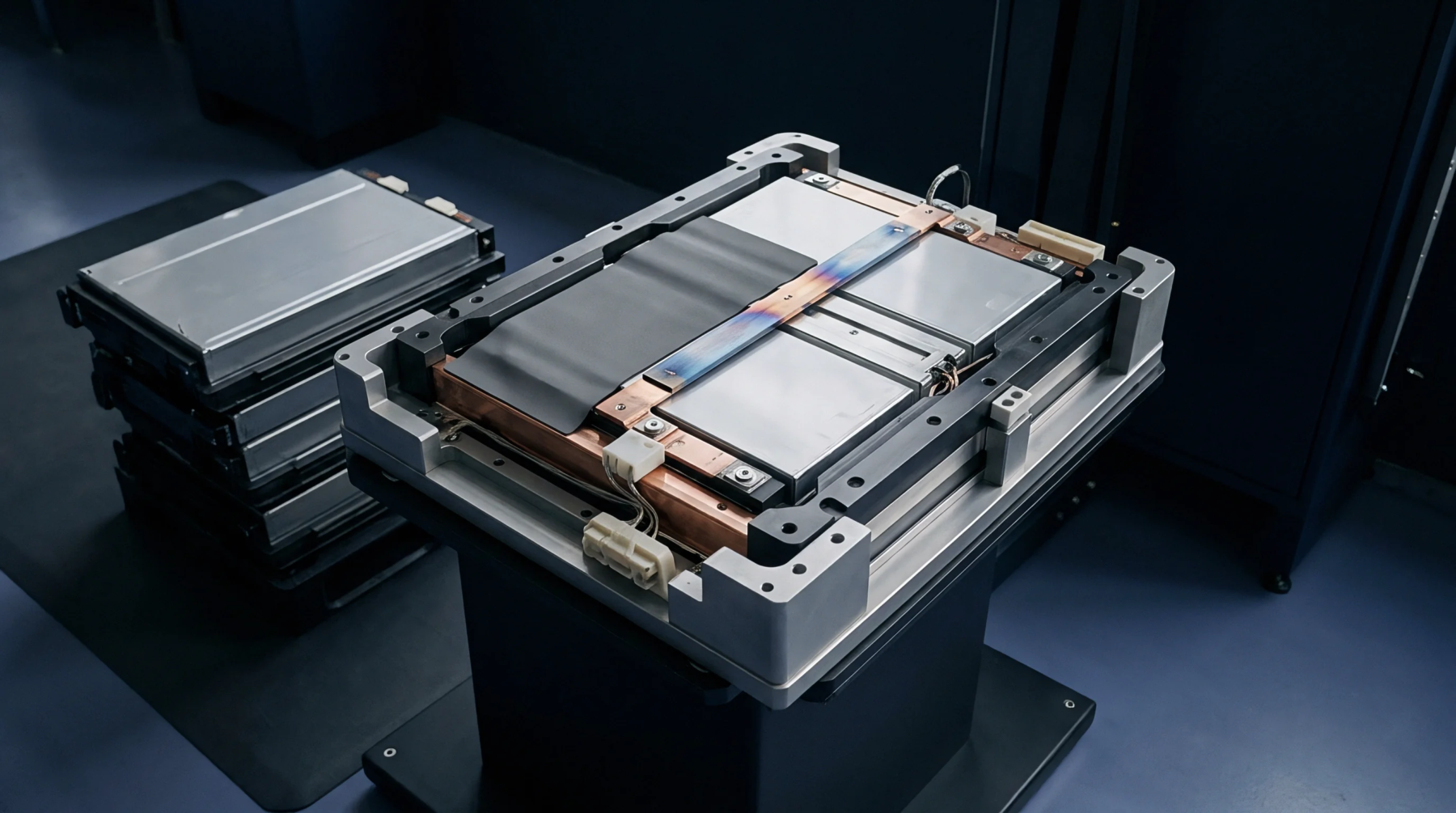
Prismatic lithium cells demand calibrated 0.2 to 0.6 MPa compliant clamping to prevent active layer delamination while accommodating cyclic breathing over life.
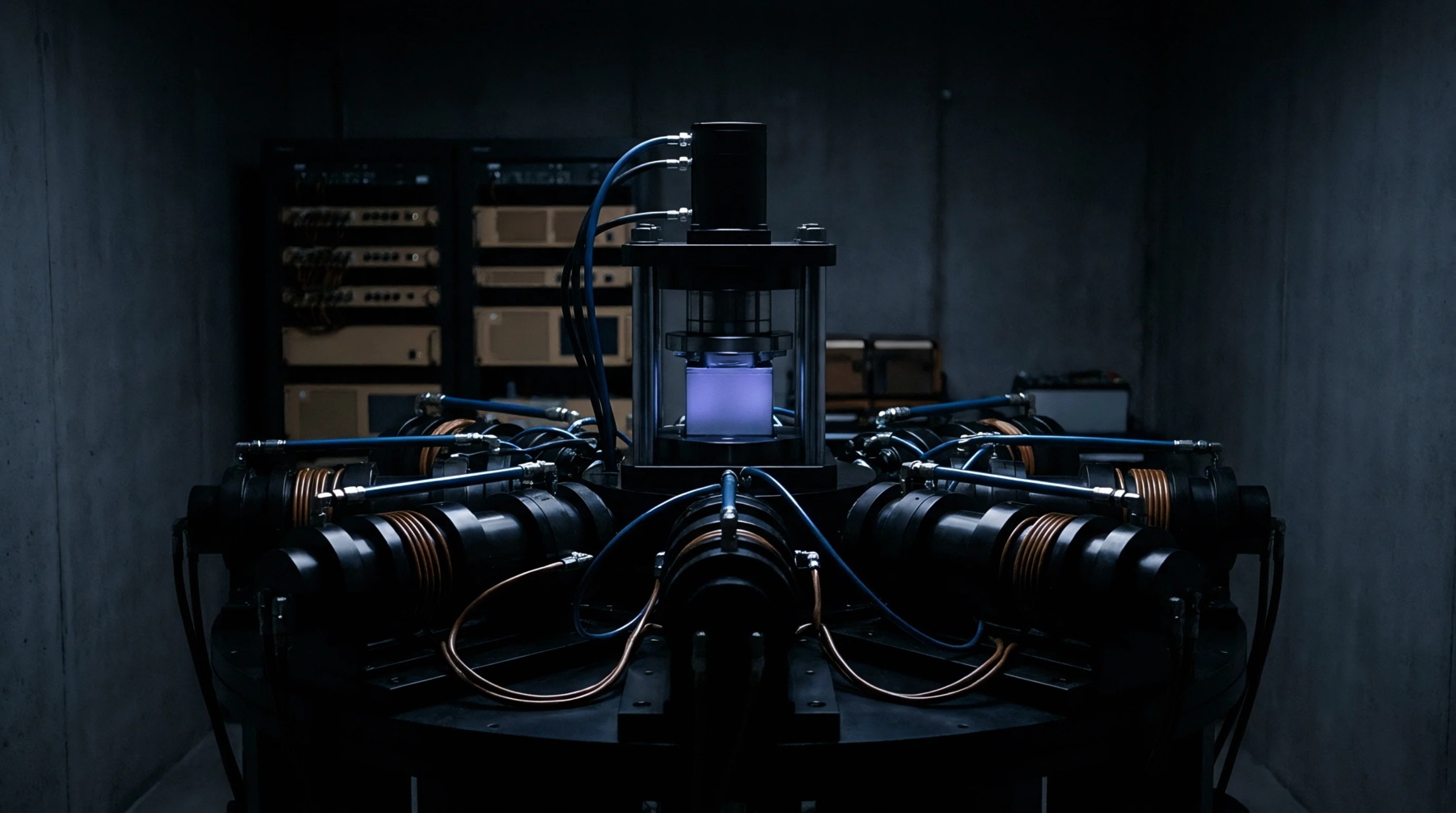
Dynamic fast-charge swelling pressure in structural cell-to-pack enclosures requires bounded preloads to suppress lithium plating without crushing separators.

Charge transfer overpotential crossover marks the transition from kinetic to diffusion control, quantifiable via transient voltage relaxation fitting.

Extended electrochemical relaxation time constants induce residual overpotential that corrupts zero-point Coulomb counting calibration in battery packs.

Sacrificial electrolyte additives stabilize high-nickel cathode surface phases by forming inorganic passivation films that inhibit nickel reduction and oxygen gas release.
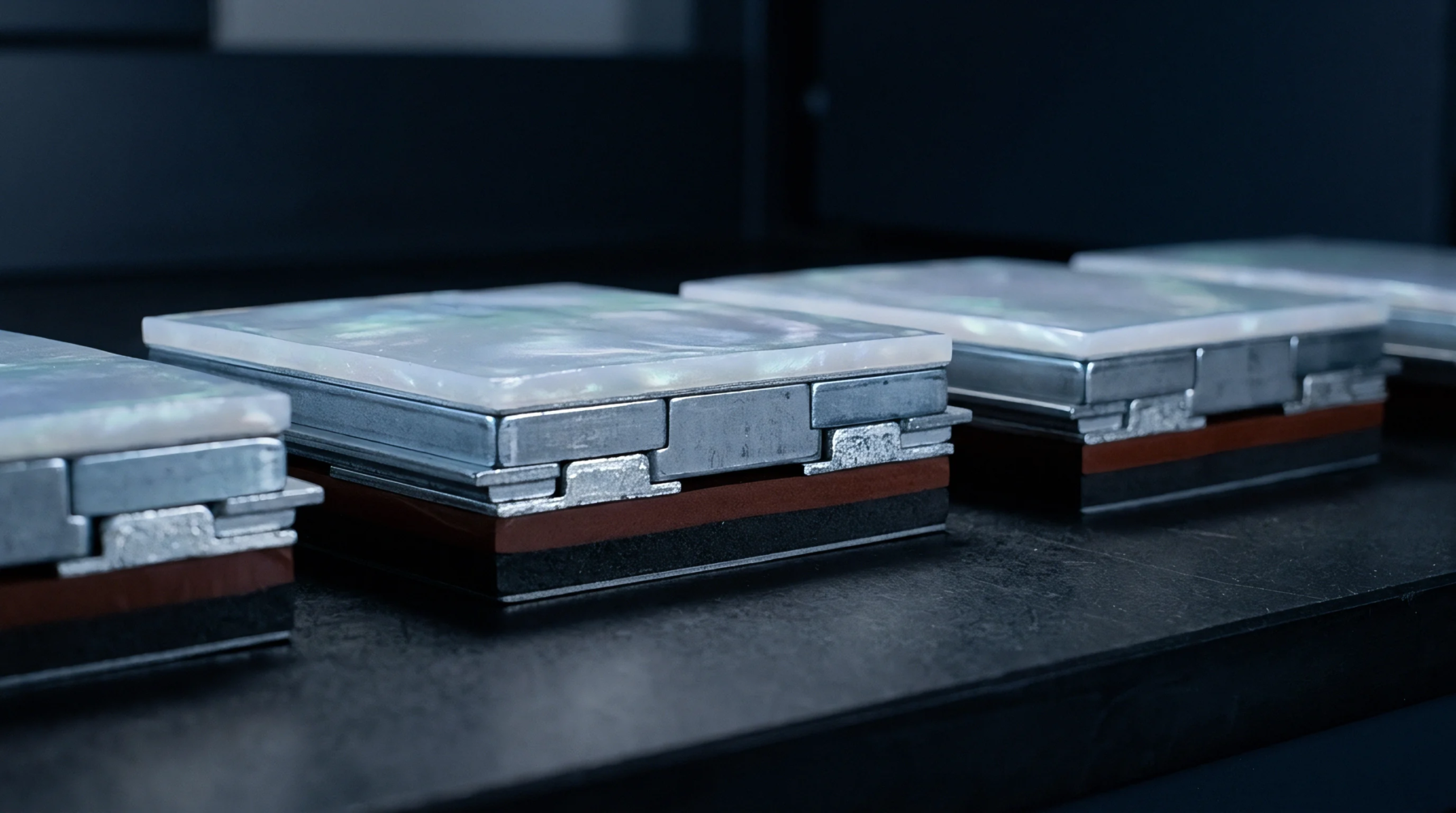
Decoupling thermal expansion from operando intercalation creep separates reversible lattice breathing from irreversible structural degradation across modules.

Silicon anode cells suffer 10 to 25 percent energy efficiency losses from stress-coupled thermodynamic hysteresis unrecoverable by rate reduction.

Nickel dissolution in high-nickel cells causes anode passivation breakdown, accelerating lithium plating and demanding contractual upper cutoff voltage caps.
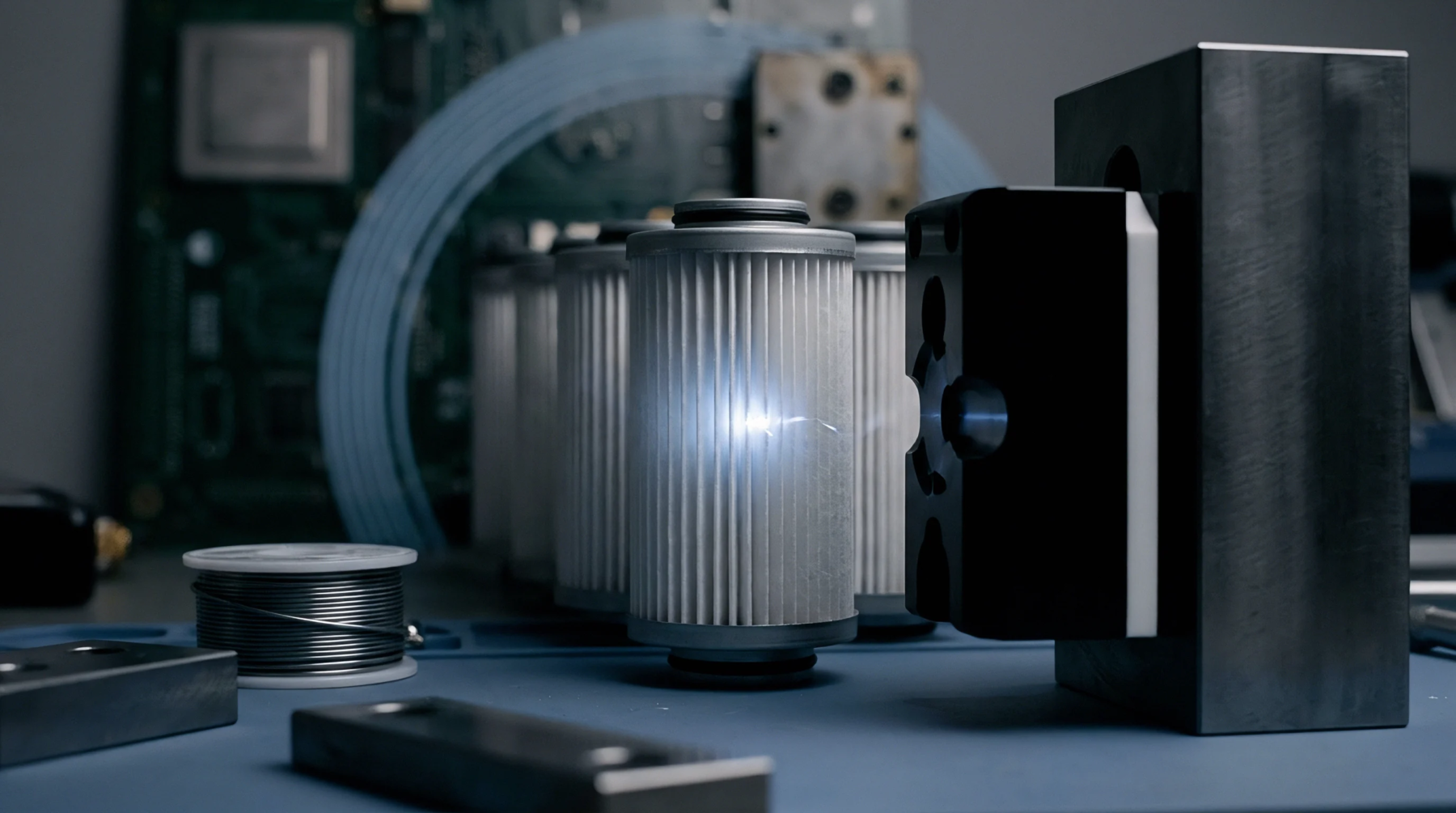
Differential capacity peak tracking isolates phase slippage and plating to detect non-linear capacity knees hundreds of cycles before bulk retention fails.

Cathode particle fracture increases specific surface area while fragmented debris clogs electrode void pathways, causing sharp non-linear impedance rise.

Verify air cargo cell charge limits below 30 percent using rested open-circuit voltage lookups or bench discharges backed by signed UN 38.3 test records.

Anisotropic c-axis contraction in recycled high-nickel cathodes accelerates intergranular microcracking, requiring impurity controls and stress screening.
Quantifying microstructural phase transition relaxation prevents mistaking mechanical lattice heat for parasitic oxidation, lowering projected ten-year battery warranty risks.

Backscattered electron imaging quantifies sub-micron carbide grain integrity and cobalt binder depletion to select slitting tools that prevent edge burrs.

Deconvoluting swelling requires dynamic internal thermal reconstruction to separate reversible expansion from heat driven volume growth.

High voltage thermal cycling accelerates cathode surface reconstruction and metal dissolution, doubling impedance and driving capacity fade.
High-nickel cathode rollover stems from high-voltage H2-H3 phase strain and microcracking; contractually bound dQ/dV and resistance growth limits protect assets.
Expertise is a utility, not a secret. sentiention™ publishes its working knowledge as open reference: intelligence layer covering the materials it sources, the markets it enters, and the reference that serves both.