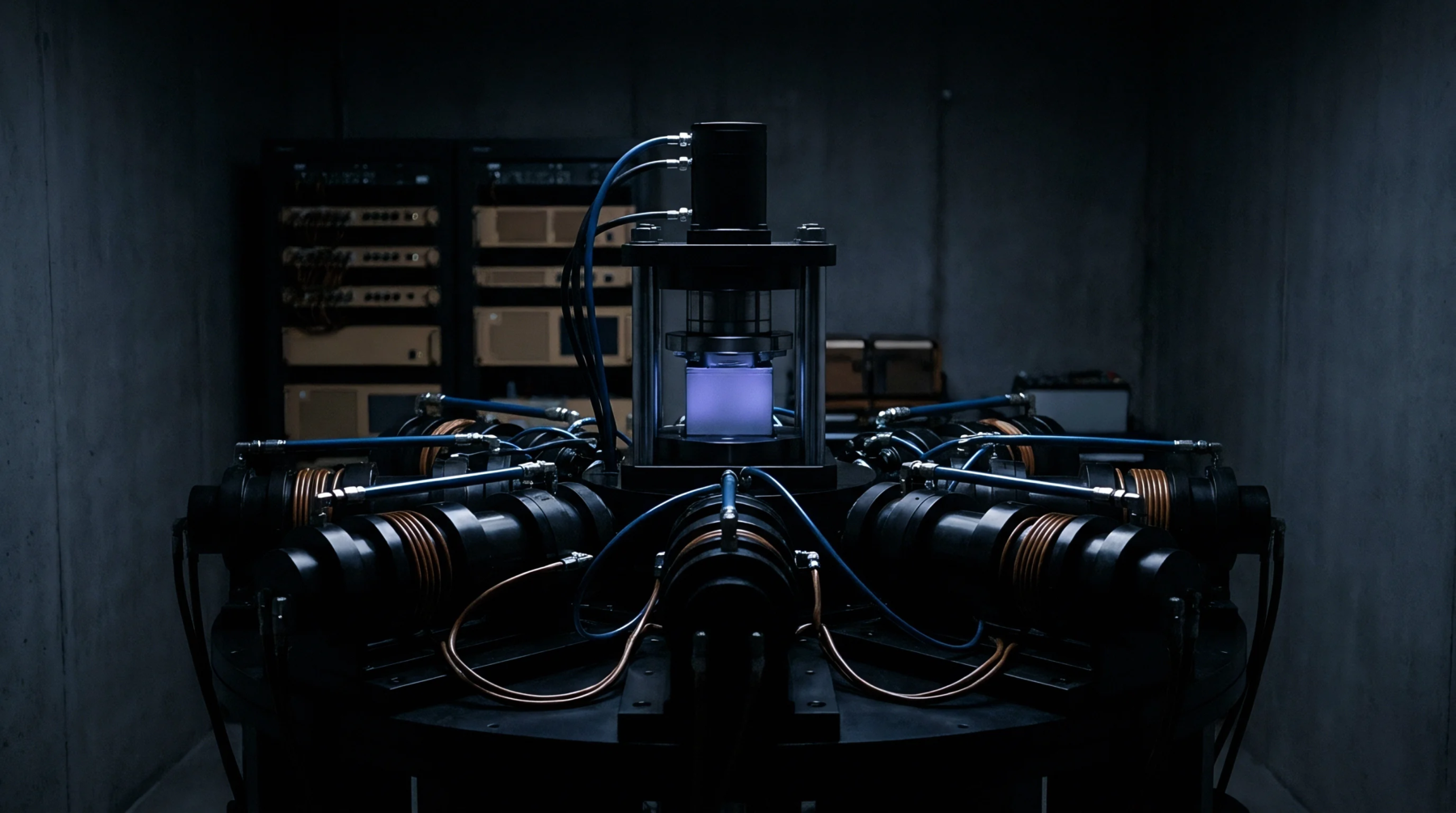
Sodium Ion Cathode Crystal Structures and Hard Carbon Intercalation Mechanics
Sodium-ion cells require d002 interplanar spacing above 0.37 nm in hard carbon and stabilized O3/P2 cathode lattices to deliver low-cost zero-volt transport.
Sodium-ion cells require d002 interplanar spacing above 0.37 nm in hard carbon and stabilized O3/P2 cathode lattices to deliver low-cost zero-volt transport.
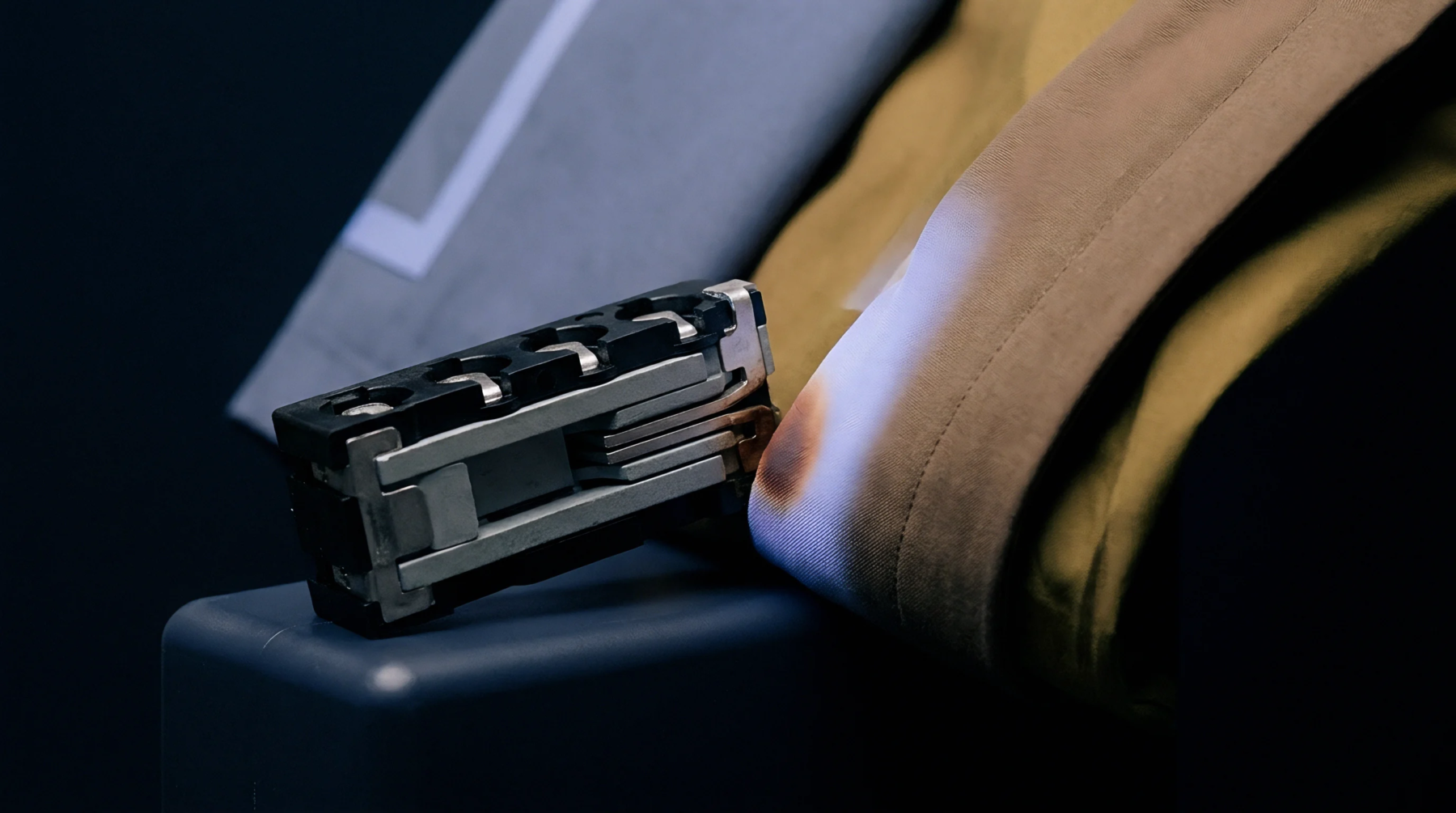
Immediate AC-IR screening and differential capacity testing reveal hidden transit degradation and cell capacity variance in sodium ion shipments.
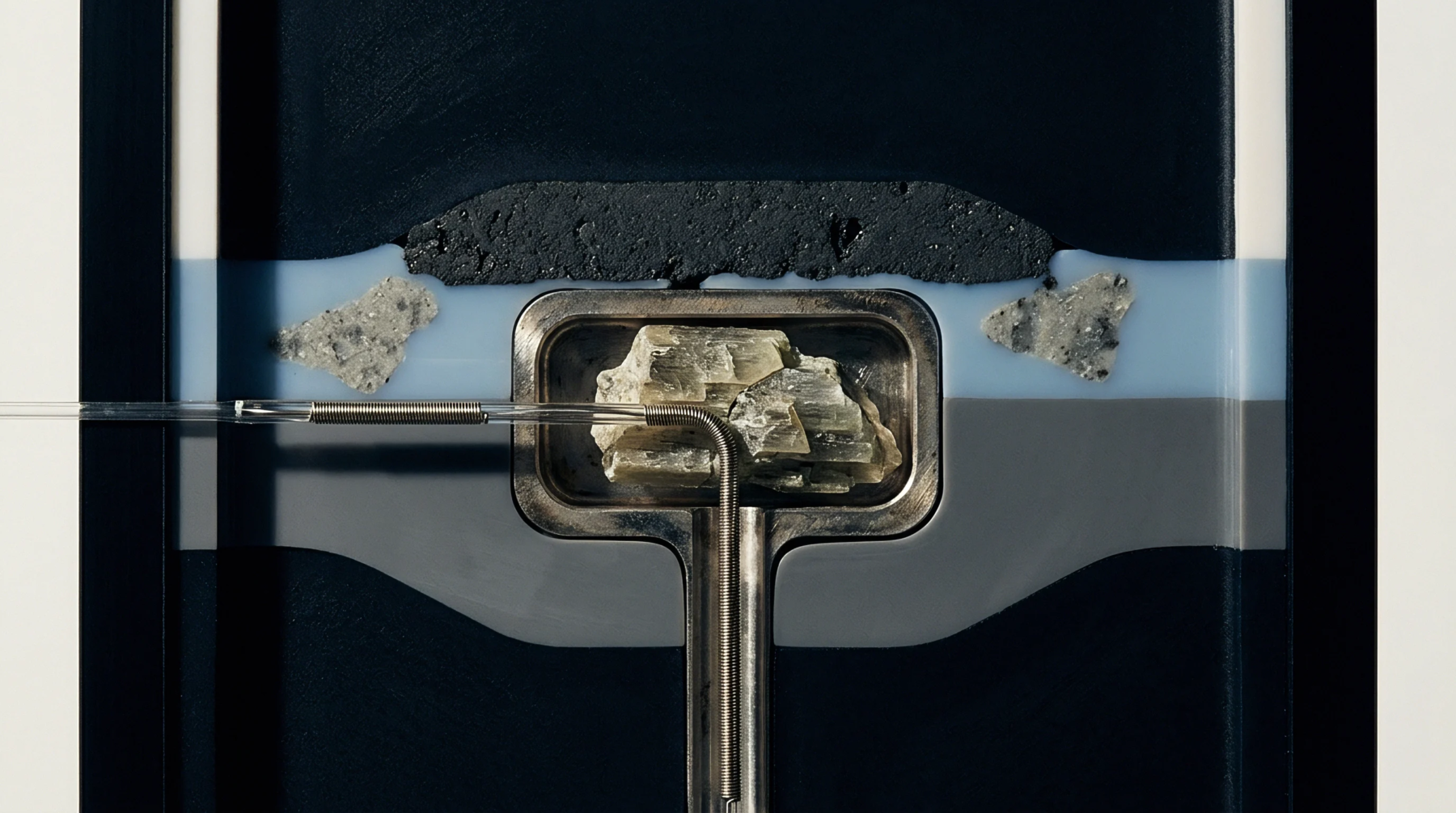
Cell chemistry selection dictates system safety, cycle longevity, thermal cooling architecture, dangerous goods logistics, and levelized storage cost per delivered cycle.
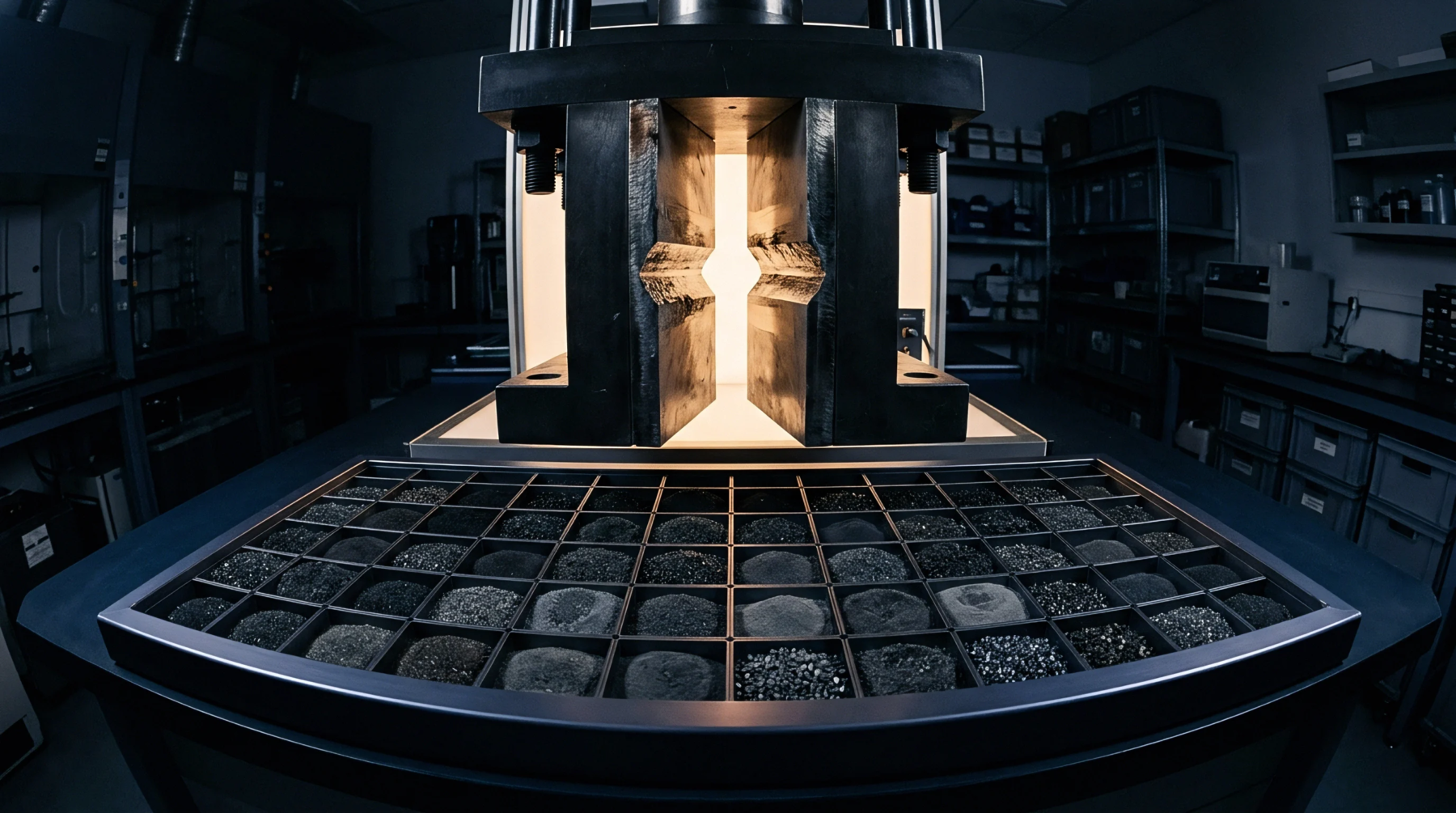
Hard carbon precursor economics remain constrained by low pyrolysis yields and high calcination power costs, delaying sodium-ion cost parity with synthetic graphite LFP cells.
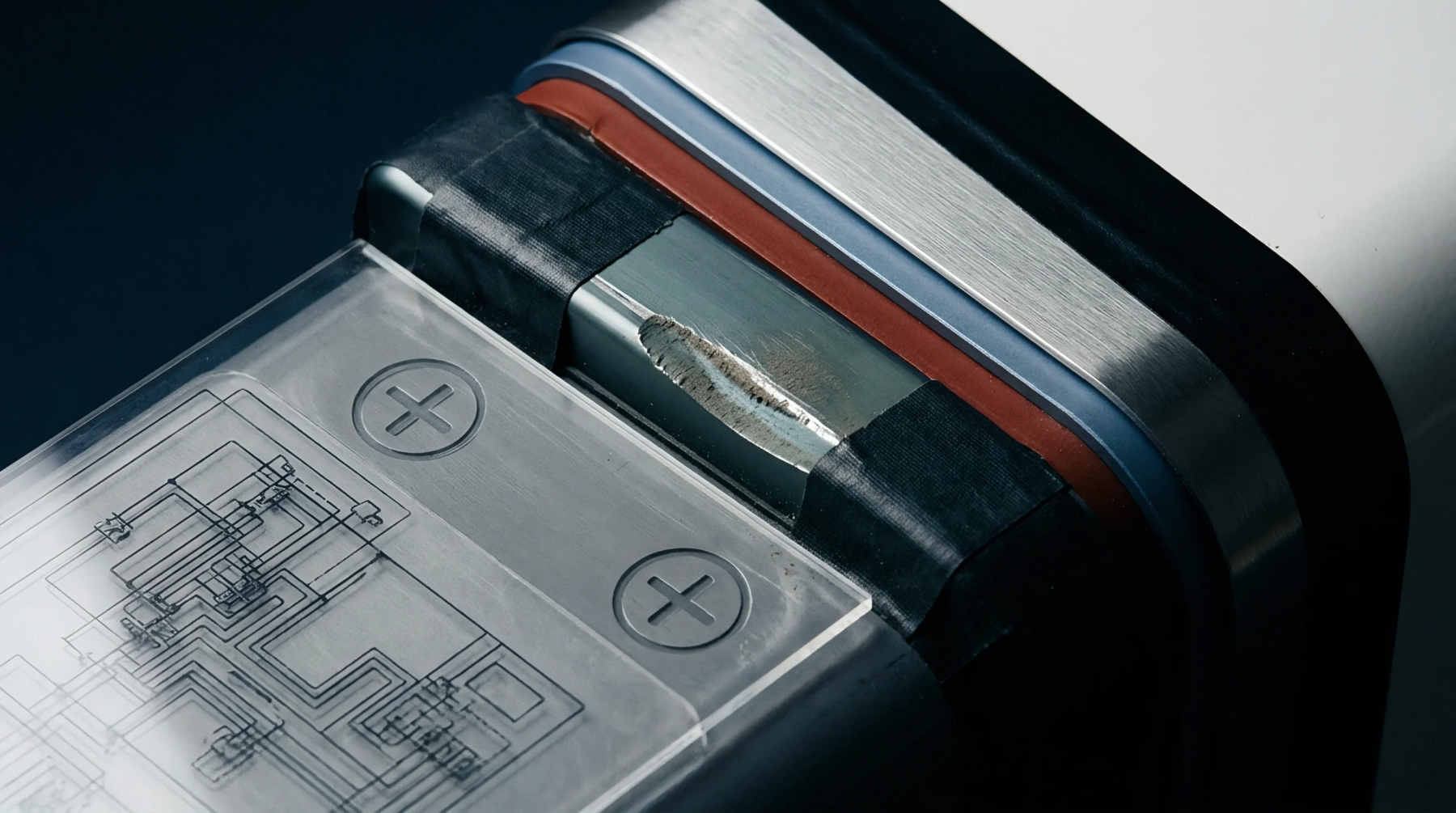
Thermal pyrolysis tuning and defect passivation reduce volumetric lattice strain while maximizing initial coulombic efficiency in hard carbon anodes.

Continuous hard carbon graphitization requires tight thermal control to preserve closed nano-cavities, while pre-sodiation economics rely on holding web yield above 96 percent.
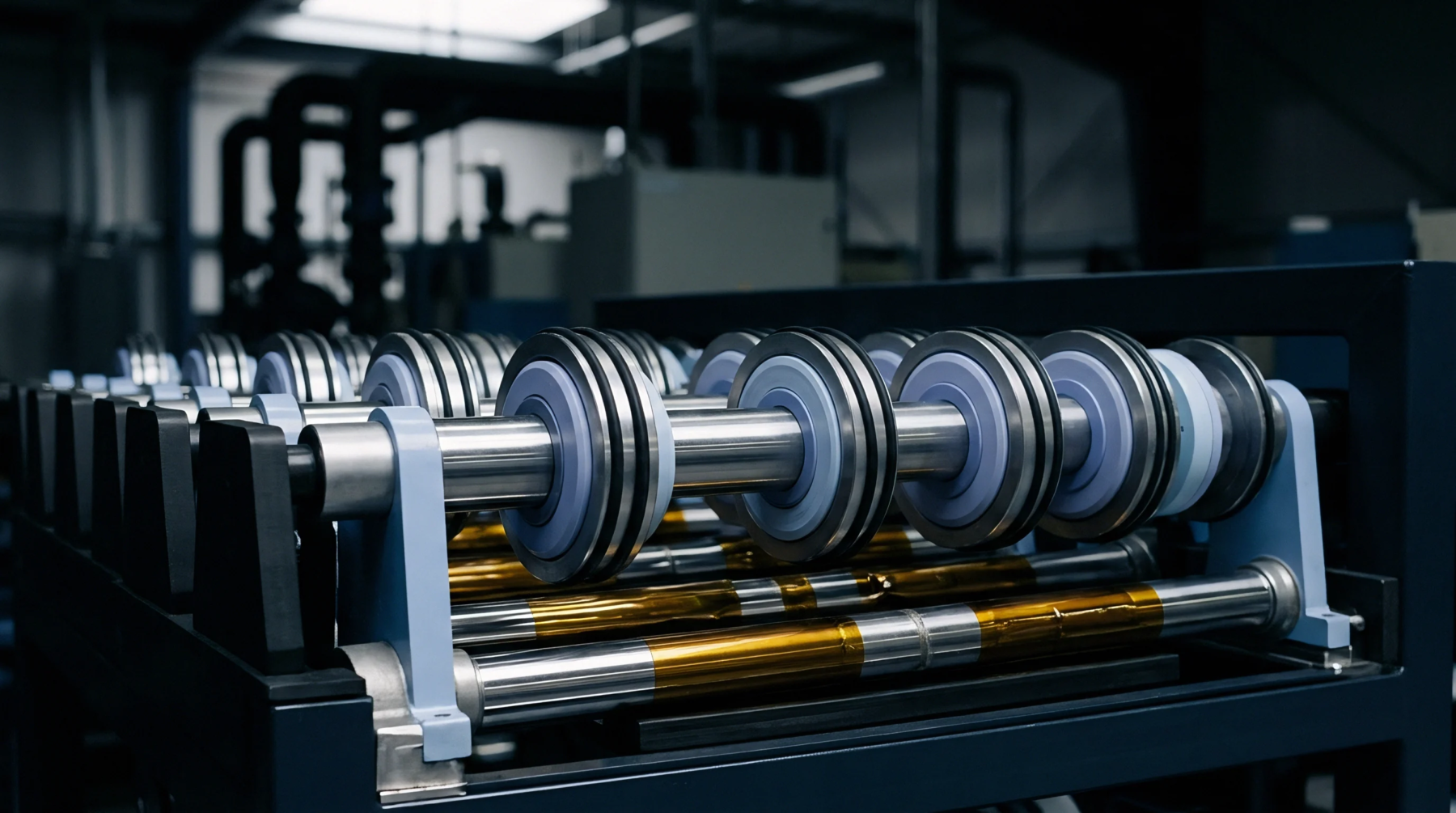
Sacrificial cathode additive kinetics dictate sodium cell formation time, gas volume, and interphase impedance, governing plant CapEx and landed cost per kWh.
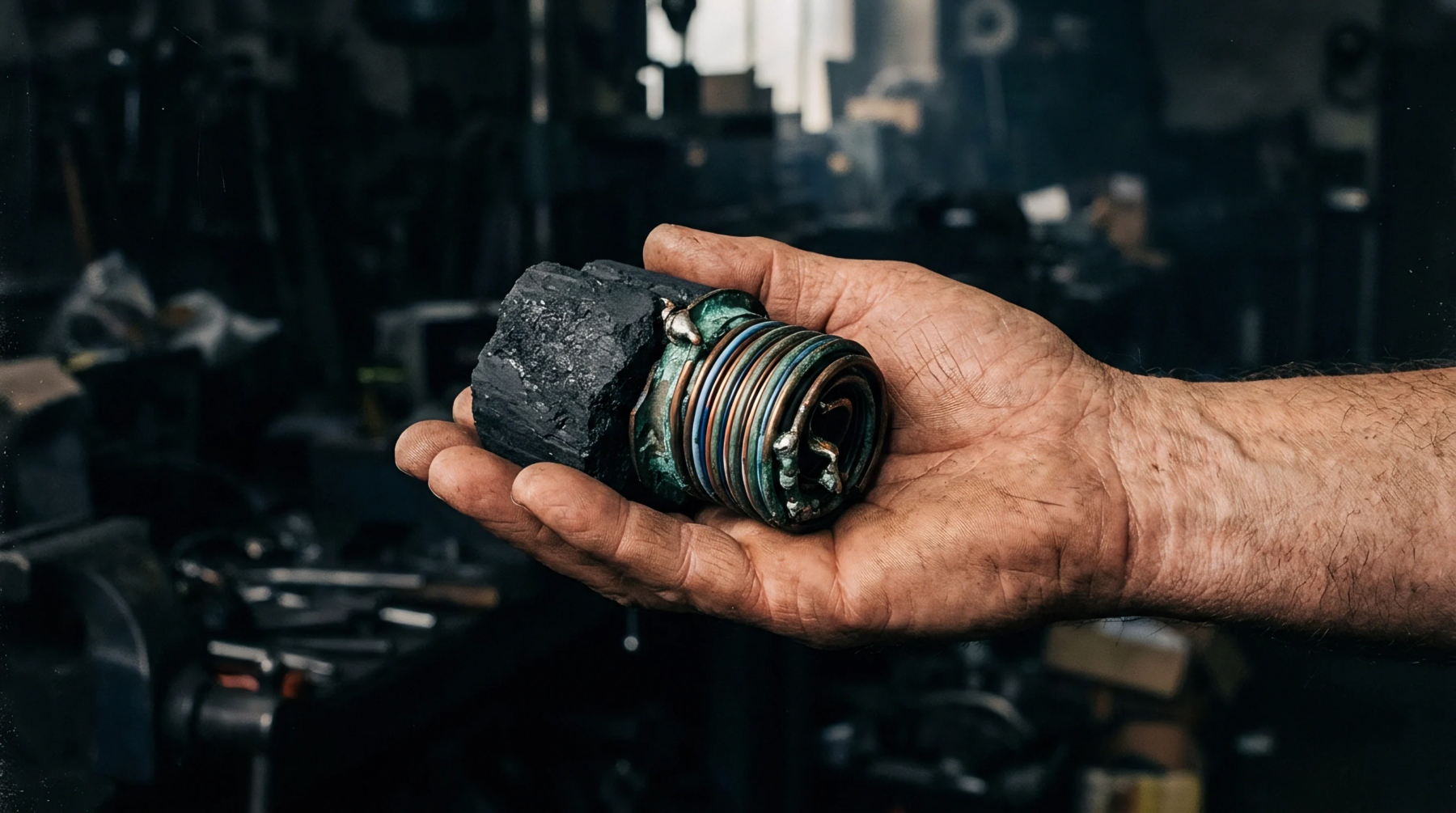
Demineralizing lignin to under 100 ppm ash and drying below 0.5 percent moisture stabilizes hard carbon batch structure and initial coulombic efficiency.
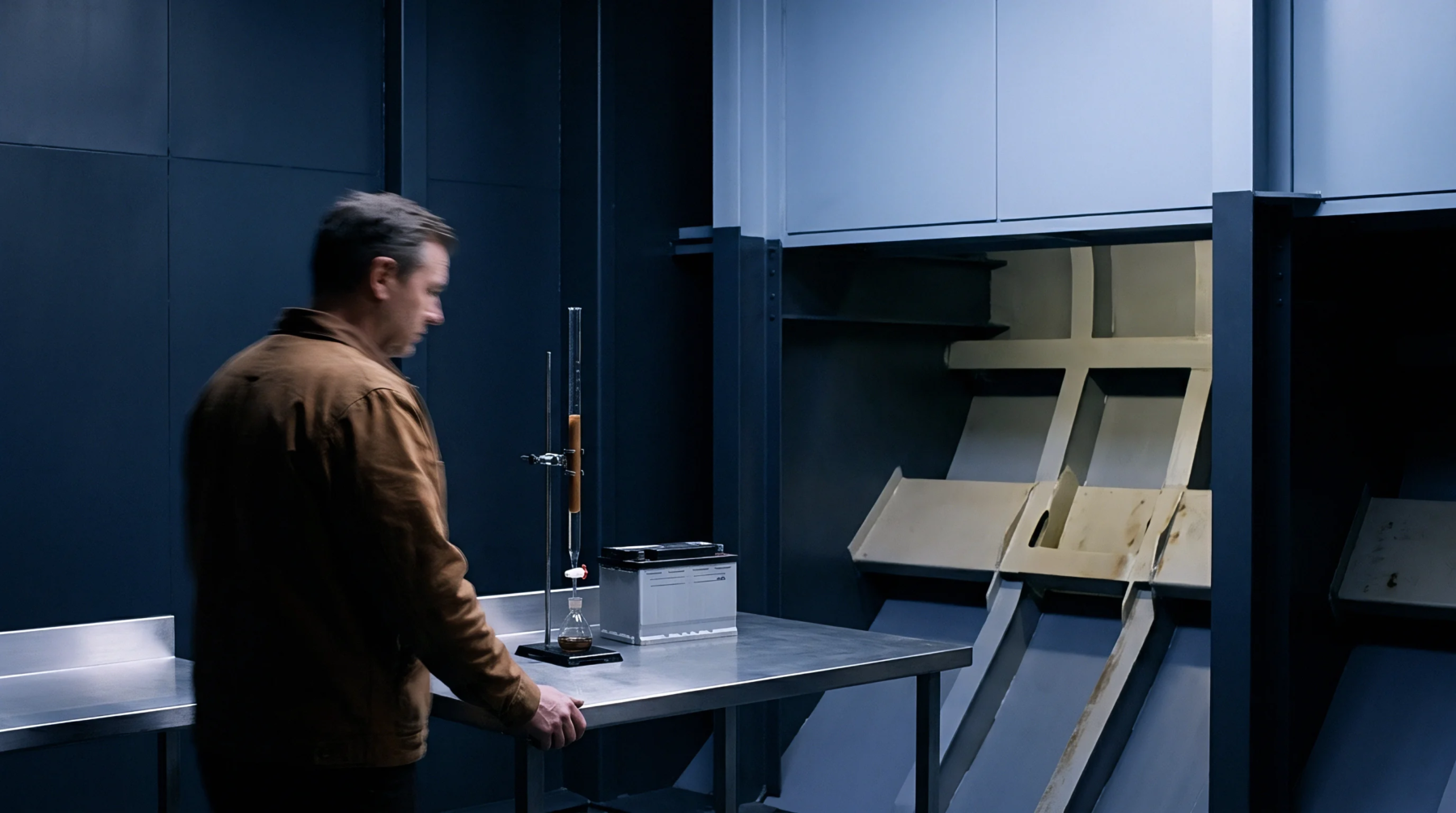
Sacrificial sodium additives offset initial hard carbon capacity loss to increase sodium-ion cell energy density and reduce landed cost per kilowatt-hour.
Optimize precursor pre-oxidation at 230-270 °C under 0.05 atm O2 to expand closed pore volume, achieving >220 mAh/g low-potential plateau capacity and >88% ICE.
Defect capping and interphase tuning boost hard carbon anode initial efficiency past 88 percent, cutting cathode mass overhead and cell manufacturing cost.
Continuous pyrolysis delivers lower manufacturing costs and stable hard carbon yields, whereas chemical pre-sodiation boosts efficiency at higher scrap and reagent expenses.
Precursor selection for sodium ion hard carbon anodes dictates closed pore volume, surface area, initial coulombic efficiency, and landed material cost.
Active pressure vacuum degassing during cell formation eliminates trapped gas voids in high capacity sodium electrodes to prevent local salt depletion and plating.
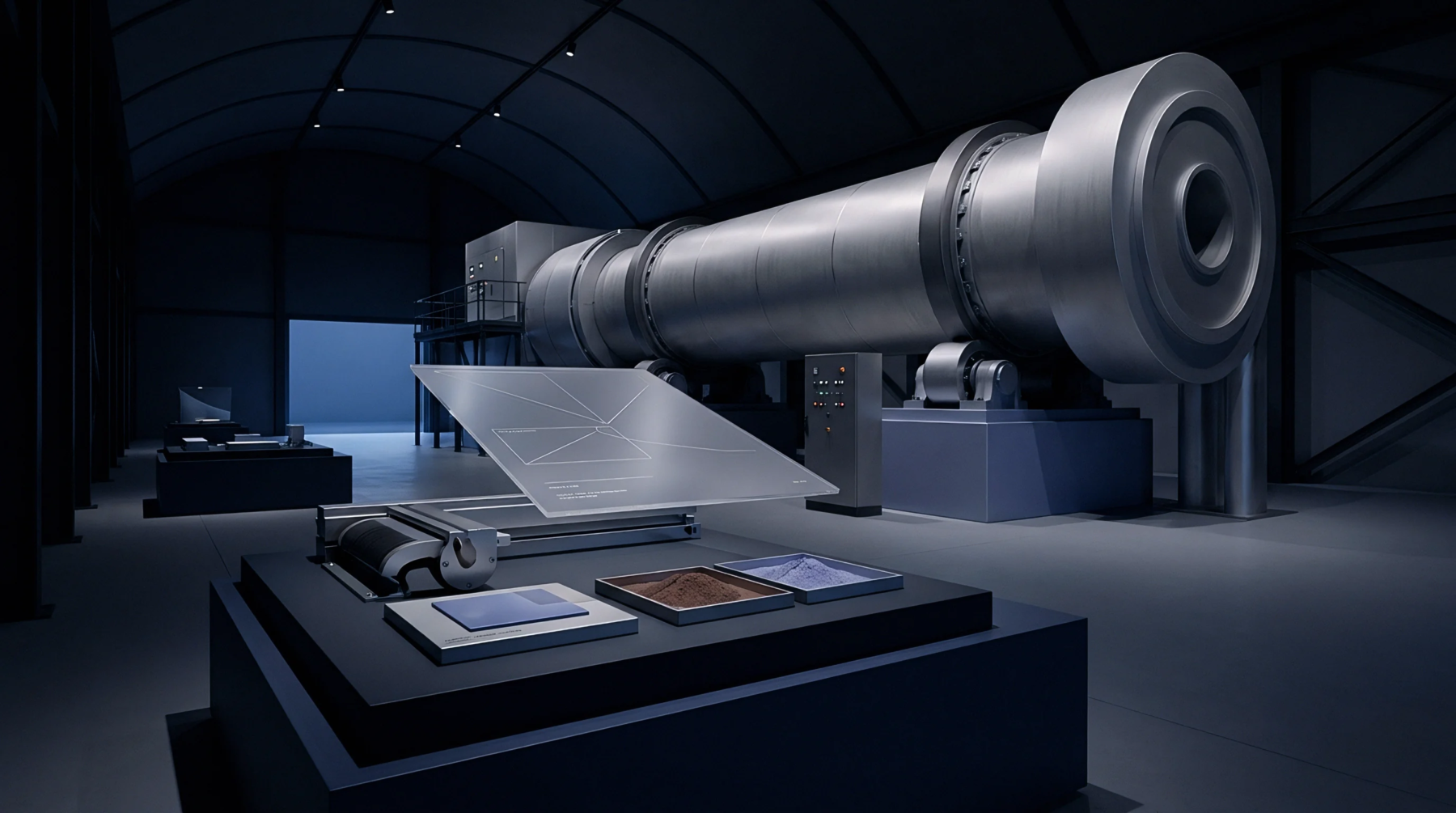
Controlled oxidative cross-linking of pitch precursors balances carbon yield and closed porosity to optimize hard carbon capacity and initial coulombic efficiency.
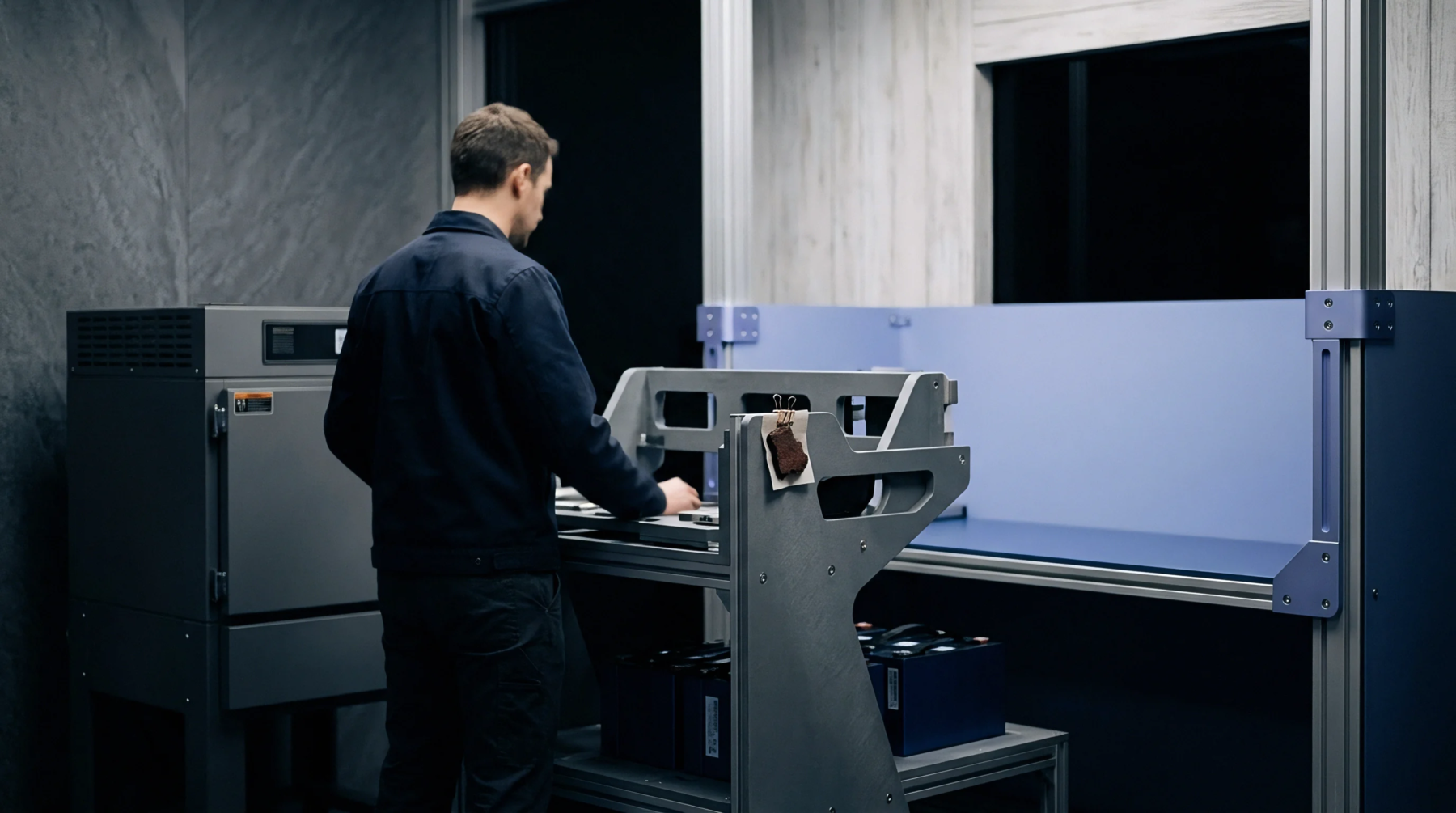
Sacrificial cathode additives offset hard carbon initial sodium loss, raising cell energy density when decomposition potential and off-gassing match formation limits.
Controlling pitch air-oxidation at 260°C yields oxygen uptake above 8 percent, preventing mesophase growth and maximizing sodium storage plateau capacity.

Ozone-assisted pre-oxidation creates oxygen bridges that maximize closed pore nanovoids in hard carbon, raising initial coulombic efficiency above ninety percent.
Sodium storage inside closed sub-nanometer carbon pores proceeds via quasi-metallic cluster nucleation stabilized positive of zero volts by Gibbs-Thomson spatial confinement.
Closed pores dictate low-voltage plateau capacity in hard carbon; verify skeletal density via pycnometry and scattering to stop plating defects.
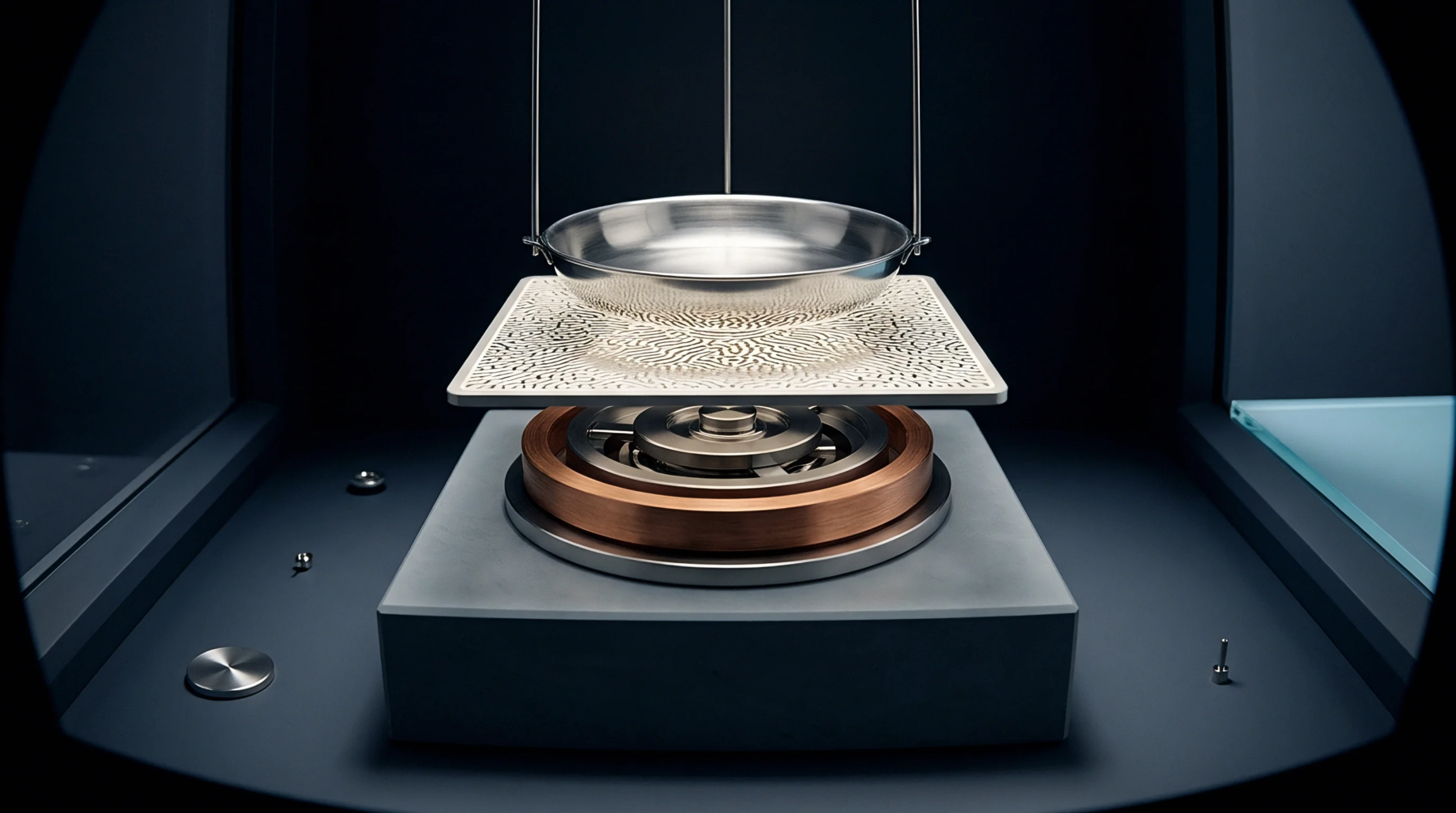
Structural d002 degeneracy and closed pore collapse lower hard carbon plateau capacity and initial coulombic efficiency, requiring tight kiln thermal controls and compaction limits.

Hard carbon performance relies on precursor heteroatom crosslinking and tuned carbonization thermal ramps to maximize closed porosity and initial capacity.
Operando X-ray diffraction maps real-time residual strain in doped hard carbons, linking heteroatom defect density to cycle degradation and material specs.
Tuning hard carbon d002 spacing to 0.37 nm and eliminating open surface area elevates sodium anode initial Coulombic efficiency above 90 percent.
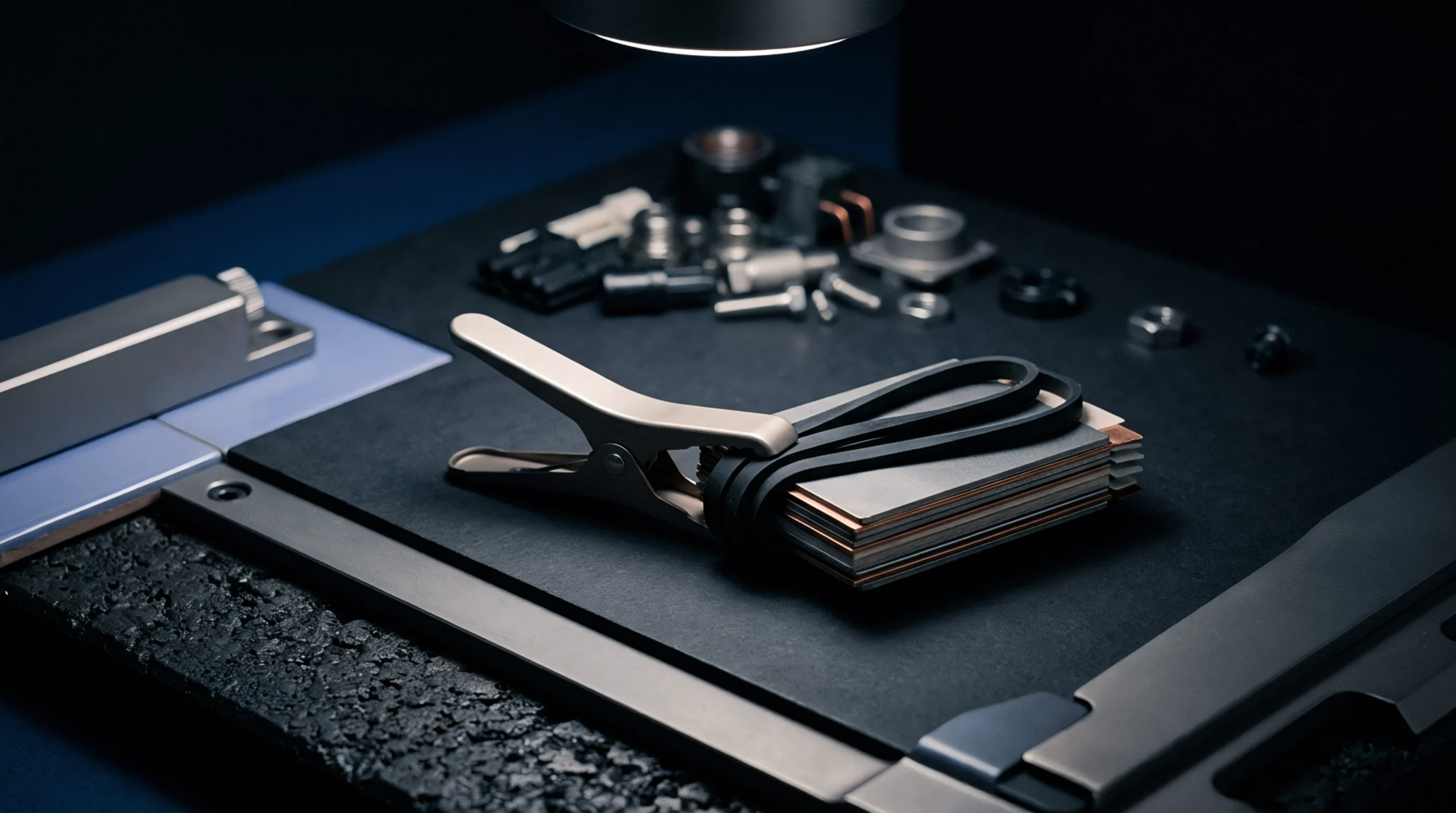
Optimize hard carbon for sodium anodes by expanding d002 spacing above 0.37 nm and CVD-sealing open surface pores to keep BET area under 5 m2/g and ICE over 87%.
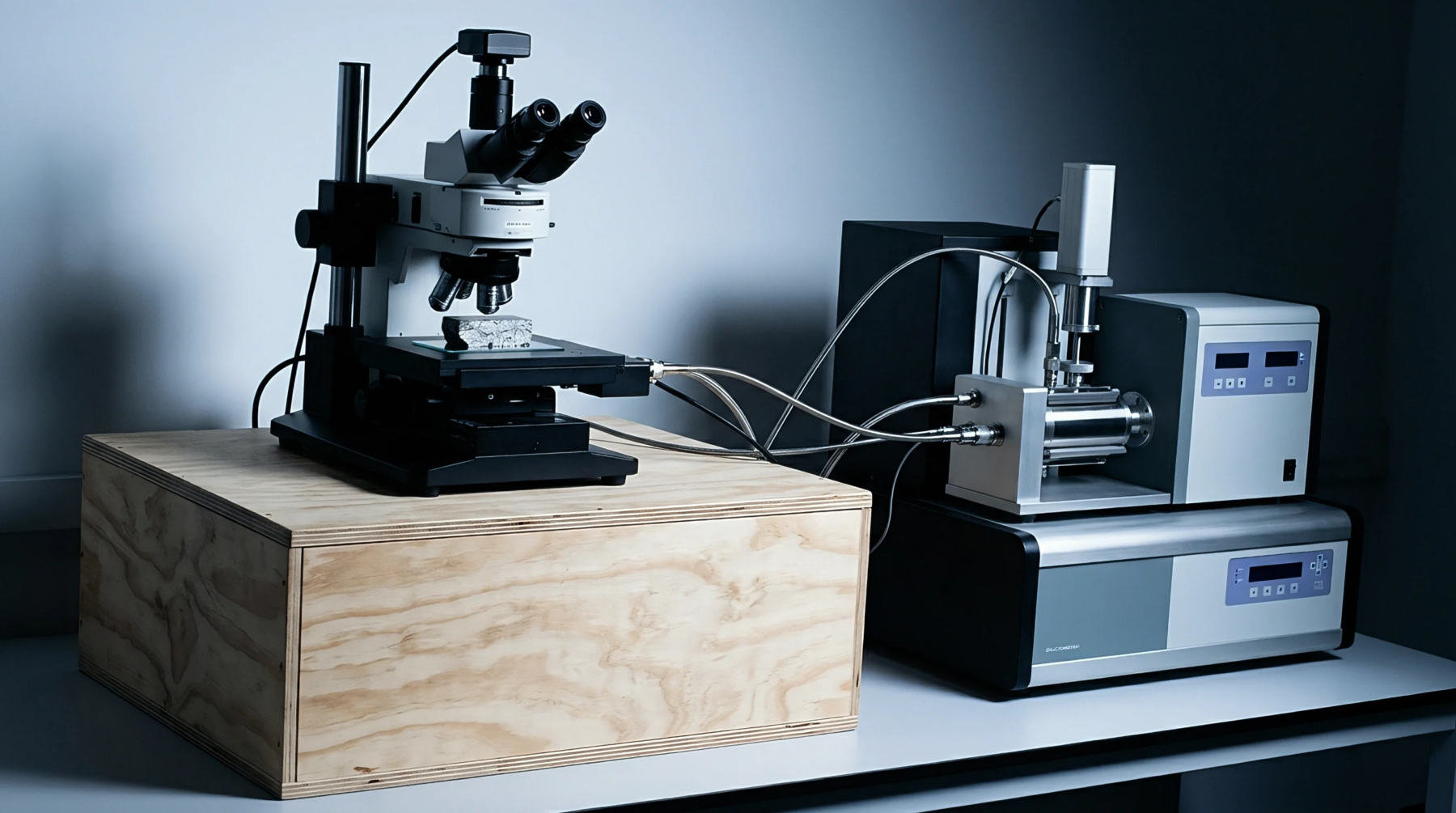
Pyrolysis above 1300°C closes hard carbon micropores below 5 m²/g, halting parasitic electrolyte decay and securing cycling life.
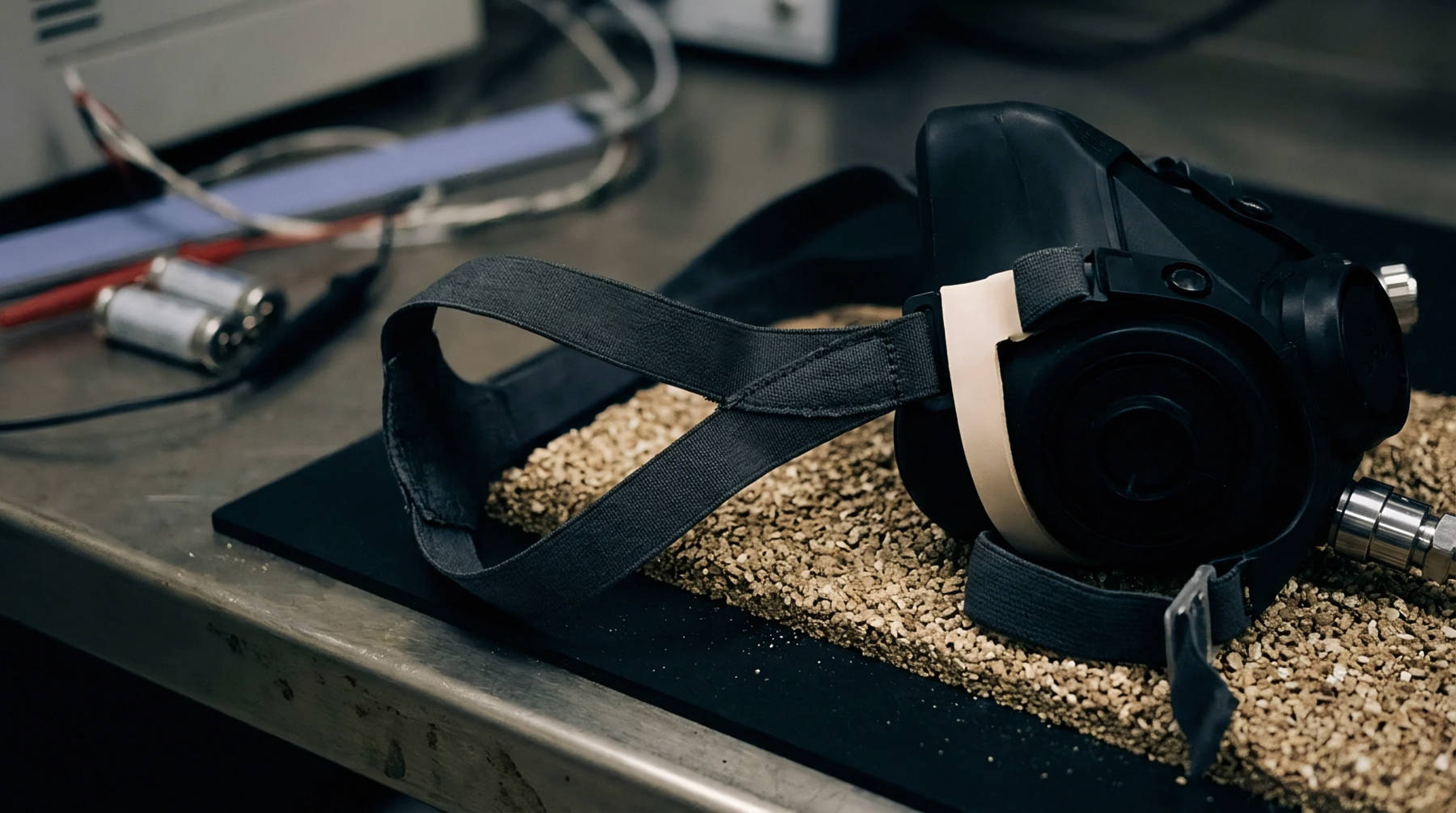
Hard carbon pyrolysis between 1200 and 1400 °C seals open pores, driving initial coulombic efficiency past 88 percent to minimize cathode oversizing costs.
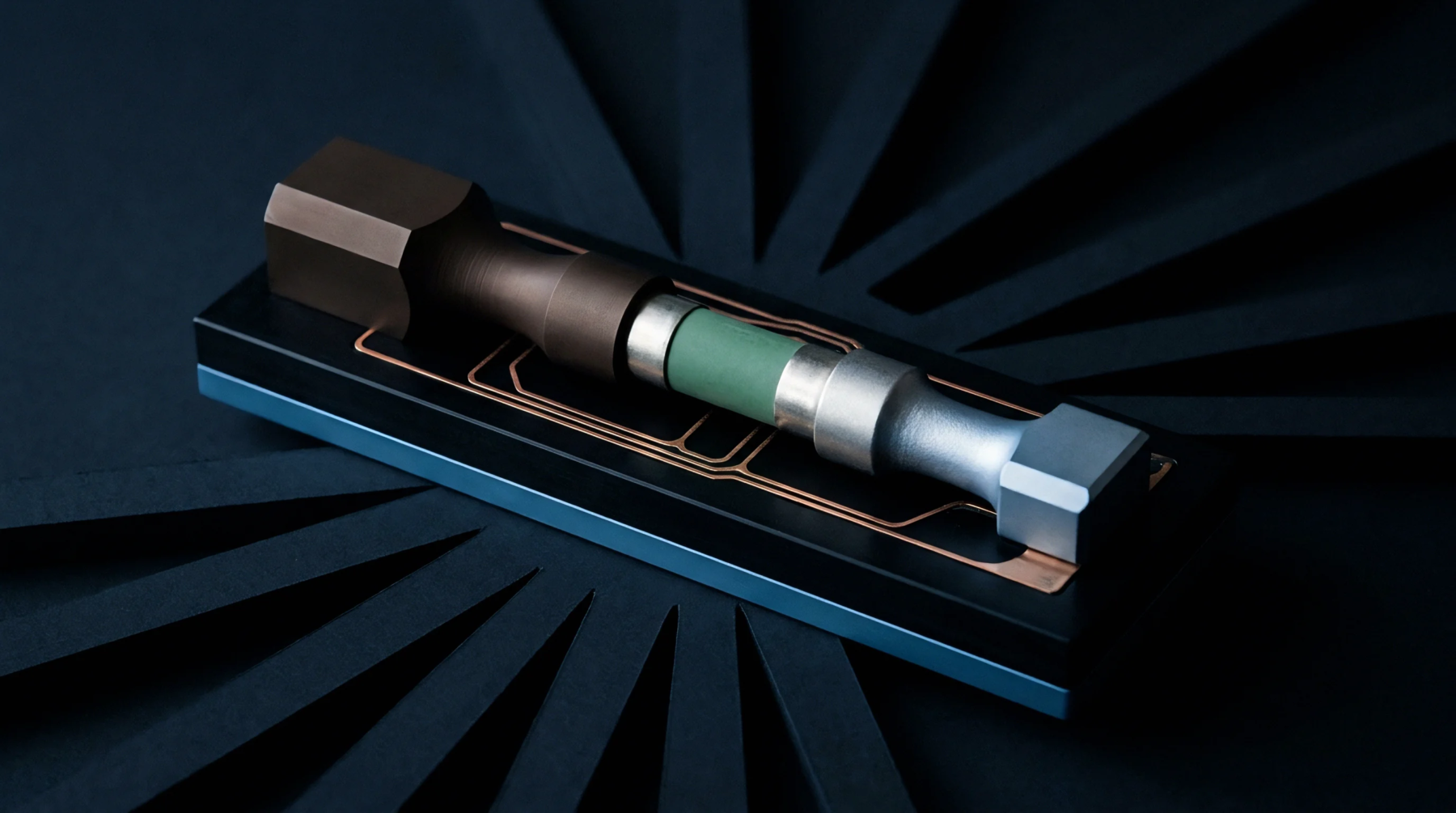
Hard carbon selection requires balancing closed pore volume against open surface area to maximize initial coulombic efficiency and low-voltage plateau capacity.
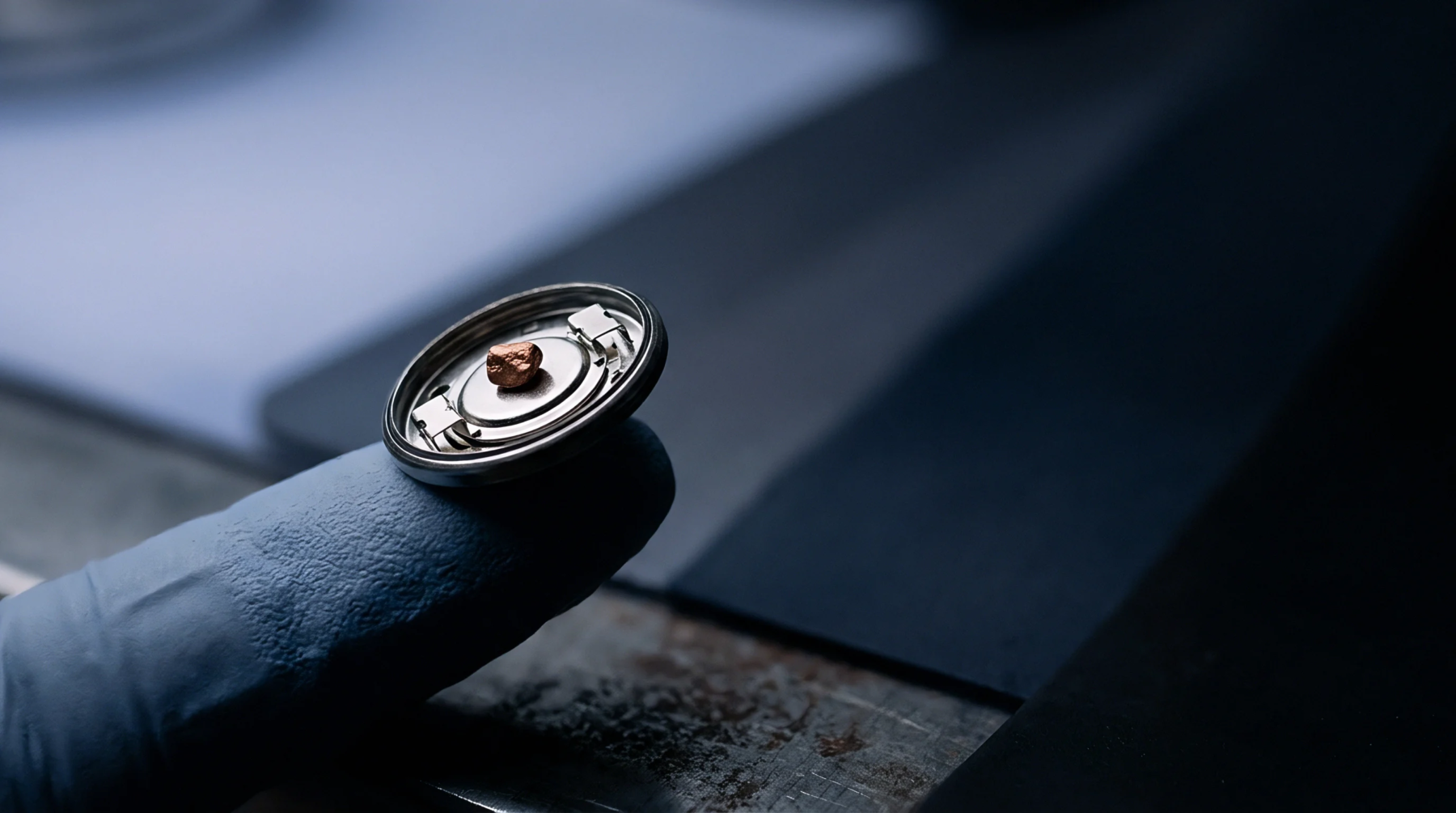
Thermal closed pore shrinkage contracts internal ion reservoirs, slashing plateau capacity and inflating cathode mass requirements across scale cell manufacturing.

Carbonizing biomass between 1200°C and 1400°C maximizes low-potential plateau capacity, closes external micropores, and boosts initial coulombic efficiency.
Expertise is a utility, not a secret. sentiention™ publishes its working knowledge as open reference: intelligence layer covering the materials it sources, the markets it enters, and the reference that serves both.