
Closed Loop Micro Reference Sensing for Low Temperature Fast Charging
Closed loop micro reference sensing measures anode potential directly to eliminate sub-zero lithium plating during fast charging without compromising cell life.
Closed loop micro reference sensing measures anode potential directly to eliminate sub-zero lithium plating during fast charging without compromising cell life.

Dynamic module pressure retention requires continuous dynamic strain compensation to prevent lithium metal anode degradation and structural pack housing fatigue.

Dynamic tracking of graphite anode potential prevents sub-zero metallic lithium plating by throttling charging current before interfacial overpotentials breach 0V.

Sub-zero charging forces graphite anode potential below zero volts relative to lithium, initiating metallic plating driven by desolvation and diffusion barriers.

Sub-zero battery procurement requires matching electrolyte desolvation limits with strict non-plating charge cutoffs to protect landed cell life and warranties.

Electro-thermal degradation modeling reveals that internal thermal gradients accelerate localized lithium plating and active inventory loss during fast charging.

Industrial electricity tariffs dictate over fifty percent of synthetic graphite production costs, driving price compression down toward natural graphite parity.

Off-the-shelf battery assembly selection requires auditing cell impedance matching, verifying continuous thermal limits, and locking the bill of materials.

Differential capacity sweeps at C/20 isolate non reversible plated lithium by separating reversible stripping peaks from active lithium inventory loss.

Resolving AC and DC impedance divergence in automated test fixtures requires four-wire coaxial leads, real-time SOL de-embedding, and dual-metric cell triage.

Hydrostatic pressure elevates lithium chemical potential and raises nucleation energy barriers, suppressing destructive phase fracture in encapsulated silicon anode powders.
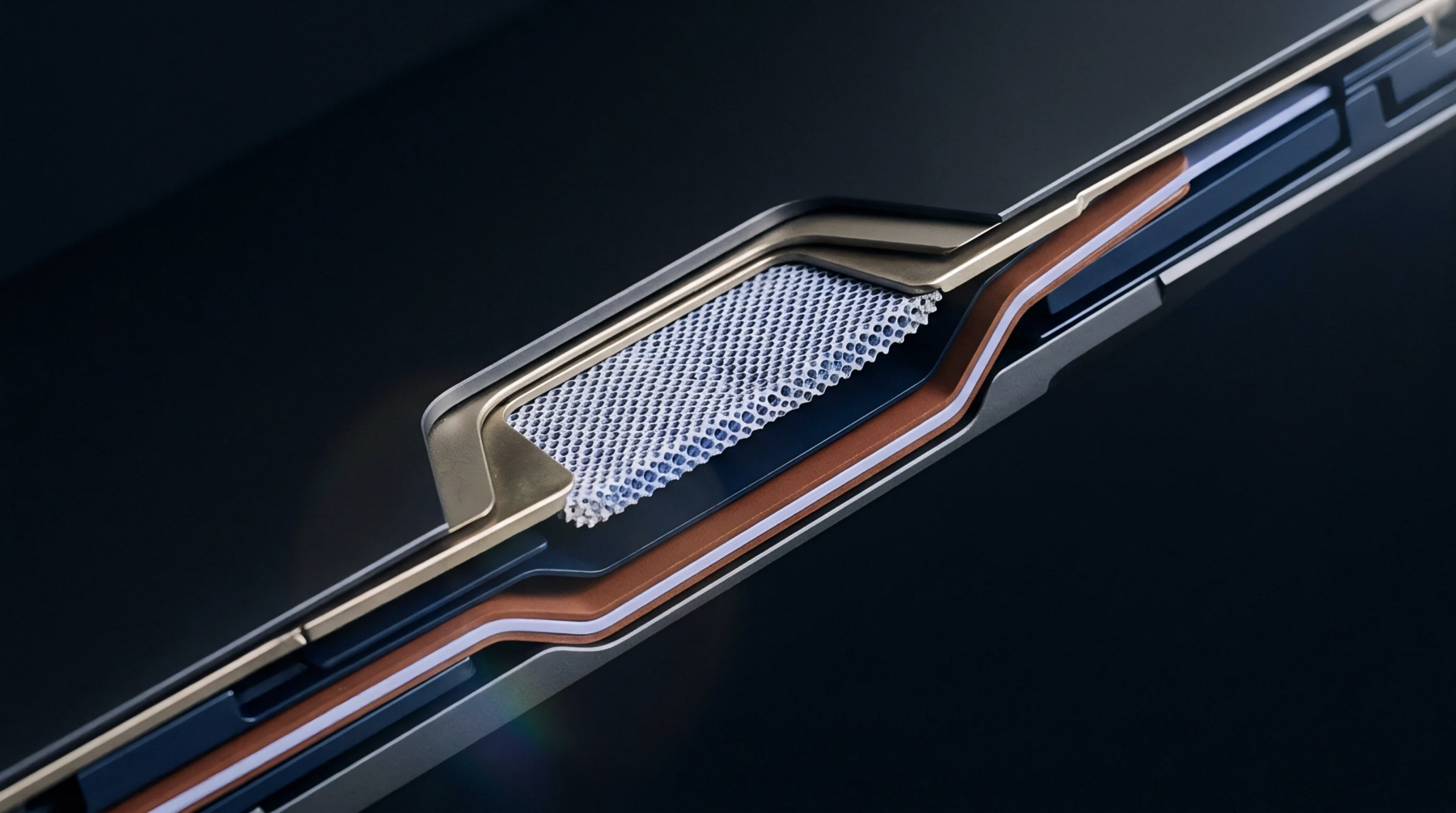
Deconvolution isolates activation, ohmic, and diffusion overpotentials, enabling exact boundary setting for fast charging without lithium plating risks.

Non-linear mechanical stress shifts Butler-Volmer kinetics in high-silicon anodes, lowering nucleation barriers and driving local lithium plating under stack pressure.

Establishing module strain envelopes requires setting 0.15 to 1.20 MPa stack pressure limits to bind cell warranty claims to verified mechanical boundaries.

Differential capacity peak fitting deconvolutes cell voltage data into loss of lithium inventory and active material degradation for precise health tracking.

Extended calendar aging consumes cyclable lithium through solid electrolyte growth, requiring differential capacity verification before warranty assignment.
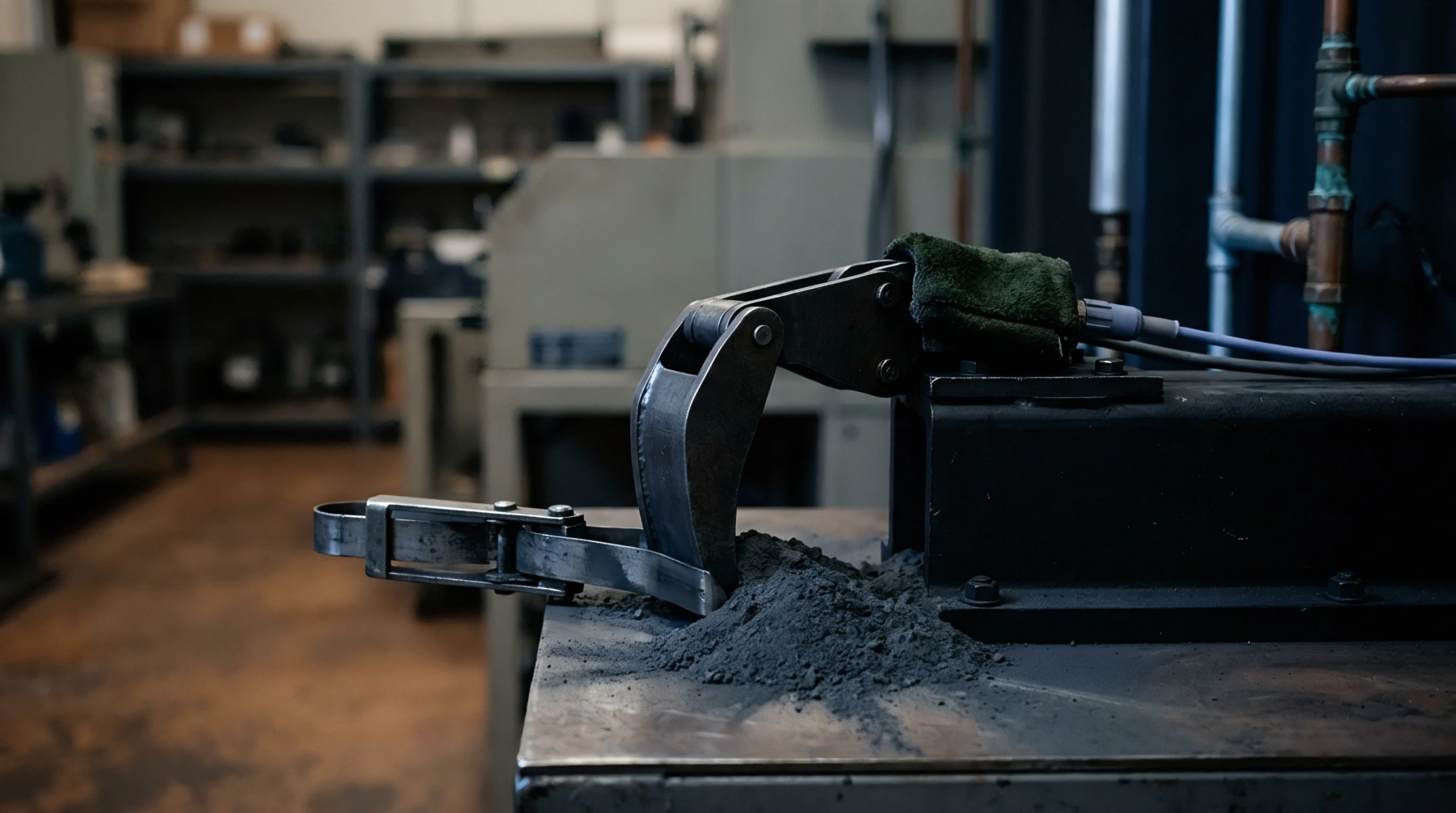
Continuous pyrolysis delivers lower manufacturing costs and stable hard carbon yields, whereas chemical pre-sodiation boosts efficiency at higher scrap and reagent expenses.

Defect capping and interphase tuning boost hard carbon anode initial efficiency past 88 percent, cutting cathode mass overhead and cell manufacturing cost.

Subzero fast charging forces severe SEI fracture and lithium plating, creating internal short risks that invalidate standard UN 38.3 safety credentials.

Prismatic cell initial mechanical preload limits must balance interfacial contact impedance suppression at 0.15 to 0.35 MPa against EOL structural frame stress.
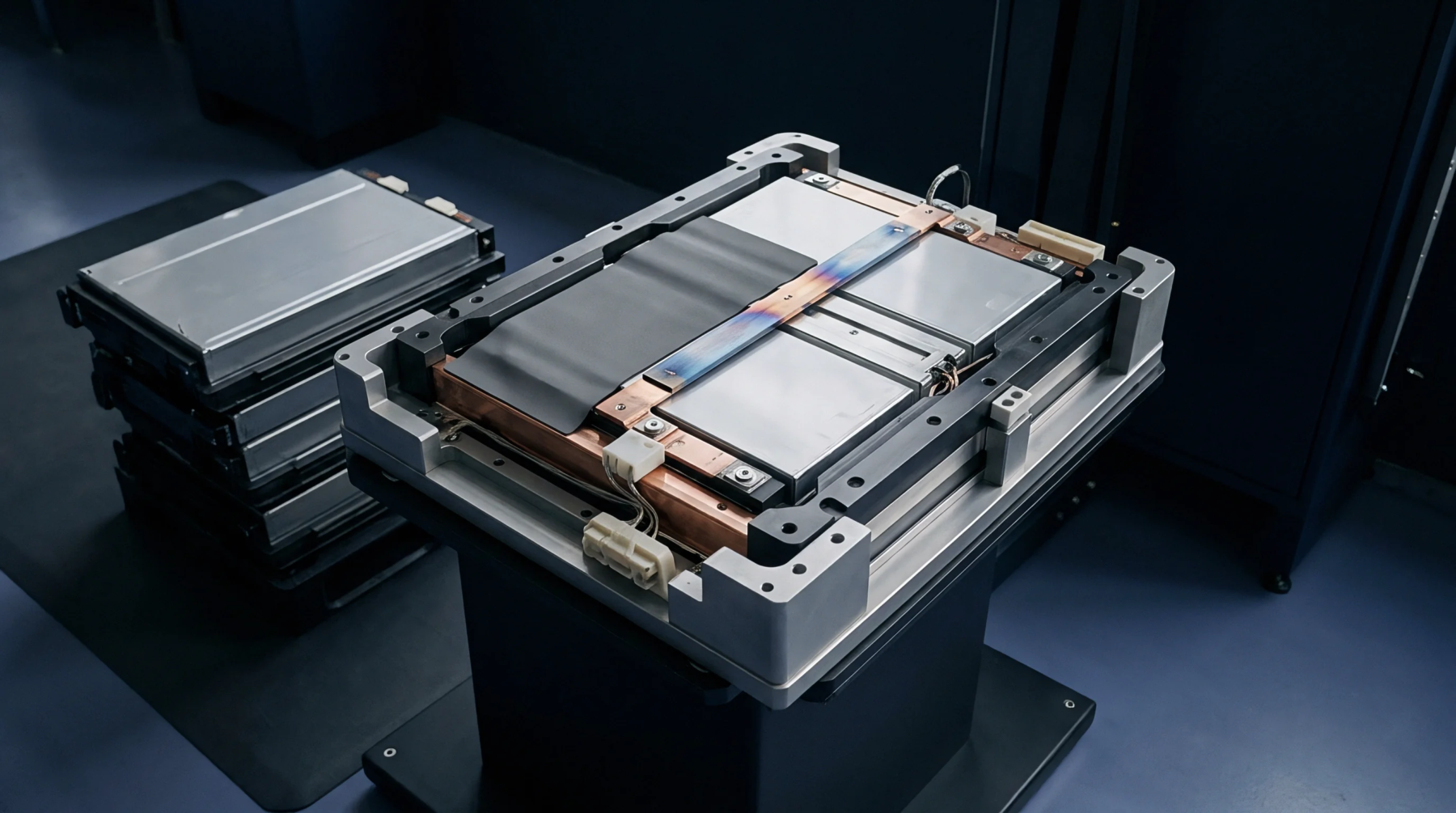
Prismatic lithium cells demand calibrated 0.2 to 0.6 MPa compliant clamping to prevent active layer delamination while accommodating cyclic breathing over life.

Controlled initial reductive decomposition forms a dual-layer interphase that blocks electron tunneling while enabling lithium transport and transport compliance.
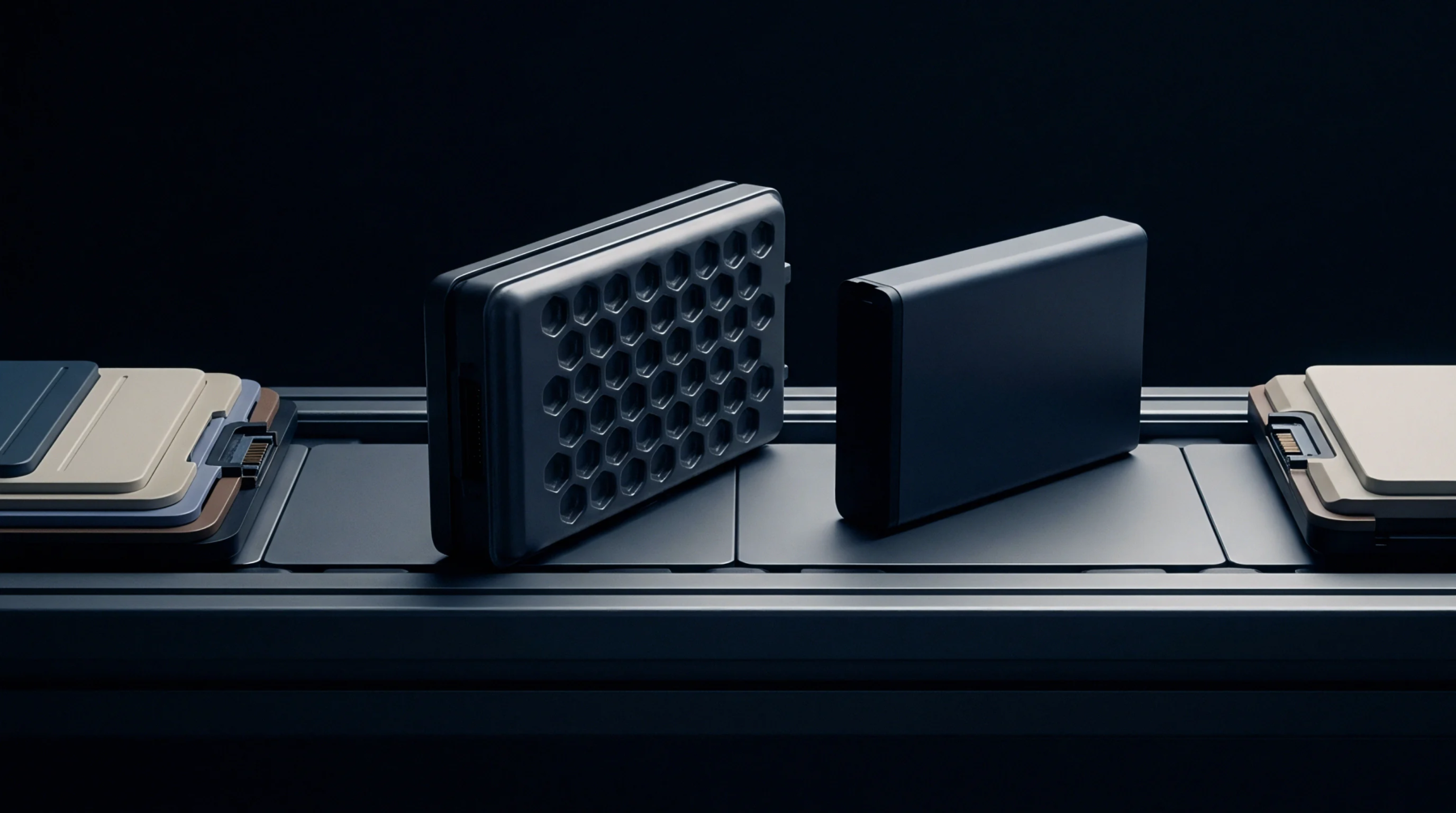
Lattice oxygen evolution and transition metal leaching in ultra-high nickel cathodes require bulk doping, surface passivation, and strict procurement controls to prevent severe full-cell capacity loss.
Controlled mechanical preload pressures between 0.10 and 0.35 MPa prevent electrode delamination while avoiding separator pore creep and particle microcracking.

Dynamic impedance matching and symmetrical busbar resistance prevent destructive circulating currents and accelerated capacity fade in parallel cell strings.

Transition metal dissolution at high voltages degrades anode interphases, demanding targeted lattice doping and analytical incoming batch audits to manage warranty risk.
Sub-zero battery warranty claims require high-frequency relaxation telemetry and differential voltage analysis to isolate operational cold charging from manufacturing cell defects.

Closing the gap between certified designs and shipped batches demands rigorous incoming statistical acceptance sampling, teardowns, and strict contract limits.

Internal thermal gradients accelerate prismatic cell active material loss by driving localized current crowding, high-temperature SEI growth, and particle cracking.

Controlling rotary kiln pyrolysis kinetics optimizes hard carbon interlayer spacing and closed porosity, raising sodium-ion anode initial coulombic efficiency.
Expertise is a utility, not a secret. sentiention™ publishes its working knowledge as open reference: intelligence layer covering the materials it sources, the markets it enters, and the reference that serves both.