
Transducer Focal Geometry Optimization in Inline Ultrasonic Joint Quality Auditing
Optimizing ultrasonic transducer focal geometry matches acoustic beam waist to foil weld nugget dimensions for automated inline defect detection.

Optimizing ultrasonic transducer focal geometry matches acoustic beam waist to foil weld nugget dimensions for automated inline defect detection.

Inorganic ash limits above 200 ppm in hard carbon anodes accelerate sodium cell capacity fade and reduce initial coulombic efficiency below acceptable thresholds.
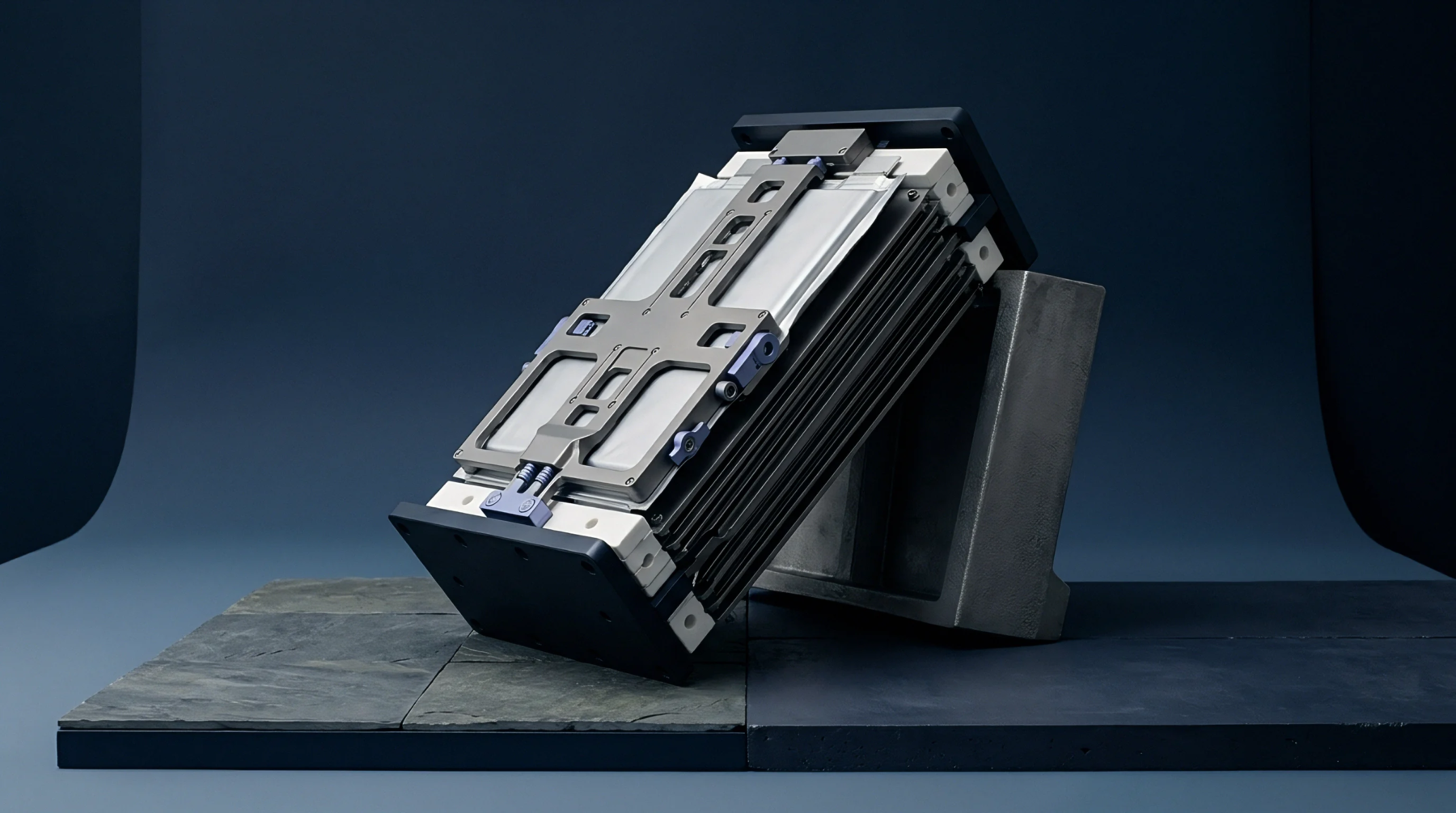
Viscoelastic separator creep during fast charge compresses pore networks, forcing localized lithium plating unless spring preloads accommodate anodic expansion.

Hard carbon precursor dehydration requires low-temp vacuum holds to remove hydroxyls, preventing pore collapse and driving initial coulombic efficiency over 87%.

Demineralizing hard carbon precursors below 0.05% ash compresses voltage hysteresis under 120 mV and raises initial coulombic efficiency above 88%.
Demineralizing hard carbon precursors with two molar hydrochloric acid lowers ash below 0.05 percent, maximizing first-cycle coulombic efficiency.
Acoustic emission monitoring isolates high-frequency micro-void coalescence transients above 250 kHz to reject un-wetted battery web scrap at line speed.

High-frequency acoustic waveform analysis evaluates battery weld integrity by measuring reflection amplitudes and phase shifts across metallurgical boundaries.

Acid demineralization reduces biomass precursor ash below 0.05 wt%, elevating hard carbon initial coulombic efficiency above 86% in sodium-ion cells.
Optimizing softwood hard carbon via acid leaching, 1300°C pyrolysis, and chemical vapor deposition maximizes closed pore volume and initial efficiency.

Decoupling intercalation strain from thermal expansion requires compliant dynamic clamping and isothermal dilatometry to separate reversible phase swell from CTE.
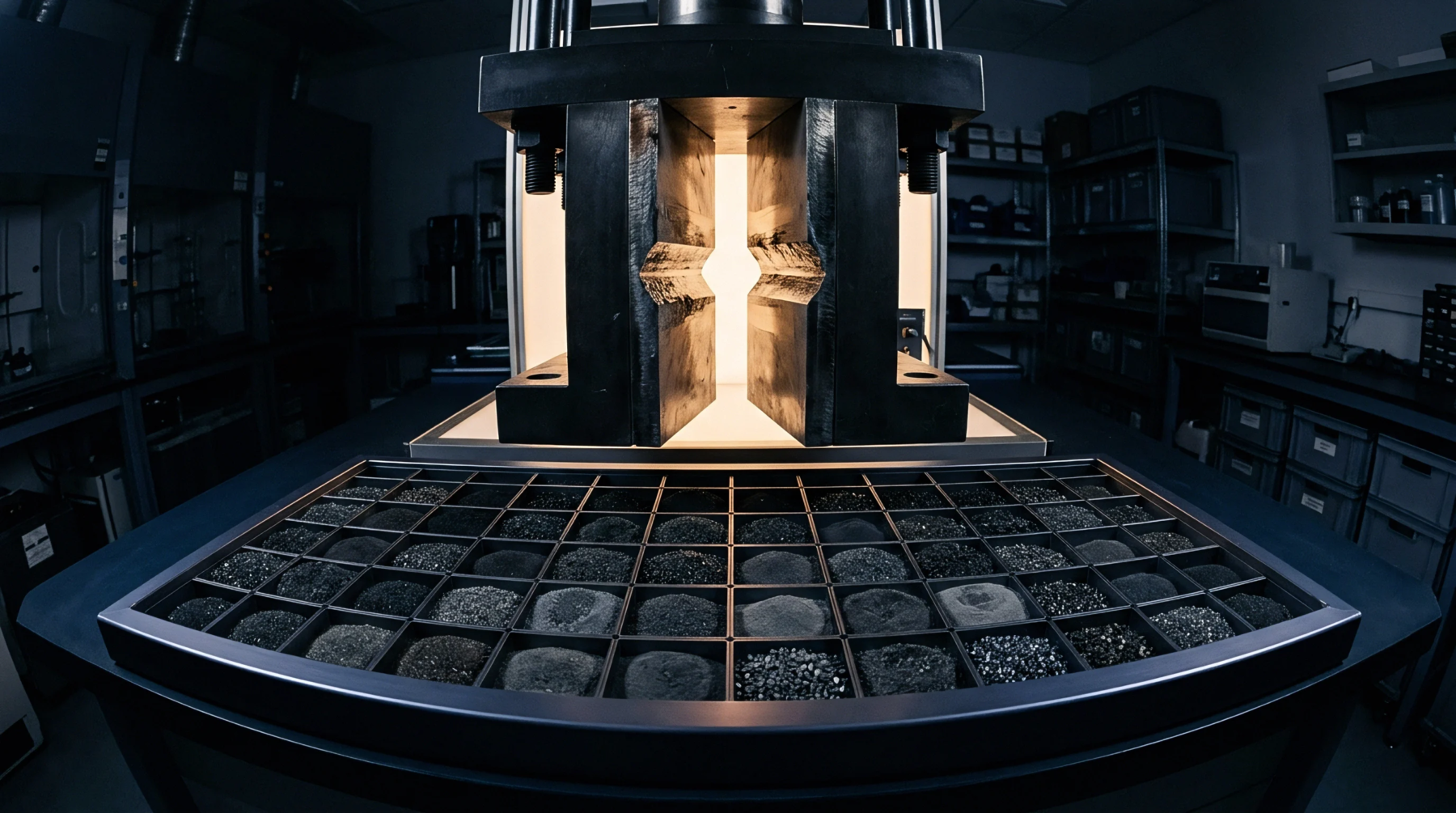
Dynamic mass feedback and automated rotor velocity compensation counteract shear thinning and stator wear in high-viscosity gap filler dispensing.

Acid deashing Kraft lignin below 100 ppm sodium using warm hydrochloric acid restores carbonization yields and elevates hard carbon initial coulombic efficiency.

Cyclic cell breathing drives interfacial shear relaxation in prismatic packs, causing clamping pressure decay and thermal contact resistance spikes over life.

Servo piston metering provides superior volumetric precision and wear life over gear and progressive cavity pumps when dispensing abrasive battery resins.
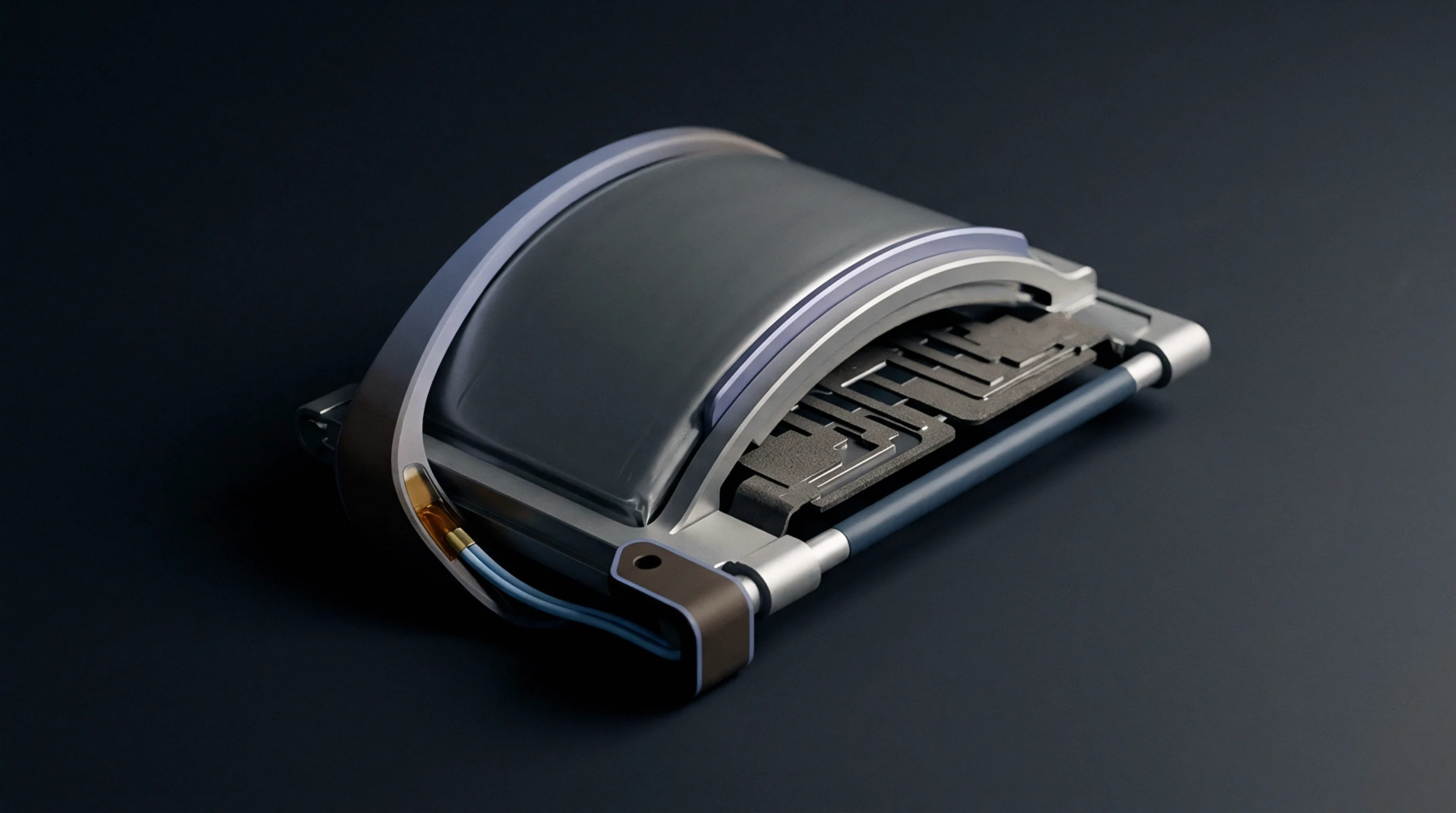
Hermetic optical fiber pouch seals degrade through HF acid etching and polymer swelling, requiring metal ferrules and strict leak screening under UN 38.3.
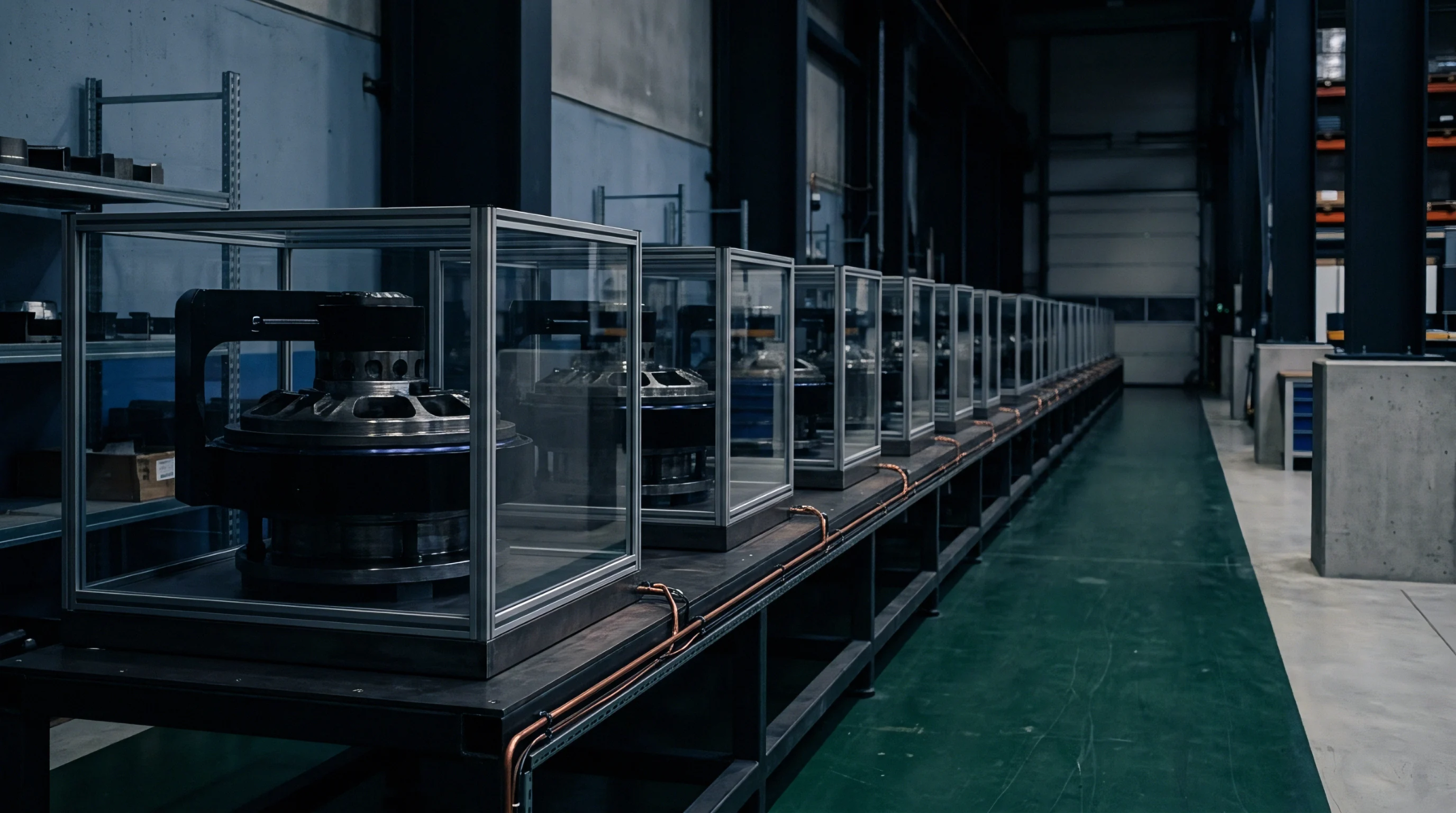
Operando dilatometry isolates high-nickel lattice strain and swelling forces to prevent module endplate failure and secure transport safety compliance.

Sub-zero charging drives localized LiPF6 supersaturation and salt crystallization, clogging porous anodes and triggering severe metallic lithium plating.

Low-temperature charging creates porous anode lithium salt depletion, driving localized overpotentials below zero volts and triggering irreversible lithium plating.

Optimize liquid gap filler rheology by balancing high-shear nozzle flow against low-shear vertical yield stress to prevent cell wall damage and voiding.

Sub-zero charging of thick anode cells drives localized lithium plating and severe capacity loss, manageable only through controlled heating and reduced charge C-rates.

Decoupling operando strain and temperature signals requires paired optical sensors with distinct sensitivity matrix inversion to isolate electrochemical swelling.

Excessive anode calendering elevates microstructural tortuosity, causing localized electrolyte salt crystallization and rapid cell degradation during cold rate operation.

Low-temperature carbonate blend transport requires linear ester co-solvents to suppress viscosity spikes and lower desolvation impedance under cold thermal strain.

Graphite anode potential drops below zero volts versus lithium when subzero charge rates exceed solid-state diffusion kinetics, triggering irreversible plating.
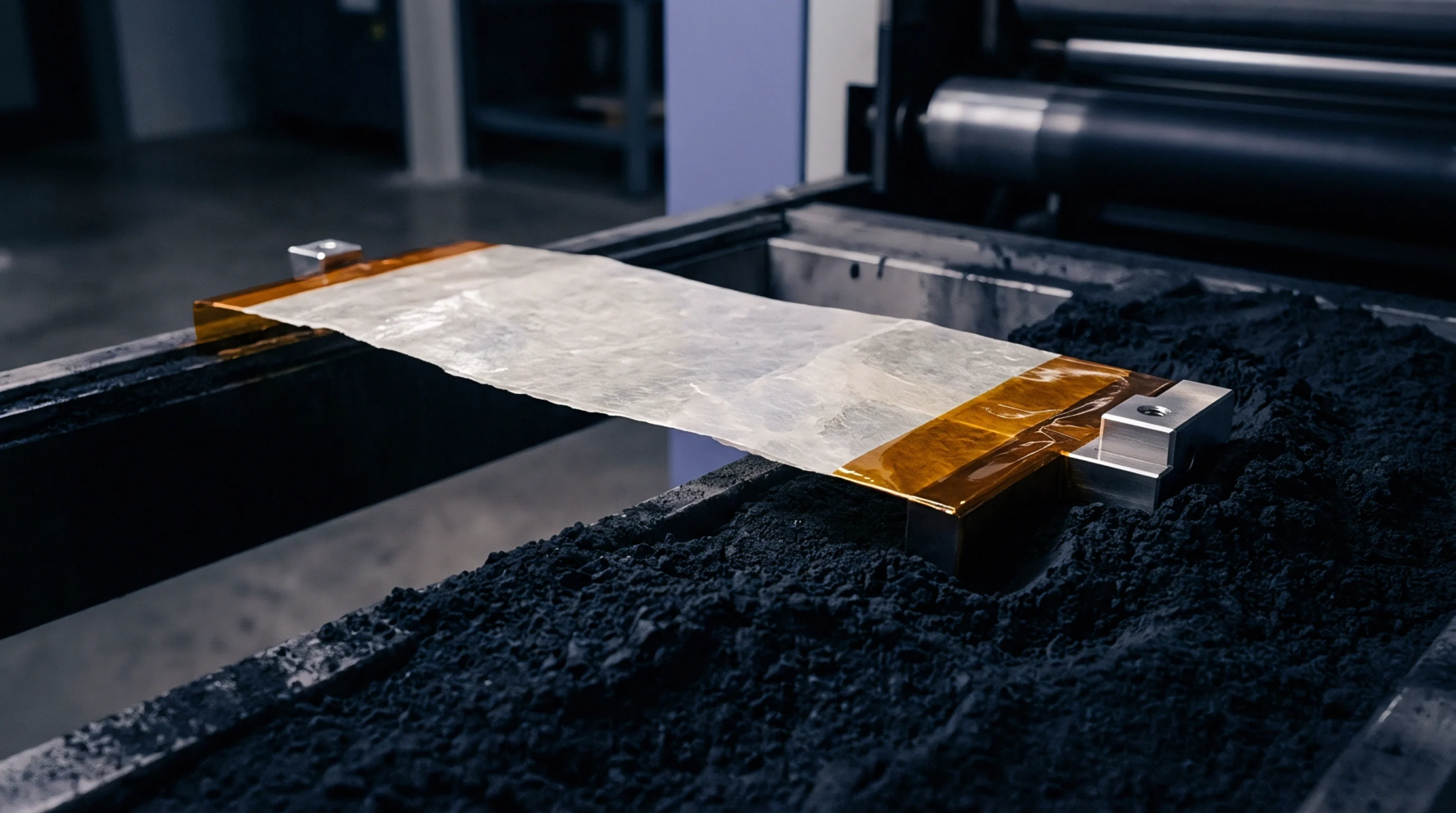
Gibbs point process interaction parameters quantify carbide segregation in powder metallurgy tool steels, setting quantitative limits to prevent blade chipping.

Misfit strain in high-rate manganese olivines peaks at ten percent, driving mechanical particle fracture that requires sub-fifty nanometer grains to prevent early cell fade.
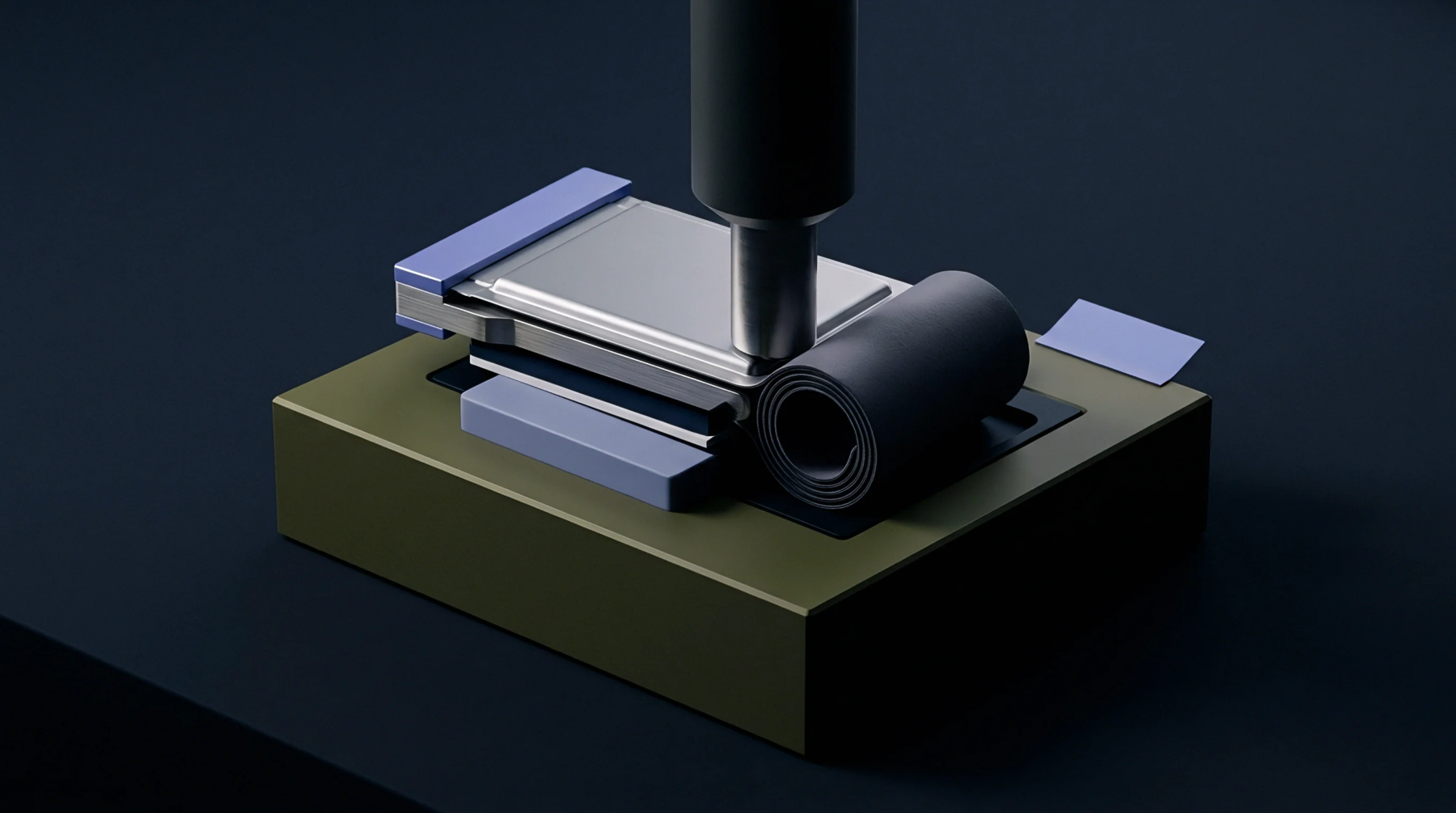
Optimizing prismatic thermal joints requires matching TIM gap filler rheology to cell face dish tolerances under controlled stack compression.
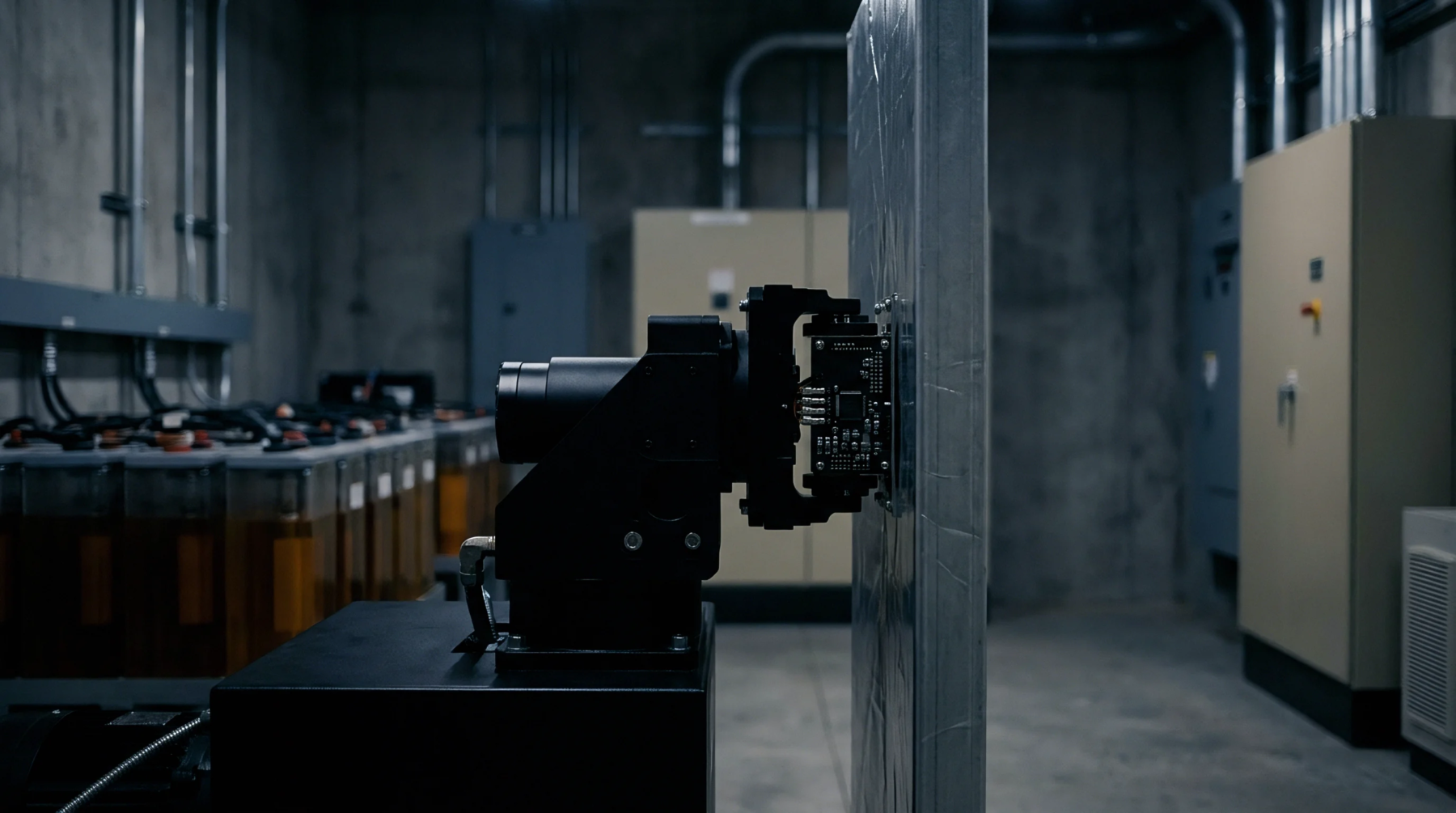
Embedded Fiber Bragg Gratings deliver isolated internal strain and thermal metrics when polyimide coatings and dual-sensor decoupling geometries are specified.

Spatial point process modeling replaces subjective visual chart ratings with mathematically rigorous pair correlation and spatial intensity metrics for carbide segregation.
Expertise is a utility, not a secret. sentiention™ publishes its working knowledge as open reference: intelligence layer covering the materials it sources, the markets it enters, and the reference that serves both.