Solid State Battery Cell Stack Pressure Qualification Manual
Solid-state cell qualification demands continuous stack pressure mapping within strict electro-chemo-mechanical limits to prevent voiding and dendrite failure.

Solid-state cell qualification demands continuous stack pressure mapping within strict electro-chemo-mechanical limits to prevent voiding and dendrite failure.

Automated Kelvin probe degradation skews battery impedance metrology, requiring dynamic force control and automated contact loop monitoring to prevent false scrap.
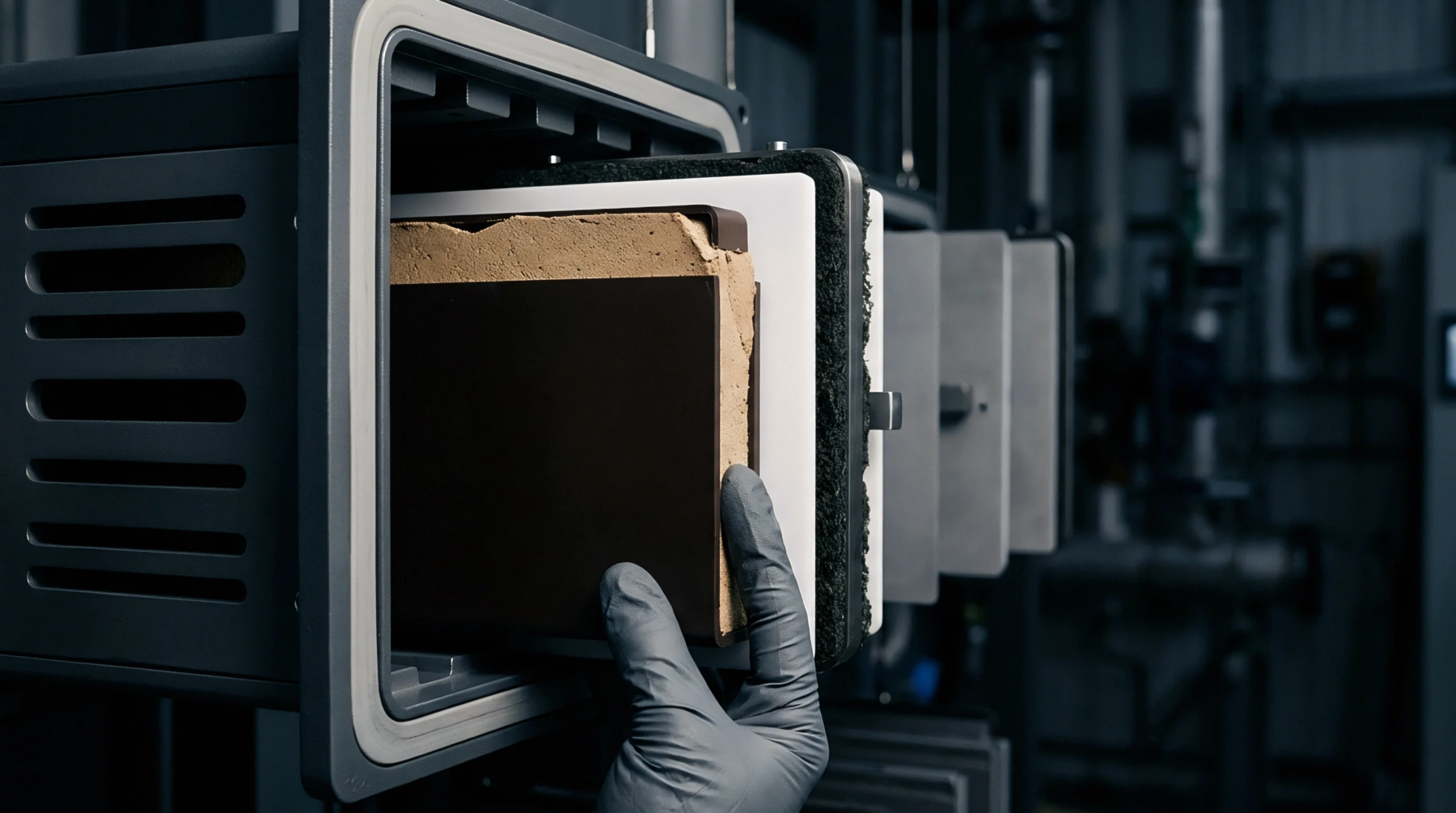
Dynamic strain rates elevate cast aluminum yield strength while accelerating fracture under asymmetric multi-axial shear-tension stress states.
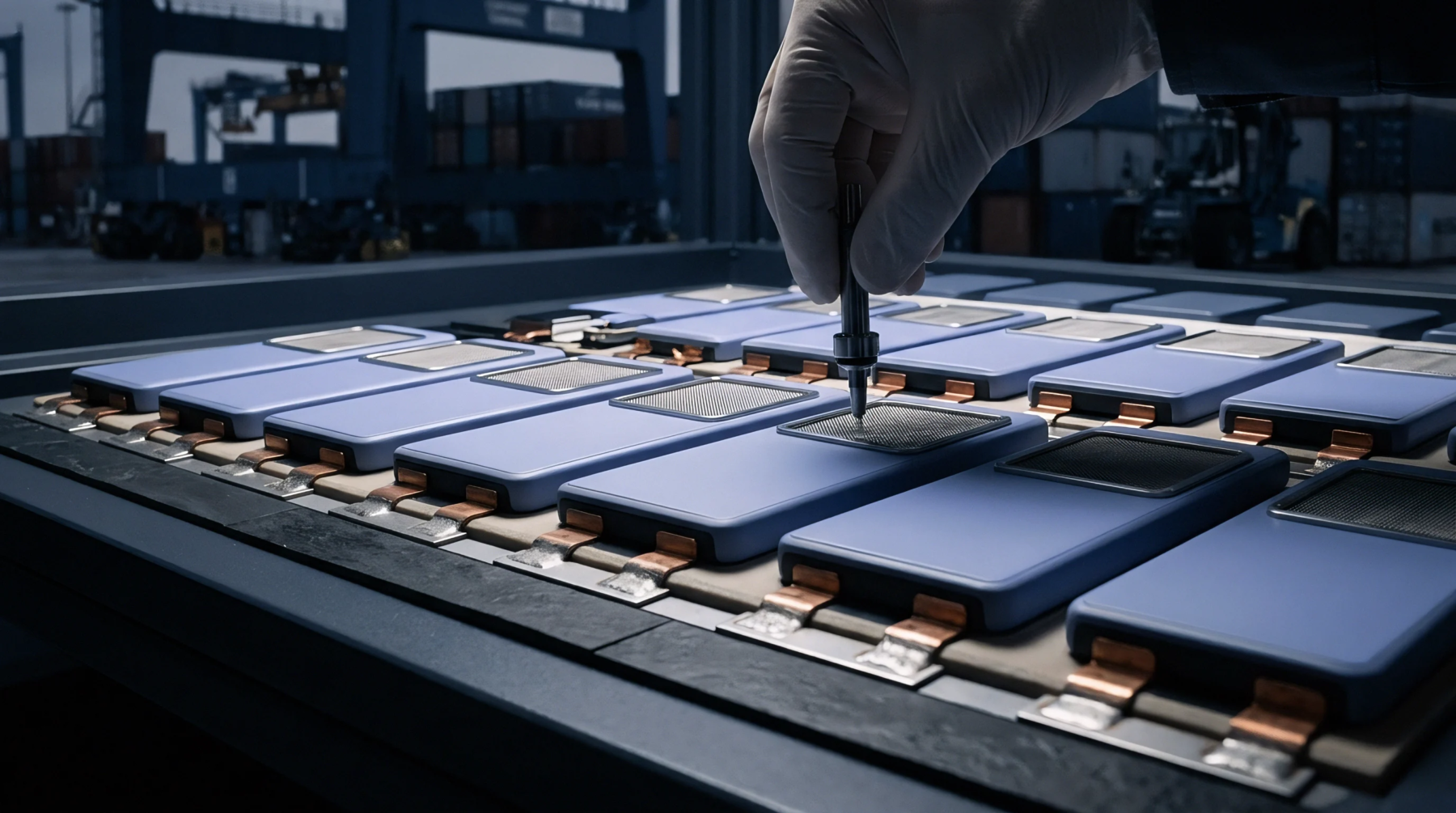
AC impedance screens tab welds at high speed while DC resistance predicts real operating voltage drop, thermal runaway risk, and pack degradation.
Reduced energy storage clearances require UL 9540A full-scale fire test proof showing adjacent cabinet radiant flux stays below 12.5 kW/m² to prevent fire spread.
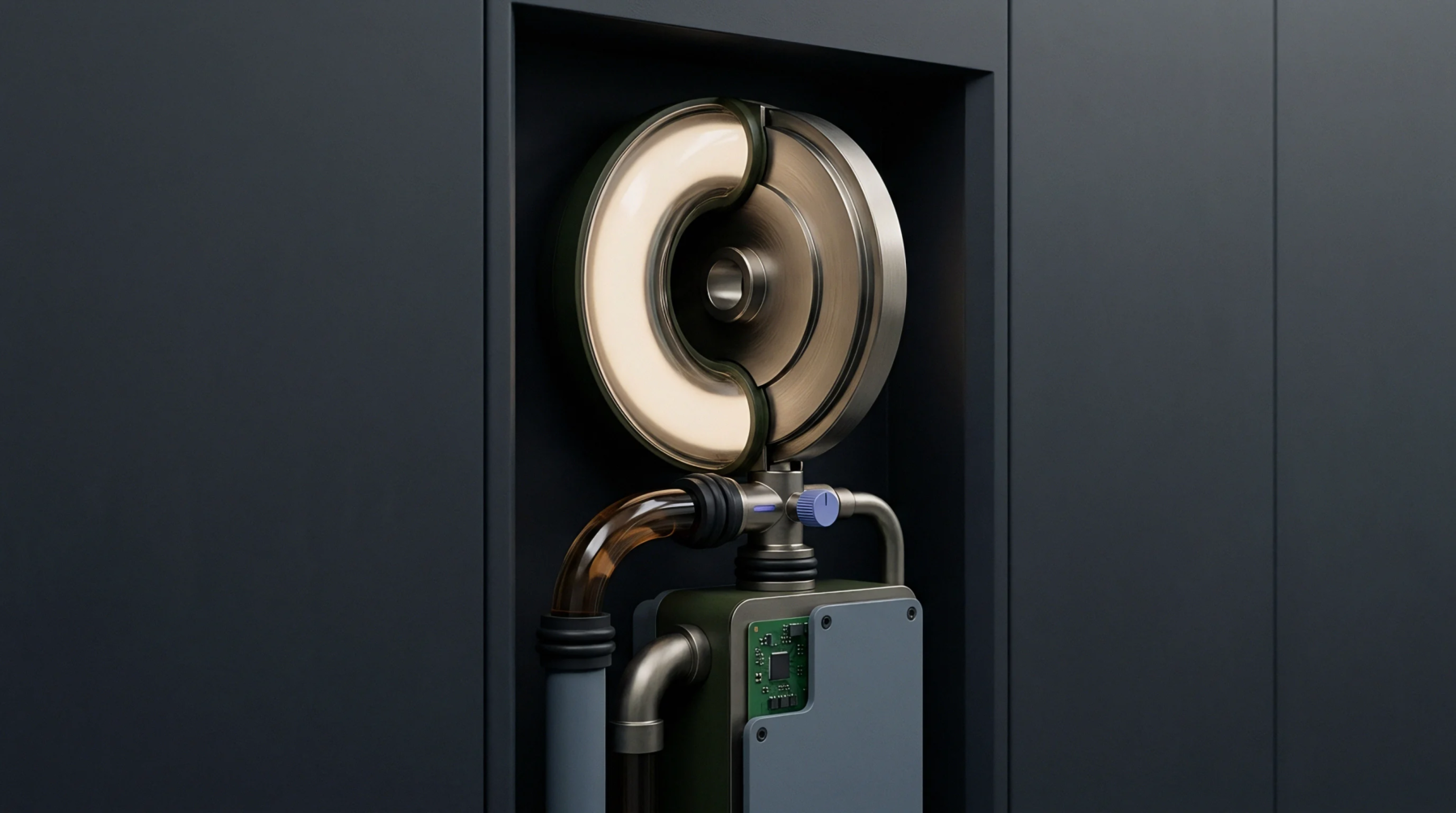
Secondary gas loops sweep metal condensate and ejecta out of laser paths, eliminating parasitic accretion and void formation in tool steels.
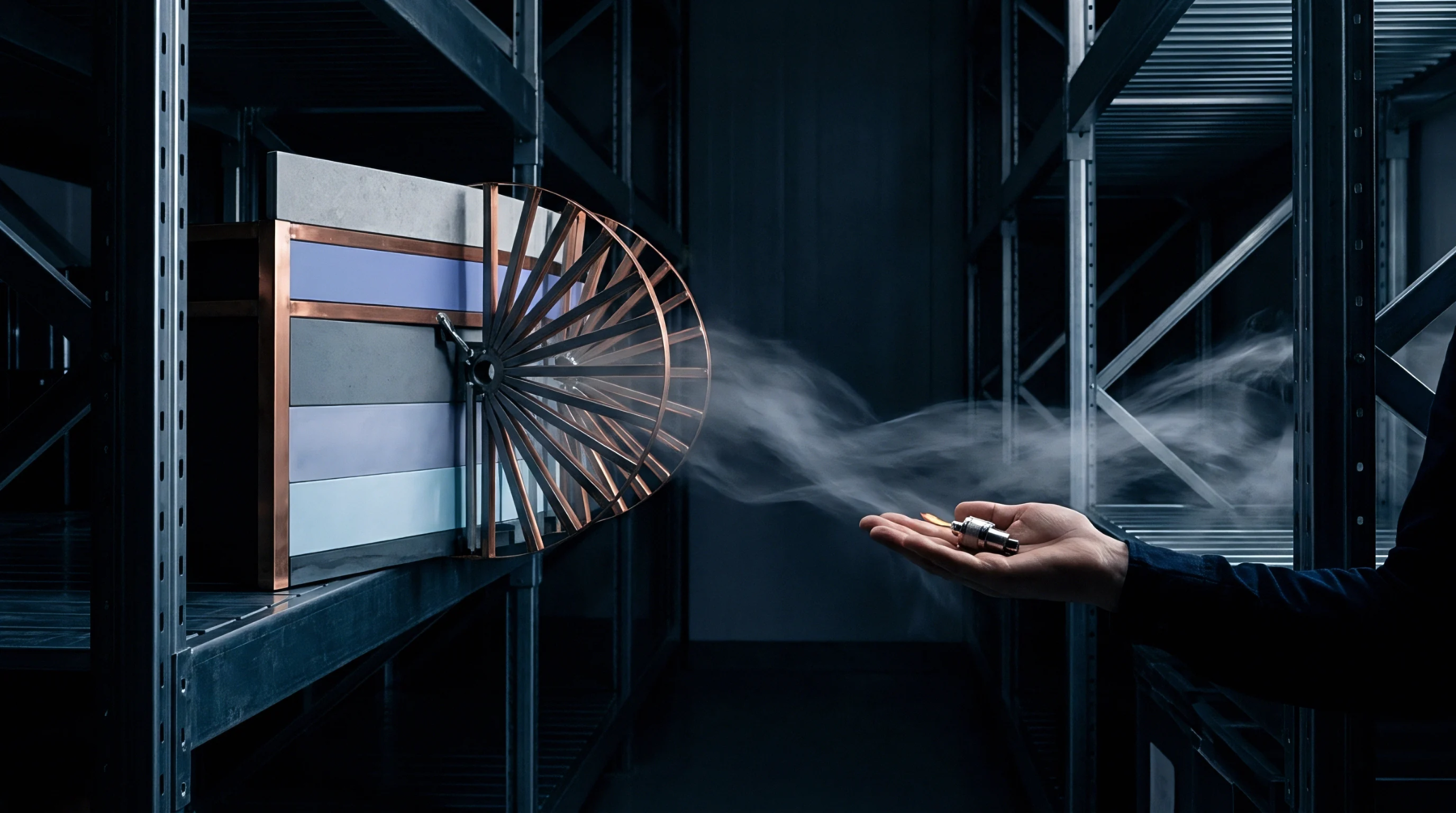
Unit-level UL 9540A metrics define gas generation, radiant heat flux, and deflagration limits needed to clear NFPA 855 unit separation mandates.
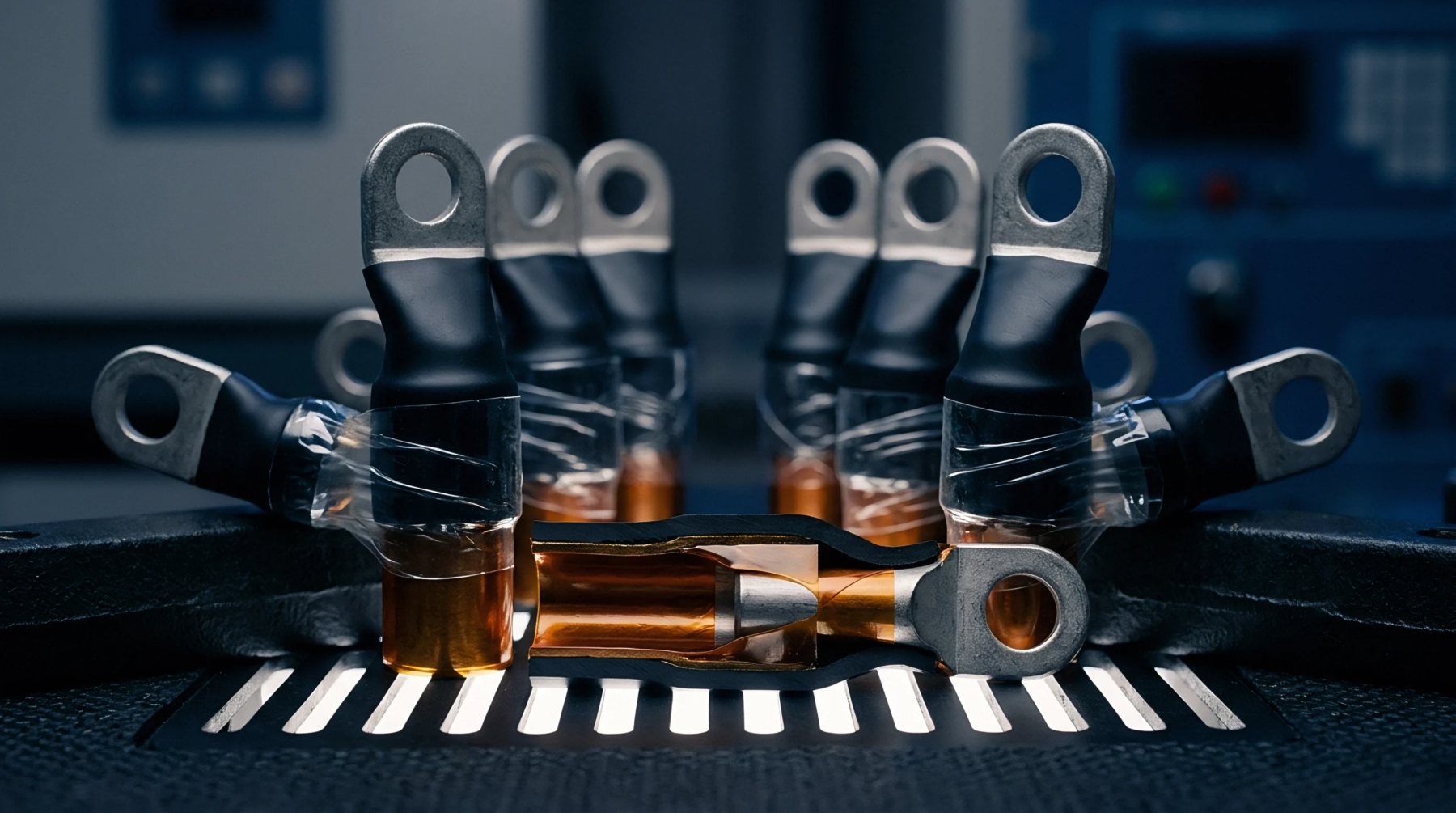
Dynamic voltage drift screening at elevated temperature separates benign chemical decay from dangerous internal micro-shorts in received lithium cell lots.
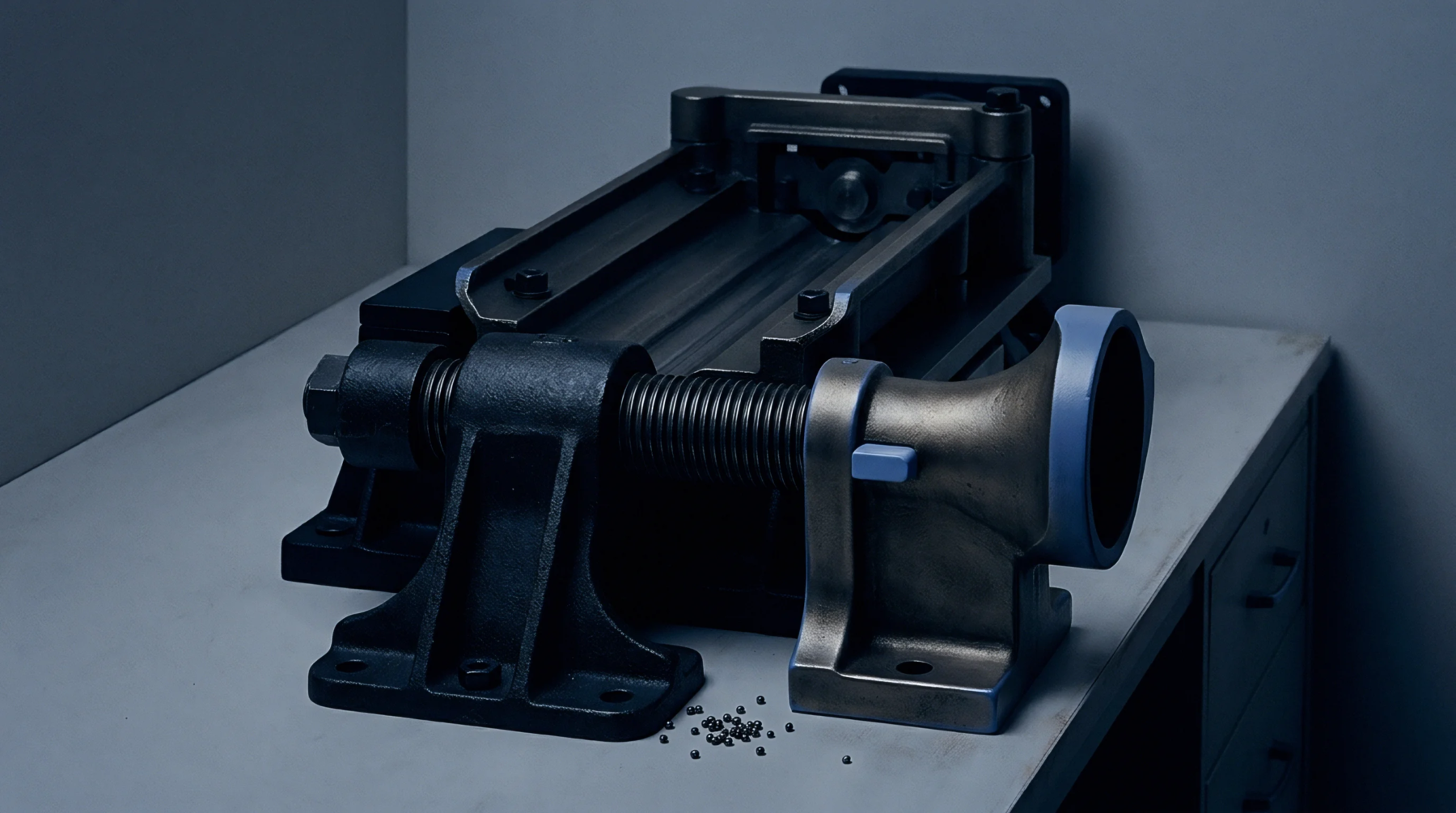
Die cast aluminum battery tubs require integrated dynamic air gap buffers and ductile low-iron alloys to prevent ground strike intrusion from crushing cells.
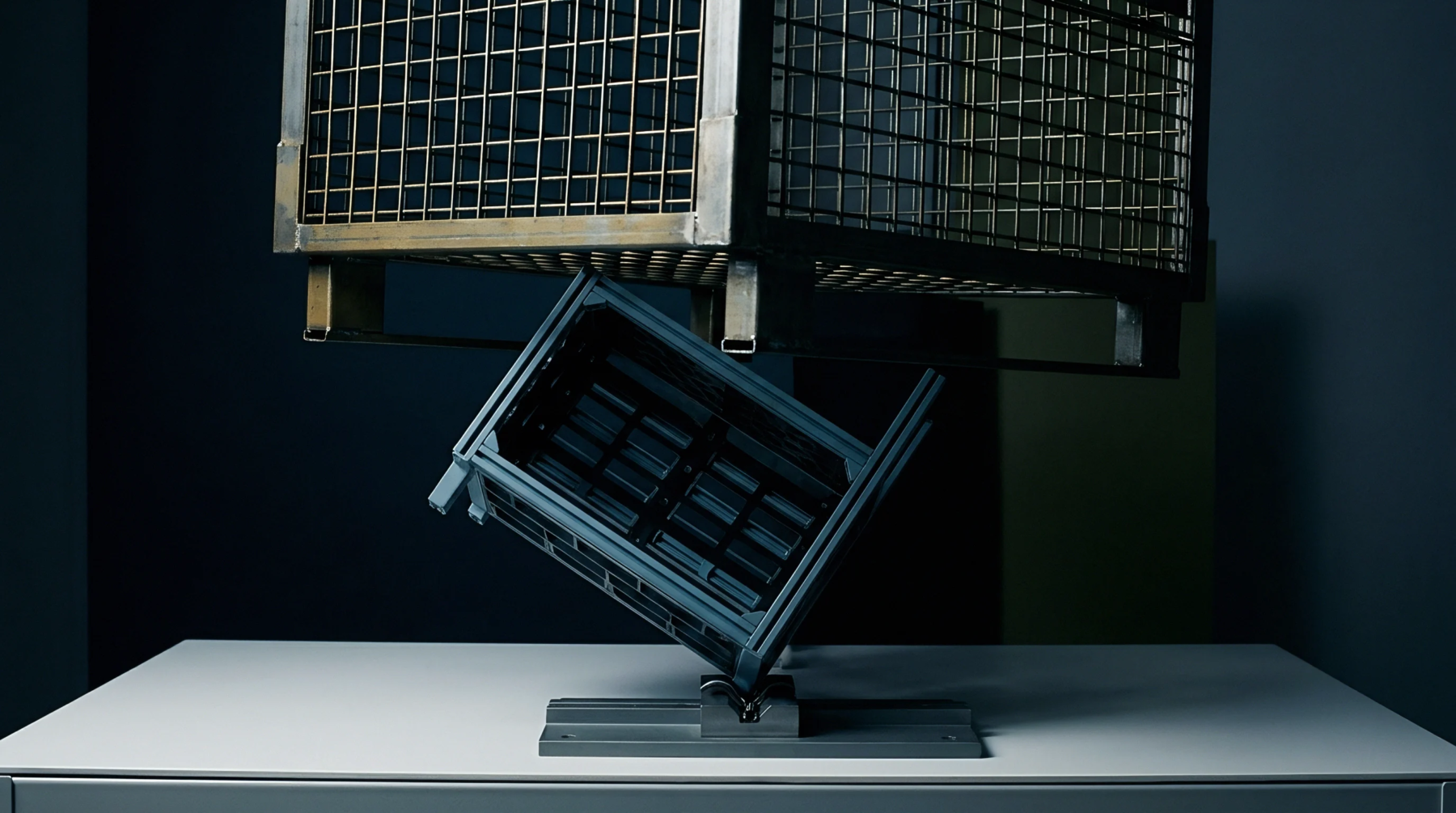
Four-wire Kelvin sensing isolates drive current from potential sensing, eliminating lead and contact resistance errors in sub-milliohm battery impedance tests.

Dynamic drop tower testing validates consolidated battery tub impact energy absorption, preventing cell intrusion and thermal runaway under vertical shock.
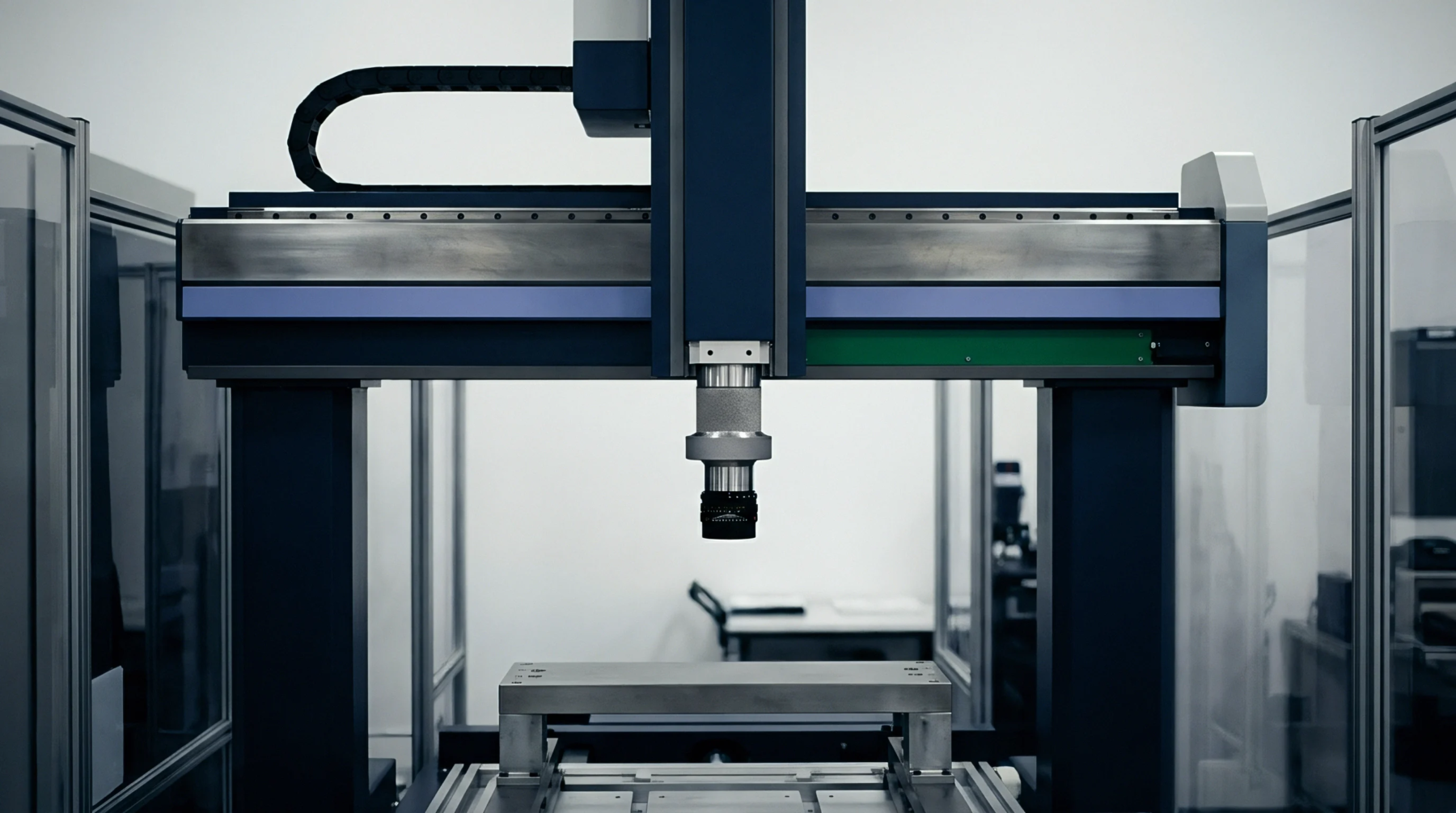
Optical transfer function roll-off widens stringer boundary ramps, causing inter-laboratory inclusion rating divergence unless corrected by spatial calibration.
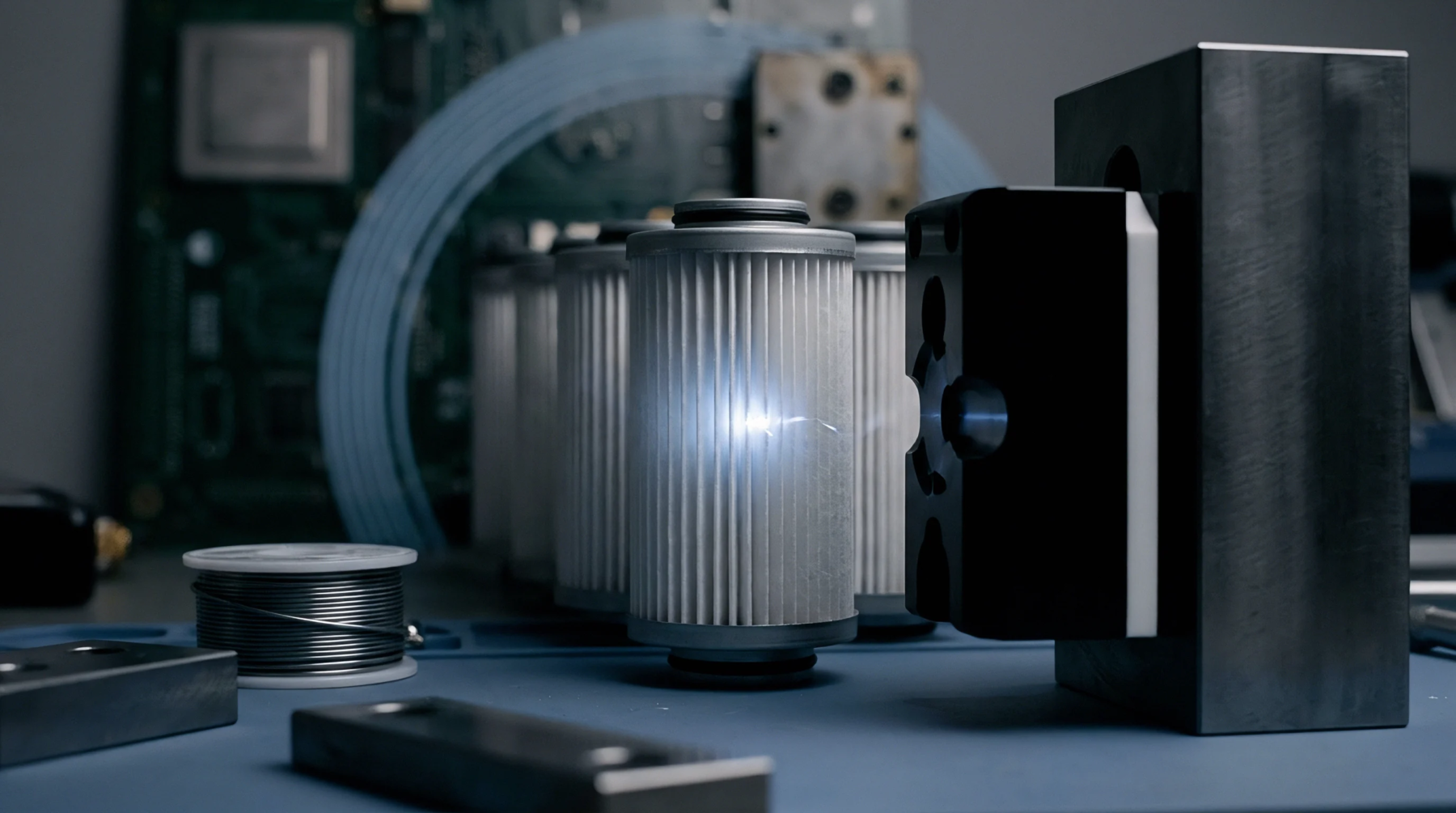
Operando impedance isolates micro-structural electrolyte depletion and transient lithium plating in real time under continuous super-C discharge.
Enforce ANSI ASQ Z1.4 Level II sampling with AQL 0.010 for critical safety flaws and Kelvin OCV IR screening to reject defective lithium cells at receiving dock.
Dual-threshold hysteresis binarization anchors phase seed boundaries to high-confidence intensity nodes, eliminating threshold shift errors in electrode tortuosity calculations.
Standardized metallographic polishing and selective chemical tinting enable accurate optical calibration of carbides and retained austenite in tool steel slitting dies.

Recirculation vortex suppression through anti-satellite gas shrouds and chamber pressure matching eliminates fine droplet welding in tool steel atomization.
Inbound cell receiving mandates thermal quarantine, UN 38.3 documentation verification, four-wire impedance sampling, and strict AQL defect thresholding.

Melt superheat fixes metal viscosity while gas pressure sets atomization shear energy, directly controlling powder size, cooling rate, and carbide morphology.
Transmission line deconvolution separates pore liquid salt diffusion from interfacial kinetics, isolating high-rate transport bottlenecks before thermal runaway.

Supersonic gas jets destabilize liquid metal streams through high-shear wave growth, where tight gas-to-metal ratio tuning maximizes spherical powder yield.
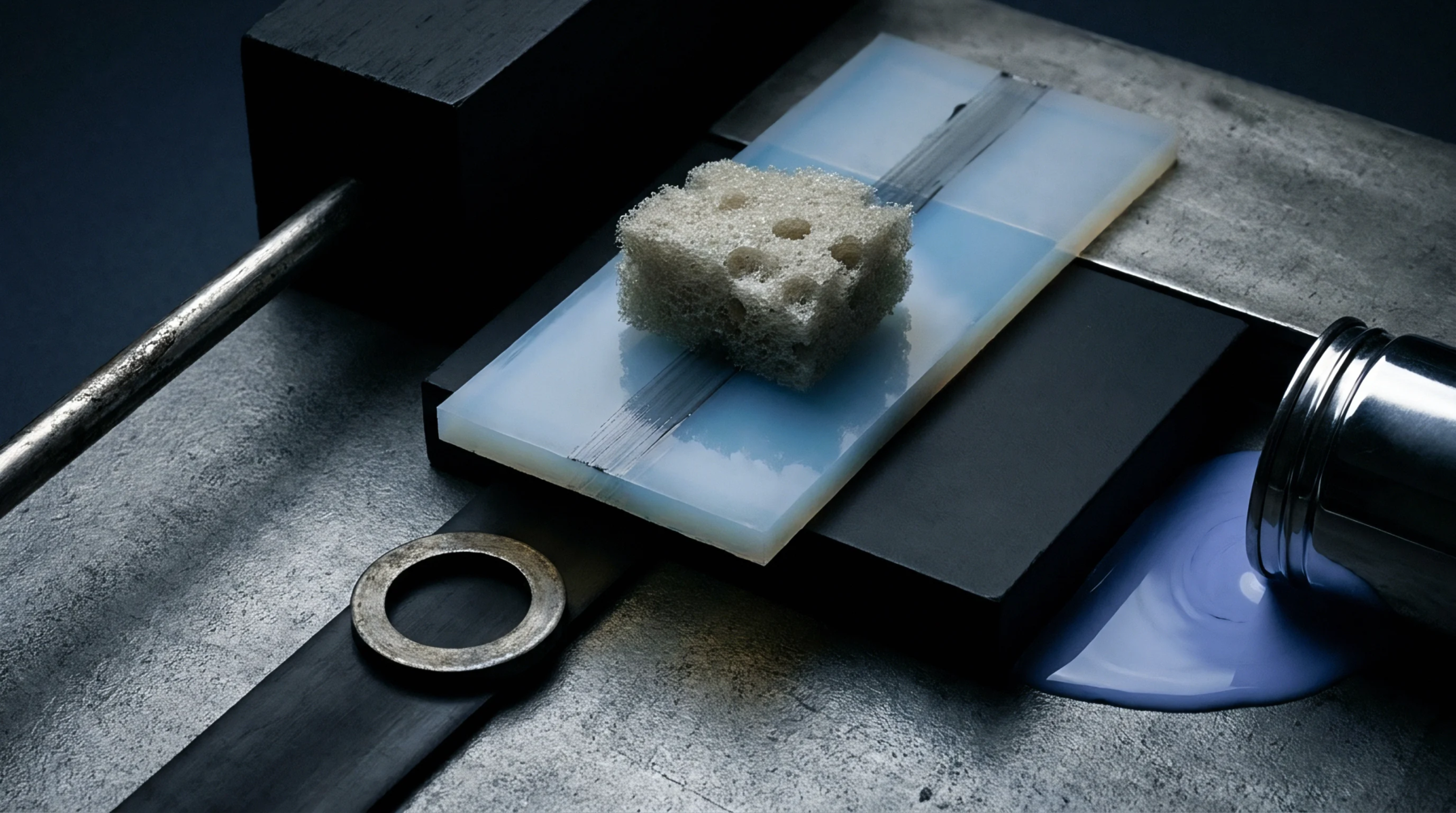
Electrolyte salt depletion inside micro-porous battery electrodes causes severe concentration overpotential, limiting high-rate discharge capacity.

Operando X-ray diffraction maps real-time residual strain in doped hard carbons, linking heteroatom defect density to cycle degradation and material specs.
Laminar gas velocities between 1.8 and 2.5 meters per second prevent submicron condensate soot from redepositing into large-format tool steel melt tracks.

Optimal defect passivation windows between 1100°C and 1300°C balance hard carbon surface area reduction, initial efficiency, and long-term cycle degradation.

Hard carbon performance relies on precursor heteroatom crosslinking and tuned carbonization thermal ramps to maximize closed porosity and initial capacity.
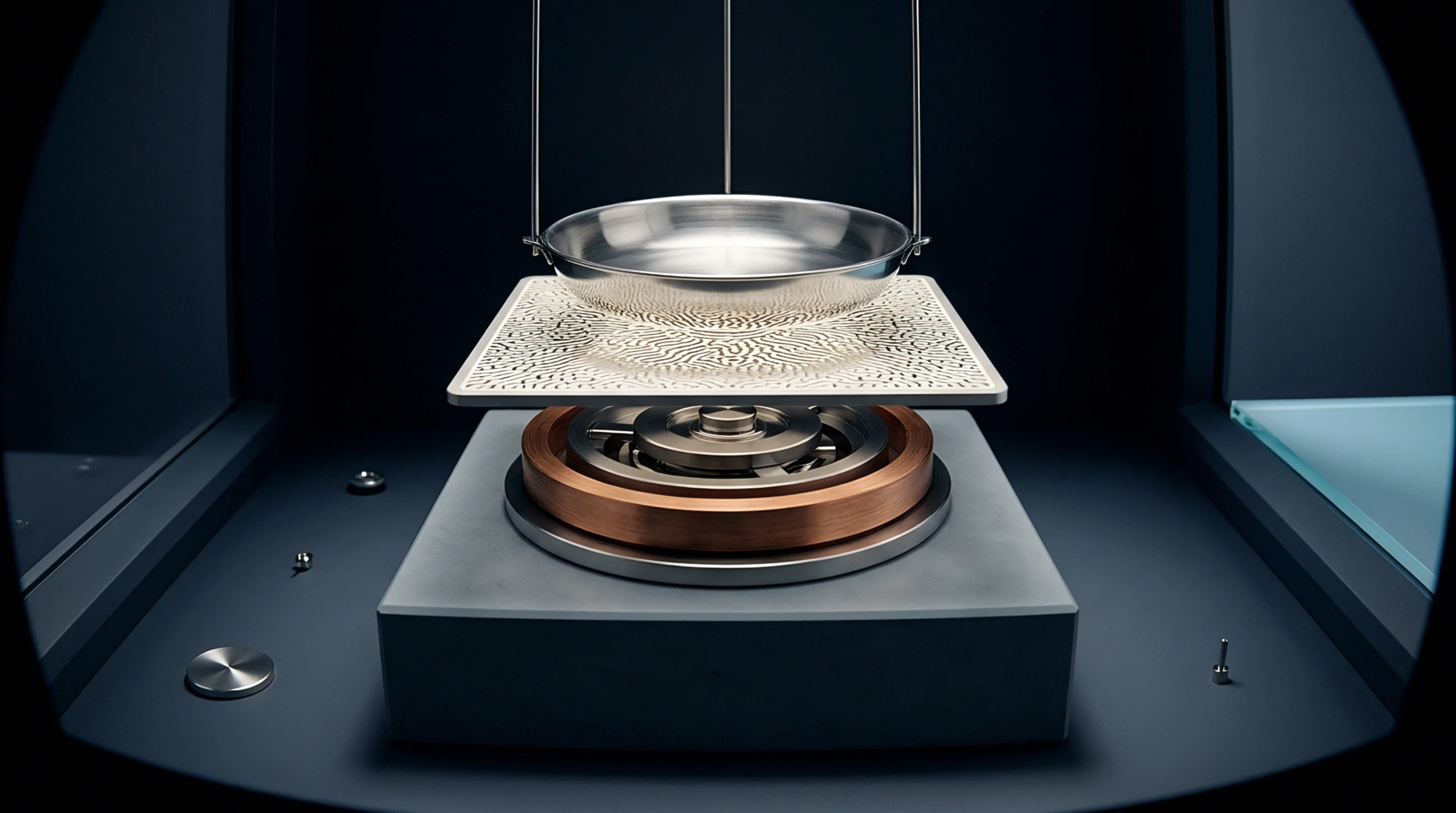
Structural d002 degeneracy and closed pore collapse lower hard carbon plateau capacity and initial coulombic efficiency, requiring tight kiln thermal controls and compaction limits.
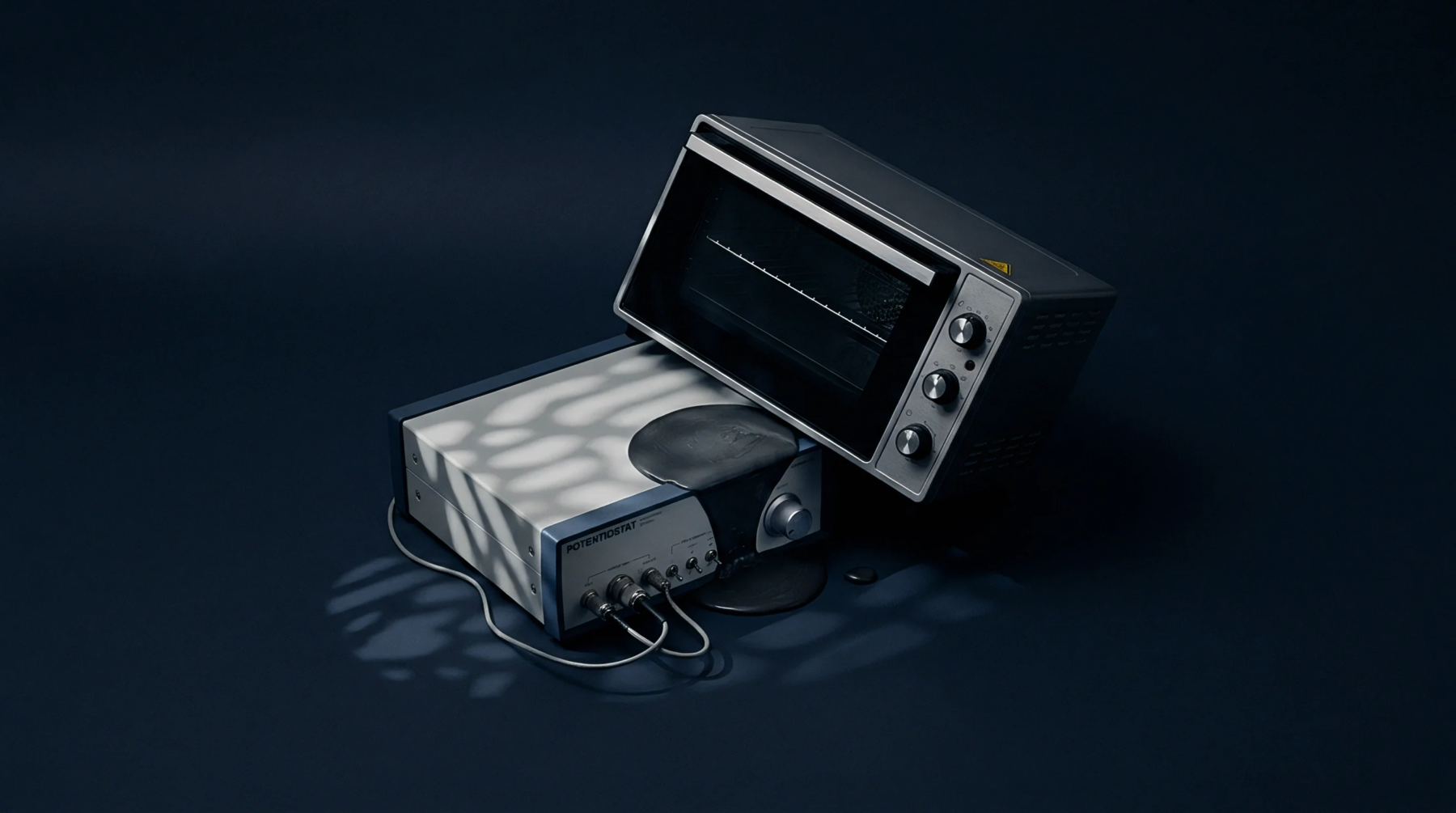
Precise pyrolysis temperature control between 1200°C and 1300°C optimizes hard carbon d002 spacing to 0.37-0.38 nm, maximizing reversible plateau capacity.
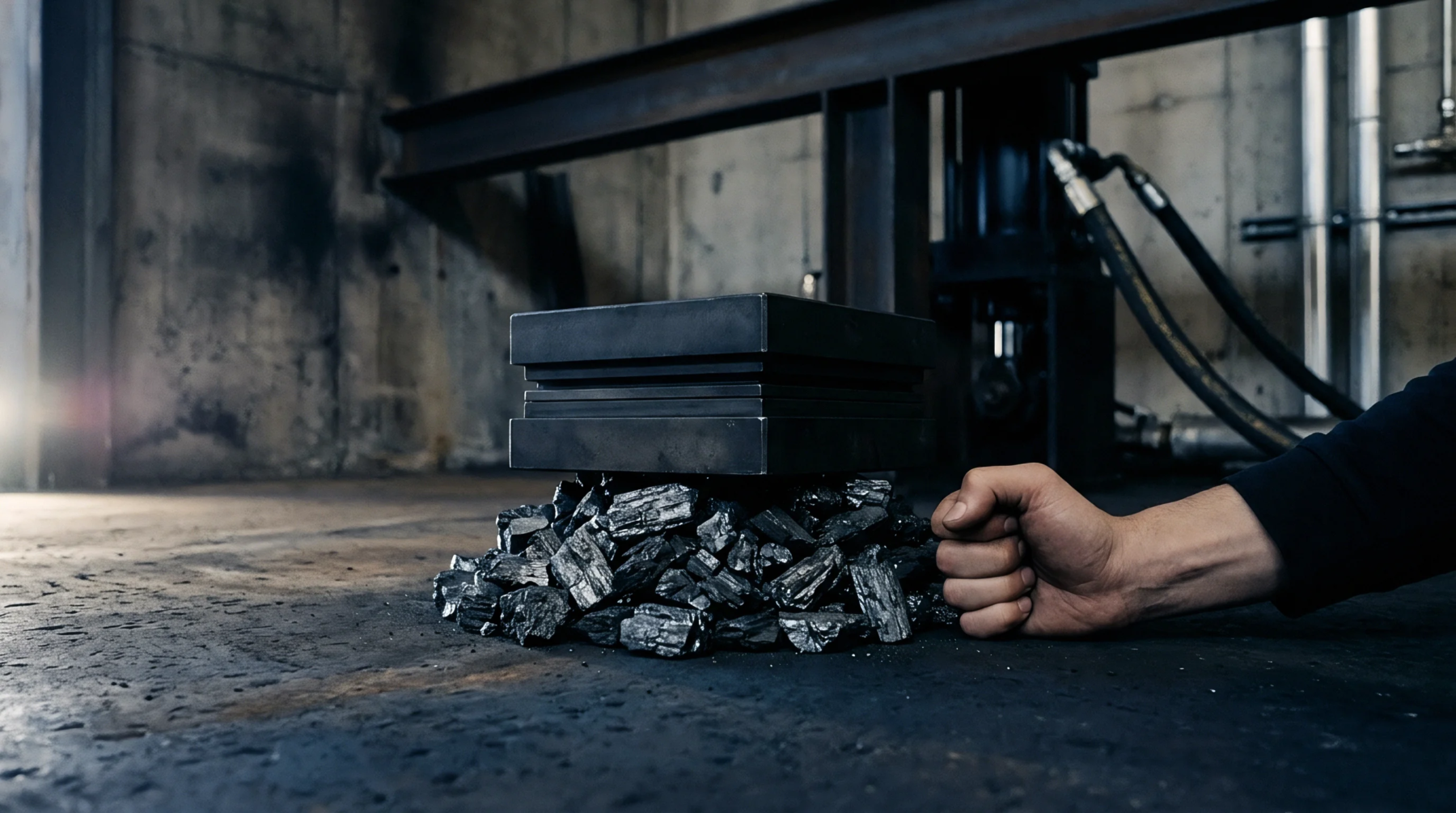
Hard carbon anode selection balances d002 spacing above 0.37 nm, BET area under 3 m2/g, and calender density below 1.05 g/cm3 to secure 88% initial efficiency.
Managing fluorinated electrolyte imports requires aligning chemical identities with diverging PFAS rules, UN drum packaging, and strict contractual indemnities.
Expertise is a utility, not a secret. sentiention™ publishes its working knowledge as open reference: intelligence layer covering the materials it sources, the markets it enters, and the reference that serves both.