
What a Cell Datasheet Hides about Storage Shelf Life
Datasheet shelf life claims hide permanent capacity loss and resistance growth; real storage stability demands dock impedance screening and temperature tracking.
Datasheet shelf life claims hide permanent capacity loss and resistance growth; real storage stability demands dock impedance screening and temperature tracking.
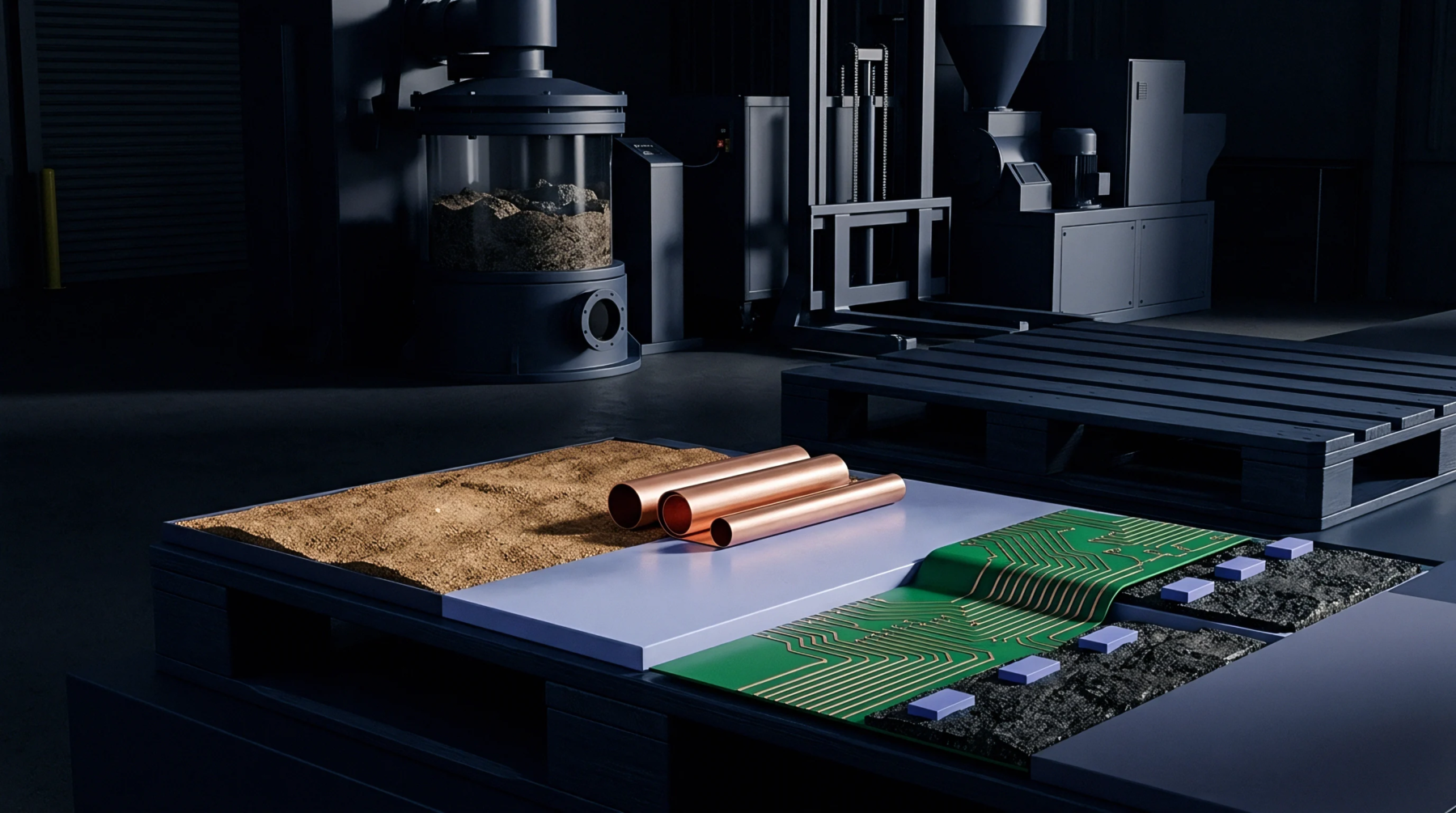
LFP outperforms NMC in non-resting duty cycles by maintaining lattice stability, eliminating continuous microcracking, and cutting cooling costs over 4,000 cycles.
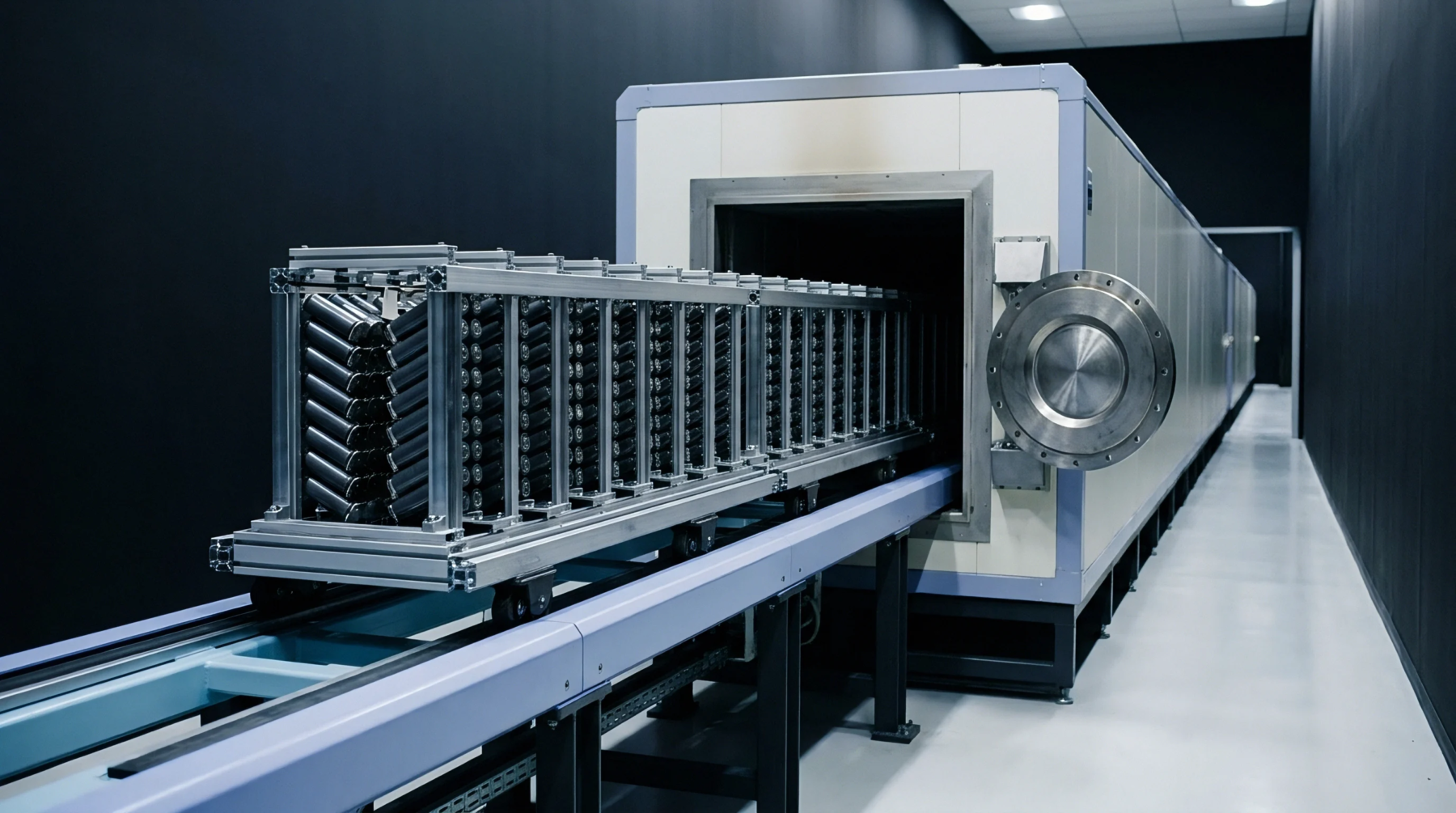
Quantifying capacity knee initiation requires tracking differential voltage peak shifts and post-charge relaxation kinetics under combined dynamic stresses.
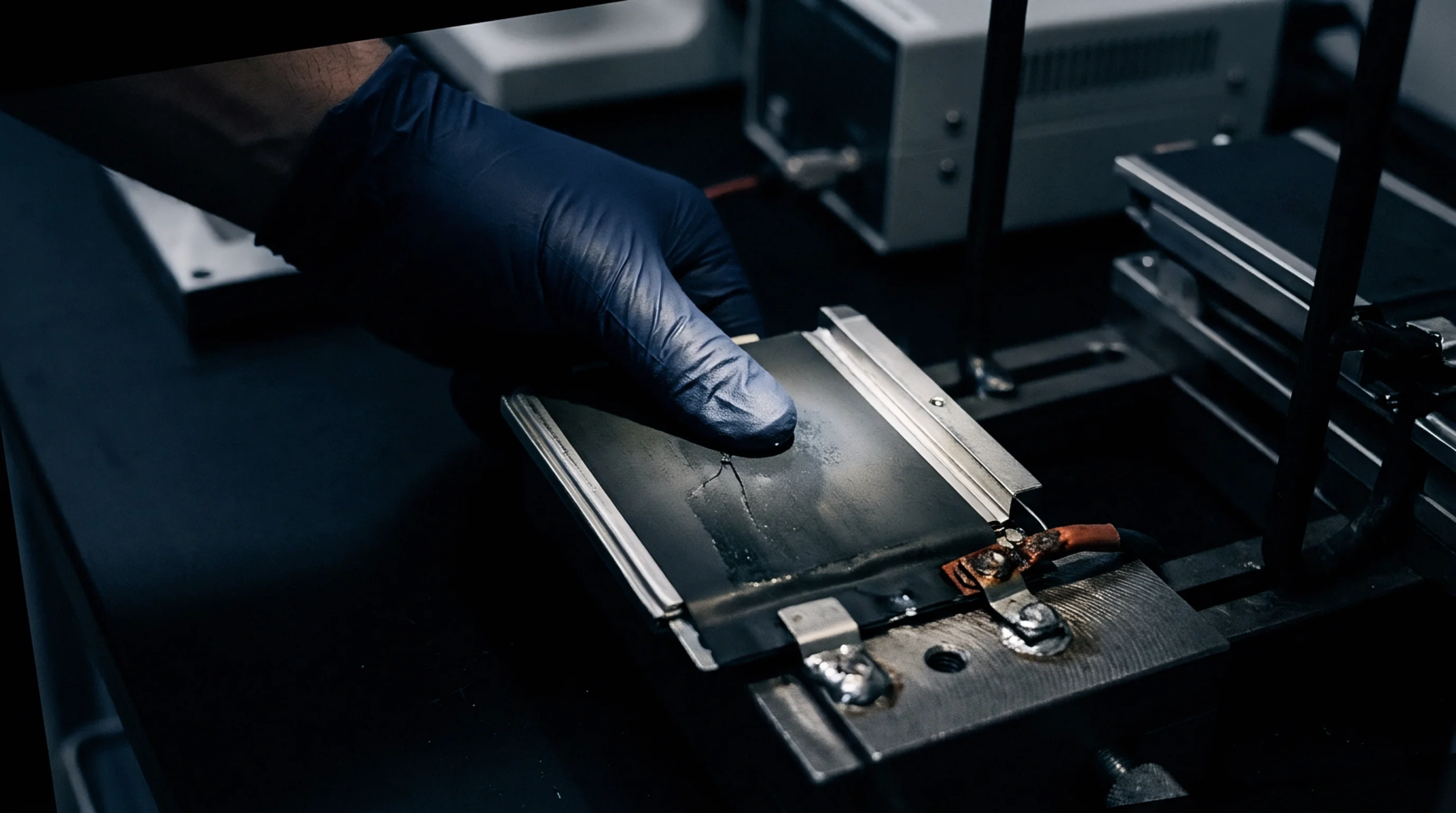
Spatial thermal gradients smearing dQ/dV curves break zero-dimensional degradation models, requiring localized thermal correction to isolate true active lithium loss.

Sub-zero graphite lithiation causes anode potential drops below 0V vs Li/Li+, triggering metallic lithium plating that demands temperature-dependent BMS current limits.

Dynamic intra-cell thermal gradients generate thermoelectric voltage noise that masks lithium plating signals; decoupling algorithms isolate true stripping.

Decoupling Seebeck voltage offsets requires bipolar pulse excitation or spatial thermal modeling to isolate thermo-galvanic artifacts from true electrochemical overpotentials.

LFP cell voltage relaxation spans milliseconds to weeks, requiring structured rest periods to separate kinetic polarization from factory K-value self-discharge.

Laboratory cycle life claims hold commercial value only when test cut-offs, clamping force, four-wire telemetry, and Weibull distributions are verified.

Low temperature battery testing requires rigorous cold soak protocols, four-wire Kelvin sensing, and impedance analysis to ground supplier performance claims.

Resolving flat LFP voltage plateaus depends on temperature-corrected differential voltage curves to eliminate state-of-charge drift and warranty risk.

Sub-zero fast charging accelerates graphite anode overpotential past 0 V vs Li/Li+, triggering metallic lithium plating that demands active pre-heating.

Distinguishing high-temperature self-discharge from solid-state relaxation requires isolating irreversible lithium loss from reversible particle diffusion via microcalorimetry and extended rest protocols.

Standardized cold weather thermal protocols prevent subzero lithium plating by aligning chamber soak times, charge derating, and impedance verification.

Quantifying ocean freight cell degradation requires tracking container micro-climates, modeling SEI growth, and enforcing baseline delta contract limits.

Differential capacity analysis extracts thermodynamic phase boundaries to deconvolve lithium inventory loss from active material degradation non destructively.

Intermittent thermal preconditioning failures cause irreversible low-temperature lithium plating, accelerating capacity loss and transferring asset liability.

Sub-zero graphite charging is constrained by desolvation and pore diffusion limits that induce lithium plating when anode potential drops below zero volts.

Internal thermal gradients accelerate prismatic cell active material loss by driving localized current crowding, high-temperature SEI growth, and particle cracking.
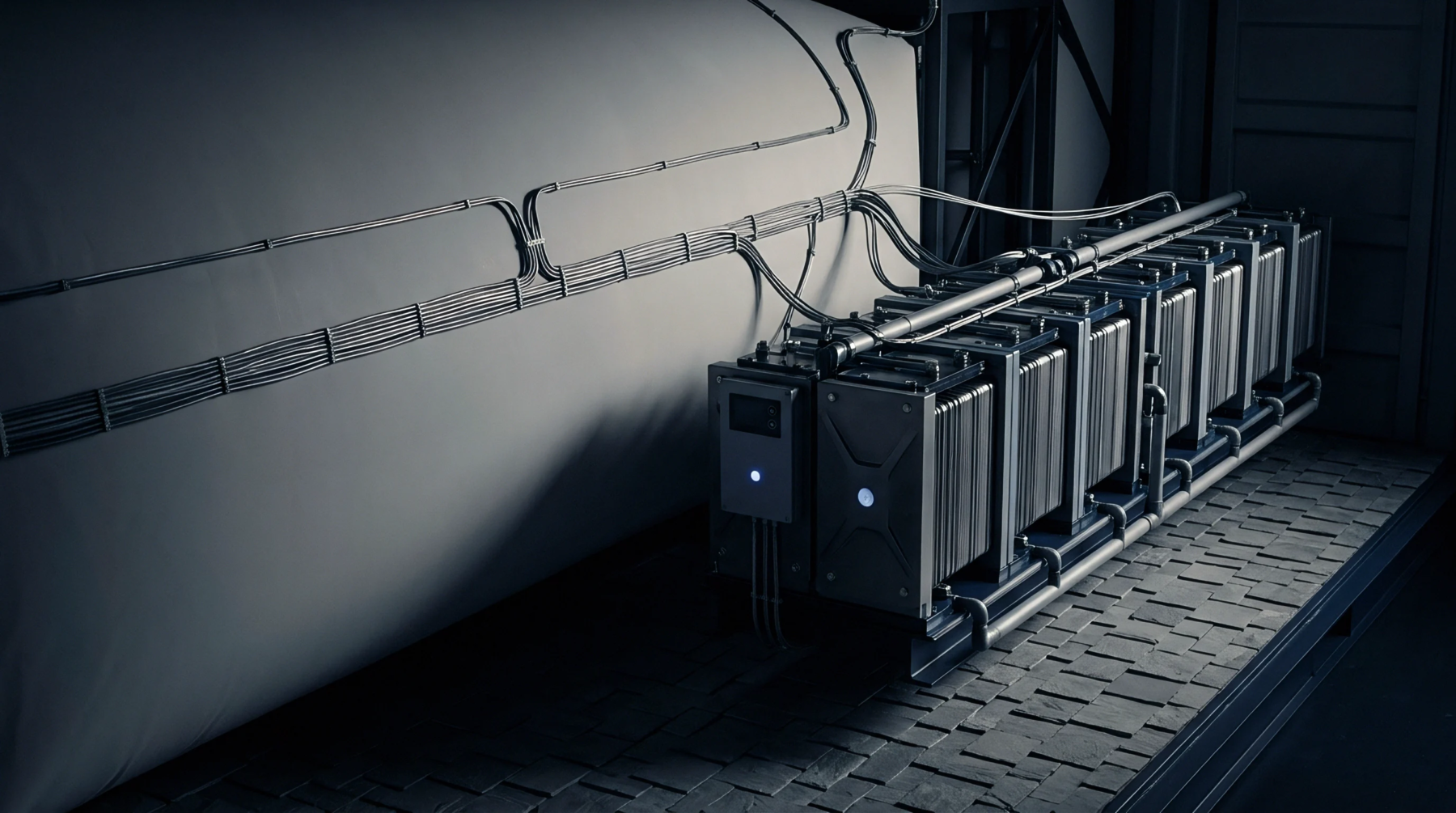
Sub-zero battery warranty claims require high-frequency relaxation telemetry and differential voltage analysis to isolate operational cold charging from manufacturing cell defects.

Extended calendar aging consumes cyclable lithium through solid electrolyte growth, requiring differential capacity verification before warranty assignment.
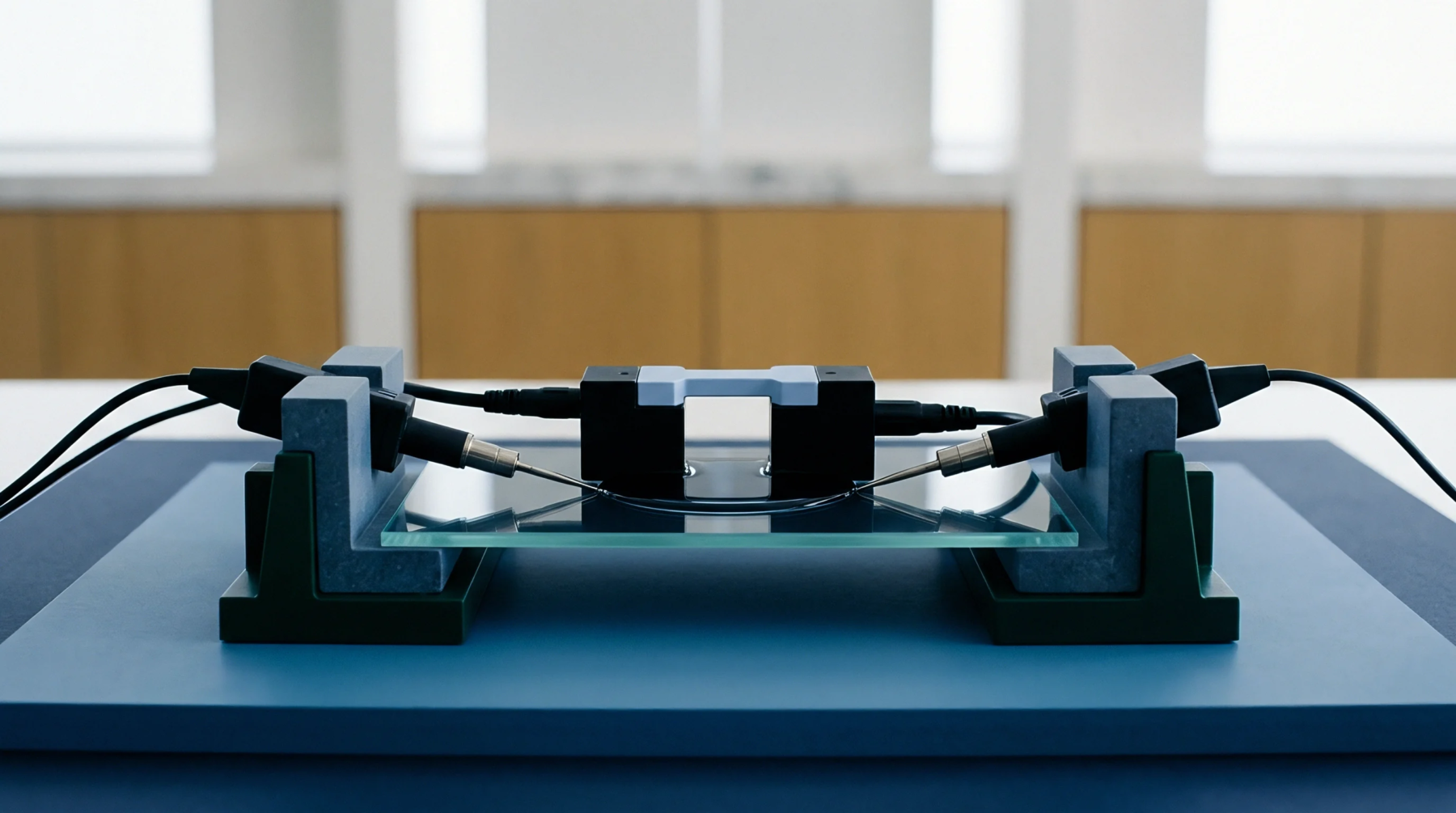
Sub-zero charging forces graphite anode potential below zero volts relative to lithium, initiating metallic plating driven by desolvation and diffusion barriers.

Dynamic tracking of graphite anode potential prevents sub-zero metallic lithium plating by throttling charging current before interfacial overpotentials breach 0V.

Differential capacity analysis transforms flat LFP voltage plateaus into distinct peak signatures to quantify lithium loss and electrode decay non-destructively.

Accurate iron phosphate state of charge tracking relies on temperature compensated open circuit voltage hysteresis mapping measured after four hour rest periods.
High precision coulometry and differential voltage analysis isolate solid interphase formation kinetics and active lithium consumption in lithium cells.

Lithium iron phosphate open circuit voltage equilibrium maps two-phase hysteresis using multi-hour relaxation testing for state of charge estimation
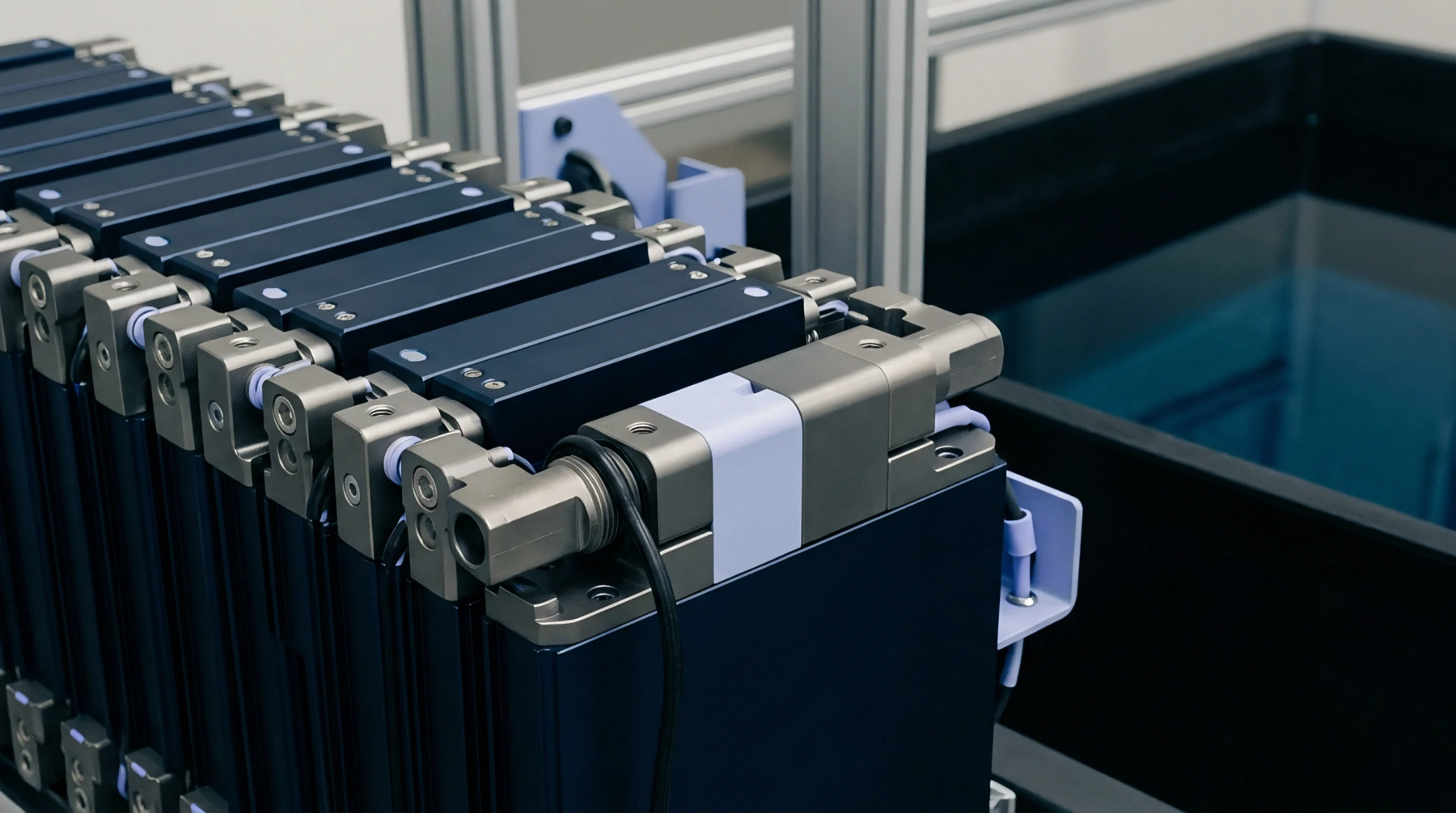
Differential voltage analysis decouples phase transition hysteresis from degradation mechanisms in lithium iron phosphate packs to ensure accurate state of charge calibration.

Mitigating state of charge drift on flat voltage plateaus combines shunt calibration, adaptive filtering, and periodic voltage knee recalibration.

Laboratory qualification of LiFePO4 cells demands precise mechanical clamping, strict IEC cycling regimes, and Arrhenius acceleration to verify true capacity retention.
Expertise is a utility, not a secret. sentiention™ publishes its working knowledge as open reference: intelligence layer covering the materials it sources, the markets it enters, and the reference that serves both.