
Intercalation Potential Shifts in Large Format Lithium Cells
Local intercalation overpotentials in large format cells force anode potentials below 0V vs Li/Li+, causing lithium plating long before terminal voltage limits.
Local intercalation overpotentials in large format cells force anode potentials below 0V vs Li/Li+, causing lithium plating long before terminal voltage limits.

Sub-zero graphite lithiation causes anode potential drops below 0V vs Li/Li+, triggering metallic lithium plating that demands temperature-dependent BMS current limits.

Direct anode potential tracking prevents sub-zero lithium plating by dynamically modulating charge current to hold graphite surface potential above zero volts vs Li/Li+.

Restricting silicon anode lithiation potential above fifty millivolts prevents crystalline phase formation and expands cycle life.

Subzero charge drives graphite surface potential below 0V vs Li/Li+, causing metallic lithium plating that demands temperature-compensated derating.

Dynamic tracking of graphite anode potential prevents sub-zero metallic lithium plating by throttling charging current before interfacial overpotentials breach 0V.

Low temperature charging shifts graphite potential below zero volts against lithium, initiating destructive metallic plating when polarization exceeds kinetic intercalation limits.

Micro reference electrodes reveal sub-zero lithium plating by detecting negative graphite anode potentials relative to metallic lithium equilibrium in real time.

Three electrode impedance testing decouples anode and cathode degradation by isolating half cell charge transfer resistance without breaking full cell geometry.

Sub-zero charging forces anode potentials below zero volts, causing metallic lithium plating that requires real-time telemetry and strict current derating.

Active anode potential tracking prevents metallic lithium plating, extending cell life and enabling safe 15-minute fast charging in high-power battery packs.

Eliminating lithium plating in fast-charging silicon anodes requires reducing out-of-plane tortuosity and maintaining stack pressure between 0.3 and 0.8 MPa.

Sub-zero lithium plating occurs when anode potential drops below 0V vs Li/Li+; three-electrode analysis isolates overpotentials to define safe charge windows.
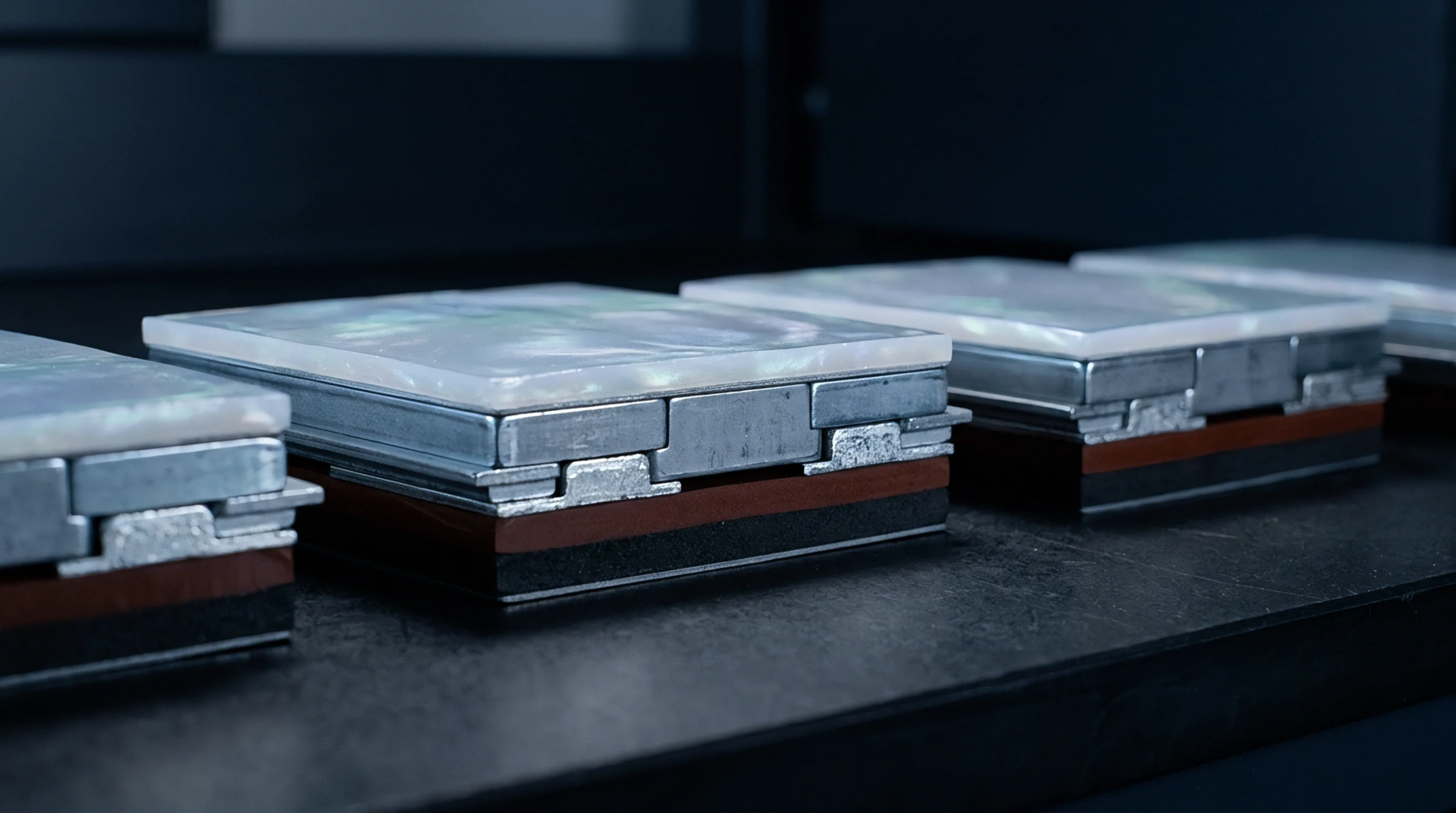
Thick silicon-graphite anodes charged below freezing suffer acute diffusion choke and lithium plating forcing current derating below zero point zero five C.
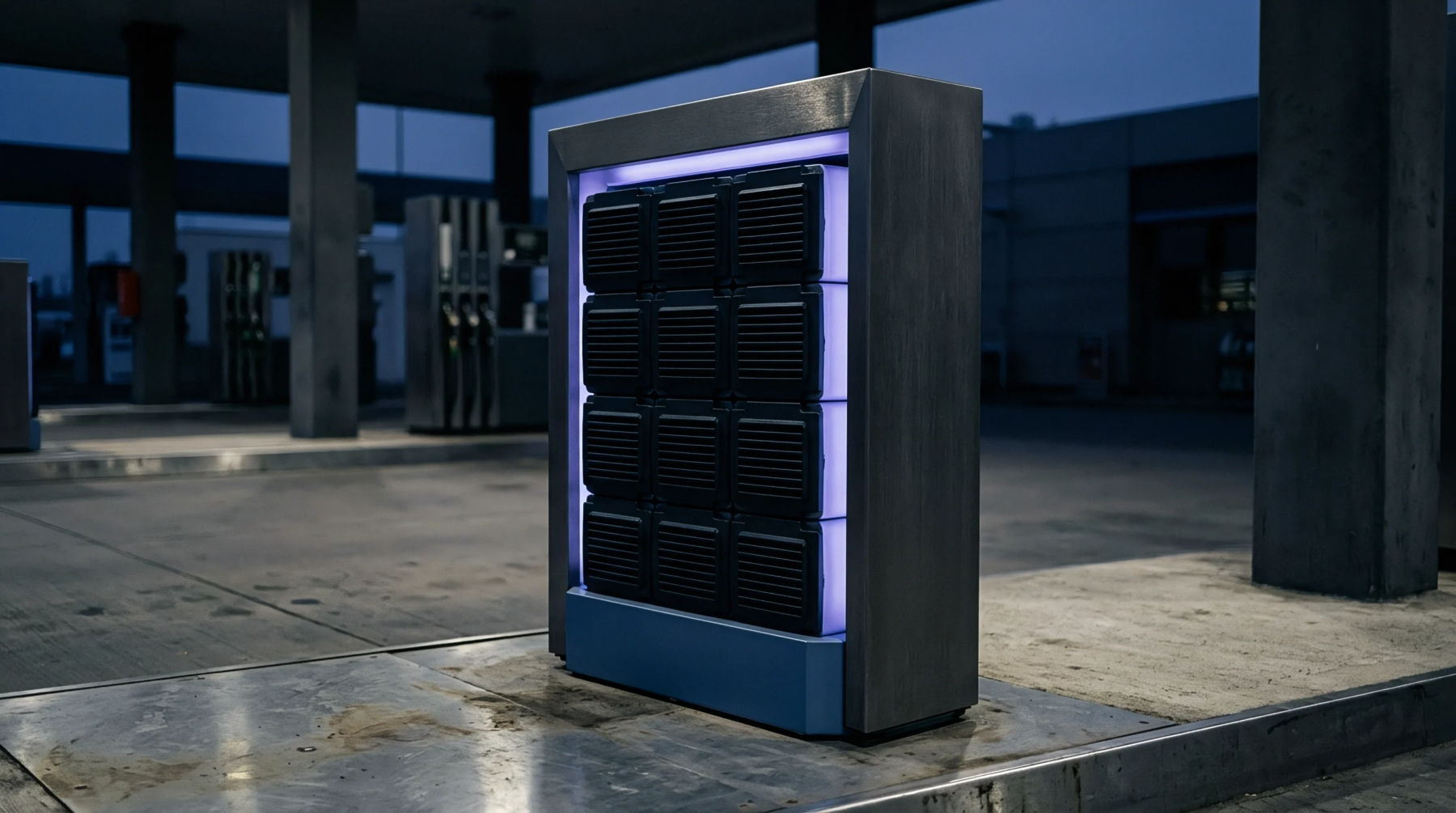
Metallic lithium plating on graphite anodes begins when negative electrode potential drops below 0 V versus Li/Li+ during sub-zero fast charging.
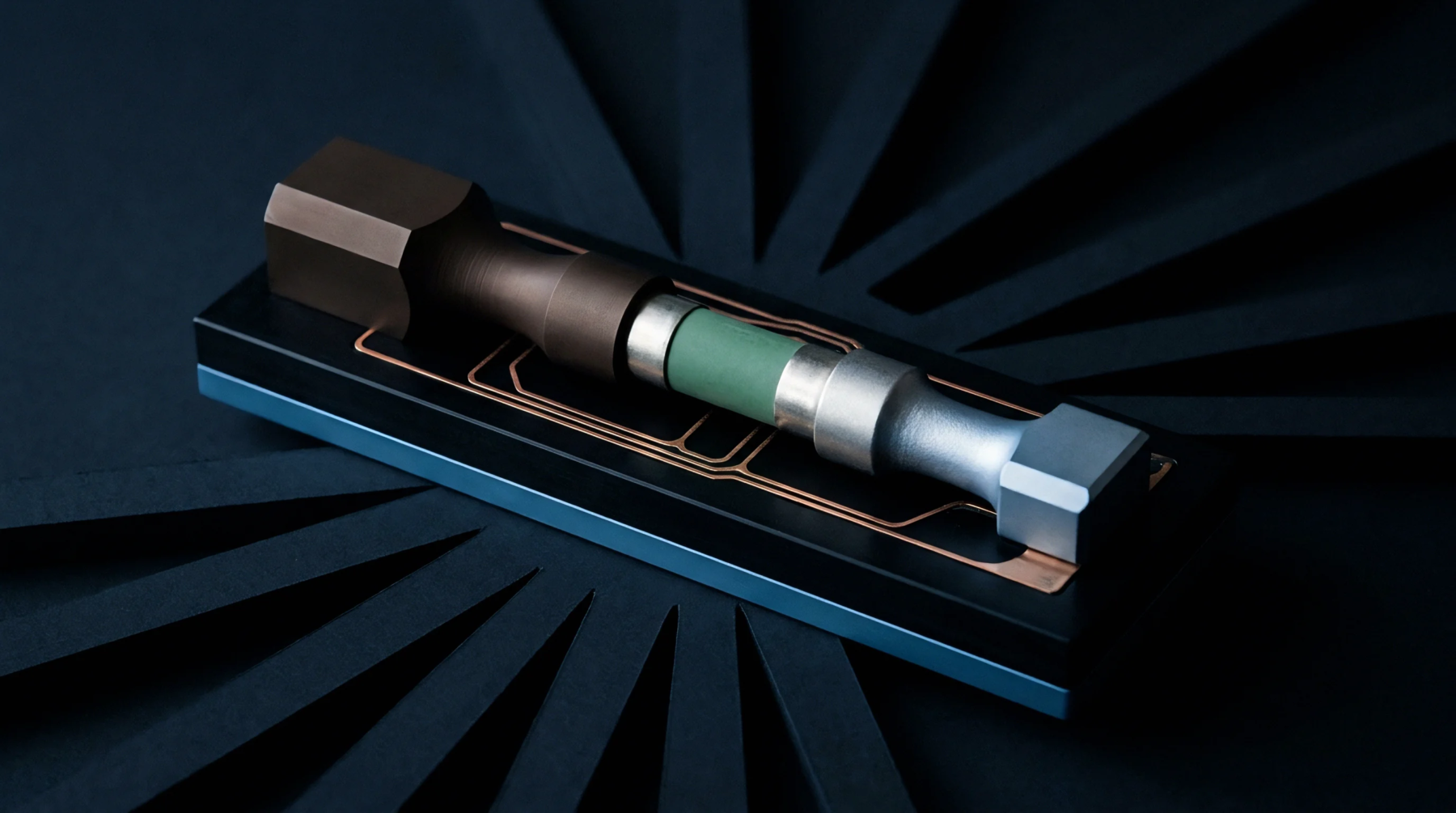
Quantifying transition metal migration and anode interphase decay determines actual lifetime cell energy throughput and prevents premature system replacement.

Fast-charge envelopes hit hard boundaries when combined kinetic and solid-state diffusion overpotentials drive graphite potential below zero volts versus lithium.

Voltage relaxation plateau tracking identifies metallic lithium stripping, separating reversible plating from chemical solid electrolyte consumption.

Charging cold graphite cells below zero volts versus lithium drives metallic dendrite plating that permanently degrades capacity and raises runaway hazards.

Low-temperature graphite intercalation is limited by charge-transfer impedance and slow solid diffusion, forcing lithium plating unless charging current drops.

Three-electrode graphite overpotential calibration demands active uncompensated ohmic drop extraction to prevent false positive voltage readings during fast charge.

Extreme fast charging drives tab-adjacent anode zones below zero volts, causing localized metallic lithium plating that evades standard bulk diagnostics.
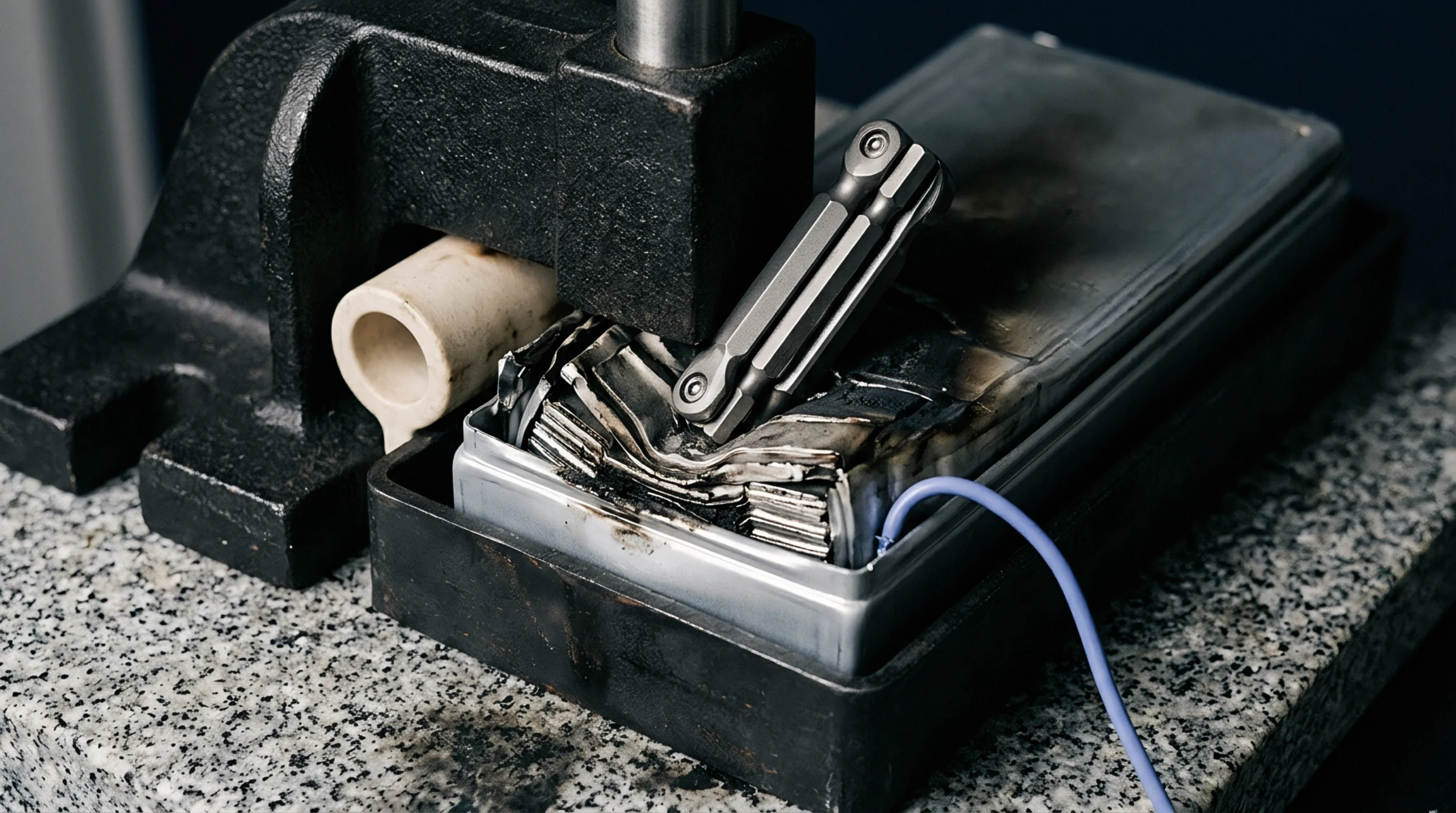
Anode overpotential monitoring decouples half-cell polarization to track the zero-volt lithium plating threshold during sub-zero fast charging.

Micro-reference electrodes dynamically regulate charging current to pin anode potential above zero volts, preventing lithium plating without cycle-life loss.
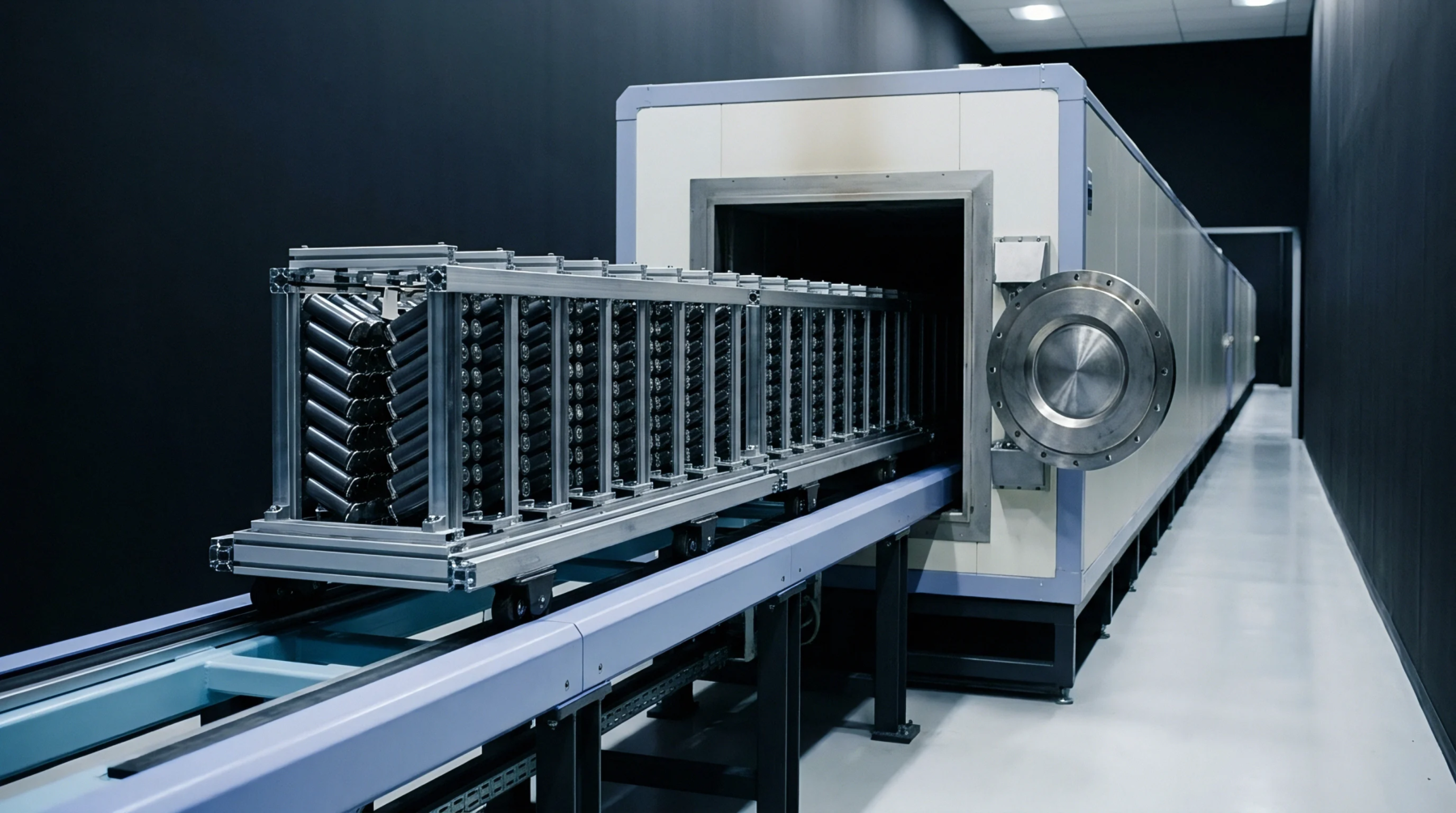
Dynamic thermal shock induces glass feedthrough microcracking and reference potential drift, demanding matched CTE alloys and real-time Nernst compensation.

Solid state reference electrodes isolate anode overpotentials in pouch cells to prevent fast-charge lithium plating despite severe geometric field distortions.

Reference potential shift during fast charging stems from uncompensated ohmic drops and fringe field geometry, requiring current-interrupt stripping validation.

Closed pore shrinkage and desolvation limits force sodium plating below zero volts, demanding preheating above ten degrees Celsius to preserve cell life.

Sub-zero cell qualification requires verifying charge-transfer impedance and anode overpotential thresholds to prevent irreversible field lithium plating.

Three-electrode differential voltage relaxation analysis maps sub-zero lithium plating thresholds, preventing irreversible anode decay and thermal risk.
Expertise is a utility, not a secret. sentiention™ publishes its working knowledge as open reference: intelligence layer covering the materials it sources, the markets it enters, and the reference that serves both.