Meaning
A mandatory United Nations testing standard outlines safety requirements for the transport of lithium metal and lithium-ion batteries. This UN 38.3 is a regulatory baseline that must be met before batteries can be transported globally by land, sea, or air. In battery procurement, this certification is the very first document that must be verified before purchasing cells or packs.
The boundary of the standard covers all transport classifications of hazardous materials and applies to both cells and assembled batteries. It does not certify the daily performance or life expectancy of the battery.
Abuse Program
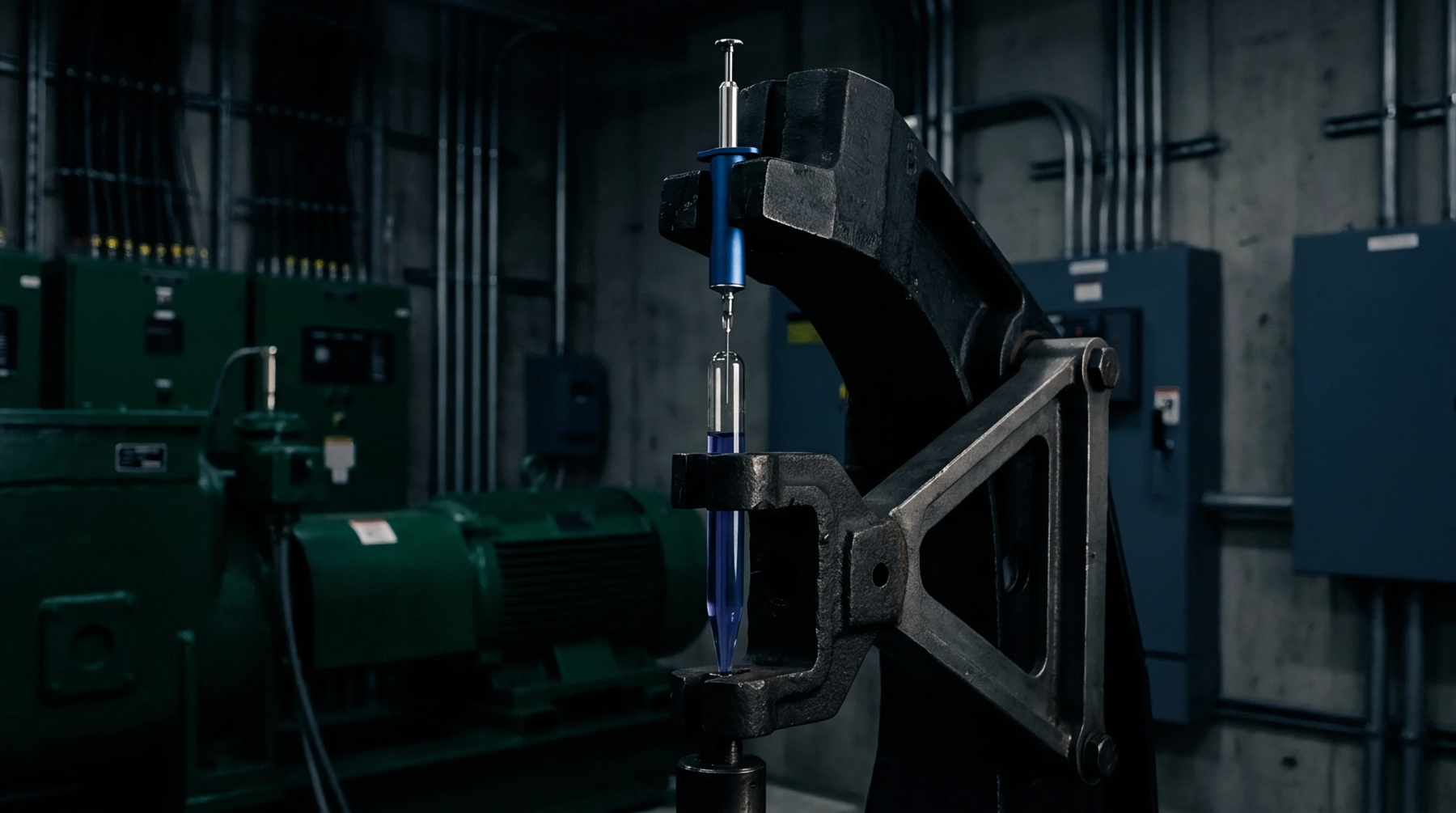
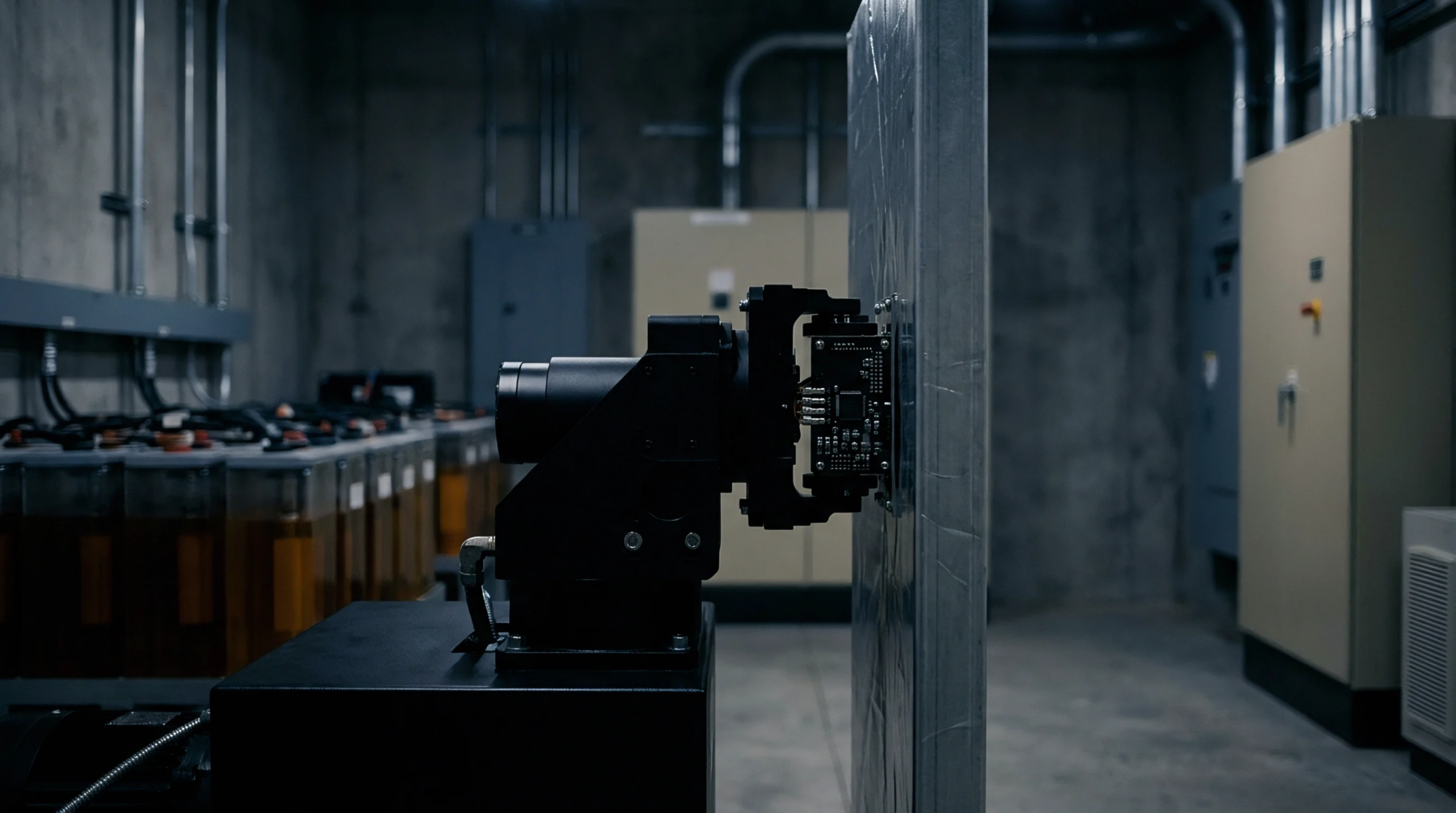
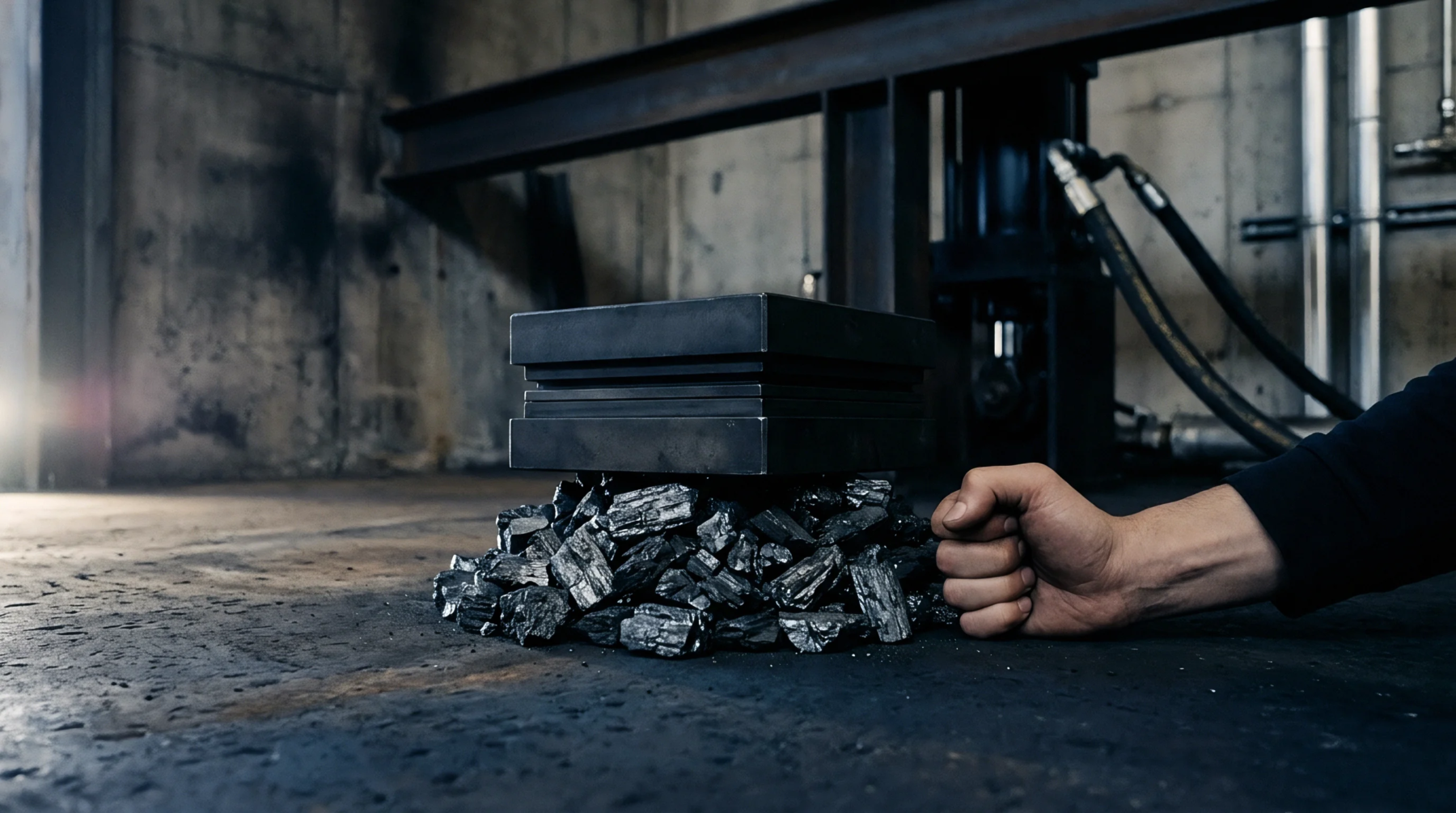
The testing regimen simulates the extreme conditions that batteries experience during international transport. The program consists of eight distinct test sequences, including thermal altitude simulation, extreme vibration, and mechanical shock. Technicians also perform external short-circuit, impact, overcharge, and forced-discharge tests.
The cells and packs must not leak, vent, disintegrate, or catch fire during these procedures. This severe testing ensures that the battery can survive the low-pressure environment of a cargo aircraft. The certification process must be completed by an accredited third-party testing laboratory.
Commercial Clearance
Shipping lines and airlines refuse to accept any battery cargo that lacks a valid test summary report. This UN 38.3 compliance report must be available to anyone in the supply chain upon request. Sourcing managers check this documentation during the shipping arrangement phase to avoid customs holds.
If the cargo is found to be uncertified, the shipper faces heavy fines and potential criminal liability. This requirement makes the test summary an essential document for global trade. Ensuring compliance is a fundamental responsibility of the exporting manufacturer.
Sourcing Strategy
Procurement teams select cell suppliers who have pre-certified their standard cell models. This UN 38.3 pre-certification reduces the development time and cost for the final battery pack. If a cell is modified, the new design must be re-tested and certified before it can be shipped.
This re-certification process can take several weeks and delay product launches. Buyers ensure that their contracts require the supplier to maintain this certification throughout the production period. This clause protects the buyer from supply chain disruptions caused by transport regulatory issues.