
Quantifying Creep Relaxation and Laser Weld Fatigue in Pack Busbars
Quantifying busbar life requires matching flexure spring rates to cell swelling and capping thermal creep relaxation to preserve laser weld fatigue limits.
Quantifying busbar life requires matching flexure spring rates to cell swelling and capping thermal creep relaxation to preserve laser weld fatigue limits.
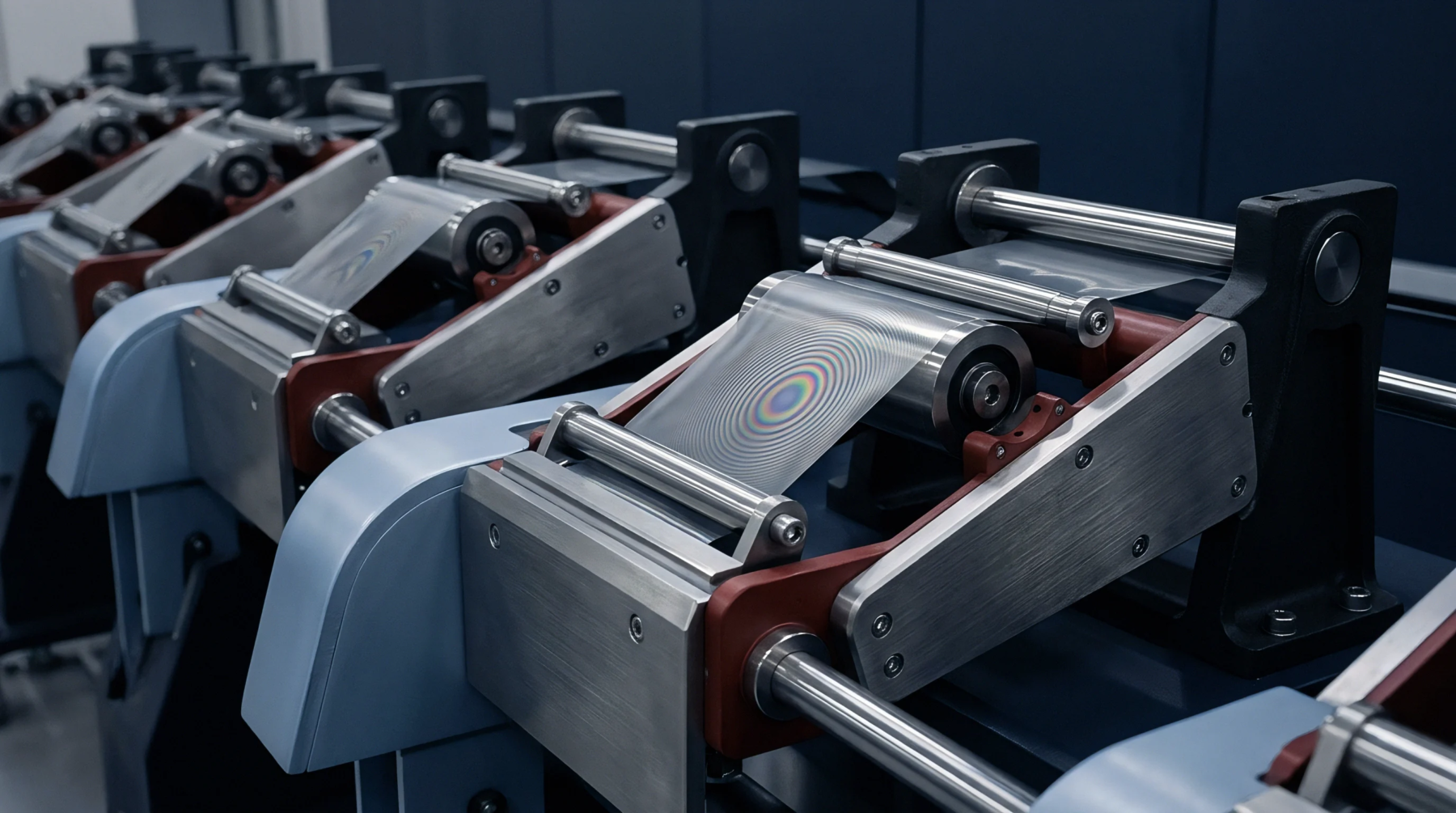
Continuous Rayleigh OFDR requires physical capillary isolation or low-condition matrix inversion to decouple thermal and mechanical strain in battery cells.

Evanescent fiber-optic signal separation detects sub-micron lithium plating in pouch cells before voltage shifts appear, requiring validated hermetic tab seals.
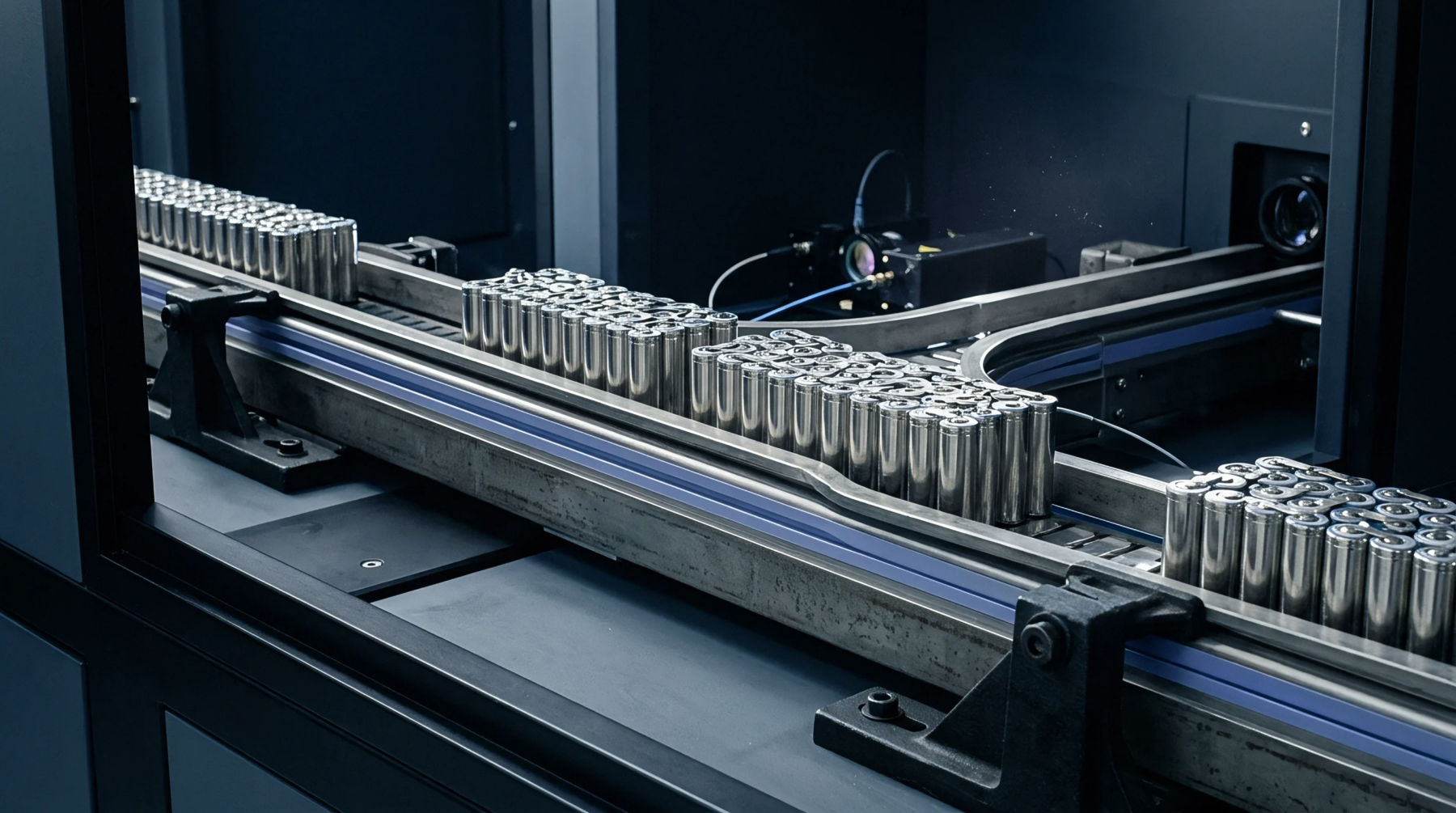
Optical deflection mapping resolves localized pouch cell swelling peaks under rigid glass platens to prevent pack enclosure failures and warranty disputes.

Sampling phase skew between current and voltage channels entrains charge transfer polarization into ohmic DCIR calculations, inflating cell resistance.

Non compliant battery test summaries trigger container quarantine, daily Class 9 demurrage, regulatory civil penalties, and insurance voidance at ports.

Cross-referencing UN 38.3 test summaries with air waybills aligns model names, watt-hour ratings, and package weights to prevent carrier rejections and fines.

GC-SIM calibration for battery permeation quantifies trace solvent leaks, proving cell hermetic containment to satisfy transport regulations and warranty specs.

Incoming battery pallet inspection combines shock monitoring, four-wire OCV/IR screening, and AQL sampling to catch transit damage and enforce debit notes.

Penalties issued to non-resident cell manufacturers default onto domestic importers because foreign courts refuse to enforce extraterritorial administrative fines.

Cross-border battery transport requires verified UN 38.3 test summaries, sub-30-percent aviation charge limits, and modal UN packaging marks to clear customs.
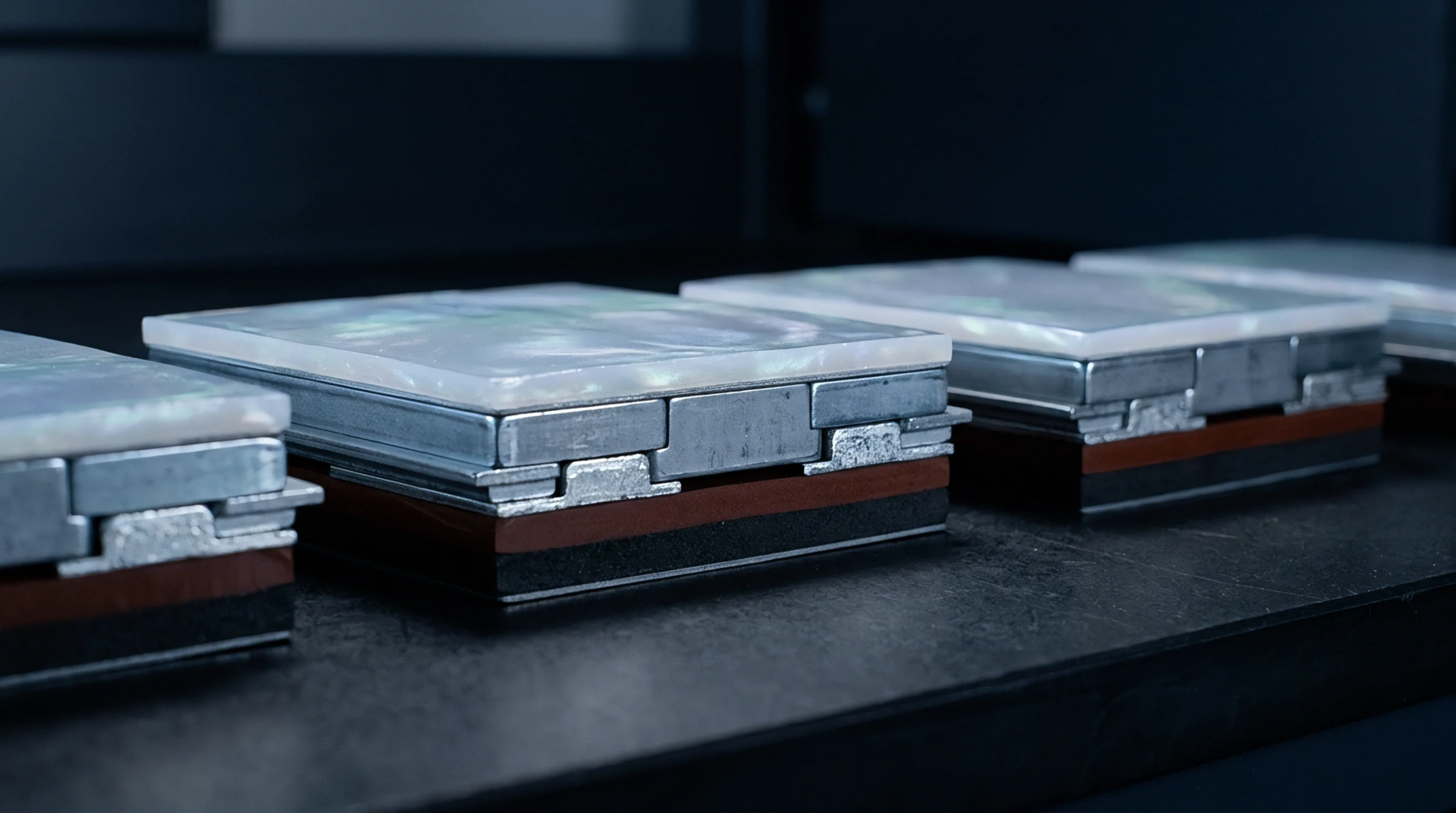
Thick silicon-graphite anodes charged below freezing suffer acute diffusion choke and lithium plating forcing current derating below zero point zero five C.

Latent SEI growth during ocean transit scales with Arrhenius thermal exposure and square-root time, requiring low SOC shipping and arrival impedance audits.

Marine cell freight degrades inventory through thermal acceleration, terminal oxidation, and micro-motion fatigue; mitigate via under-deck DAP terms.

Passport surveillance holds importers liable as manufacturers under Article 43, turning broken QR codes and missing carbon dossiers into customs forfeitures.

Regularized spatial matrix inversion reconstructs internal cell gradients from boundary sensors while suppressing noise amplification on embedded hardware.

Zero acceptance sampling plans eliminate defect escapes by rejecting entire incoming battery cell lots upon discovering a single non-conforming unit.

High precision derivative spectroscopy quantifies active phase stability and isolates lithium inventory losses to identify premature cell rollover failures.

Differential capacity deconvolution isolates lithium loss and electrode degradation at receiving inspection, allowing objective batch rejection under ISO 12405-4.

Battery open circuit voltage profiling measures relaxed cell equilibrium potentials to map thermodynamic state metrics, requiring strict rest criteria.

Subzero charging forces graphite anode potentials below zero volts, making overpotential derating and pre-heating mandatory to prevent metallic lithium plating.

UN 38.3 caps transport mass loss at 0.5% for cells under 1g, 0.2% up to 75g, and 0.1% above 75g, evaluating solvent containment across tests T.1 to T.5.

Select interfacial foams by balancing beginning-of-life preload against end-of-life swell deflection to keep module cell pressure between 0.05 and 0.80 MPa.

Determining off-gas dynamics requires measuring cell-level vent volume, gas composition, and flammability metrics to design compliant enclosure deflagration systems.

Cryogenic fast charging forces graphite anode overpotentials below zero volts, driving metallic lithium deposition that requires pre-heating or dynamic current scaling to prevent cell failure.

Importers carry strict liability for invalid UN 38.3 certificates when subcontracted labs lack accredited scope, driving mandatory direct accreditation audits.
Verify UN 38.3 test summaries against accredited lab databases and audit physical batch metrics at receiving to prevent demurrage and cargo seizure.
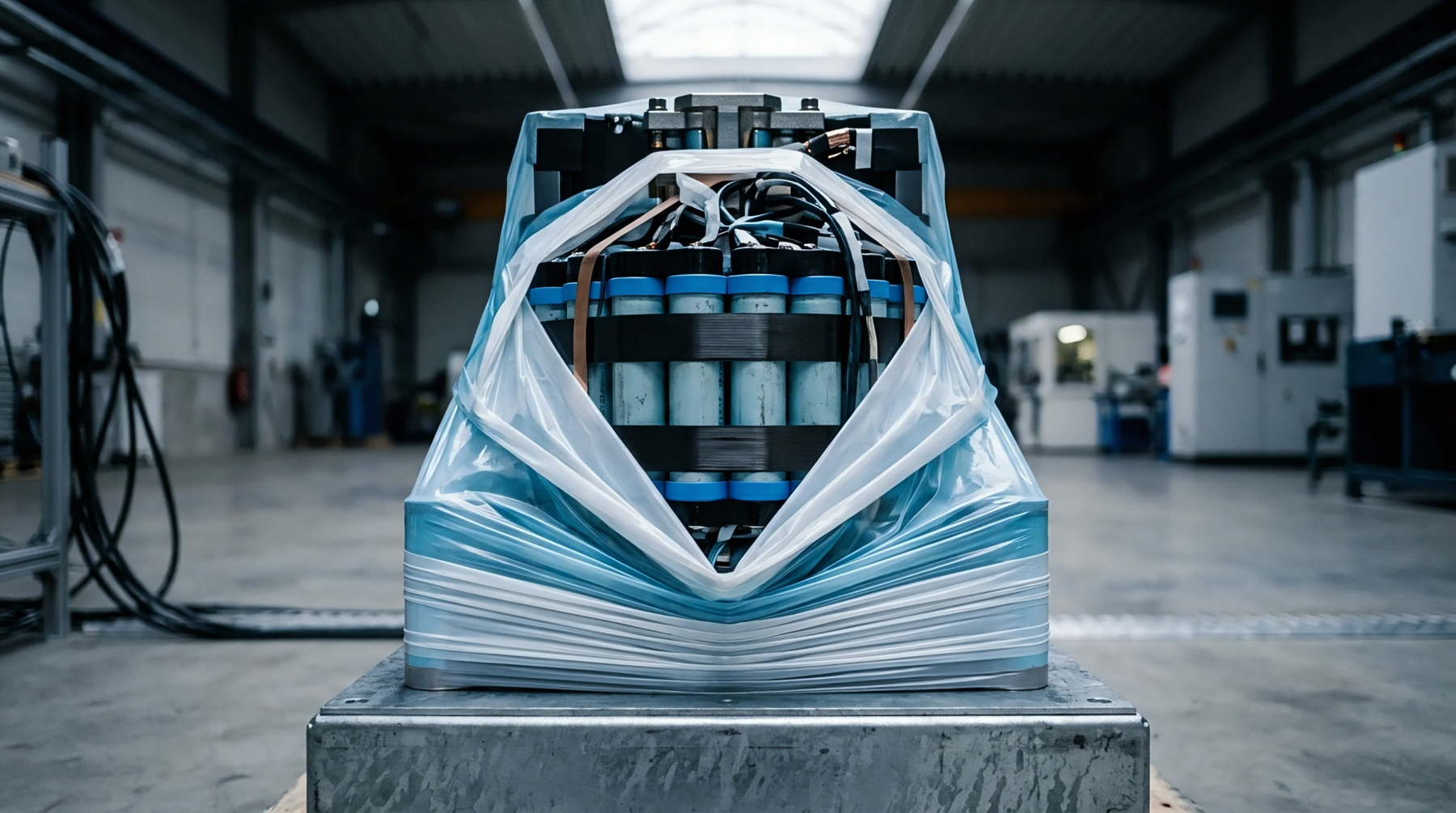
Importers bear absolute extended producer responsibility, requiring local registration, precise weight logging, and compliant reverse transport across borders.

Active anode potential tracking prevents metallic lithium plating, extending cell life and enabling safe 15-minute fast charging in high-power battery packs.

Hydrolytic aging drastically reduces multi-axis fatigue thresholds in structural cell-to-pack adhesive interfaces, accelerating fatigue crack growth rates by orders of magnitude under cyclic road loads.
Expertise is a utility, not a secret. sentiention™ publishes its working knowledge as open reference: intelligence layer covering the materials it sources, the markets it enters, and the reference that serves both.