Verifying ISO 17025 Lab Accreditation Scope for Cross Border Battery Trade
Validate laboratory testing scope schedules directly against regional ILAC signatory registers to prevent port detentions of cross-border battery shipments.
Validate laboratory testing scope schedules directly against regional ILAC signatory registers to prevent port detentions of cross-border battery shipments.

Coupled microstructural porosity loss and overhang diffusion distort incoming cell capacity tests, requiring standardized multi-day stabilization protocols.
Raising high nickel cathode upper cutoff voltage above 4.20V increases initial capacity but accelerates interfacial degradation and slashes cycle life.

Differential voltage analysis tracks lithium iron phosphate degradation by converting flat voltage plateaus into sharp derivative peaks for LLI and LAM.
Thermal transients shift isolation barrier propagation delay non-linearly, requiring dual-path redundant isolation to protect safety interlock timing budgets.

Mitigate distributed controller daisy-chain skew under load by pairing active pulse-width restoration with symmetrical common-mode chokes and tuned termination.

Uncompensated wiring inductance in multi-channel EIS cabinets causes severe phase distortion, skewing low-impedance battery cell parameter extraction.

Transsemantic regulatory gaps in multimodal battery transport shift legal liability and customs exposure when shipping terms mismatch safety test files.
Establishing compliant cross-border lithium battery technical dossiers requires verified UN 38.3.5 test summaries, exact state of charge management, and ISO 17025 accredited safety testing to prevent cargo seizure.
Auditing lithium battery import files requires verifying UN 38.3 test summary elements, packing instruction parameters, and lab scopes before releasing payment.

Verifying UN 38.3 battery test summaries against accredited laboratory scope databases prevents custom holds, freight rejections, and legal import liabilities.

Micro reference alignment in pouch cells requires sub-ten-micrometer positioning and hermetic feedthrough sealing to prevent geometric ohmic drop artifacts.

Maintain stack pressure between 2.0 and 5.0 MPa using engineered spring compliance to prevent void formation and counteract long-term viscoelastic relaxation.
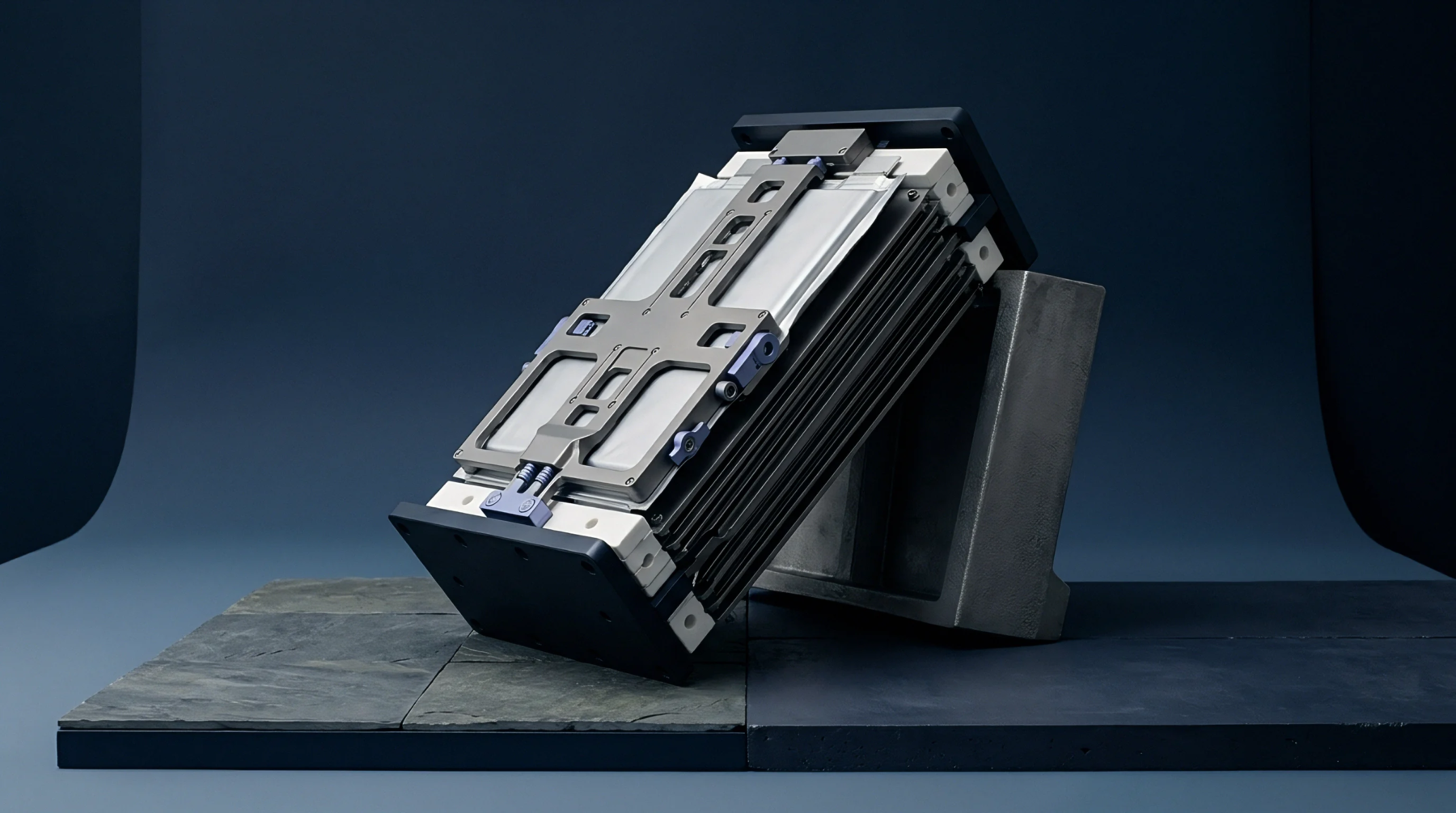
Designing solid-state module frames requires compliant pads and rigid end straps that hold cell face pressure between 0.5 and 3.5 MPa across all operating cycles.
Commercial procurement contracts shift cold plating risks to buyers unless agreements mandate continuous telemetry logging and clear forensic teardown criteria.

Sub-zero graphite charging drives anode potential below 0V vs Li/Li+, causing destructive lithium metal plating that voids cell warranties and risks thermal failure.
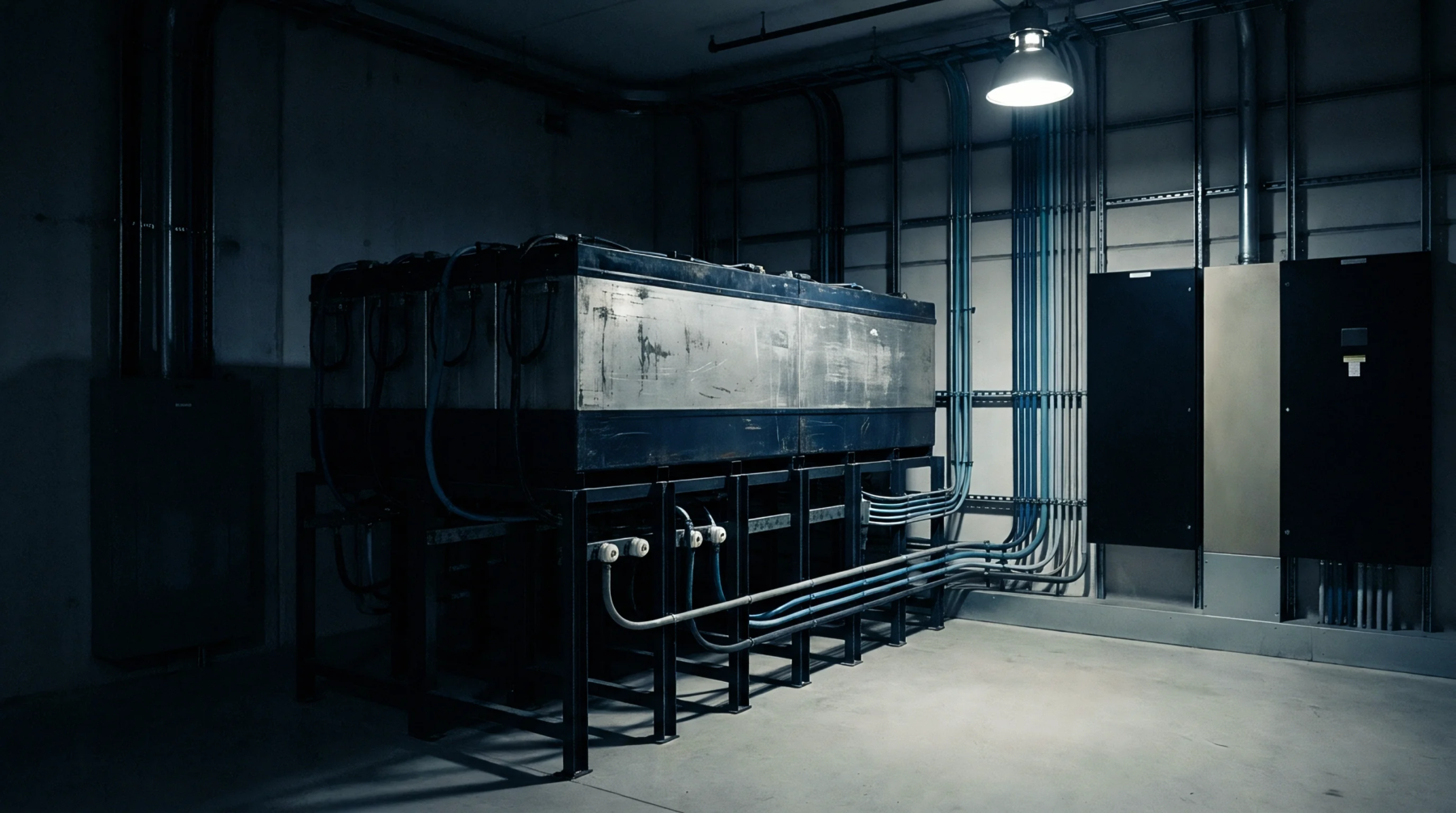
Offgas generation analysis defines explosion venting requirements, ventilation flow setpoints, and liability allocation for utility battery installations.
Silicon alloy anode phase stability under stress requires active domains below twenty nanometers and sustained stack pressure of zero point eight megapascals.

Electrolyte acid scavengers bind hydrofluoric acid and PF5 gas to prevent transition metal dissolution and severe calendar fade during warm cell storage.

Enforce continuous cold-chain logging and dockside dQ/dV diagnostic screening to reject thermally degraded imported cathode shipments before customs duty payment.
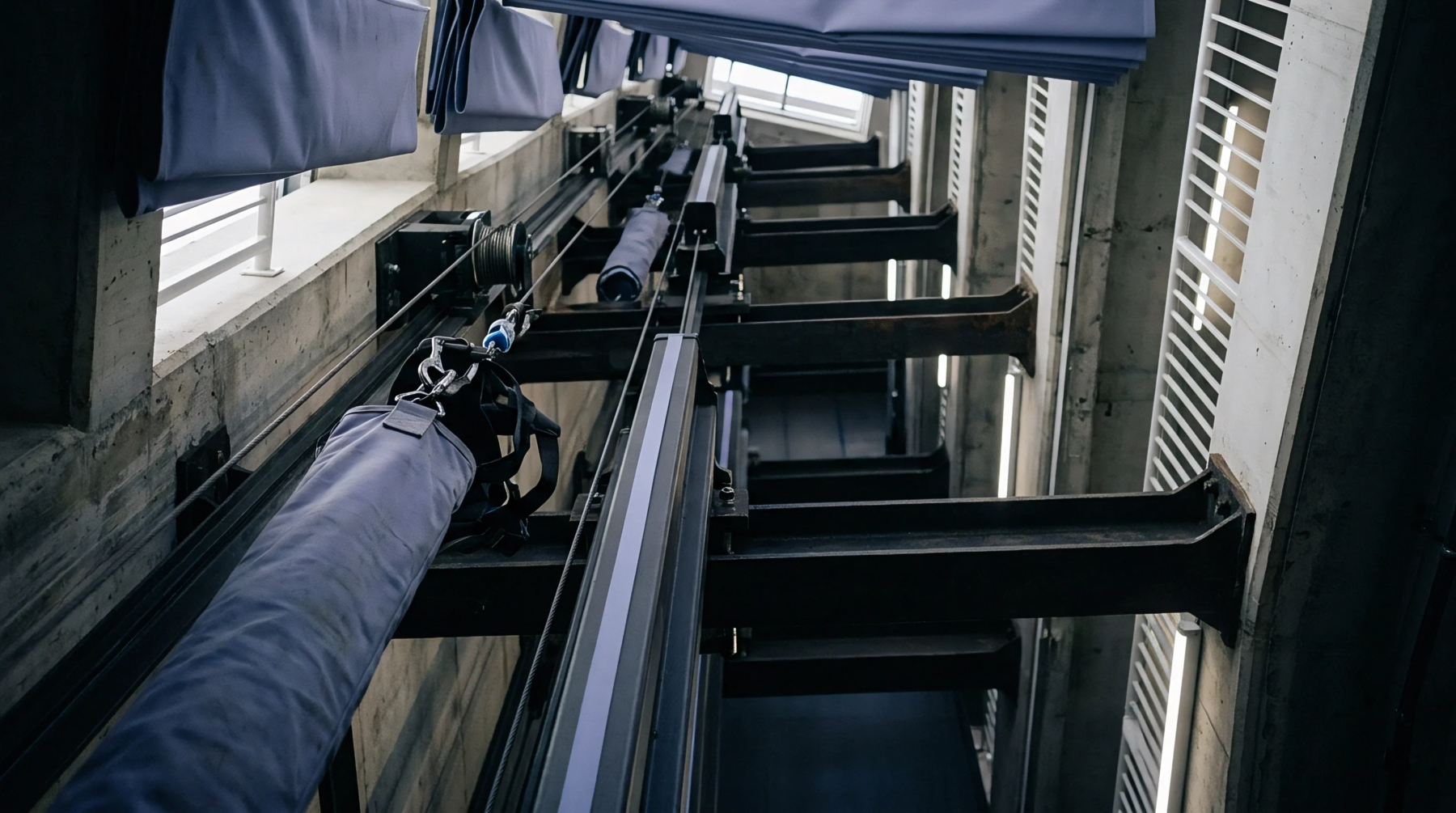
Lattice microstrain alters cathode entropic coefficients, causing open circuit potential drift that degrades state of charge estimation accuracy in aged cells.
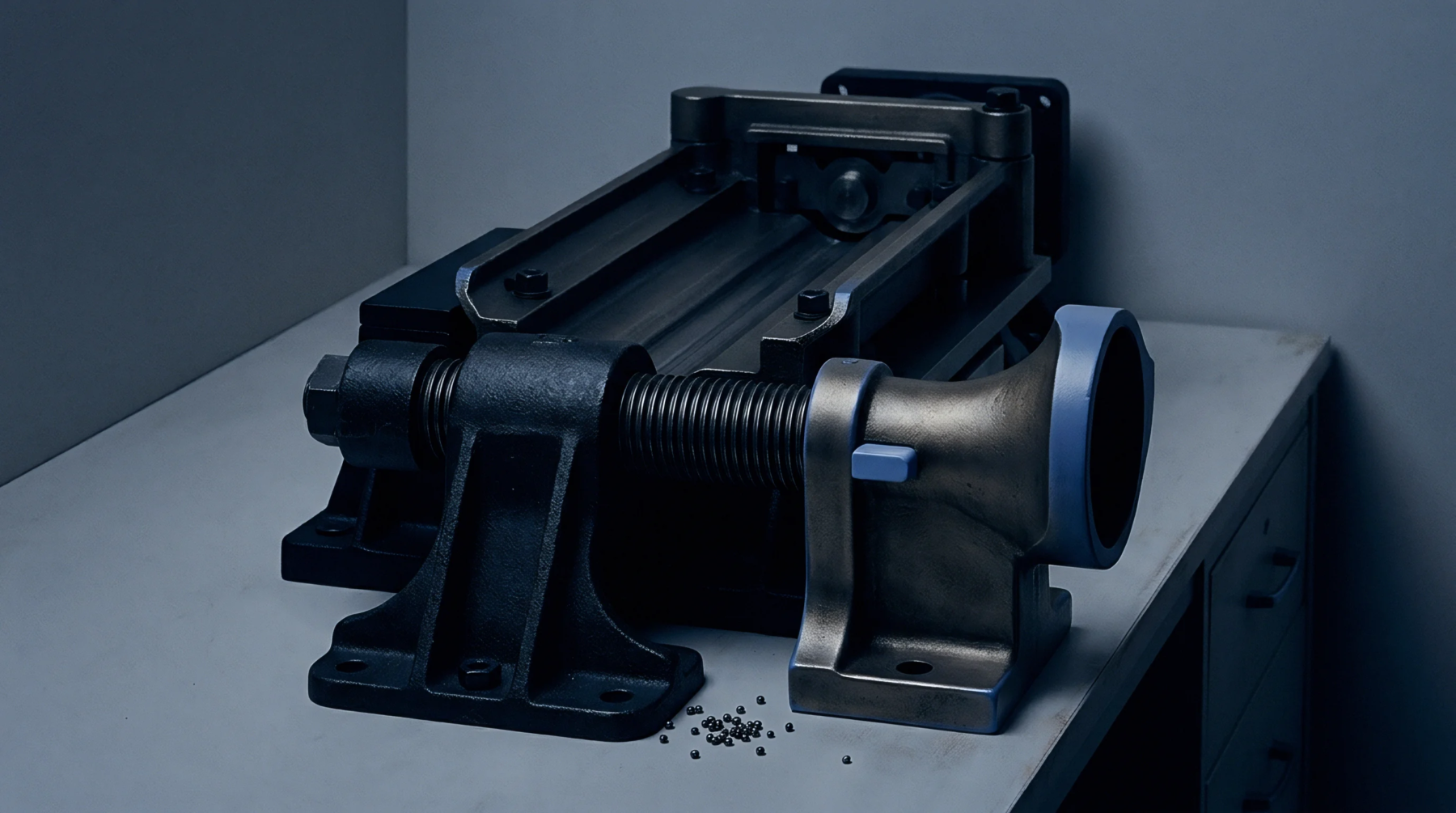
Elevated temperature storage accelerates lithium iron phosphate degradation via continuous interphase growth, iron leaching, and solvent gassing.

Maintain stack pressure above sulfide creep threshold to close stripping voids and guarantee solid-state cell warranty coverage.
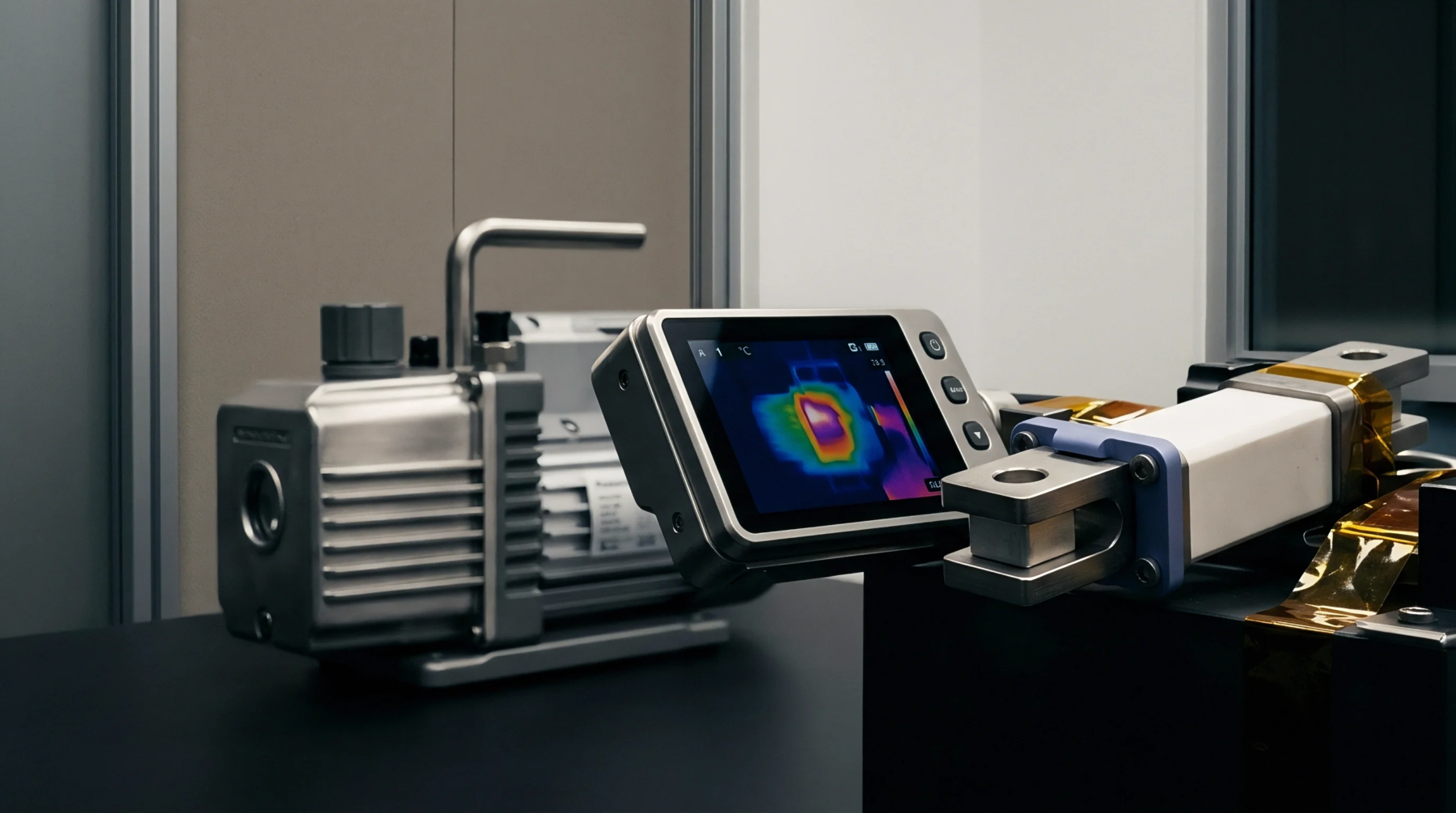
Carriers escape fire liability under Hague-Visby Article IV(6) when latent off-gassing occurs, shifting total loss exposure back to the dangerous goods shipper.

Correlating open circuit voltage with transport charge limits requires chemistry-specific relaxation curves to prevent carrier rejections on air cargo.

Importer liability under invalidated subcontracted battery safety tests attaches strictly upon customs entry, triggering mandatory seizures, re-testing, and recalls.

Ocean cell transport requires a strict 30 percent state of charge ceiling and 15°C to 20°C reefer climate control to prevent chemical degradation.
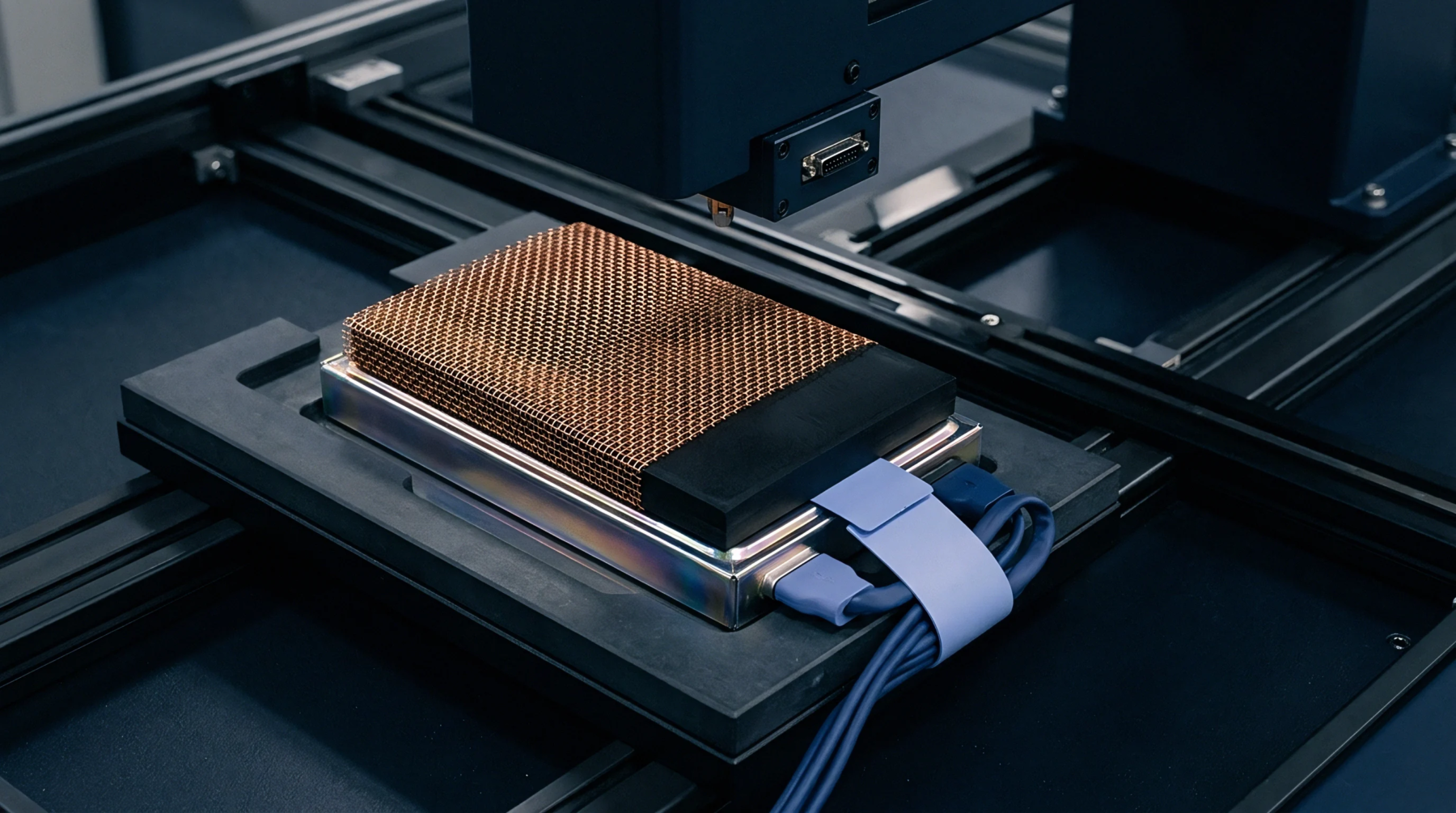
Cross-border clearance of high-density lithium storage relies on unbroken ILAC-MRA laboratory accreditation links and exact matching of UN 38.3 test data.
Sub-zero lithium plating initiates when anode overpotential drops below 0V vs Li/Li+, requiring real-time dV/dt or strain sensing to avoid fast failure.

Extended sub-zero cycling drives exponential SEI impedance growth via lithium plating and film cracking, requiring low-desolvation additives to prevent roll-off.
Expertise is a utility, not a secret. sentiention™ publishes its working knowledge as open reference: intelligence layer covering the materials it sources, the markets it enters, and the reference that serves both.