
Buying Cells against Buying Packs and Where Responsibility Sits
Buying cells requires owning BMS development, weld quality, thermal isolation, and pack safety files; buying packs trades unit margin for transferred liability.
Buying cells requires owning BMS development, weld quality, thermal isolation, and pack safety files; buying packs trades unit margin for transferred liability.
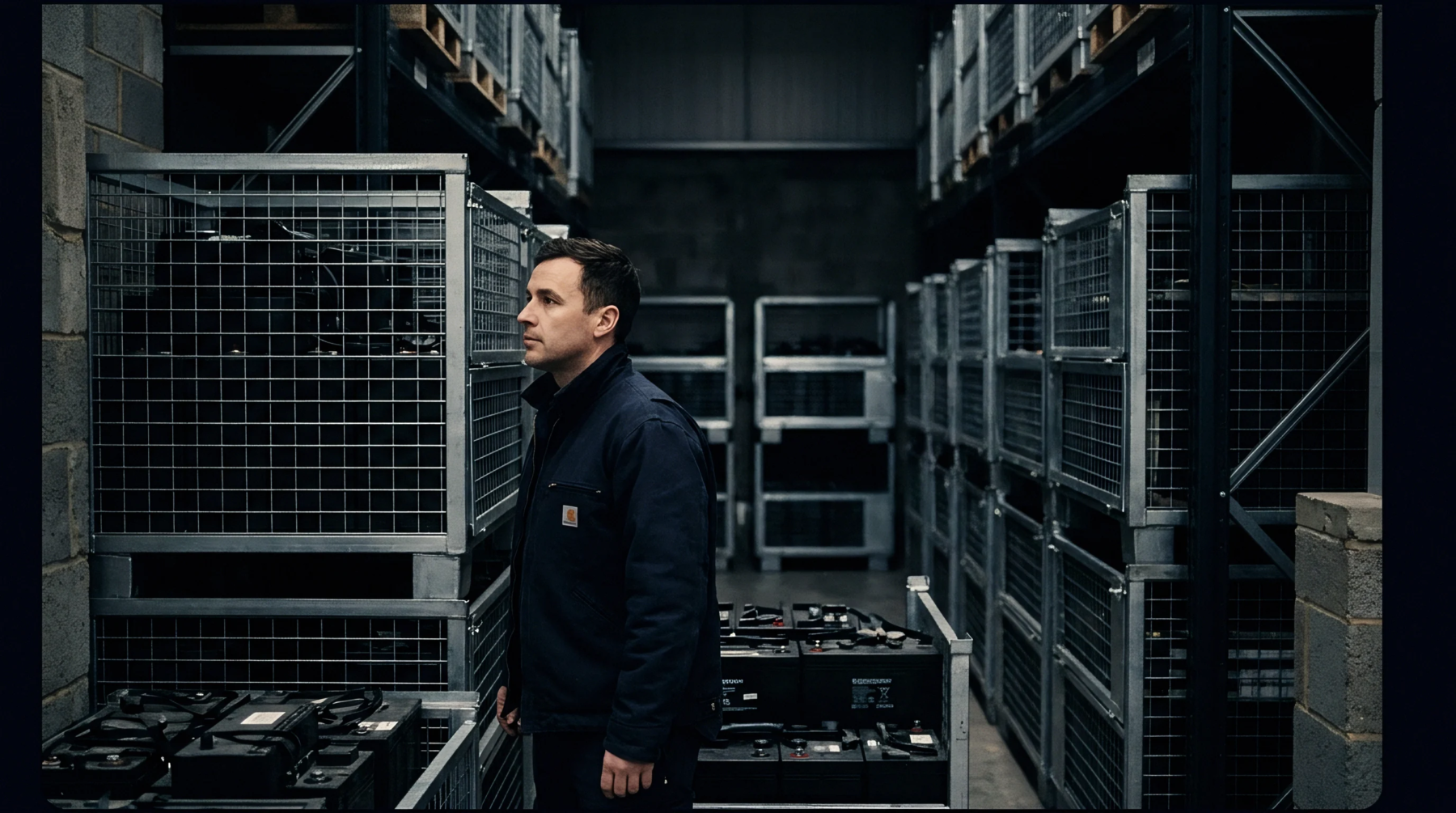
Datasheet shelf life claims hide permanent capacity loss and resistance growth; real storage stability demands dock impedance screening and temperature tracking.

Incoming cell lot clearance requires zero-acceptance sampling combined with temperature-controlled K-value screening to intercept latent internal micro-shorts.

Transit delays drive cell degradation and document expiry, requiring clear contract clauses to shift re-certification and scrap liabilities to suppliers.

LFP cells resist thermal runaway during transport due to stable olivine crystal structures, whereas NMC chemistries require strict 30 percent state of charge caps to prevent catastrophic thermal breakdown under logistics stress.

Clear BMS ownership requires unbundled NRE terms, immutable toolchain escrows, static memory rules, and defined regulatory re-certification liabilities.

Air cargo limits lithium-ion cells to 30% SOC under IATA PI 965, whereas sea freight allows higher SOC to prevent voltage collapse during transit.

Immediate AC-IR screening and differential capacity testing reveal hidden transit degradation and cell capacity variance in sodium ion shipments.

Inbound cell inspection requires dual-path verification of UN 38.3 documentation and AQL sampling of open-circuit voltage, impedance, and K-value drop.

Cross-border cell inspection demands dockside atmospheric auditing, 4-point Kelvin impedance profiling, loaded metrology, and ANSI Z1.4 lot sampling.
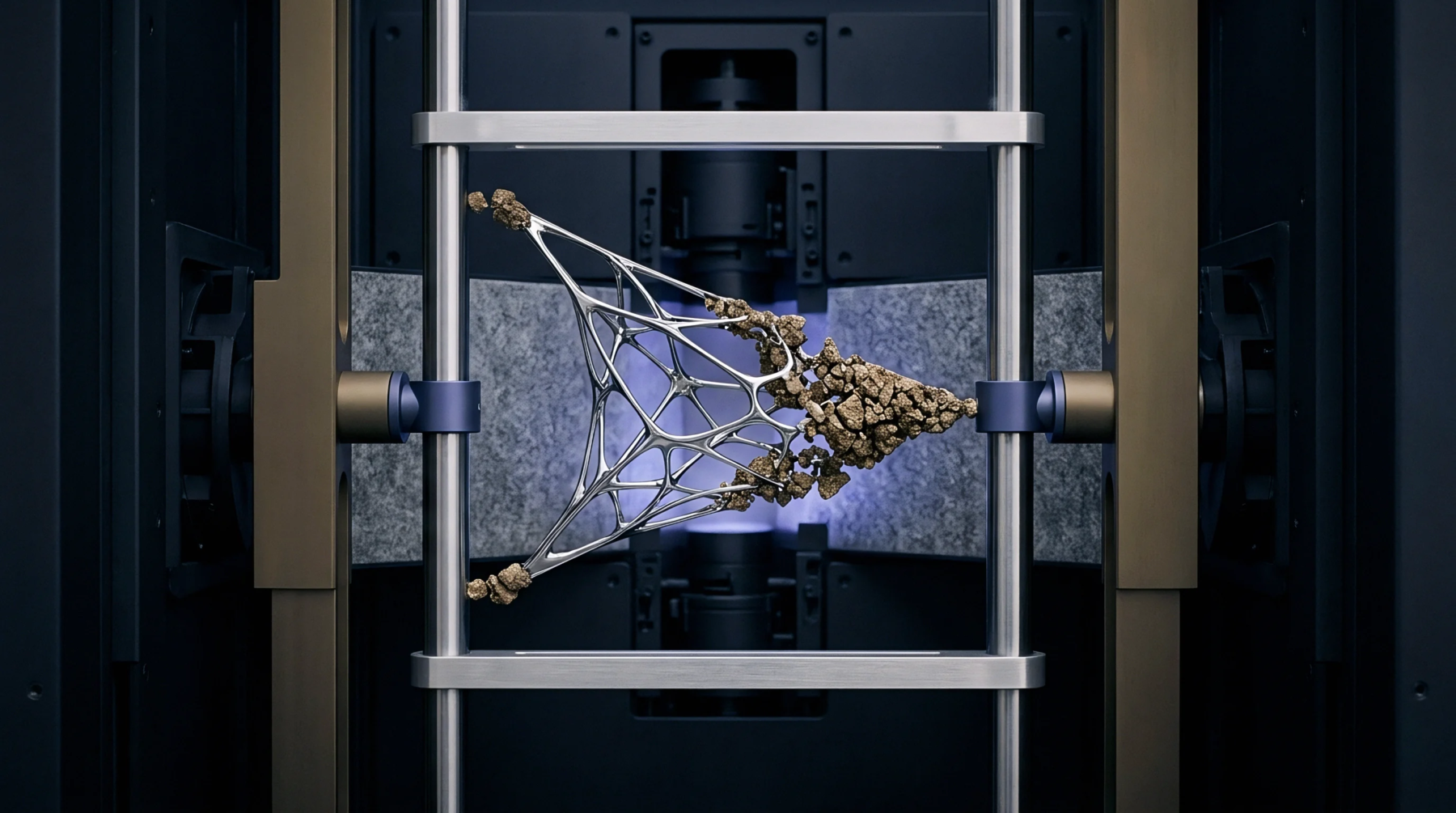
Differential capacity analysis quantifies lithium inventory loss and active material isolation in prismatic LFP cells through C/50 peak voltage shift tracking.

LFP phase transitions and voltage relaxation kinetics create severe OCV hysteresis and multi-hour voltage drift requiring dynamic BMS filtering to prevent SOC errors.

Verifying UN 38.3 test summaries requires matching physical cell markings, mass, and laboratory ISO 17025 scope against mandatory section 38.3.5 fields.

Voltage relaxation transients distort open circuit measurements causing state of charge errors exceeding twelve percent without persistent diffusion modeling.
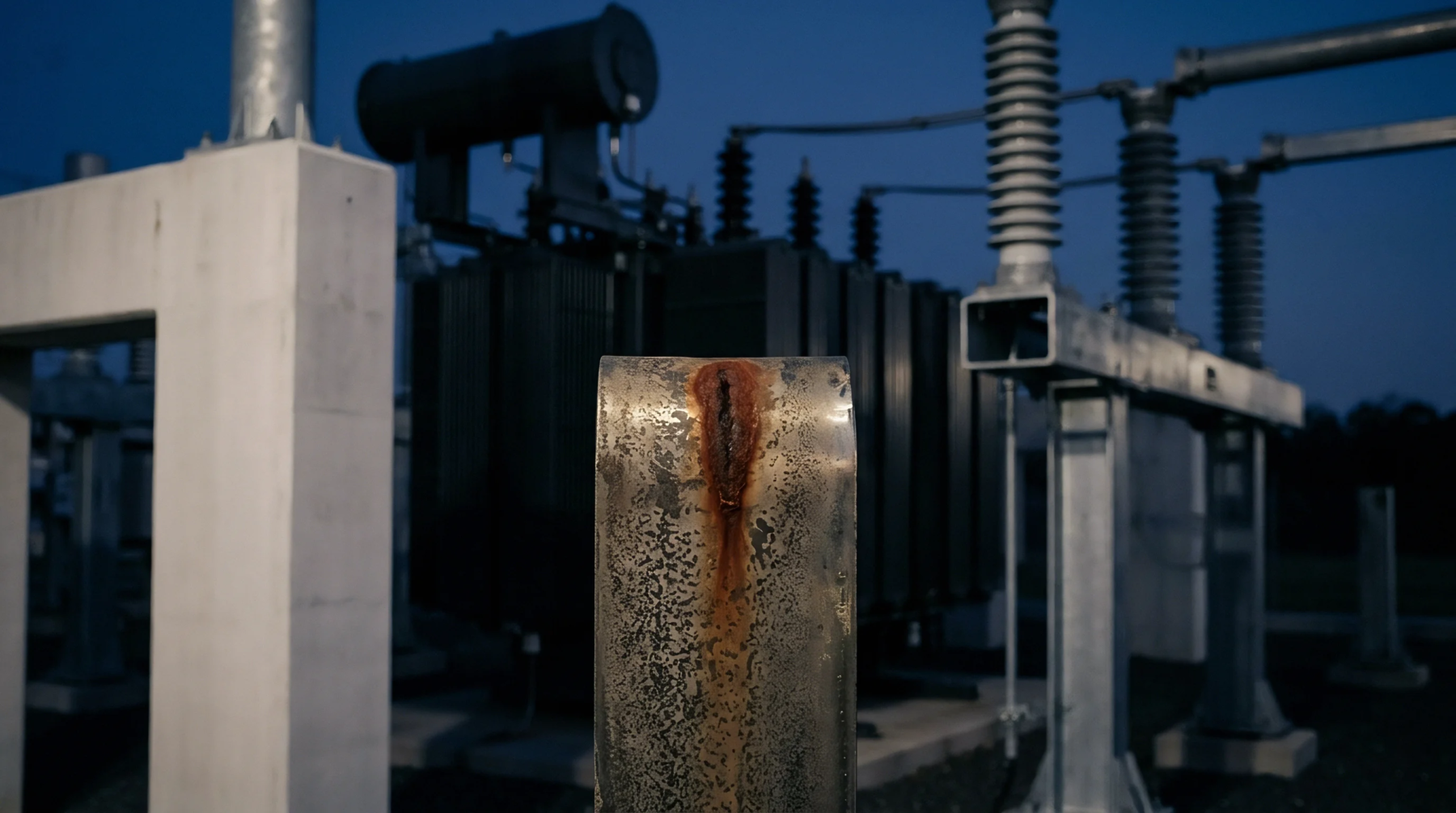
Low-rate galvanostatic testing isolates lithium loss from material degradation, providing true chemical health metrics that standard factory checks mask.

Verify UN 38.3.5 test summary lab accreditation, physical model metrics, and 30 percent SOC limits prior to air cargo tendering to avoid stranded shipments.

Verify UN 38.3 test summaries by matching technical report fields against accredited lab databases, factory trace codes, and physical SOC transport limits.
Hazardous goods audit frameworks require verified UN 38.3 test summaries, strict state of charge caps, and compliant packaging to ensure legal transport authorization.

LFP cell voltage relaxation spans milliseconds to weeks, requiring structured rest periods to separate kinetic polarization from factory K-value self-discharge.
Unrelaxed solid-phase lithium concentration gradients skew surface OCV lookups, introducing severe SOC errors that demand dynamic diffusion observers to prevent premature cutoff.

LFP OCV relaxation requires multi-hour decay modeling and hysteresis tracking to prevent large SOC estimation errors across the flat voltage plateau.

Low temperature battery testing requires rigorous cold soak protocols, four-wire Kelvin sensing, and impedance analysis to ground supplier performance claims.

Enforce zero-acceptance sampling plans and 48-hour thermal soak protocols on imported prismatic cell lots to prevent non-conforming units from entering pack production lines.

Resolving flat LFP voltage plateaus depends on temperature-corrected differential voltage curves to eliminate state-of-charge drift and warranty risk.
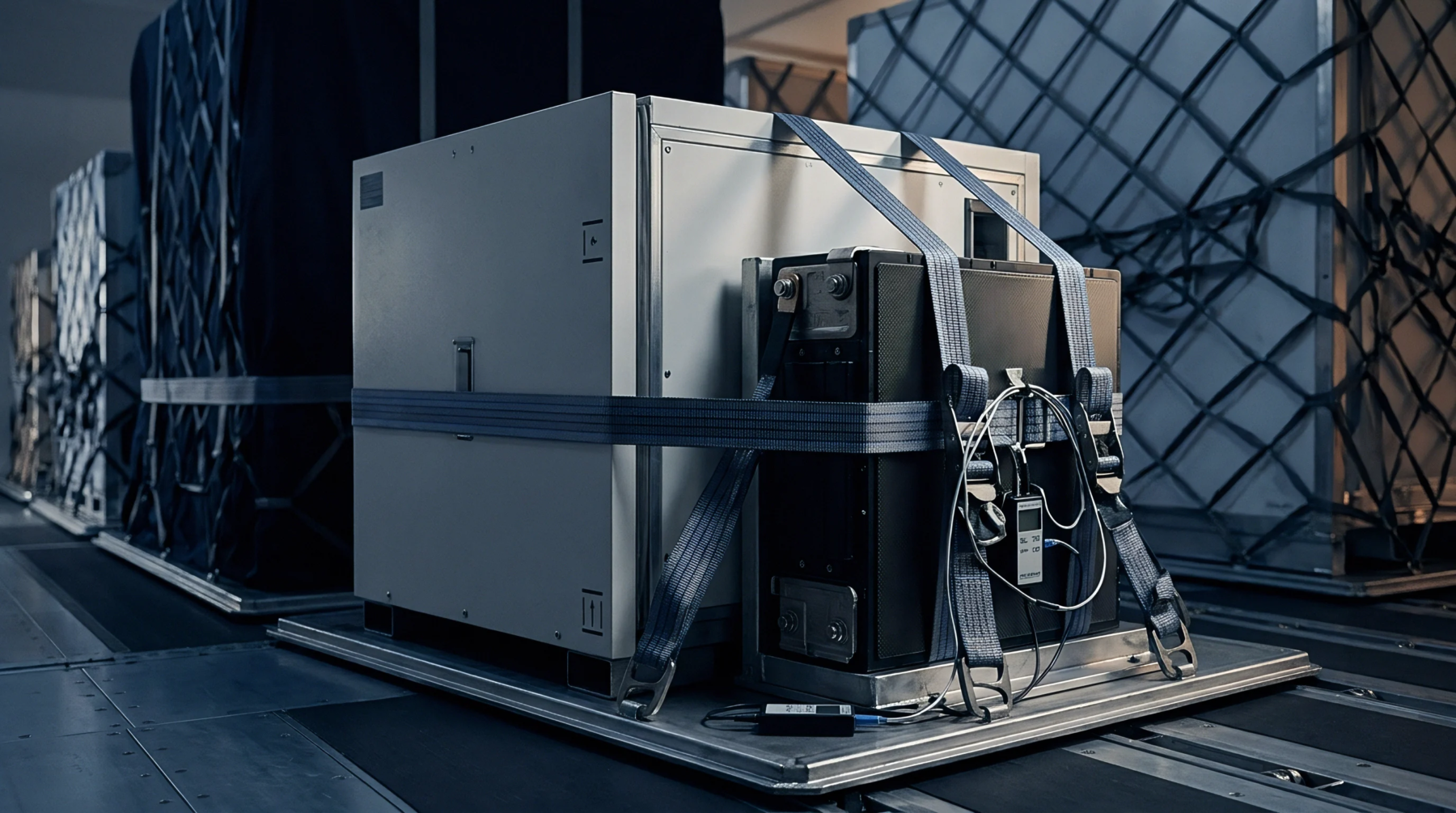
Cell screening protocols isolate thermodynamic voltage hysteresis from active capacity deficits to defend contract compliance and warranty reserve calculations.
Thermally corrected differential capacity spectra isolate lithium loss from active material decay by subtracting entropic and kinetic overpotential shifts.

Automotive incoming cell acceptance requires four-wire Kelvin 1 kHz AC impedance screening combined with statistical Cpk thresholding at strict thermal equilibrium.

Distinguishing high-temperature self-discharge from solid-state relaxation requires isolating irreversible lithium loss from reversible particle diffusion via microcalorimetry and extended rest protocols.

Implement C=0 incoming cell sampling with four-wire Kelvin metrology and temperature-corrected K-value SPC to reject defect lots before pack assembly.
Differential capacity analysis extracts thermodynamic phase boundaries to deconvolve lithium inventory loss from active material degradation non destructively.
Expertise is a utility, not a secret. sentiention™ publishes its working knowledge as open reference: intelligence layer covering the materials it sources, the markets it enters, and the reference that serves both.