
Bonded Cell Stacks against Serviceability Economics
Structurally bonding cell stacks eliminates module mass but transforms minor field defects into complete pack scrap liabilities.
Structurally bonding cell stacks eliminates module mass but transforms minor field defects into complete pack scrap liabilities.

Fix format, compression pads, NRE tooling costs, and BMS regulatory boundaries before signing supply contracts to avoid costly re-tooling and unhedged liability.
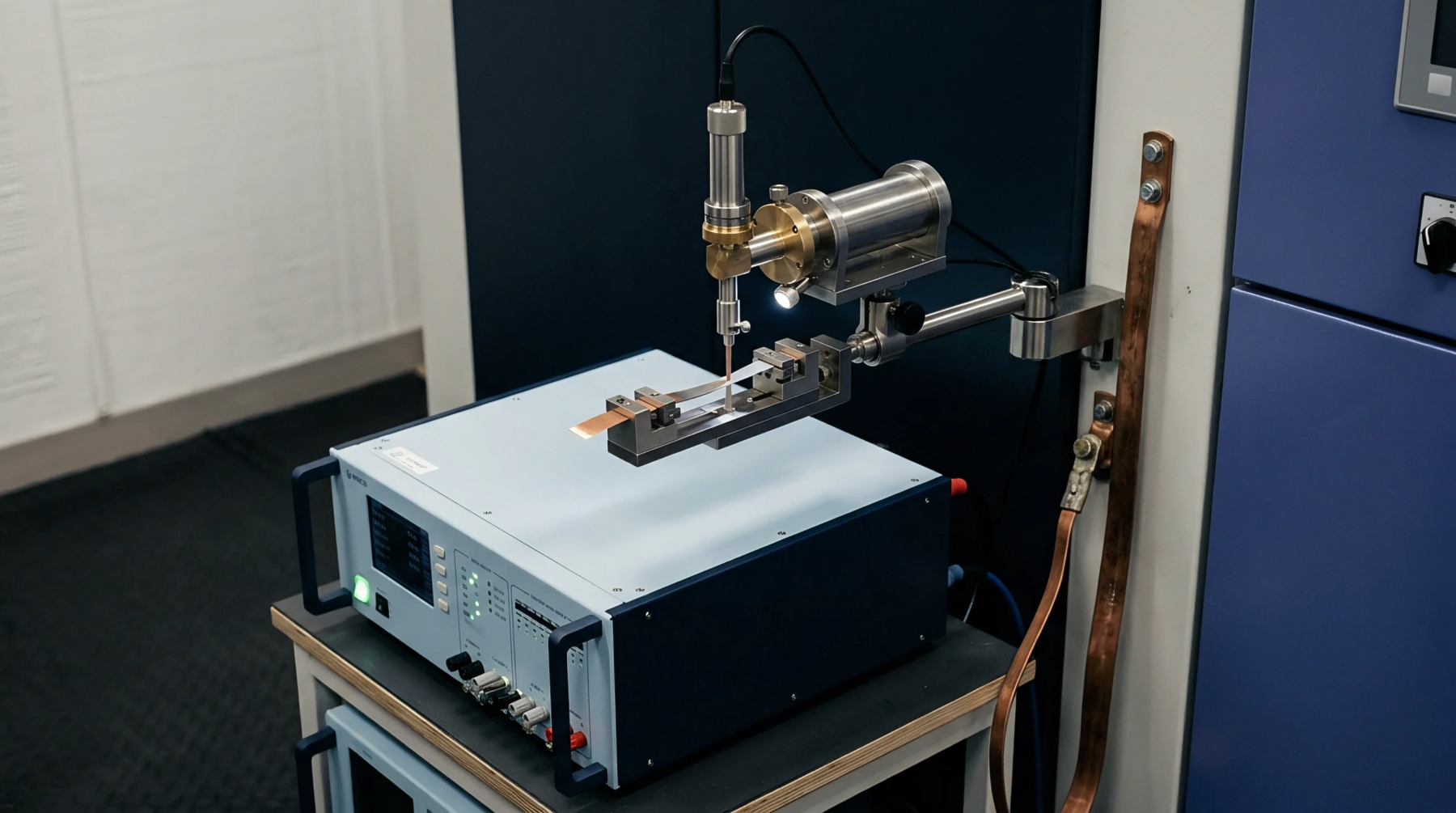
Optimal mechanical constraint extends lithium cell cycle life by suppressing electrode delamination while avoiding separator pore collapse and intergranular cathode fracture

Unverified third-party battery test scopes leave importers legally liable for transport fines, customs seizures, and uninsurable thermal failures.

Turnkey engineering secures enclosure tooling and BMS firmware control, while white label sourcing locks hardware design and shifts compliance risk.

Laboratory cycle life claims hold commercial value only when test cut-offs, clamping force, four-wire telemetry, and Weibull distributions are verified.

Verifying cycle life requires auditing raw time-series logs against physical test conditions rather than relying on datasheet retention curves.

Prismatic pack reliability hinges on balancing cell expansion pre-charge with non-linear pads to maintain thermal contact without exceeding end-plate yield limits.

Dynamic fast charging below zero degrees requires real-time overpotential feedback control to prevent lithium plating and maintain safety certification validity.

Subzero fast charging forces severe SEI fracture and lithium plating, creating internal short risks that invalidate standard UN 38.3 safety credentials.
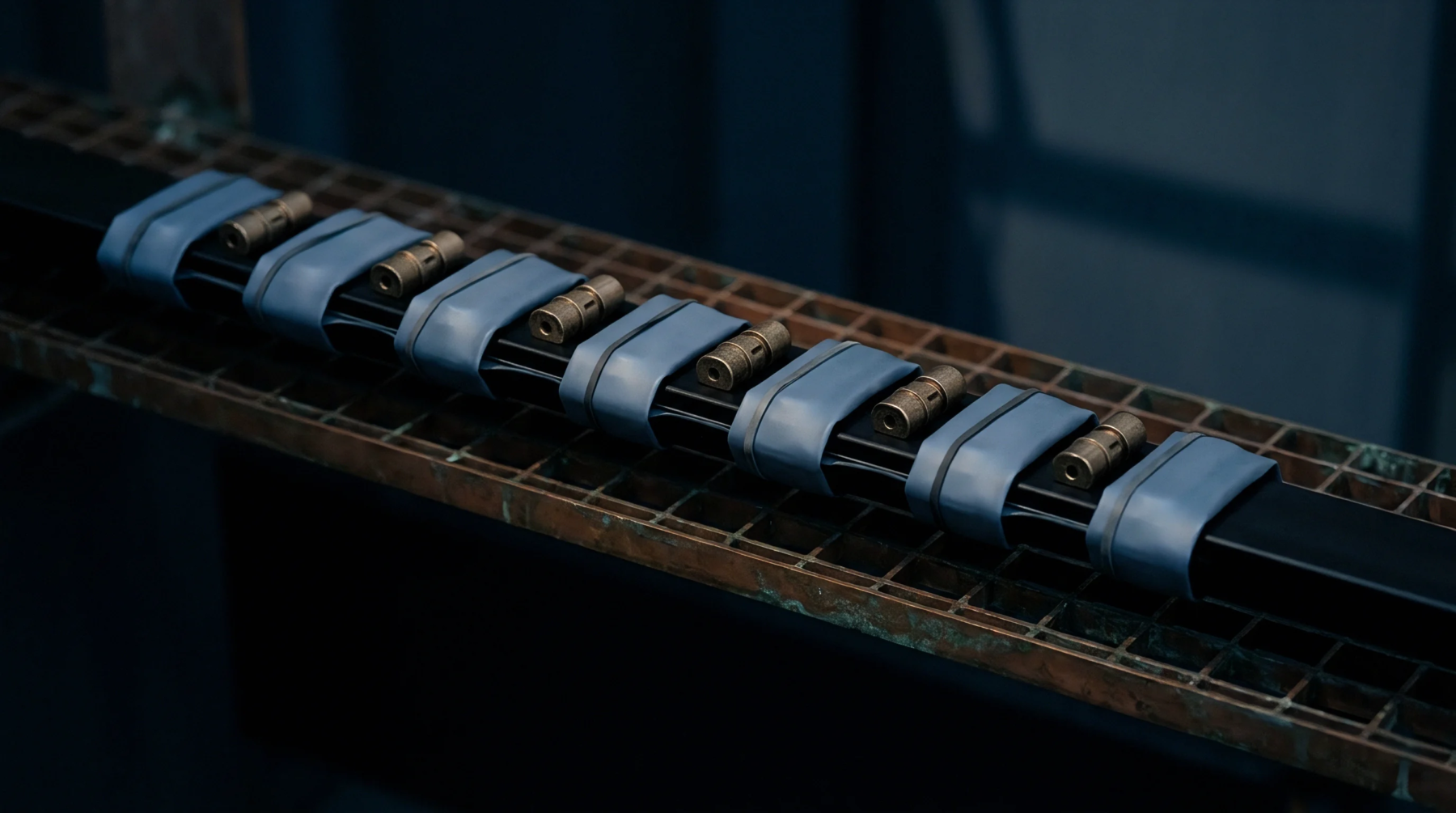
Sub-pack integrators absorb full unmitigated thermal runaway losses unless contracts define containment metrics and carve out propagative fire liabilities.

Dynamic module pressure retention requires continuous dynamic strain compensation to prevent lithium metal anode degradation and structural pack housing fatigue.

Evaluating subzero cell capacity requires measuring charge transfer resistance and verifying thermal equilibration before accepting supplier datasheet claims.

Ultrafine tungsten carbide slitting blade life depends on limiting cobalt binder pooling below two micrometers to prevent micro chipping and electrode burrs.
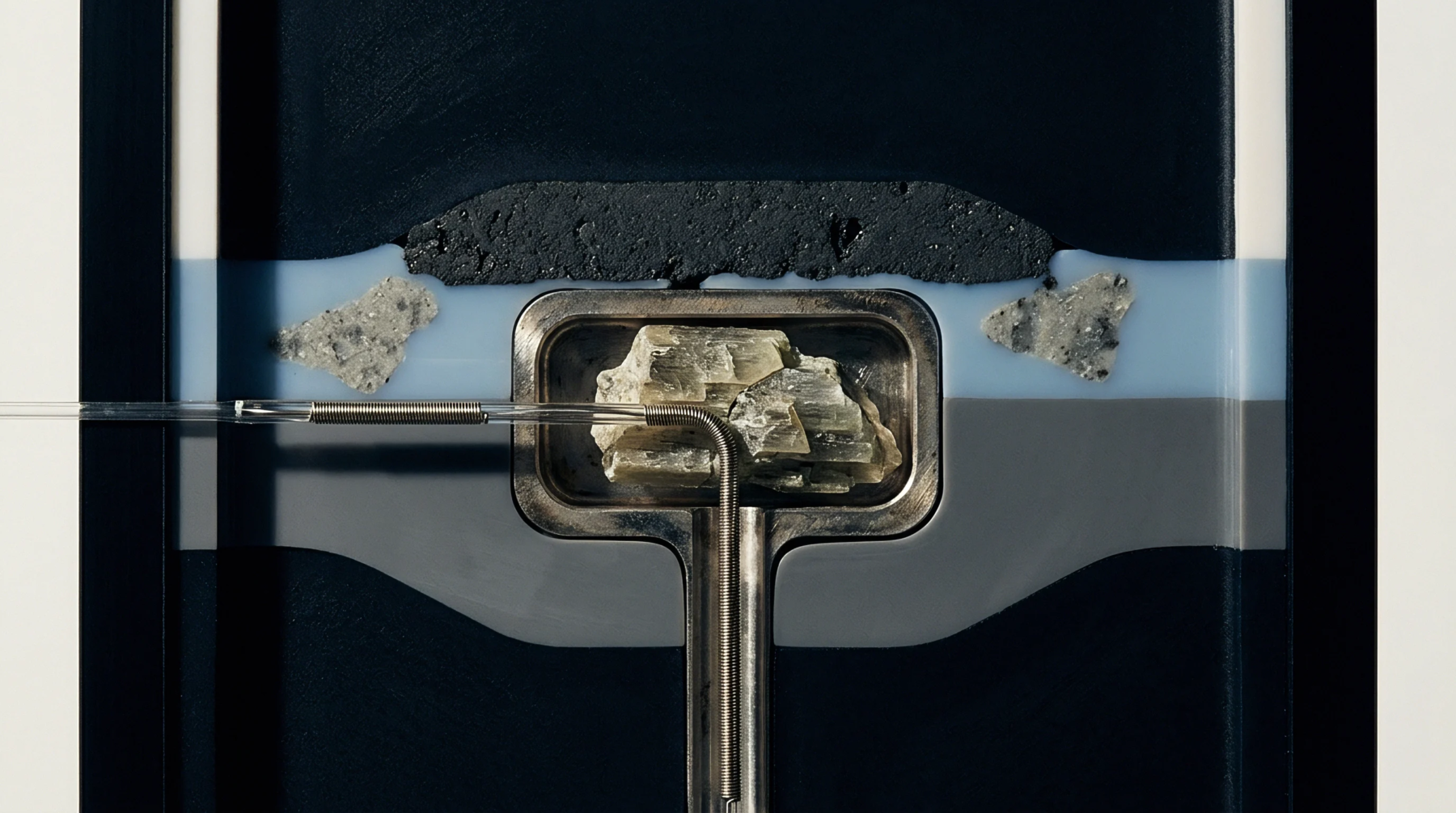
Cryogenic fast charging forces graphite anode overpotentials below zero volts, driving metallic lithium deposition that requires pre-heating or dynamic current scaling to prevent cell failure.

Select interfacial foams by balancing beginning-of-life preload against end-of-life swell deflection to keep module cell pressure between 0.05 and 0.80 MPa.

Dynamic fast charging induces non-linear spatial kernel divergence, driving localized lithium plating that requires reduced-order observer screening.
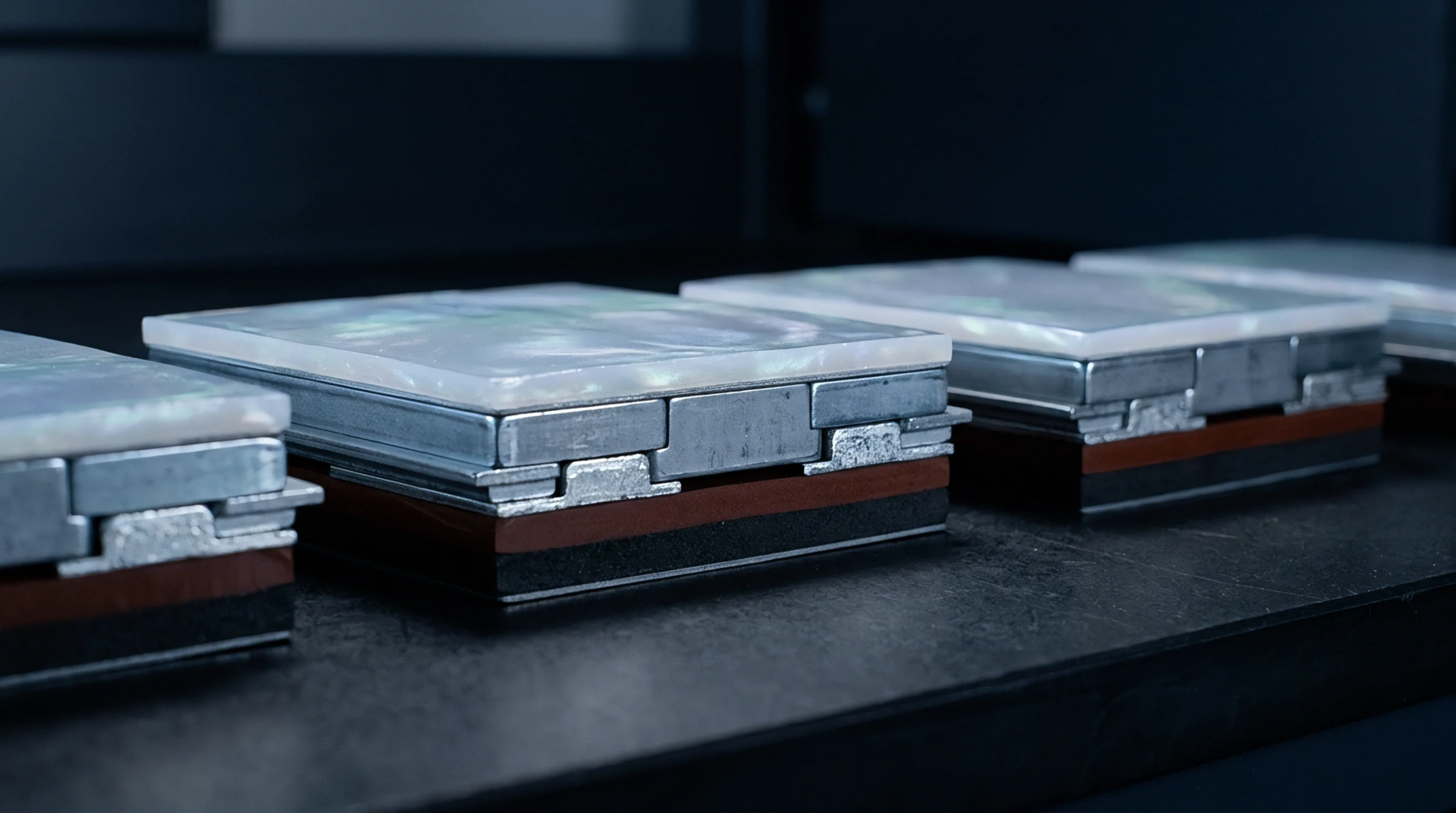
Thick silicon-graphite anodes charged below freezing suffer acute diffusion choke and lithium plating forcing current derating below zero point zero five C.

Solid-state cell import verification requires modified UN 38.3 testing under active stack pressure and UN 3090 dangerous goods compliance.

Validate testing laboratory ISO 17025 scope annexes to ensure equipment ranges, current shunts, and thermal chambers cover actual cell safety test parameters.

Optimizing battery preload requires balancing compliant cushions and chassis stiffness to hold cell pressure between 0.10 MPa and 1.0 MPa across full lifecycle.

Applied stack pressure of 0.5 to 1.2 MPa suppresses anode overpotential loss, raising fast-charge lithium plating thresholds without crushing separator pores.

Qualification requires holding barrier unexposed faces below adjacent cell ignition thresholds while maintaining 1000V dielectric integrity under compression.

Unmitigated thermal propagation risk shifts financial liability to pack integrators unless contracts explicitly mandate cell-level non-propagation proof.
Charging cold graphite cells below zero volts versus lithium drives metallic dendrite plating that permanently degrades capacity and raises runaway hazards.
Ceramic coated separators resist pin-prick thermal runaway when the inorganic particle network prevents viscoelastic creep void expansion during the initial current spike.

Incoming battery pack inspection enforces ISO 2859-1 sampling using open-circuit voltage, 1500 VDC isolation, CAN telemetry, and pressure decay sealing tests.

Manganese crossover accelerates anode impedance growth by catalytic SEI breakdown, demanding elevated temperature diagnostic screening and strict contract terms.

Uncalibrated cell tab thermal gradients distort qualification cycle-life data, exposing battery buyers to massive unhedged field warranty liabilities.
Accurate solid electrolyte interphase diagnostics under fast charging rely on temperature-decoupled impedance metrics to avoid false plating rejections.
Expertise is a utility, not a secret. sentiention™ publishes its working knowledge as open reference: intelligence layer covering the materials it sources, the markets it enters, and the reference that serves both.