
Buying Cells against Buying Packs and Where Responsibility Sits
Buying cells requires owning BMS development, weld quality, thermal isolation, and pack safety files; buying packs trades unit margin for transferred liability.
Buying cells requires owning BMS development, weld quality, thermal isolation, and pack safety files; buying packs trades unit margin for transferred liability.

Surviving a customs safety inspection requires exact alignment between Section 3 composition, Section 9 physical properties, and Section 14 transport codes.

Rigorous dangerous goods document audits verify UN 38.3 test summaries, safety data sheets, and shipper declarations to prevent costly port delays and cargo holds.

Verify UN 38.3 test summaries and state-of-charge limits before signing dangerous goods manifest declarations to prevent port seizures and cargo holds.

Inbound hazardous goods certificate validation requires cross-checking UN 38.3 test summaries, SDS Section 14, and dock voltage readings against shipper declarations.

LFP cells resist thermal runaway during transport due to stable olivine crystal structures, whereas NMC chemistries require strict 30 percent state of charge caps to prevent catastrophic thermal breakdown under logistics stress.

Fix format, compression pads, NRE tooling costs, and BMS regulatory boundaries before signing supply contracts to avoid costly re-tooling and unhedged liability.
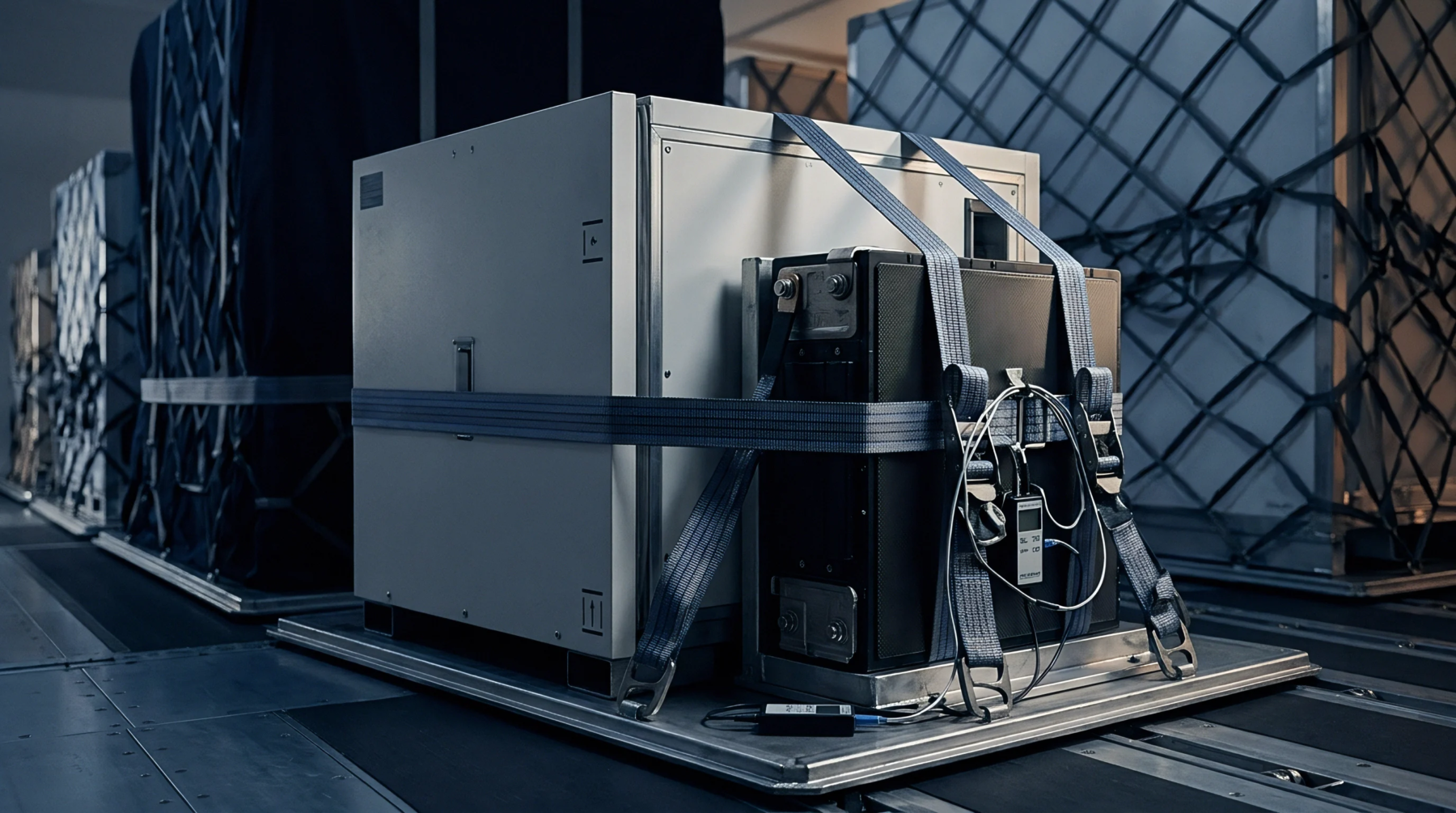
Lithium cell shipments require UN 38.3 bench qualification, 30 percent state-of-charge air caps, Class 9 packaging, and verified 10-field test summaries.

Cross-border cell movement requires an unbroken paper trail linking UN 38.3 lab tests, 30% SOC limits, GHS safety data sheets, and local customs filings.

Auditing UN 38.3 summary files against lab accreditations and physical cell parameters before export prevents dock holds, demurrage charges, and carrier rejections.

UN 38.3 mandates eight environmental and electrical safety tests for lithium batteries, requiring verified test summaries for legal commercial transport.

Hazardous goods audit frameworks require verified UN 38.3 test summaries, strict state of charge caps, and compliant packaging to ensure legal transport authorization.
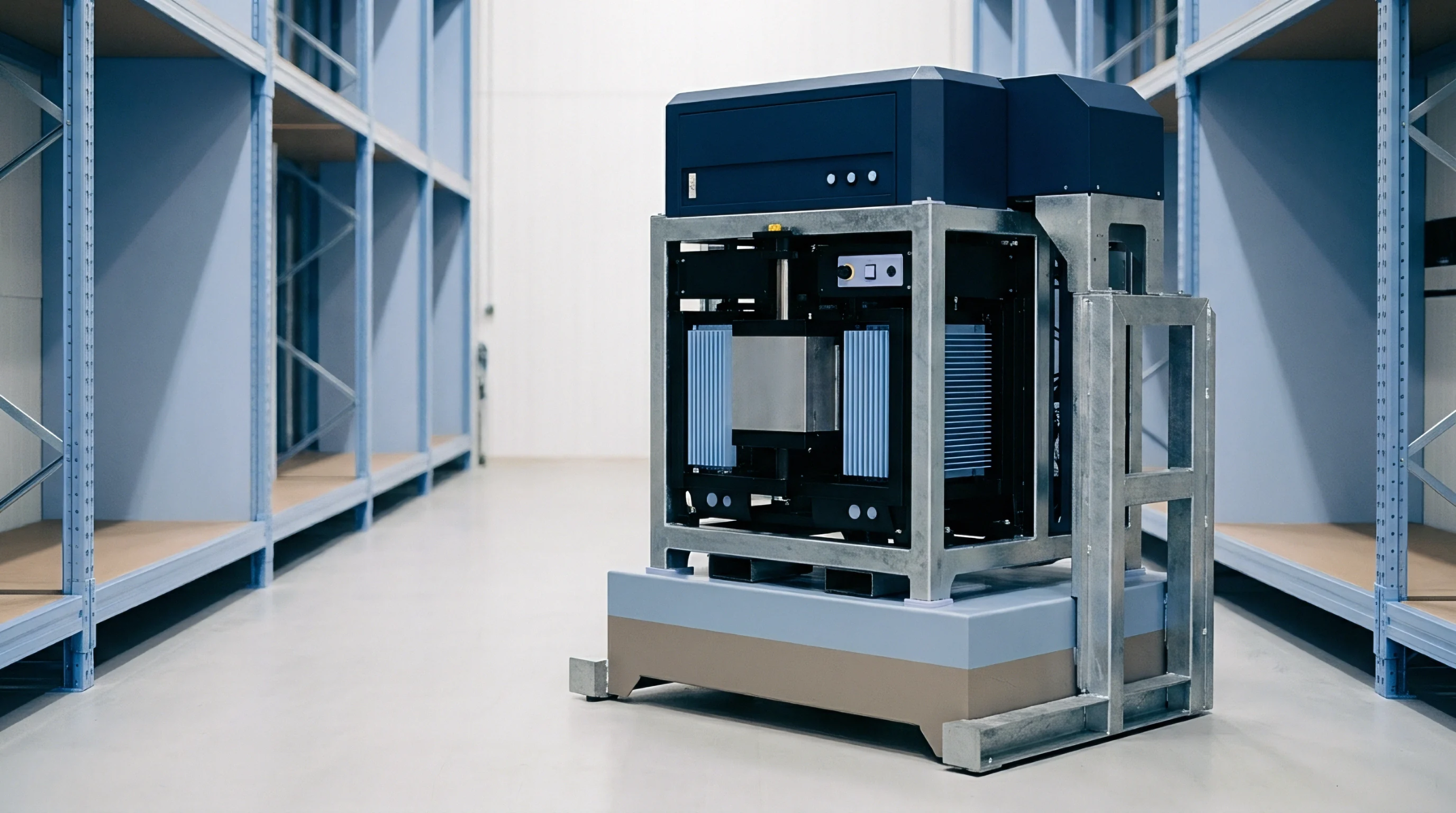
Customs holds on non-compliant cell shipments generate compounding dangerous goods demurrage fees that require enforceable supplier indemnities and payment holdbacks.

Verify inbound cell compliance using ISO 2859-1 sampling, microvolt OCV screening, K-value decay tracking, and UN 38.3 audit chains before pack assembly.

Cross-border market surveillance enforcement targets domestic importers directly, requiring pre-funded bank guarantees and authenticated safety dossiers for recourse.

Cross referencing battery test summaries with freight manifests verifies watt-hour limits, state of charge compliance, and lot trace numbers before cargo tender.

Standard operating procedures for dangerous goods document audits require rigorous verification of UN 38.3 parameters, SDS details, and modal rules to ensure cargo compliance.

Lithium cell importation demands strict UN number classification, verified UN 38.3 test summaries, thirty percent state of charge, and compliant packaging.
Customs transit suspends EU carbon passport requirements until economic release, requiring bonded warehouse verification of primary freight carbon data.
Validating ISO 17025 lab schedules and continuous cell batch traceability prevents air transport cargo rejection and shifts regulatory liability to suppliers.
Uncertified cell freight moves legally under Special Provision exemptions; contract terms must shift dangerous goods declaration liabilities to origin shippers.

Mandatory UN 38.3 test summaries must link cell serial numbers to verified lab results across ten required data fields before cargo enters transport networks.

Verify air cargo cell charge limits below 30 percent using rested open-circuit voltage lookups or bench discharges backed by signed UN 38.3 test records.

Containerized battery shipments require strict IMDG segregation, state of charge caps under thirty percent, and passive thermal isolation on deck.
Dangerous goods demurrage escalates exponentially; transferring holds to off-dock bonded hazmat yards stops terminal fees and protects landed margins.

Auditing UN 38.3 dossiers requires verifying full lab reports against 38.3.5 summaries, checking ILAC accreditation, and confirming physical cell mass tolerances.
Verify UN 38.3 test summaries, enforce the 30% state of charge ceiling, and audit packaging specs to ensure compliant battery air freight.

Reconciling module test reports with final pack enclosure safety documentation requires mapping insulation resistance, UN 38.3 metrics, and transport state-of-charge data.
Aligning HS classification codes with UN dangerous goods labeling prevents customs holds, duty penalties, and carrier rejections for battery imports.

Automated VOC detection limits for lithium battery cargo require setting DMC thresholds below 1 ppm while filtering ambient timber and adhesive backgrounds.
Expertise is a utility, not a secret. sentiention™ publishes its working knowledge as open reference: intelligence layer covering the materials it sources, the markets it enters, and the reference that serves both.