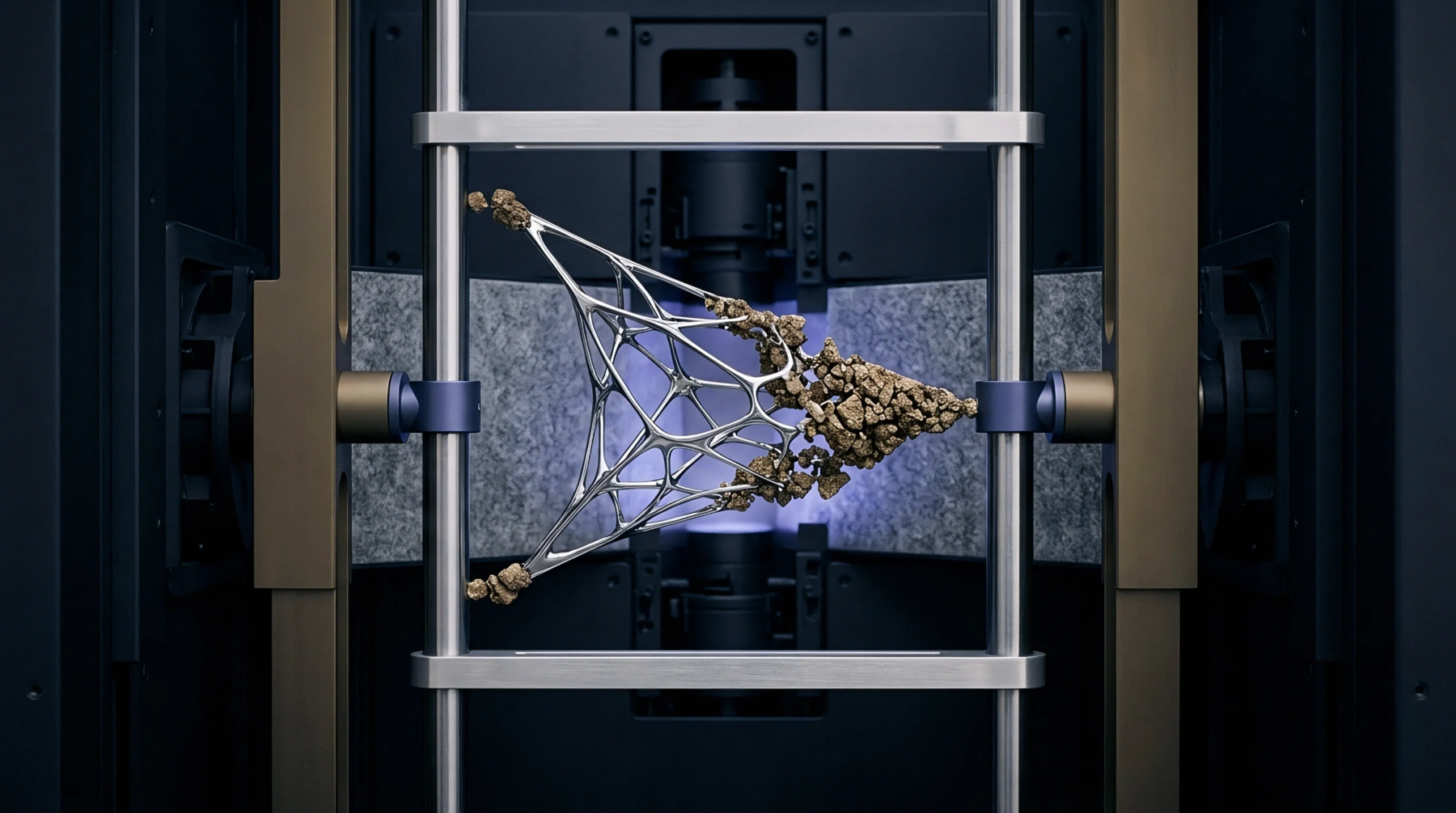
Gas Shear Breakup Kinematics and Particle Size Control for Battery Metal Powders
Gas shear breakup kinematics govern battery powder size distributions through aerodynamic Weber thresholds, directly fixing slurry rheology and pack density.

Gas shear breakup kinematics govern battery powder size distributions through aerodynamic Weber thresholds, directly fixing slurry rheology and pack density.
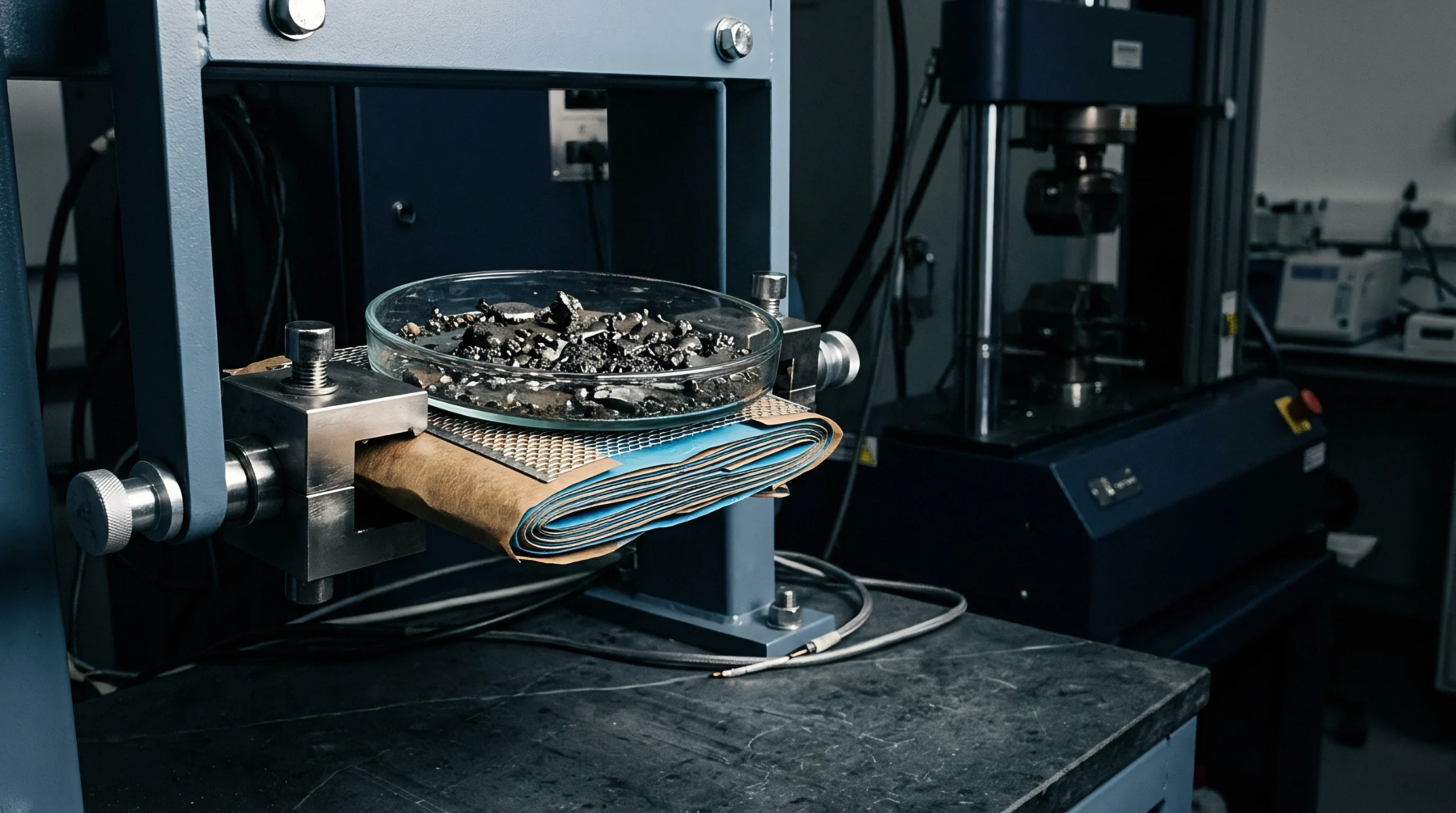
Acceptable precursor impurity ceilings require copper under 20 ppm and iron under 50 ppm to avoid separator puncture, cell shorts, and severe scrap fallout.

Laser weld micro-defects drive preferential linear carbonate vapor loss under storage and transport pressure deltas, degrading cell life and voiding transit safety files.

Air cargo intake verification requires cross-checking the ten mandatory UN 38.3.5 data parameters directly against physical cell labels and manifest records.

Eliminate foil slitter micro-chipping by specifying gas-atomized PM tool steels with sub-2-micron carbides, cryogenic stabilizing, and a 2-micron edge hone.

Solvent diffusion through polymer seals depletes linear carbonates, raising pack resistance and creating flammable headspace vapors that breach UN 38.3 limits.

Phase transformation velocity limits in silicon anodes cause severe surface overpotentials and lithium plating whenever charging rates outpace two-phase boundary motion.

Electrochemical cycling drives anisotropic particle volume shifts, fracturing grains and tearing binder networks to accelerate capacity fade under poor clamping.

Phase boundary mechanics dictate battery degradation: lattice mismatch stresses drive microcracking, surface expansion, and accelerated lithium loss.

Electrolyte volatility drives latent cell mass loss, requiring buoyancy-corrected analytical balances to verify hermetic integrity before transit acceptance.

Carbide banding in conventional tool steels accelerates punch edge fatigue cracking by two orders of magnitude, causing burrs that pierce battery separators.

Pyrolysis above 1300°C closes hard carbon micropores below 5 m²/g, halting parasitic electrolyte decay and securing cycling life.
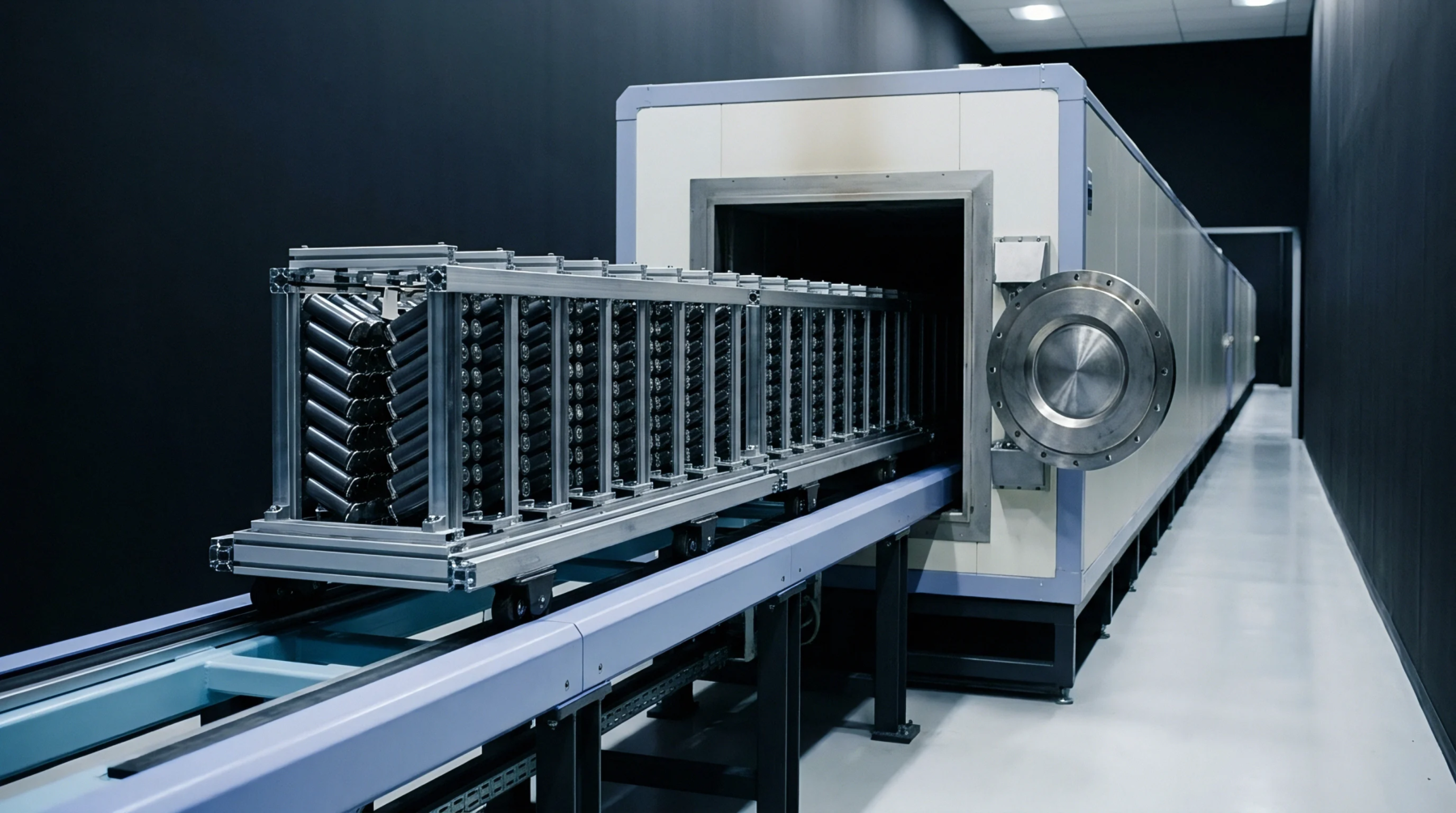
Vapor capping with sub-five-nanometer ceramic films stabilizes sodium cell interphases, stopping SEI dissolution and extending cycle life at modest cost.

Primary carbide microstructure dictates stamping tool failure modes: powder metallurgy MC carbides eliminate brittle network chipping common in ledeburitic steels.

Foreign arbitral awards for battery test summary fraud enforce successfully by joining subcontractors via agency doctrines and garnishing global OEM receivables.

Compensate high nickel voltage hysteresis using particle diffusion observers to prevent 8% state of charge drift and recover stranded pack energy.

Eliminate slitter thermal runout by cryogenic austenite transformation and sub-micron grinding to keep electrode burrs below three micrometers.

Structure cell purchase agreements with retroactive title reversion, immediate invoice setoff rights, and uncapped indemnities for customs seizures.

Sub-micron carbide grain sizing below 0.8 micrometers with mean free path under 0.4 micrometers eliminates slitter edge chipping during precision electrode web cuts.

Optimize hard carbon for sodium anodes by expanding d002 spacing above 0.37 nm and CVD-sealing open surface pores to keep BET area under 5 m2/g and ICE over 87%.

Validate UN 38.3 test summaries by matching all ten required section 38.3.5 fields against physical cell metrics before filing import declarations.

Select high-vanadium powder metallurgy tool steels ground to Ra 0.05 um to keep electrode slitting burrs below 7 um and stop separator puncture.

Unrelaxed concentration overpotentials across the flat lithium iron phosphate voltage plateau corrupt BMS state-of-charge tables unless multi-hour rest holds are enforced.

Solute trapping boundaries in atomized silicon powders fix second-phase spacing, dictating cell swelling limits and contract format liability.
Dynamic sub-zero charging firmware shifts strict product liability to integrators when overpotential margins breach cell manufacturer limits.
Solute trapping via Aziz kinetics requires atomization interface velocities above diffusive speed to suppress brittle intermetallics in alloy anode powders.

Cell relaxation transforms incomplete rest periods into large state-of-charge errors, demanding calibrated rest windows or dynamic overpotential compensation.

High interface velocity during silicon alloy atomization suppresses coarse dendrites, yielding nanoscale silicide networks that prevent anode pulverization.

Closed-loop impedance feedback tracks subzero charge-transfer resistance to throttle charging current, preventing anode overpotential from inducing lithium plating.

Operando voltage relaxation spectrum analysis deconvolves rest transients into discrete time constants, isolating kinetic, diffusion, and plating degradation.
Expertise is a utility, not a secret. sentiention™ publishes its working knowledge as open reference: intelligence layer covering the materials it sources, the markets it enters, and the reference that serves both.