
Actuarial Evaluation of Lithium Battery Manufacturing Defect Probability Models
Actuarial defect models price tail-risk exposures by replacing zero-defect assumptions with compound Poisson-Weibull distributions and contractual escrow sizing.

Actuarial defect models price tail-risk exposures by replacing zero-defect assumptions with compound Poisson-Weibull distributions and contractual escrow sizing.

Prismatic cell acceptance hinges on dockside AQL sampling that isolates electrochemical variance and mechanical header tolerances before pack welding commits cost.

Entrained organosodium ethers decompose inside hard carbon closed nanopores below 0.1V, consuming active sodium and accelerating long term capacity fade.

Continuous rotary kiln yield optimization requires tight residence profiles and sealed inert draft to preserve closed nanovoids and maximize initial efficiency.

Underwriters price battery storage risk by converting cell lot formation logs, K-value decay rates, and UL 9540A test dossiers directly into asset premium basis points.

Hard carbon pyrolysis between 1200 and 1400 °C seals open pores, driving initial coulombic efficiency past 88 percent to minimize cathode oversizing costs.

Subsurface shear peaks beneath carbide slitter edges drive boundary fatigue, requiring microstructural threshold modeling to prevent edge chipping and scrap.

Carbide clustering in vanadium tool steels accelerates cyclic shear spalling, dictating blade replacement intervals to prevent electrode edge burr shorts.

Quantify tool steel carbide dispersion via ASTM E1245 automated image analysis to enforce particle size and nearest-neighbor limits in purchase agreements.

Operando analytical methods quantify high-voltage transition metal dissolution, preventing unmitigated anode interphase failure and regulatory shipment rejection.

Manganese deposition on graphite anodes catalytically breaks down the SEI, causing continuous lithium consumption and rapid cell capacity loss.
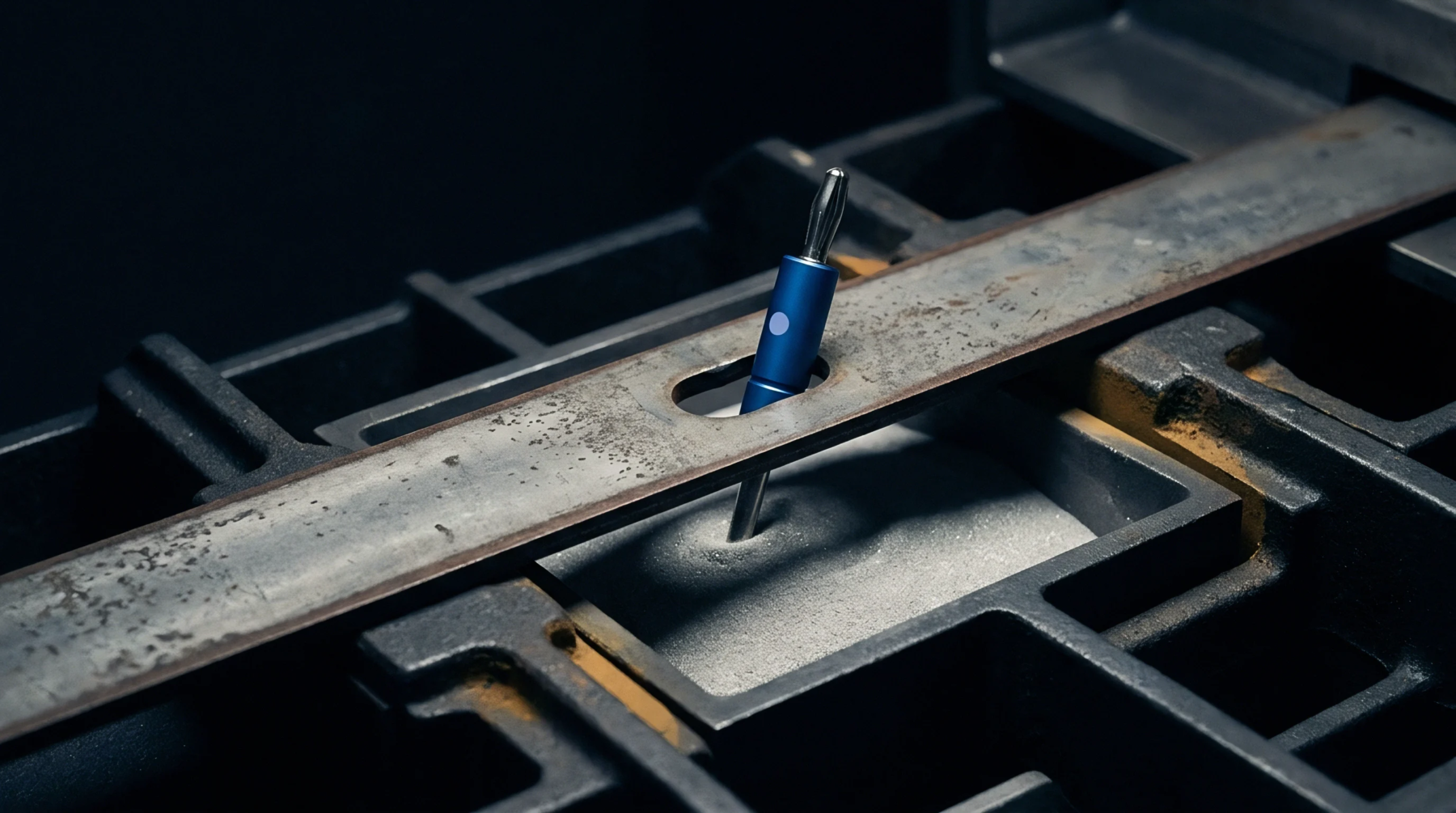
Dynamic temperature compensation and probe wear modeling prevent contact impedance drift from corrupting high-throughput production cell classification.
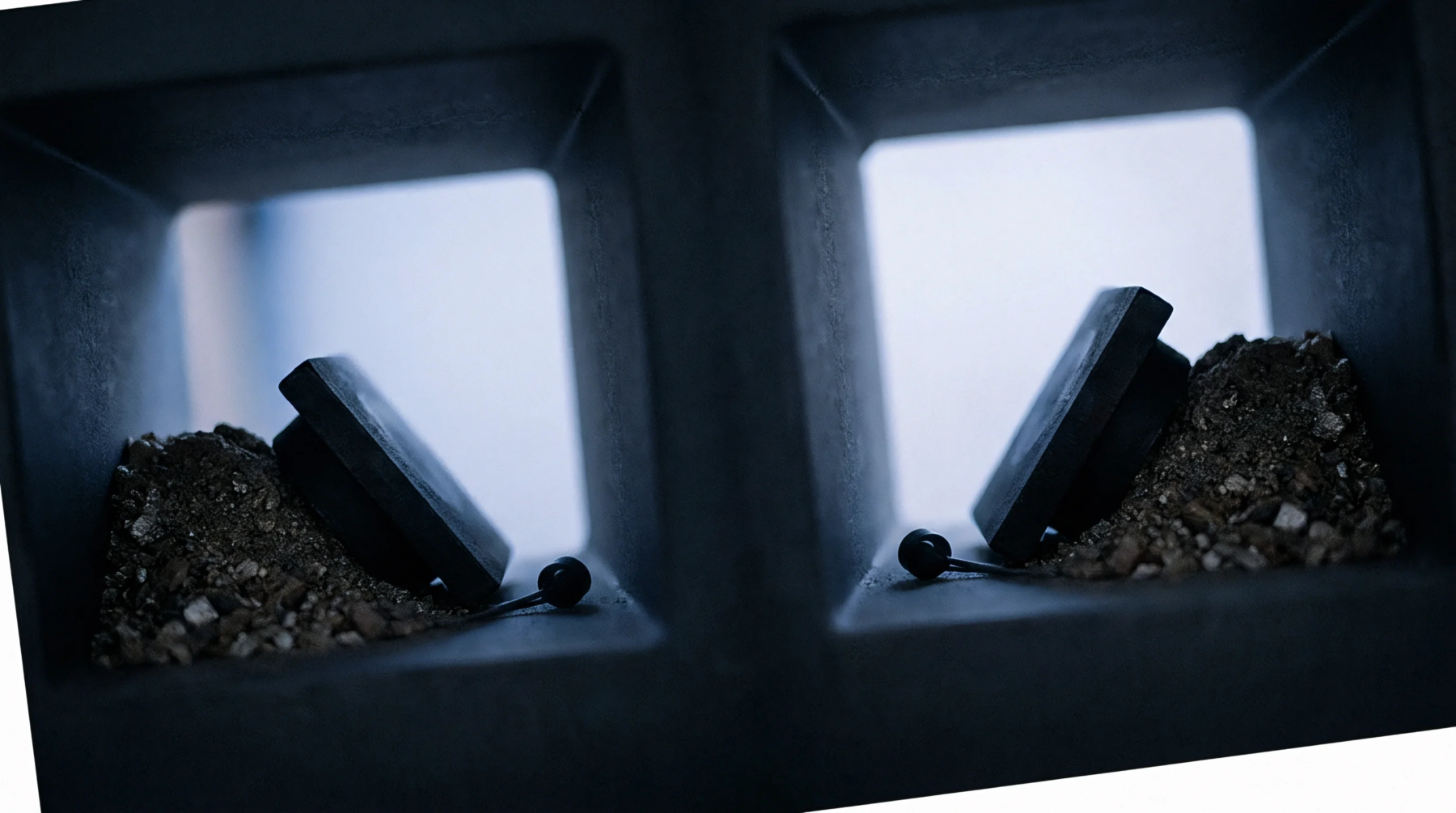
Transition metal transport across separators causes rapid anode SEI decay; quantify crossover via ICP-MS to enforce supplier coating and cycle-life contracts.

Unapproved BESS firmware changes void OEM cell warranties, shifting full indemnity liability for capacity degradation, fines, and recertification to the modifier.

Lock the cell bill of materials into frozen and controlled tiers, tying unnotified component swaps directly to lot rejection, duty chargebacks, and warranty liability.
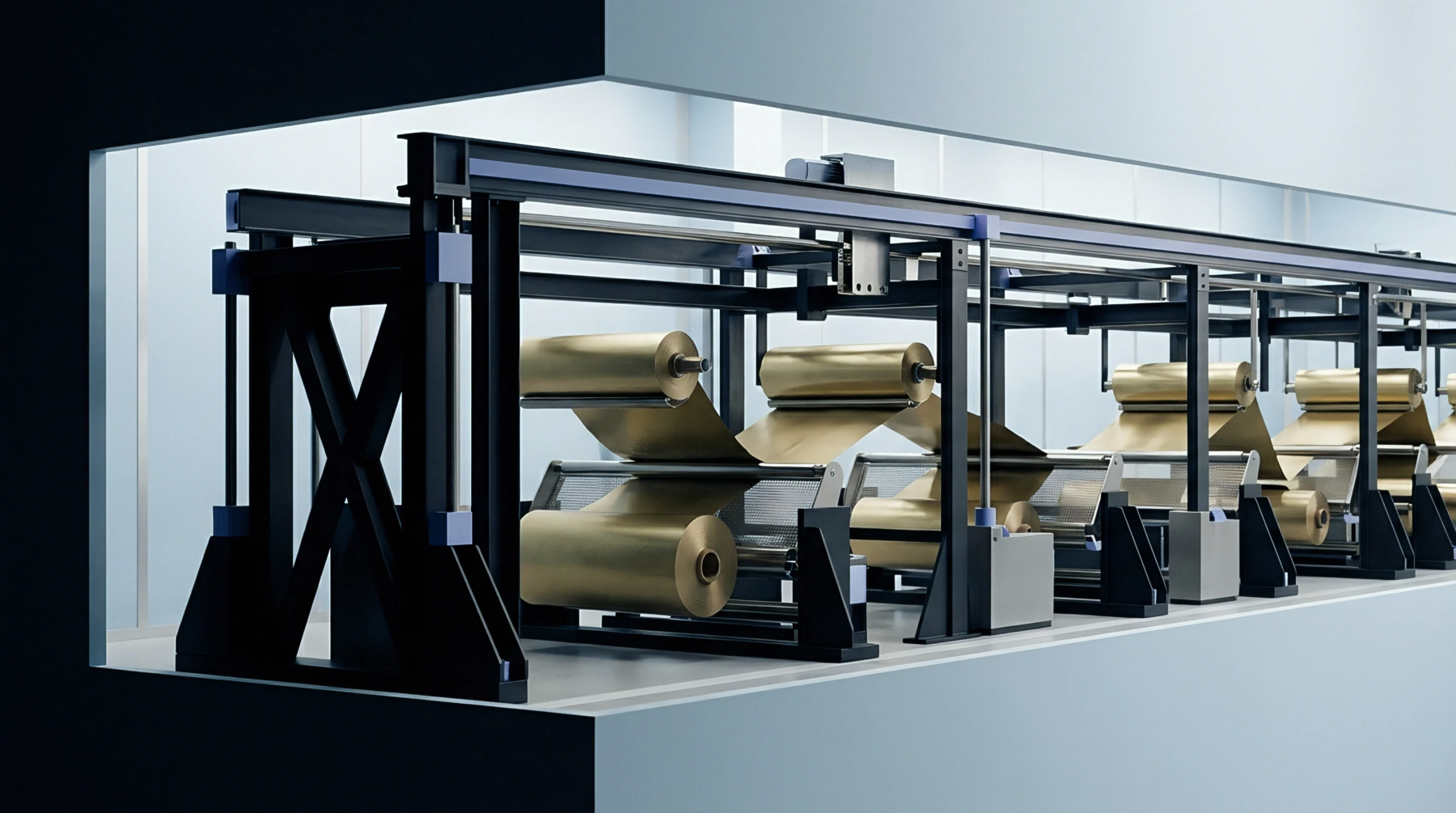
Physical tool registration, firmware source code escrow, and regulatory applicant control establish the only legally enforceable pack manufacturing IP boundaries.
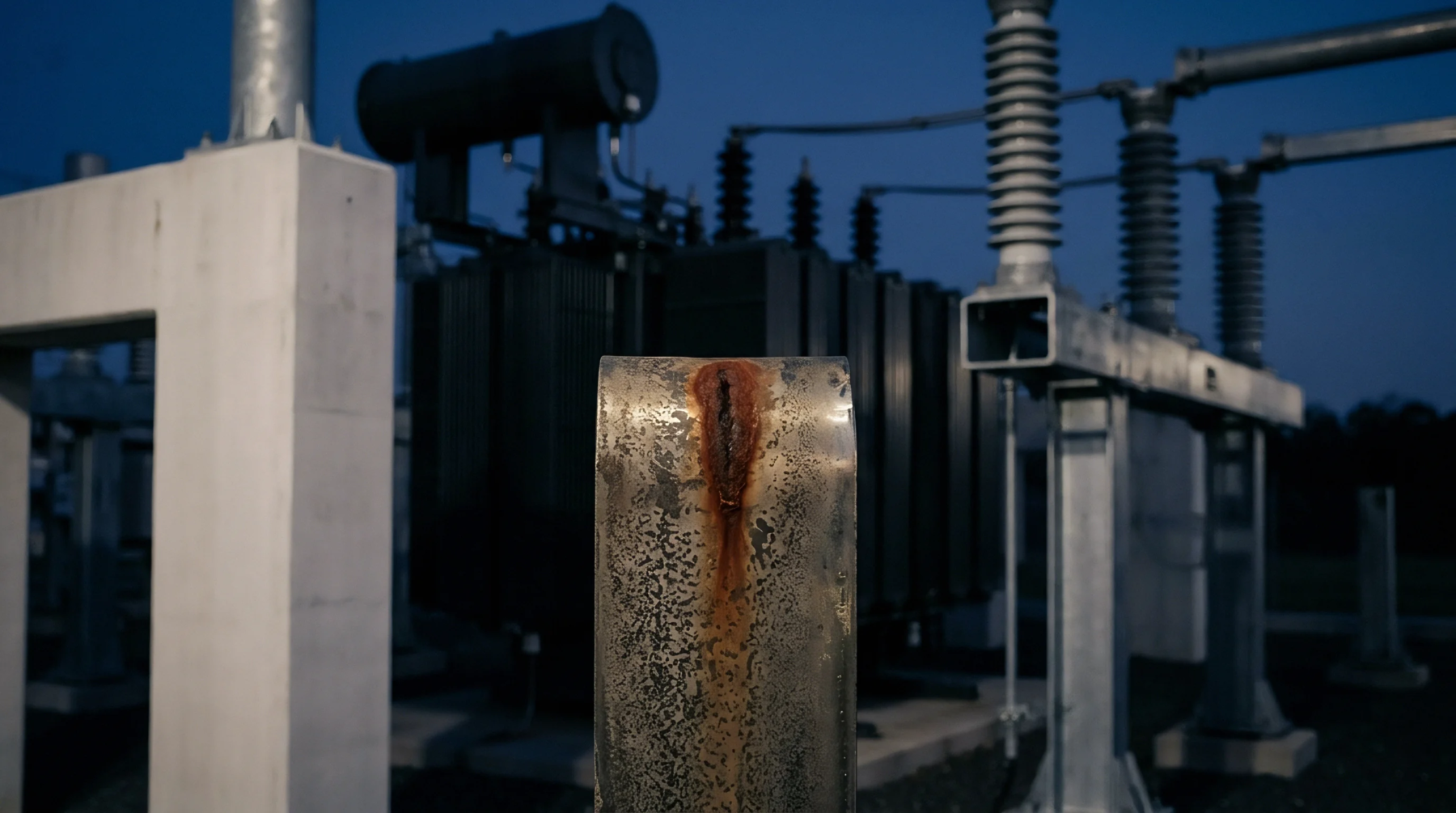
Shock wave breakup shatters nascent oxide skins during reactive alloy atomization, driving rapid oxygen uptake that degrades battery slurry and cell capacity.

Destructive teardown inspection quantifies internal dimensional variances in mass-produced cells, protecting buyers against transport liability and safety defects.

Compressible multiphase modeling resolves shock-boundary interactions that destabilize nozzle aspiration and degrade powder yield.

Automated shunt selection requires low-Seebeck alloys and isolated potential taps to prevent thermal and contact errors from corrupting cell capacity grading.

Supersonic gas atomization nozzle performance relies on precise de Laval expansion and tip recession to sustain negative aspiration and high shear breakup.

Lock bills of materials and enforce incoming statistical Cpk gates on cell mass, ACIR, and anode overhang to halt manufacturing drift before pack assembly.

True cell impedance testing requires dedicated four-point Kelvin paths, inductive loop cancellation, and mechanical scrub to bypass contact resistance.

Verify lithium ion cell type approval by matching laboratory ISO 17025 accreditation, raw thermocouple abuse logs, and physical cell mass to shipping manifests.

High background nickel activity limits solvent extraction selectivity, demanding precise temperature control and aggressive scrubbing to stop impurity carryover.

Statutory IMDG compliance permits maritime transport, but carrier-specific safety rules dictate vessel loading, requiring matched dossiers before gate-in.

Closed-loop gas purity control and high convective quench rates suppress intermetallics and minimize interstitial oxygen in battery-grade alloy powders.

Maintain melt superheat above 150 K and tip protrusion within 2.5 mm to secure stable aspiration suction and prevent supersonic freeze-up during pour runs.

Sodium accelerates liquid phase sintering causing grain coarsening, while calcium segregates to grain boundaries, retarding densification and increasing cell impedance.

Air transit compliance demands cell state of charge verification below thirty percent using calibrated current integration and relaxation-corrected voltage lookups.
Expertise is a utility, not a secret. sentiention™ publishes its working knowledge as open reference: intelligence layer covering the materials it sources, the markets it enters, and the reference that serves both.