
Quantifying Transient Resistance Measurement Errors Driven by Data Acquisition Delay
Data acquisition delay inflates cell transient resistance measurements by capturing double-layer charging decay rather than pure ohmic voltage drops.

Data acquisition delay inflates cell transient resistance measurements by capturing double-layer charging decay rather than pure ohmic voltage drops.

Cell level UN 38.3 certification does not cover assembled packs; modified multi-cell batteries require independent pack level retesting before transport.

Calibrating reduced order particle observers optimizes usable cell capacity and fast charging rates while preventing lithium plating through precise surface state tracking.

UN 38.3 T.3 vibration testing validates battery module integrity by applying 7 to 200 Hz sinusoidal sweeps to detect structural and interconnect failures.
Validating UN 38.3 lithium cell test summaries requires verifying all ten statutory fields, checking ISO/IEC 17025 lab scope, and matching physical cell mass.

Uncertified cell freight moves legally under Special Provision exemptions; contract terms must shift dangerous goods declaration liabilities to origin shippers.
Unrelaxed solid-phase diffusion gradients create particle surface overpotentials that distort battery open-circuit voltage lookups by up to twenty percent.
Validating ISO 17025 lab schedules and continuous cell batch traceability prevents air transport cargo rejection and shifts regulatory liability to suppliers.

Irreversible stack expansion is governed by solid interphase plastic creep and electrolyte breakdown, requiring elastomeric foam buffers to hold stack pressure under 0.8 MPa.

LFP open circuit voltage settling requires at least 14 days post-charge to distinguish structural phase equilibrium from latent micro-short decay.

Multi-pass TMCP controls crystallographic texture in high alloy steel sheets, limiting planar anisotropy, yield variance, and deep-drawing earing defects.

Sub-zero sodium storage depends on balancing slope intercalation kinetics against closed-pore clustering while maintaining overpotential above metallic plating.

Verify multi-axial yield limits and planar plastic strain ratios across three sheet axes to prevent catastrophic battery enclosure tearing under crash loads.

Air cargo acceptance mandates matching UN 38.3.5 test summary parameters against physical carton markings and declaration sheets to prevent ground impoundment.

Pyrolysis between 1100C and 1300C balances turbostratic interlayer spacing with closed pore volume to maximize plateau capacity while capping irreversible SEI losses.

Precursor selection for sodium ion hard carbon anodes dictates closed pore volume, surface area, initial coulombic efficiency, and landed material cost.
Quantify lithium plating signals by isolating post-charge open-circuit voltage plateaus and integrating dQ/dV stripping peaks under isothermal thermal control.
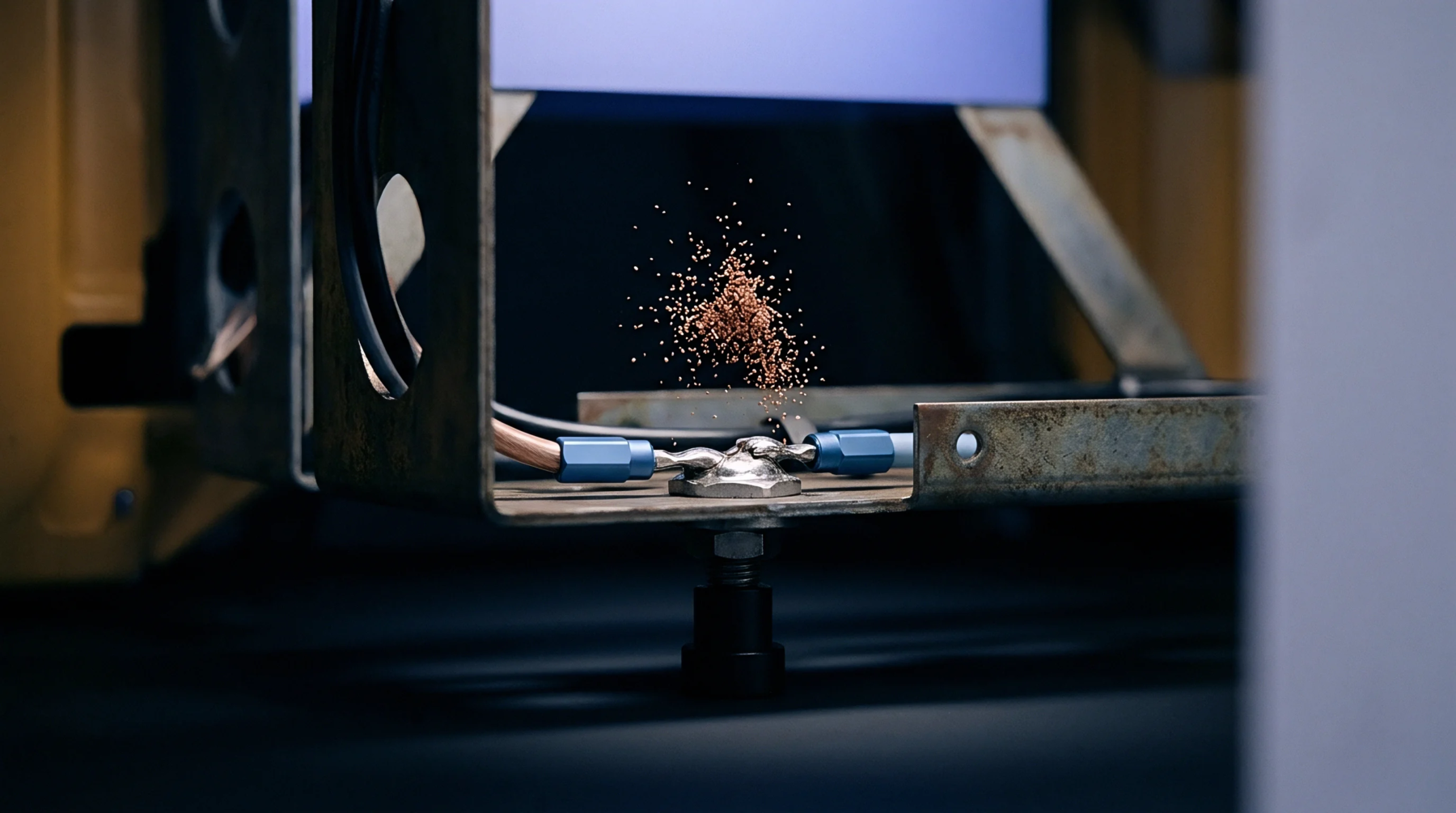
Automated optical image analysis of tool steel inclusions requires rigid thresholding, unetched diamond polishing, and 100 mm² field rastering to ensure accuracy.

Extended low-rate galvanostatic bench testing isolates active lithium loss from active material degradation to protect cell warranties and transport compliance.

Stabilizing supersonic shock waves during gas atomization prevents tip freezing, narrows particle size distribution, and maximizes fine battery powder yields.
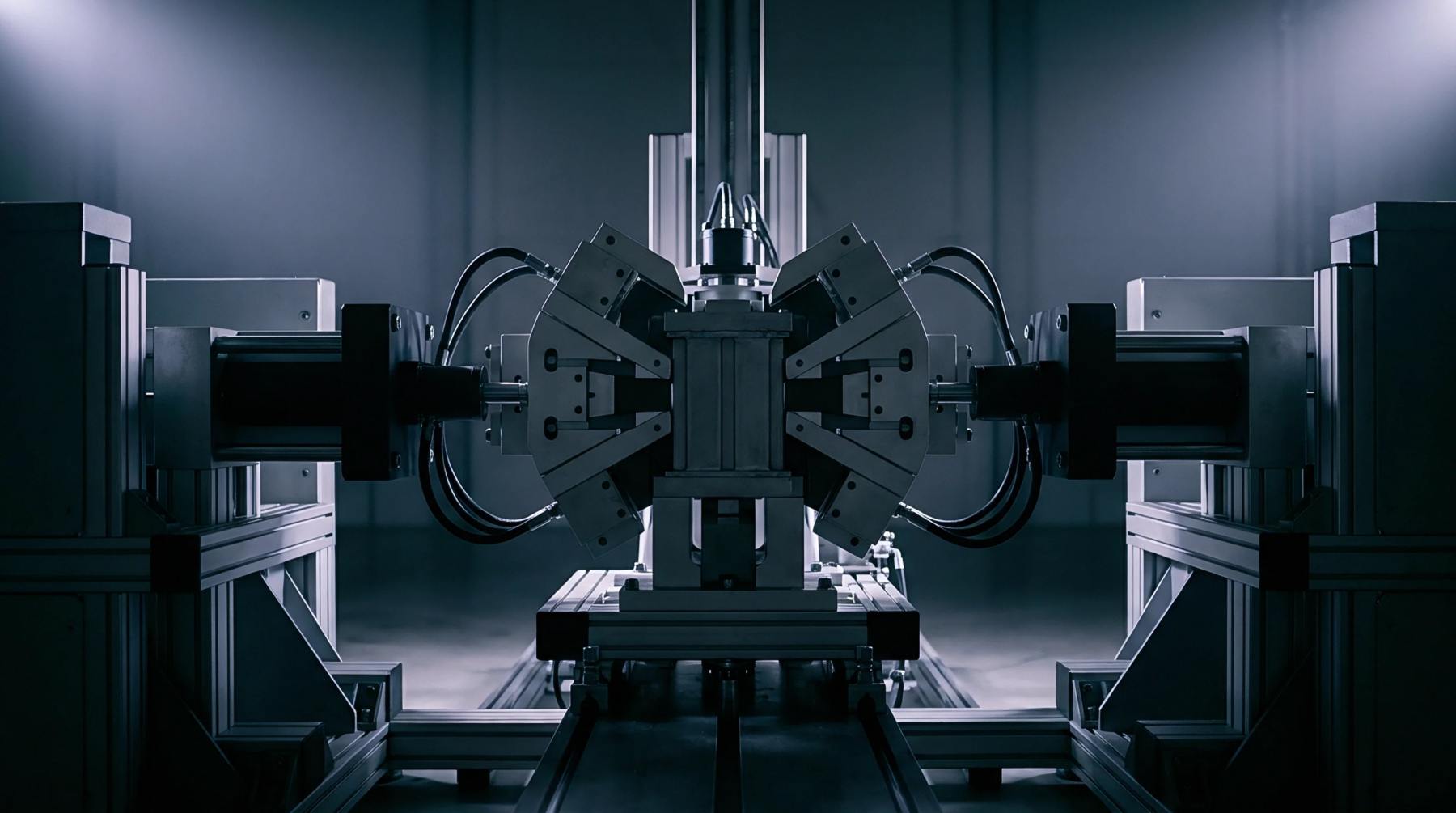
Solid-state reference electrode potential drift distorts pouch cell anode potential assignments, demanding periodic zero-point baseline recalibration to prevent false fast-charge lithium plating diagnostics.

Differential capacity analysis transforms flat LFP voltage plateaus into distinct peak signatures to quantify lithium loss and electrode decay non-destructively.
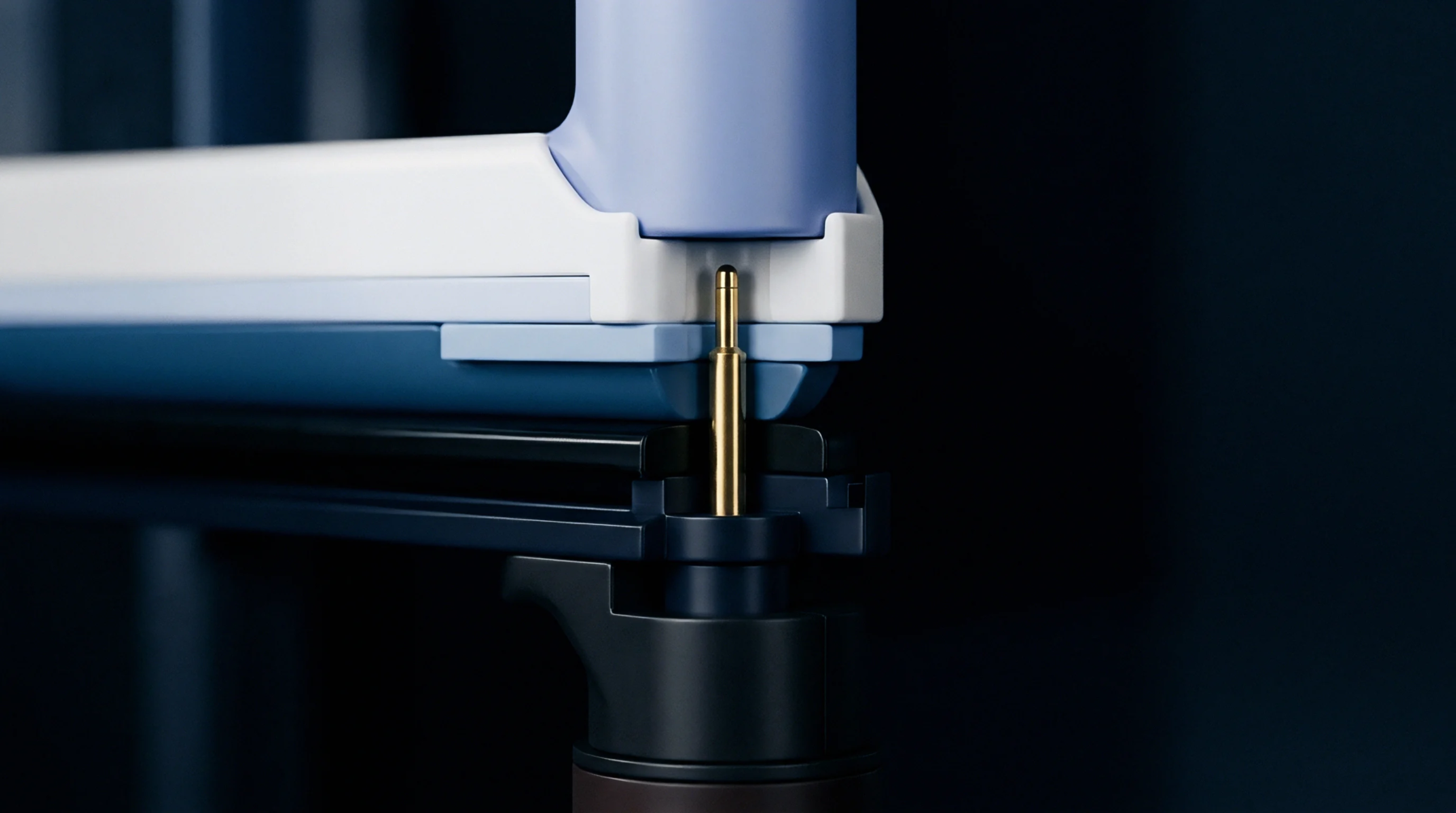
Solid state spring plate allowances absorb 10 to 18 percent cell volumetric strain while bounding contact pressure between 1.0 and 4.0 MPa across cell life.

Dynamic strain rates lower consolidated alloy fatigue limits under transverse impact, requiring strict micro-void controls during hot isostatic pressing.
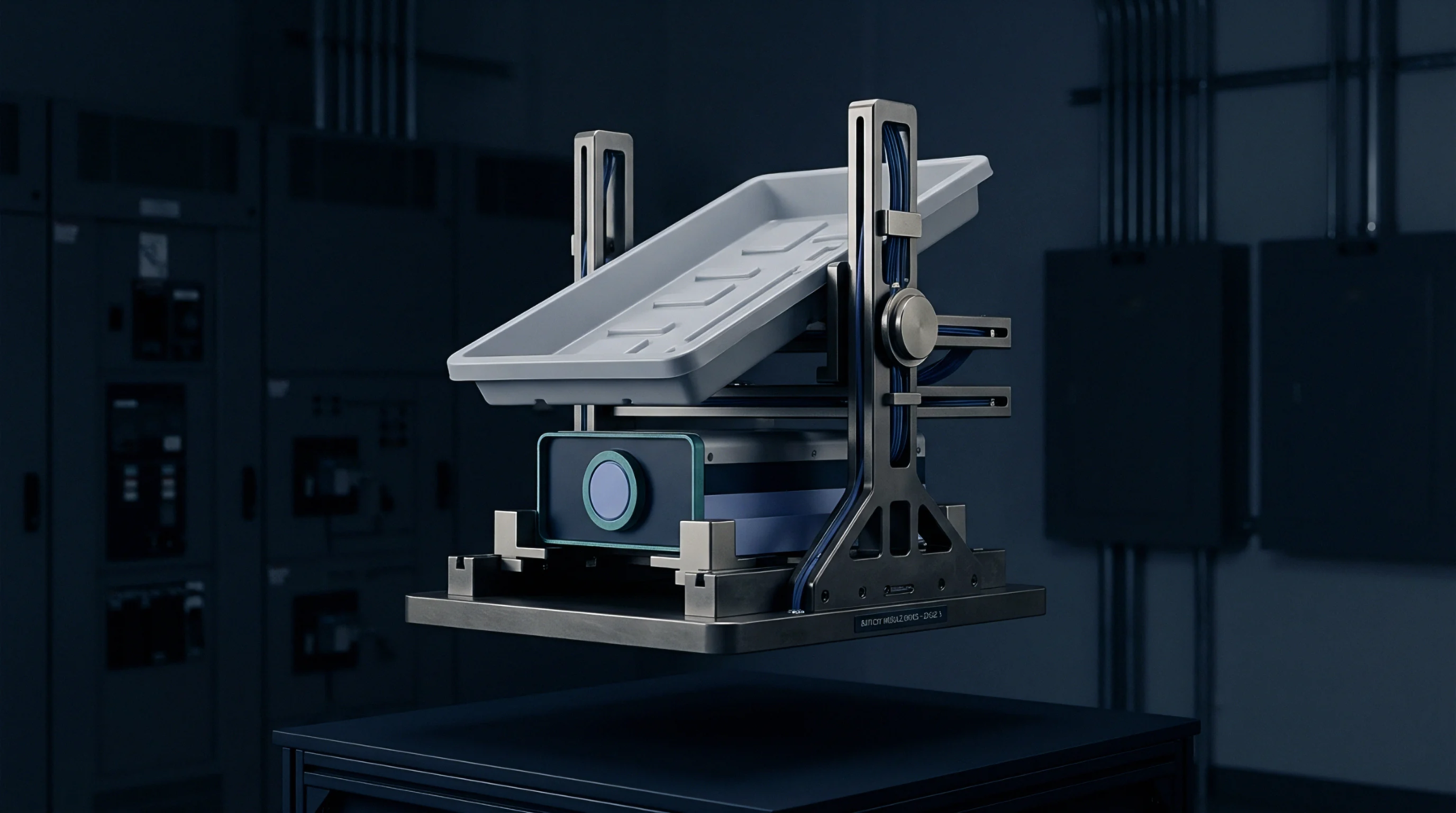
Closed loop micro reference sensing measures anode potential directly to eliminate sub-zero lithium plating during fast charging without compromising cell life.

Transverse mechanical anisotropy in consolidated enclosure steels reduces transverse bend angles and impact energy, demanding transverse-orientated batch testing.

Maintain negative aspiration pressure above 25 kPa gauge using optimized close-coupled tip recess geometries to eliminate argon entrapment in tool steel powders.

Specific gas consumption and nozzle tip pressure determine liquid breakup efficiency and final yield in tool steel atomization.

Solvent outgassing through pouch seals follows Knudsen diffusion across micro-channel voids, requiring precise thermal-seal control to prevent UN 38.3 mass loss failure.

Melt delivery tube setback and tip taper dictate atomization aspirator pressure, where sub-atmospheric suction prevents melt freeze-off and backpressure blowback.
Expertise is a utility, not a secret. sentiention™ publishes its working knowledge as open reference: intelligence layer covering the materials it sources, the markets it enters, and the reference that serves both.