
De Embedding Fixture Inductance in High Speed Cell Test Trays
Dynamic de-embedding of fixture inductance strips reactive voltage transients from cell measurements, preventing false DCIR sorting rejects in high-speed trays.

Dynamic de-embedding of fixture inductance strips reactive voltage transients from cell measurements, preventing false DCIR sorting rejects in high-speed trays.

Quantifying localized anode polarization margins requires three-electrode micro-probe mapping to ensure local potential stays above 0 V vs Li/Li+ during fast charging.
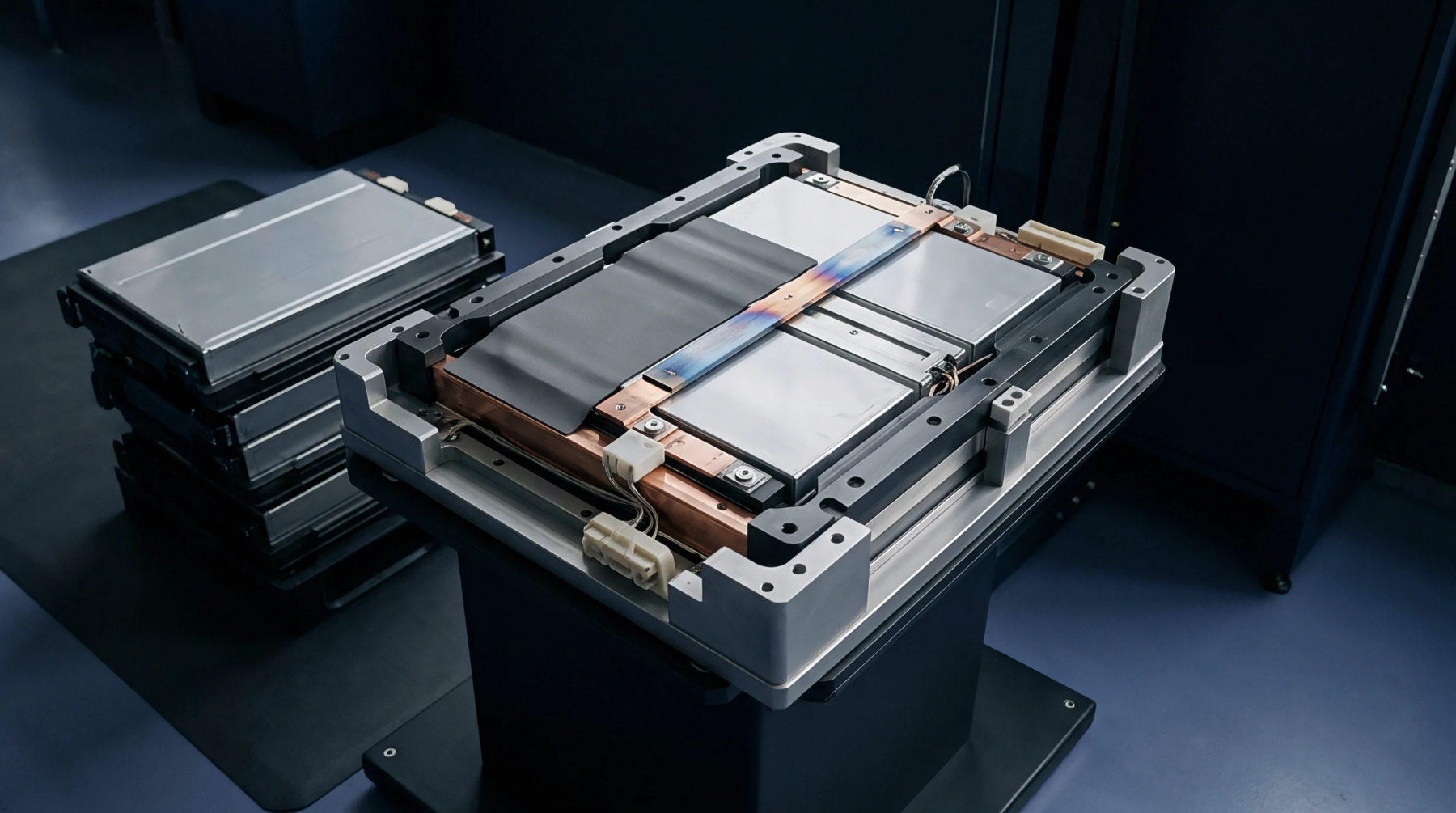
Mitigating spatial overpotential in large prismatic cells requires full-edge tab collection and strict low-temperature screening to prevent anode plating.

Four-wire Kelvin contact mechanics isolate terminal interface resistance to ensure milliohm precision in high-speed automated cell grading lines.

Precursor internal cavities retard lithium solid diffusion, demanding extended calcination cycles and risking residual salt slurry gelation downstream.
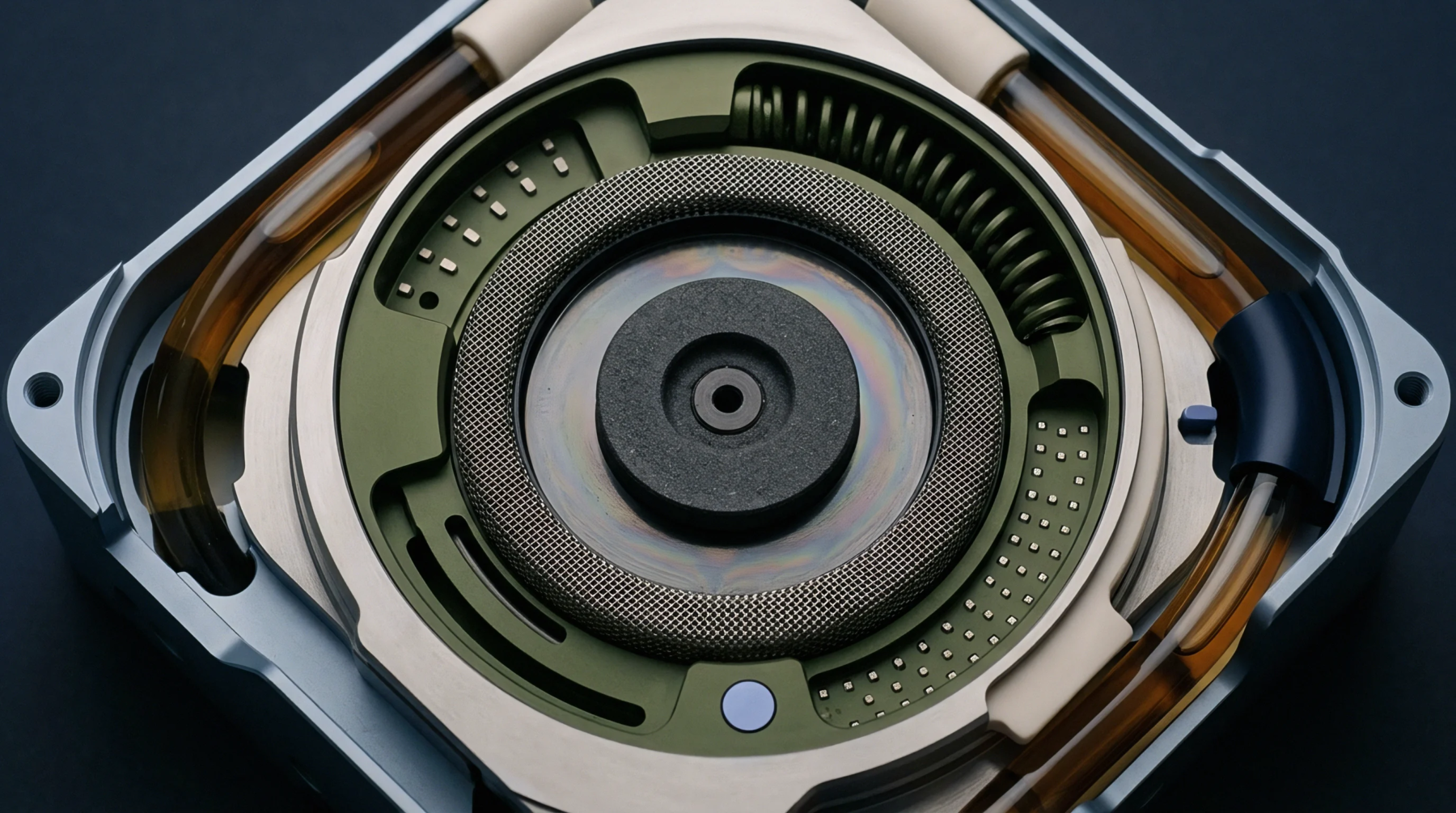
Contractual specification limits must define measurable cell and module thermal gradient thresholds enforced by liquidated damages and capacity warranty baselines.

Localized current maldistribution accelerates lithium plating and premature fade; mitigate exposure through strict dV/dQ screening and tab design warranties.
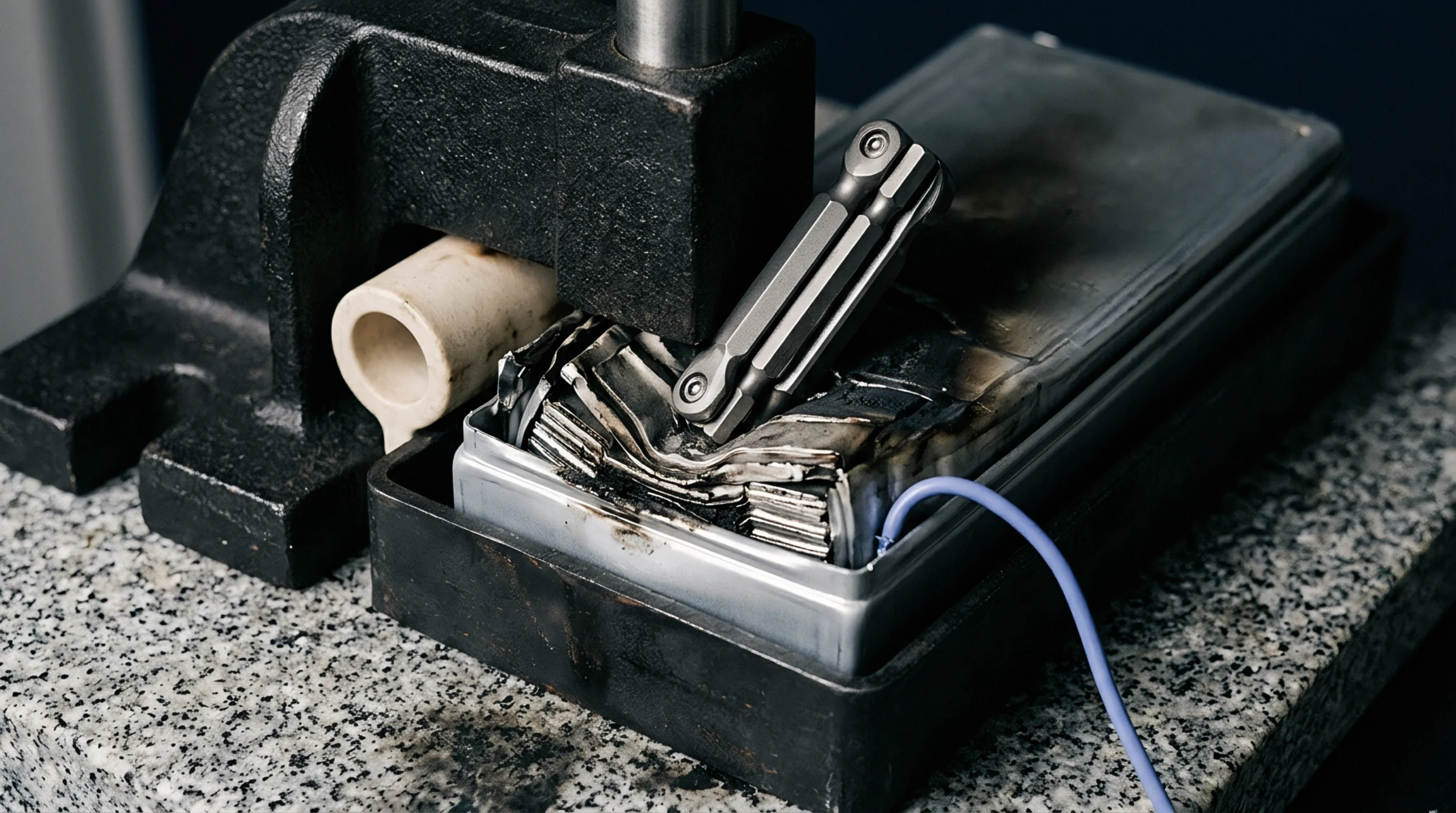
Prismatic cell thermal management requires accounting for 30-to-1 anisotropic conductivity ratios and internal thermal resistance to prevent hidden core overheating.

Recycled NMC precursors demand strict tap density above 2.05 g/cm³ and BET surface area under 6.5 m²/g to prevent cathode slurry gelation and compaction failure.

Quantifying in situ passivation layer rupture energy under cold fast charging requires operando acoustic emission and impedance isolation to enforce supplier liability.
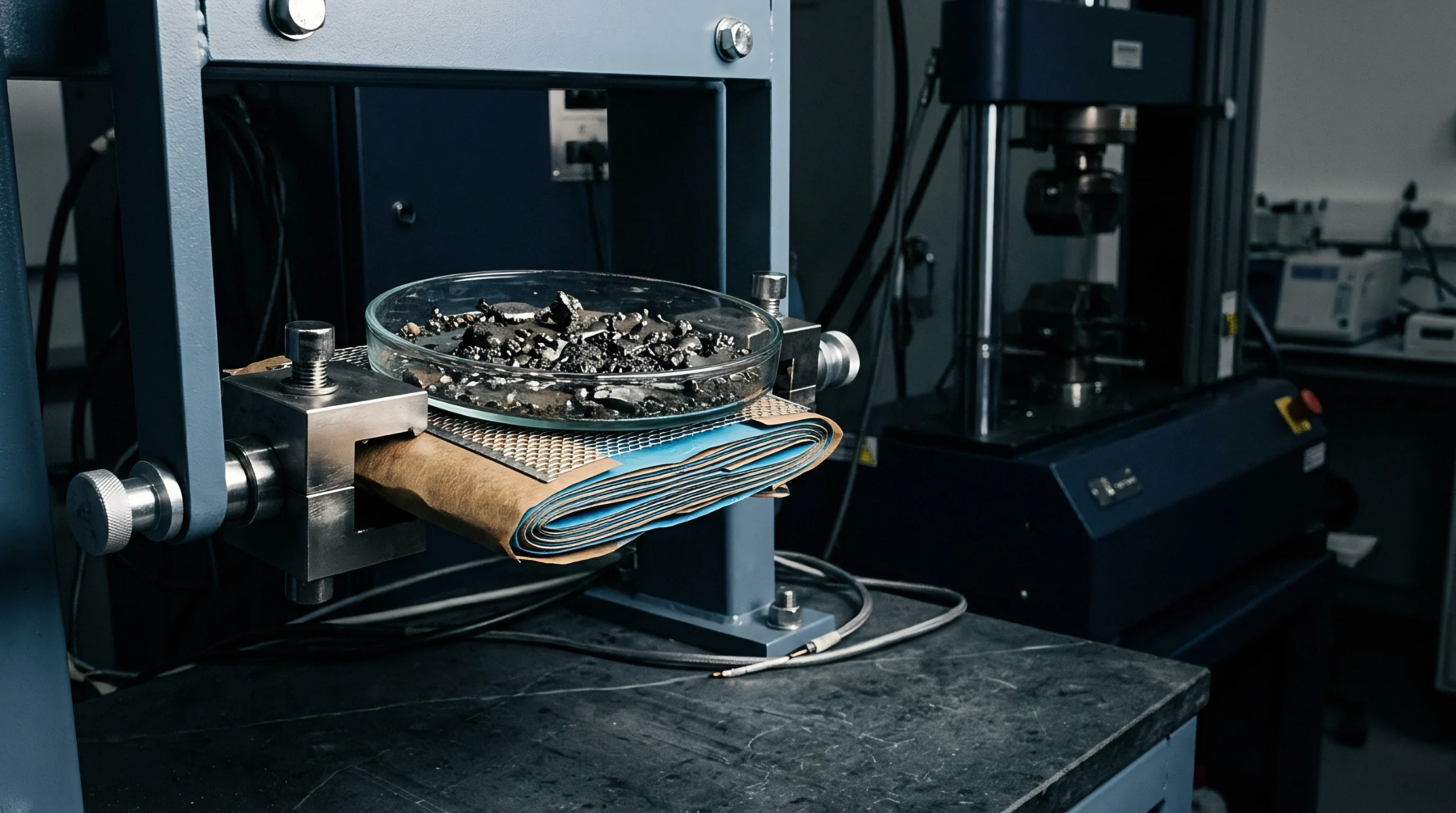
Verify recycled precursor lot quality by coupling laser diffraction, tap density, and Karl Fischer titration to intercept defective cathode active material batches.

Applied stack pressure of 0.5 to 1.2 MPa suppresses anode overpotential loss, raising fast-charge lithium plating thresholds without crushing separator pores.

Subzero fast charging accelerates SEI growth and irreversible plating via elevated desolvation resistance, demanding pre-heating or multi-stage current tapering.

Optimizing battery preload requires balancing compliant cushions and chassis stiffness to hold cell pressure between 0.10 MPa and 1.0 MPa across full lifecycle.

Vacuum bakeout kinetic thresholds require evacuating surface hydroxyls below 10⁻⁴ Pa before consolidation to prevent continuous boundary oxide networks.

Sub-zero high-rate charging forces graphite anode potential below zero volts, causing irreversible metallic lithium plating and premature thermal runaway.

Controlled multi-stage thermal outgassing schedules prevent pore closure while extracting volatile species to eliminate prior particle boundaries in HIP billets.
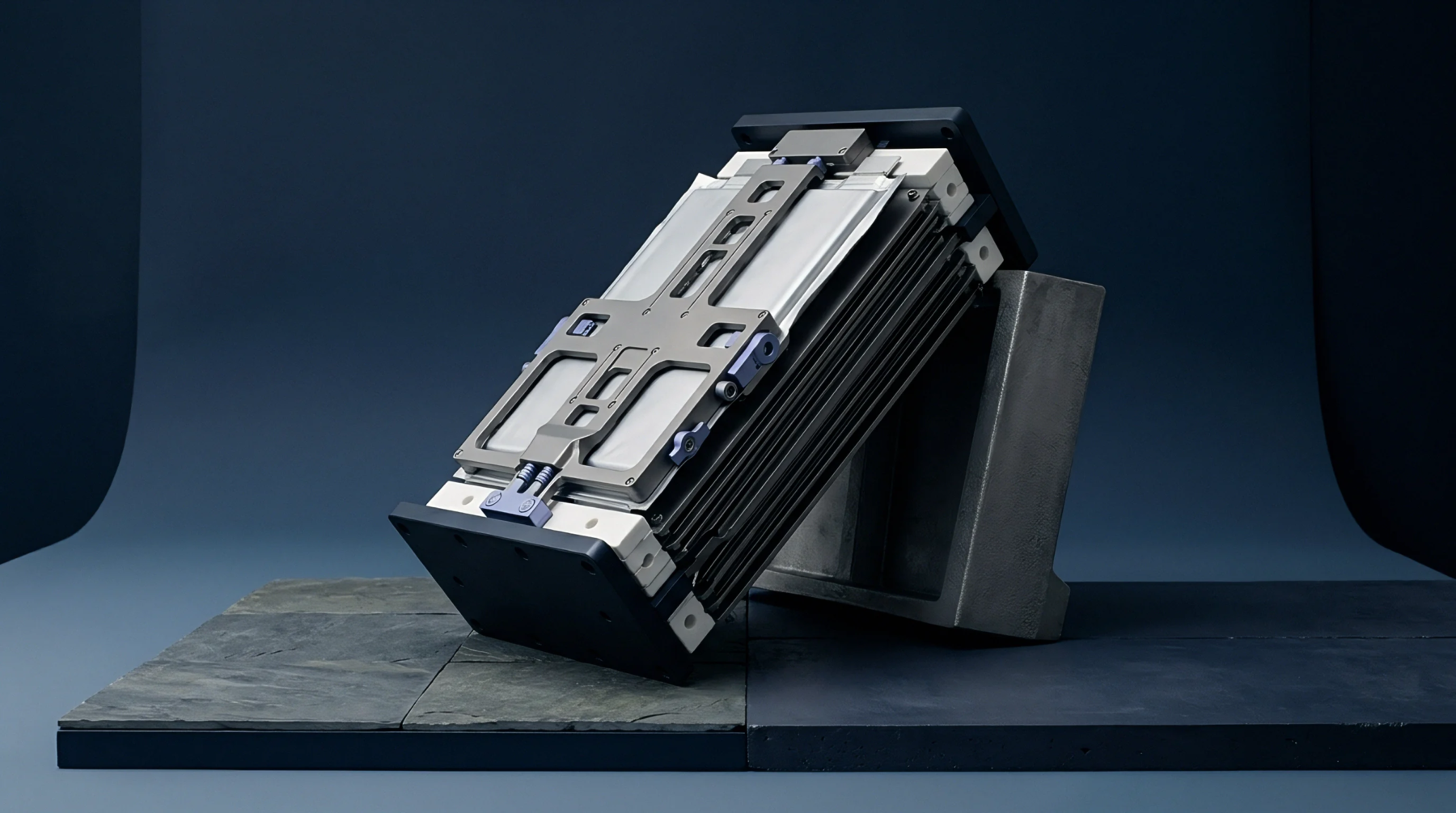
Optimize module stack compression between 0.20 and 0.50 MPa to balance active layer contact against separator pore collapse and impedance growth.
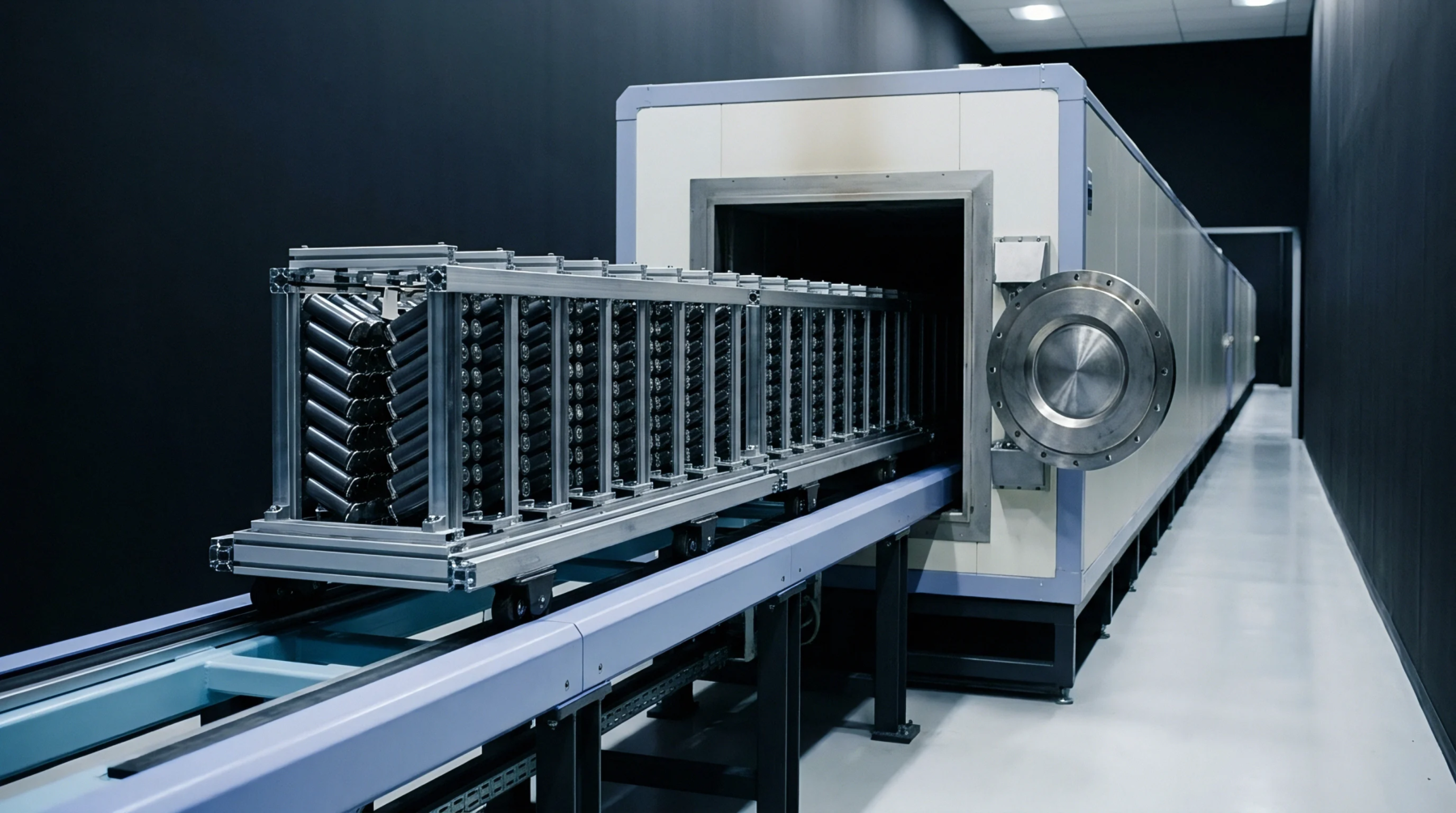
Vacuum degassing inert gas atomized tool steel powders at 350-450°C below 10-2 Pa removes moisture and hydrogen, preventing prior particle boundary oxide formation.

Transient polarization decay modeling extracts sub-milliampere internal short circuits during post-charge rest to stop latent thermal runaway before module assembly.

Kelvin probe fixtures eliminate contact resistance in high-throughput sorting, but dynamic wear and loop inductance require rigid tooling and routine calibration.
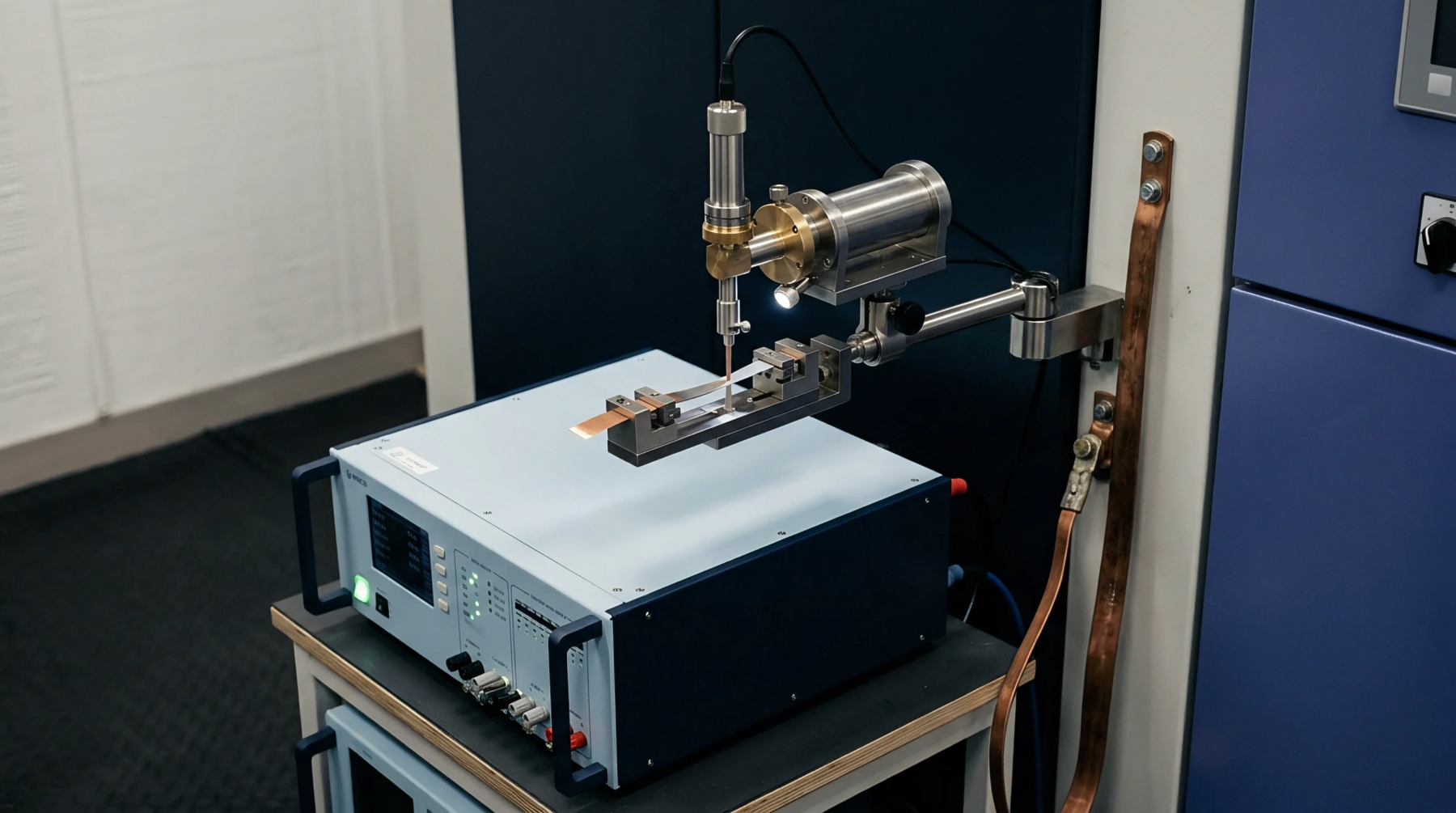
Evaluate end-of-life cell swelling by testing under module-equivalent spring compliance to balance initial interfacial contact against structural failure limits.
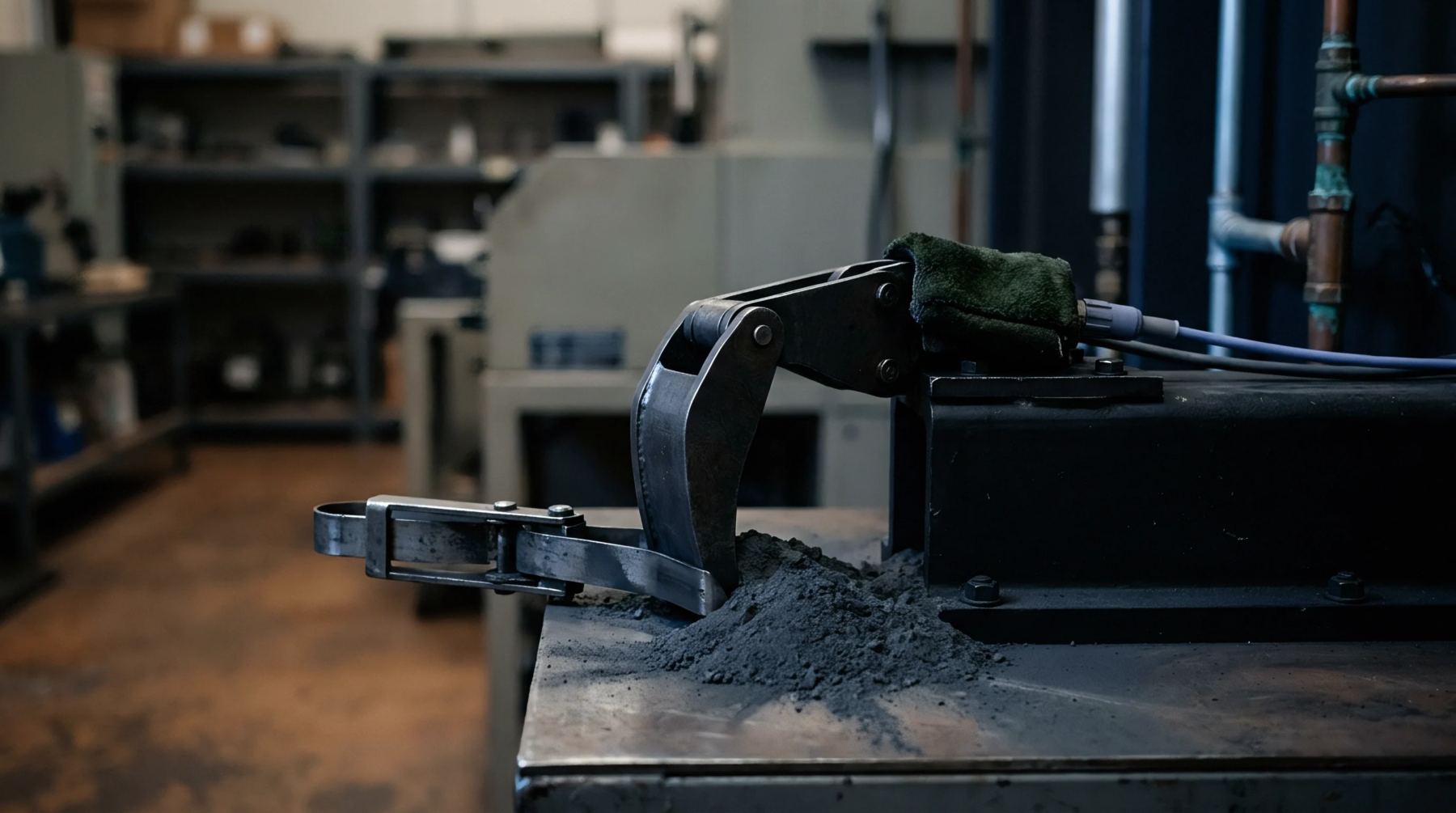
Sub-micron segregation spacing in atomized powder enables dense secondary MC carbide precipitation, maximizing toughness and wear resistance.

AC 1 kHz checks catch weld defects, while DC pulse tests quantify true polarization thermal loads essential for cell grading and pack warranty validation.

Maintain beginning of life cell preload between 0.08 and 0.15 MPa to prevent electrode delamination while preventing separator collapse and end plate deformation.

Cryogenic transformation of gas-atomized slitter steels eliminates retained austenite, preventing edge chipping and burrs that puncture battery separators.
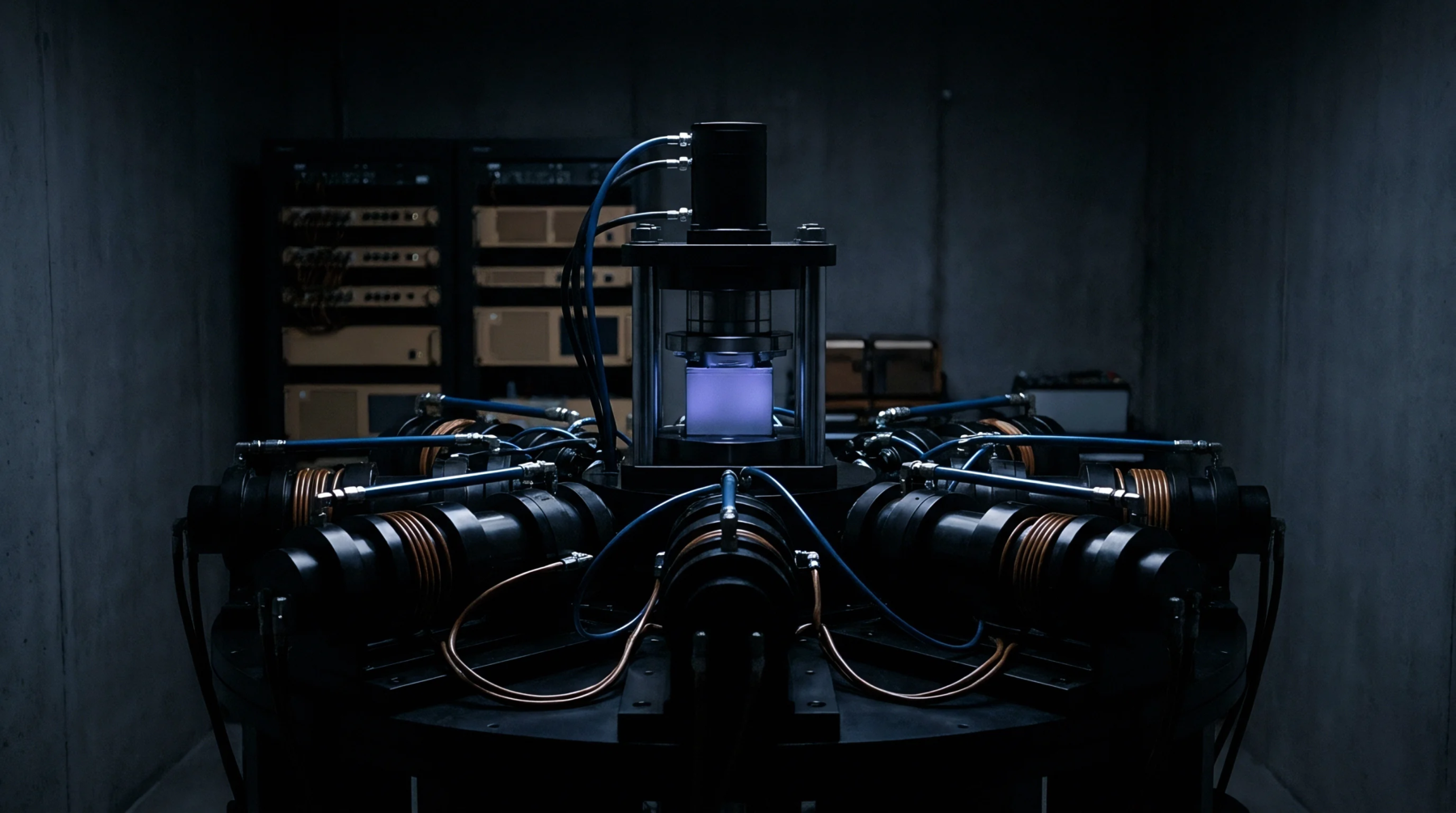
In situ pressure monitoring reveals that void-constrained core-shell silicon anodes arrest phase boundary migration when internal contact stress exceeds 300 MPa.
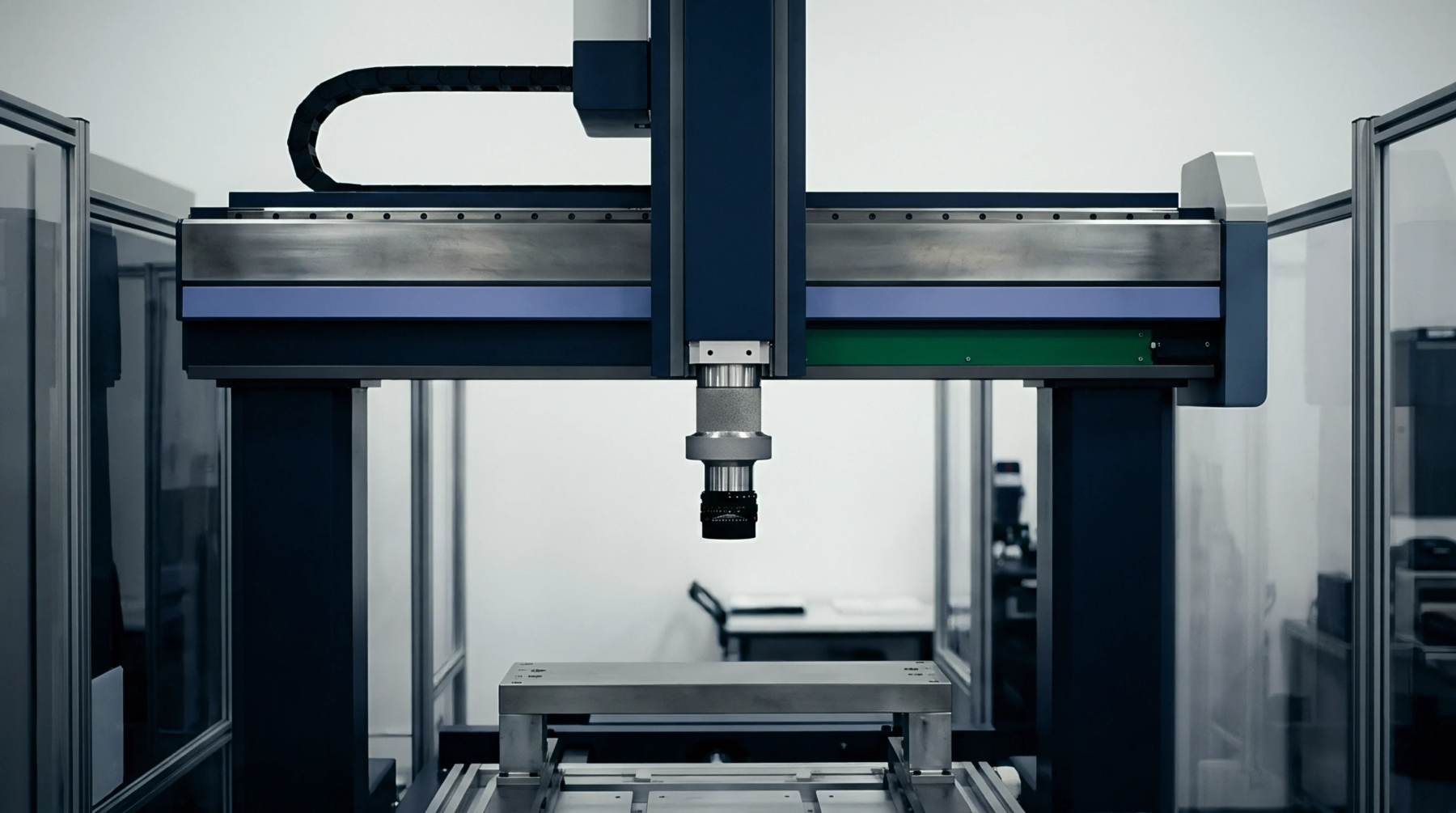
Municipal acceptance of computational deflagration modeling requires physical UL 9540A vent gas data, grid convergence verification, and peak overpressure caps below enclosure yield.

Maintain constant hydrostatic confinement between 0.30 and 0.60 MPa to prevent active silicon particle detachment without causing separator pore collapse.
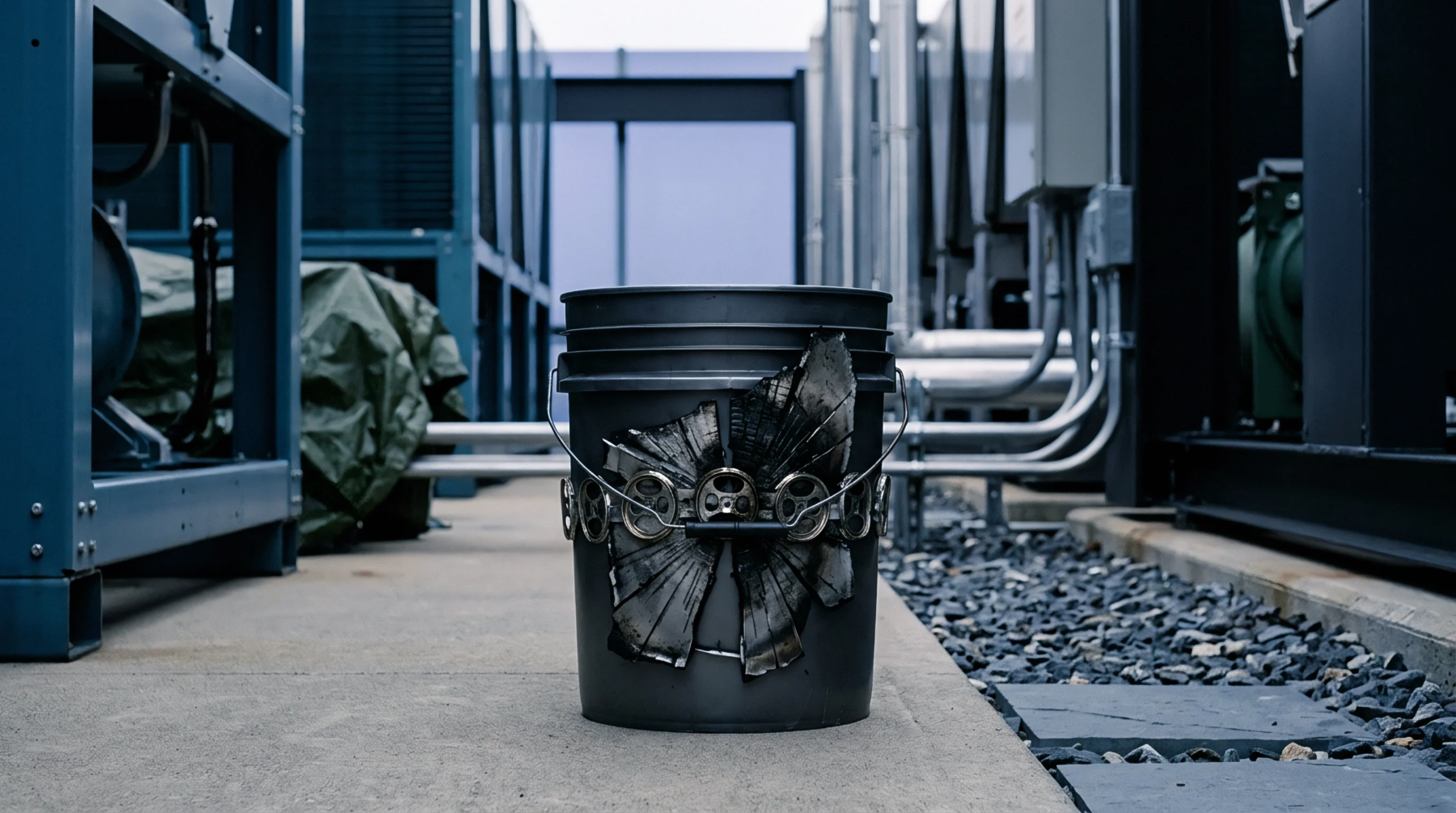
Enclosure spacing and fire area compartmentalization enforce physical air buffers, rated structural walls, and UL 9540A testing to stop cascading thermal propagation.
Expertise is a utility, not a secret. sentiention™ publishes its working knowledge as open reference: intelligence layer covering the materials it sources, the markets it enters, and the reference that serves both.