
Iron Dissolution Pathways in Lithiated Cathode Formulations under Thermal Storage
Thermal storage above 45°C drives hydrofluoric acid attack on lithiated iron cathodes, causing iron dissolution and anode SEI degradation.

Thermal storage above 45°C drives hydrofluoric acid attack on lithiated iron cathodes, causing iron dissolution and anode SEI degradation.

Rapid droplet solidification dynamics dictate grain size, microsegregation, and sphericity in battery powder synthesis, setting tap density and yield.
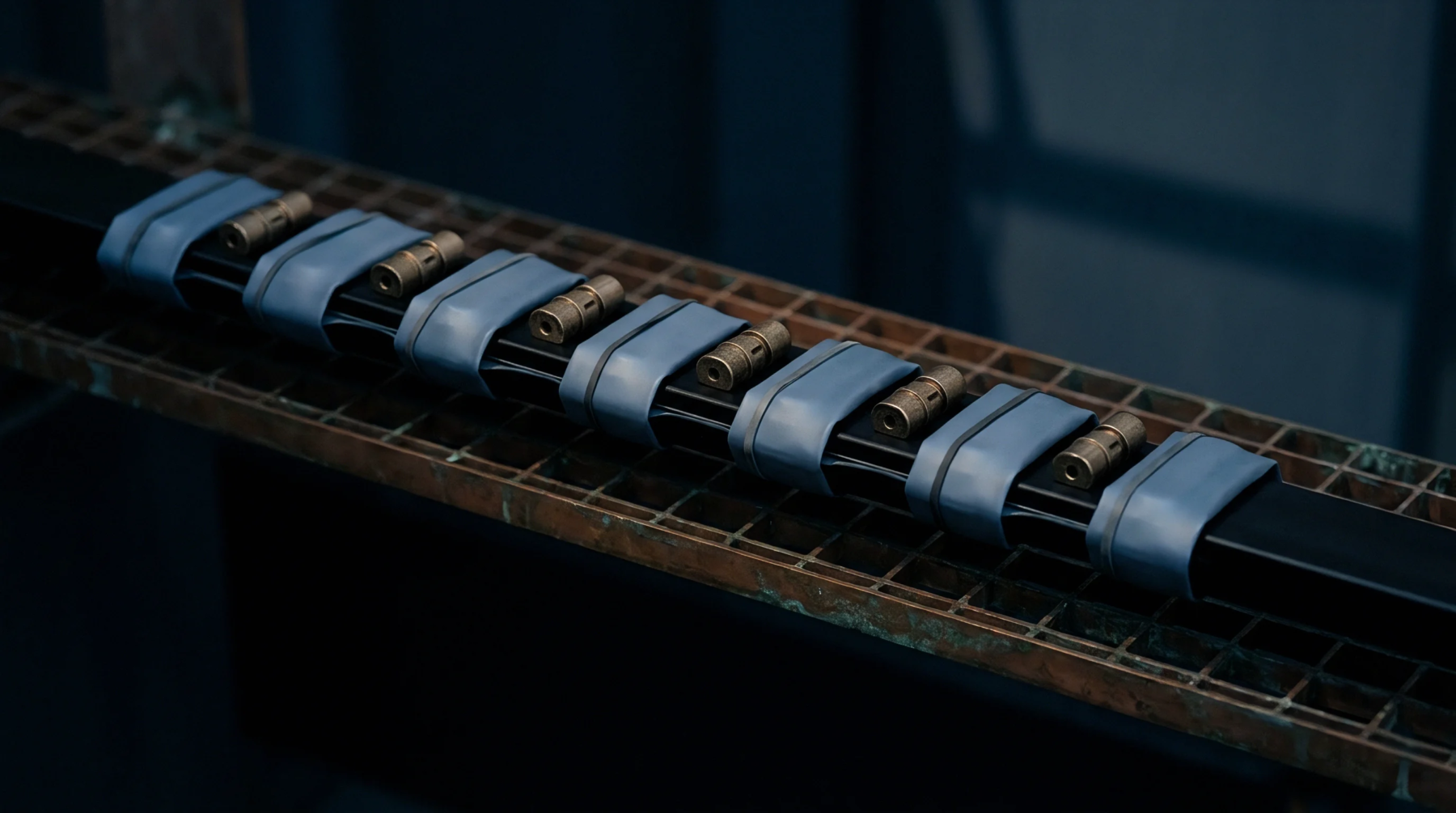
Lithium iron phosphate open circuit voltage equilibrium maps two-phase hysteresis using multi-hour relaxation testing for state of charge estimation
Dangerous goods demurrage escalates exponentially; transferring holds to off-dock bonded hazmat yards stops terminal fees and protects landed margins.

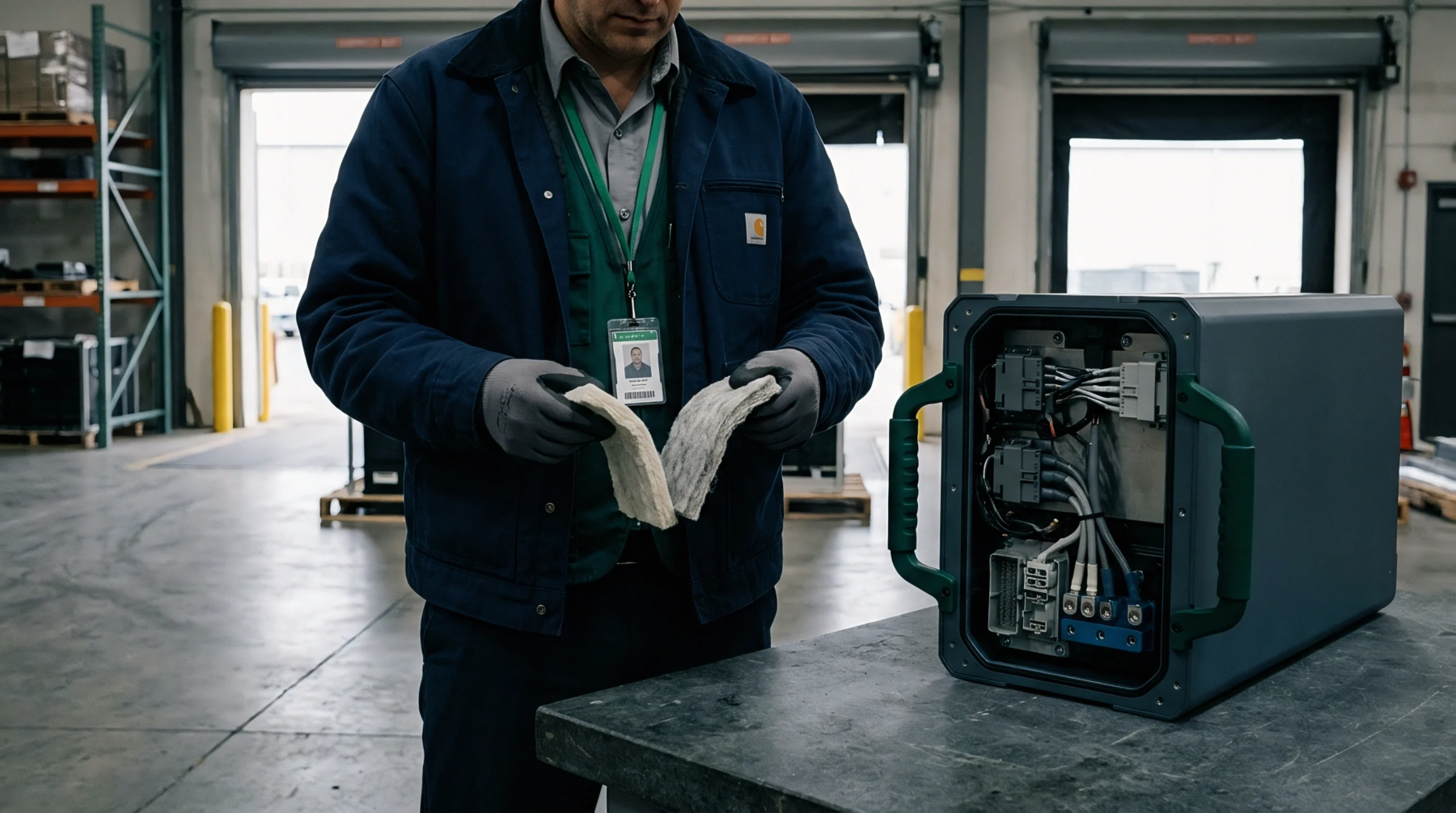
Containerized battery shipments require strict IMDG segregation, state of charge caps under thirty percent, and passive thermal isolation on deck.

Predictive creep modeling quantifies elevated temperature pore evolution in solid state cell tooling to establish precise hold times and prevent yield loss.

Verify air cargo cell charge limits below 30 percent using rested open-circuit voltage lookups or bench discharges backed by signed UN 38.3 test records.

Reversible lithium stripping under cold operation requires voltage relaxation or dQ/dV diagnostic tracking to adjust BMS derating and protect cycle life.
Mandatory UN 38.3 test summaries must link cell serial numbers to verified lab results across ten required data fields before cargo enters transport networks.
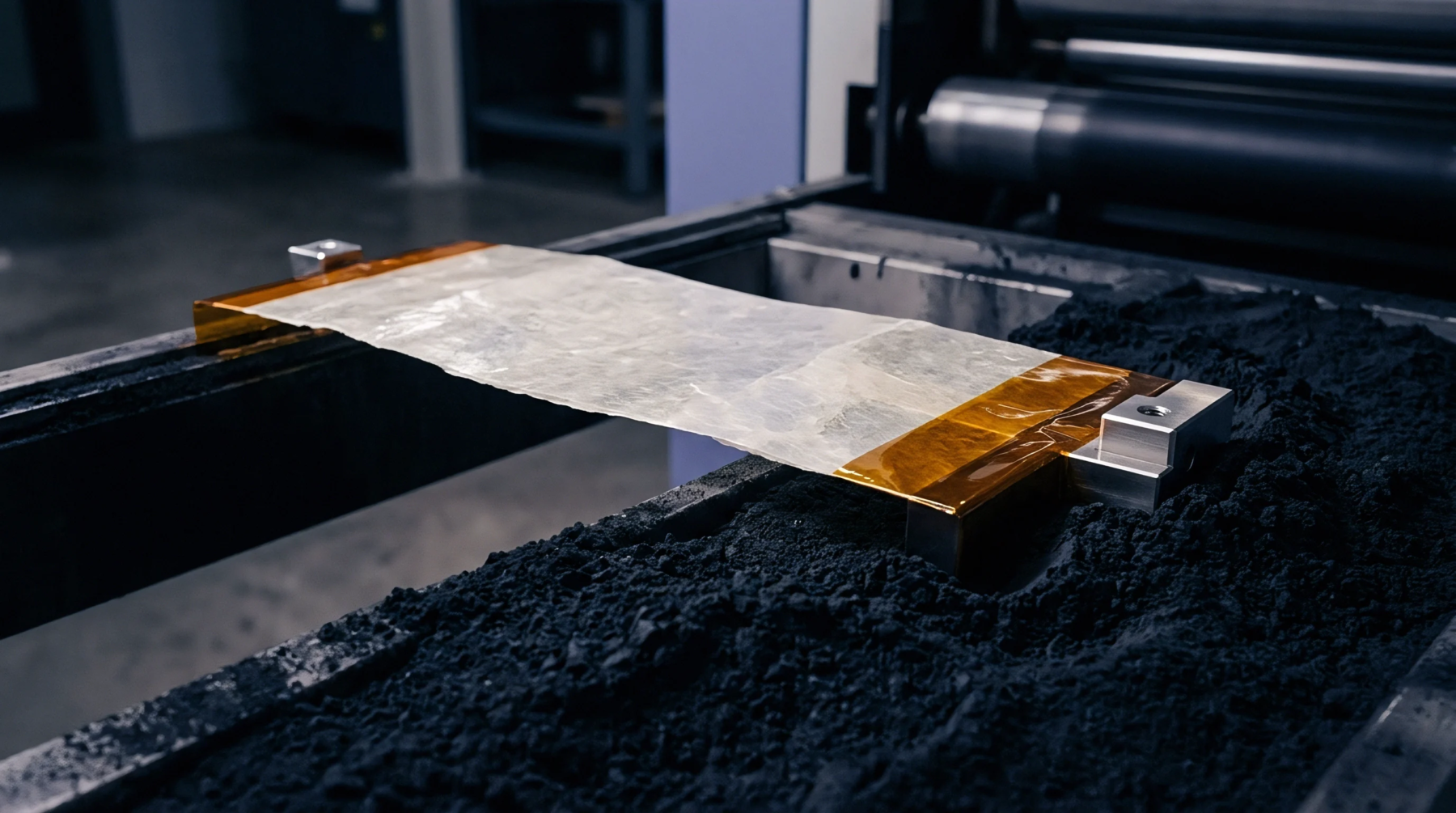
Thermally induced porosity expansion occurs when trapped argon exerts internal pressure exceeding matrix creep strength during high-temperature thermal exposure.
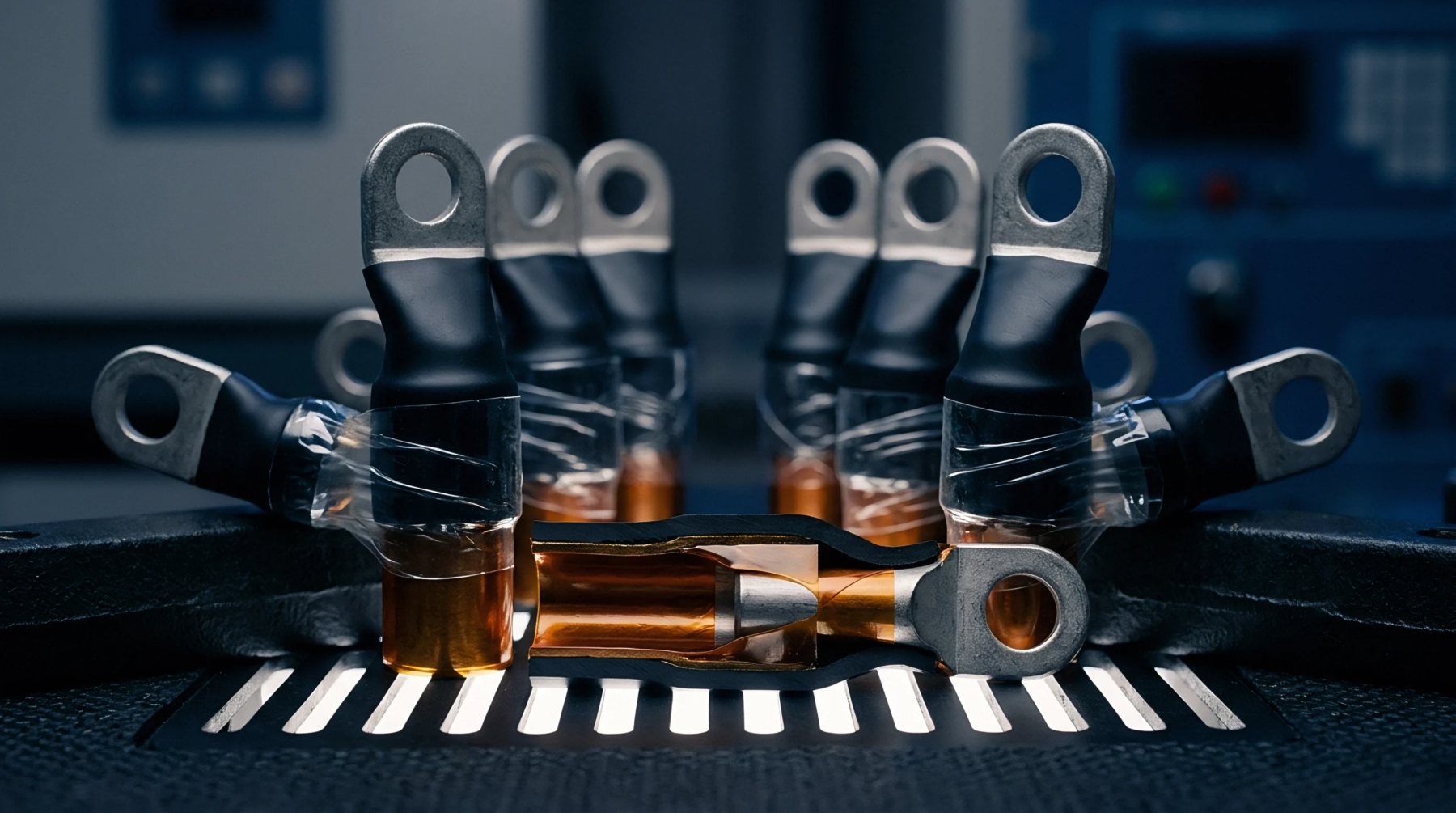
Importers mitigate cross-border forged lab schedules by enforcing primary ISO 17025 direct testing, independent ILAC verification, and escrow gates.

Gas atomization parameters and nozzle delivery pressures dictate argon entrapment levels, governing melt superheat control and inert gas mass monitoring.

Subzero charging forces graphite anode potential below zero volts against lithium, driving metallic plating over intercalation and causing rapid battery capacity loss.
Subzero fast charging induces metallic lithium plating detectable via mid-frequency impedance arc splitting and phase angle drops near zero degrees.
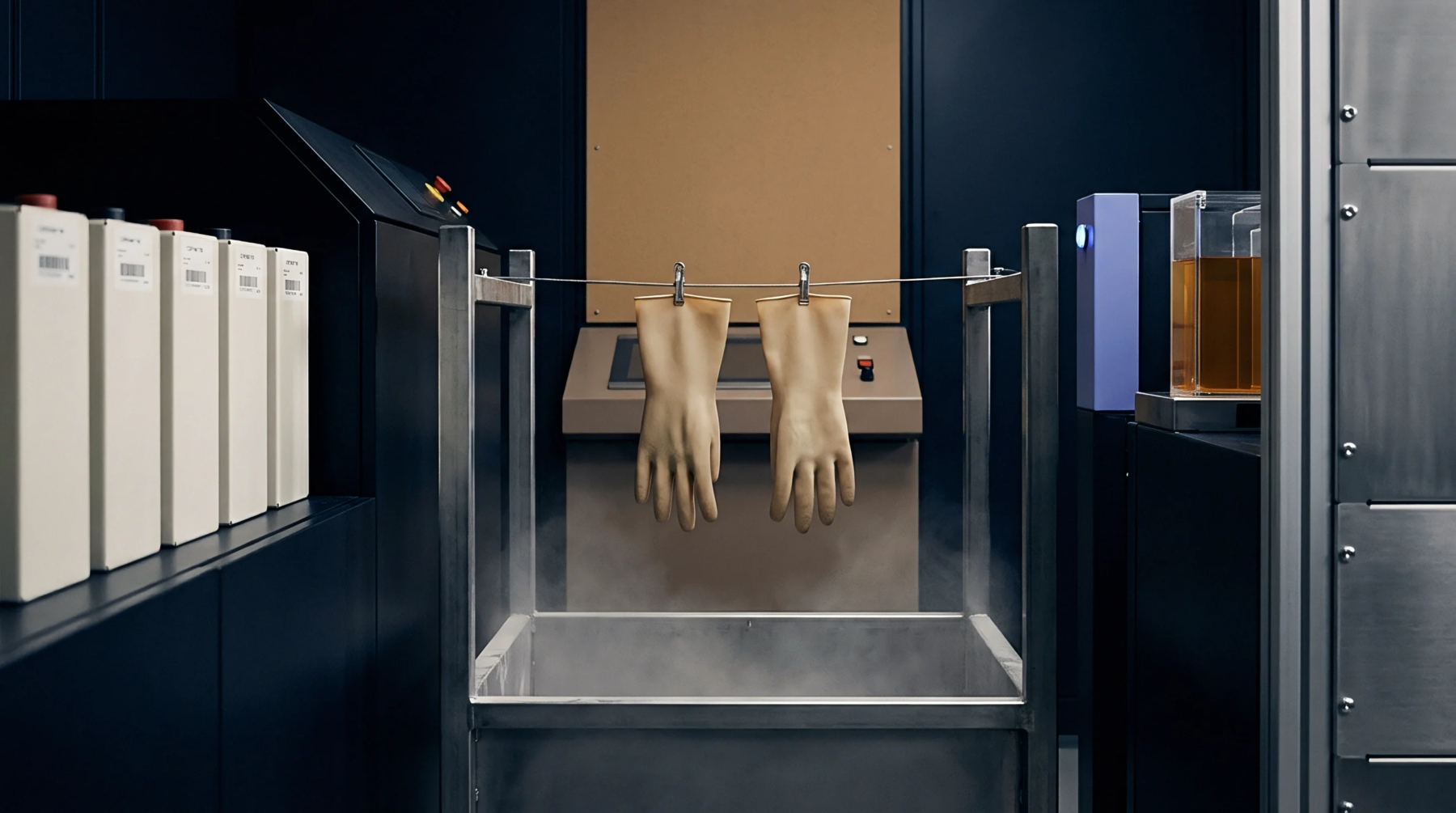
Sub-zero thermal qualification requires precise soak verification, active heating uniformity controls, and three-electrode plating boundary detection.

Evaluating subzero cell capacity requires measuring charge transfer resistance and verifying thermal equilibration before accepting supplier datasheet claims.

Precision state of charge settings and active reefer climate control prevent capacity loss and internal resistance growth during oceanic container transit.

Cathode particle fracture increases specific surface area while fragmented debris clogs electrode void pathways, causing sharp non-linear impedance rise.

Choosing between cylindrical and prismatic cell formats demands balancing tooling capital, thermal conduction interfaces, and structural face pressure limits.
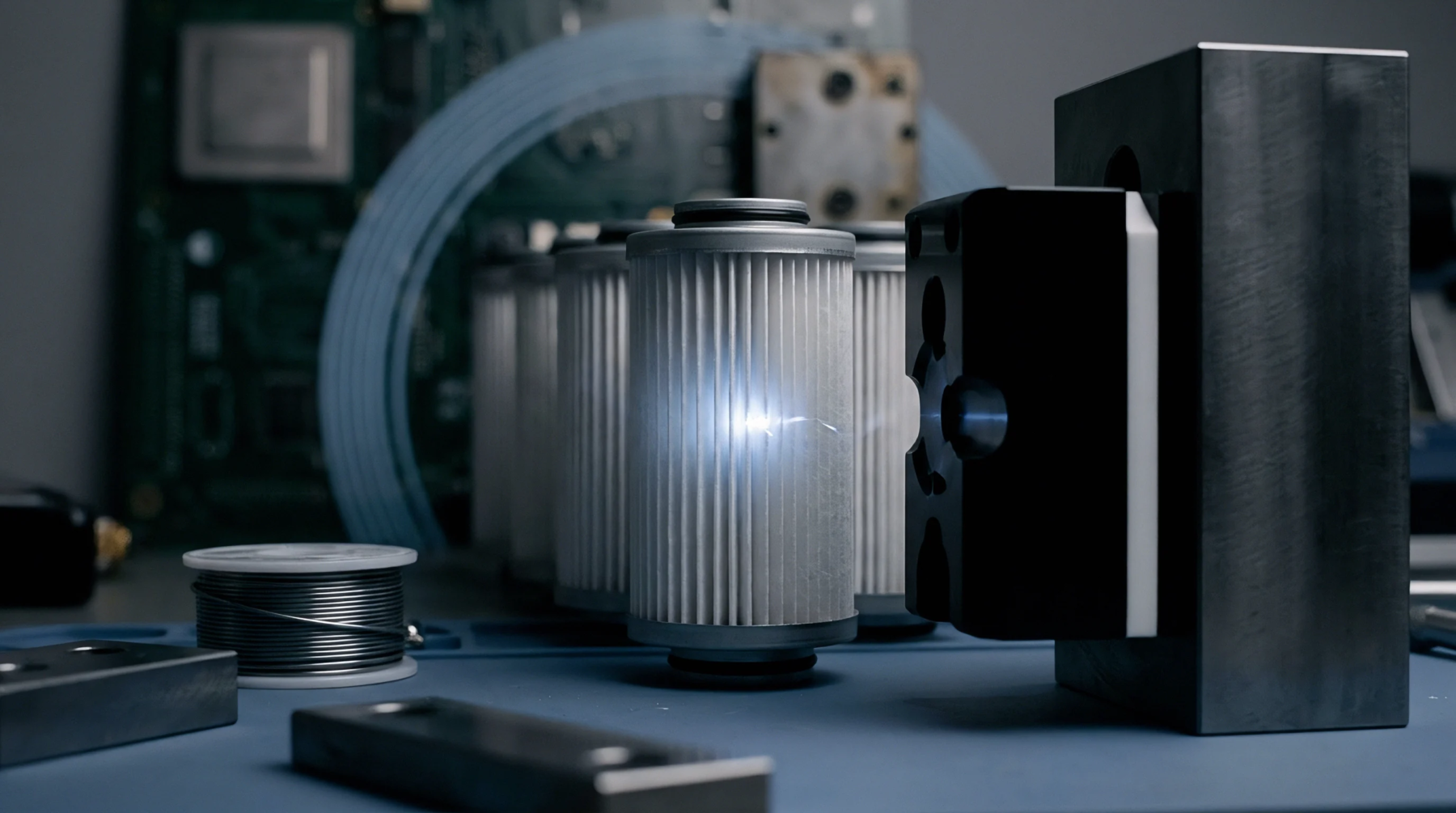
Differential capacity peak tracking isolates phase slippage and plating to detect non-linear capacity knees hundreds of cycles before bulk retention fails.

Quantifying solid electrolyte interphase growth and lithium plating thresholds requires parsing passivating solvent consumption from kinetic overpotentials.

Custom pack sourcing demands explicit engineering stack-up allowances for cell swell alongside contractual assignment of compliance dossier ownership.
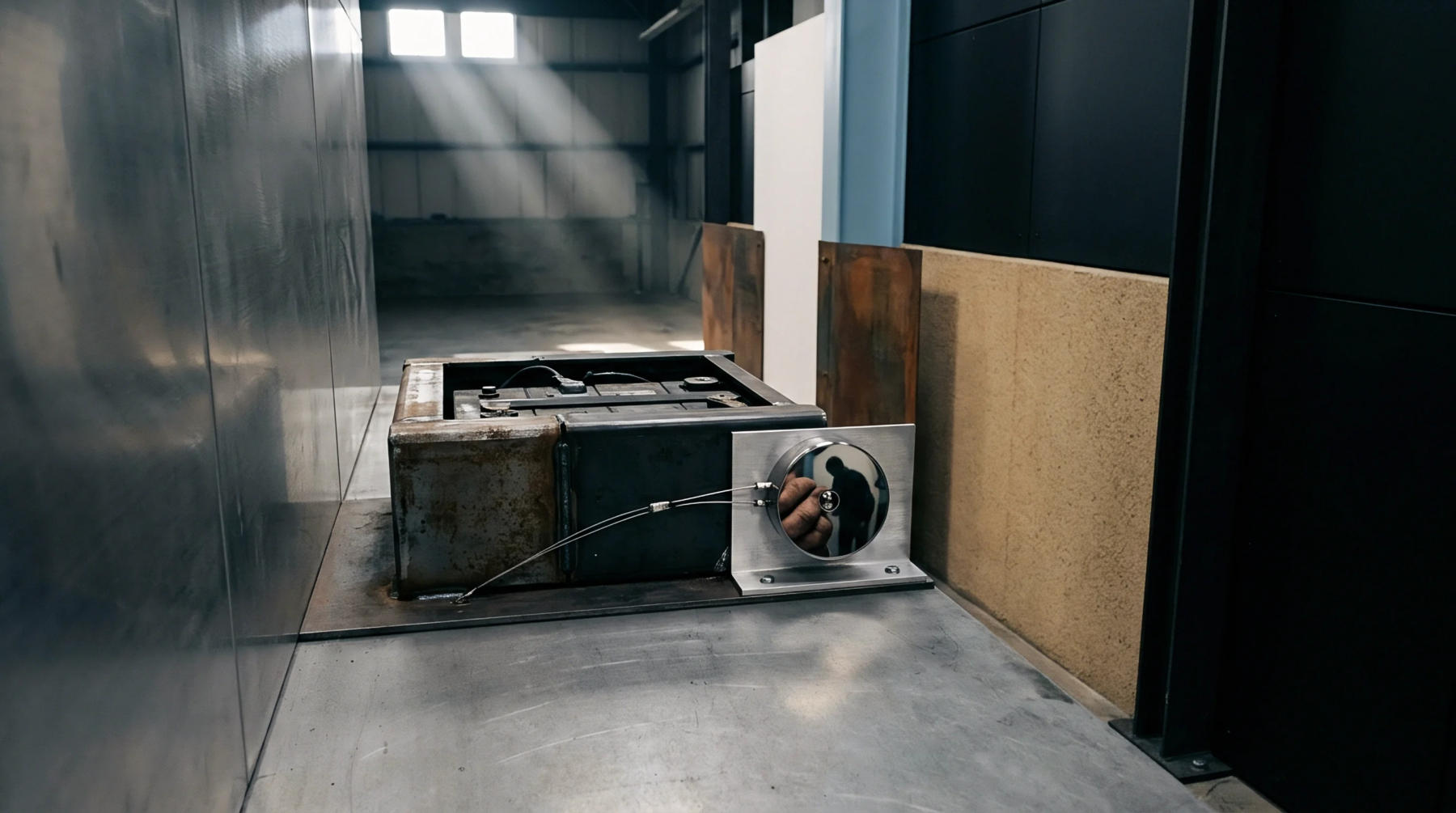
Auditing foreign ISO 17025 links requires validating the laboratory scope schedule against ILAC MRA databases to ensure UN 38.3 safety file compliance.
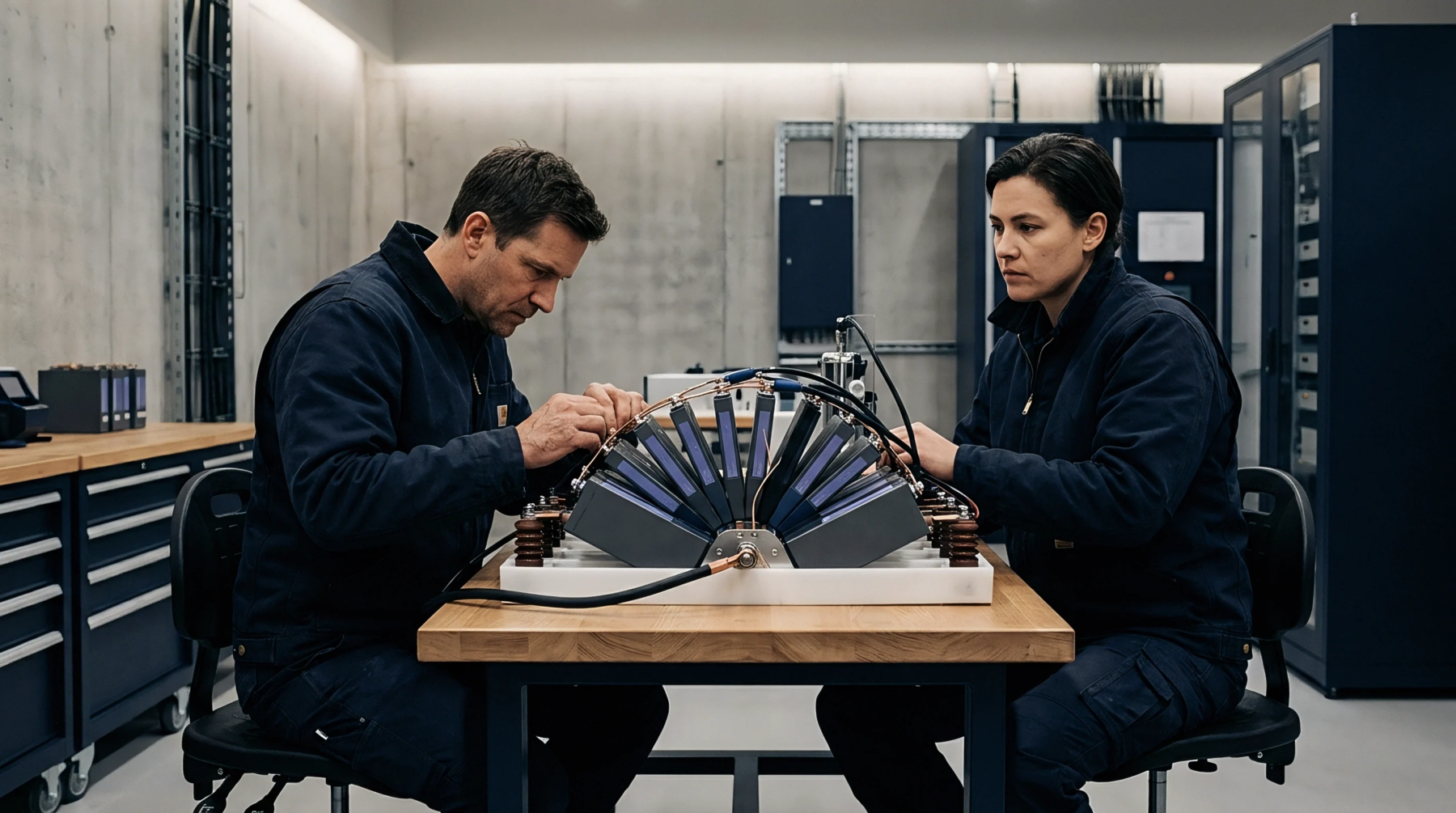
Procuring custom industrial battery modules requires locking cell format trade-offs, welding verification, and compliance files before amortizing tooling.

Port entry verification of UN 38.3 test summaries requires cross-referencing laboratory ISO 17025 scope schedules against cell mass and test parameters.

Helium micro leak rates above 1.0e-6 mbar L/s drive water ingress that hydro-analyzes LiPF6 into hydrofluoric acid, degrading high nickel cathodes within months.

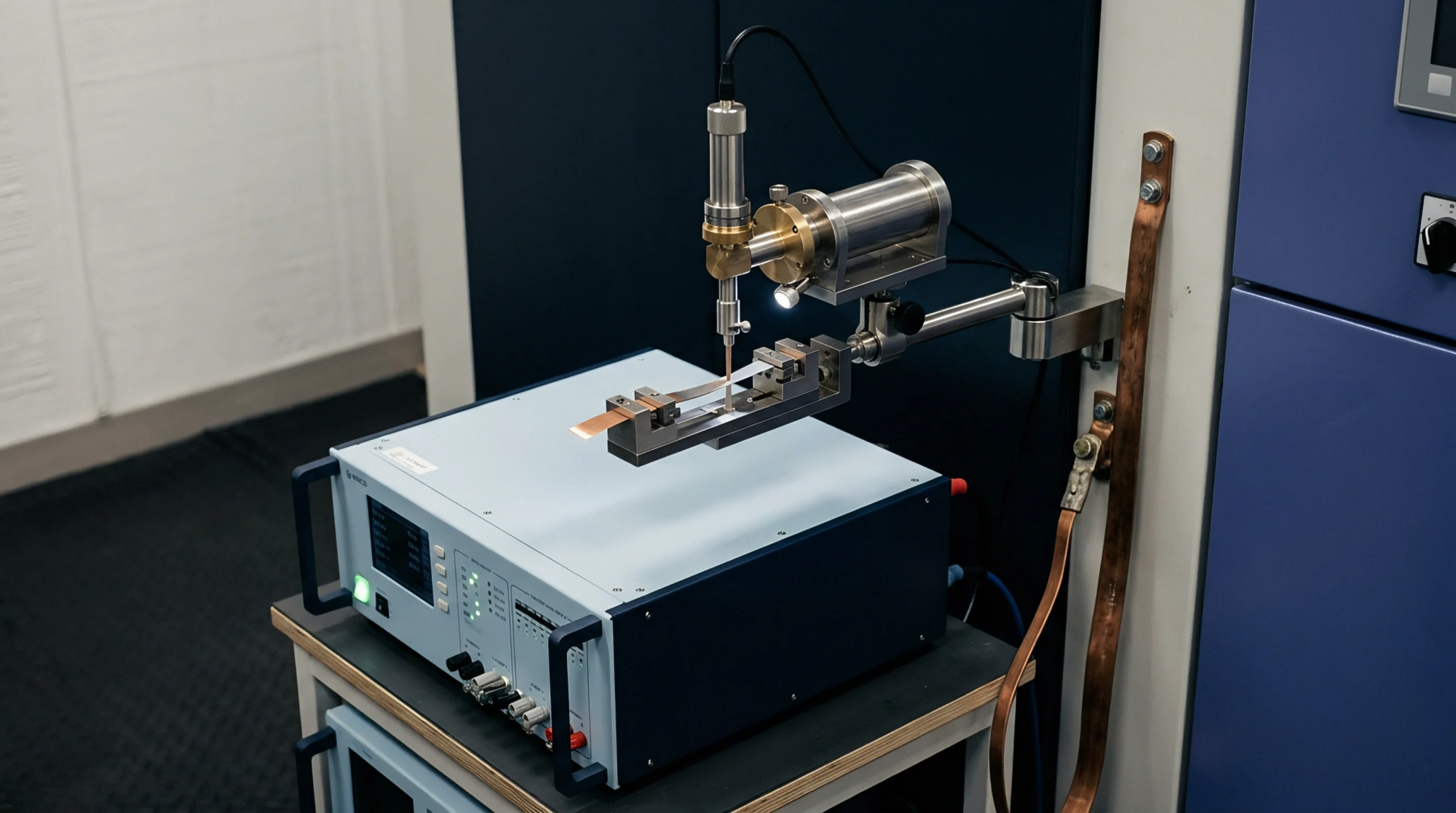
Nonlinear acoustic shear wave harmonic detection resolves zero gap kissing bonds in encapsulated battery packs by measuring contact acoustic nonlinearity.

Differential capacity analysis detects cell degradation early by tracking microvolt phase shifts and peak areas under low C-rate charging.

Nickel dissolution in high-nickel cells causes anode passivation breakdown, accelerating lithium plating and demanding contractual upper cutoff voltage caps.
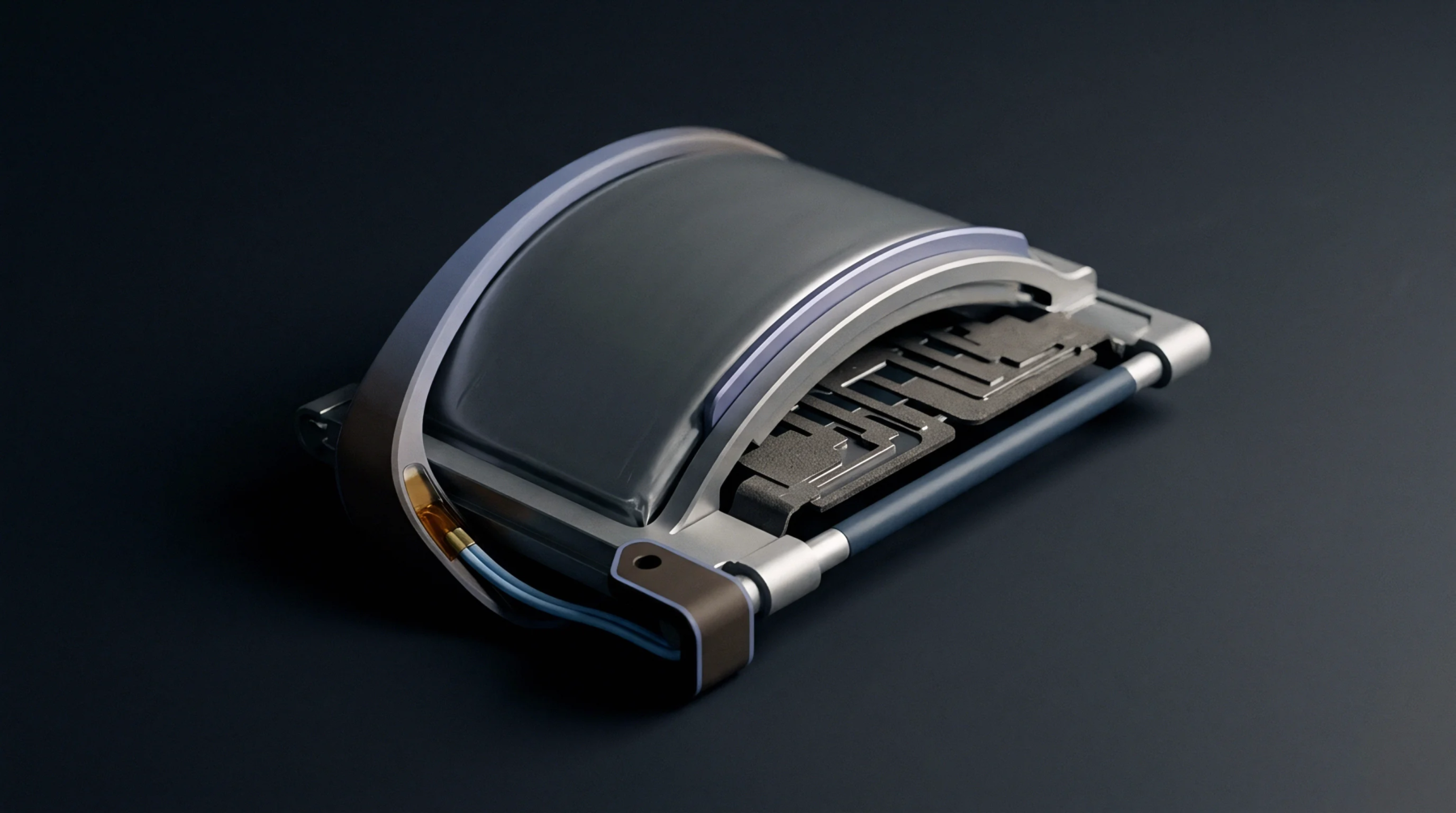
Standard air equivalent leak conversions transform empirical helium mass spectrometer readings into precise air ingress and solvent loss metrics for pouch cells.
Expertise is a utility, not a secret. sentiention™ publishes its working knowledge as open reference: intelligence layer covering the materials it sources, the markets it enters, and the reference that serves both.