
Carbide Nucleation Kinetics in Atomized Tool Steels
Gas atomization quenches tool steel droplets to suppress primary eutectic carbides, shifting nucleation to solid-state precipitation during consolidation.

Gas atomization quenches tool steel droplets to suppress primary eutectic carbides, shifting nucleation to solid-state precipitation during consolidation.
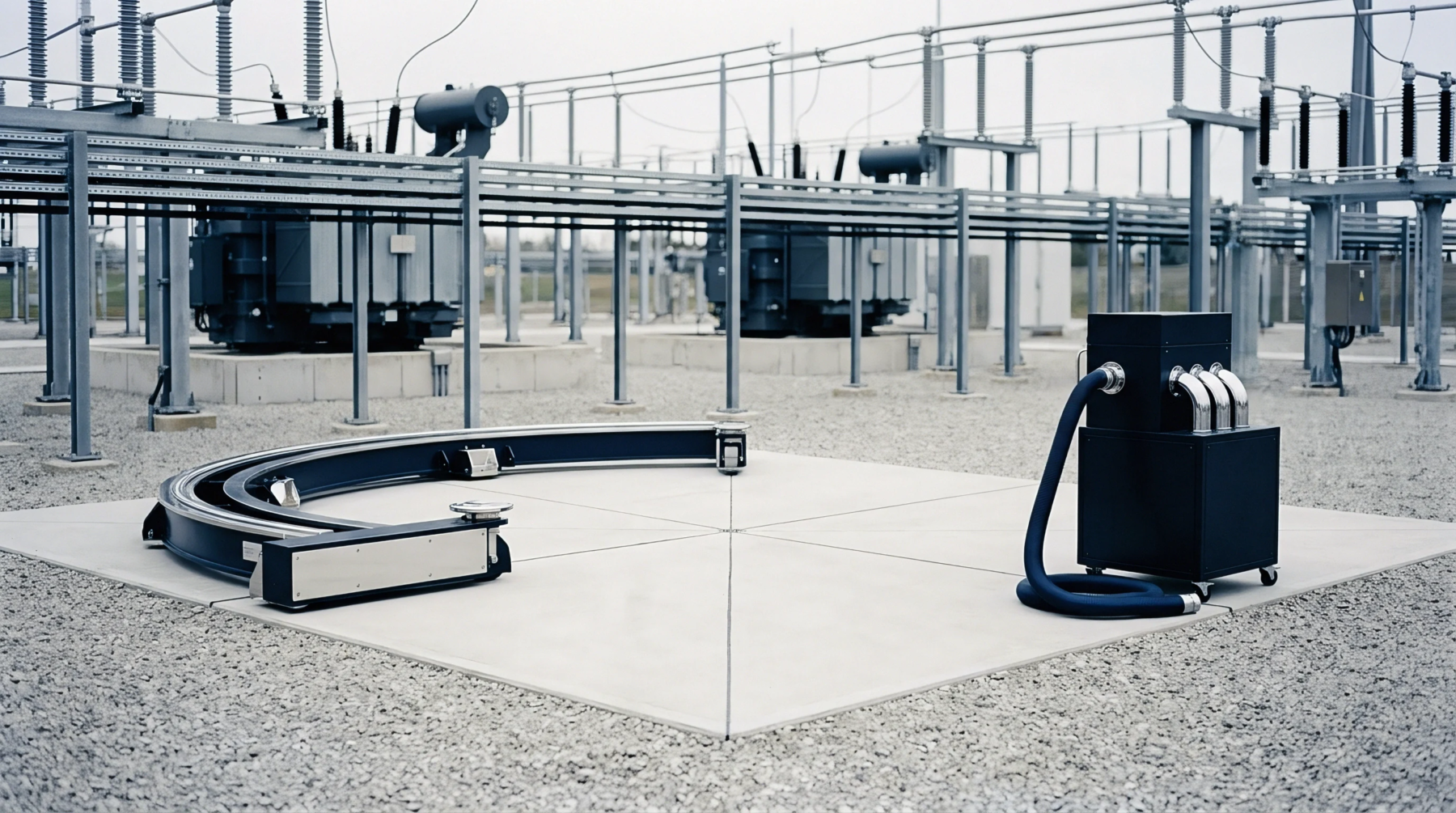
Balancing melt superheat against inert gas flow suppresses ceramic nozzle dissolution while eliminating tool steel powder contamination and freeze-off defects.
Solid silicon anode expansion demands 5 MPa stack clamping to prevent void delamination, imposing module hardware mass penalties that cut pack energy density.
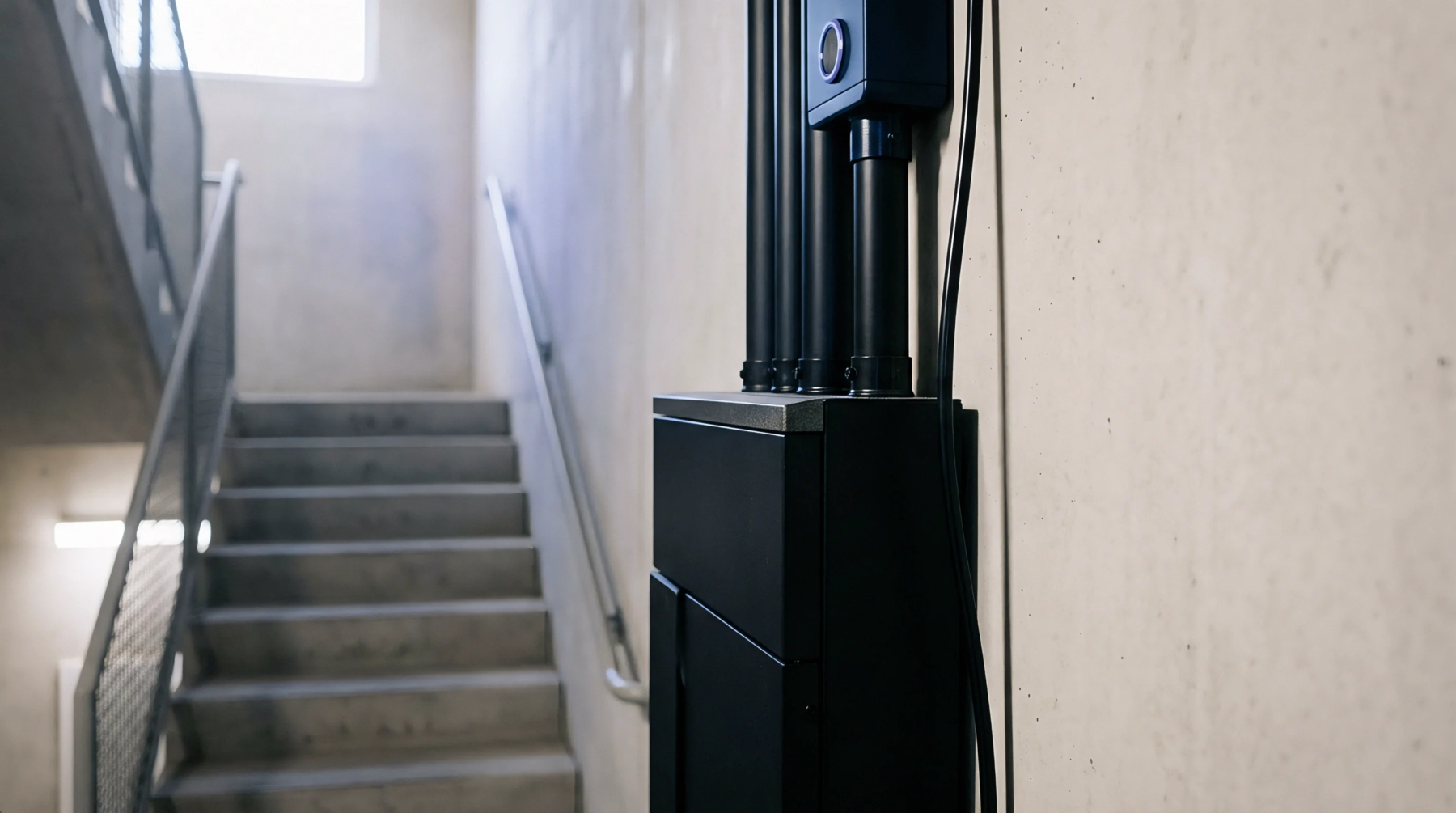
IFC Chapter 12 caps indoor lithium-ion storage at 20 kWh unless UL 9540 listing, UL 9540A testing, 2-hour partitions, and 3-foot clearances permit higher limits.

Thermodynamic modeling balances gas kinetic energy against solute-dependent surface tension and rapid solidification kinetics to control tool steel powder yield.

Viscoplastic stress relaxation in silicon-lithium alloys mitigates localized current divergence only when charge rates remain below the material creep velocity.

Interphase fracture under fast charging drives plating and fade, demanding rigorous receiving screening and strict carrier compliance.

Extrusion die erosion thickens enclosure walls, shrinking internal cavities and accelerating destructive mechanical over-compression across cell lifespans.

Dynamic mechanical compression between 0.3 and 0.8 MPa suppresses silicon void nucleation and crack propagation to extend high-capacity pouch cell cycle life.

Parasitic electrolyte reduction continuously consumes cyclable lithium under float storage, driving premature capacity knee-point failure in scaled battery systems.

Melt superheat governs liquid metal viscosity, defining delivery nozzle stability, carbide dispersion, and fine particle yields during gas atomization.

Interfacial compressive stress in silicon anodes elevates charge transfer overpotential and drives SEI rupture, requiring 0.3-0.8 MPa pack constraint.
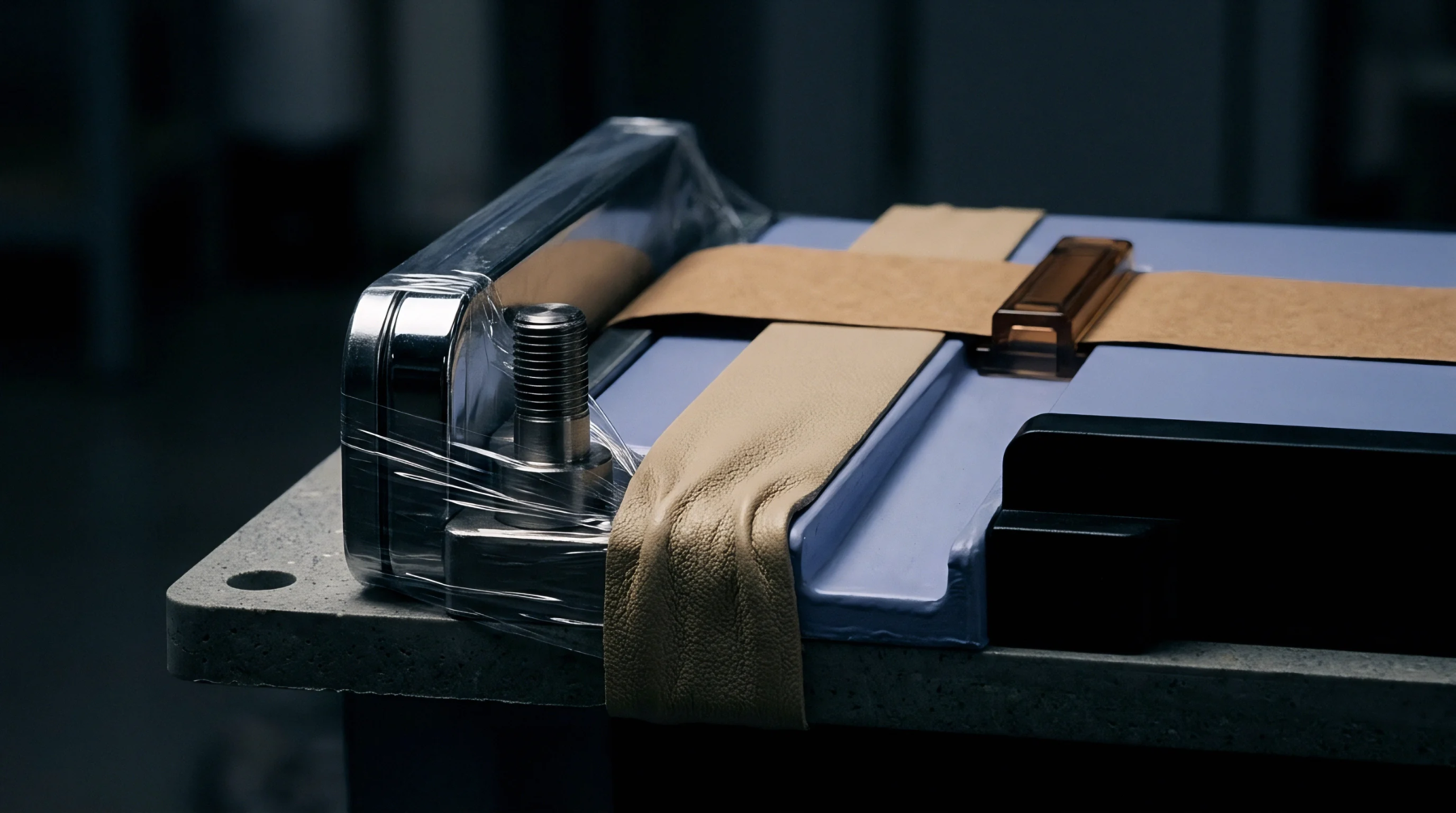
Compliant foam pads resolve microscale SEI heterogeneity by dampening edge pressure spikes and maintaining uniform local overpotential across pouch electrodes.

Fast-charge radial SEI thickening concentrates at the cylindrical core due to anisotropic thermal resistance, demanding core cooling to prevent premature fade.

Amortizing custom battery pack tooling costs into unit prices introduces volume clawback risks that are mitigated by itemizing physical molds as client-owned capital assets.

Cross-plane thermal gradients drive localized overpotential spikes that trigger premature lithium plating, uneven passivation thickness, and warranty-killing fade.

Prismatic pack housing tooling capital spans $90k for modular extrusion dies to over $750k for monolithic casting dies, dictating rigid bailment contracts.

Controlled formation cycle protocols govern graphite interphase passivation, bounding irreversible capacity loss, transport stability, and warranty liability.

Thermal gradients across parallel solid-state cells skew branch impedance exponentially, concentrating high current into warmer cells and triggering local shorts.

Verify ISO/IEC 17025 accreditation schedules directly against current UN 38.3 revisions to prevent customs interdiction and port demurrage penalties.

Resolving oxygen evolution dynamics requires conformal atomic coatings, rigorous gas mass spectrometry validation, and binding residual lithium specs in contracts.
Validate testing laboratory ISO 17025 scope annexes to ensure equipment ranges, current shunts, and thermal chambers cover actual cell safety test parameters.

Cathode interfacial impedance surges during high-voltage storage through active surface reconstruction, demanding low storage voltage and cold pulse screening.

Sort parallel cells across 10-second DCIR, capacity, and 14-day K-value windows rather than 1 kHz ACR alone to prevent localized overcurrent and premature pack fade.
Verify the laboratory ISO 17025 scope annex directly with the accreditation body to ensure testing standards, ranges, and specific clauses match shipped cells.
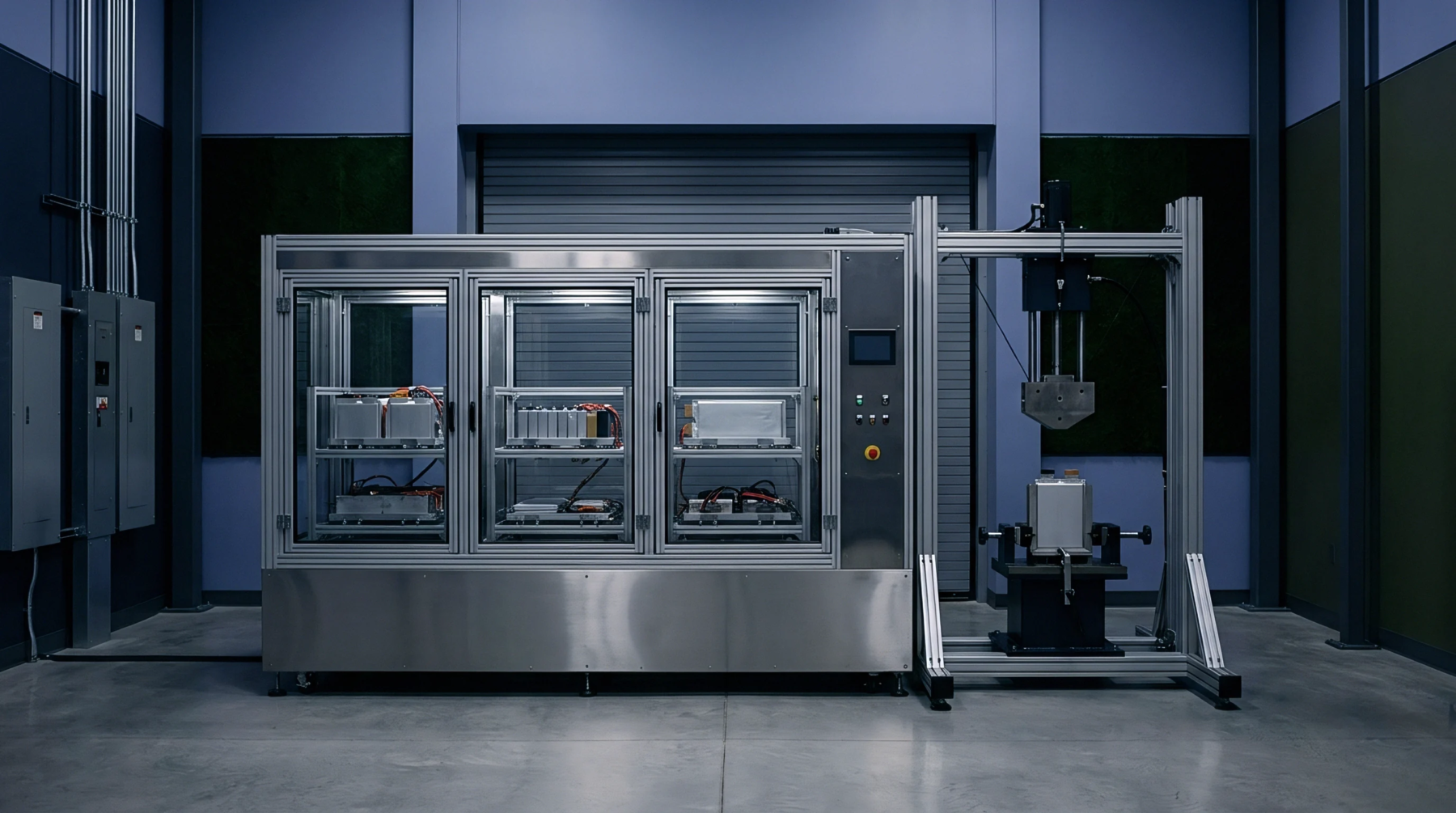
Interconnect parasitic resistance forces unequal branch currents and severe thermal gradients across parallel strings, requiring matched micro-ohm path design.

Integrating insurer loss survey telemetry into cell contracts converts ambient transit logging into binding warranty triggers that assign liability immediately.

Surface reconstruction degrades high-nickel cathodes via rock-salt shell growth and oxygen release, requiring strict voltage derating to limit impedance fade.

Dynamic electrochemical AQLs align time-dependent impedance growth with contract indemnity clauses to prevent unrecoverable field failure liabilities.

Prismatic cell batch acceptance demands zero-acceptance attribute sampling for safety defects and ISO 3951-1 variables sampling for capacity and impedance distributions.
Expertise is a utility, not a secret. sentiention™ publishes its working knowledge as open reference: intelligence layer covering the materials it sources, the markets it enters, and the reference that serves both.