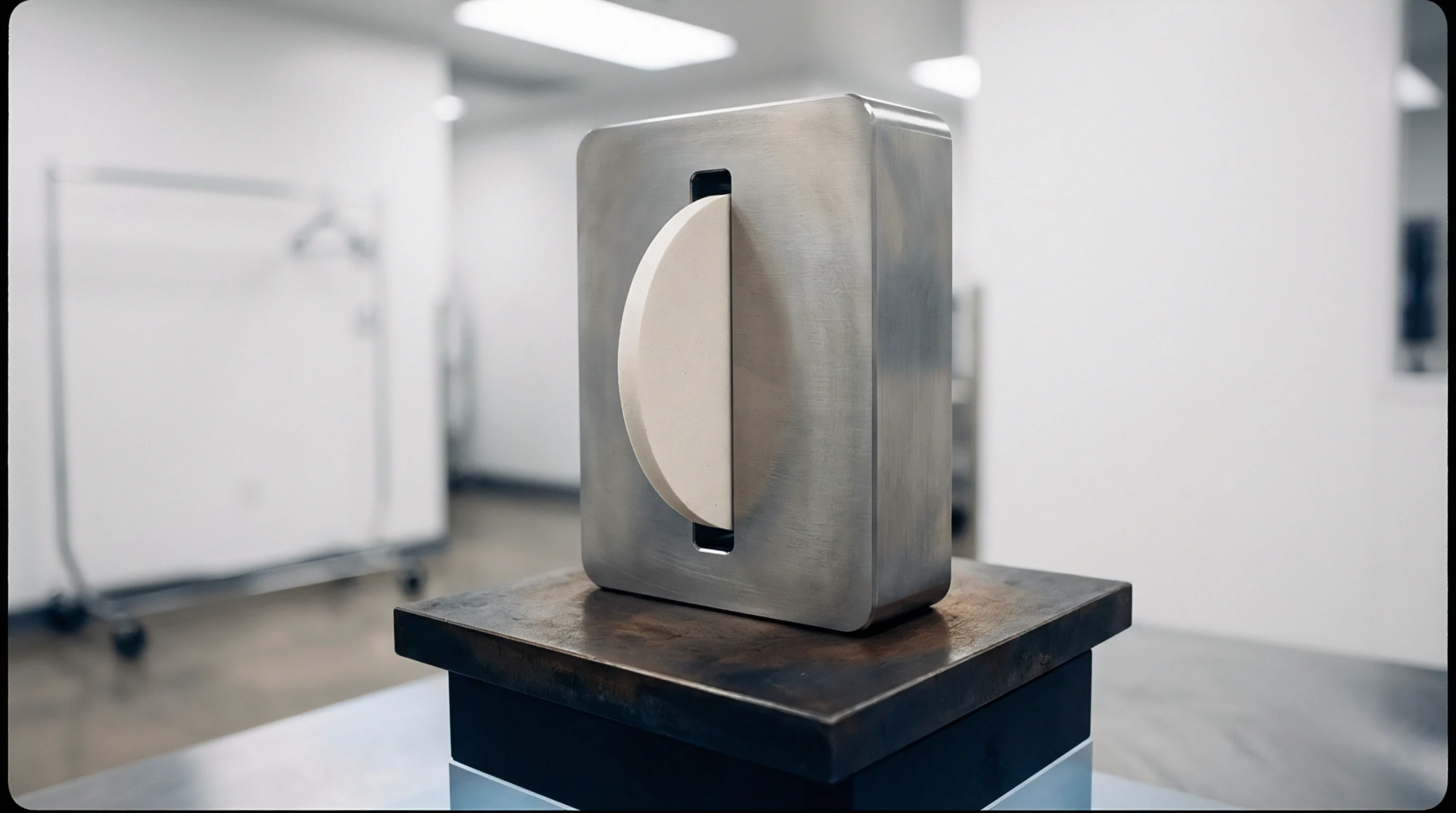
Kinetic Overpotential and Solid State Diffusion Boundaries in Commercial Fast Charging
Fast-charge envelopes hit hard boundaries when combined kinetic and solid-state diffusion overpotentials drive graphite potential below zero volts versus lithium.

Fast-charge envelopes hit hard boundaries when combined kinetic and solid-state diffusion overpotentials drive graphite potential below zero volts versus lithium.

Electrochemical impedance spectroscopy and high-speed DC pulses isolate interfacial resistance, enabling rigorous incoming cell quality verification.

Sub-zero fast charging shifts graphite anodes below zero volts, causing dangerous lithium plating that accelerates degradation and triggers shipping refusal.
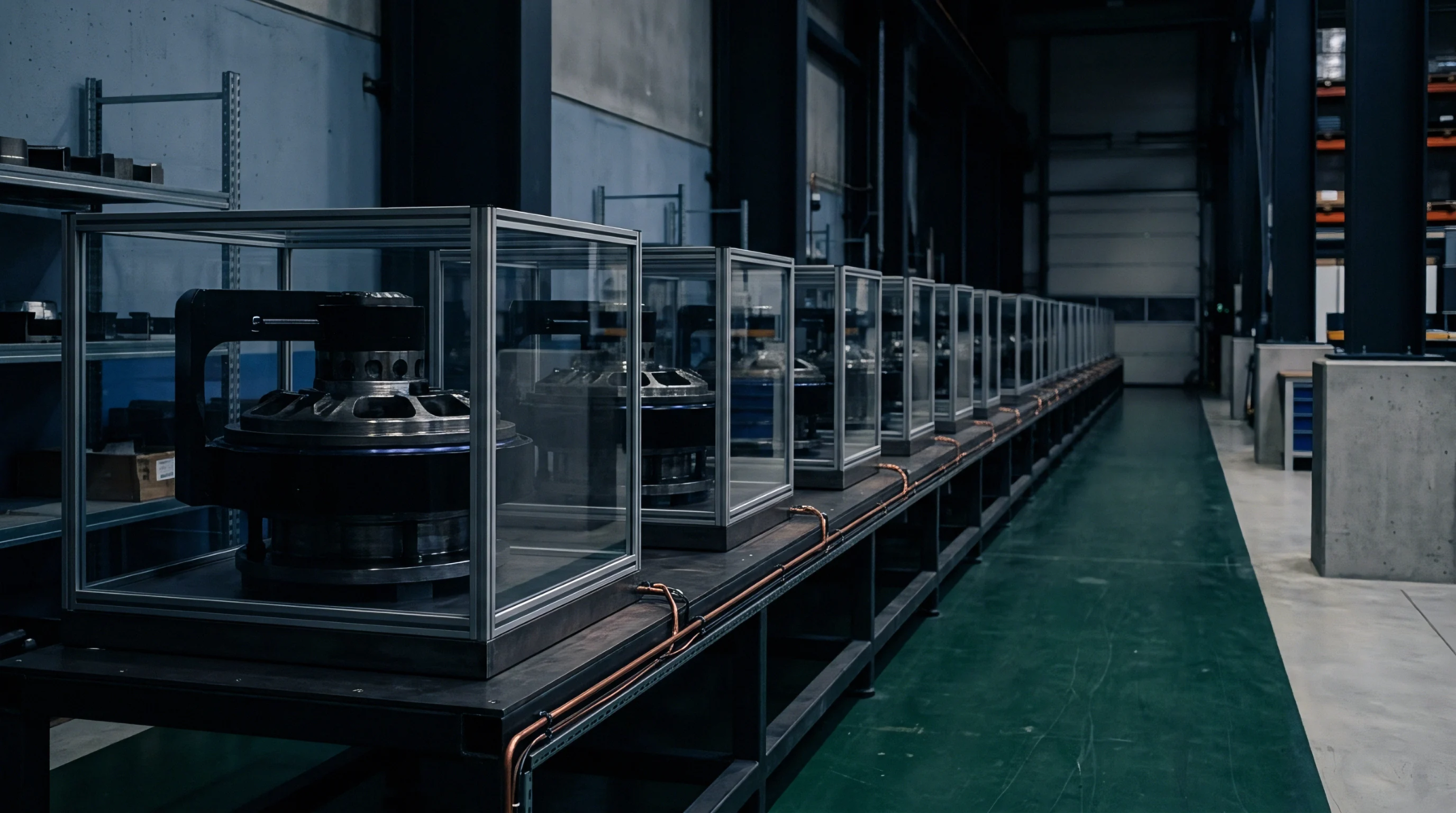
Dynamic cyclic swelling stresses drive irreversible separator creep, collapsing pores and increasing MacMullin numbers to cause early cell impedance failure.

Enforce joint liability and locked escrow funds tied to telemetry voltage decay rates to allocate latent micro-short losses before arbitration begins.
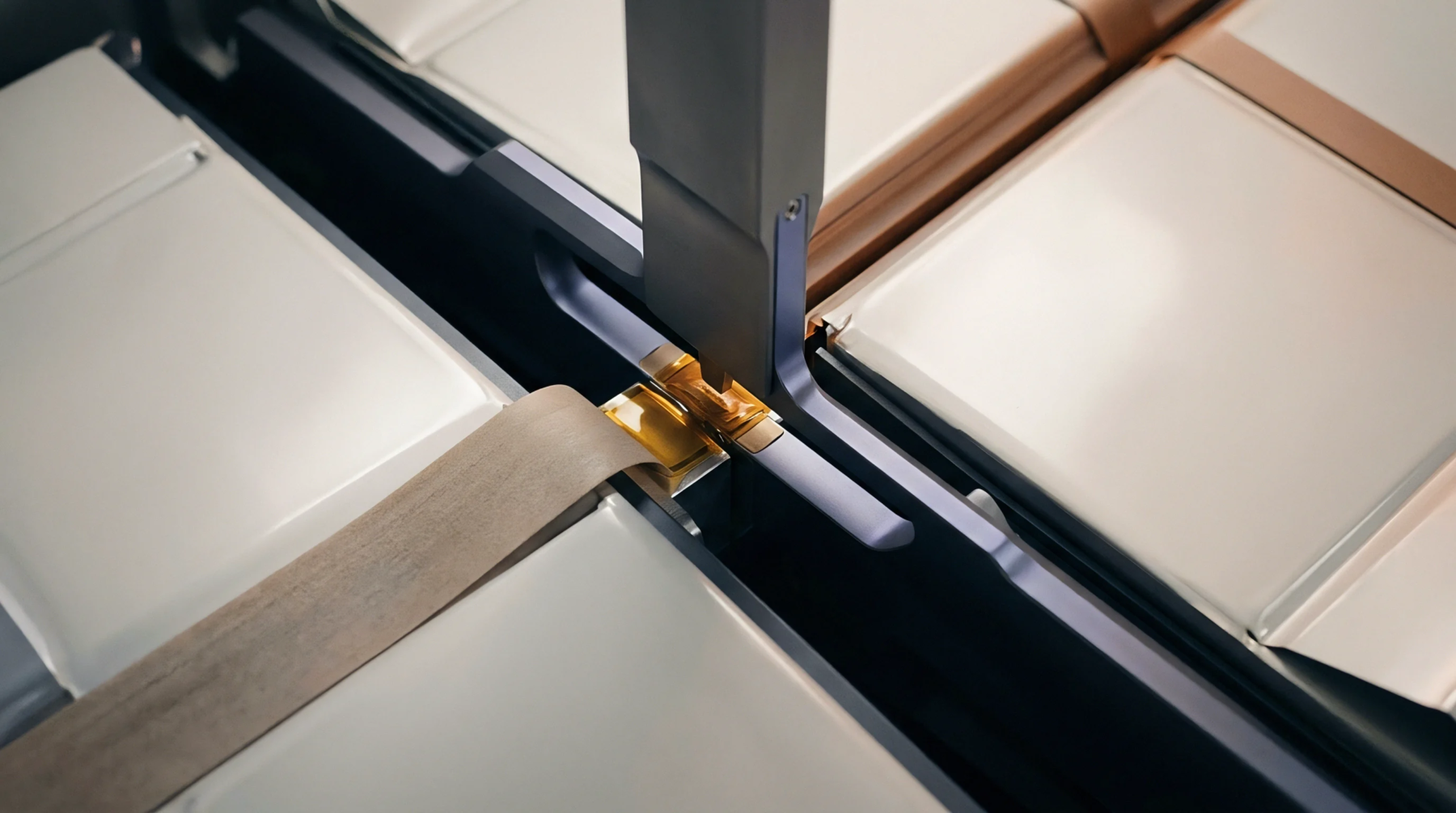
Dynamic compliant clamping balances reversible breathing and irreversible growth to maintain cell interfacial pressure between 0.05 MPa and 0.8 MPa across life.

Voltage decay screening isolates internal micro-shorts by tracking millivolt drops against statistical lot baselines using precision Kelvin metrology.

Incoming cell qualification demands fourteen-day multi-point voltage decay, AC impedance, and CT overhang scans to eliminate latent micro-shorts before assembly.

Spatial thermal conductivity impedance tomography maps internal battery delamination and gas growth non-destructively during cyclic mechanical cell breathing.

Prismatic cell swelling combines SOC-driven expansion and permanent SEI growth, demanding calibrated module compression between 0.1 and 0.3 MPa to preserve cycle life.

Iron dendrite micro shorts drive exponential voltage decay detectable through multi-week K-value screening, mitigating thermal runaway in warehouse storage.

Predictive weld modeling must couple diffusion kinetics with critical plane multiaxial fatigue to prevent brittle intermetallic crack initiation under thermal cycling.

Anisotropic jellyroll resistance demands edge-aligned cooling, verified stack pressure, and strict batch-level thermal screening to prevent premature core fade.

Iron particles dissolve at high storage OCV and plate onto anodes as sharp dendrites, causing delayed short circuits through mechanical separator creep.

Prismatic cells show 20-fold anisotropic thermal conductivity, demanding ISO 22007-2 or ASTM C177 testing under precise 0.3 MPa preload to model pack cooling.
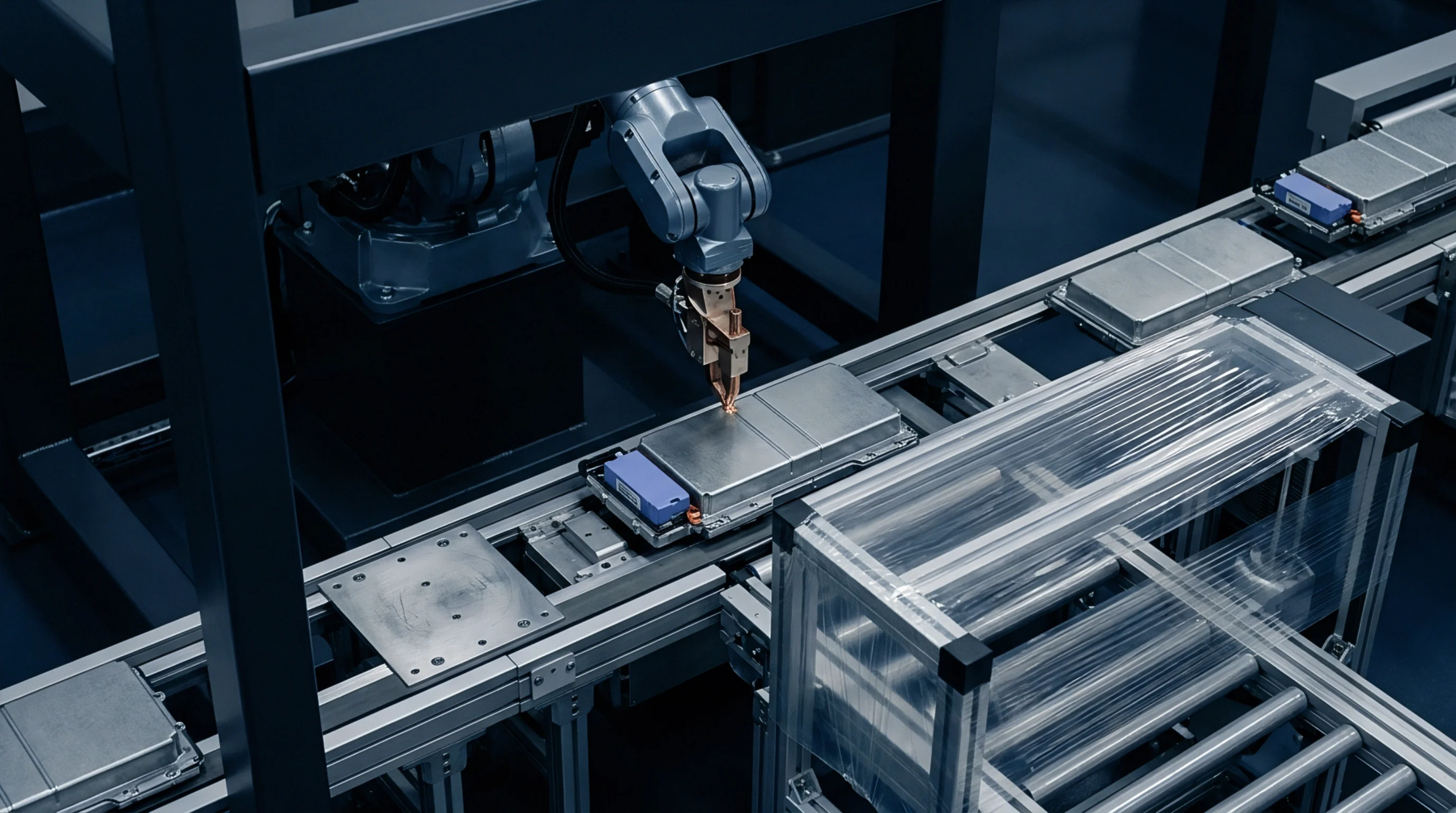
Quantifying busbar life requires matching flexure spring rates to cell swelling and capping thermal creep relaxation to preserve laser weld fatigue limits.

Flexible expansion loops prevent thermal expansion forces from exceeding prismatic cell terminal post shear limits, preserving laser weld fatigue life.

Operating layered oxide cathodes above four point two volts generates singlet oxygen, triggering structural phase decay and thermal hazards that reduce pack life.
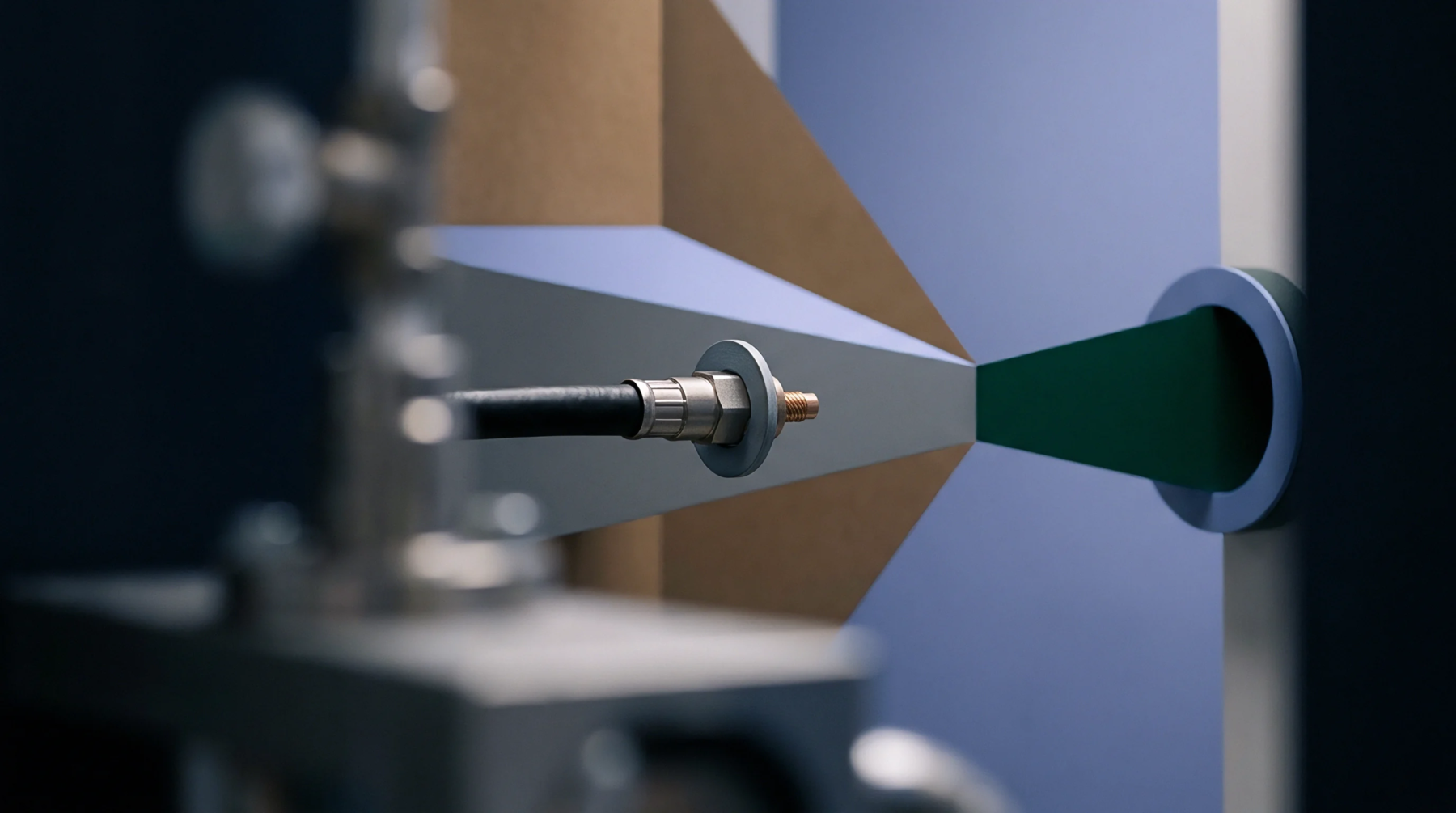
Inline electromagnetic filtration combined with dual-stage high-temperature K-value screening stops microscopic iron inclusions before cell shipment.
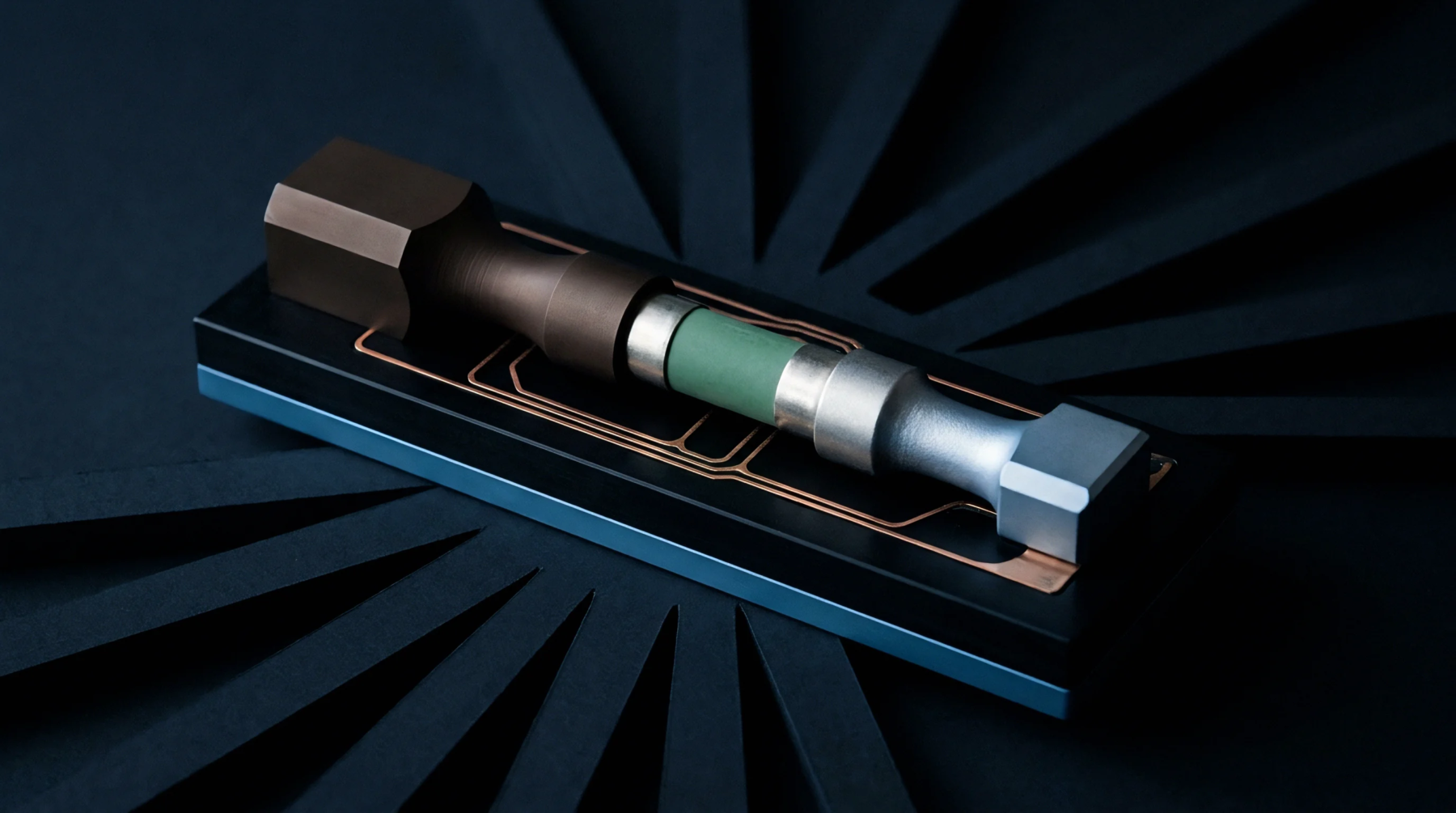
Quantifying transition metal migration and anode interphase decay determines actual lifetime cell energy throughput and prevents premature system replacement.

Solid-state cell import verification requires modified UN 38.3 testing under active stack pressure and UN 3090 dangerous goods compliance.

Validate UN 38.3 test summaries against accredited laboratory databases to ensure mandatory data compliance and prevent cross-border shipment seizures.

Maintaining cell stack pressure between 0.20 and 0.50 MPa extends silicon composite anode life by preventing delamination without inducing separator pore collapse.

Ultra high nickel cathodes degrade via severe anisotropic lattice collapse beyond 4.15 V, driving intergranular cracking, surface rock-salt reconstruction, and outgassing.
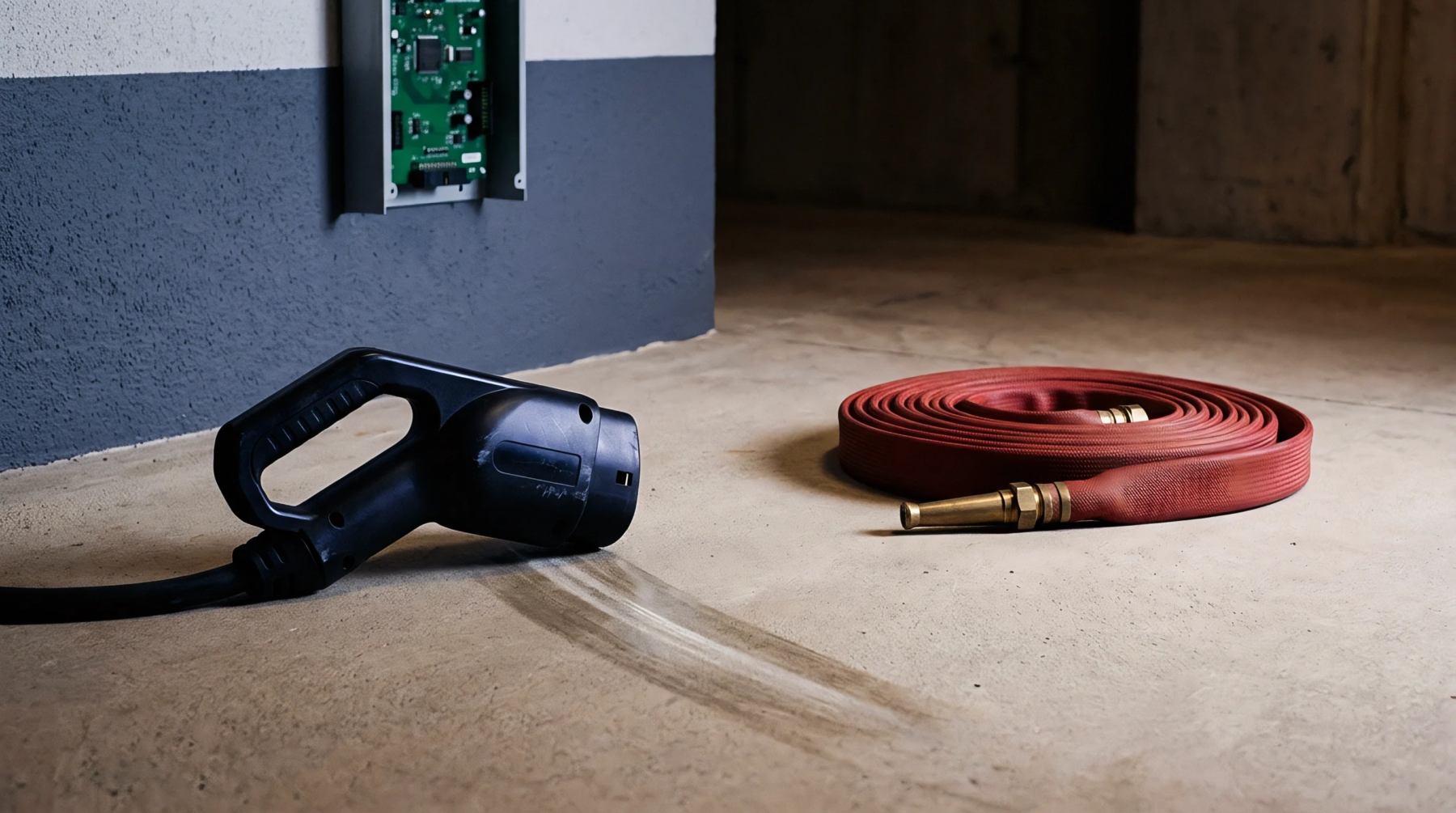
Customs entry demands an exact match between shipping papers, physical box markings, and UN 38.3 test summary values to prevent cargo holds and fines.
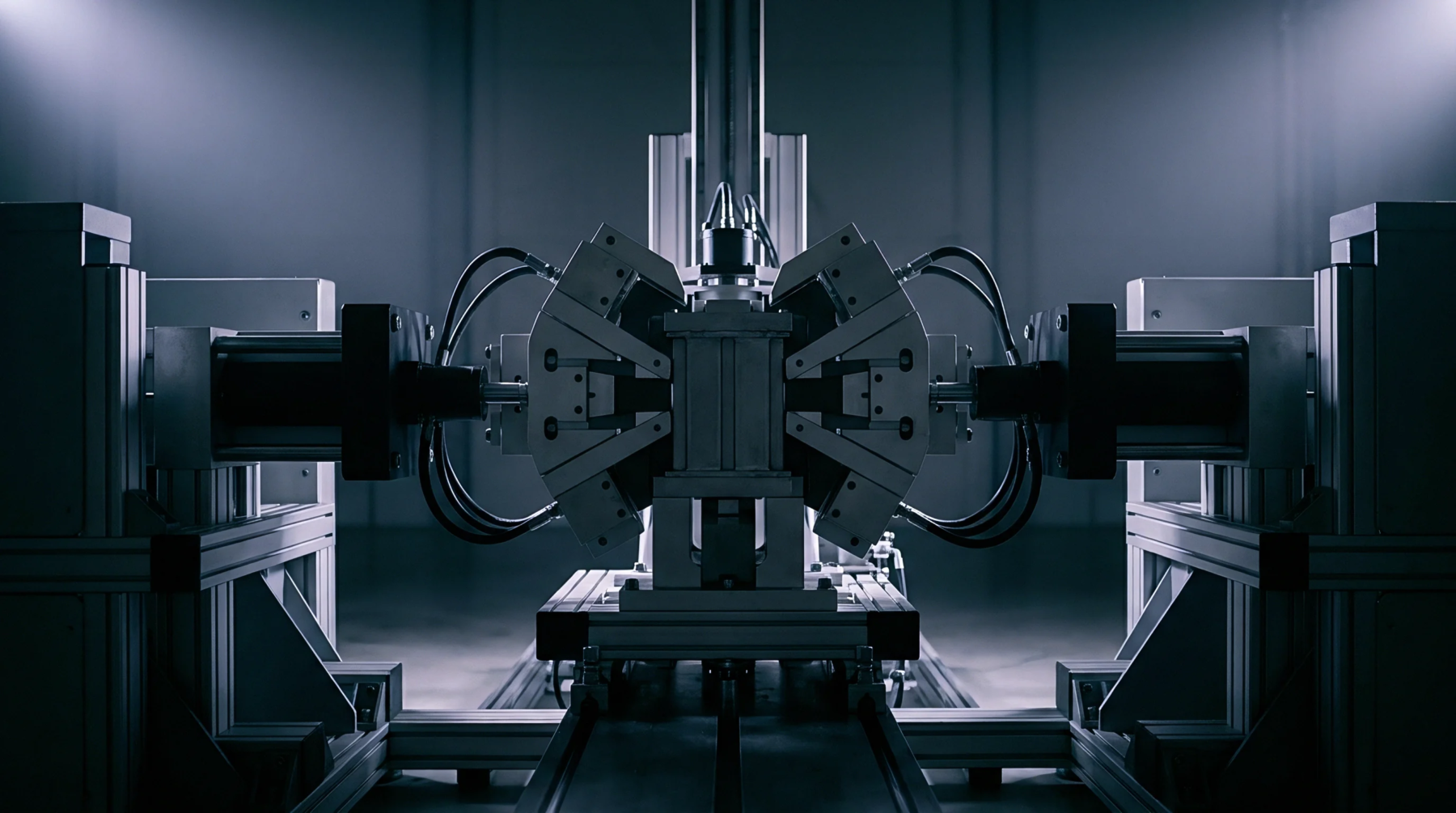
Active preload control fixtures hold cell pressure between 0.20 and 0.35 MPa across breathing cycles, extending prismatic battery lifespan beyond 6,000 cycles.
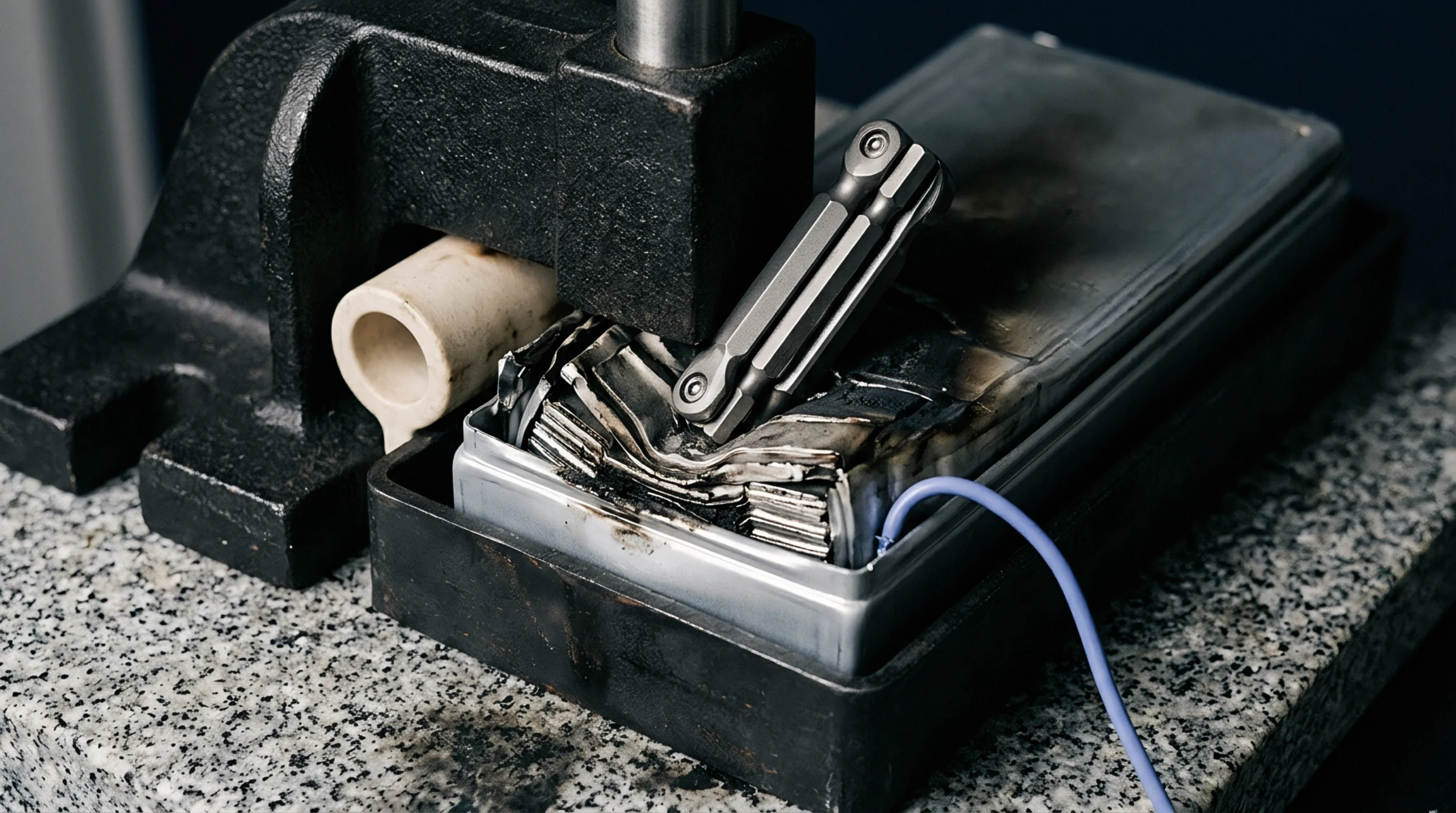
Calibrated prismatic clamping balances casing creep against separator pore collapse to sustain cell capacity across continuous charge swelling cycles.

Mechanical pre-load between 0.2 and 0.5 MPa optimizes cycle life by preventing graphite delamination while maintaining pore network ionic diffusivity.
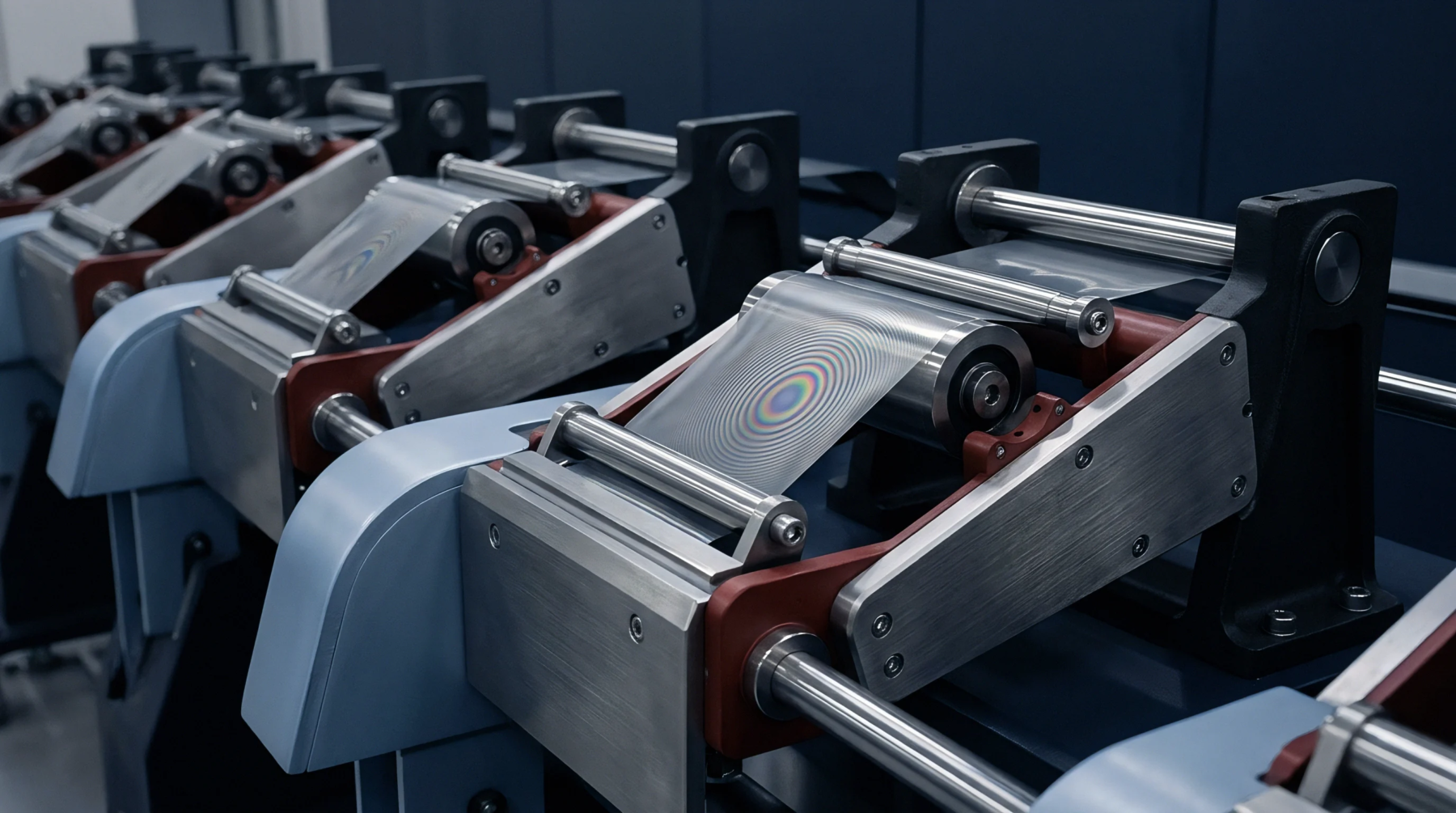
Continuous Rayleigh OFDR requires physical capillary isolation or low-condition matrix inversion to decouple thermal and mechanical strain in battery cells.

Prismatic cell mechanical preload management balances initial zero point two megapascal compression against elastomeric spacer deflection to prevent capacity fade.
Expertise is a utility, not a secret. sentiention™ publishes its working knowledge as open reference: intelligence layer covering the materials it sources, the markets it enters, and the reference that serves both.