
ISO IEC 17025 Scope Validation for Battery Safety Dossiers
Validate ISO/IEC 17025 schedules directly on ILAC registries to confirm specific battery test standards and ranges before signing cell procurement contracts.

Validate ISO/IEC 17025 schedules directly on ILAC registries to confirm specific battery test standards and ranges before signing cell procurement contracts.
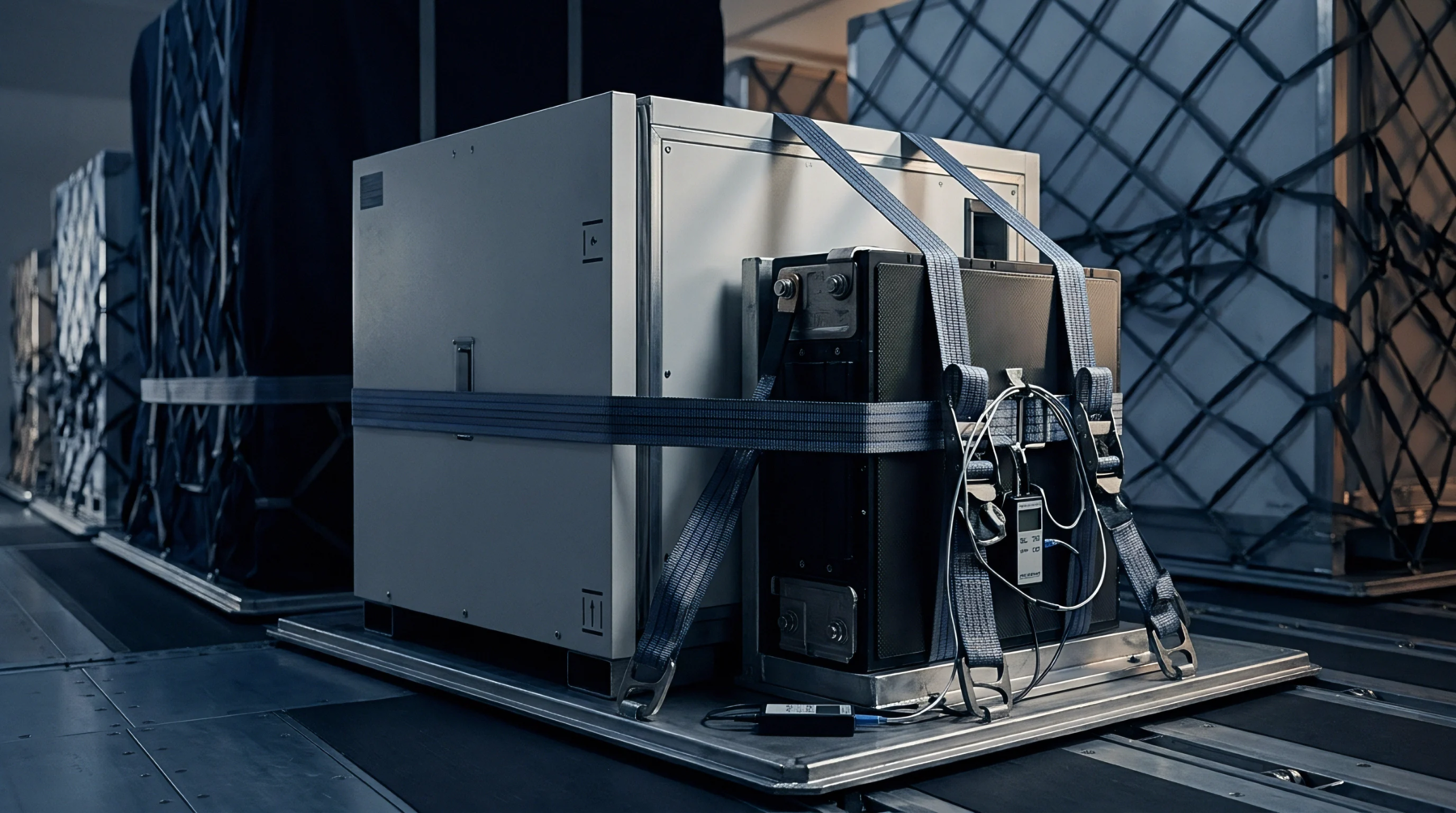
Compliant test summaries and strict state of charge verification insulate shippers against carrier refusals and redirect downstream demurrage costs to suppliers

Post-HIP thermal induced porosity regrowth occurs when trapped insoluble atomization gas expands via vacancy diffusion during unconstrained high-temperature heat treatment.

Integrating UN 38.3.5 test summaries into dangerous goods declarations requires exact data alignment, digital URL linkage, and verified lab accreditation.
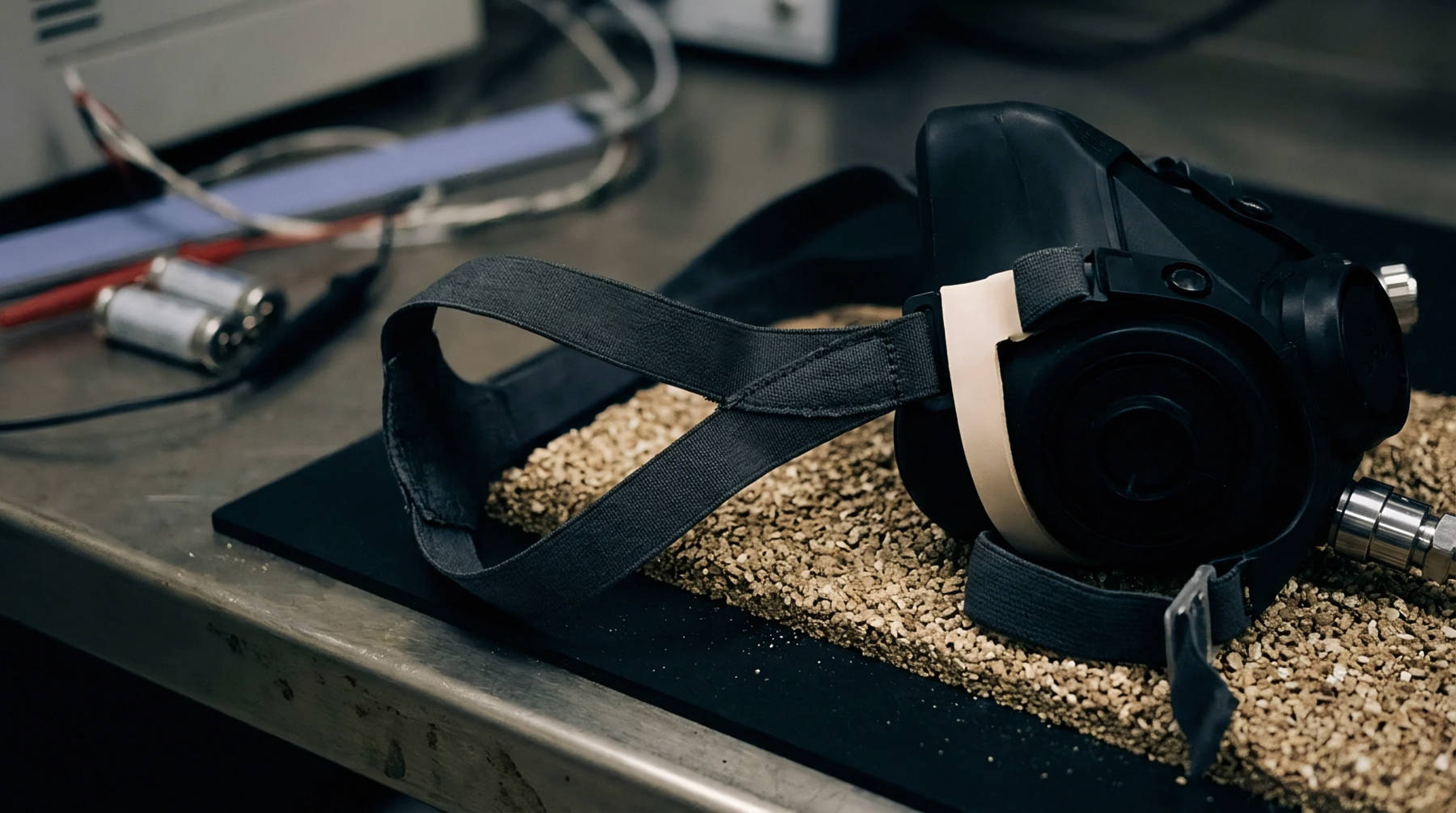
Argon trapped in atomized powders survives melt-pool consolidation and causes post-HIP thermal pore regrowth unless mitigated by PREP or tight ppm limits.

Dynamic power tariffs shift battery material tolling fees by up to thirty percent, requiring sub-metered energy indexing and strict thermal baselines.

Inert gas atomization mechanics require tight control over gas-to-melt ratios and superheat temperatures to enforce exact alloy composition and powder yields.

Unresolved carbon footprint deficits convert battery imports into retroactively recoverable customs debts with physical container impoundment at EU borders.
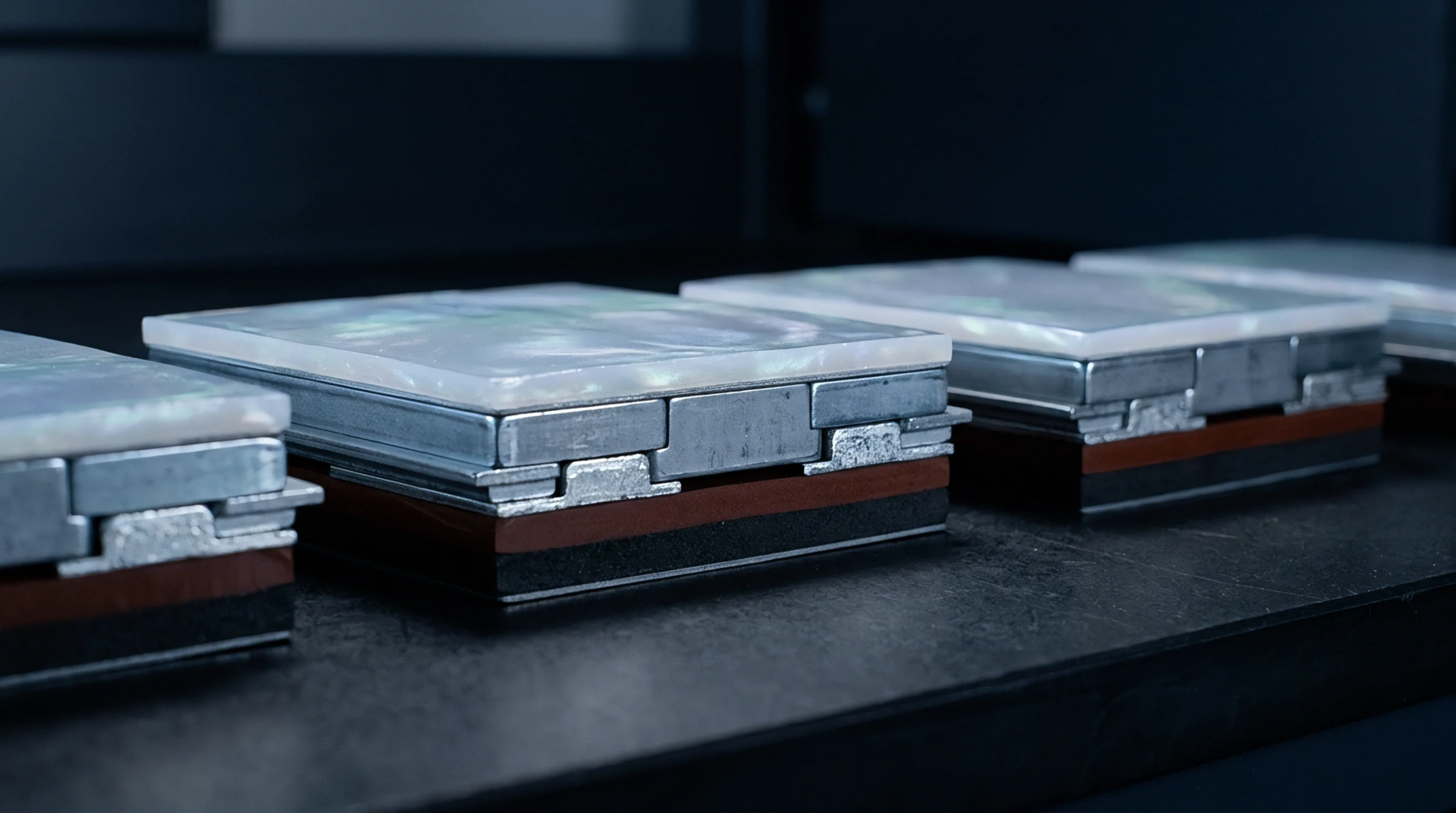
Decoupling thermal dilation from electrochemical swelling requires dynamic multi-frequency observers isolating thermal expansion from intercalation stress.

Optical feedthroughs in pressurized pouch packs demand metallized soldered ferrules or compression glass to resist solvent vapors and hold sub-nanobar hermeticity.

Optical fiber strain sensors on pouch cells detect localized swelling and lithium plating when polyimide-coated silica is isolated from thermal cross-talk.

Polyurethane compression pads balance cell swelling through viscoelastic relaxation, requiring calibrated Prony models to avoid separator crush or delamination.

Optimizing module end plate stiffness between 100 and 130 kN/mm balances non-linear cell swelling forces to prevent pore crushing and interface delamination.

Synthetic graphite graphitization draws 8 to 14 MWh per ton, fixing cell carbon footprints and pricing exposure to regional high-voltage industrial power tariffs.

Prismatic cell swelling force escalates nonlinearly across cycle aging, demanding compliant inter-cell cushioning to prevent separator crushing and weld fatigue.

Operando voltage relaxation spectroscopy isolates inflection points in dV/dt curves to separate reversible lithium from dead metal under dynamic thermal stress.

UN 38.3 compliance requires an accredited test summary matching physical cell design metrics to clear Class 9 dangerous goods freight inspections.

Optimize copper alloy selection and channel ligament thickness to limit cyclic plastic strain amplitude below 0.15 percent, preventing early fatigue cracking.

Differential capacity deconvolution separates active lithium loss from solid interphase growth by tracking peak voltage displacement against peak area decay.

Primary duty rates for lithium cells depend on HTSUS 8506 versus 8507 lines, cathode chemistry formulation, assists valuation, and Section 301 exposure.

Calculate UCC guarantee obligations by multiplying peak inventory value by combined duty, VAT, and anti-dumping rates across the processing time window.

Standardized diagnostic recalibration uses thermodynamic dQ/dV peak alignment and cubic splines to correct reference drift in battery transport safety files.

Controlled precipitation aging and forged microstructures eliminate early thermal crazing in high-conductivity tooling, protecting cell weld integrity and uptime.
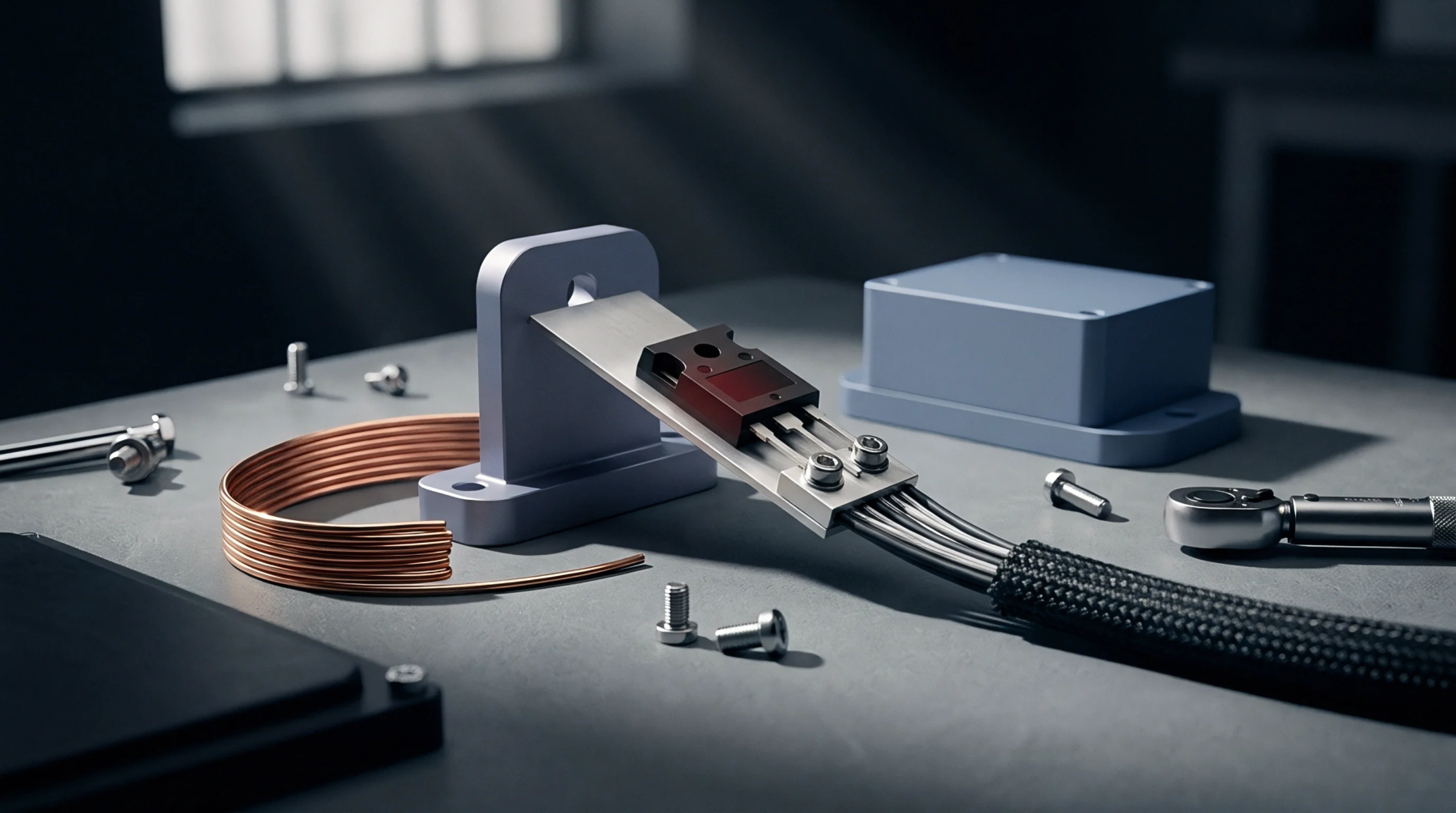
Mitigating thermal strain in copper tool inserts demands floating slip pockets and spring preloads that absorb expansion while preserving interfacial contact.

Algorithmic drift correction isolates instrumentation bias from true electrochemical fade using thermodynamic phase anchors to protect warranty claims.

Voltage relaxation plateau tracking identifies metallic lithium stripping, separating reversible plating from chemical solid electrolyte consumption.

Miscalibrating compression pad relaxation models during fast charge cycles risks stack force decay below minimum thresholds, driving cell impedance spikes.

Micro-wire reference probes resolve pouch anode plating limits but invalidate transport certificates and introduce phase artifacts.

Continuous edge welds induce current crowding and edge densification, driving local anode potentials below zero volts and requiring strict overhang controls.

Combining 1 kHz AC ohmic offsets with 100-millisecond DC step pulses resolves charge transfer resistance without compromising high-throughput triage line speed.
Expertise is a utility, not a secret. sentiention™ publishes its working knowledge as open reference: intelligence layer covering the materials it sources, the markets it enters, and the reference that serves both.