
Buying Cells against Buying Packs and Where Responsibility Sits
Buying cells requires owning BMS development, weld quality, thermal isolation, and pack safety files; buying packs trades unit margin for transferred liability.
Buying cells requires owning BMS development, weld quality, thermal isolation, and pack safety files; buying packs trades unit margin for transferred liability.

Audit tool steel specs upfront and enforce explicit bailment terms to prevent amortized tooling fees from inflating custom pack unit costs.
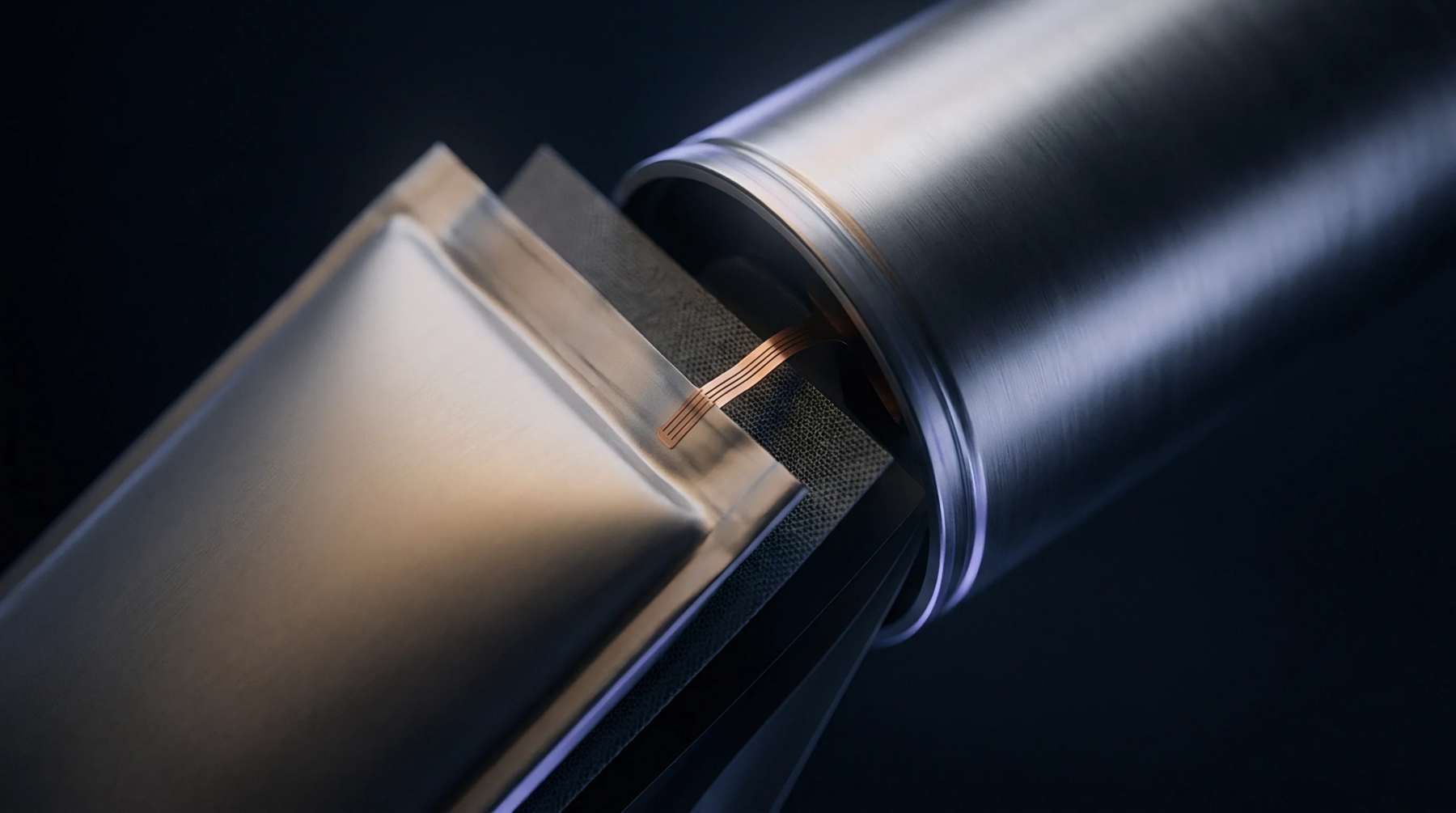
Structurally bonding cell stacks eliminates module mass but transforms minor field defects into complete pack scrap liabilities.

Galvanic corrosion across bare copper-aluminum busbar joints creates escalating thermal interfaces that erode pack life and trigger unbudgeted warranty claims.

Incoming cell lot clearance requires zero-acceptance sampling combined with temperature-controlled K-value screening to intercept latent internal micro-shorts.

Polymer injection mold degradation driven by thermal softening, glass-fiber abrasion, acidic gas corrosion, and thermomechanical fatigue demands steel grade alignment with resin additives.

Cross border tooling recovery relies on foreign bailment registration, explicit title stamping, and pre-negotiated factory access deeds.
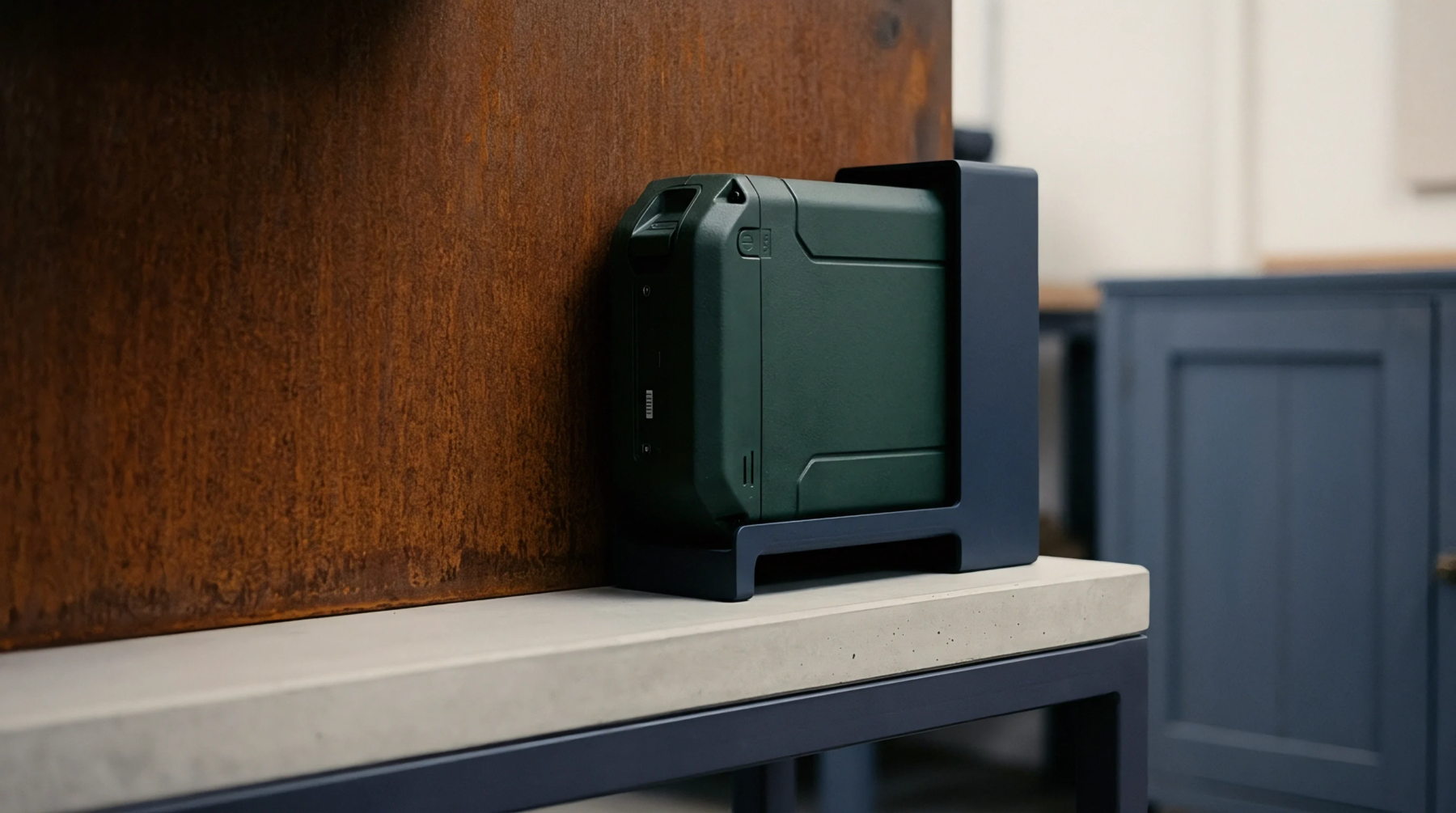
Polyurethane structural adhesives balance lap shear strength and thermal compliance in cell-to-pack builds but mandate plasma activation and void control.

Extended producer responsibility binds the importer of record to end of life battery recycling fees based on chemistry and pack mass.

High nickel cells experience self-discharge via transition metal dissolution and interphase breakdown, demanding strict K-value screening to prevent pack imbalance.
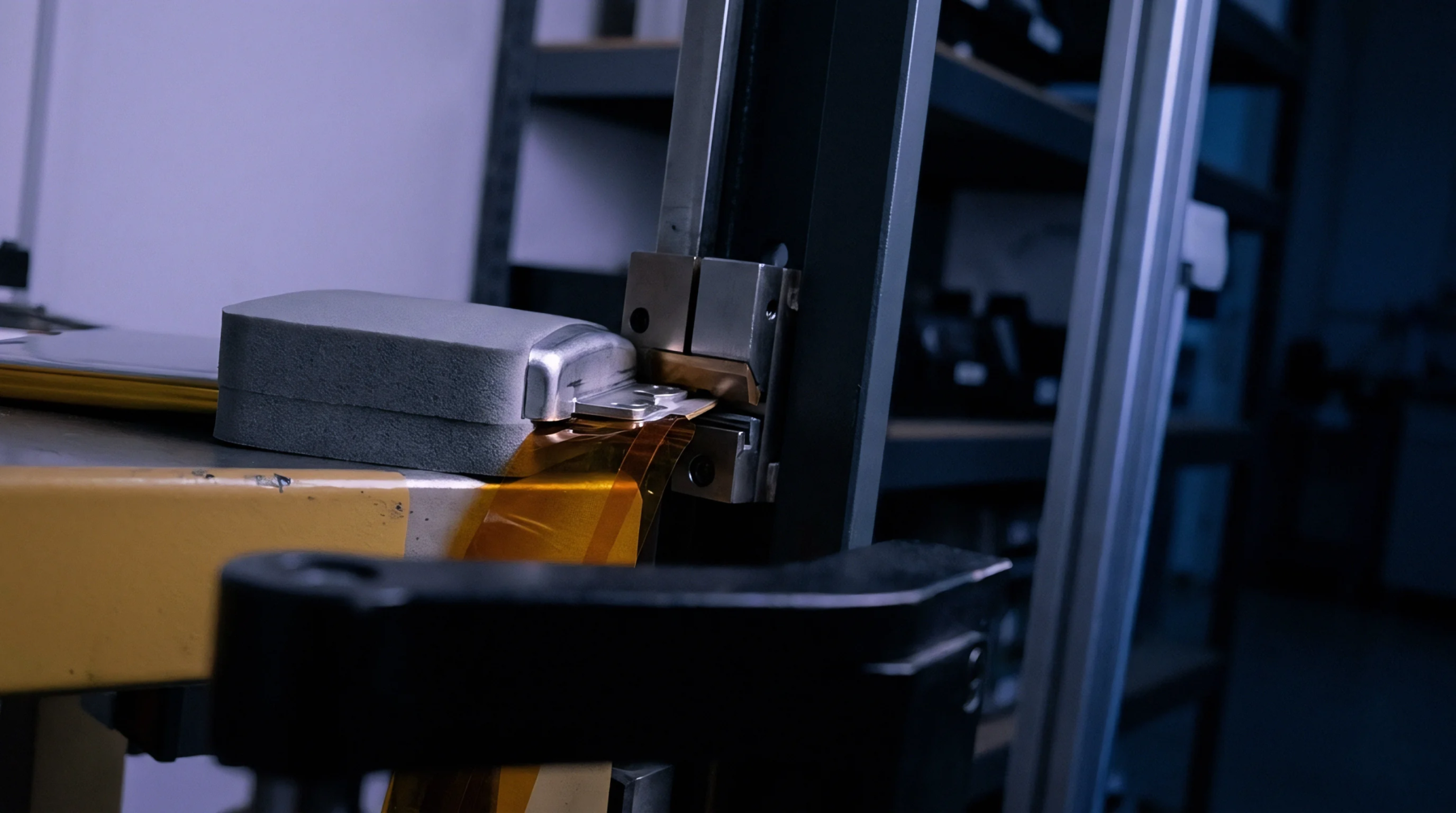
Fix format, compression pads, NRE tooling costs, and BMS regulatory boundaries before signing supply contracts to avoid costly re-tooling and unhedged liability.

Clear BMS ownership requires unbundled NRE terms, immutable toolchain escrows, static memory rules, and defined regulatory re-certification liabilities.

Cell matching mathematics constrains series string capacity variance through multi-parameter binning and direct current resistance threshold alignment.

EU Battery Framework enforcement turns carbon metrics into absolute market entry barriers governed by strict legal indemnification seams.

First article approval for pack stamping dies requires free-state optical scanning coupled with micro-sectioned edge burr verification below 0.03 mm.
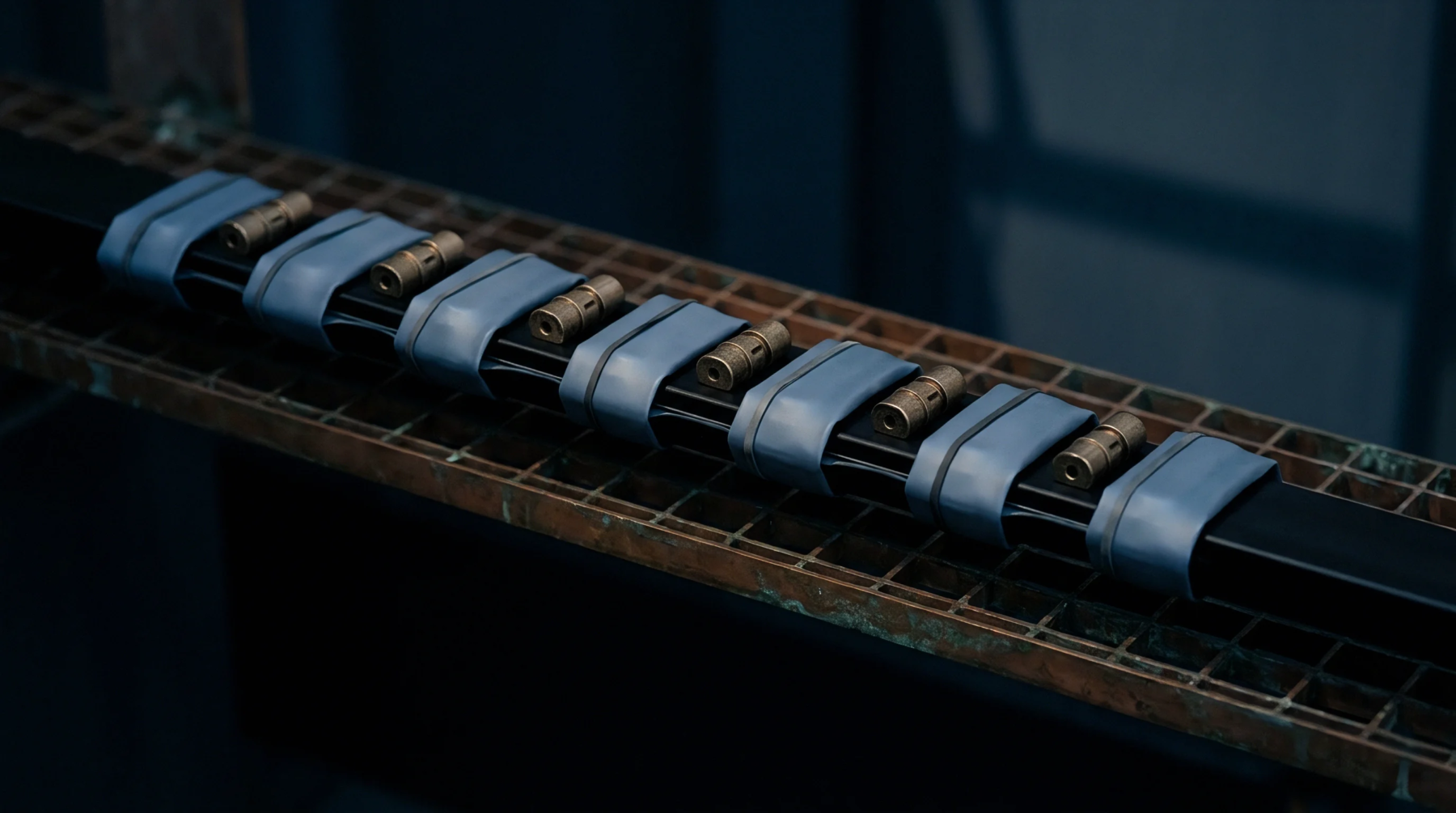
Allocating interconnect warranty risk relies on strict micro-ohm baseline tracking, 1000V creepage isolation, and serial batch traceability.

Spectrographic shear wear audits resolve sub-micron tool steel transfer on foil edges before micro-particles pierce separators and trigger cell short circuits.

Turnkey sourcing trades upfront NRE capital for custom integration ownership, while white label buying eliminates development costs but surrenders supply chain control.

Cross-border cell rejection terms protect buyer capital by linking AQL sampling, duty drawback destruction, and strict financial offset rights to clear interface limits.

Vanadium carbide distribution in PM tool steels is governed by atomization droplet cooling rates and sets the structural limit for wear resistance and edge toughness.

Structural tool steel longevity requires controlling matrix phase dynamics, thermal fatigue, and erosion to eliminate part tolerance stack-up and warranty disputes.

Cell format selection dictates pack thermal dissipation paths, stack compression mechanics, busbar welding tolerances, and compliance responsibility.

Turnkey engineering secures enclosure tooling and BMS firmware control, while white label sourcing locks hardware design and shifts compliance risk.

Cross-border cell inspection demands dockside atmospheric auditing, 4-point Kelvin impedance profiling, loaded metrology, and ANSI Z1.4 lot sampling.

Optimizing tundish superheat, gas-to-metal ratio, and cooling rates ensures uniform fine carbide distribution and eliminates thermal segregation in PM tool steel powder.
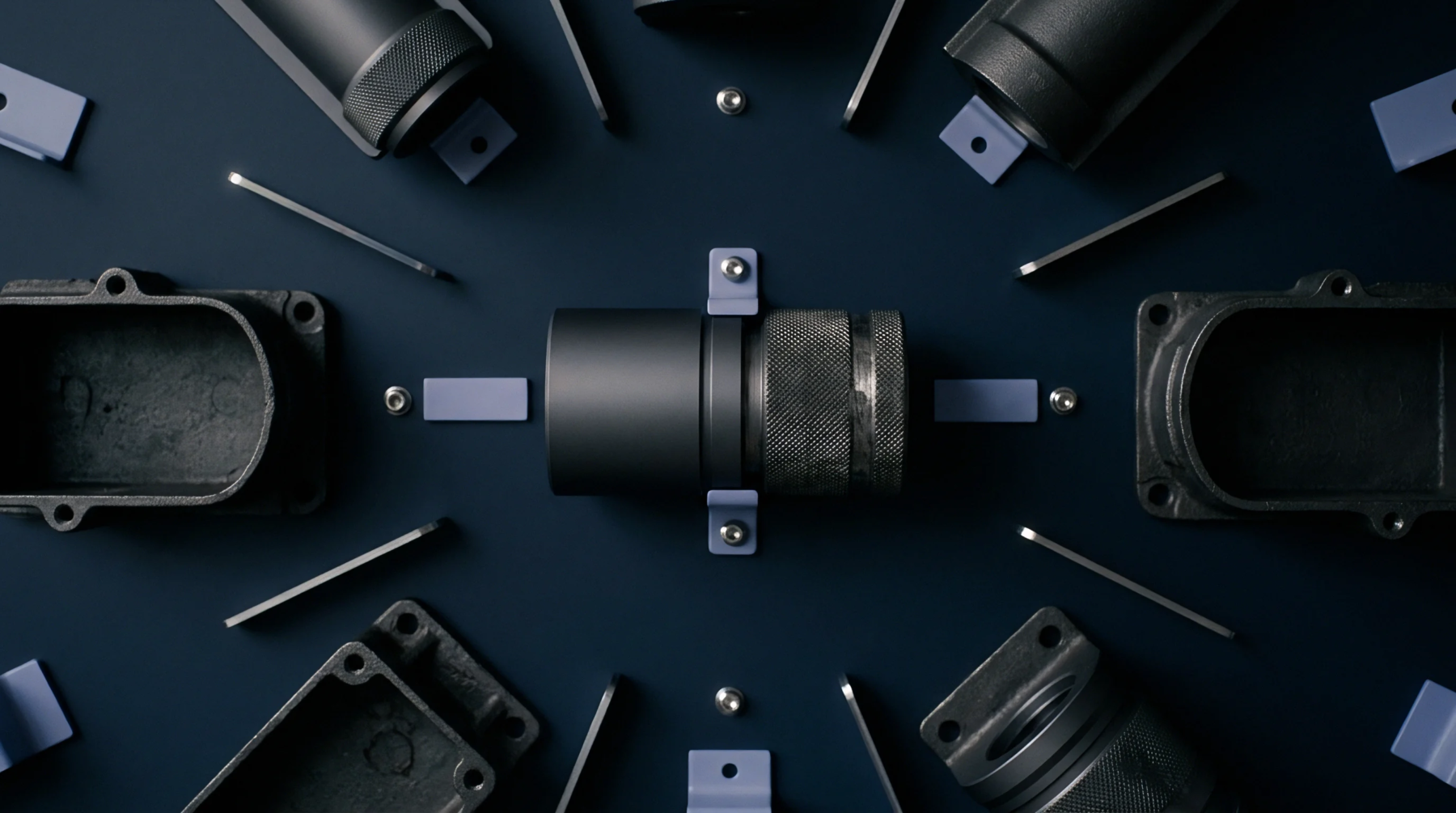
Cyclic thermal shock in aluminum battery enclosure molds drives surface crazing and pitting, requiring thermal management and alloy selection to balance tool life against cycle time economics.

Structural warranty seams rely on precise pressure limits and micro-strain sensor telemetry to separate cell expansion defects from pack structural loading.

Gas atomization of tool steel powders requires maintaining melt superheat at 150°C above liquidus and gas-to-metal ratio between 1.8 and 2.5 to optimize yield.
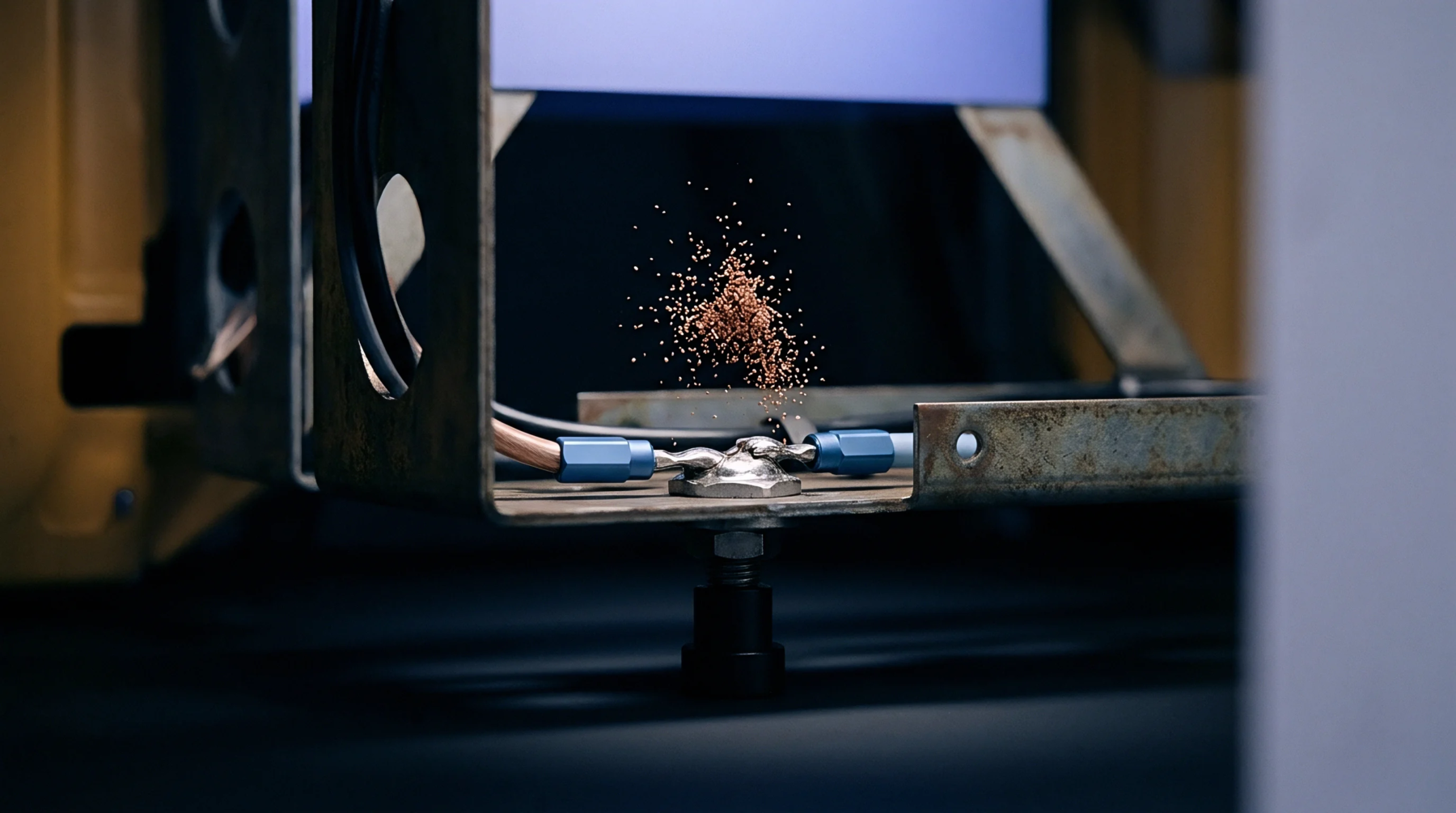
Carbide nucleation kinetics during inert gas atomization are controlled by droplet cooling rates between 10,000 and 1,000,000 K/s, dictating PM steel toughness.

Vacuum outgassing below 10-3 mbar and extended hold times at 1150°C break down subsurface oxides to ensure full interparticle bonding in tool steels.
Expertise is a utility, not a secret. sentiention™ publishes its working knowledge as open reference: intelligence layer covering the materials it sources, the markets it enters, and the reference that serves both.