
Isotropic Material Testing for Ultra High Strength Steel Enclosures
Verify multi-axial yield limits and planar plastic strain ratios across three sheet axes to prevent catastrophic battery enclosure tearing under crash loads.
Verify multi-axial yield limits and planar plastic strain ratios across three sheet axes to prevent catastrophic battery enclosure tearing under crash loads.
Automated optical image analysis of tool steel inclusions requires rigid thresholding, unetched diamond polishing, and 100 mm² field rastering to ensure accuracy.

Stabilizing supersonic shock waves during gas atomization prevents tip freezing, narrows particle size distribution, and maximizes fine battery powder yields.
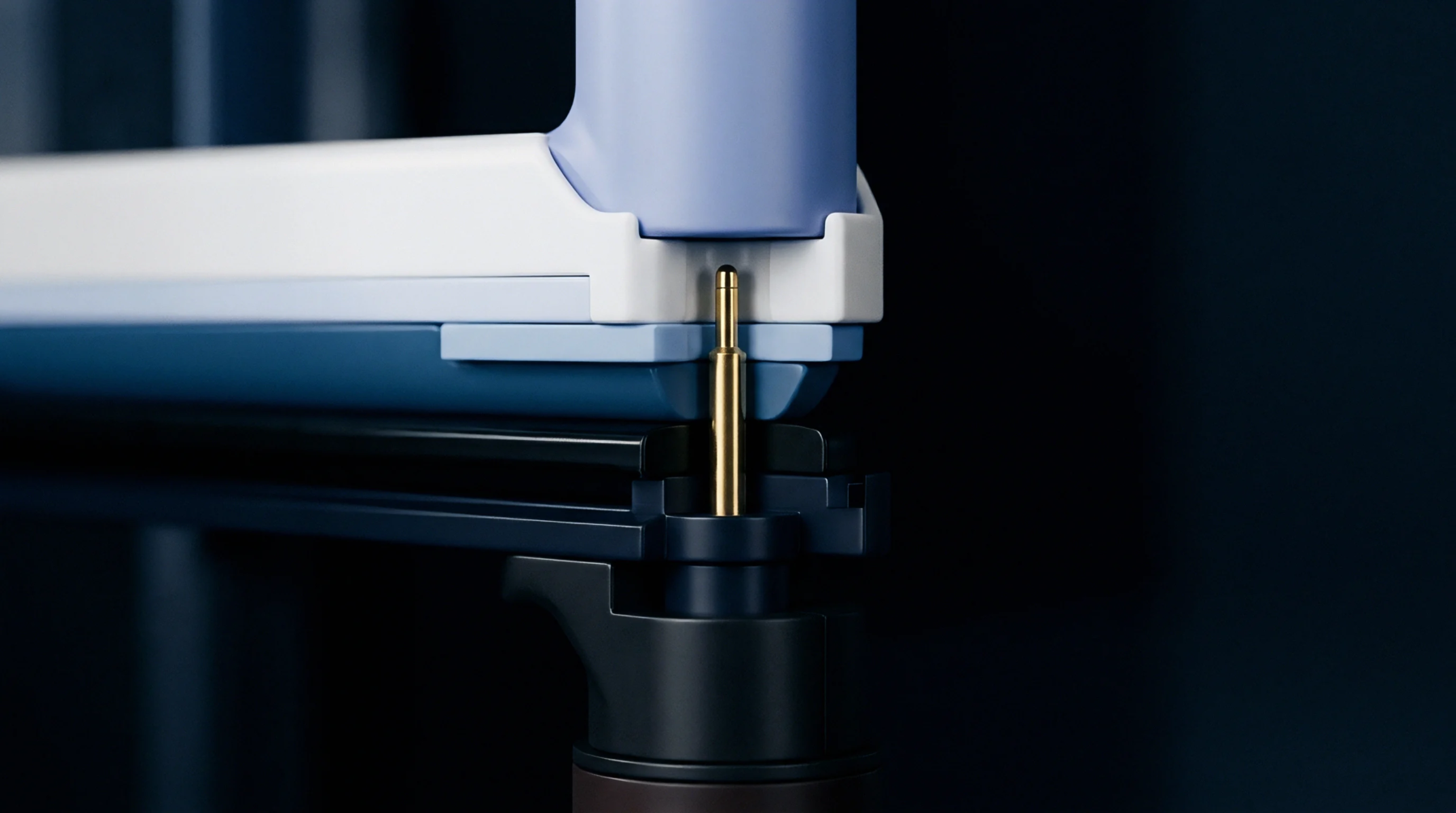
Solid state spring plate allowances absorb 10 to 18 percent cell volumetric strain while bounding contact pressure between 1.0 and 4.0 MPa across cell life.
Dynamic strain rates lower consolidated alloy fatigue limits under transverse impact, requiring strict micro-void controls during hot isostatic pressing.

Transverse mechanical anisotropy in consolidated enclosure steels reduces transverse bend angles and impact energy, demanding transverse-orientated batch testing.
Maintain negative aspiration pressure above 25 kPa gauge using optimized close-coupled tip recess geometries to eliminate argon entrapment in tool steel powders.
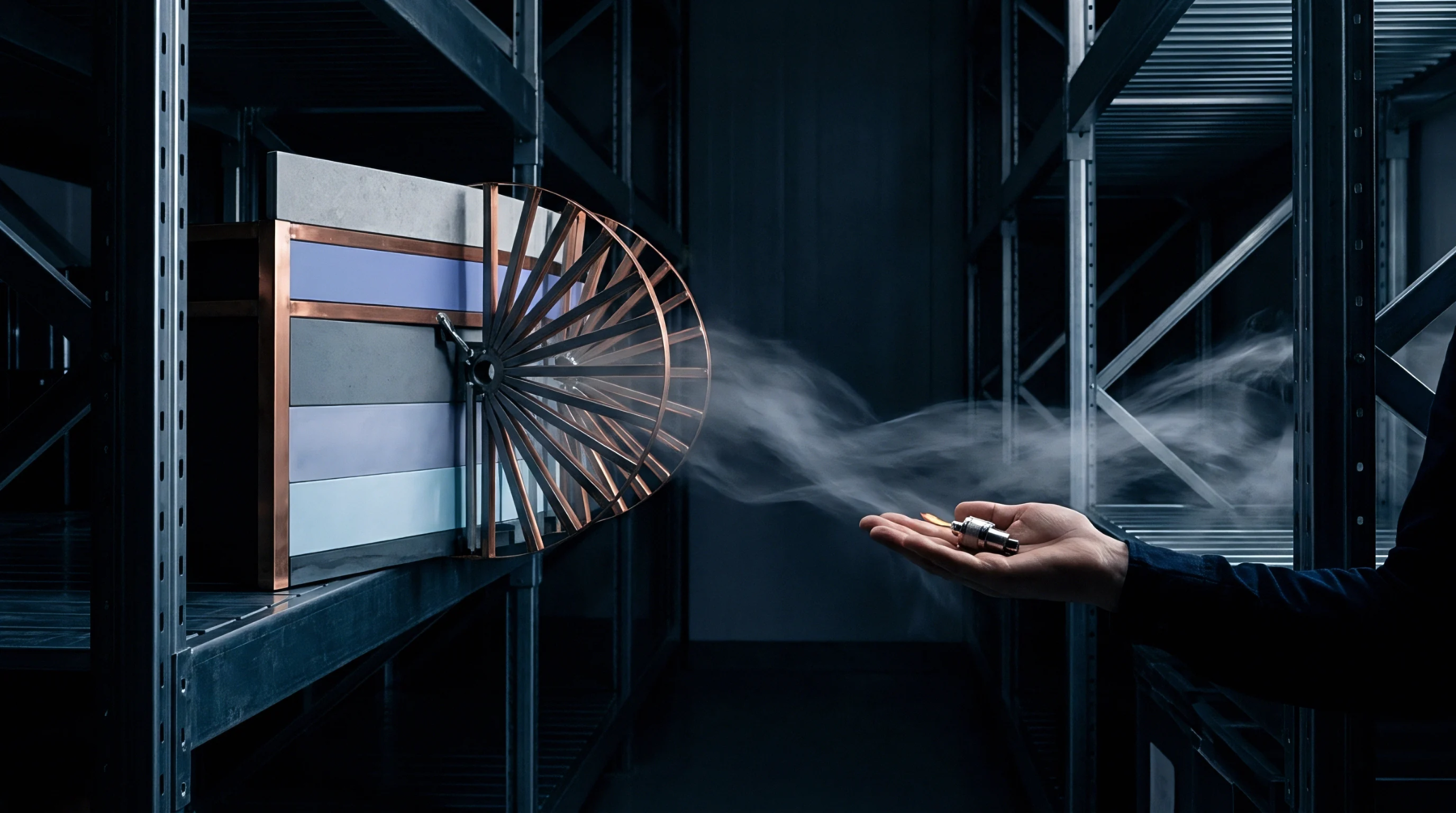
Specific gas consumption and nozzle tip pressure determine liquid breakup efficiency and final yield in tool steel atomization.
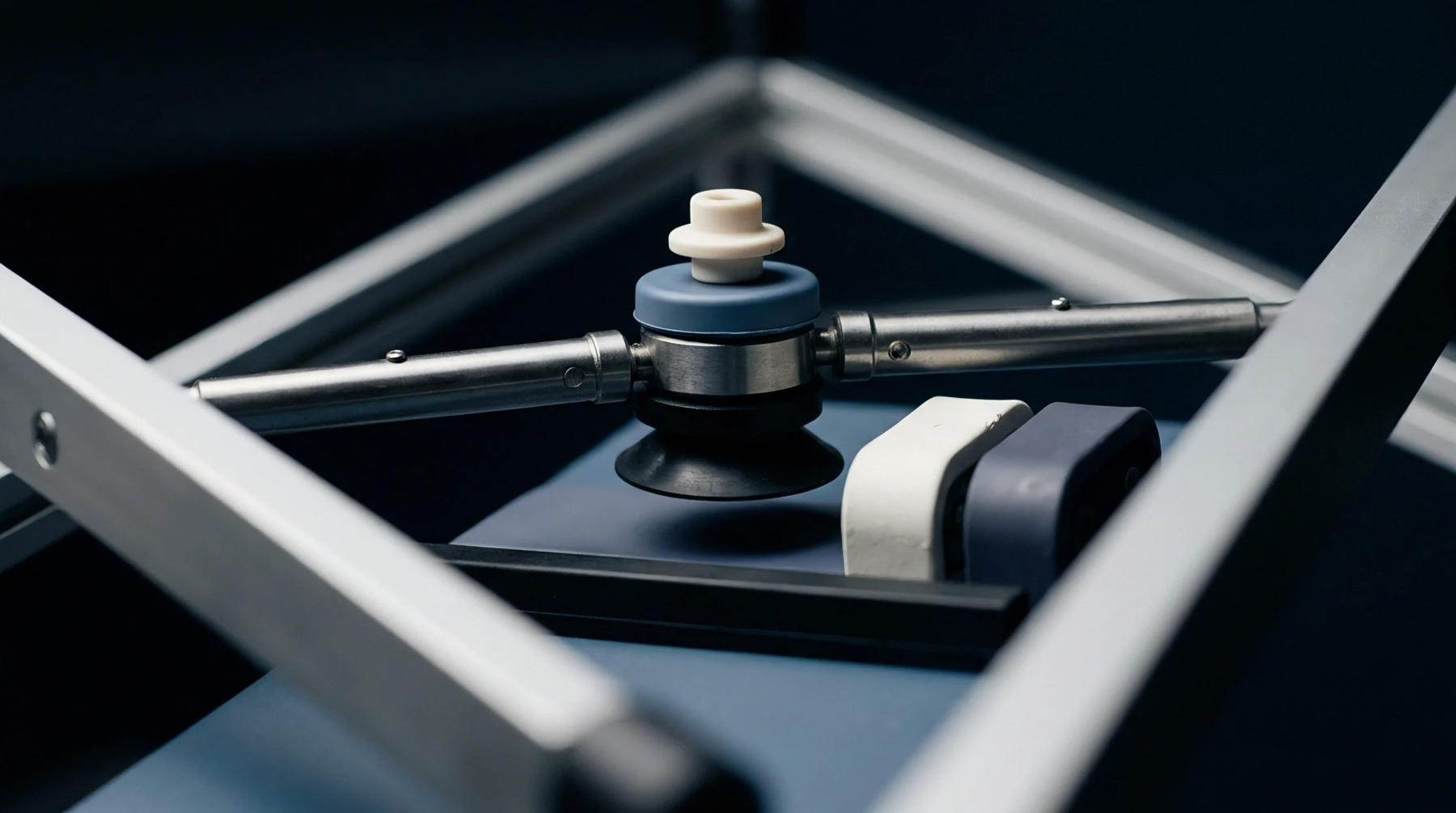
Melt delivery tube setback and tip taper dictate atomization aspirator pressure, where sub-atmospheric suction prevents melt freeze-off and backpressure blowback.

Dynamic module pressure retention requires continuous dynamic strain compensation to prevent lithium metal anode degradation and structural pack housing fatigue.
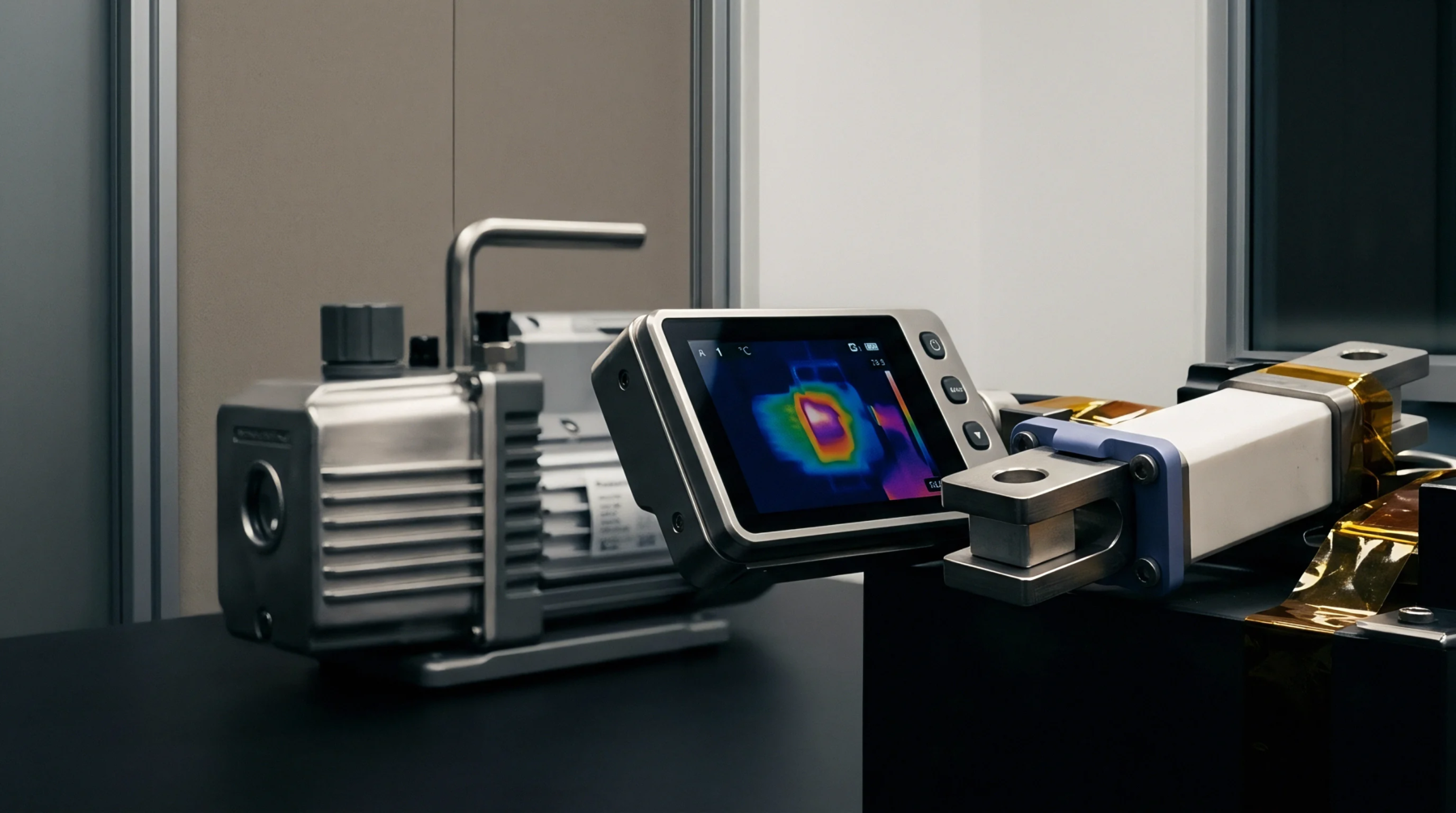
Vacuum brazed aluminum cooling plates fail under coupled multi-axial creep-fatigue when pressure pulses interact with static cell swelling constraints.
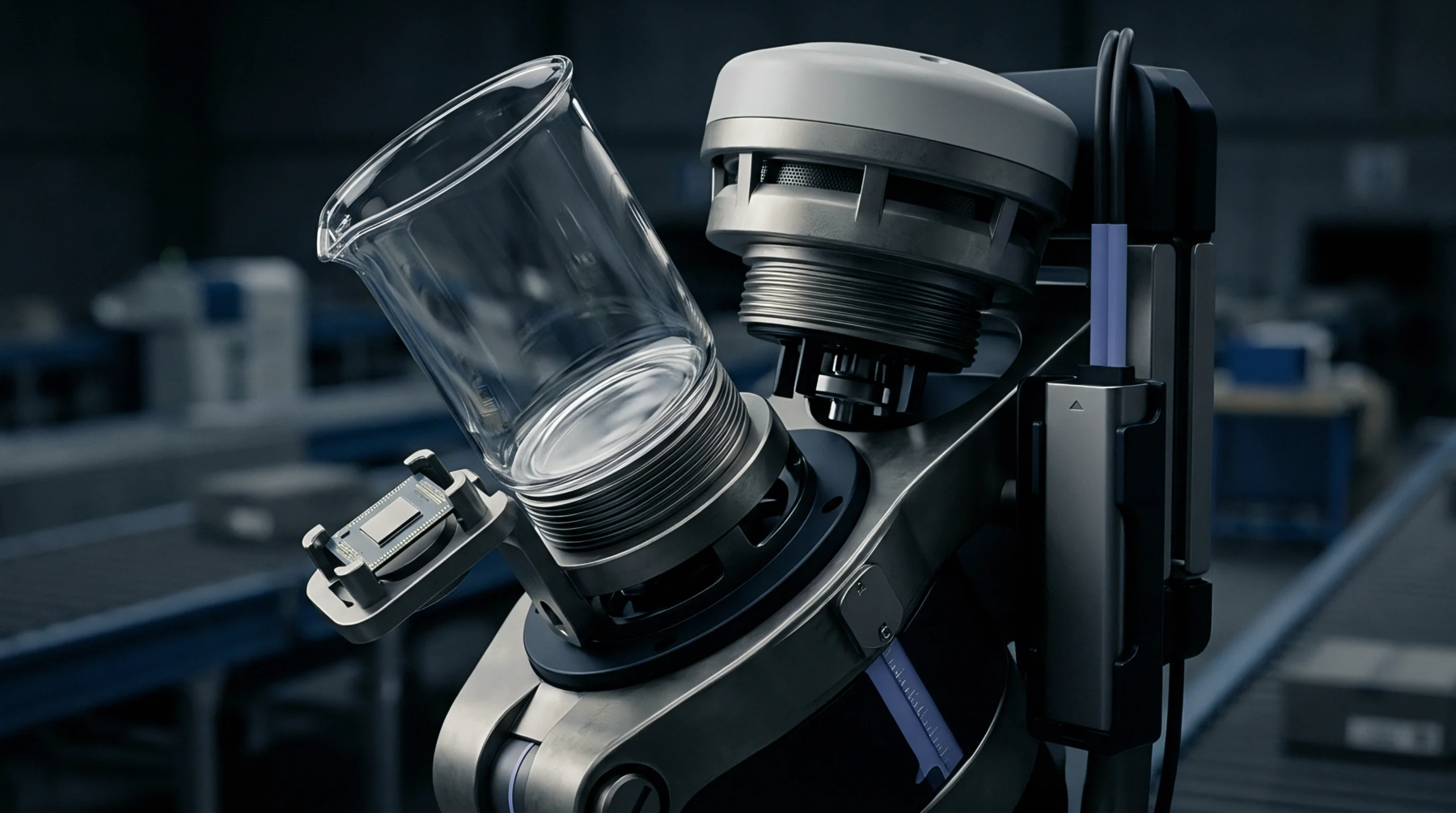
Extracting AA3003 braze joint creep damage parameters requires DIC strain mapping under multiaxial stress to prevent premature cold plate fluid leakage.
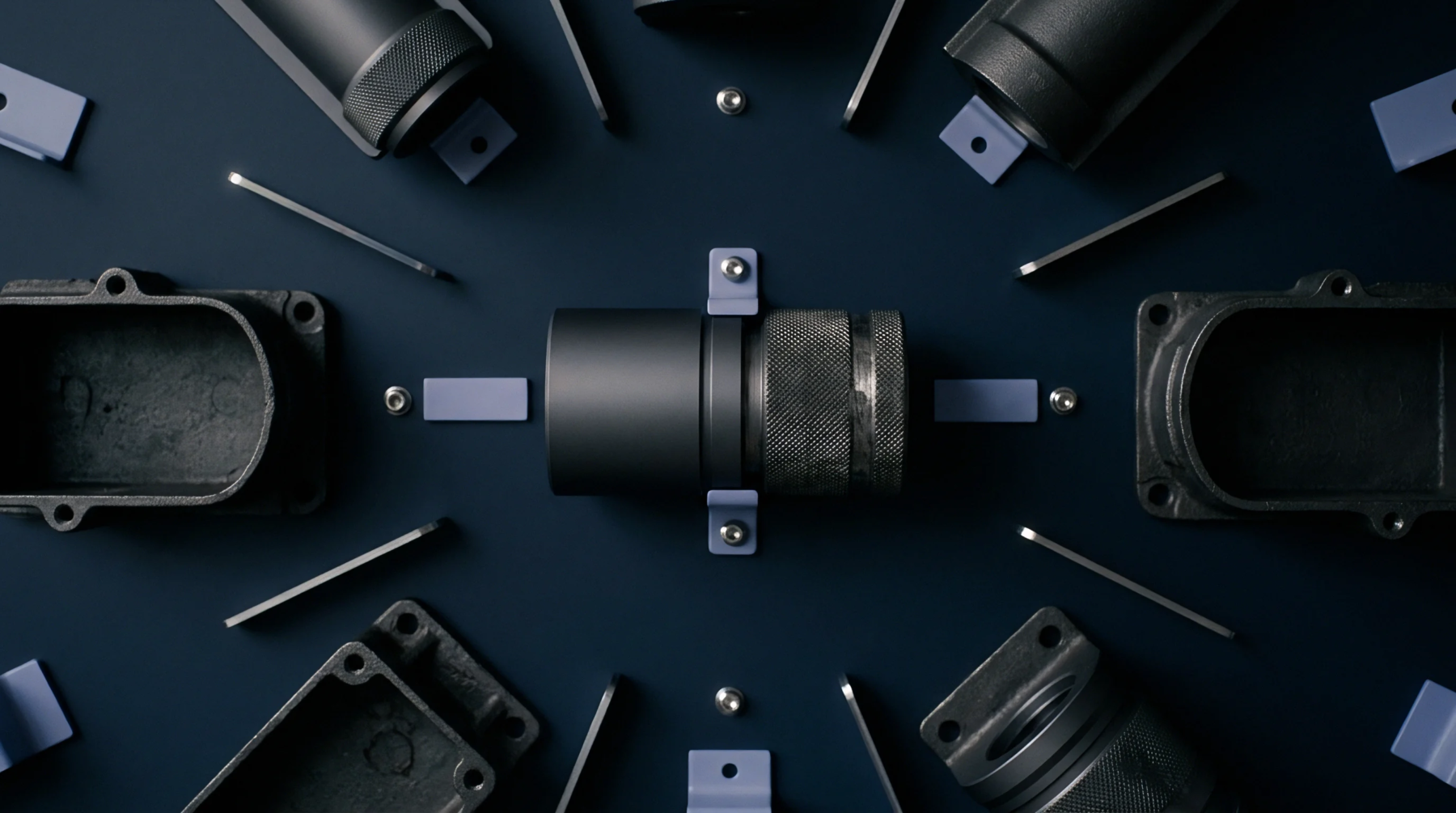
Non-proportional thermomechanical strain paths accelerate fatigue crack initiation at subsurface powder-bed defects in additive conformal aluminum cold plates.
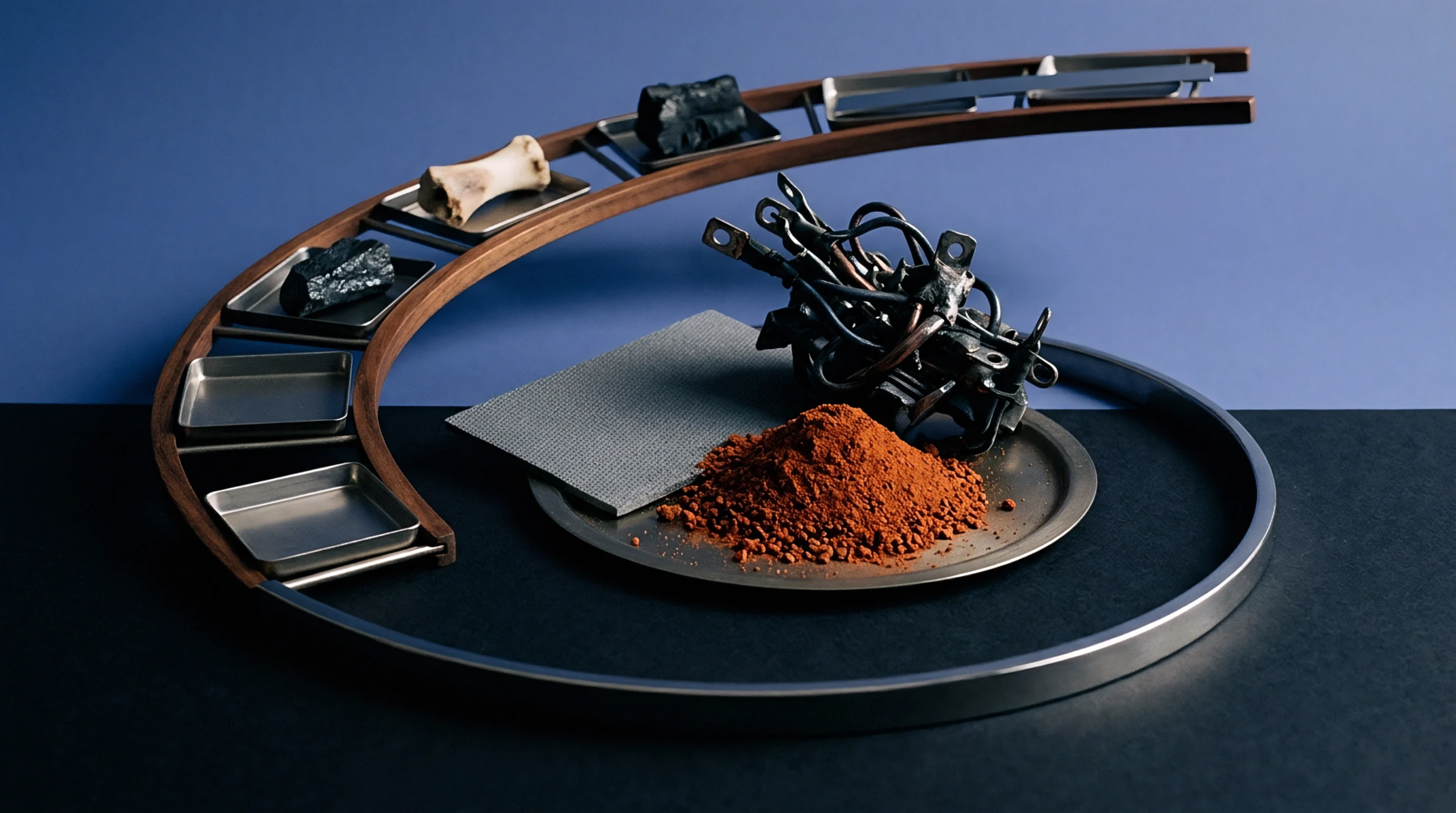
Multiaxial critical plane strain-life analysis models out-of-phase thermal and pressure fatigue on internal conformal cooling walls to prevent die failure.
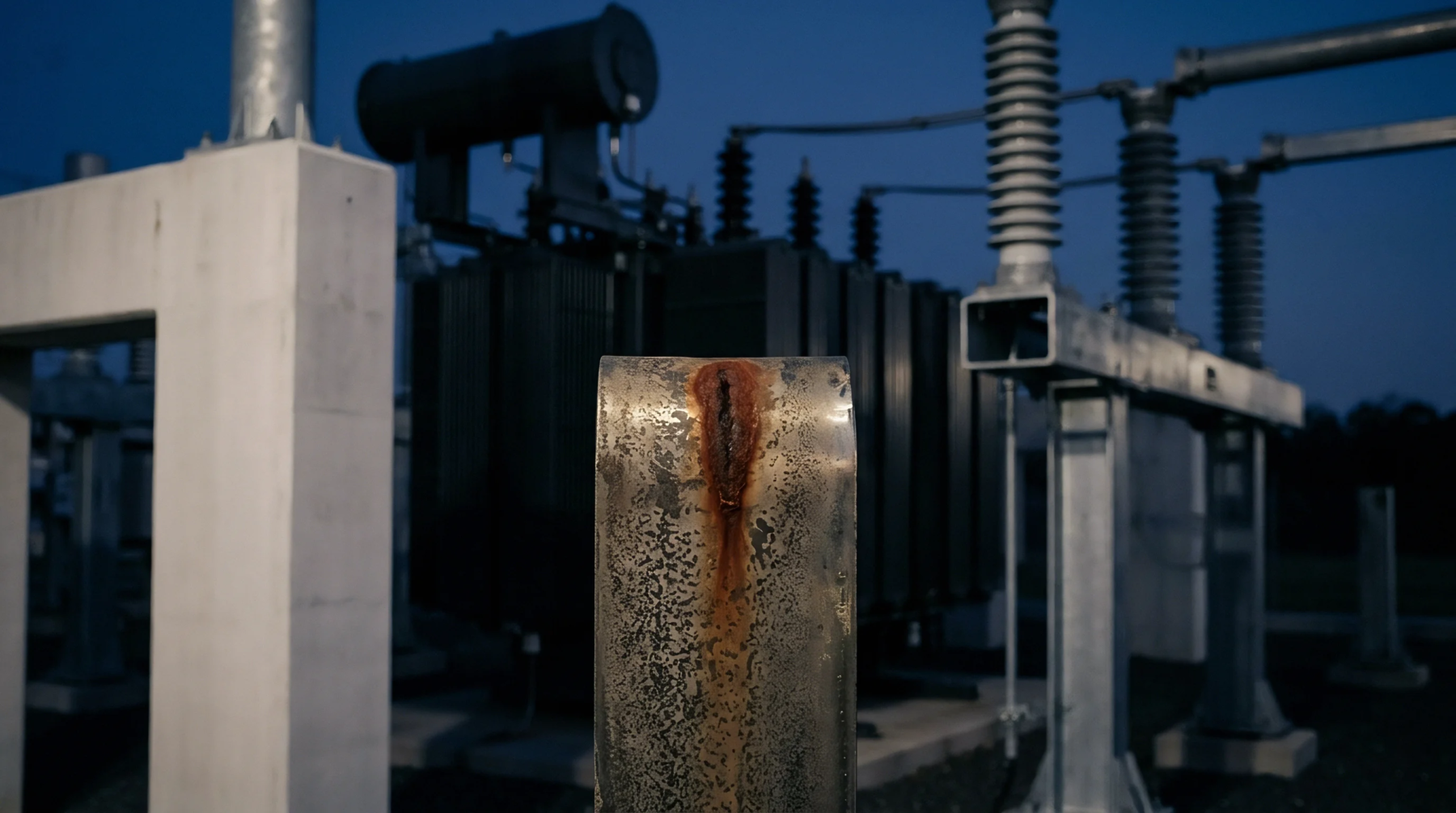
Coupling transient thermal strain models with Arrhenius acid dissolution rates predicts cavity pitting and fixes tooling refurbishment intervals.

Selecting physical vapor deposited chromium nitride or titanium aluminum nitride coatings protects injection cavities against severe glass fiber abrasion while preserving dimensional tolerances.

Off-the-shelf battery assembly selection requires auditing cell impedance matching, verifying continuous thermal limits, and locking the bill of materials.

Calculated worst-case and RSS mechanical stack tolerances govern inter-cell compression, housing deflection, bolt torque retention, and production assembly yield
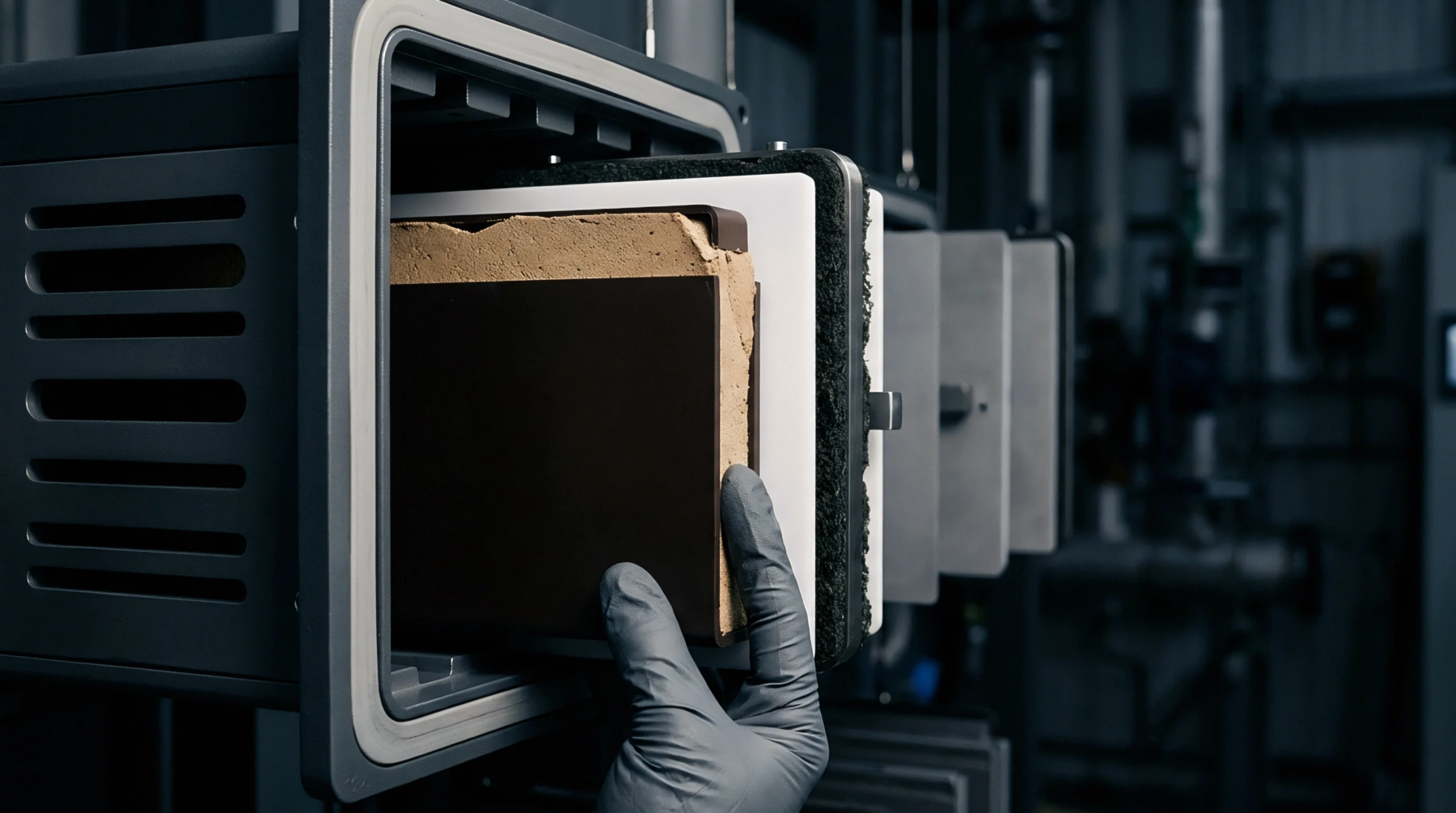
Integrating viscoelastic creep routines into thermomechanical transient solvers predicts separator mechanical collapse thresholds under battery thermal runaway conditions.
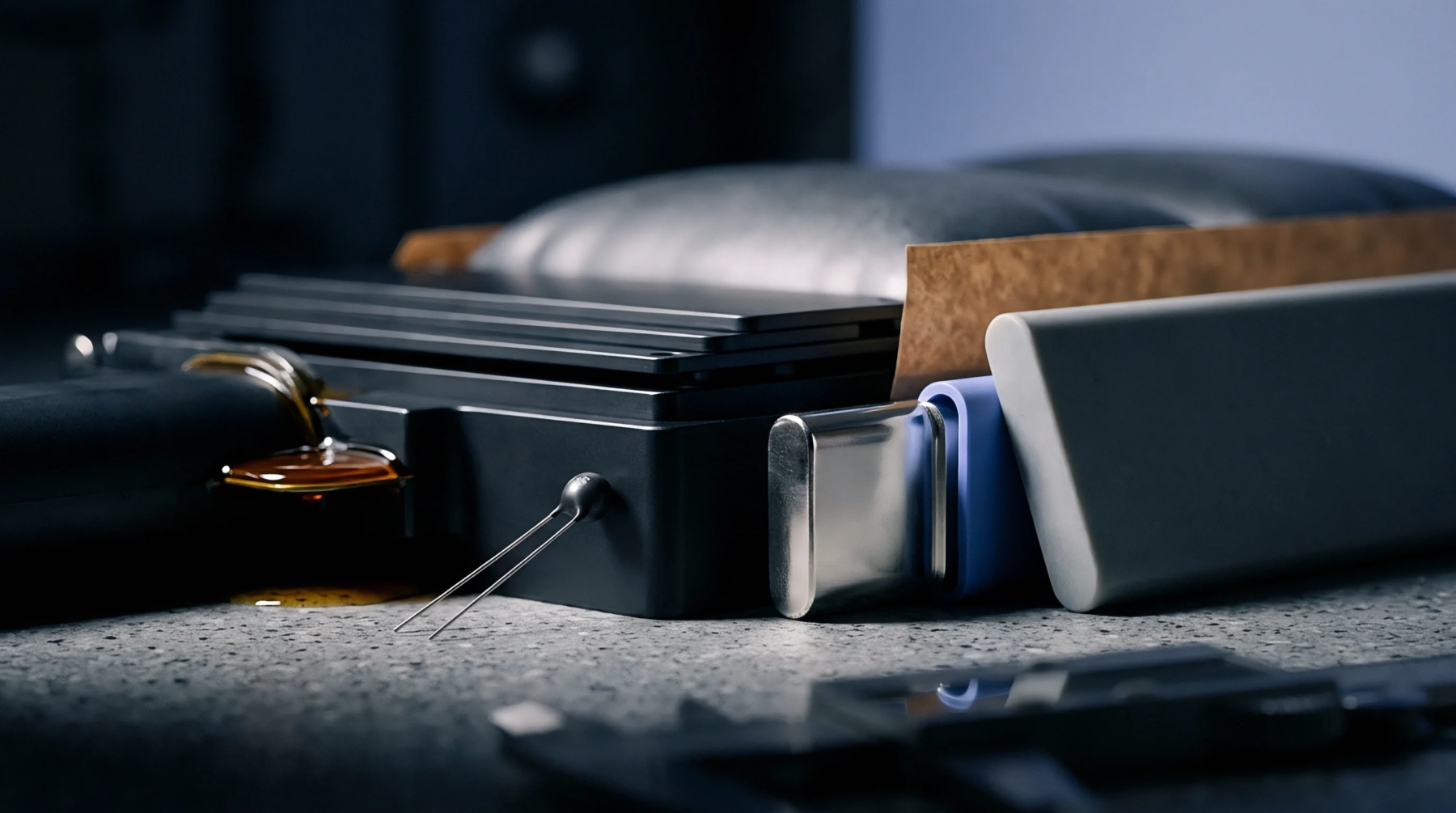
Accurate lithium ion stack compression modeling pairs non-linear hyperelastic foam contact elements with spring-calibrated end-plate boundary displacement constraints.
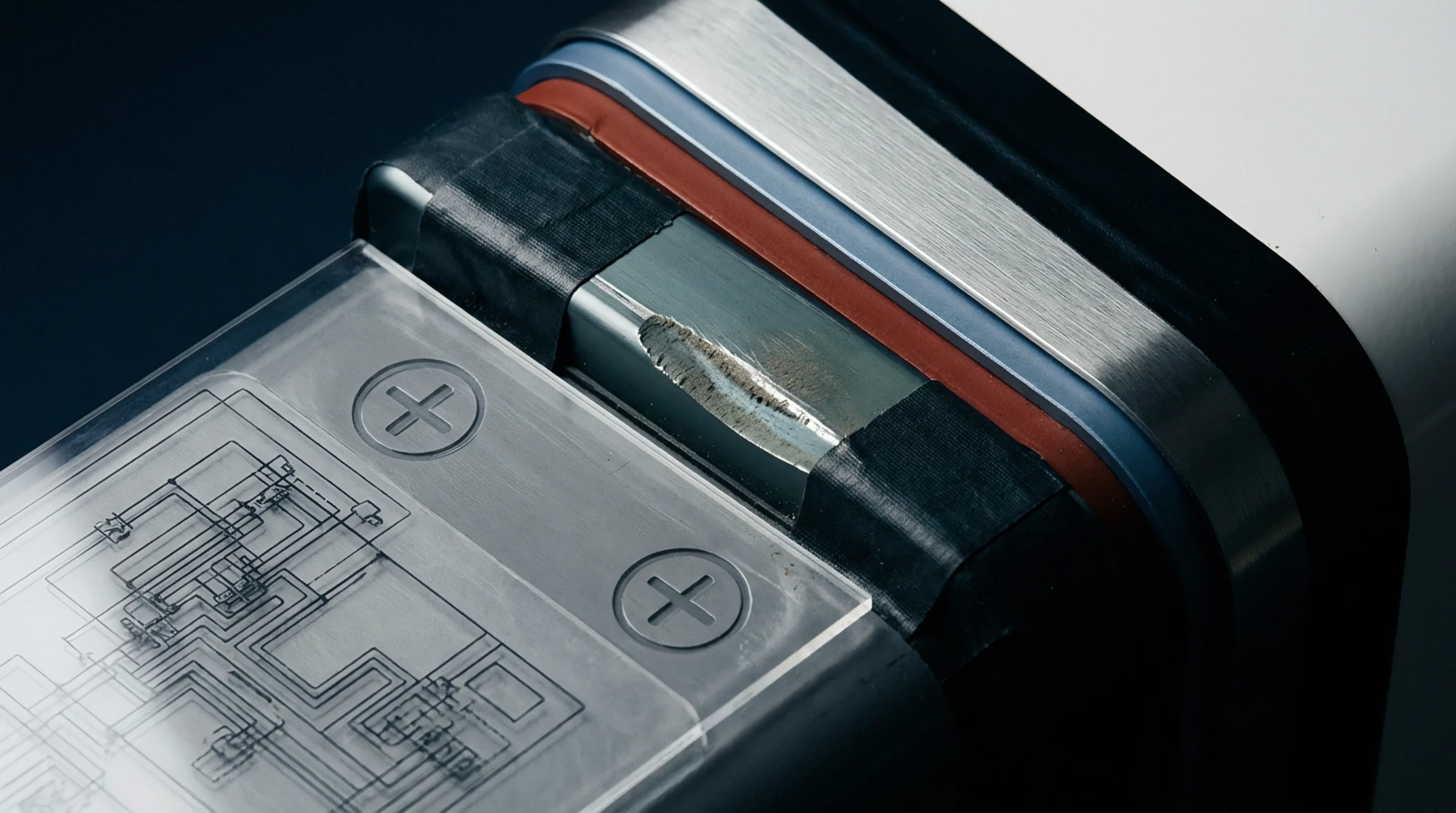
Predictive microstructural damage modeling couples solute segregation profiles with thermal fatigue laws to prevent premature die cracking in cast tool steels.
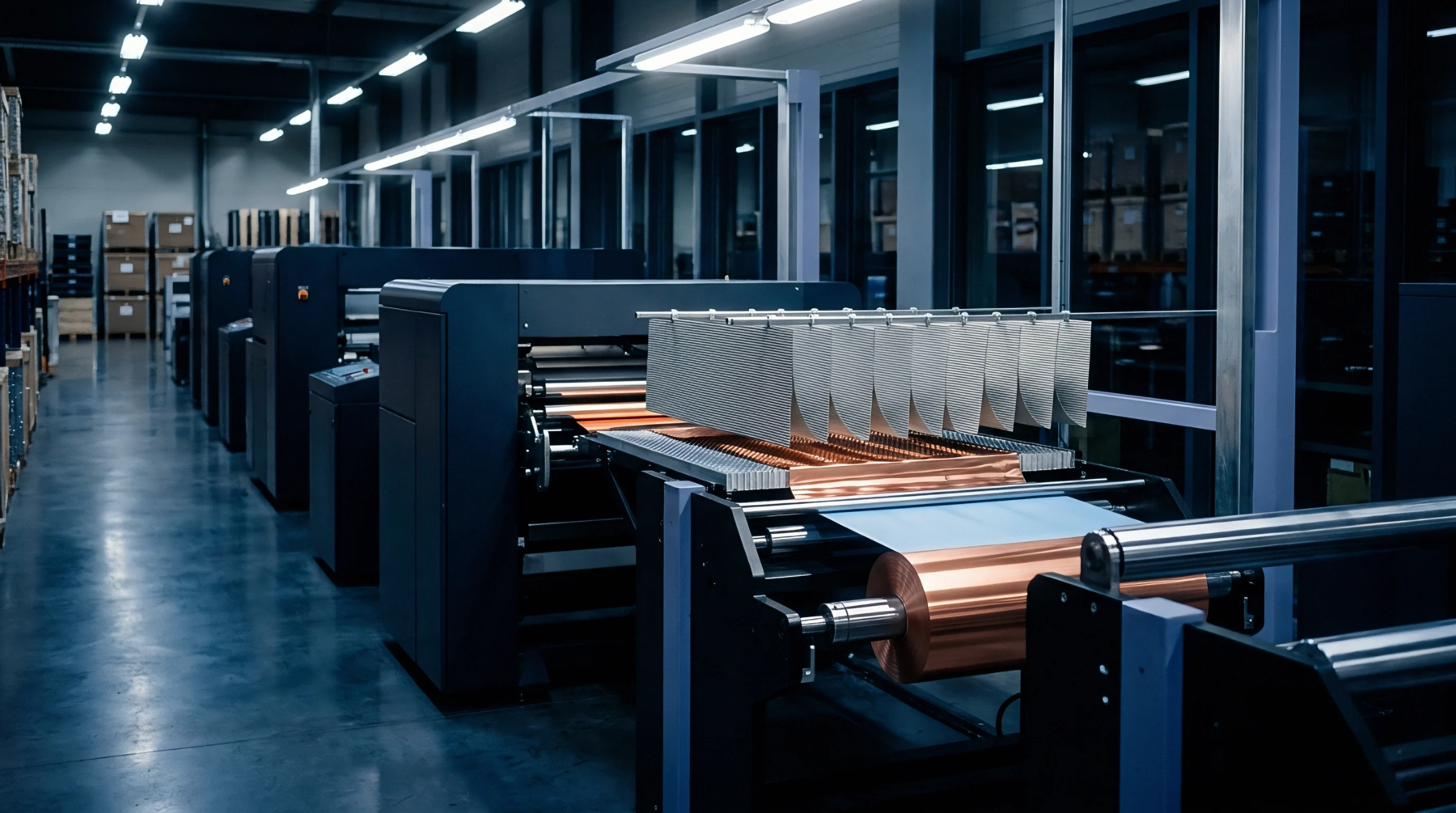
Coupled thermomechanical strain-life FEA predicts thermal checking and insert fatigue life in gigacast tray molds using non-linear elastoplastic plasticity models.

Establishing module strain envelopes requires setting 0.15 to 1.20 MPa stack pressure limits to bind cell warranty claims to verified mechanical boundaries.

Carbothermic oxide dissolution during heat treatment clears interparticle films in high vanadium powder metallurgy steels to maximize transverse rupture strength
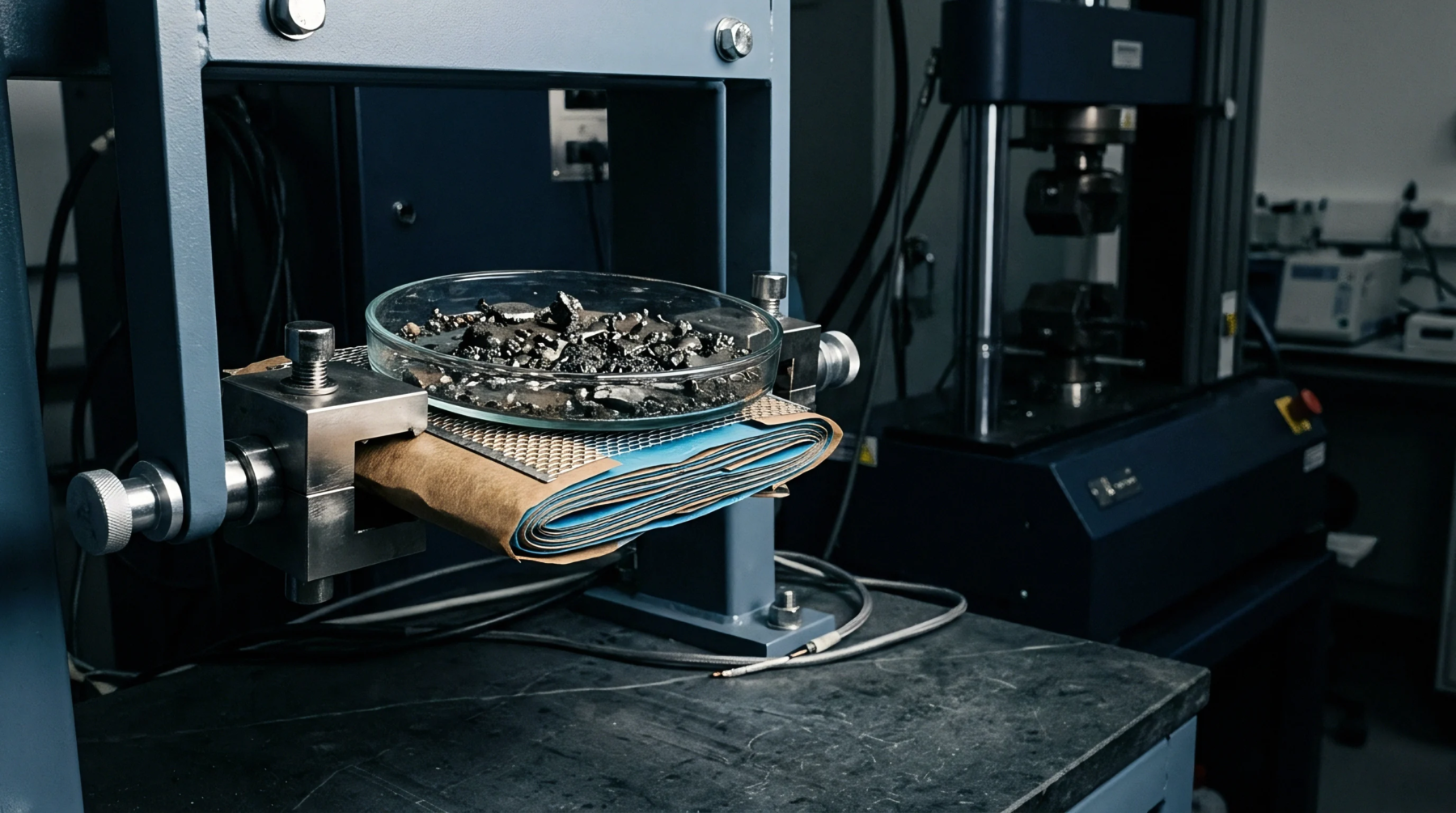
Increasing gas to metal mass ratio decreases median particle size in tool steel powder, shifting mass yield into fine powder fractions at higher argon expense.
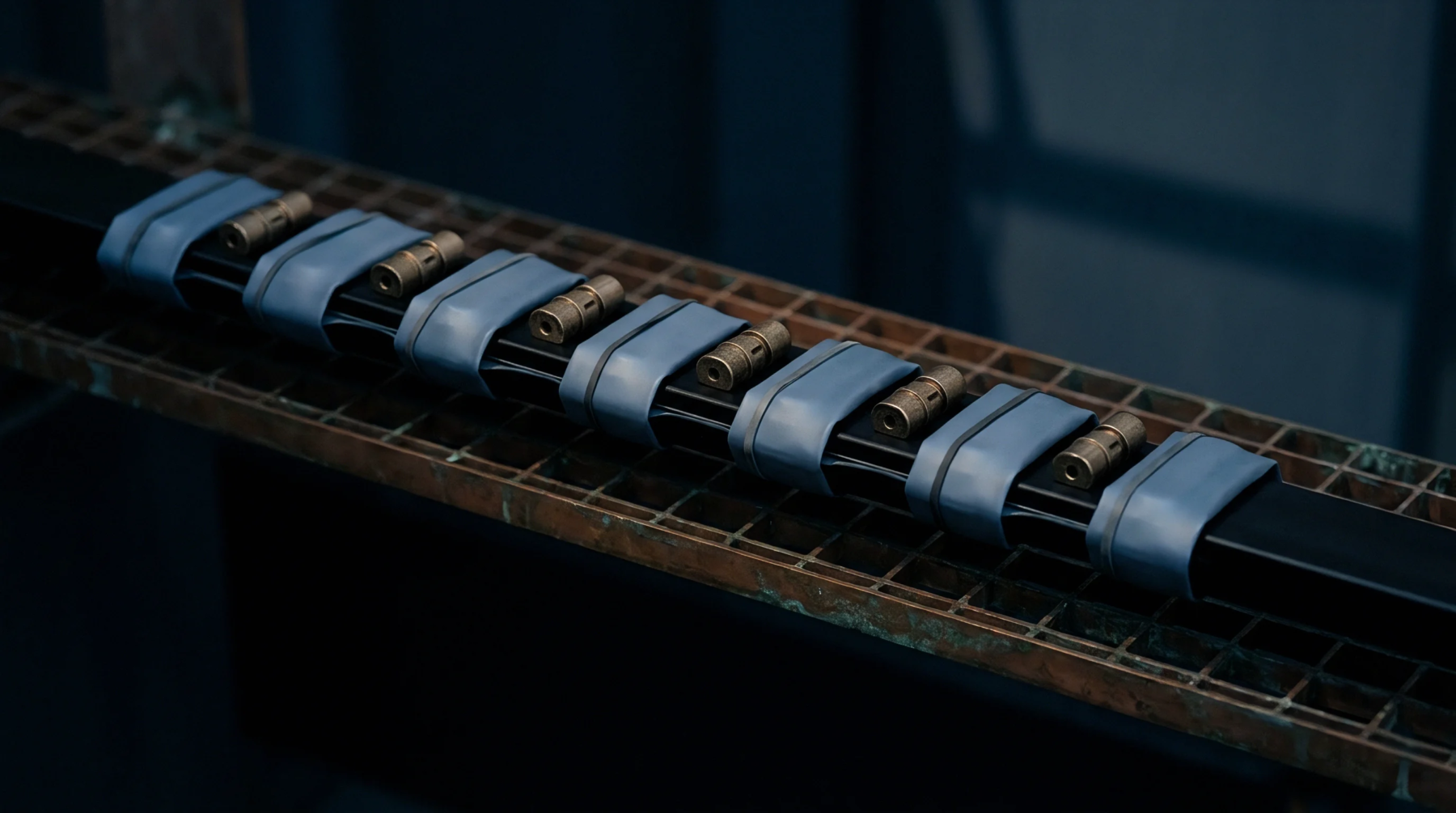
Sub-pack integrators absorb full unmitigated thermal runaway losses unless contracts define containment metrics and carve out propagative fire liabilities.
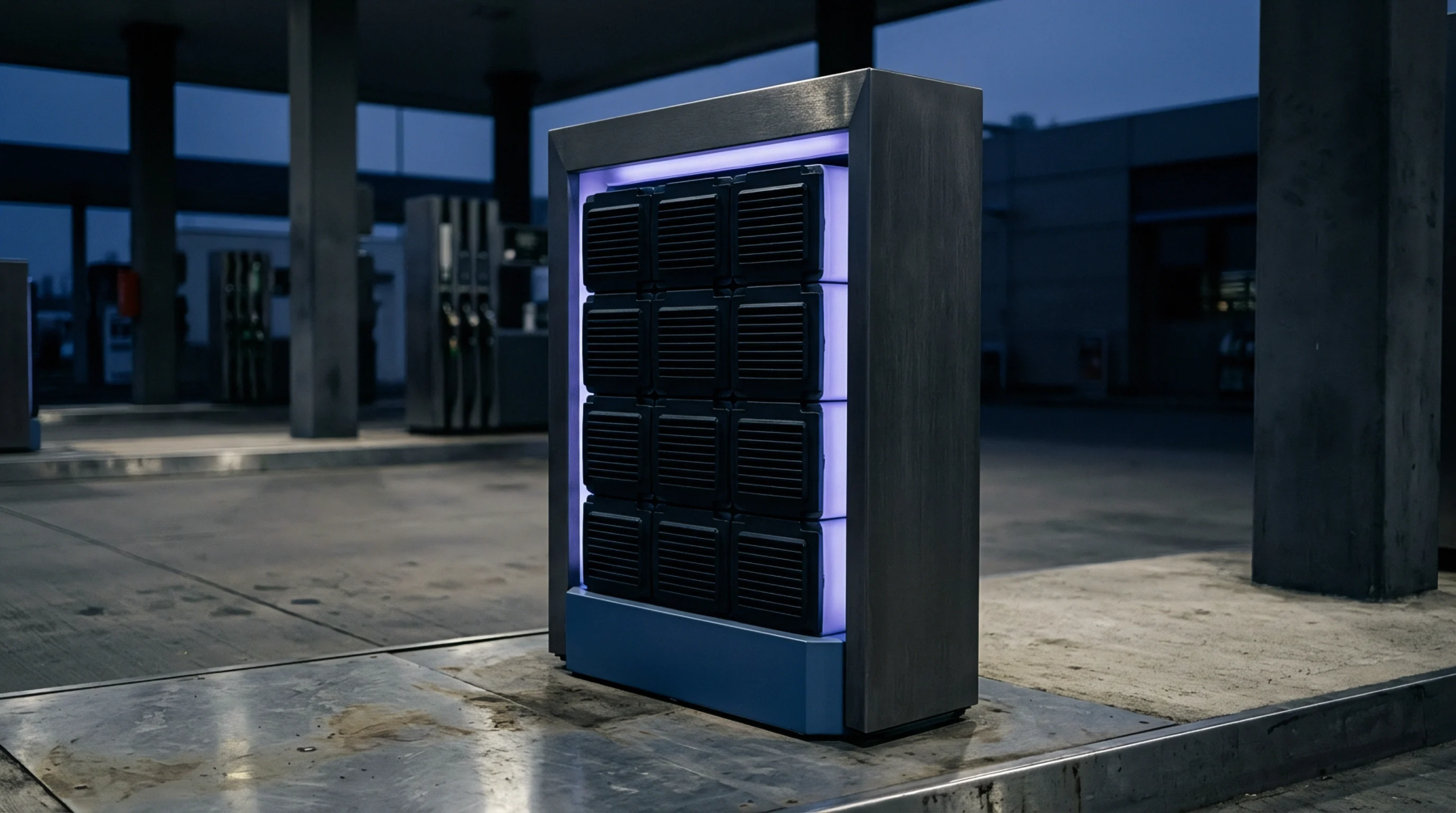
Fast-charge thermal gradients and cell swelling drive cyclic shear rupture in cooling plate adhesives, preventable only through compliance-driven joint thickness control.
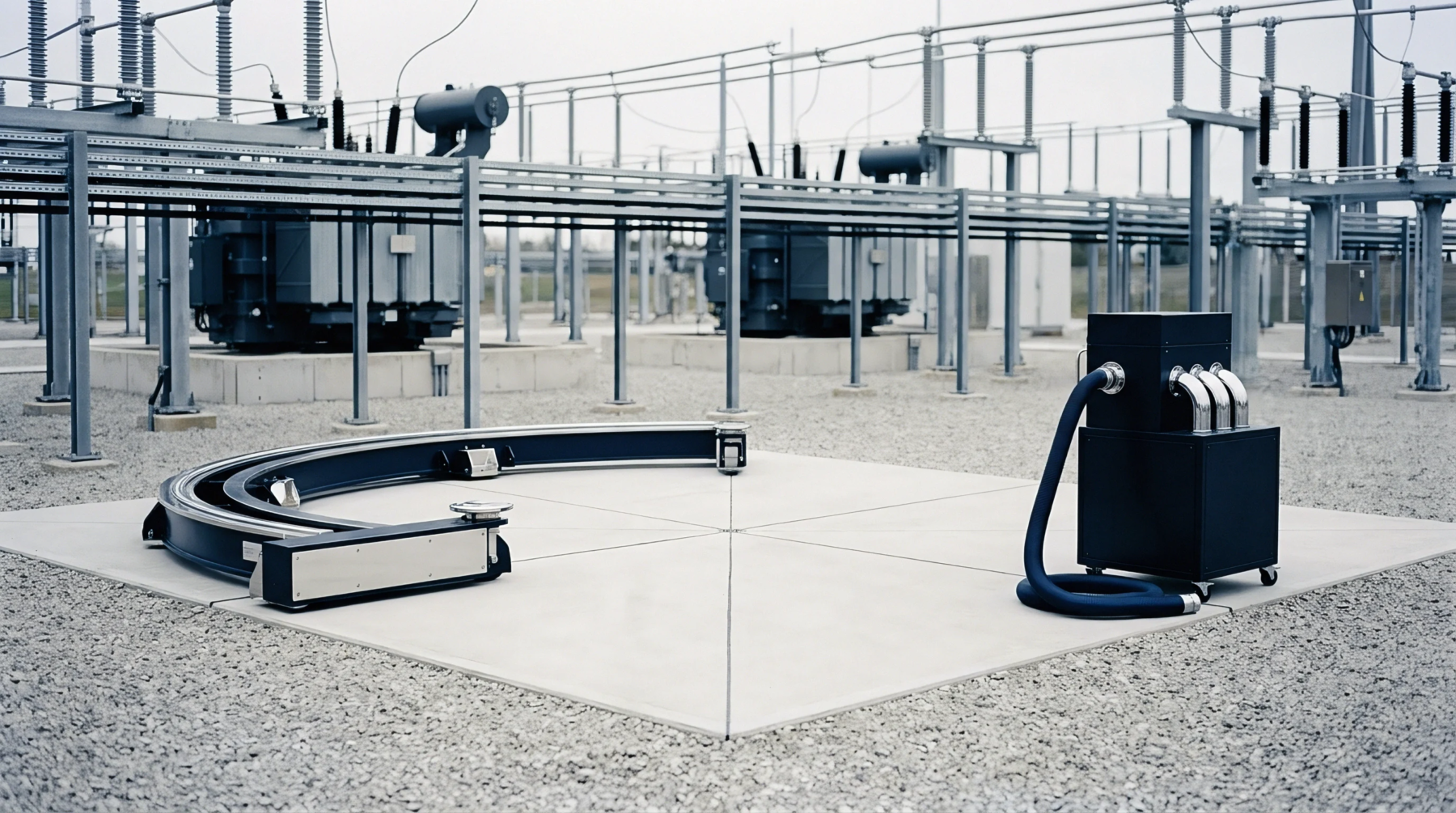
Controlling melt superheat and nozzle pressure limits vapor pressure elemental loss while helium purge or vacuum degassing eliminates micro-cavity gas voids.
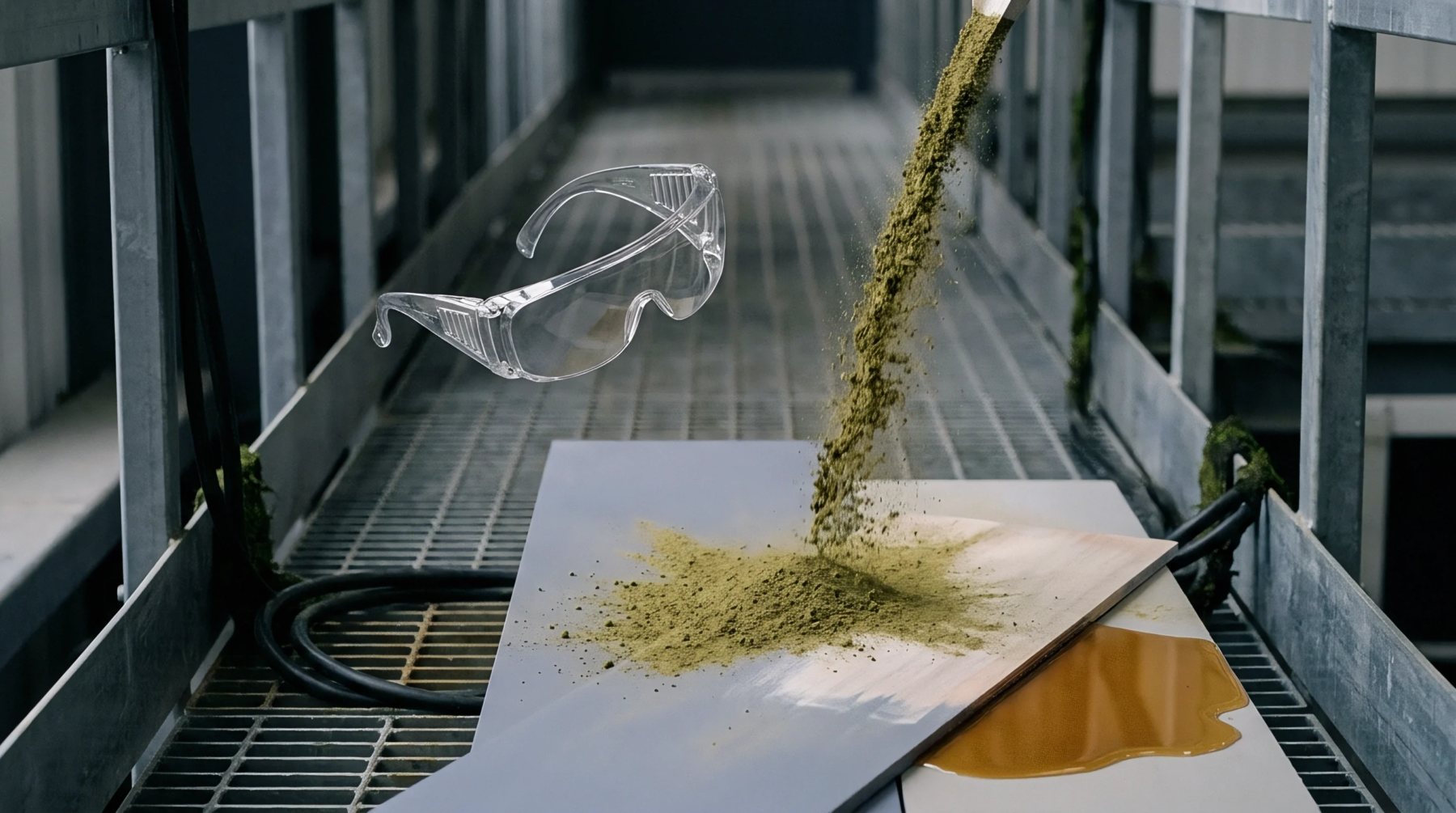
Triaxial fiber Bragg grating arrays resolve multi-axis strain and thermal drift inside pouch enclosures while maintaining hermetic seal boundaries.
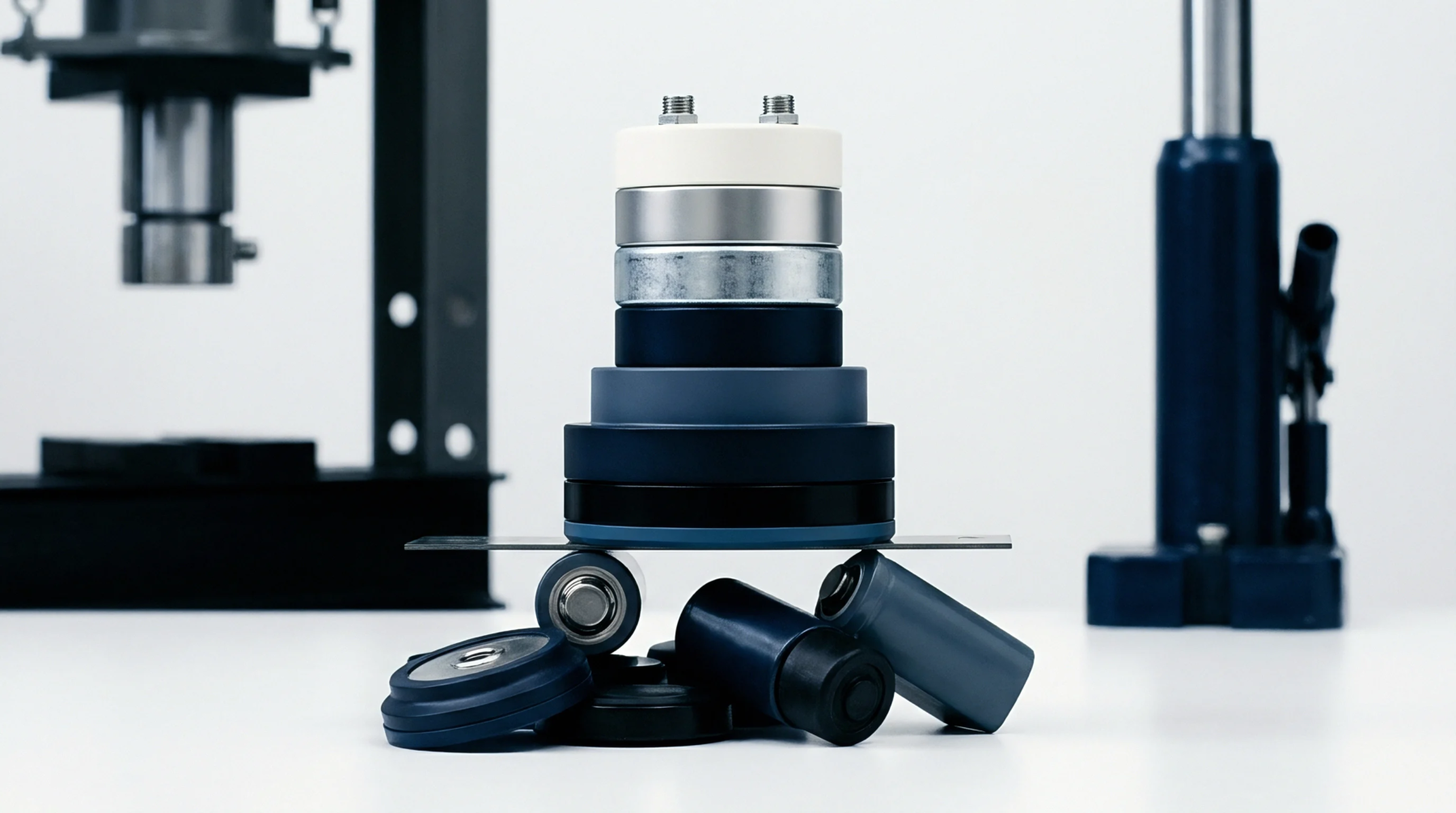
Non-linear swelling forces mandate hyperelastic compression pads that hold module interfacial pressure between 0.02 MPa and 0.60 MPa over full cell life.
Expertise is a utility, not a secret. sentiention™ publishes its working knowledge as open reference: intelligence layer covering the materials it sources, the markets it enters, and the reference that serves both.