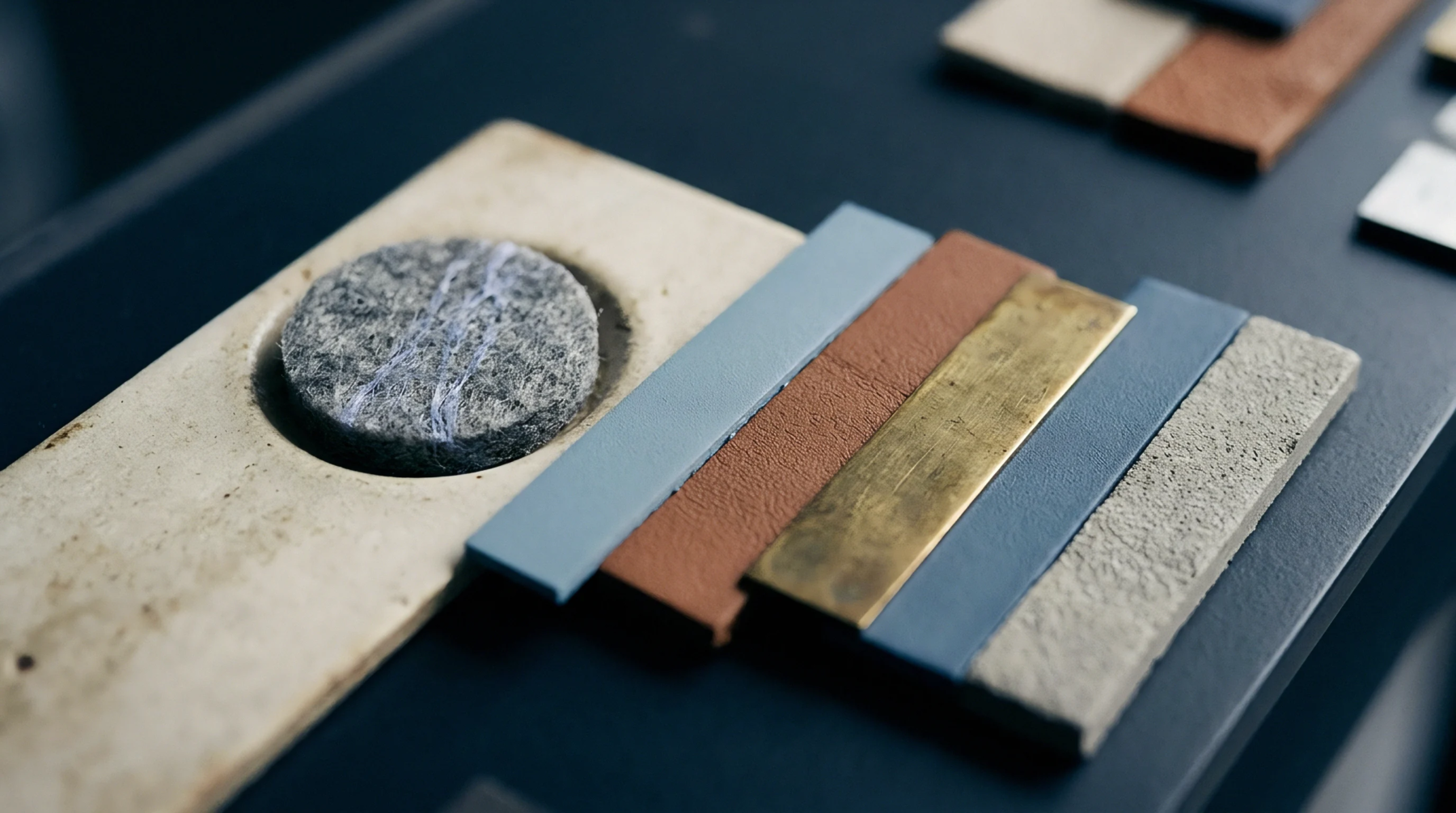
Thermal Interface Material Selection for Prismatic Battery Modules
Matching material compliance to prismatic swell while controlling bond line thickness dictates thermal impedance, voltage isolation, and pack yield.
Matching material compliance to prismatic swell while controlling bond line thickness dictates thermal impedance, voltage isolation, and pack yield.
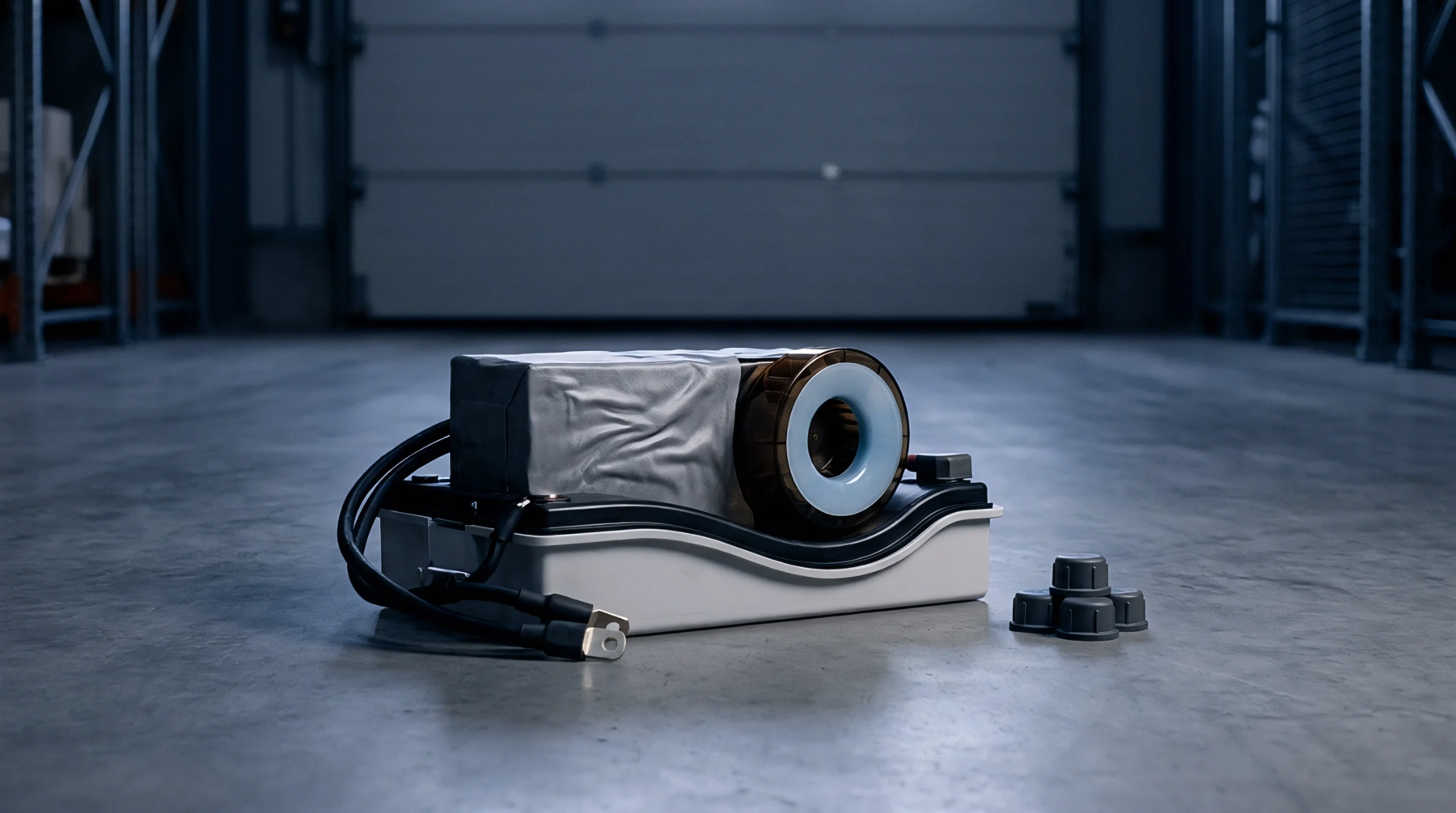
High current density ultrasonic sonotrodes degrade through coupled thermomigration and intermetallic embrittlement, requiring strict wear-limit replacement protocols.
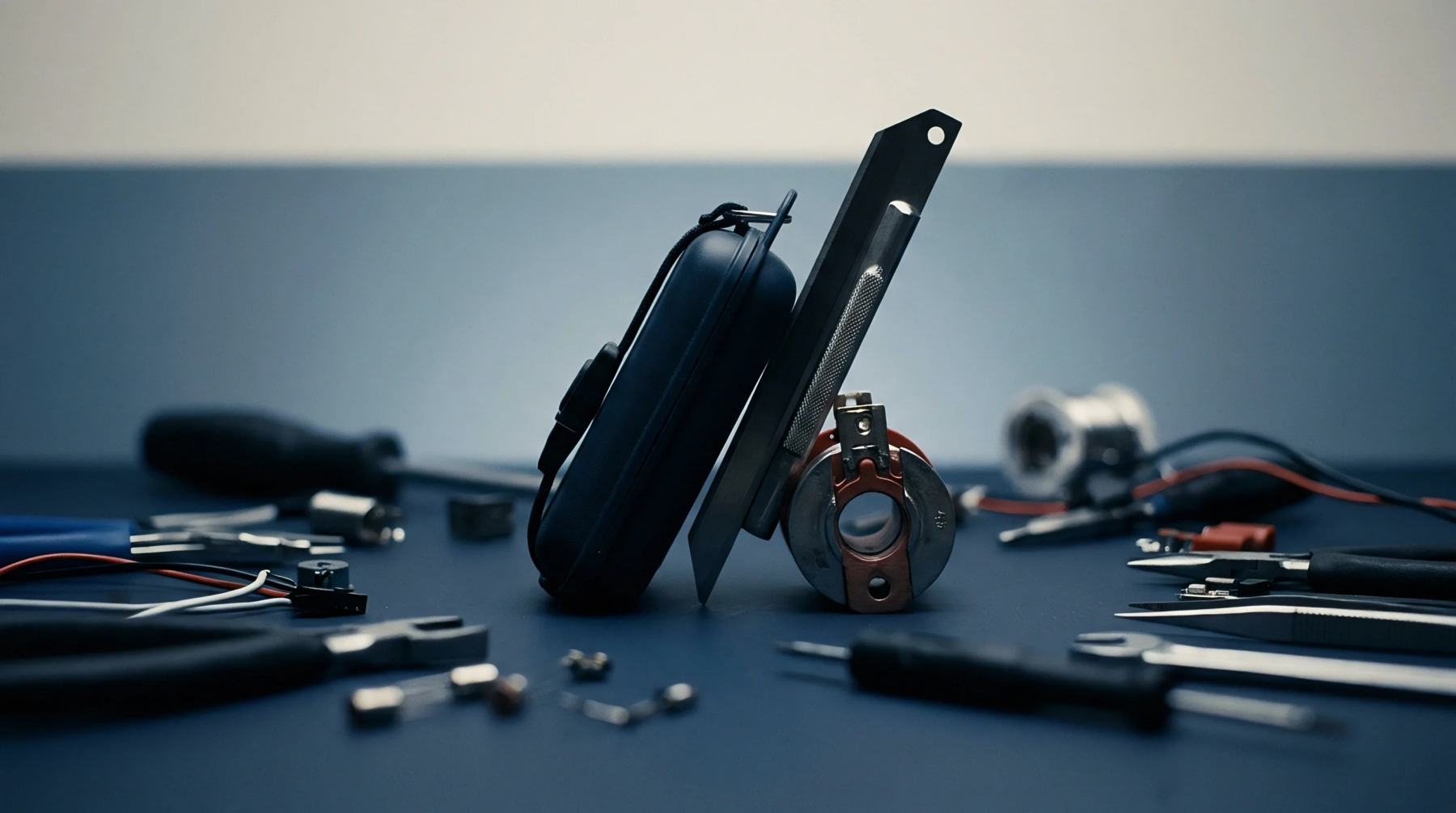
Calculating dynamic intermetallic growth rates establishes press stroke limits that prevent tab burrs and optimize die replacement intervals.
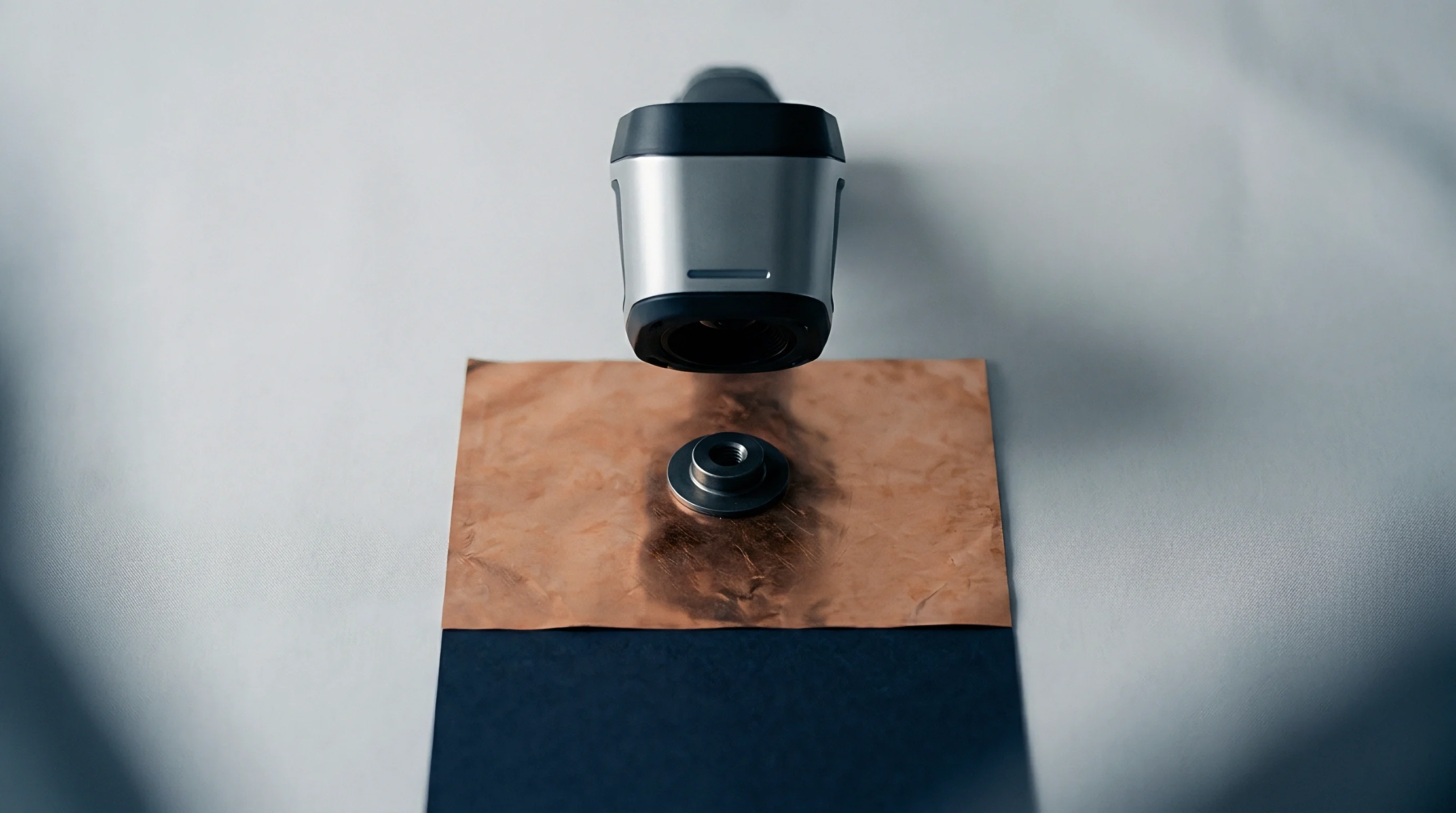
Ultrasonic tab welding balances acoustic softening and static clamp force to break interfacial oxides, yielding sub-5-micro-ohm joints without foil cutting.
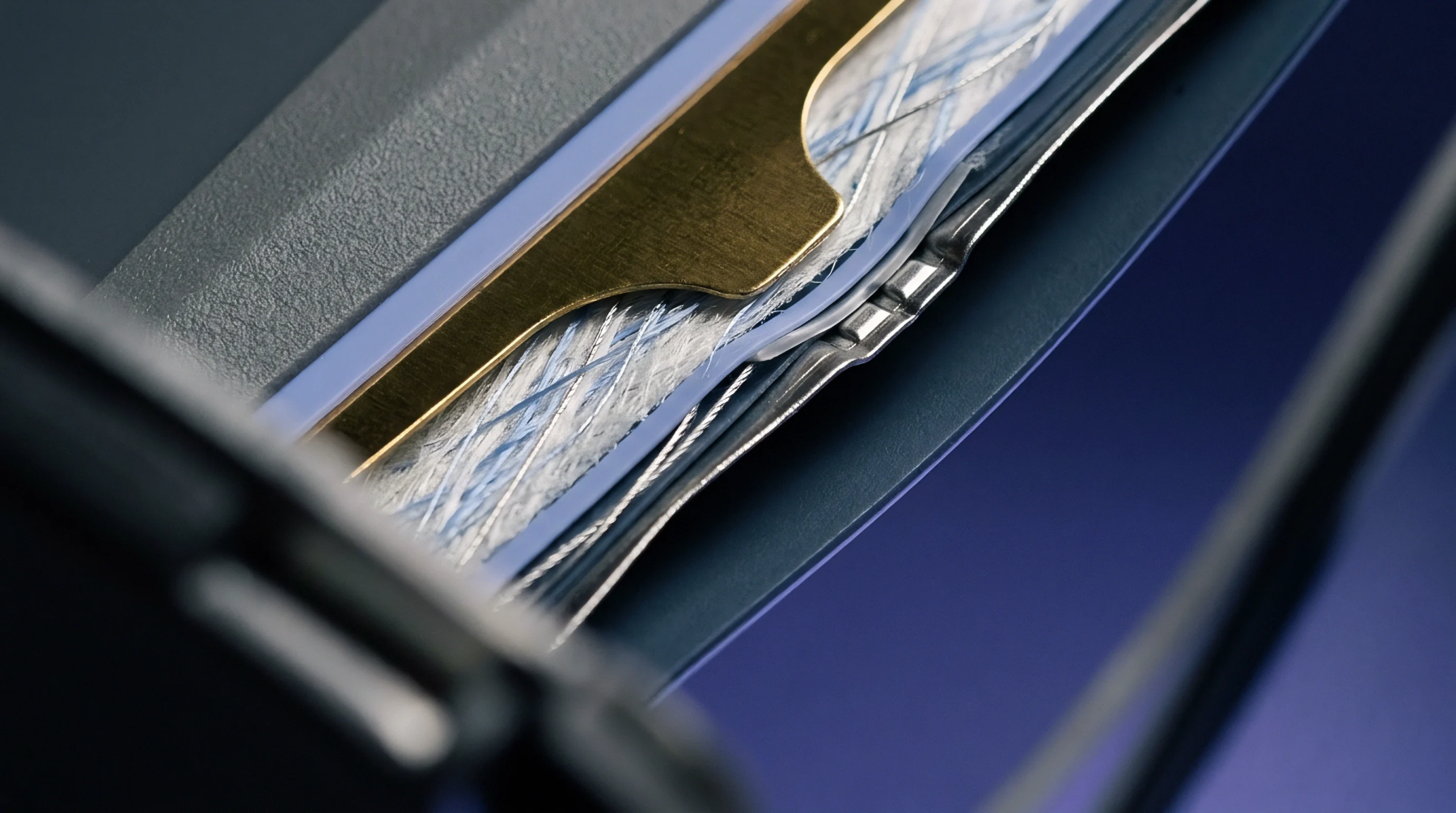
Finite element modeling of Butler-Volmer kinetics across Cu-Al intermetallics predicts galvanic void growth to set hard caps on weld phase thickness in RFQs.

Galvanic corrosion kinetics at battery busbar joints depend on potential offsets, area ratios, and moisture film thickness, requiring controlled plating barriers.

Dissimilar conductor interface kinetics demand barrier electroplating and perimeter seals to restrict moisture ingress and prevent joint resistance growth.

Dynamic stack pressure between 0.3 and 0.5 MPa suppresses microscale electrode delamination while avoiding current collector tearing under thermal cycles.

Planar cooling gradients split local current density, driving lithium plating at cold cell margins and rapid electrolyte consumption in warm regions.
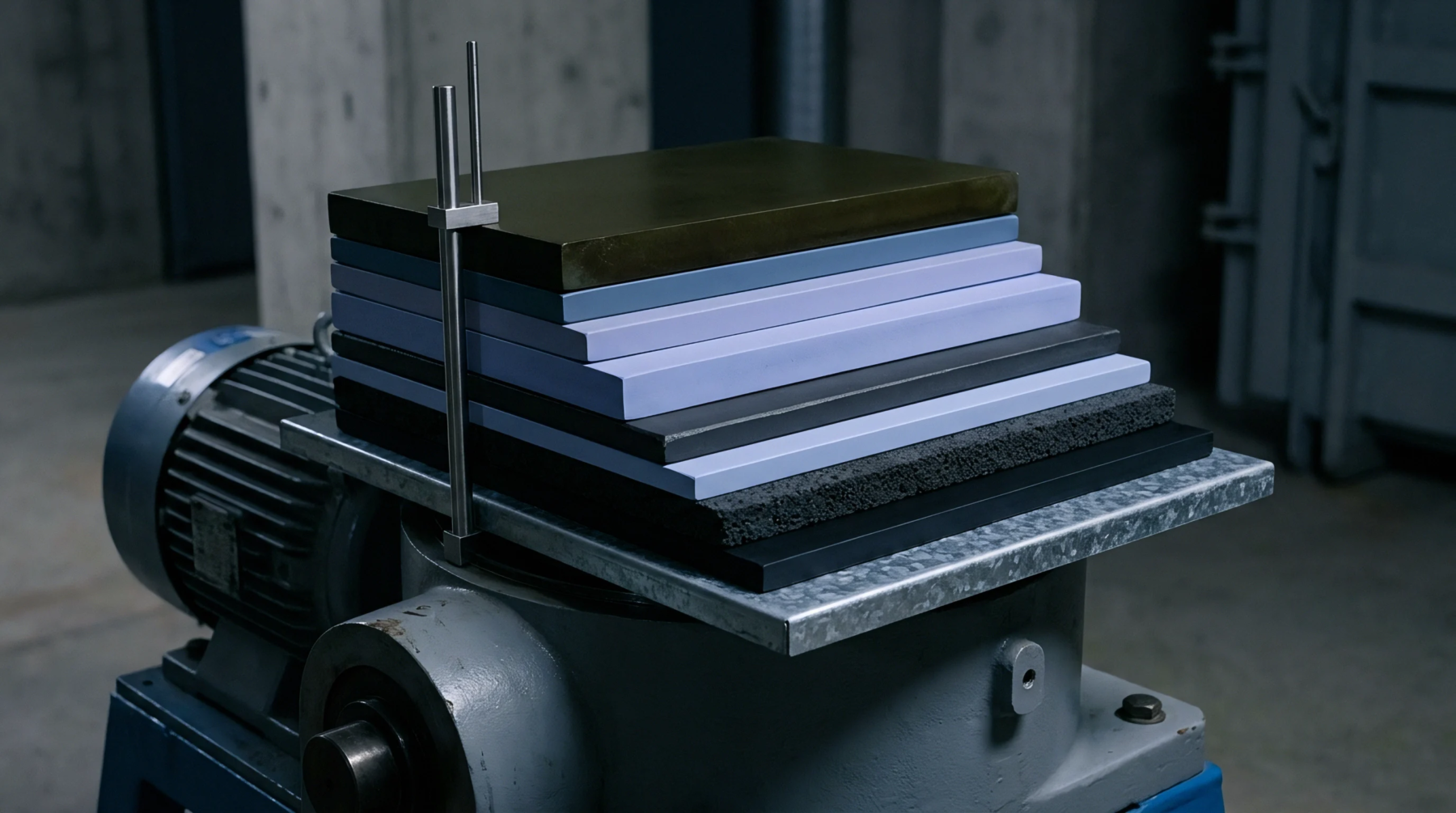
Quantifying interface thickness variances across pack thermal layers prevents localized hot spots, cell degradation splits, and unallocated warranty exposure.
Regularized thermal response inversion deconvolves spatial strain profiles from surface thermal data to pinpoint non-isothermal lithium plating boundaries.
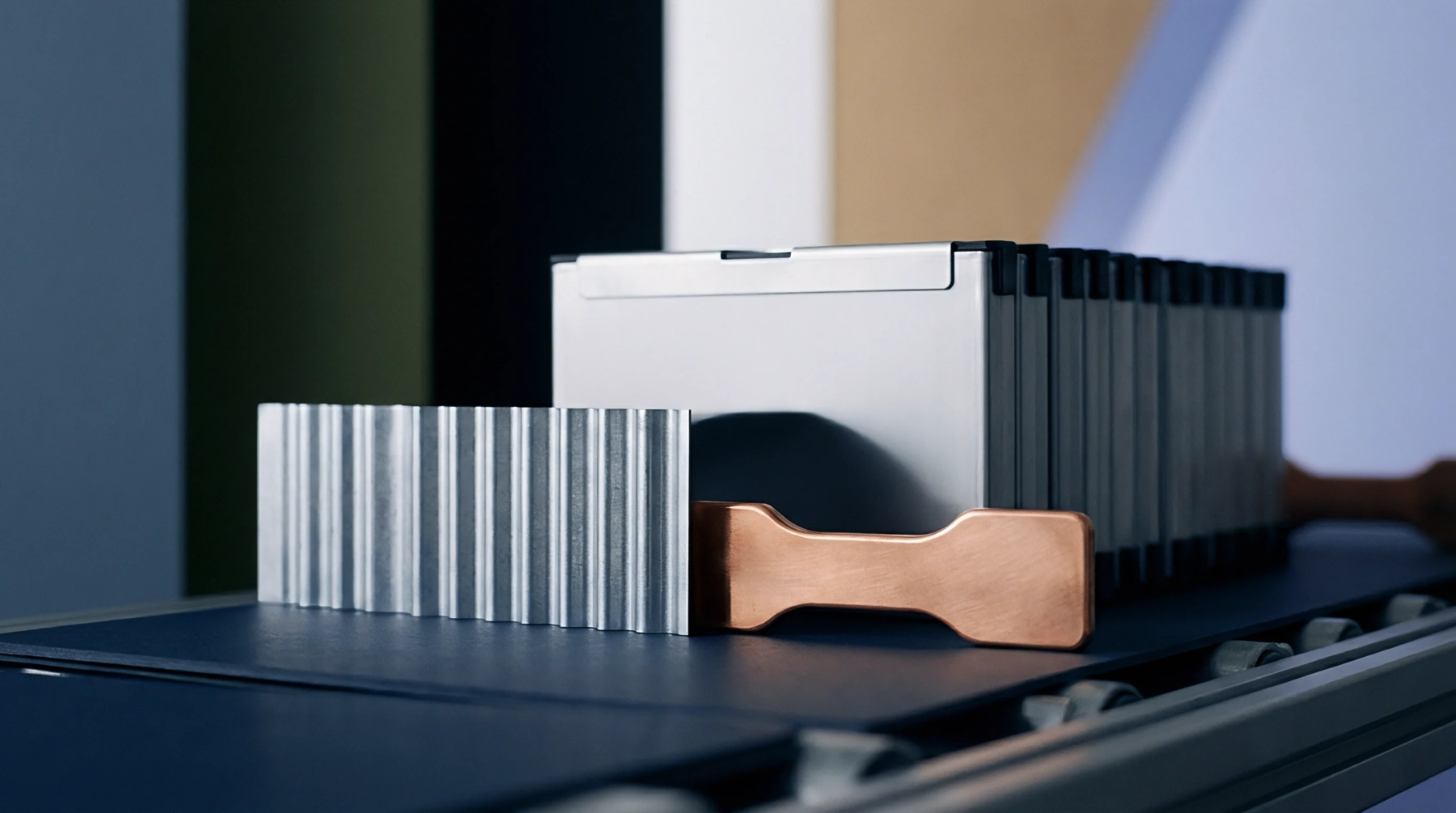
Deconvoluting swelling requires dynamic internal thermal reconstruction to separate reversible expansion from heat driven volume growth.
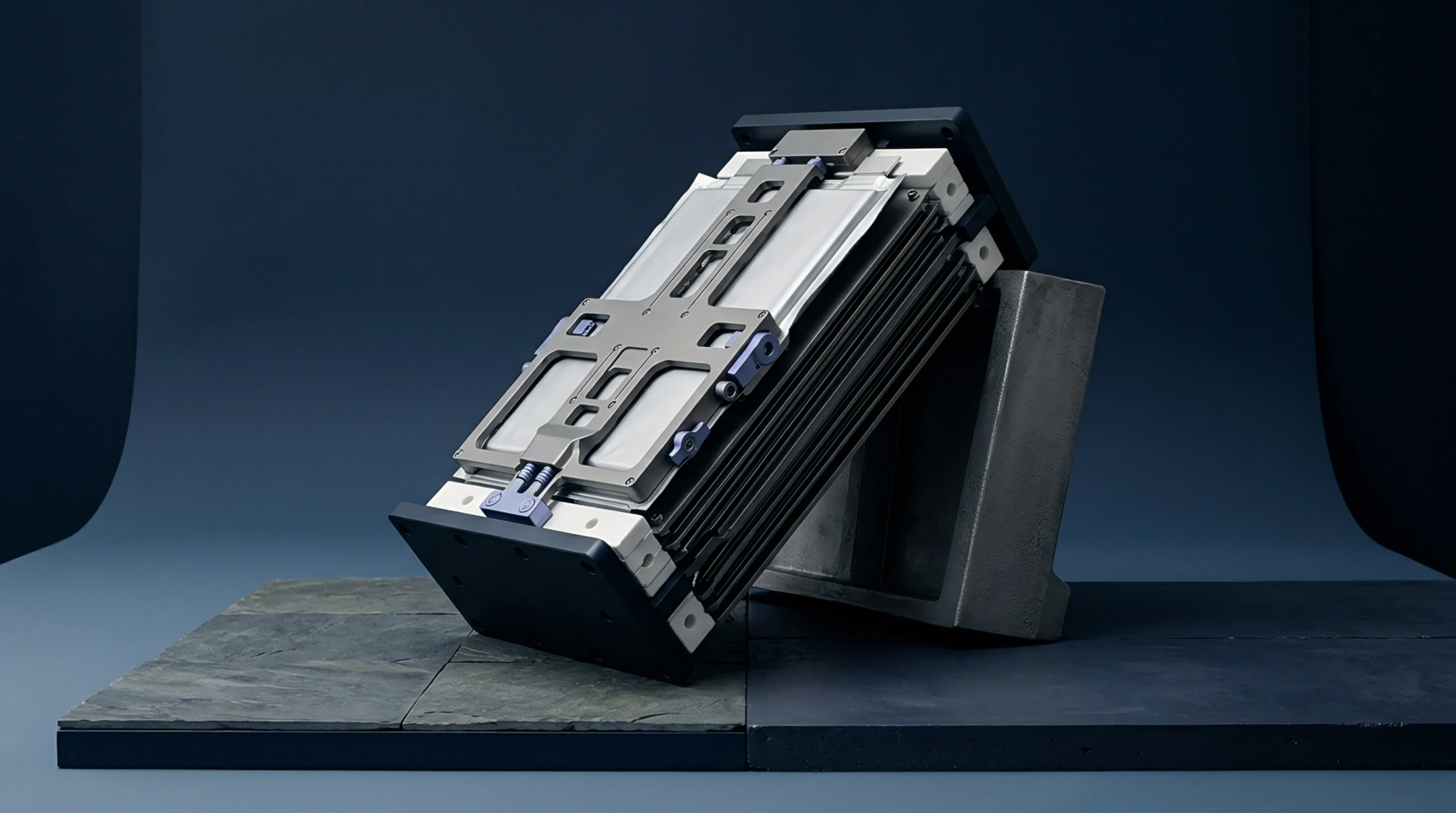
Isothermal swelling protocols isolate pure electrochemical lattice expansion from thermal artifacts to deliver precise thickness limits for module engineering.
Allocate metrology uncertainty margins explicitly in supply contracts to isolate cycler channel calibration drift from true cell capacity performance.
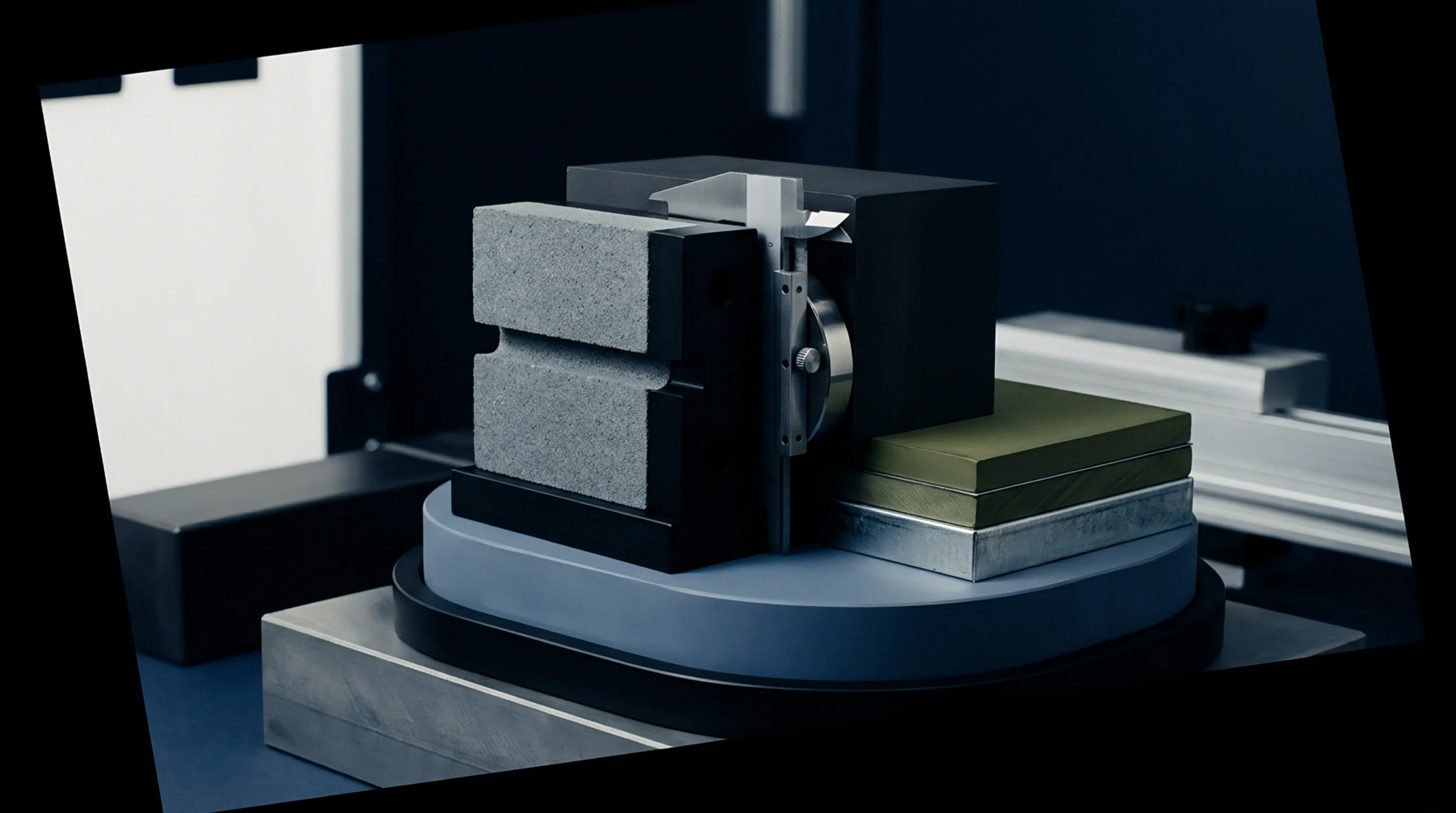
Real-time fixture thermal drift compensation eliminates cell sorting errors by isolating thermomechanical trace expansion from true battery impedance shifts.
Mechanical reference alignment in swelling test channels requires frame compliance compensation and invar sensor arms to eliminate micrometer displacement errors.

Maintaining nozzle pressure ratio within supersonic design boundaries guarantees negative tip aspiration, eliminating melt reflux and maximizing fine powder yield.
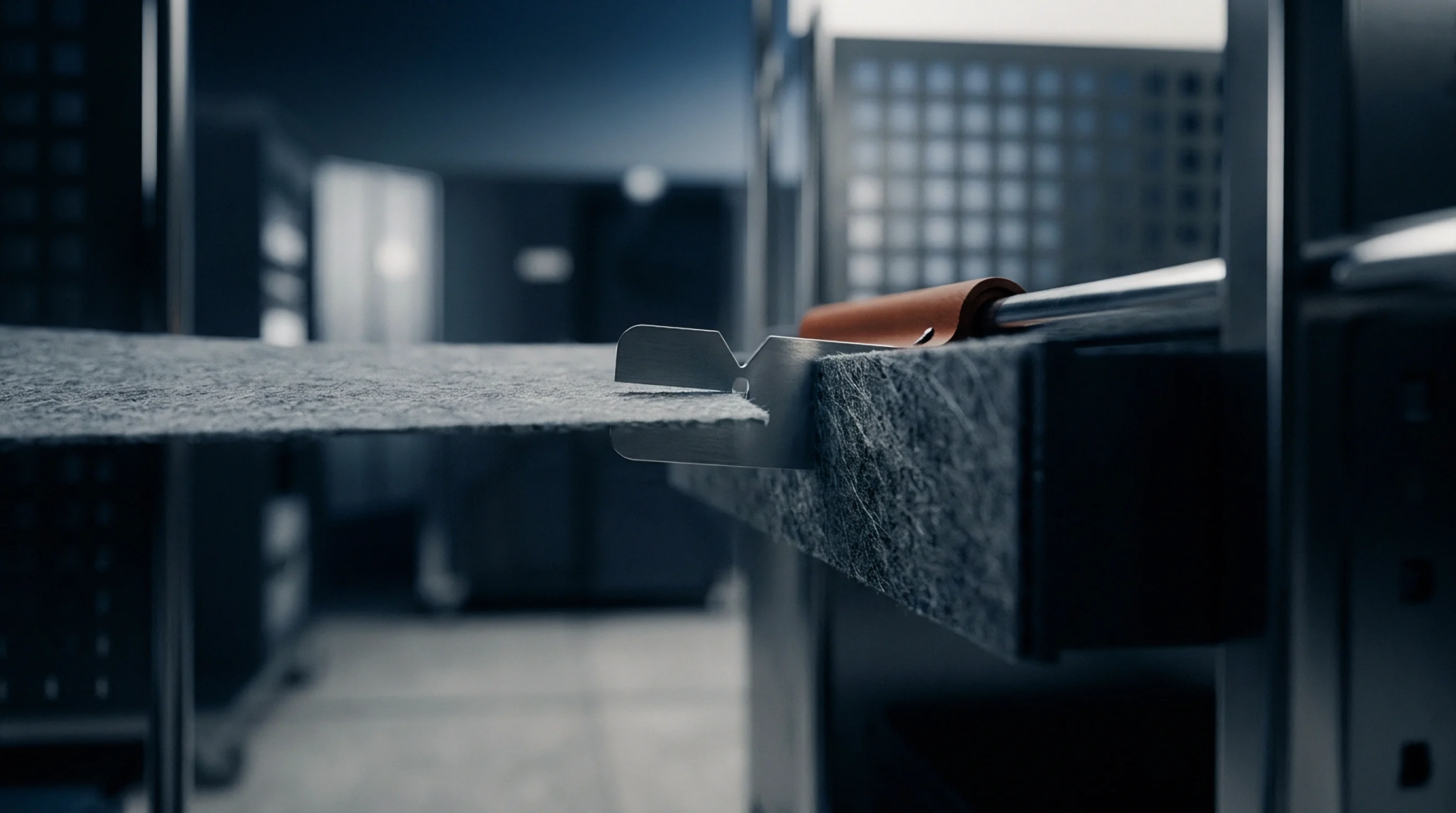
Ultrafine tungsten carbide slitting blade life depends on limiting cobalt binder pooling below two micrometers to prevent micro chipping and electrode burrs.

Backscattered electron imaging quantifies sub-micron carbide grain integrity and cobalt binder depletion to select slitting tools that prevent edge burrs.
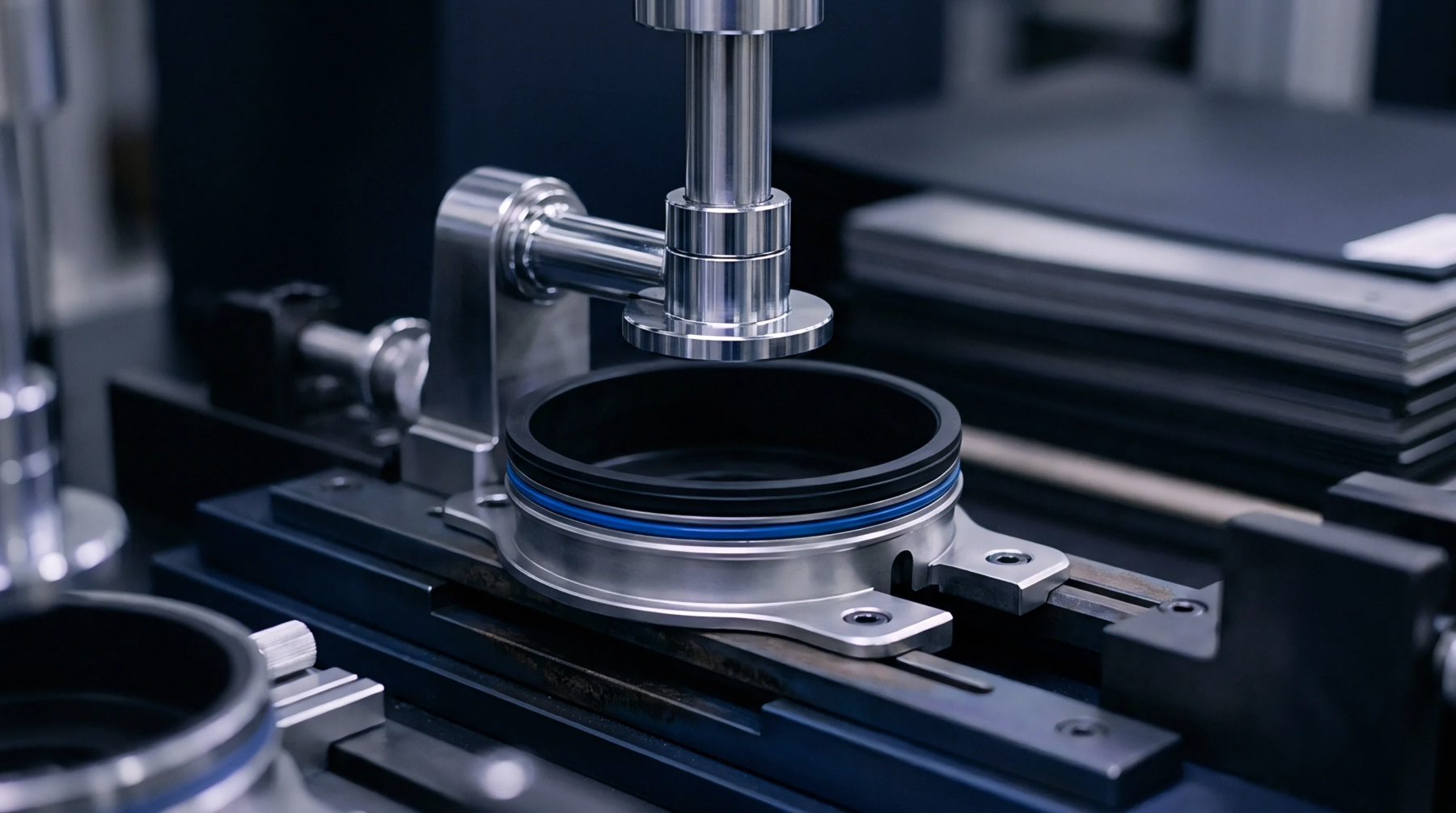
Characterizing submicron carbide through magnetic saturation, Palmqvist toughness, and SEM grain sizing eliminates edge burrs during battery foil slitting.
Dynamic orifice compensation stabilizes supersonic argon flow to preserve fine metal powder yield across high temperature atomization runs.
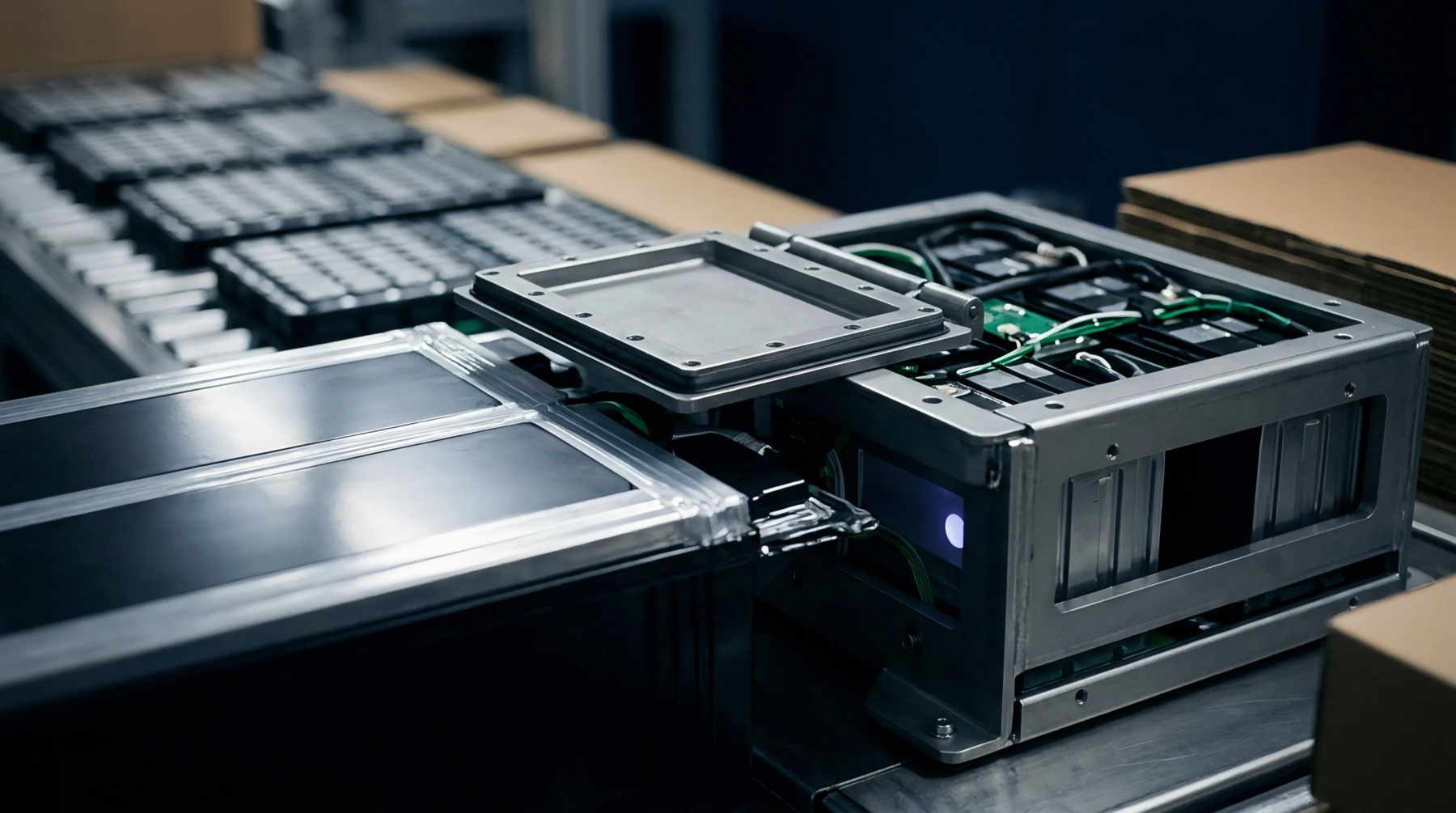
Dynamic regulation of gas supply pressure preserves aspiration differential at close-coupled nozzles, eliminating melt freeze-off and controlling powder size.

Precision calibration of argon mass flow and trace purity controls particle size distribution and prevents interstitial oxide formation in atomized powders.

Dynamic pressure between 4.0 and 6.0 MPa prevents interfacial vacancy voids in sulfide electrolytes, shifting cell failure liability to pack-level tooling.
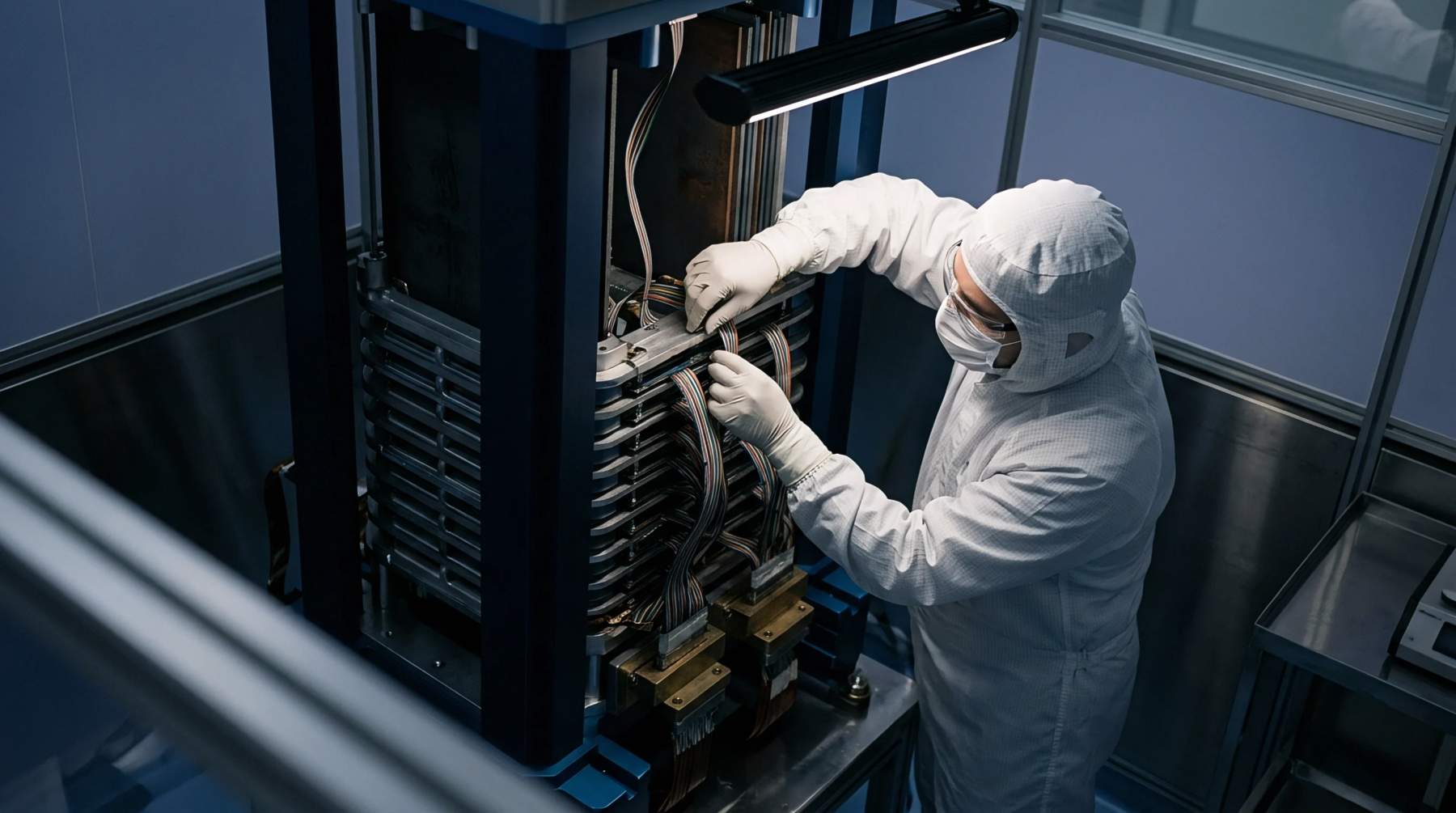
Maintaining 5 MPa stack pressure suppresses lithium void growth during high-rate stripping while active spring packs prevent separator fracture.
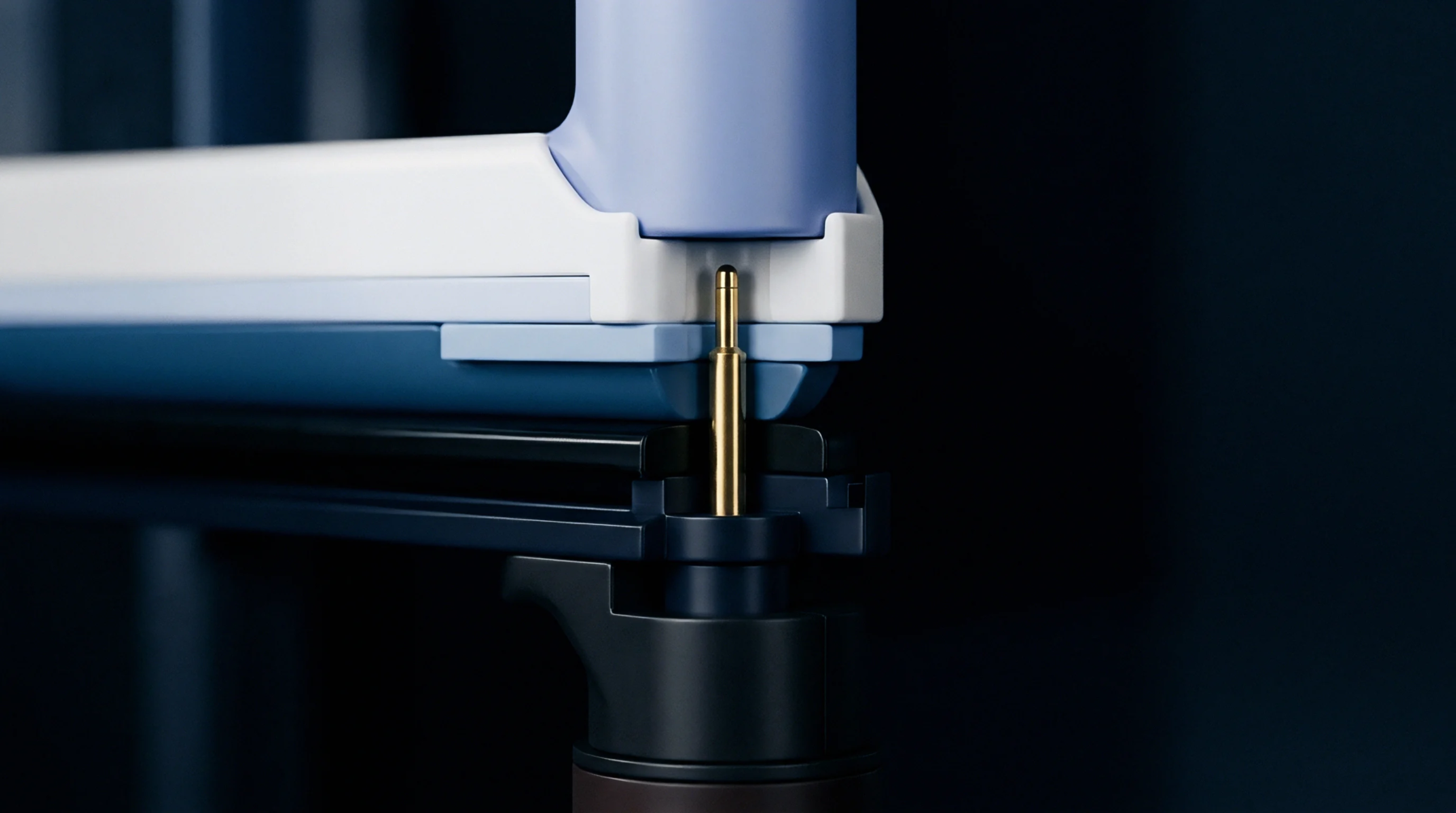
Sulfide solid-state cells require continuous external stack pressure between 5 and 10 MPa to overcome viscoplastic voiding and maintain intimate interface contact.

Carbide banding anisotropy above 1.5 accelerates cleavage fracture under cyclic impact, reducing cold-work die service life by over 60 percent.

Validate powder metallurgy tool steel dies via ultra-fine carbide distribution, 2400 MPa compressive yield, zero recast EDM skin, and VDI 3198 HF1 coating adhesion.
Quantifying carbide alignment via stereological orientation tensors identifies directional fracture risks before machining precision tool steel components.
Laser-welded 3003 aluminum cell headers under sulfide swelling require lower bead tensile stress below fifty megapascals to prevent stress corrosion cracking.
Expertise is a utility, not a secret. sentiention™ publishes its working knowledge as open reference: intelligence layer covering the materials it sources, the markets it enters, and the reference that serves both.