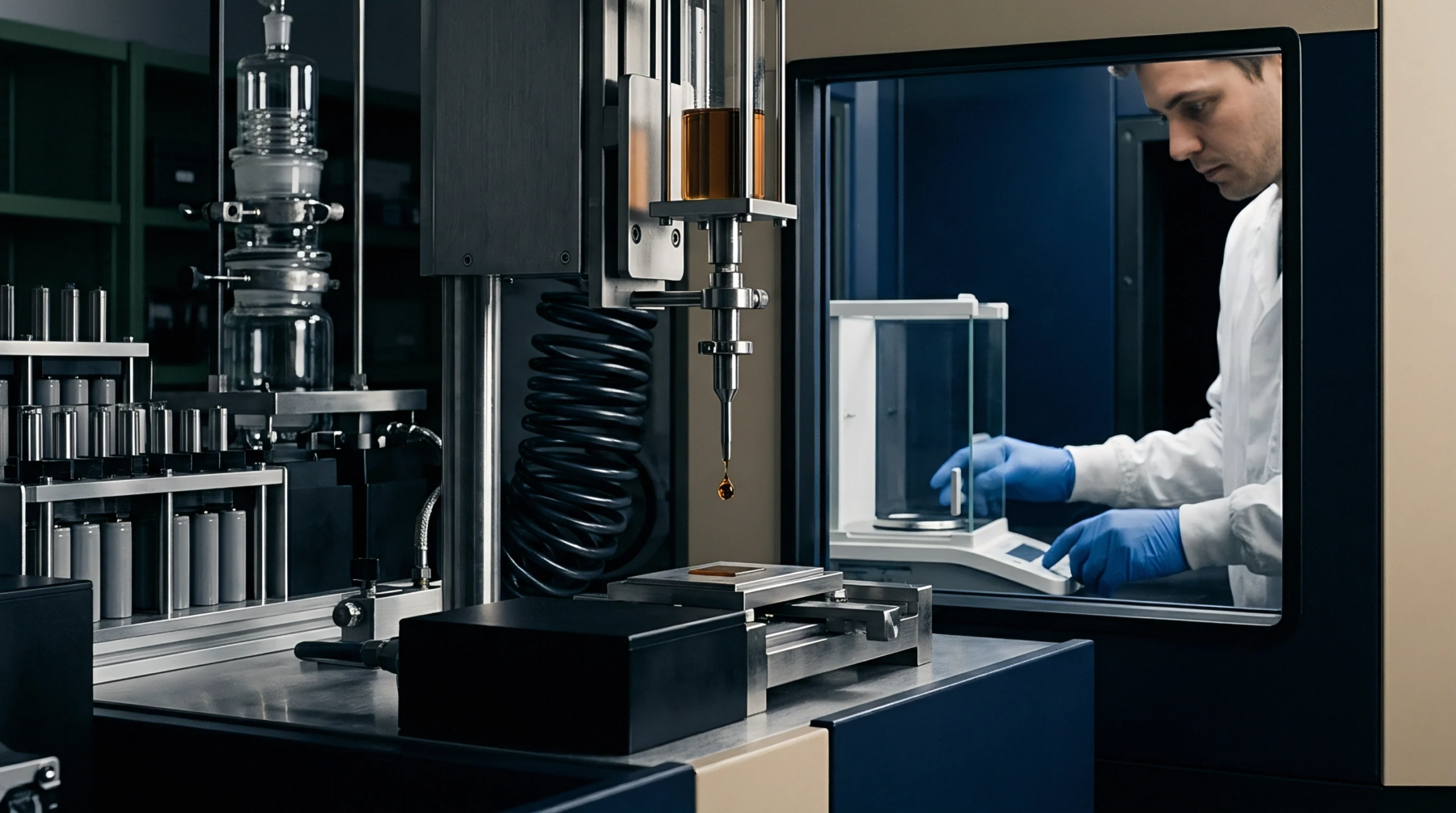
Dynamic Mechanics of Micro-Crack Growth in Electrolyte-Swollen Polyolefin Separators
Electrolyte solvent plasticization lowers polyolefin yield stress, driving sub-critical micro-crack propagation under cyclic stack pressure.
Electrolyte solvent plasticization lowers polyolefin yield stress, driving sub-critical micro-crack propagation under cyclic stack pressure.

Automotive incoming cell acceptance requires four-wire Kelvin 1 kHz AC impedance screening combined with statistical Cpk thresholding at strict thermal equilibrium.

Solid-state cell qualification demands matching fixture compliance to anode expansion profiles while holding stack pressure decay below 0.05 MPa per 100 hours.

Dynamic drop tower qualification of consolidated battery tubs requires controlling impactor kinetic energy, strain-rate sensitivity, and elastic intrusion limits.
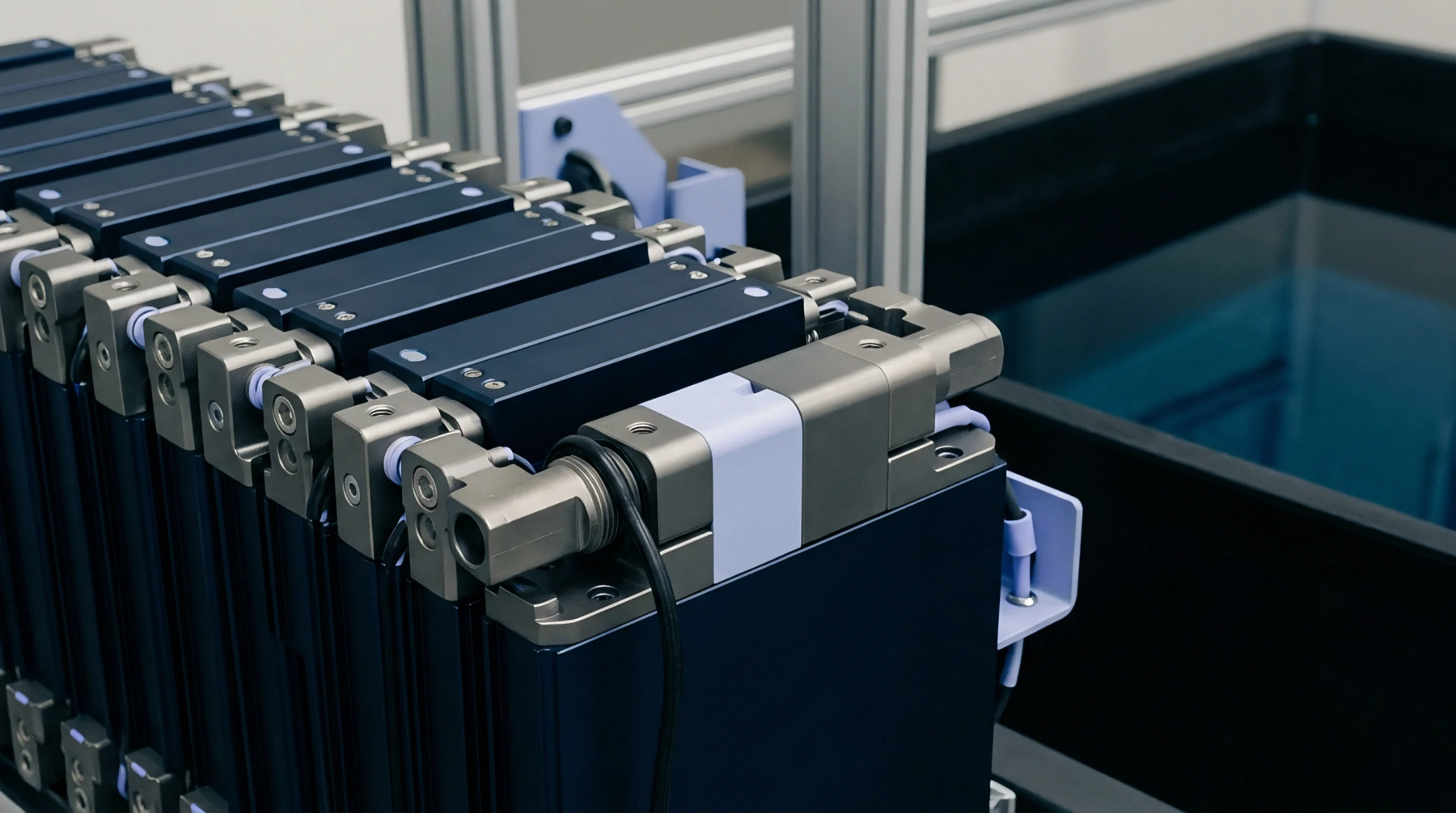
Standardized shading correction, certified reference blocks, and dual-threshold hysteresis binarization eliminate inter-laboratory carbide rating discrepancies.

Melt superheat, gas-to-metal ratio, and aspiration pressure dictate particle size distribution, cooling rate, and oxide pickup in tool steel powder production.

Secondary recirculation gas flow controls spatter condensate extraction in 1.2709 tool steel L-PBF to eliminate surface accretion and fatigue voids.
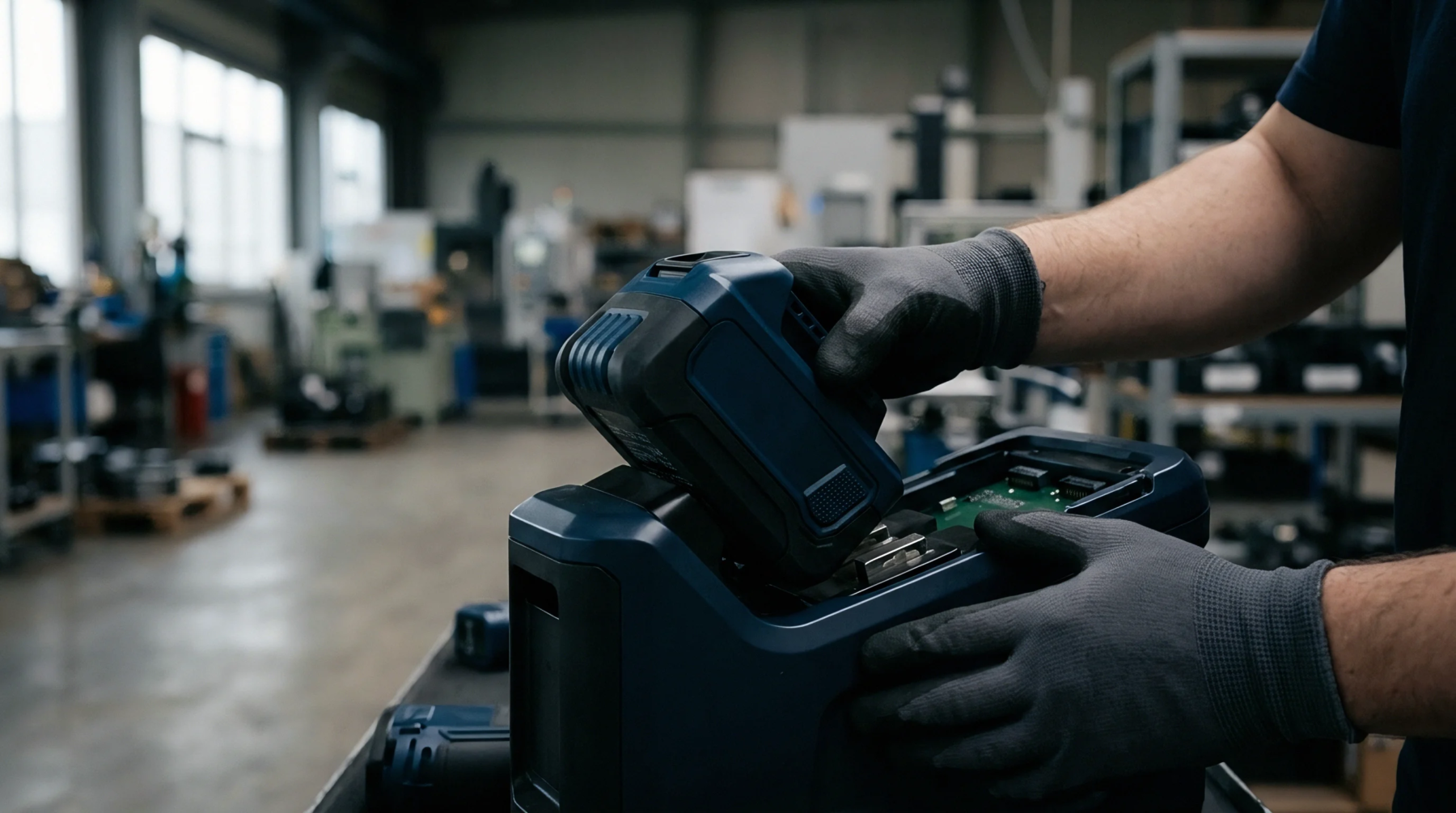
Amortized enclosure tooling disputes resolve when contracts tie maintenance liability directly to audited press cycle logs and physical shot-life limits.
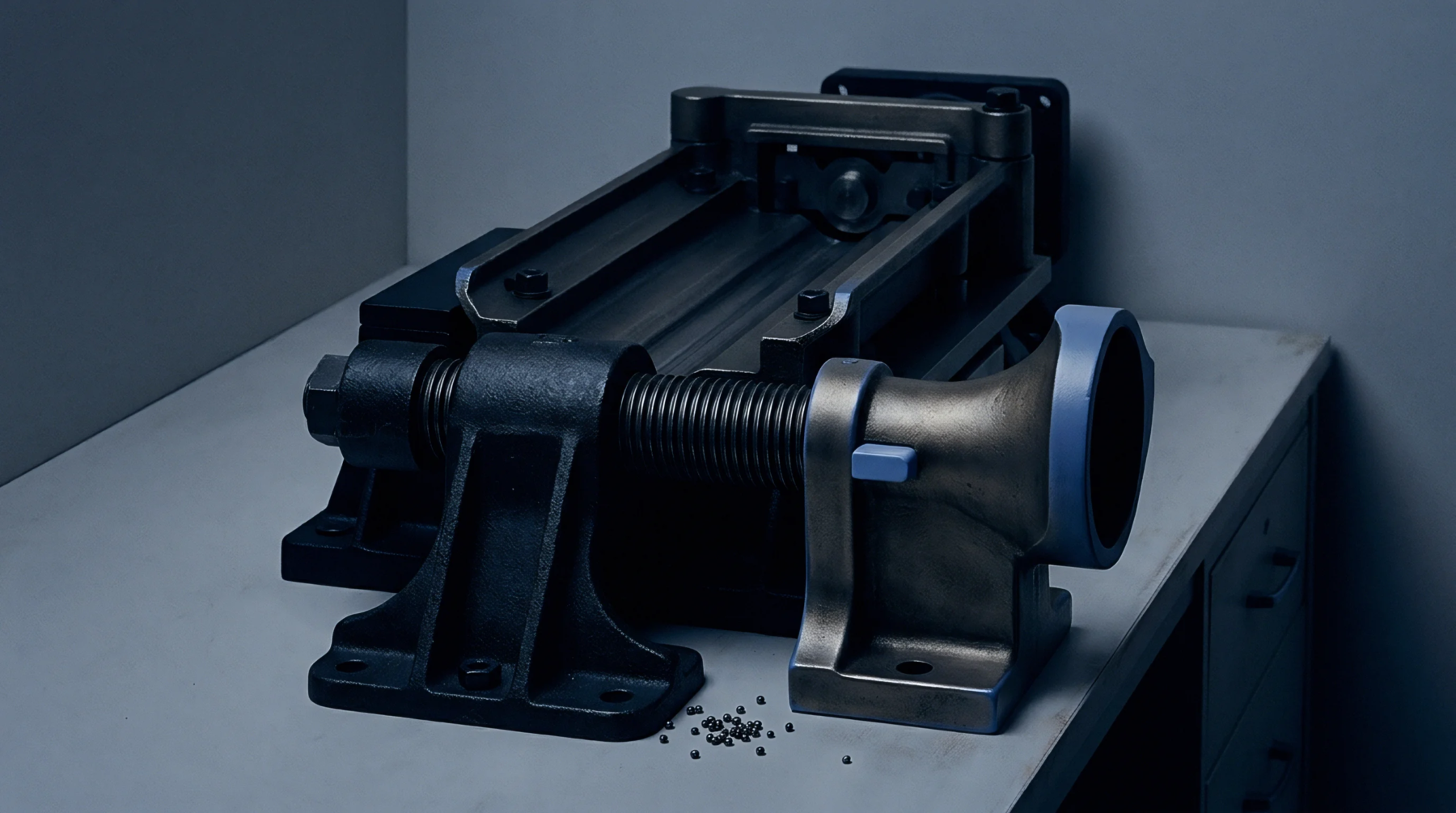
Mitigate battery enclosure casting die failure by modeling transient heat flux to constrain thermal tensile stress below steel yield limits.

Carbothermic reduction during consolidation relies on controlling vacuum CO partial pressure and outgassing hold times to strip native oxides cleanly.

Structural adhesive shear fatigue in cell-to-pack enclosures requires balancing joint modulus against viscoelastic strain dissipation under multi-axis dynamic loads.
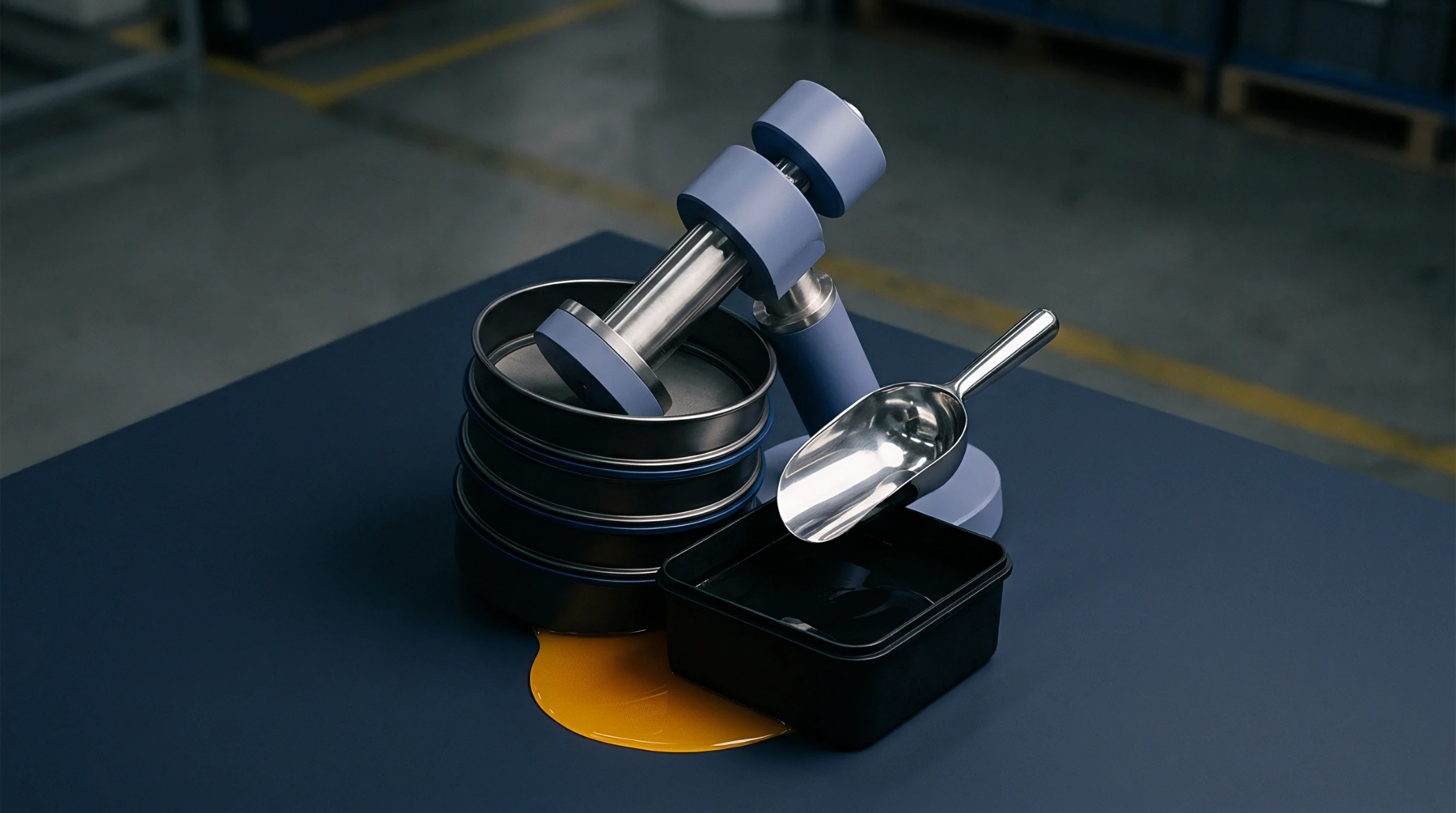
Enforce zero-acceptance sampling plans and 48-hour thermal soak protocols on imported prismatic cell lots to prevent non-conforming units from entering pack production lines.
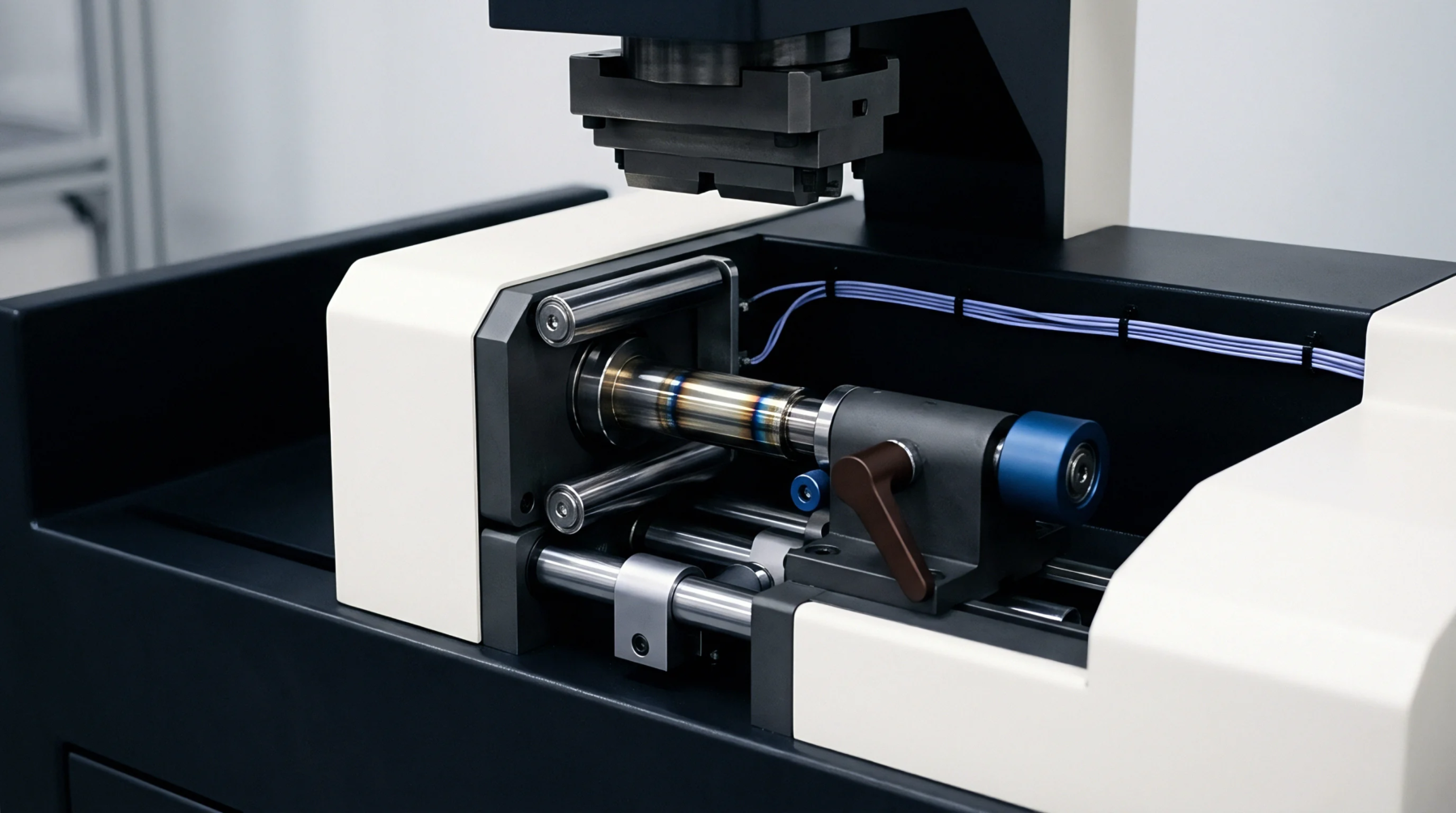
Optimizing module heat dissipation demands matching thermal interface wet-out and structural clamping spring rates to compensate for cyclic cell expansion.
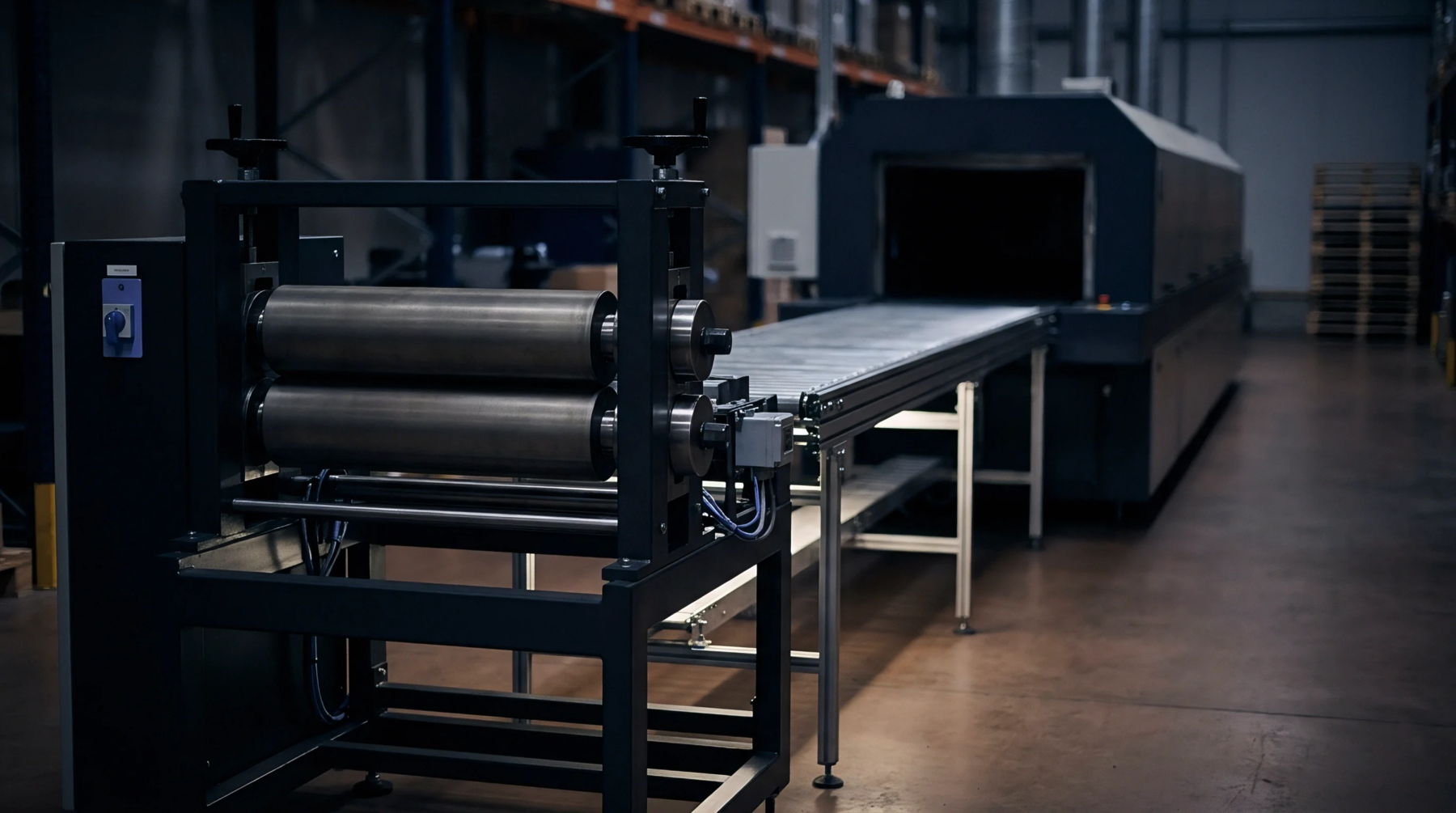
Proactive tool re-dressing at defined stroke thresholds prevents brittle intermetallic growth, optimizing scrap rates and pack manufacturing costs.
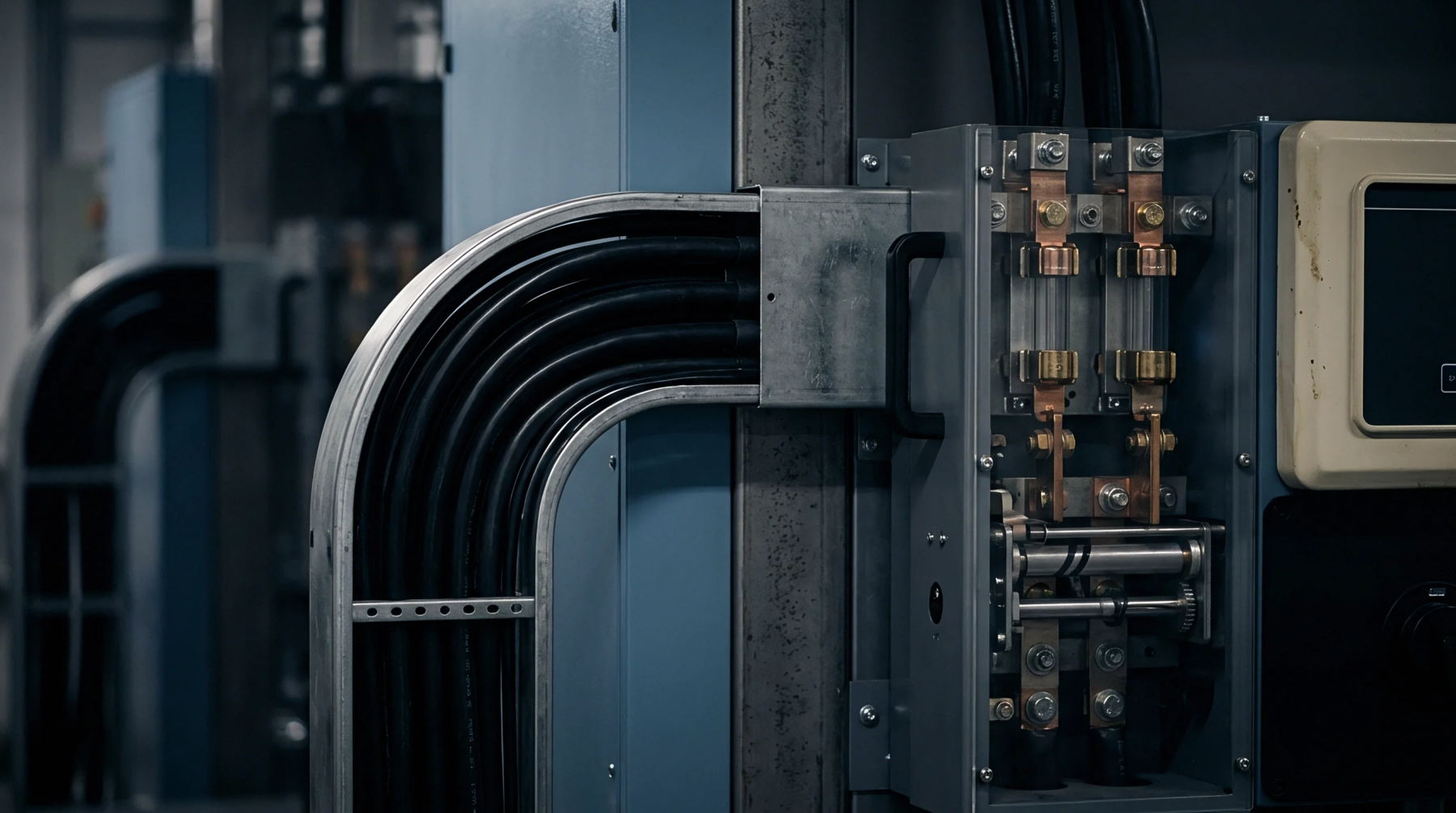
Electrochemical corrosion kinetics across dissimilar conductor interfaces accelerate through moisture condensation, demanding perimeter sealing and barrier plating.

Variable thermal boundary layers create local cell temperature spreads that accelerate solid electrolyte interphase growth and void supplier warranties.

Algorithmic thermal strain deconvolution separates reversible intercalation swelling from core heat expansion to size module end plates and compression gaps accurately.
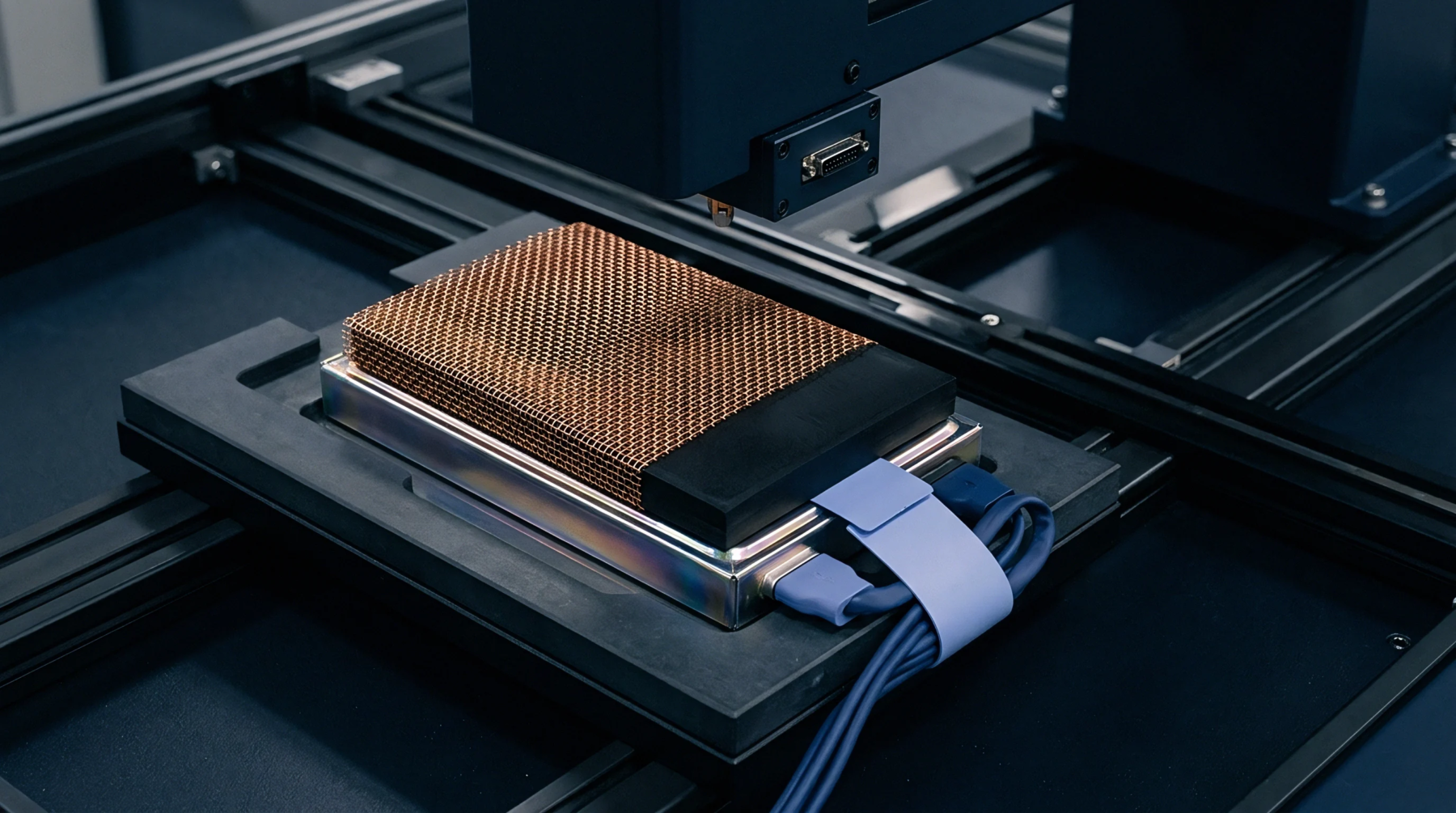
Fixture baseline verification protocols eliminate thermal and mechanical drift errors, securing cell swelling and dimensional metrology data accuracy.
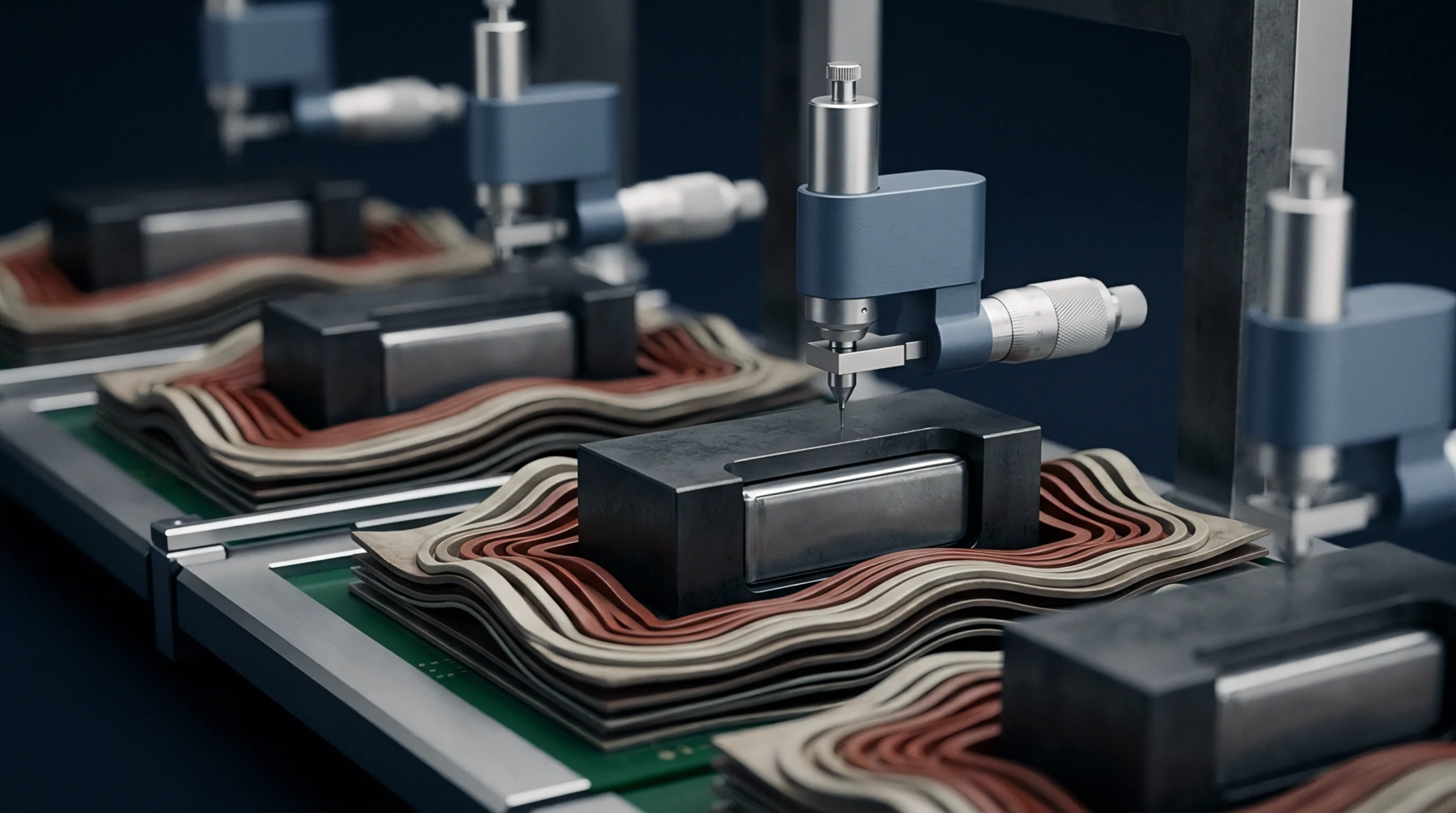
Supersonic wave instability at the atomizer tip drives melt back-streaming and broadens particle size distribution; stabilizing shock position restores powder yield.
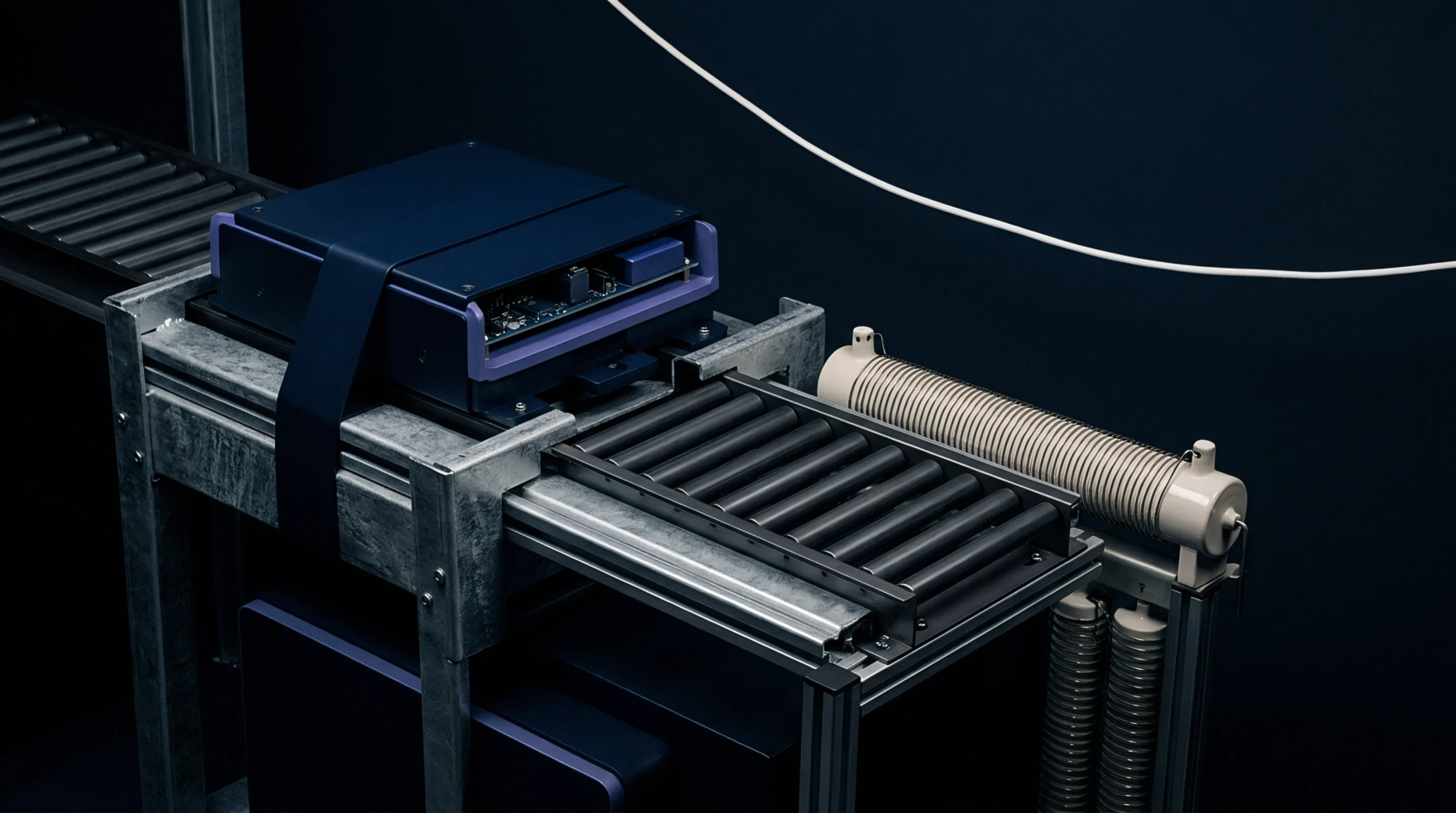
Sub-micron carbide stereology via low-kV BSE imaging verifies tooling microstructure, preventing electrode burrs and lowering total cell manufacturing costs.

Dynamic argon pressure calibration stabilizes supersonic nozzle shock structure, locking particle size distribution and protecting additive powder yields.

Applying targeted dynamic platen pressure suppresses interfacial void formation by forcing viscoplastic lithium creep backfill to match electrochemical stripping fluxes.

Quantifying tool steel carbide banding via ASTM E1268 stereology prevents micro-chipping and premature fracture in high-takt battery cell stamping dies.

Solid-state prismatic cell swelling generates edge rotation bending strain at header weld roots, requiring wobble laser trajectories and compliant header contours to prevent premature fatigue failure.

Electro-slag remelting reduces non-metallic inclusions below three micrometers, suppressing micro-crack initiation along carbide bands under cyclic shear.

Shear-thinning gap filler viscosity drops under high dispense shear rates, requiring dynamic force control during module squeeze to prevent voids and structural cell damage.

Argon void modeling links powder atomization physics to HIP kinetics, allowing buyers to set strict gas limits that prevent tool strength loss.
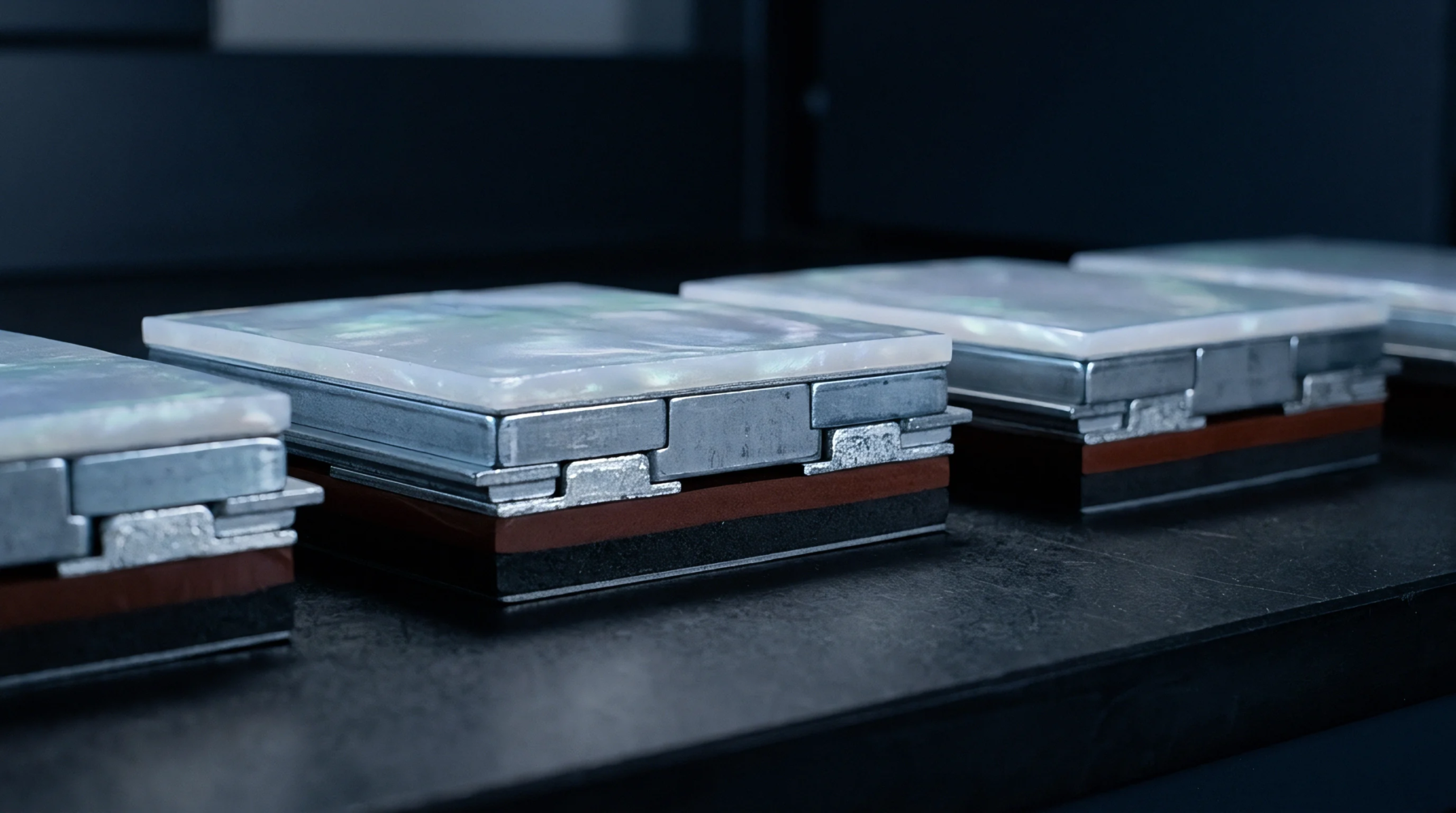
Dynamic dynamic dynamic vibration reduces lubricated separator shear transfer, driving micro-crack tearing and internal shorts unless stack pressure is held above 0.25 MPa.

Modeling solute trapping kinetics during droplet cooling establishes exact gas atomization parameters to freeze supersaturated alloy phases for high-life battery anodes.

Internal argon trapped during atomization expands under heat treatment, requiring strict desorption limits to prevent thermally induced porosity.
Expertise is a utility, not a secret. sentiention™ publishes its working knowledge as open reference: intelligence layer covering the materials it sources, the markets it enters, and the reference that serves both.