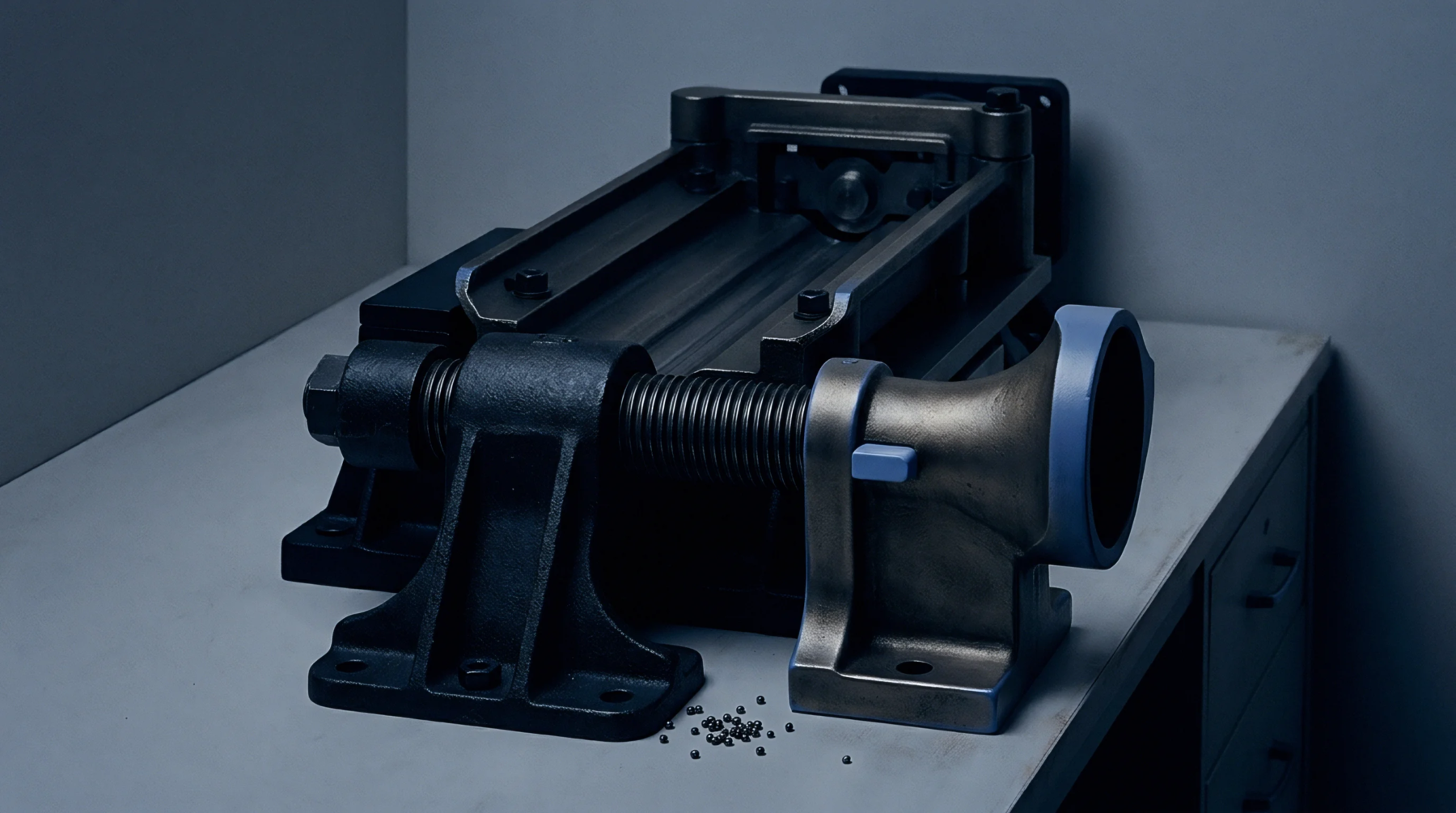
Deflection Criteria in Die Cast Aluminum Battery Tubs under Ground Strikes
Die cast aluminum battery tubs require integrated dynamic air gap buffers and ductile low-iron alloys to prevent ground strike intrusion from crushing cells.
Die cast aluminum battery tubs require integrated dynamic air gap buffers and ductile low-iron alloys to prevent ground strike intrusion from crushing cells.

Dynamic drop tower testing validates consolidated battery tub impact energy absorption, preventing cell intrusion and thermal runaway under vertical shock.
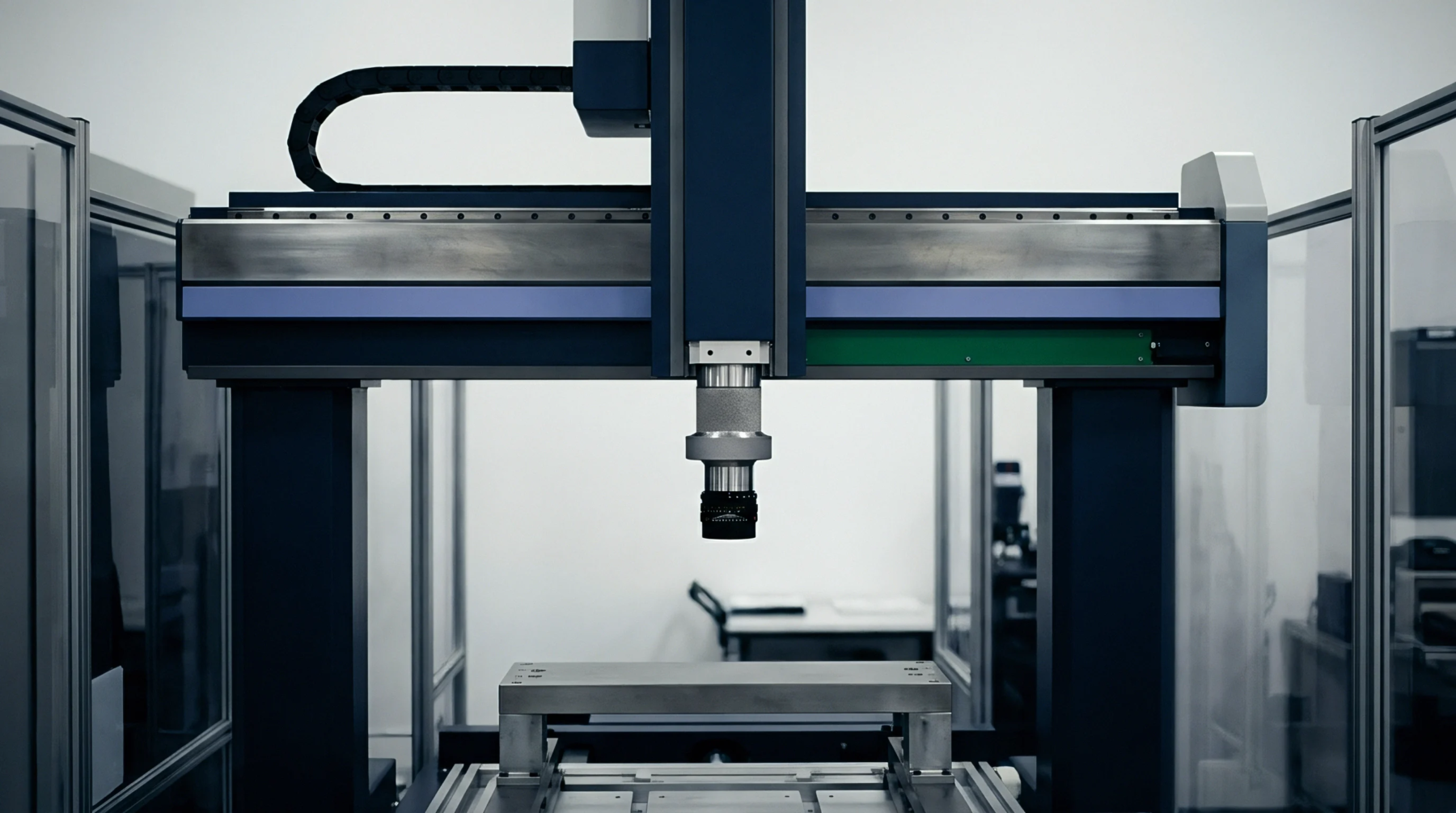
Optical transfer function roll-off widens stringer boundary ramps, causing inter-laboratory inclusion rating divergence unless corrected by spatial calibration.

Dual-threshold hysteresis binarization anchors phase seed boundaries to high-confidence intensity nodes, eliminating threshold shift errors in electrode tortuosity calculations.
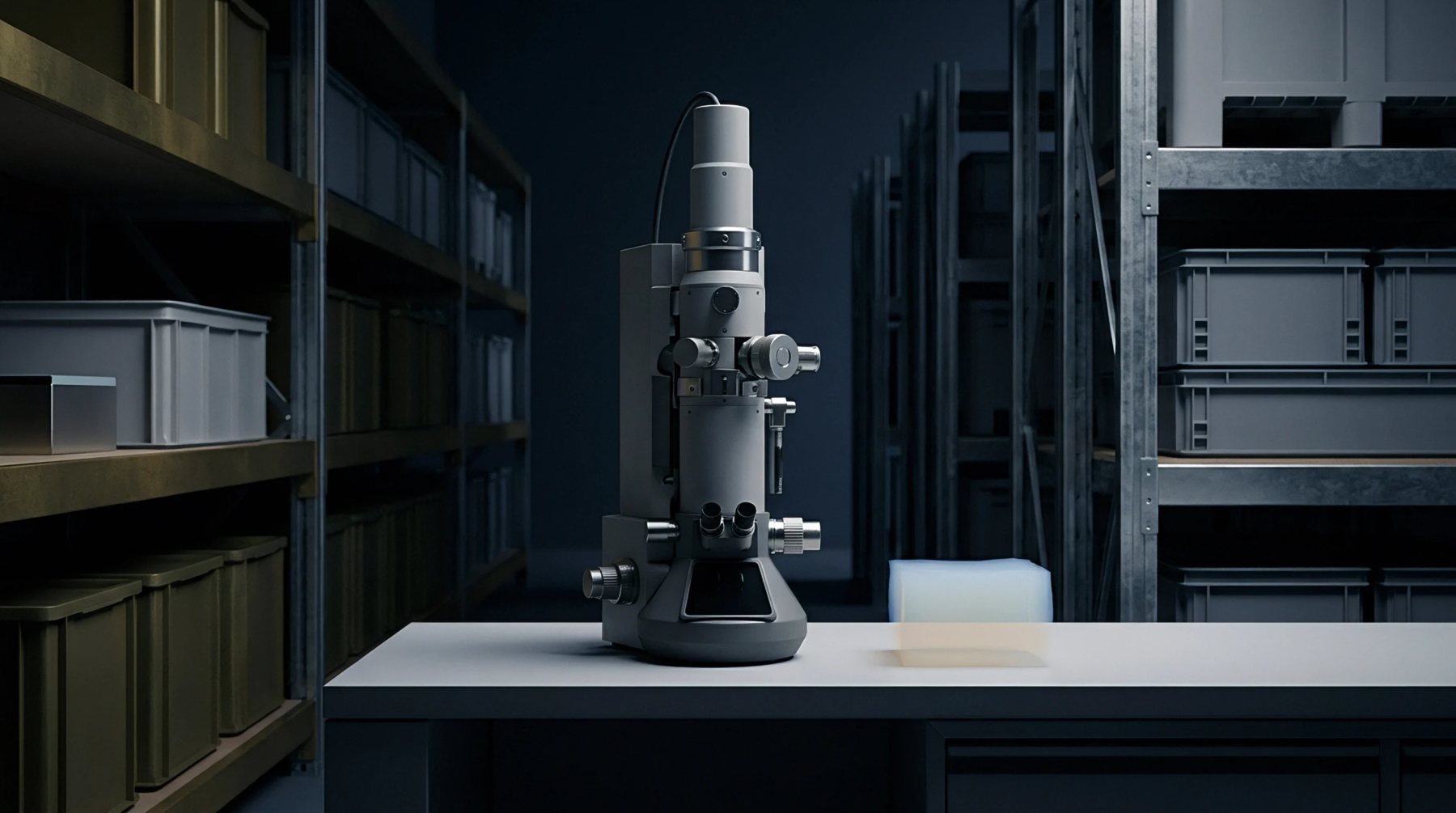
Standardized metallographic polishing and selective chemical tinting enable accurate optical calibration of carbides and retained austenite in tool steel slitting dies.

Recirculation vortex suppression through anti-satellite gas shrouds and chamber pressure matching eliminates fine droplet welding in tool steel atomization.
Melt superheat fixes metal viscosity while gas pressure sets atomization shear energy, directly controlling powder size, cooling rate, and carbide morphology.

Supersonic gas jets destabilize liquid metal streams through high-shear wave growth, where tight gas-to-metal ratio tuning maximizes spherical powder yield.

Laminar gas velocities between 1.8 and 2.5 meters per second prevent submicron condensate soot from redepositing into large-format tool steel melt tracks.
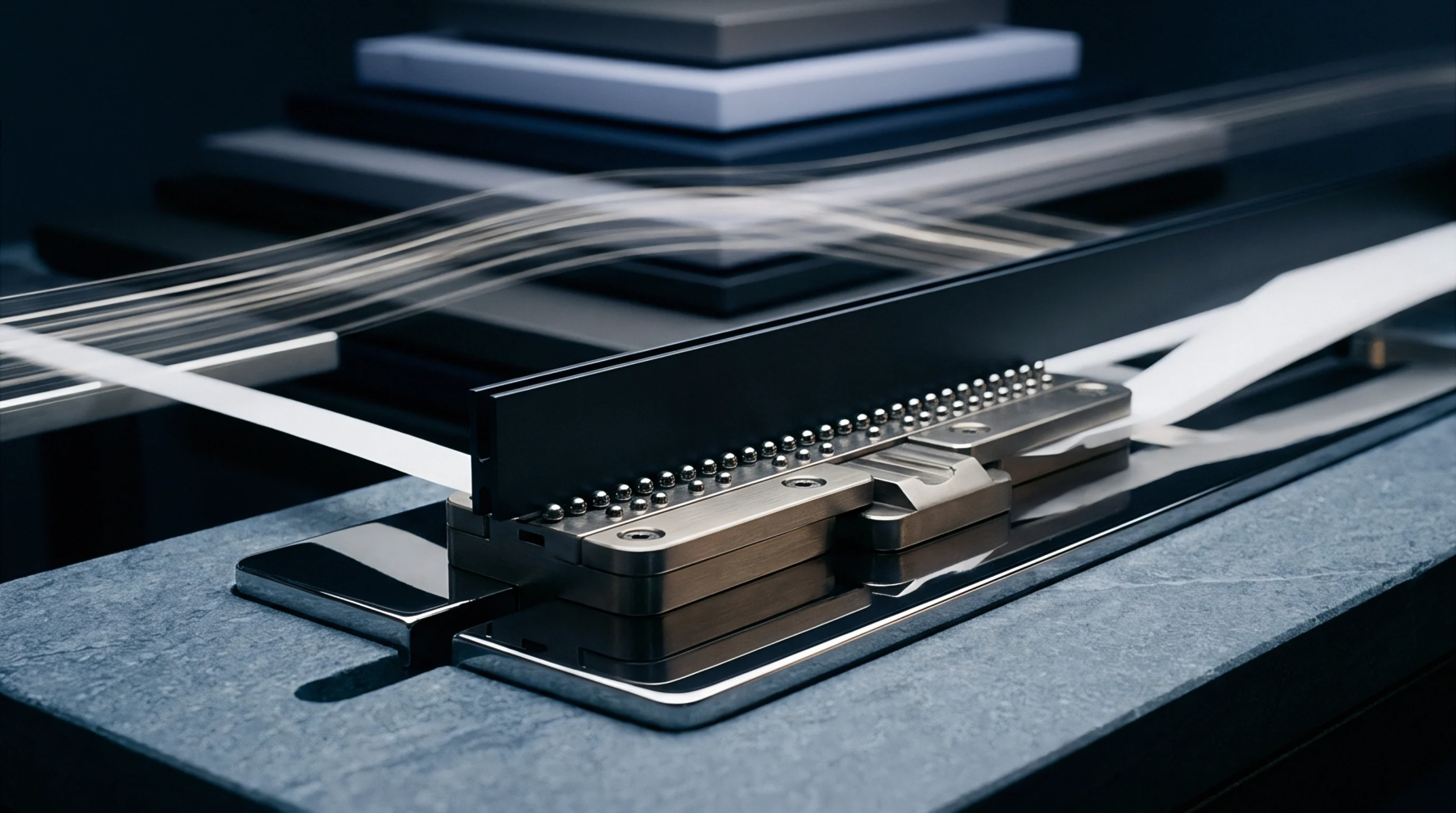
Calibrating cross-flow velocity to 2.2-2.8 m/s prevents laser plume attenuation and condensate redeposition in tool steel powder bed fusion.
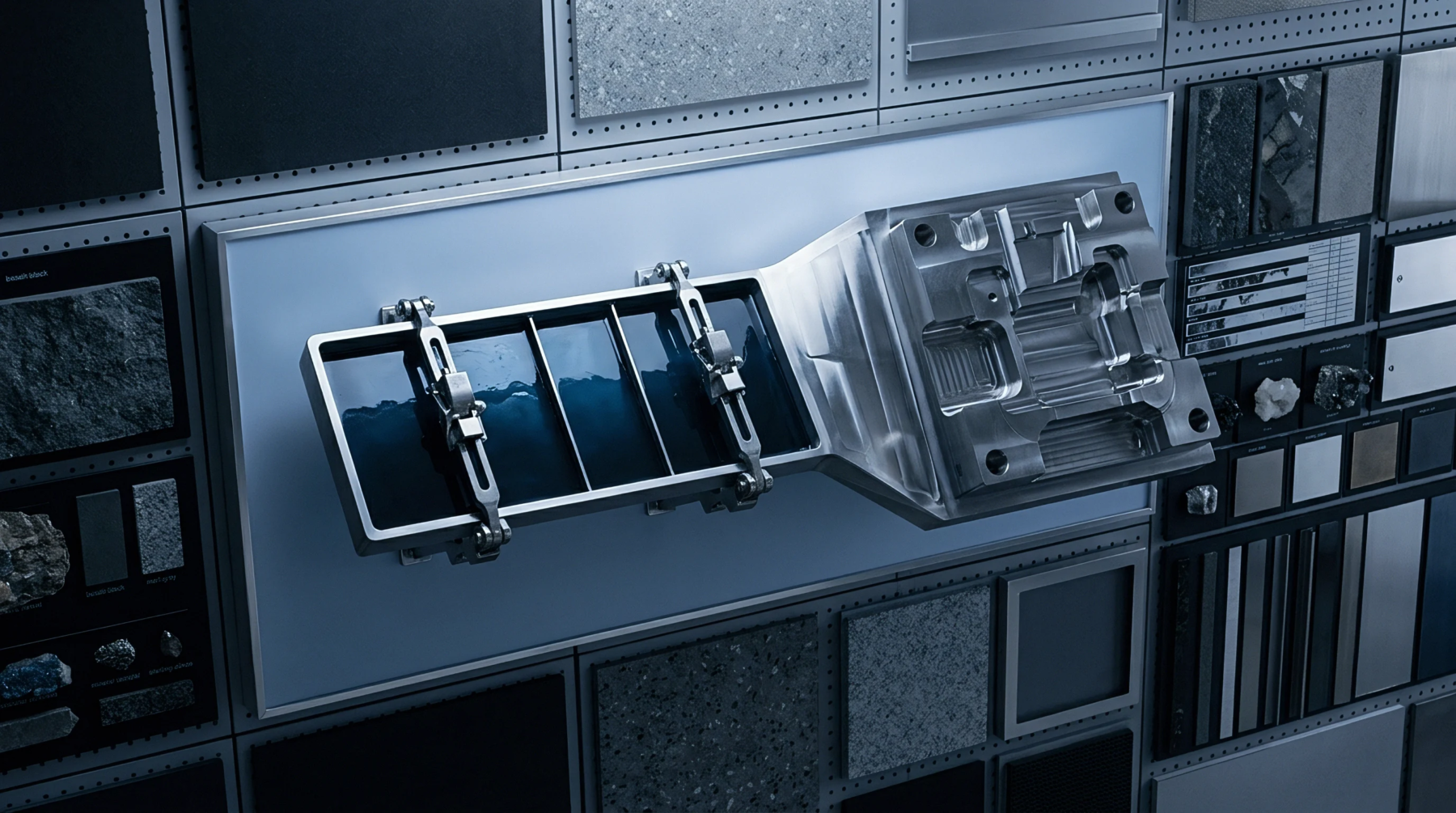
Unrecovered battery tooling capital resolves through strict financial auditing of primary vendor invoices, physical die wear verification, and structured cross-program re-amortization settlements.

HPDC tooling maintenance liability relies on categorizing wear mechanisms, logging shot telemetry, and establishing per-shot reserve funds in bailment contracts.

Amortizing battery pack enclosure tooling lowers upfront capital but creates binding shortfall liabilities and warranty risks if production volumes shift.
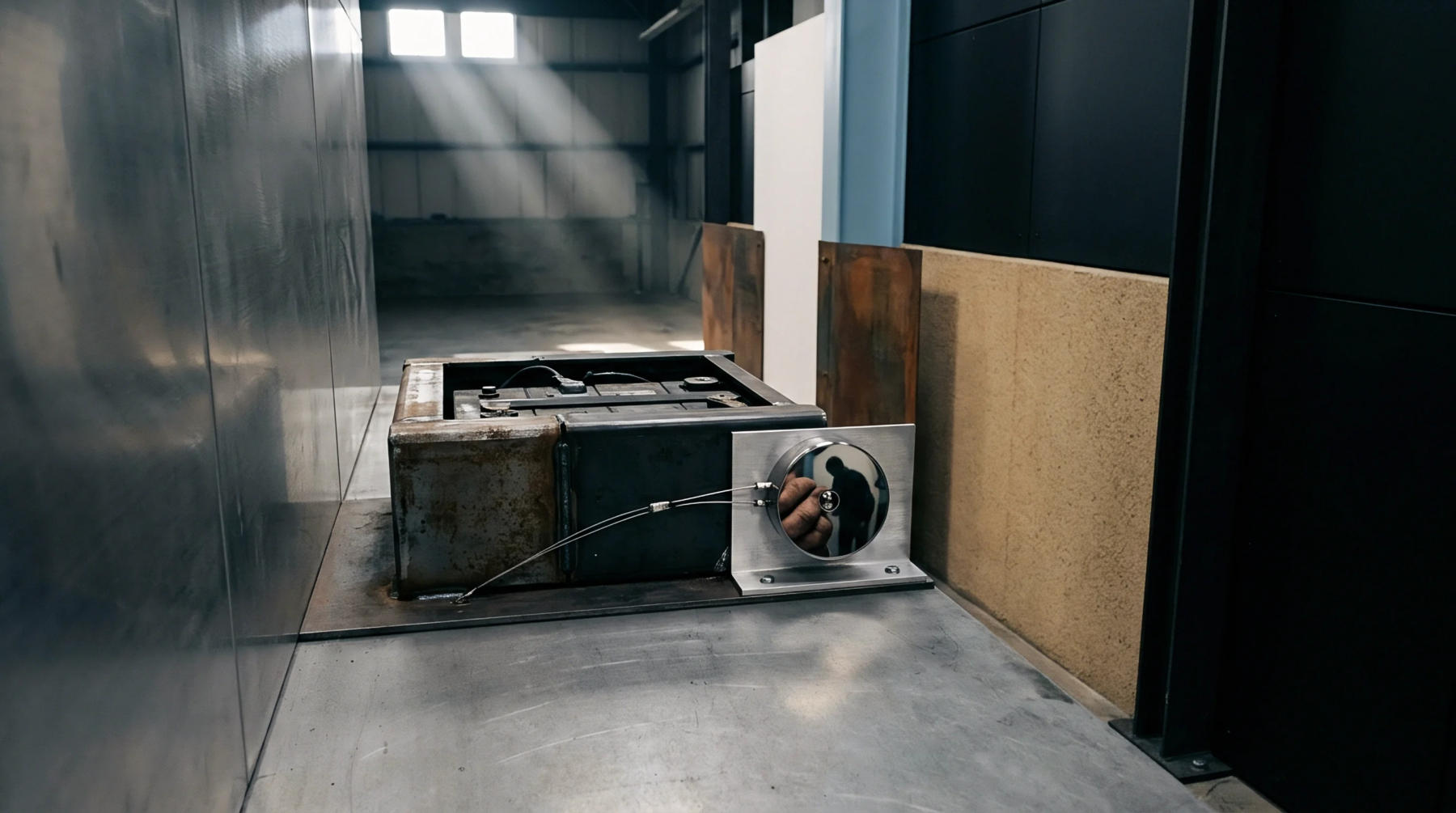
Coupling elastoplastic Chaboche constitutive formulations with Lemaitre continuum damage models yields verifiable thermal fatigue life predictions for H13 tooling.
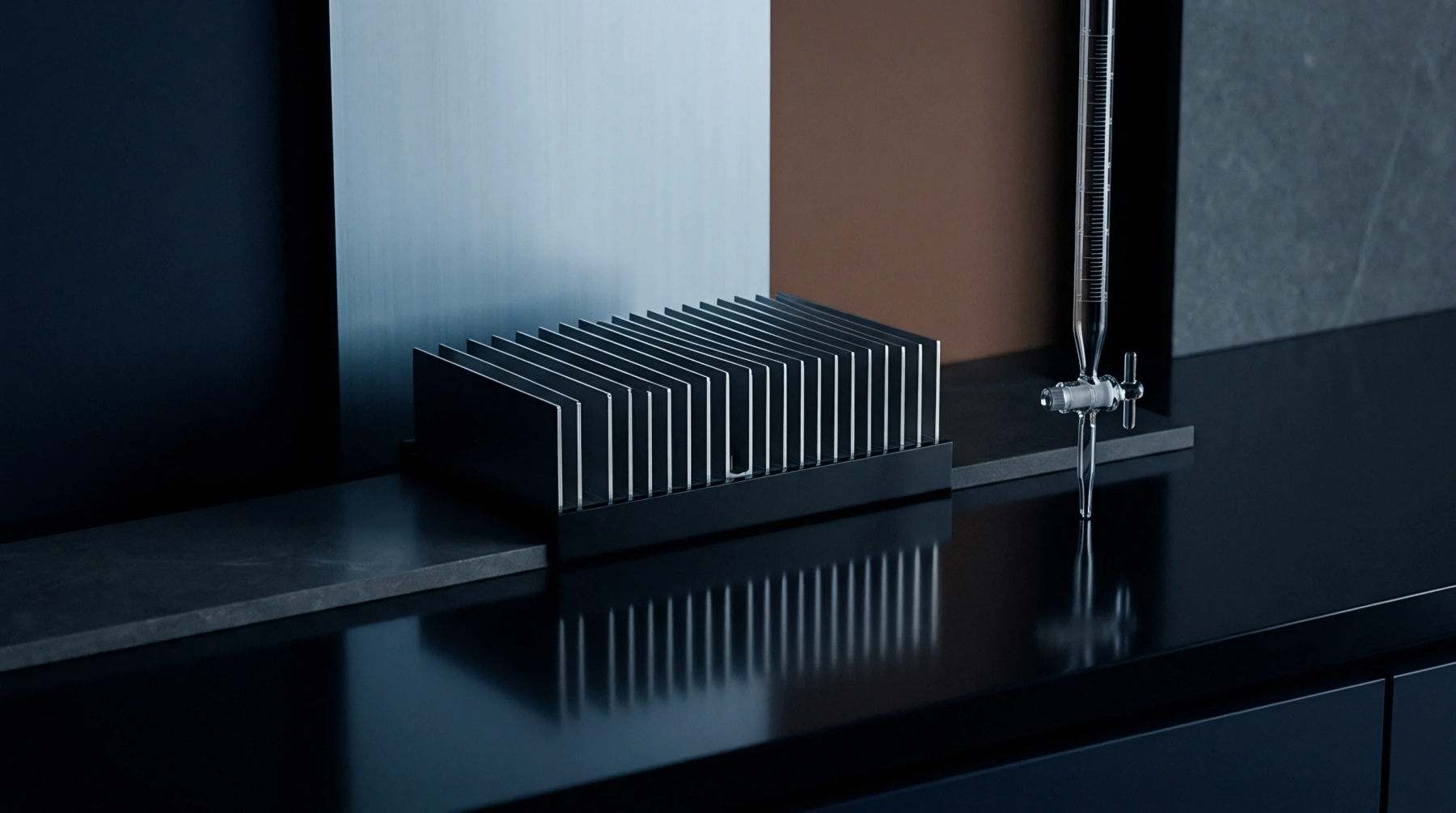
Coupling transient CFD convective flux with non-linear elastoplastic FEA prevents thermomechanical fatigue leaks across integrated structural battery cooling channels.
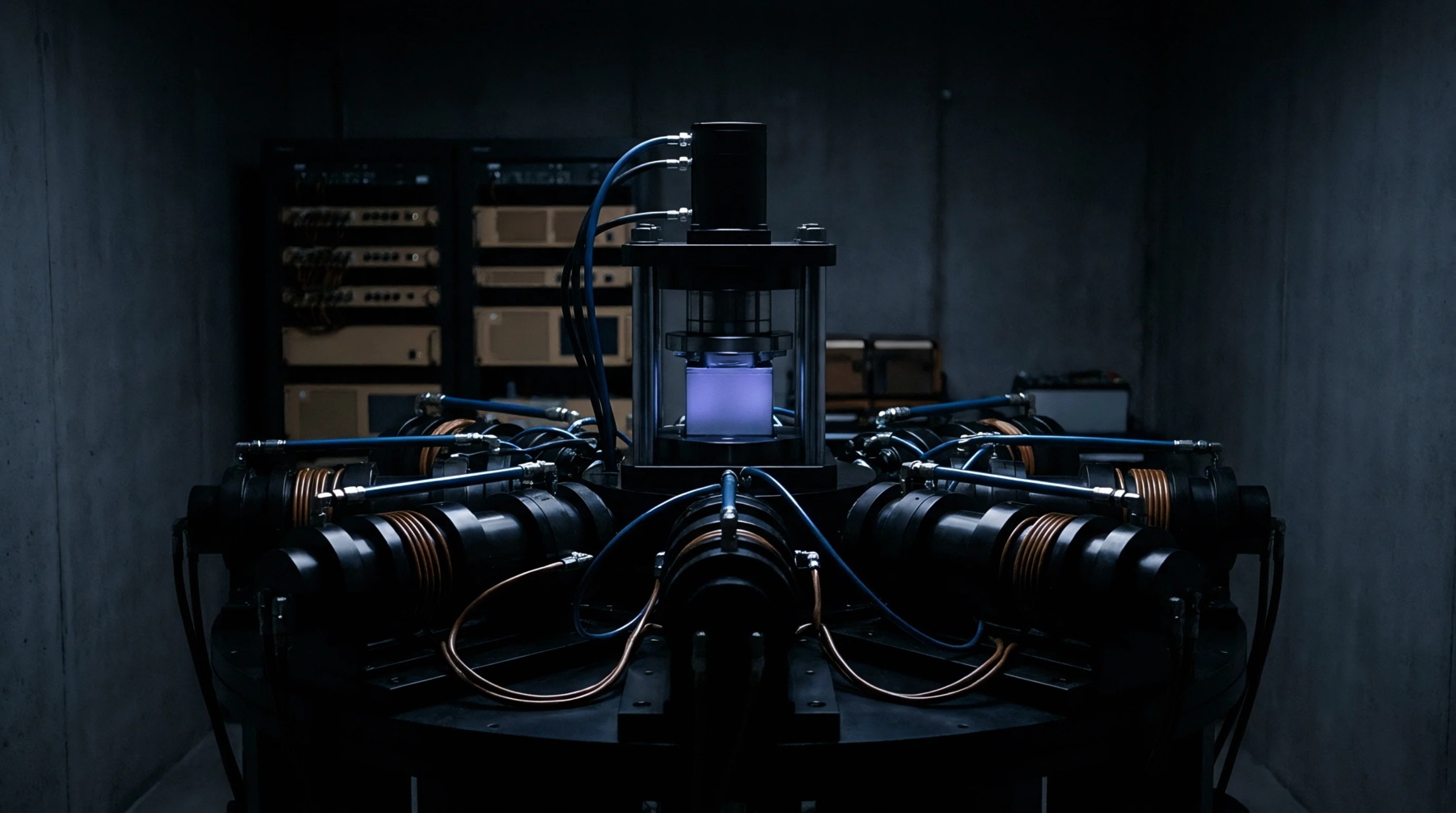
Mitigating thermal shock in die casting tooling demands high thermal conductivity steel, conformal cooling, and strict spray delta-T control.
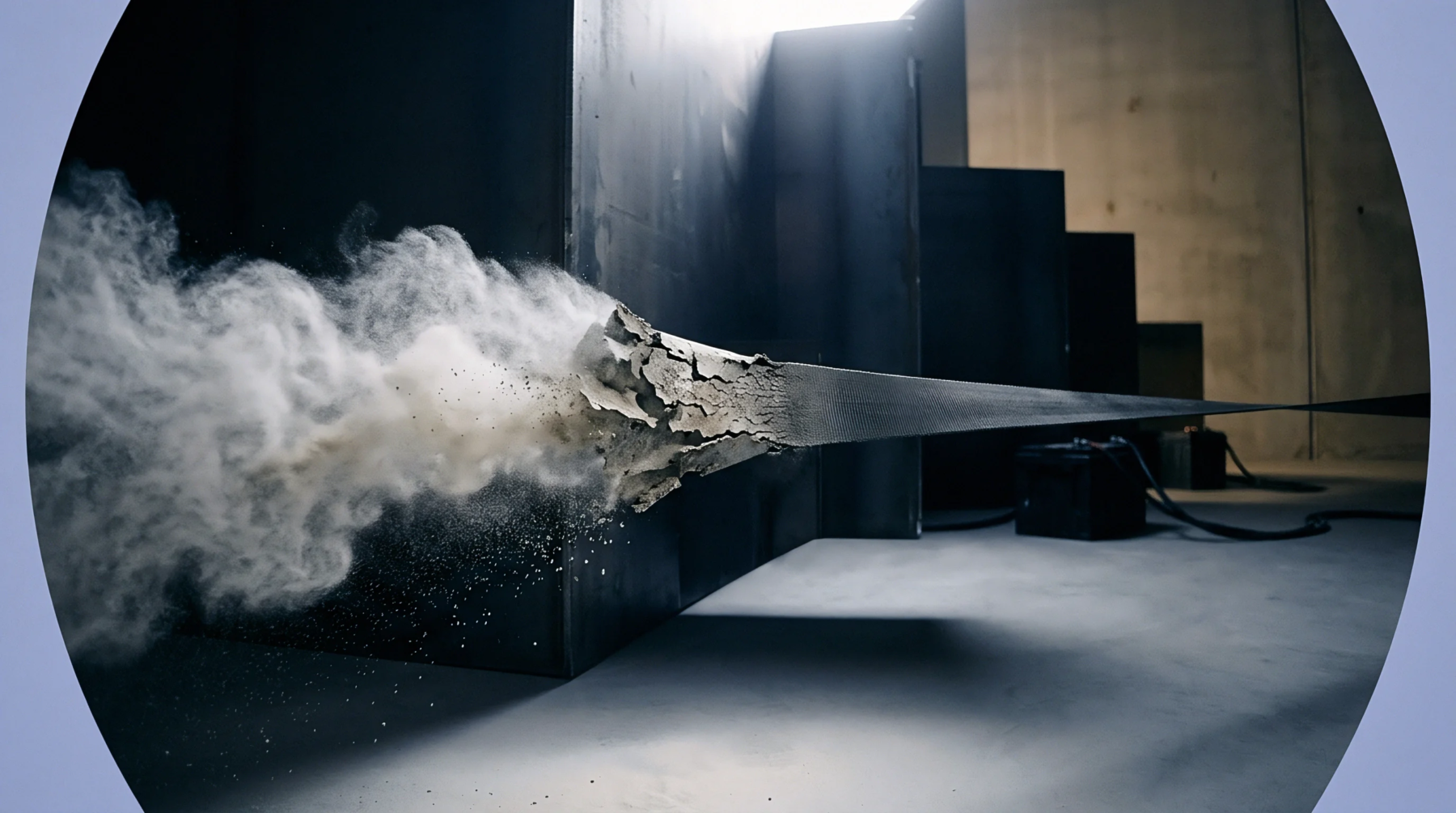
Quantifying grain boundary suboxides and micro-voids during rapid sintering establishes the boundary between ionic transport and premature dendrite failure.

Controlled sweep gas kinetics and balanced heating ramps prevent outgas entrapment, eliminating resistive rocksalt phase reconstruction in sintered cathodes.
Controlling oxygen partial pressure and furnace dew point during thermal reduction strips surface oxides without triggering particle necking or tap density loss.
Hydrolytic aging drastically reduces multi-axis fatigue thresholds in structural cell-to-pack adhesive interfaces, accelerating fatigue crack growth rates by orders of magnitude under cyclic road loads.
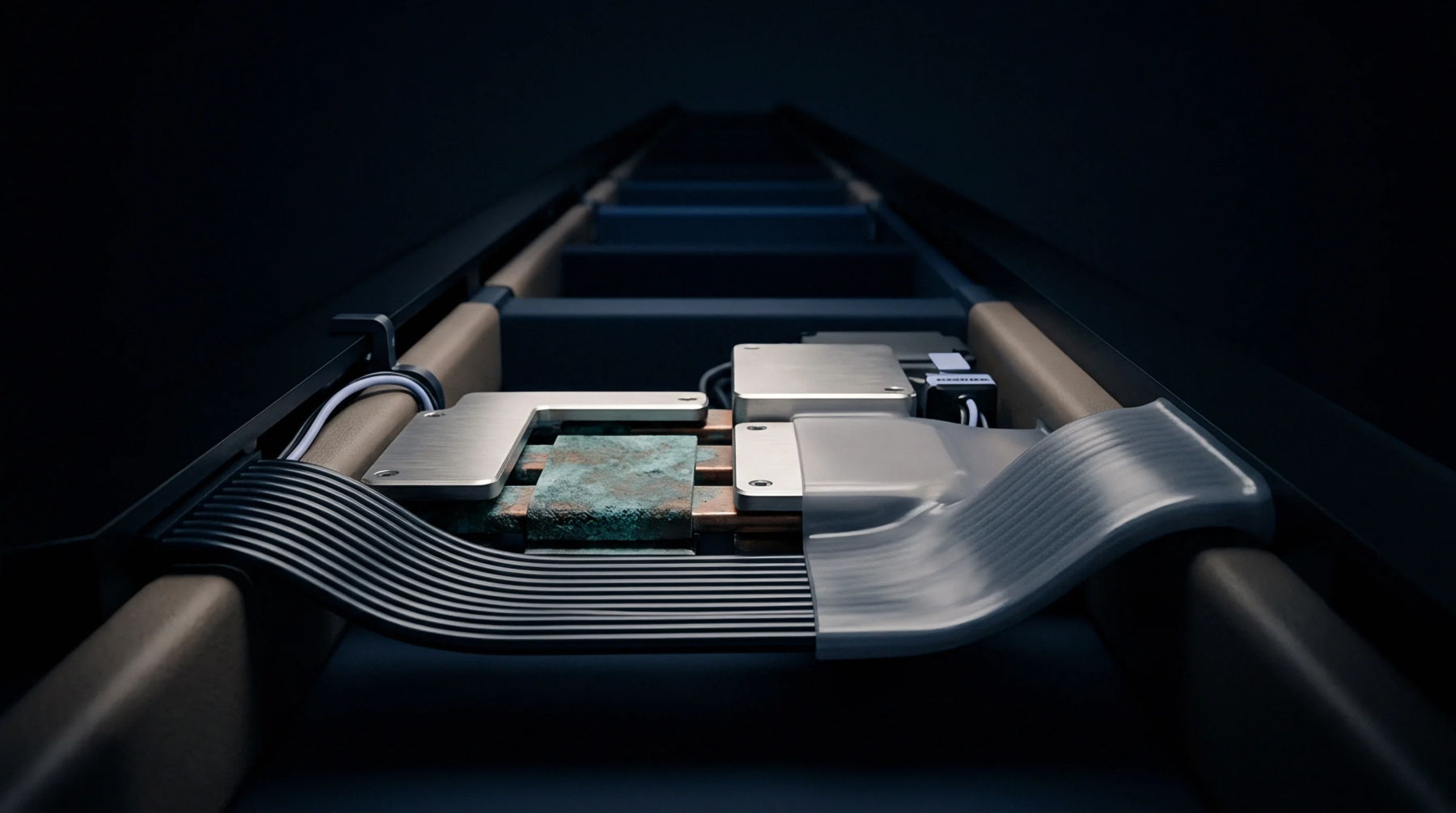
Interfacial shear peaks at prism bond edges relax through polymer creep, but cyclic swelling drives progressive fatigue delamination without perimeter relief.
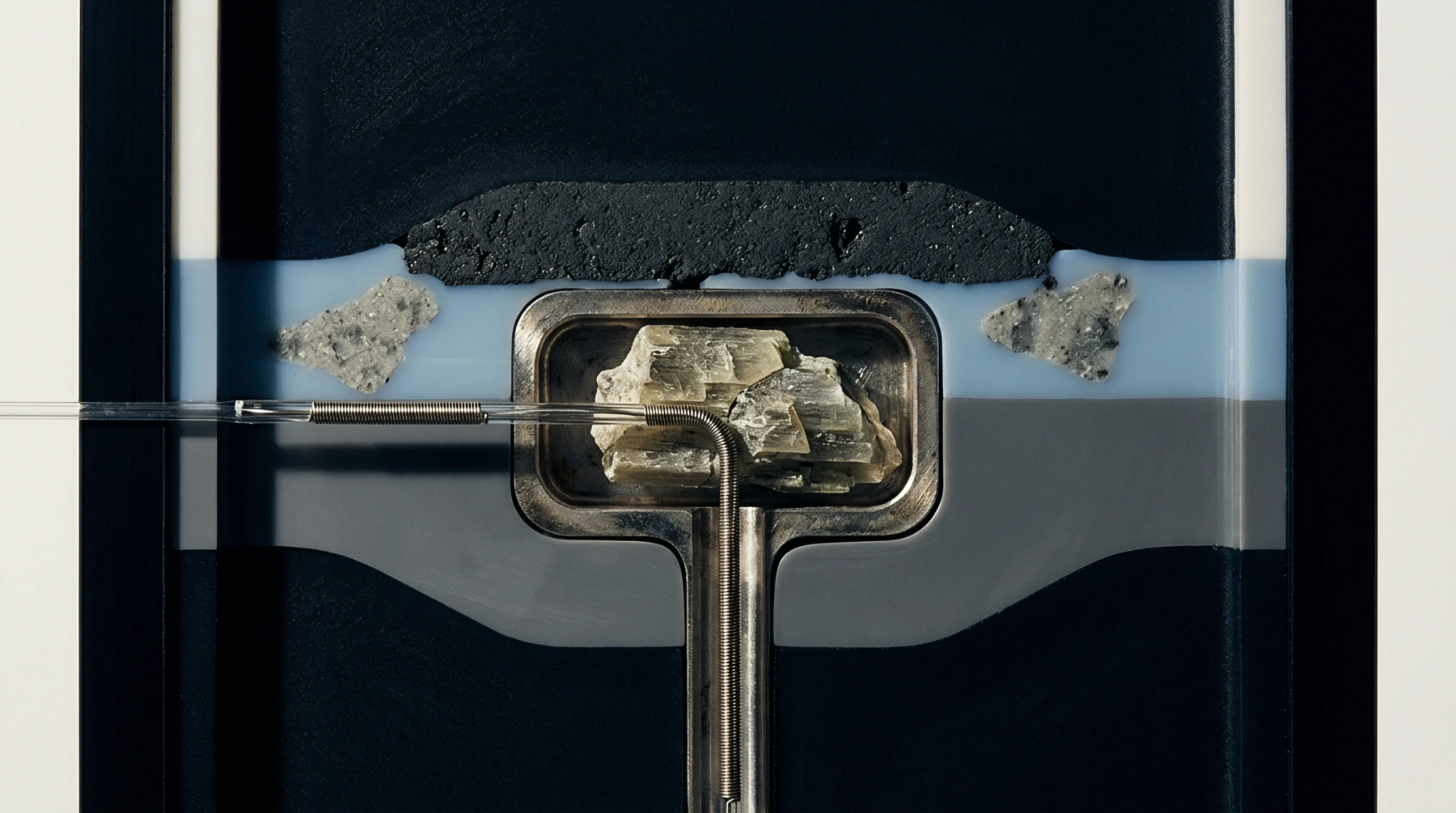
Combine non-destructive differential voltage analysis with high-resolution computed tomography to prove manufacturing defects and enforce cell lot warranty claims.
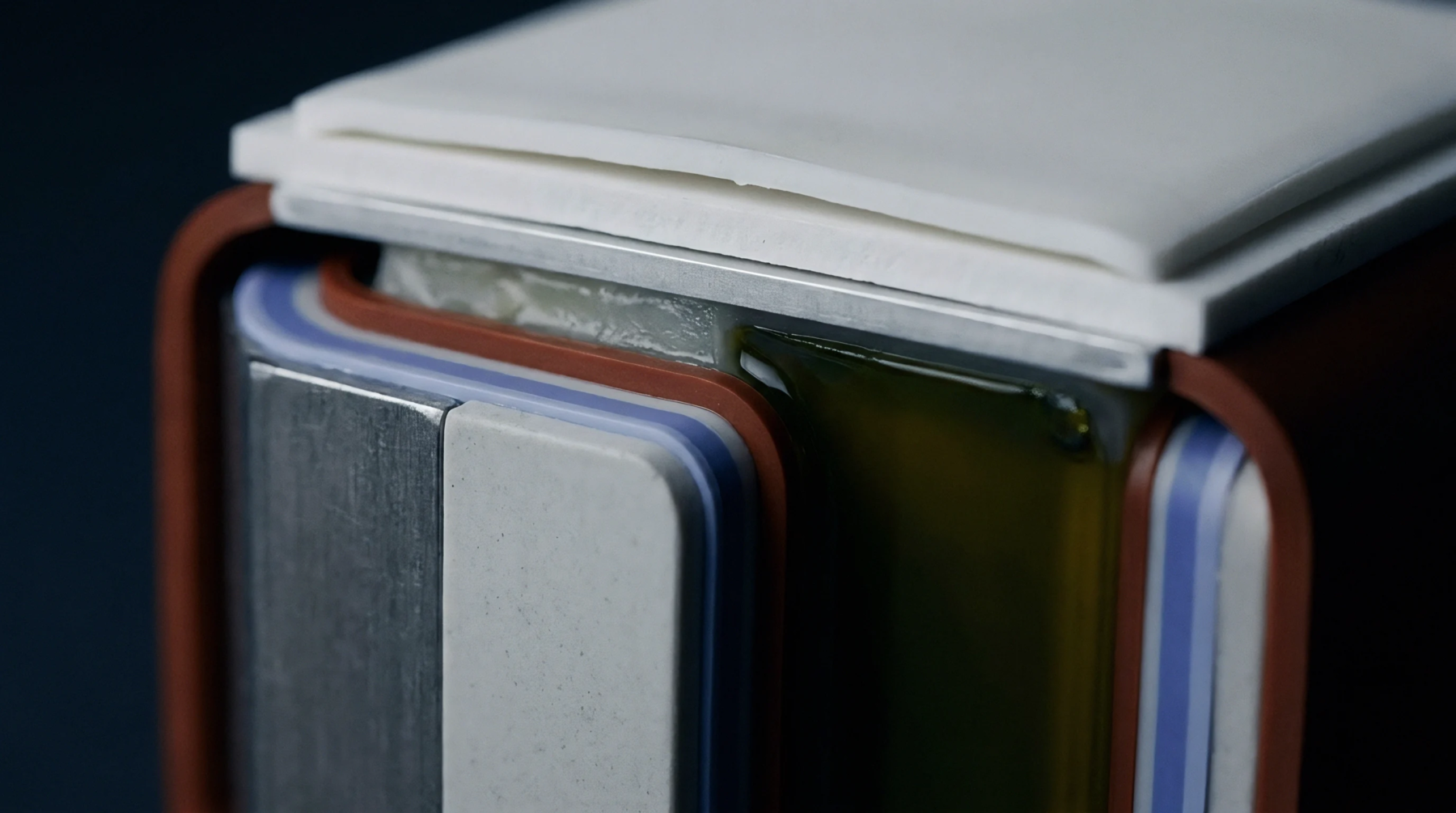
Statistical process control limits for imported prismatic cells require Cpk above 1.33 and AQL 0.065 to prevent batch failures during pack assembly.
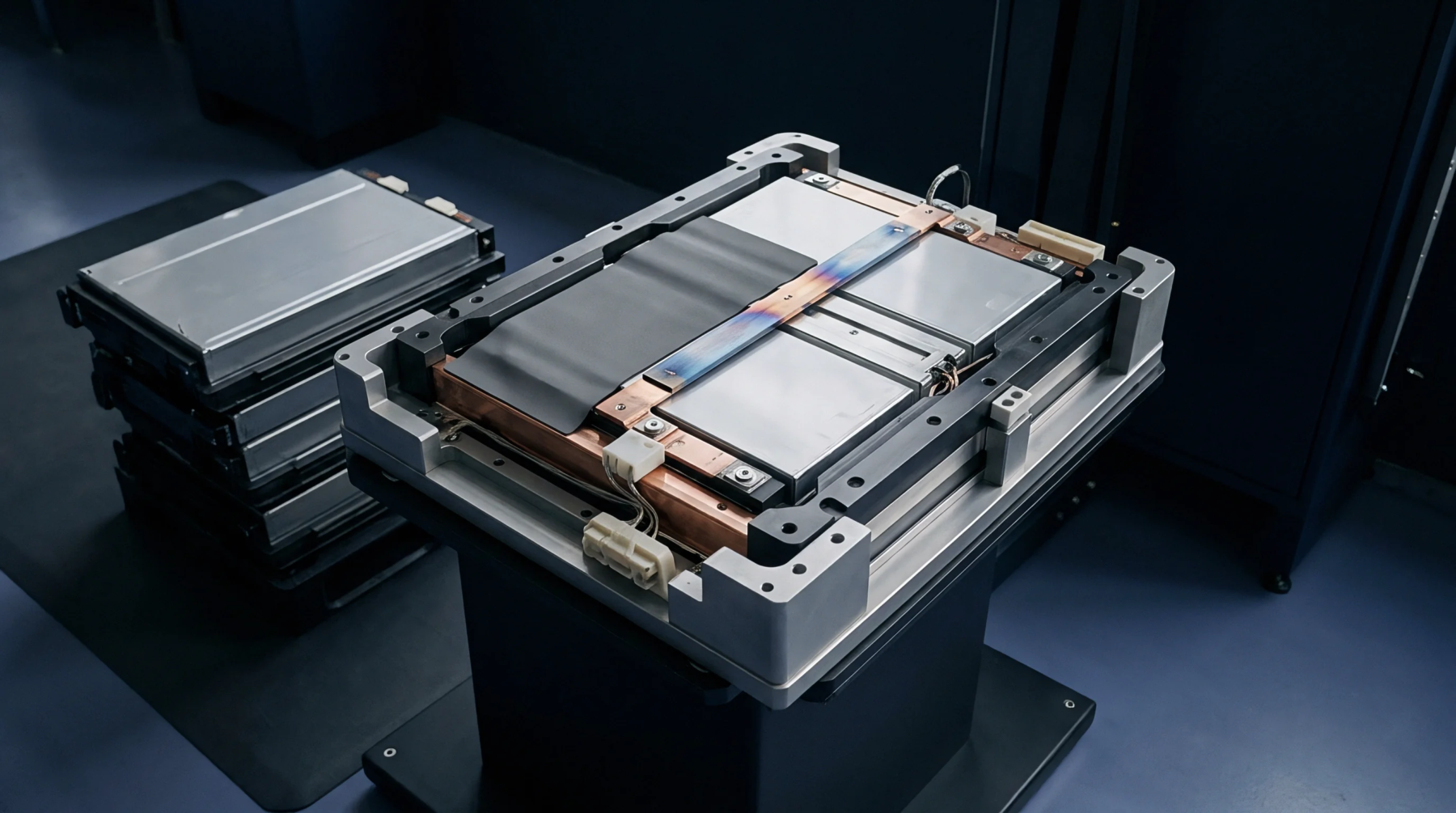
Incoming prismatic cell sampling relies on ISO 3951-1 variable plans and ISO 2859-1 attribute plans to reject defective lots before module integration.
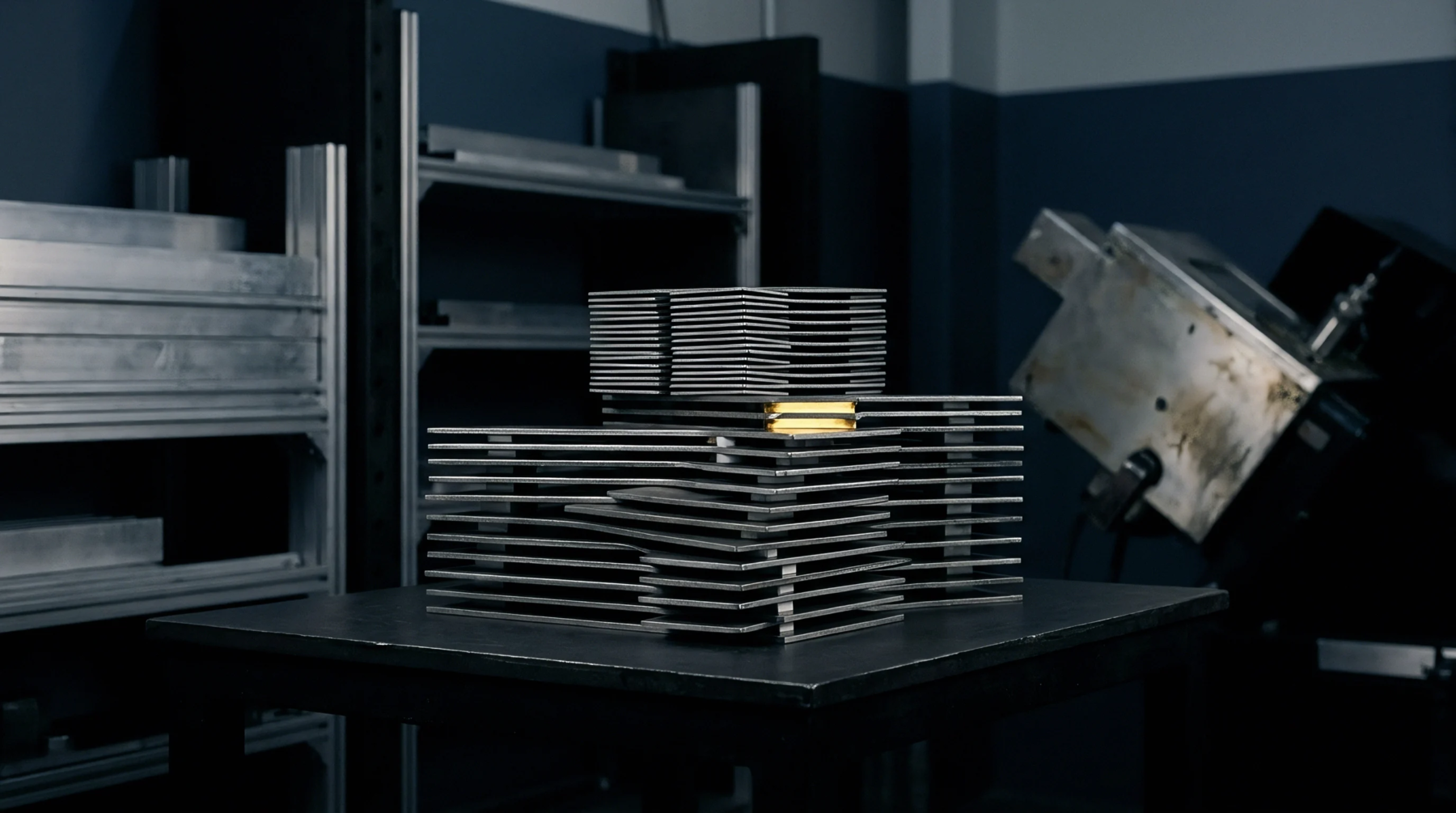
Compressive creep and viscoelastic stress relaxation in thermal interface materials drop contact pressure, triggering thermal impedance spikes across battery plates.
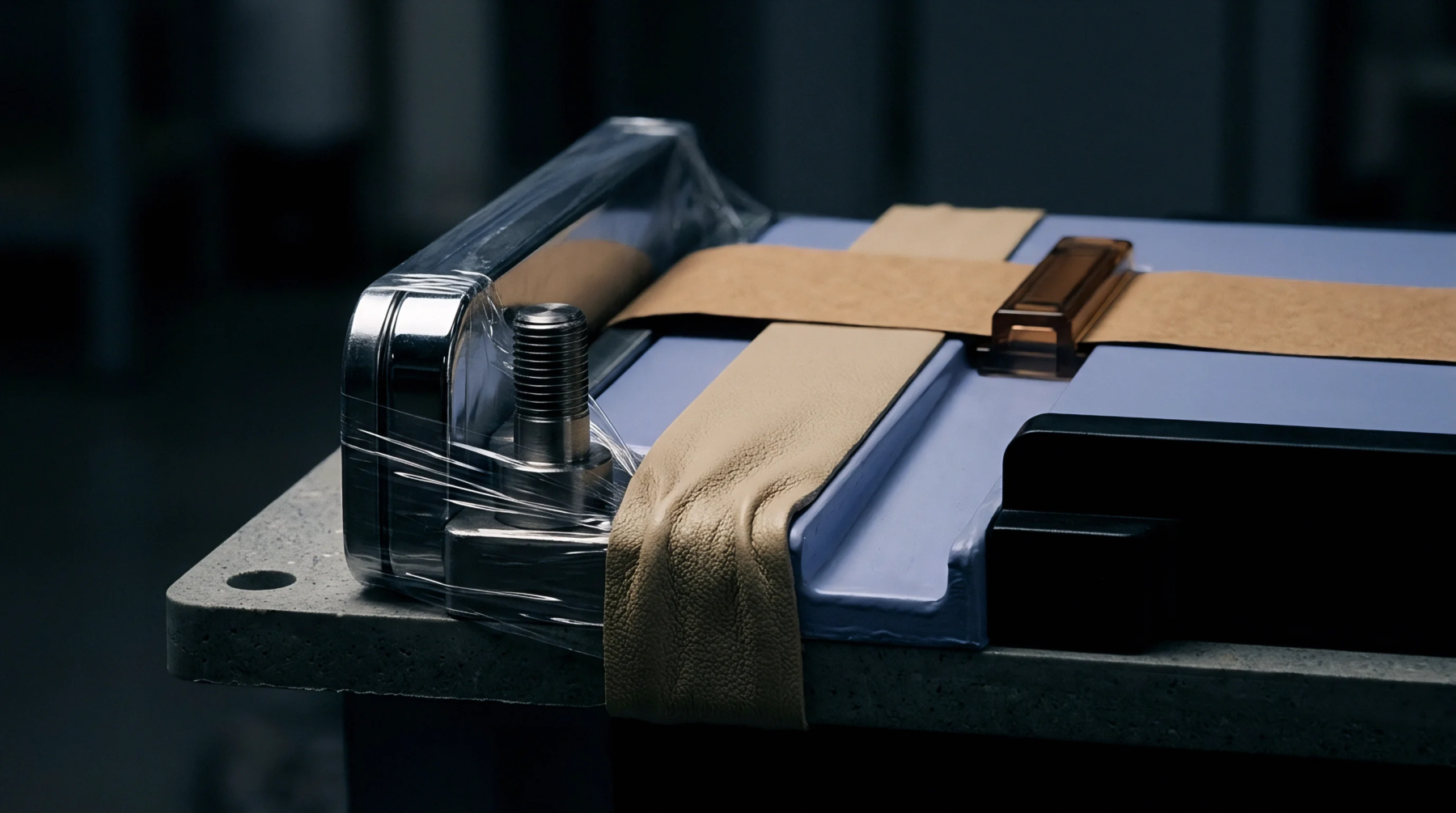
Controlled mechanical clamping combines rigid platen bracing with elastomeric cushions to constrain cyclic lithium cell swelling stress between 0.2 and 0.5 MPa.
Expertise is a utility, not a secret. sentiention™ publishes its working knowledge as open reference: intelligence layer covering the materials it sources, the markets it enters, and the reference that serves both.