
Cross Border Incoming Cell Quality Verification Protocol Baseline
Verify cross-border cell shipments at receiving docks using standardized DCIR pulse tests, platen compression gauges, and strict AQL sampling before invoice payment.
Verify cross-border cell shipments at receiving docks using standardized DCIR pulse tests, platen compression gauges, and strict AQL sampling before invoice payment.
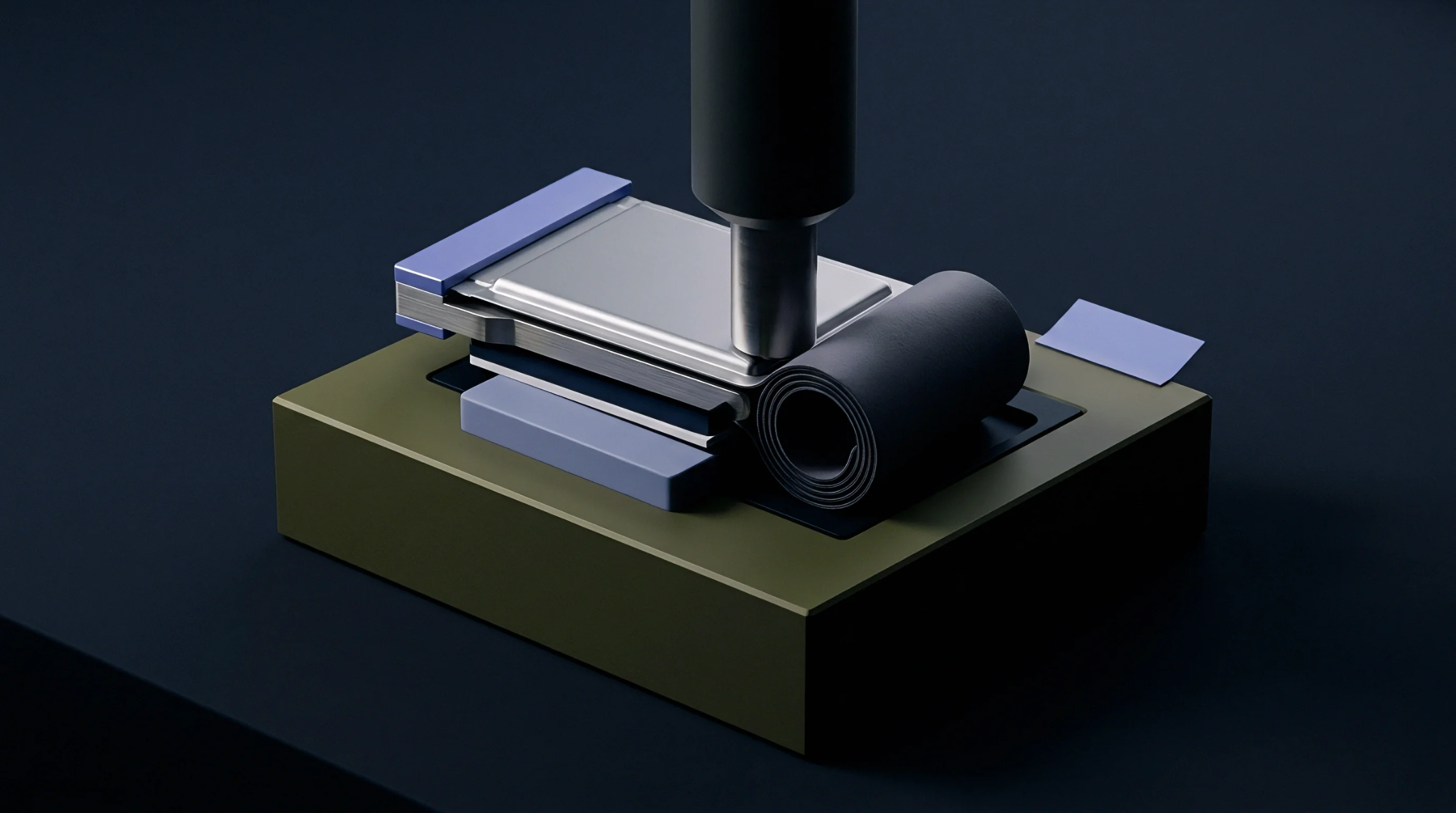
Format selection dictates tooling capital, cooling architecture, and mechanical containment: cylindrical cells minimize stack stress, while prismatic cells maximize spatial fill.

Structure custom pack sourcing by retaining mechanical IP and UN 38.3 file ownership while negotiating cell-direct contract manufacturing terms.
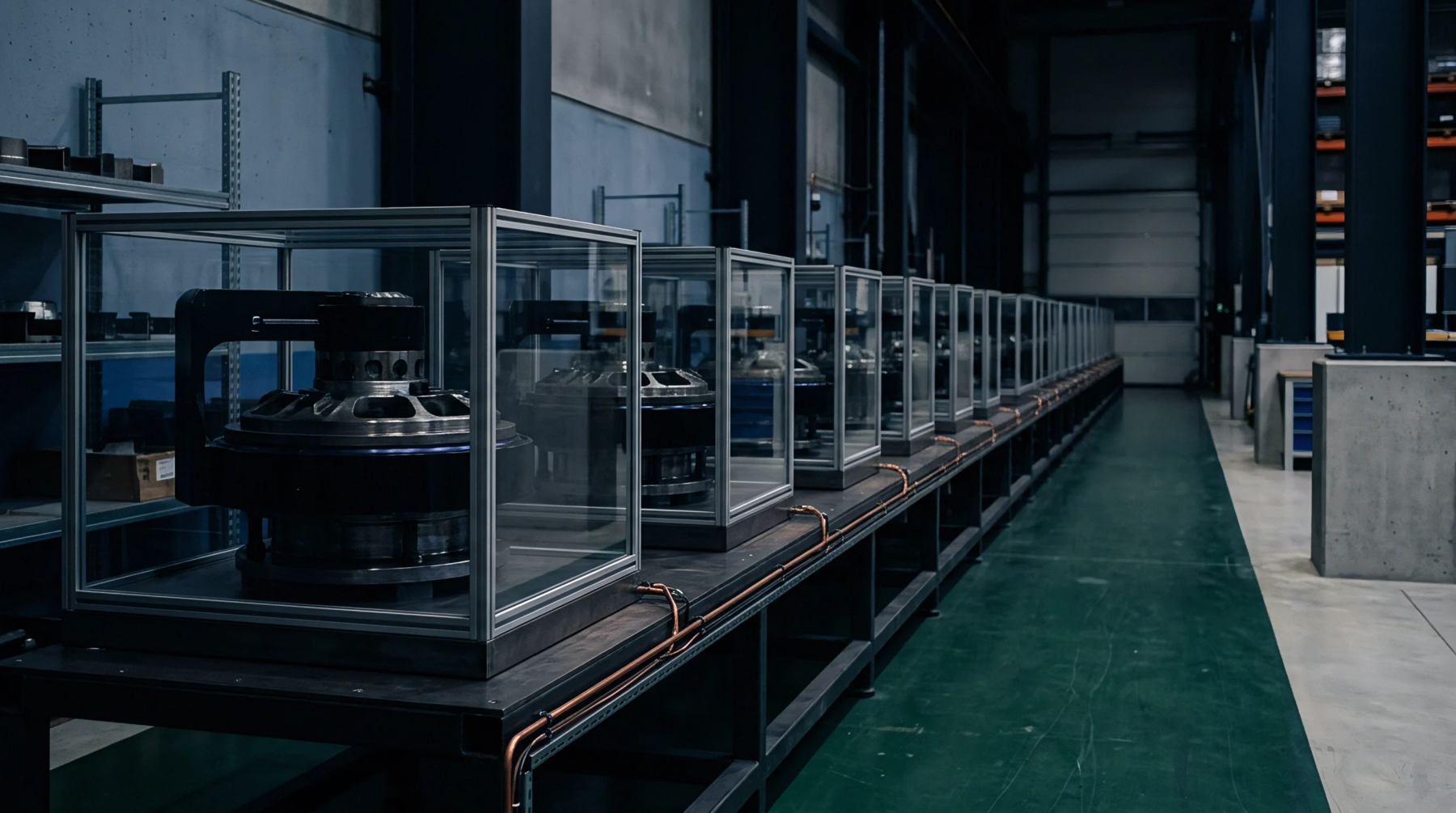
Ultrasonic phase inversion and time-of-flight gating accurately quantify bond disbonds, voids, and adhesion integrity in encapsulated structural battery packs.
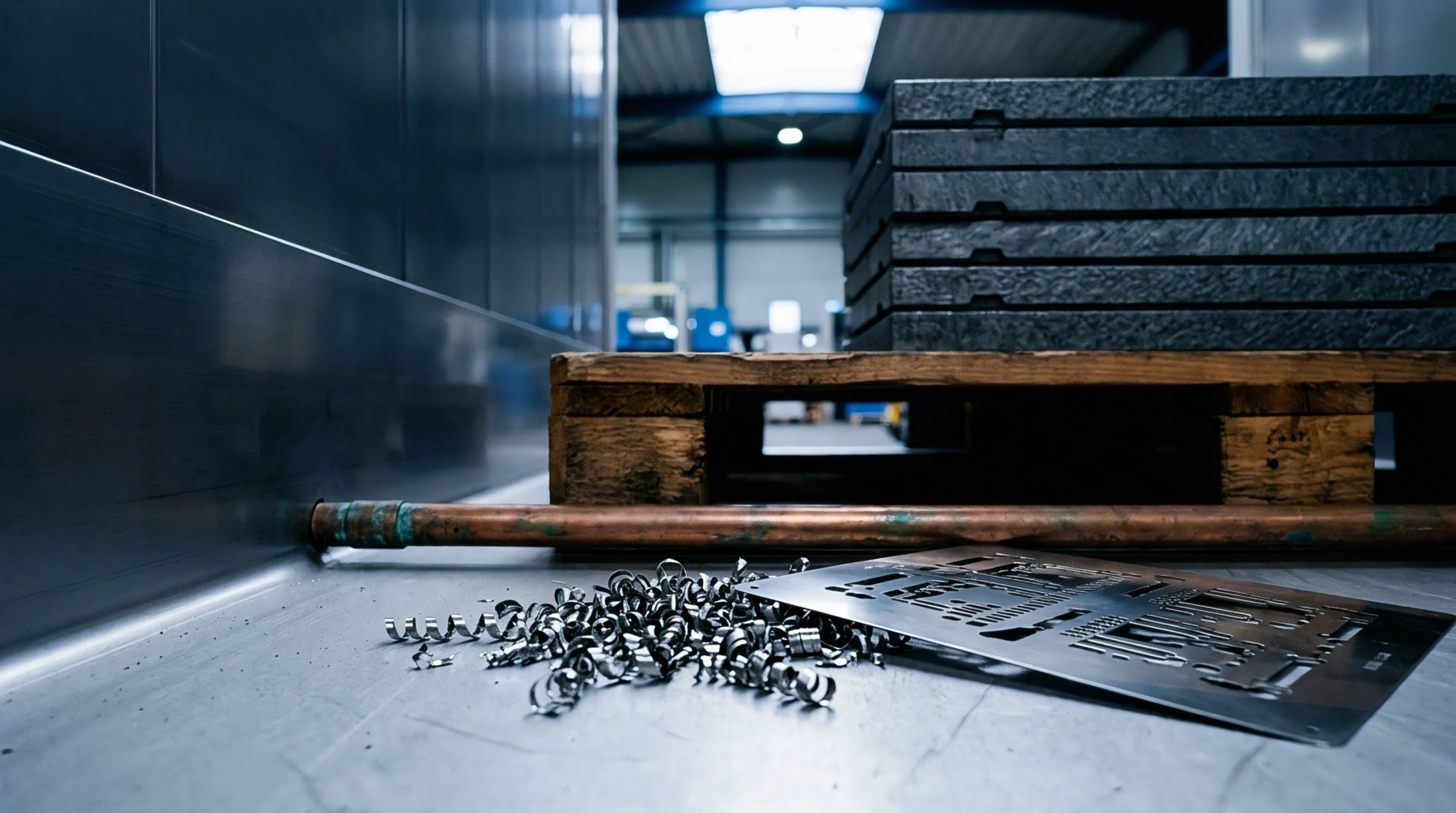
Thermal interface materials require precise thickness and pressure control to eliminate contact resistance without inducing structural stress on battery cells.

Deconvoluting fixture thermal strain from battery metrology requires baseline transfer matrix subtraction to isolate true electrochemical cell breathing.
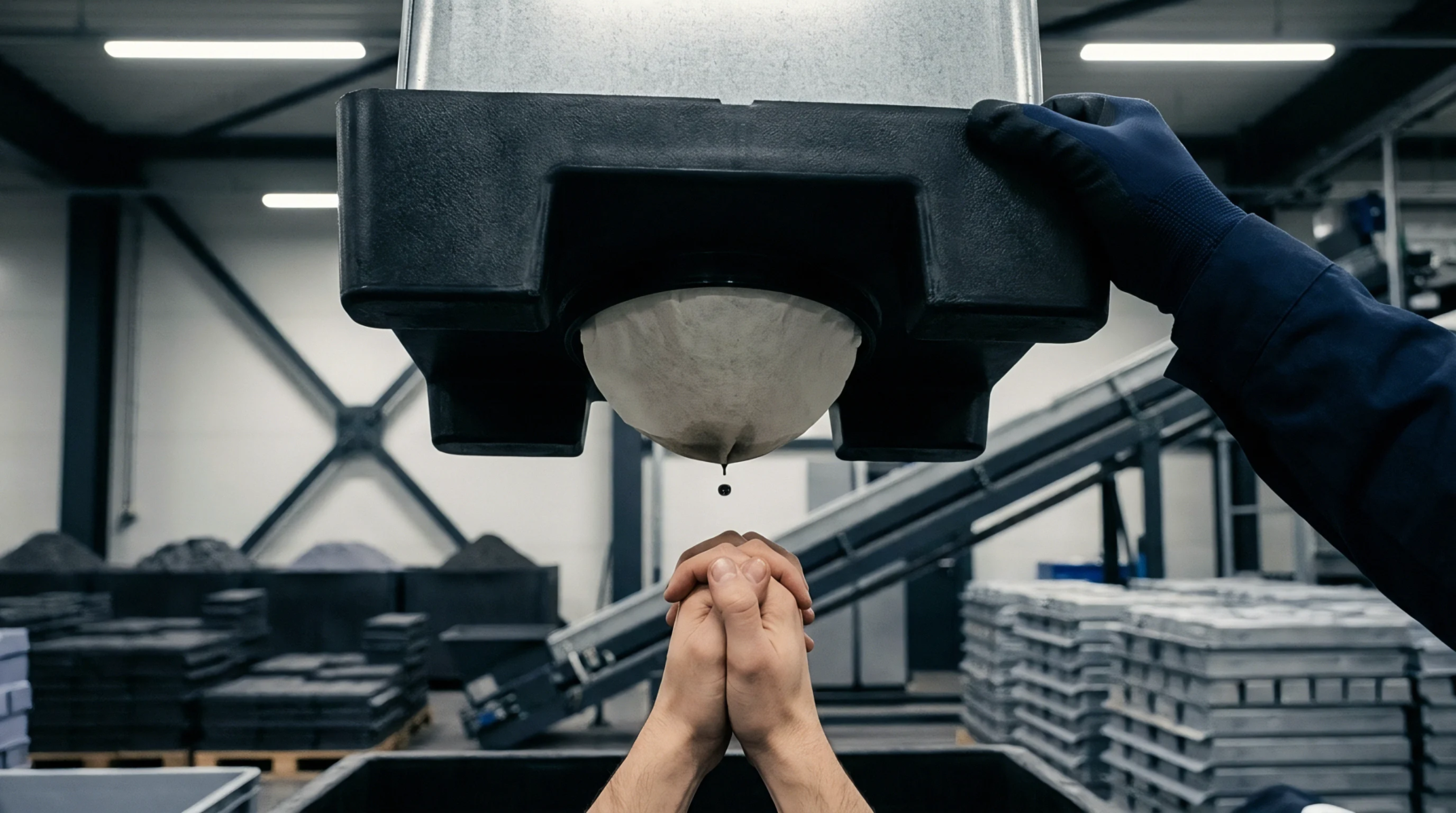
Unbiased stereological sampling maps planar carbide arrays to three dimensional volume fractions for tool steel incoming inspection.
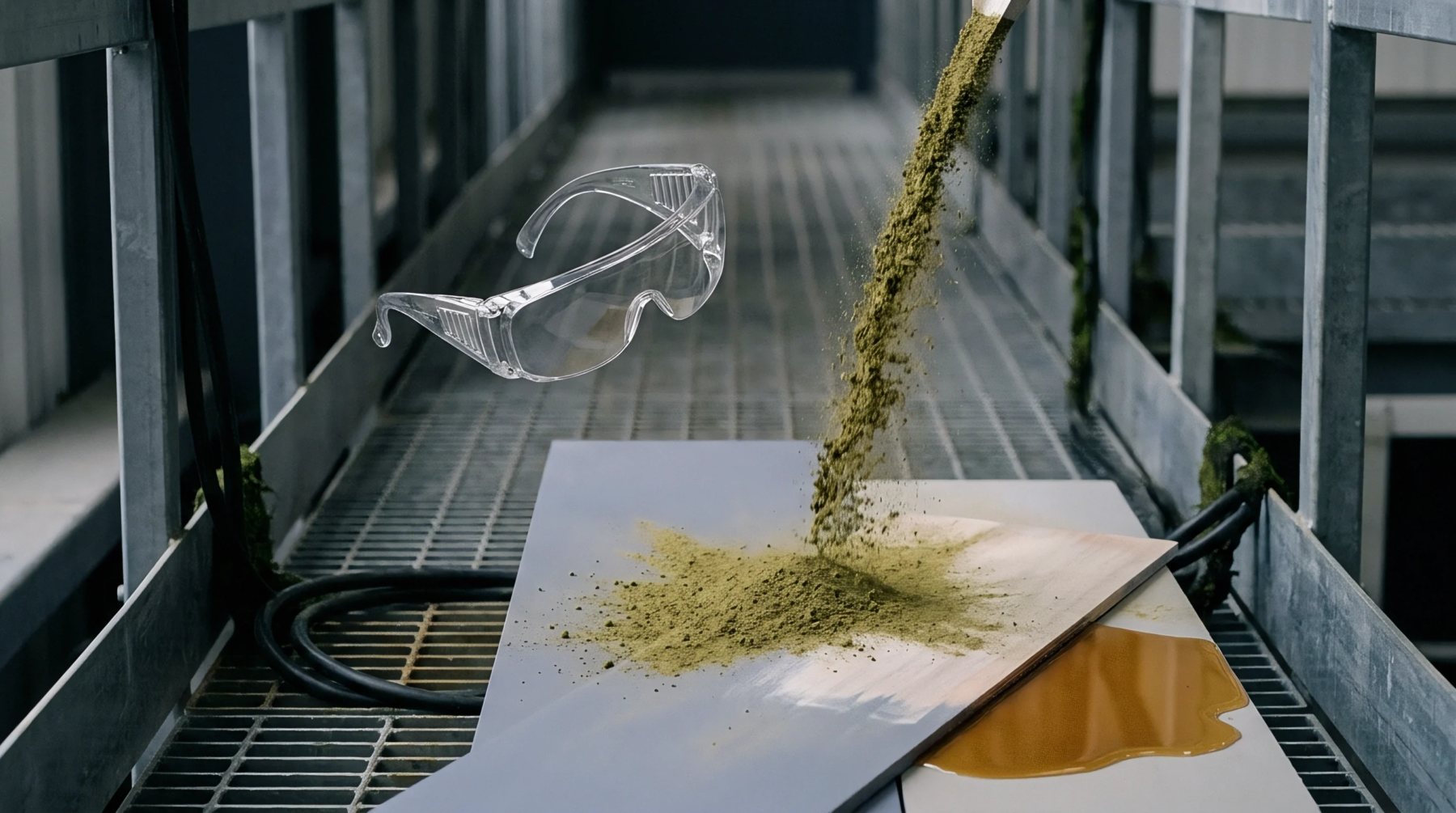
Modulating close-coupled gas atomization pressure to match supersonic shock alignment stabilizes tip aspiration pressure, maximizing spherical battery powder yield within target size windows.

Establishing baseline solid-state cell thickness demands constant pressure fixtures with fixture compliance subtraction and zero-state reference at SOC zero.
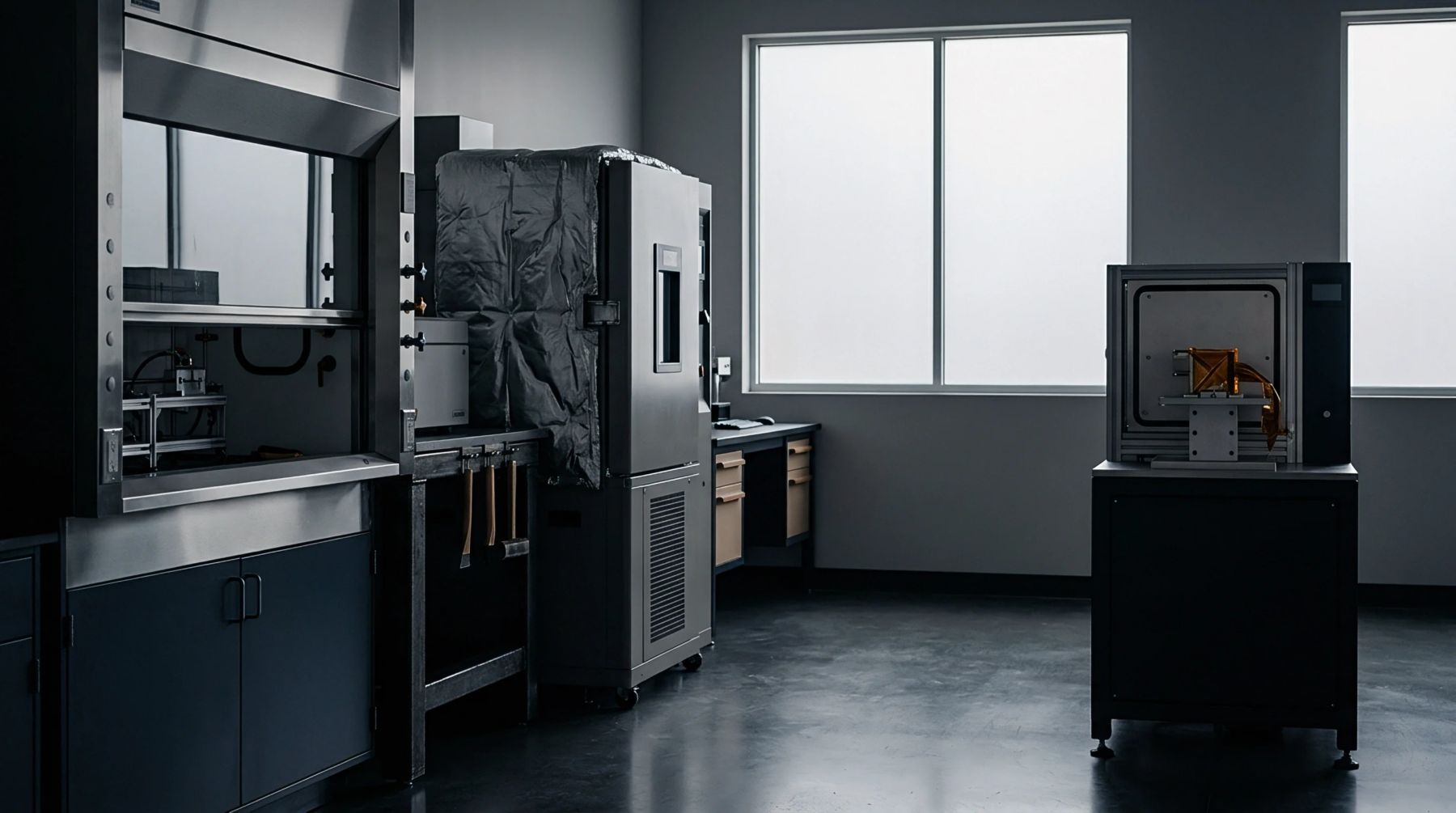
Consolidated high-alloy steel battery enclosures require sub-3% planar yield variation across all sheet axes to prevent localized shear failure under cyclic shock.
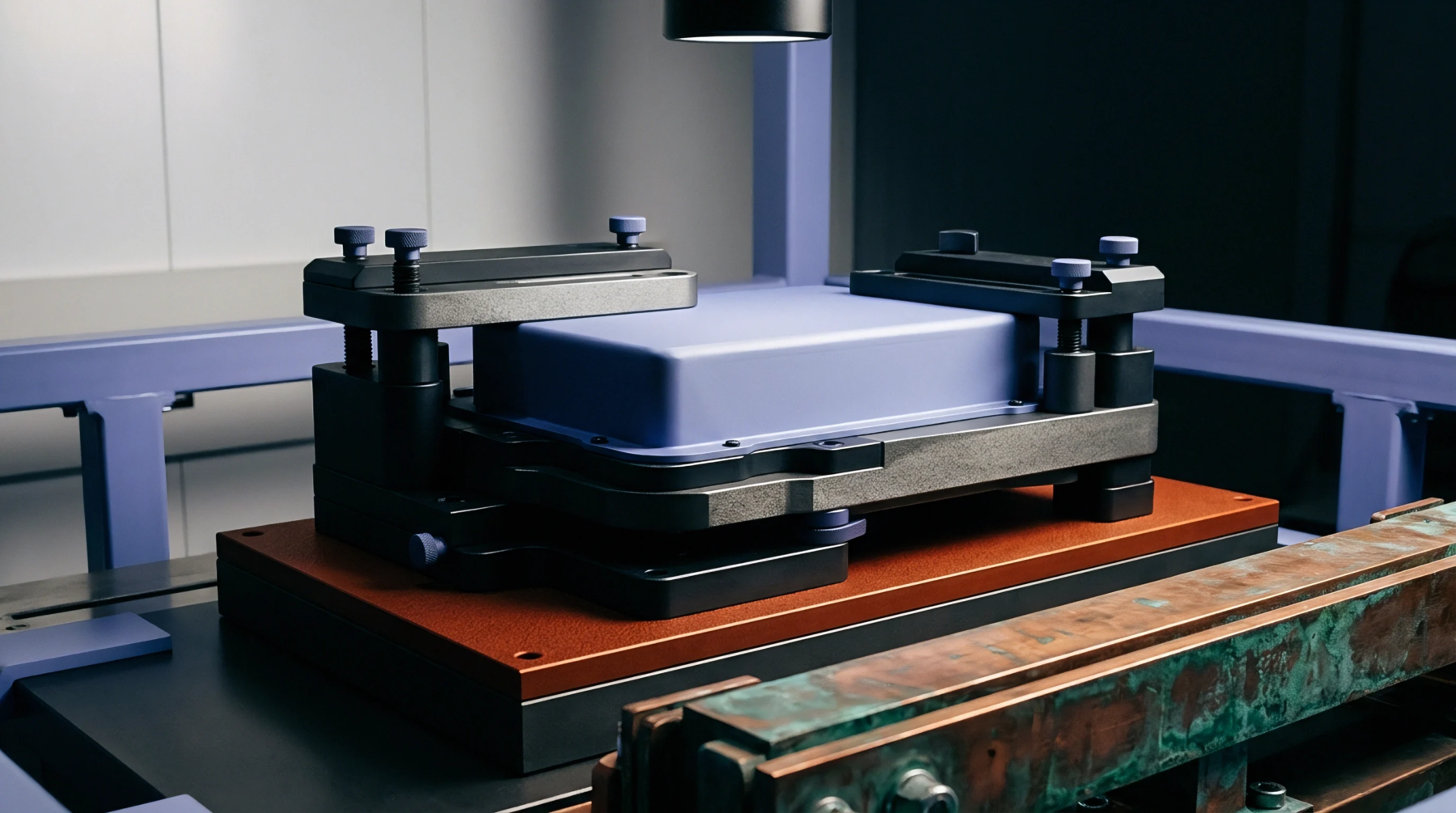
Field emission electron backscatter stereology provides accurate sub-micron carbide metrics required to prevent electrode slitting blade wear and cell separator punctures.
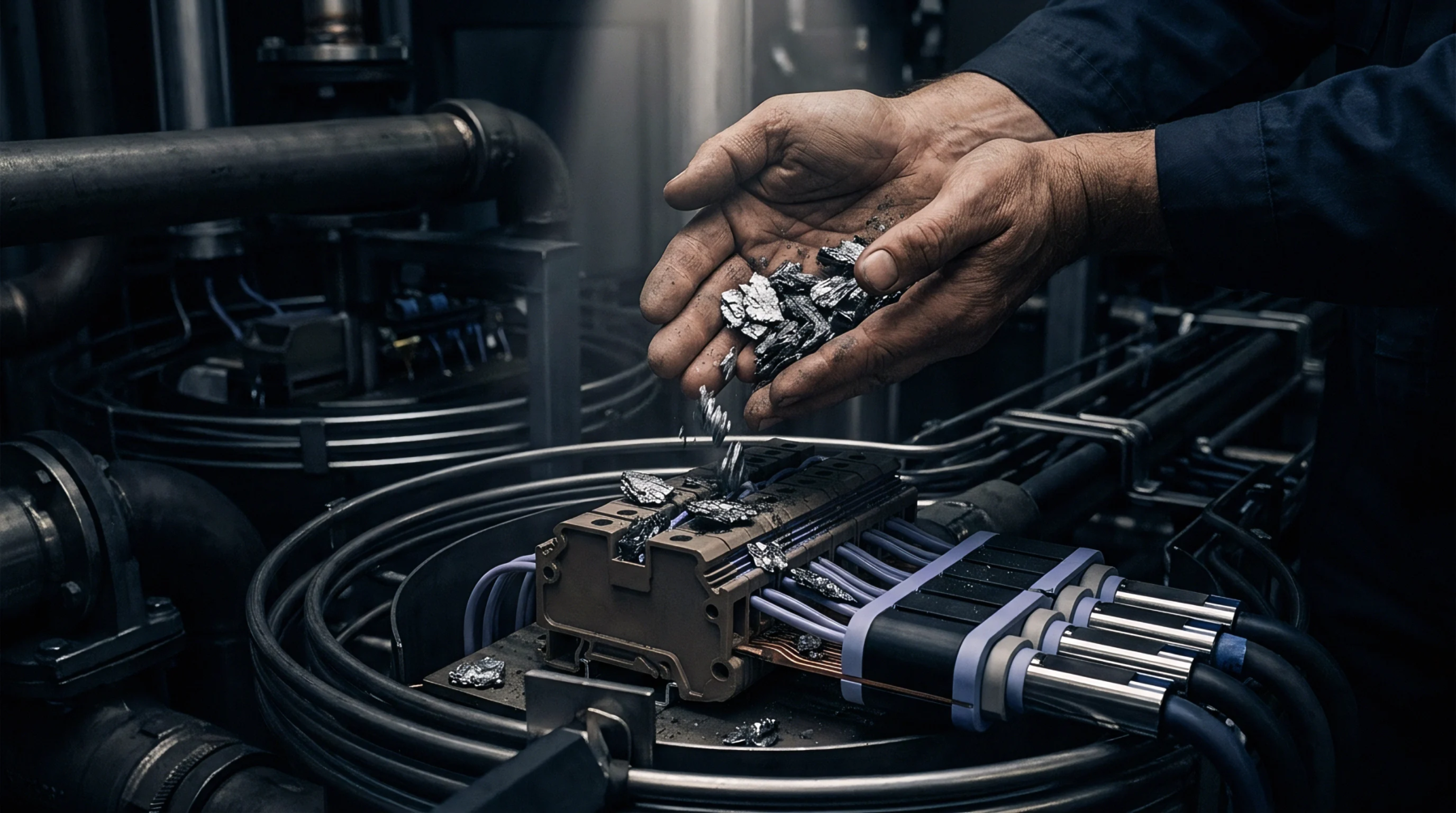
Optimize argon delivery pressure to balance nozzle suction against kinetic energy transfer, maximizing fine powder yield while avoiding tip overpressure.

Initial lithiation drives permanent and reversible solid-state cell thickness expansion requiring continuous Servo-regulated platen pressure during formation.

Transverse impact anisotropy drops high-alloy consolidated steel toughness up to 66 percent, requiring directional stress alignment to prevent fatigue failure.
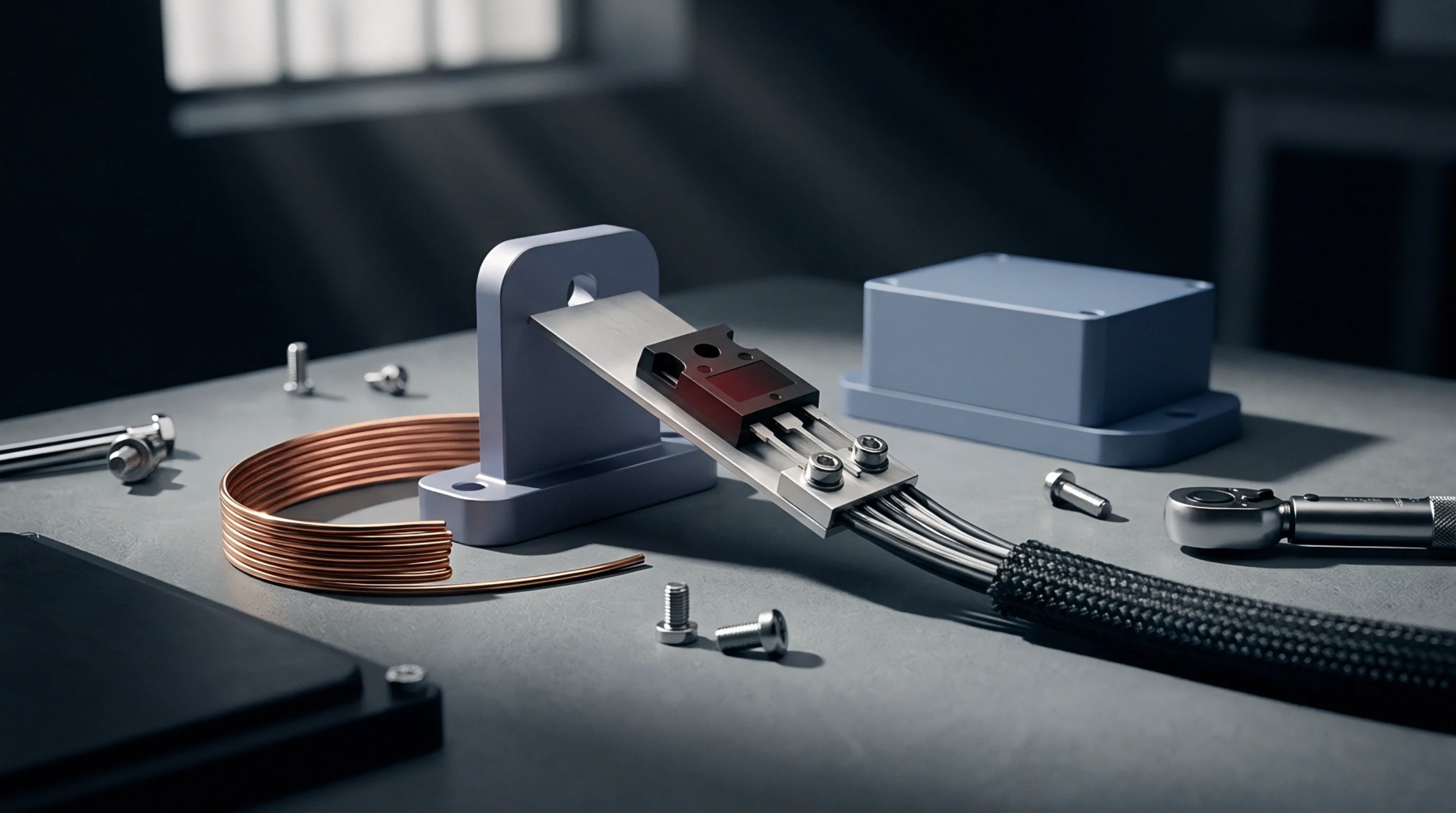
Specify ISO 5949 Class 2 max carbide segregation on die billet orders; verify incoming core coupons via quantitative stereology before paying tooling NRE.
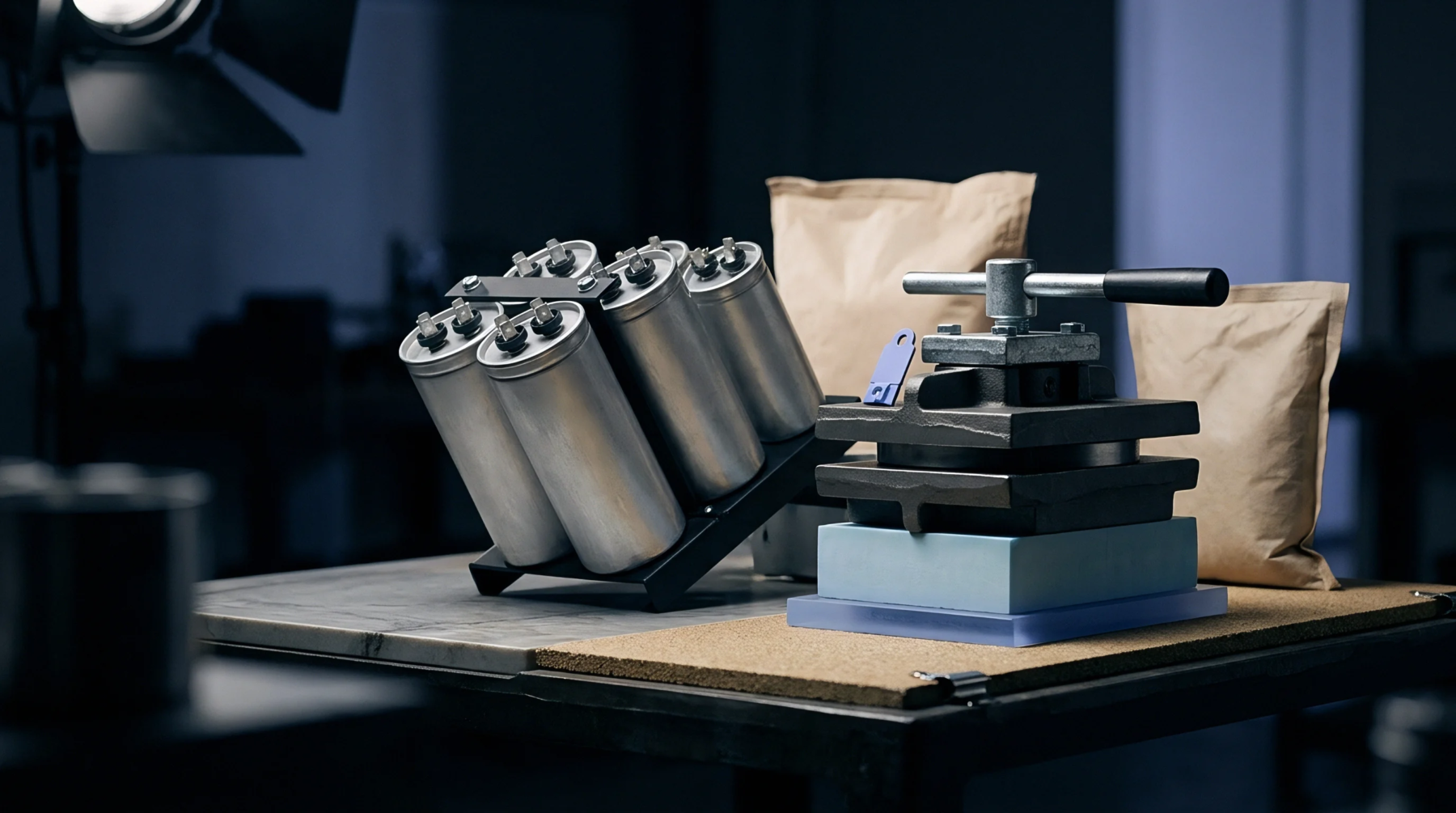
Optimize gas-to-metal ratios between 2.8 and 4.2 under controlled aspiration pressure to maximize tool steel powder yields and suppress internal gas entrapped porosity.

Precise ceramic tip protrusion and supersonic argon aspiration stability dictate powder yield, preventing melt freeze-off and carbide segregation.

Solid-state prismatic expansion demands dynamic stack compression and strict header weld strain limits to prevent interfacial delamination and capacity fade.
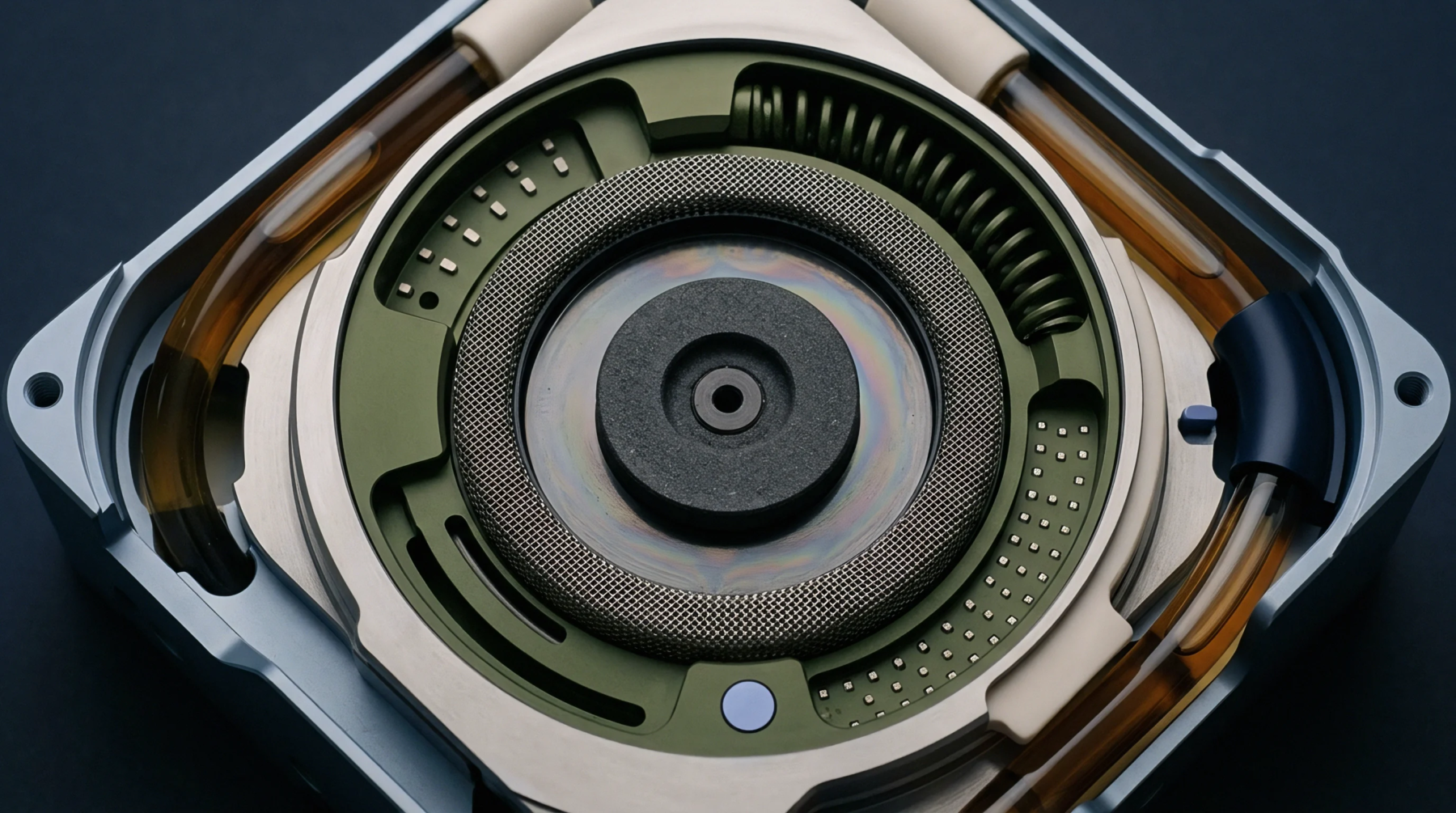
Vacuum brazed aluminum conformal coolant nodes demand nonlinear creep fatigue damage models incorporating grain boundary cavitation and dispersoid coarsening.
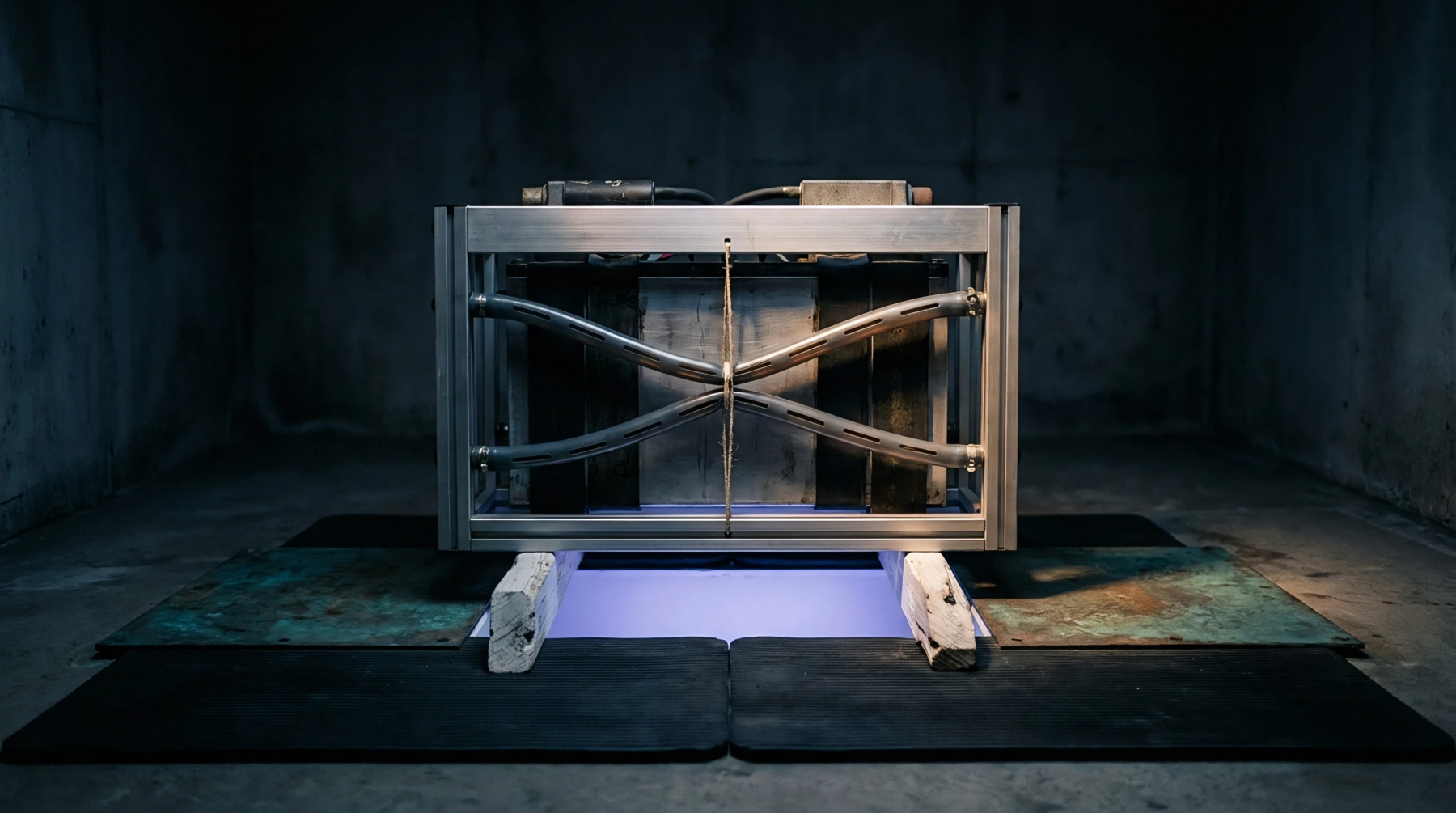
Multiaxial strain-life fatigue analysis using critical plane models prevents early cracking in conformal cooled high-conductivity aluminum molds under thermal cycles.
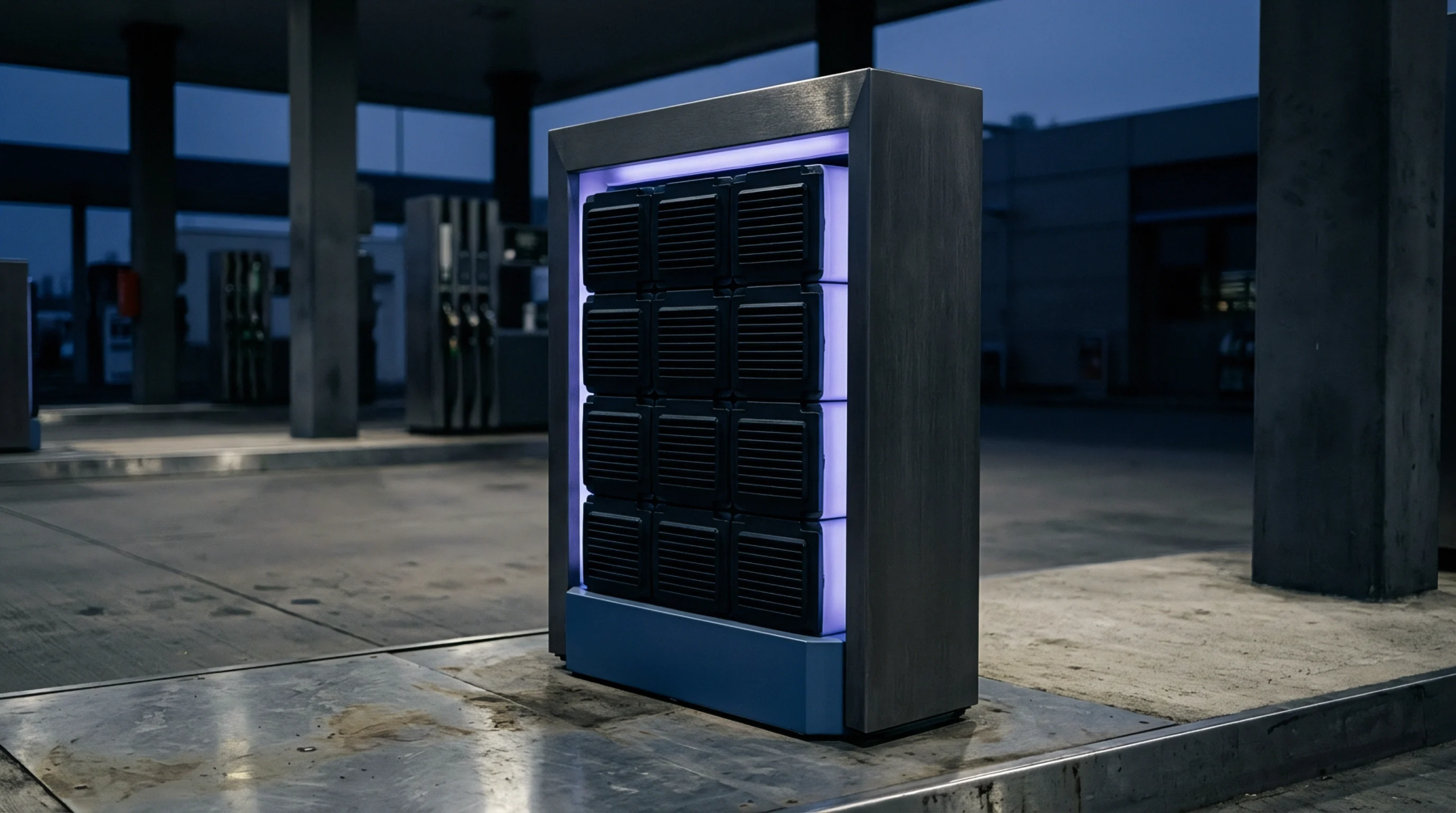
Quantifying carbide banding limits requires stereological ASTM E1268 rating of core cross-sections to cap anisotropy indices below 1.30 for tool steel billets.

Decouple cavity surface treatment warranties from tool steel structural guarantees in procurement RFQs to allocate early recoating costs fairly.
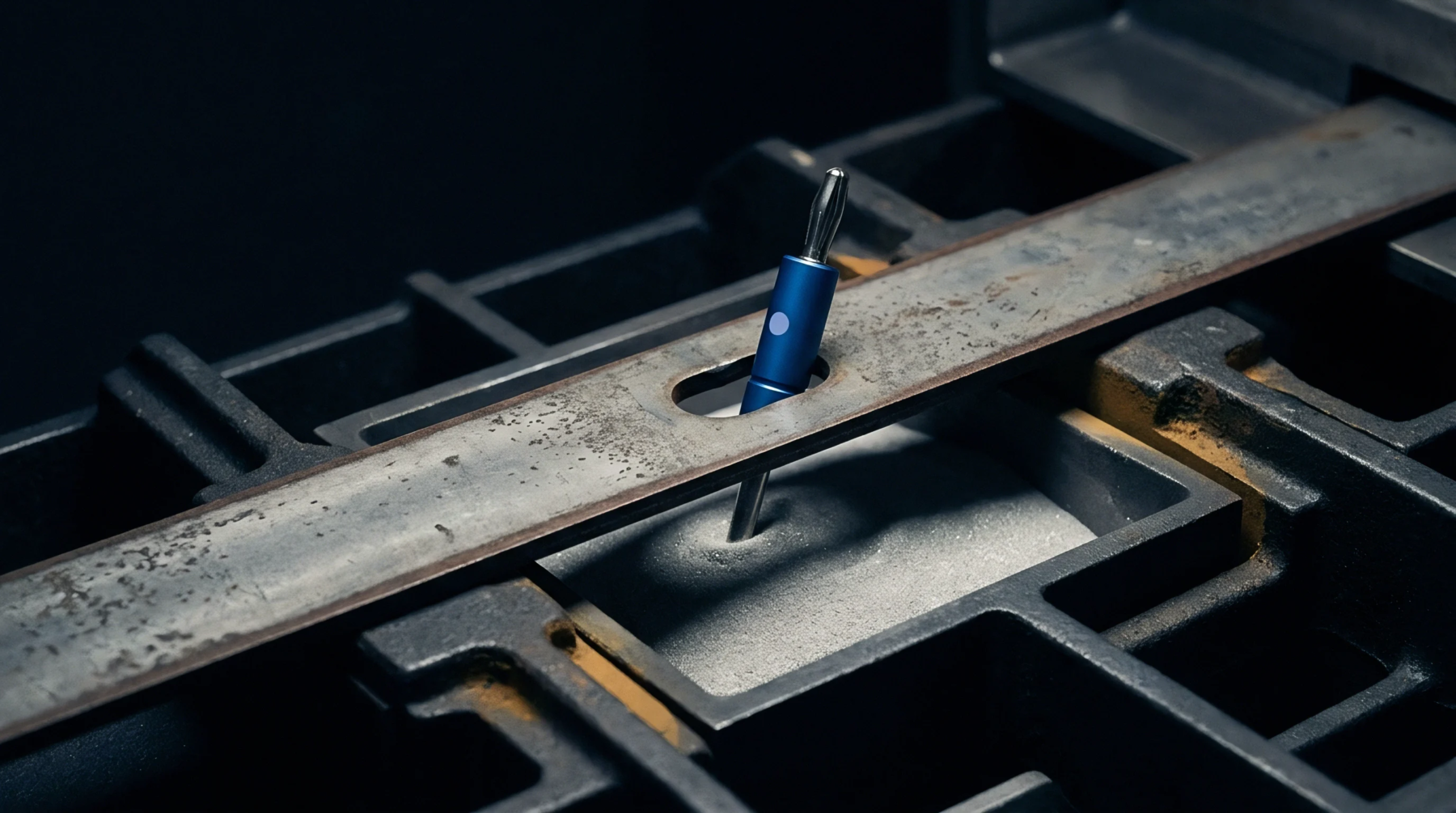
Tightening housing floor machining planarity below 0.2 mm slashes thermal paste volume requirements, preventing multi-million dollar annual BOM overruns.

Gas atomization of high alloy tool steel requires matching gas-to-melt ratios and superheat to restrict internal argon void volume under 0.05 percent.

Microstructural FEA proves thermal transient stress accelerates separator creep collapse, demanding strict cell stack pressure limits to prevent micro-shorts.
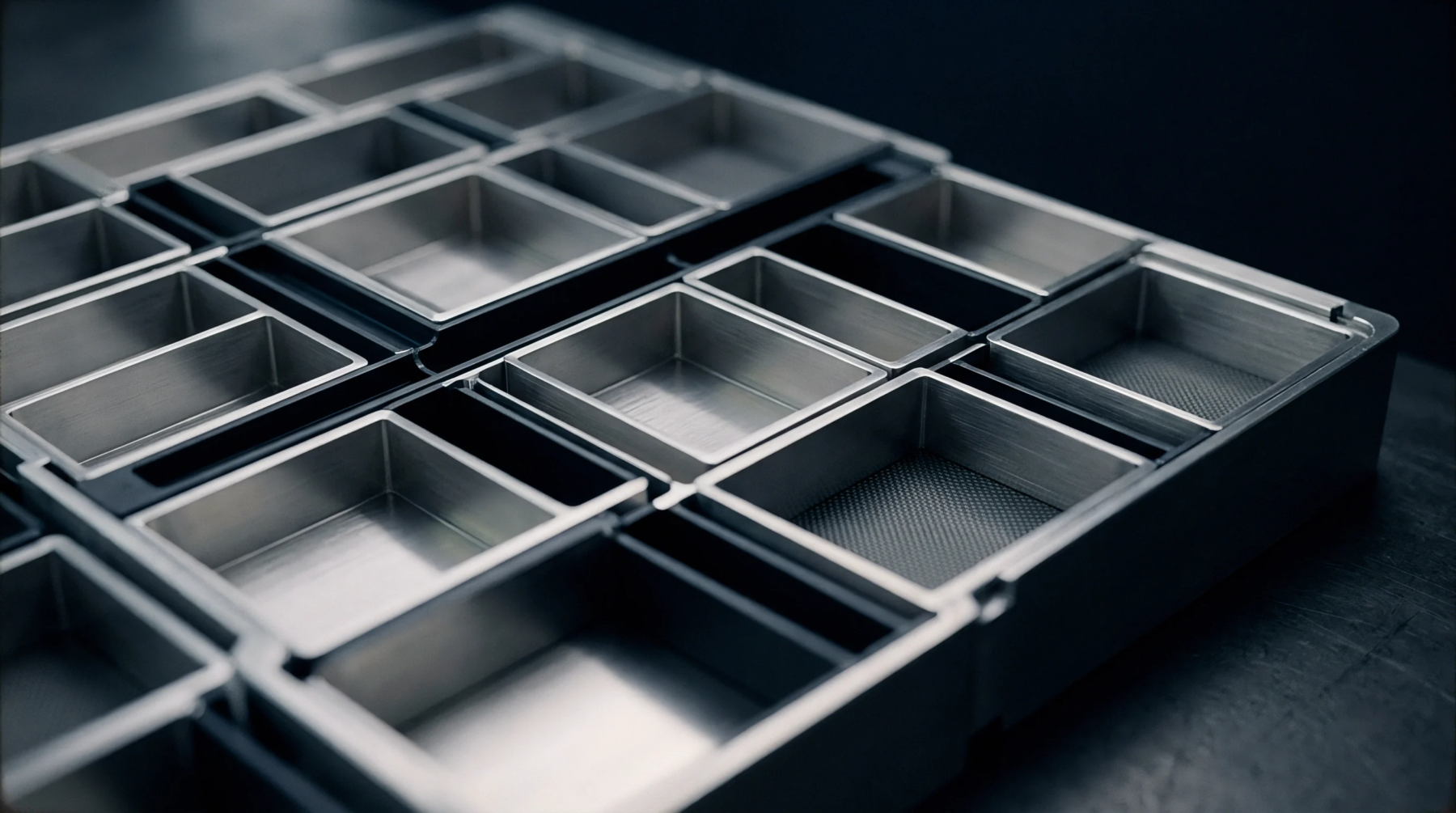
Predictive thermal fatigue FEA prevents tray mold failure by mapping strain range histories to Coffin-Manson models before cutting expensive die steel.
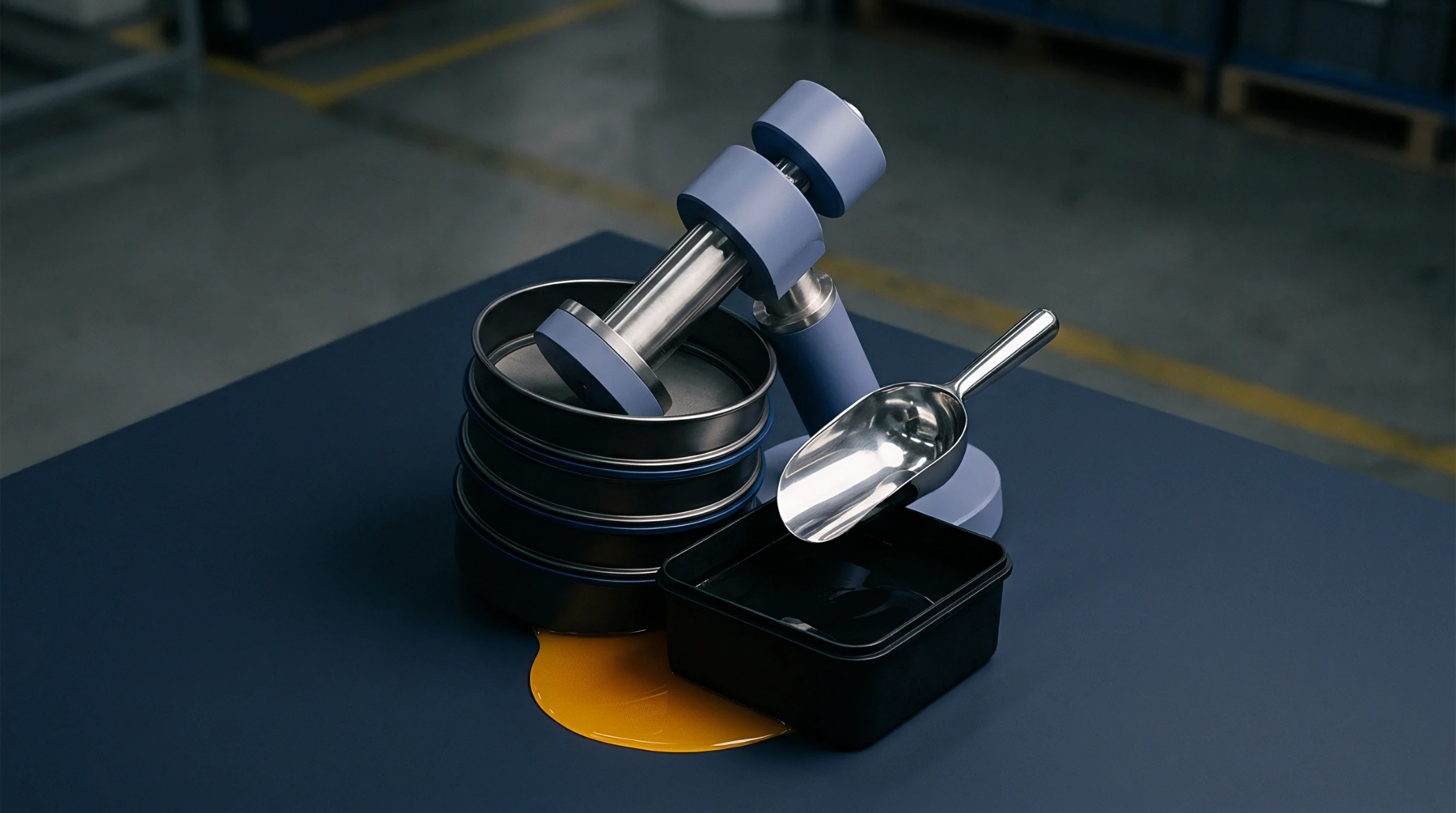
Inert gas atomization of tool steels requires precise superheat control, supersonic argon nozzles, and closed-loop gas recycling to yield dense spherical powders.
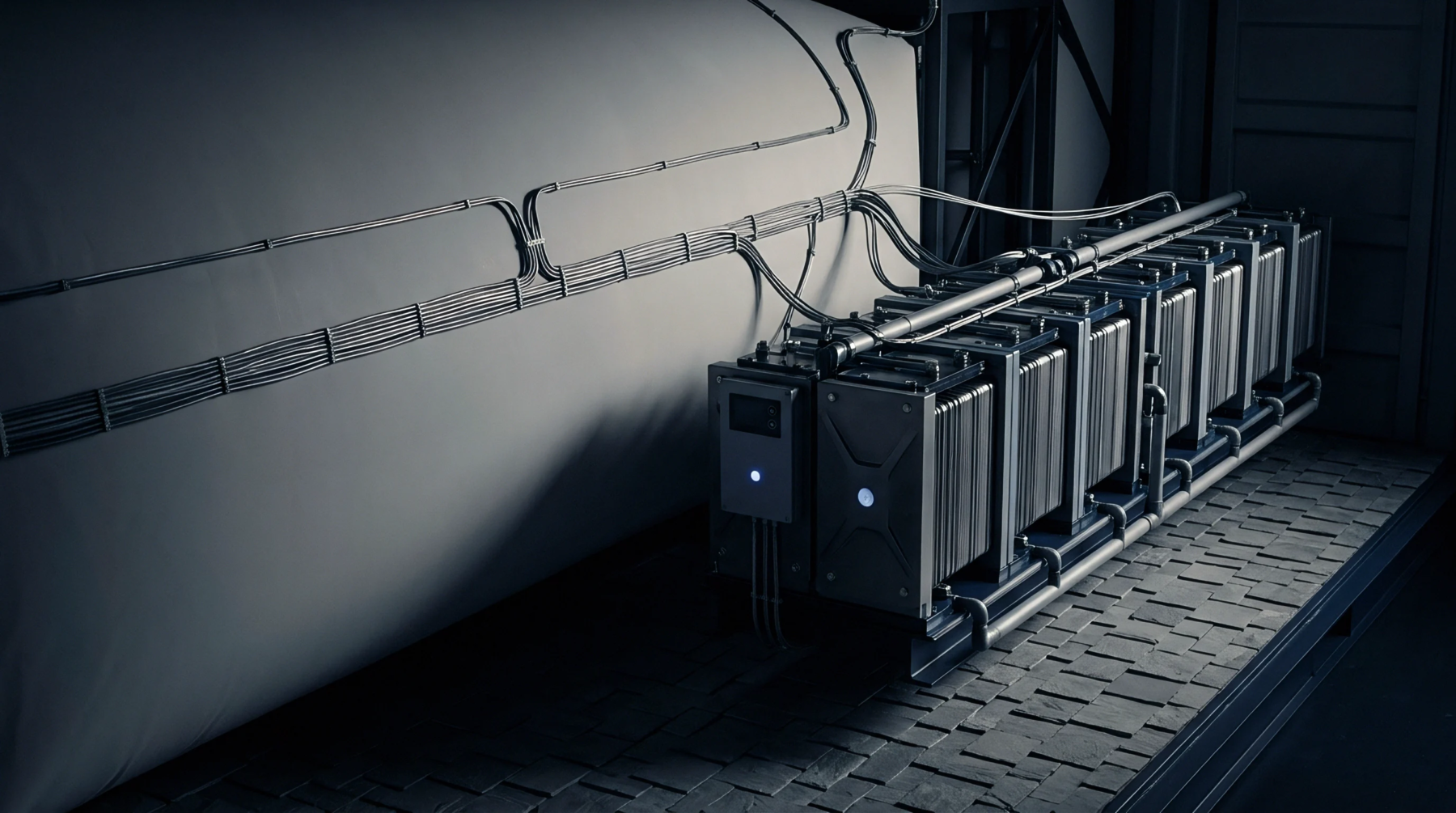
Multi-axis strain telemetry isolates cell swelling from pack frame shearing, providing cryptographically verified stress signatures that legally settle battery recall disputes.
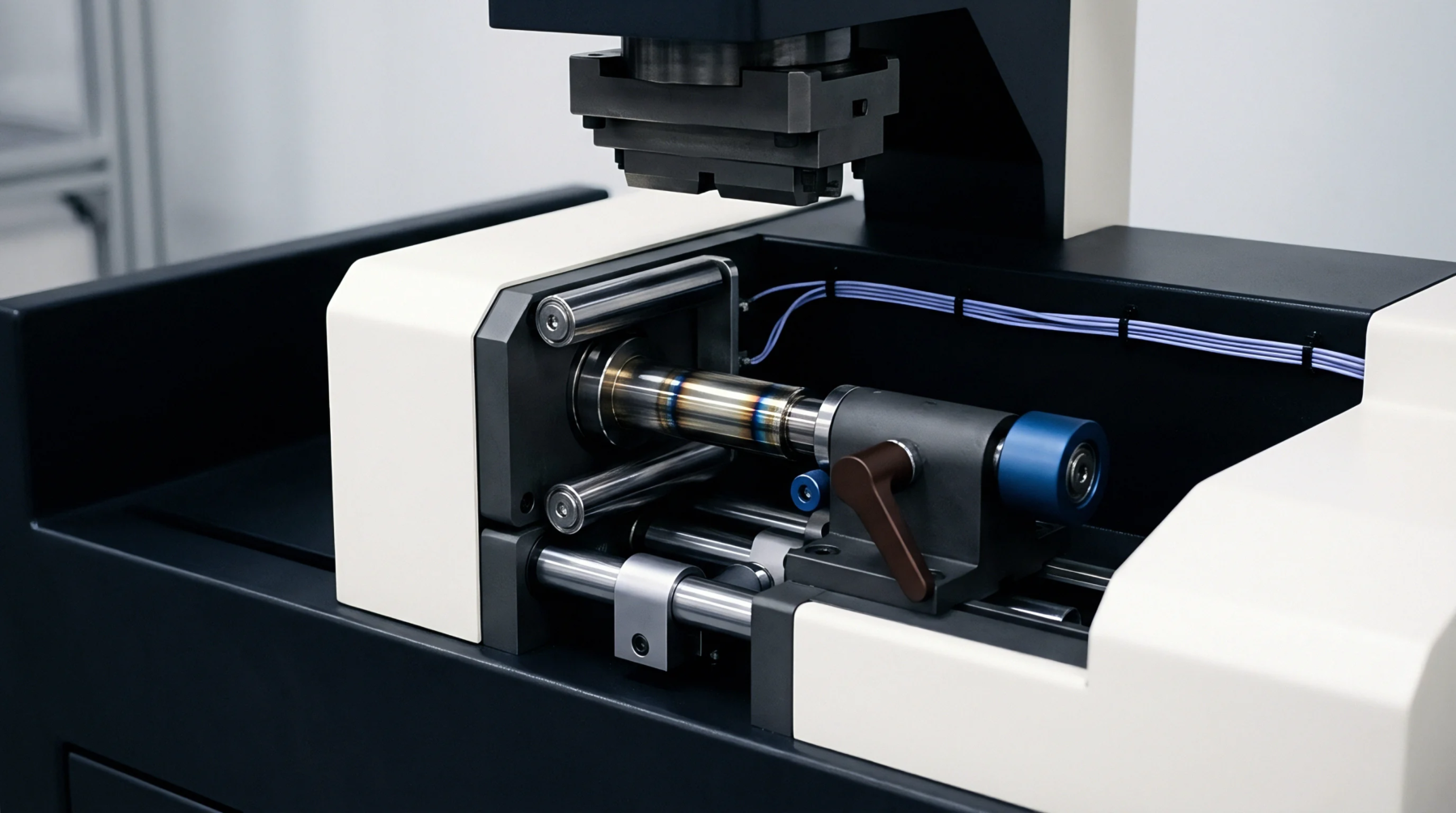
Prismatic cell swelling kinetics require module clamping designs that balance initial foam pre-load against end-of-life separator compression limits.

Predictive thermal fatigue modeling aligns conformal cooling placement with transient plastic strain boundaries to extend aluminum tray mold life beyond 50,000 cycles.
Expertise is a utility, not a secret. sentiention™ publishes its working knowledge as open reference: intelligence layer covering the materials it sources, the markets it enters, and the reference that serves both.