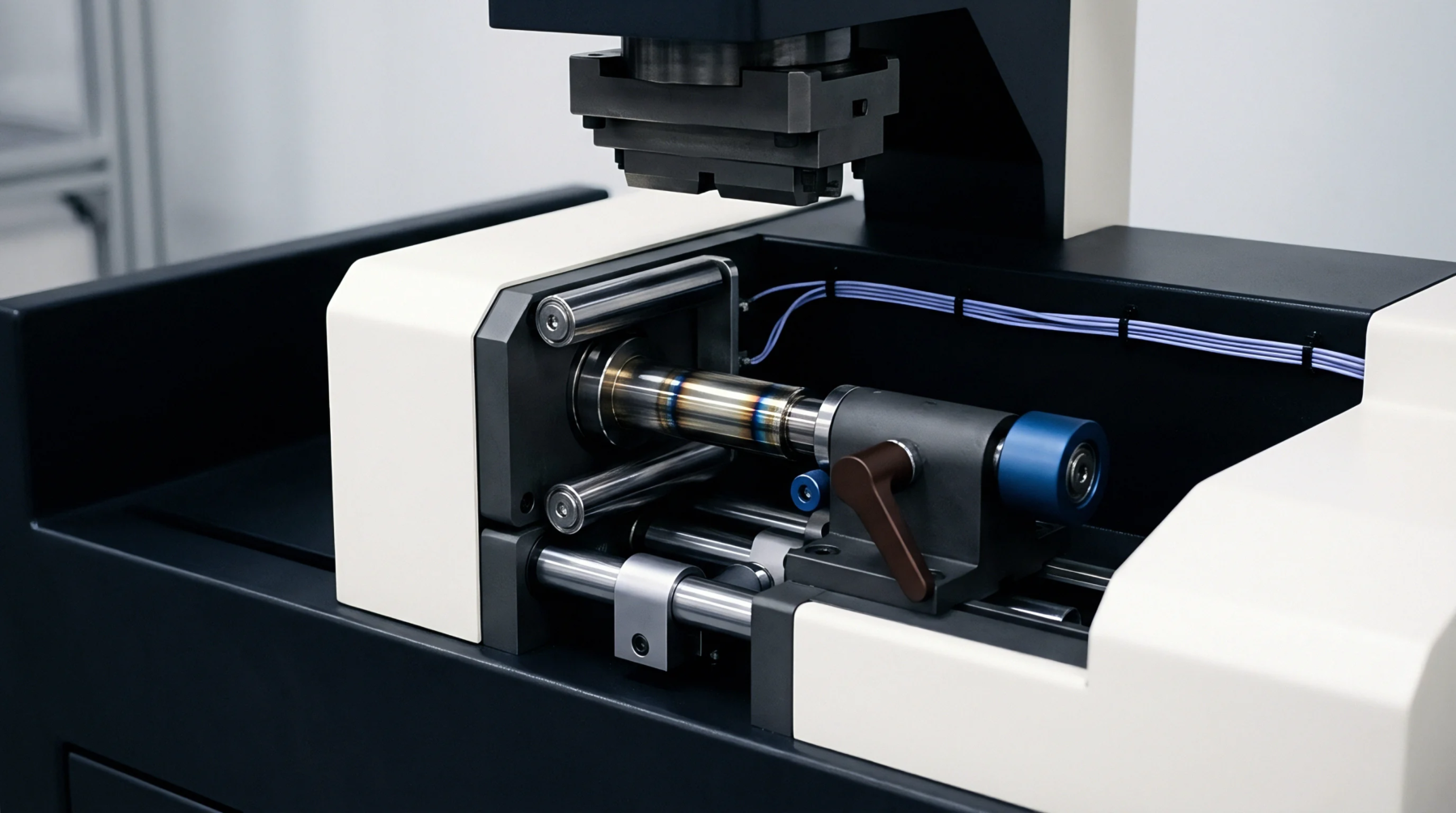
Header Weld Root Fatigue Life Prediction under Combined Thermal and Breathing Cycles
Root notch geometry and coupled breathing-thermal strain dictate header weld fatigue life, requiring non-linear strain-life prediction over far-field stress models.
Root notch geometry and coupled breathing-thermal strain dictate header weld fatigue life, requiring non-linear strain-life prediction over far-field stress models.
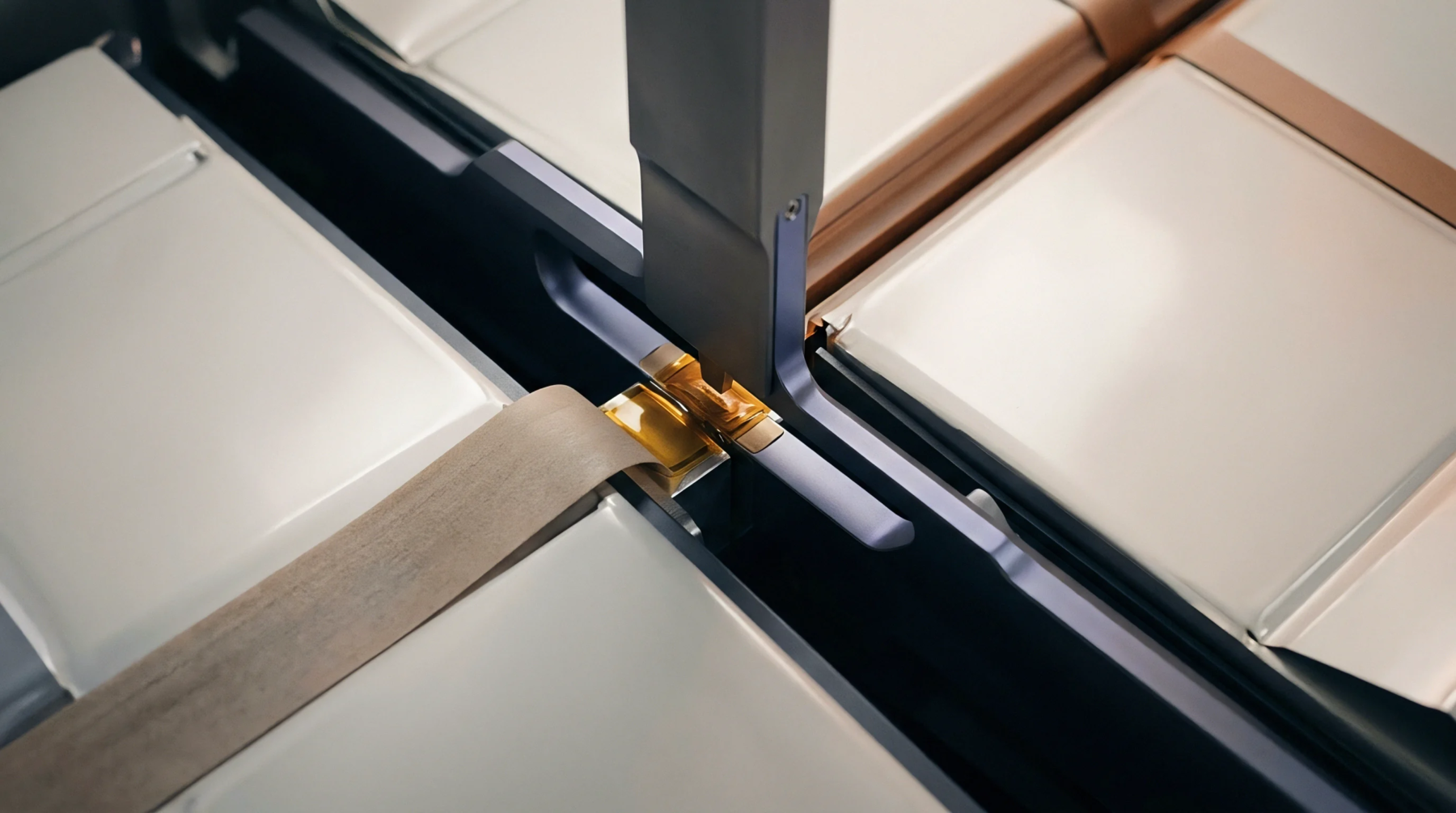
Transient squeeze flow mechanics during module clamping dictate micro air void entrapment, driving thermal impedance spikes and dielectric failure across cold plates.
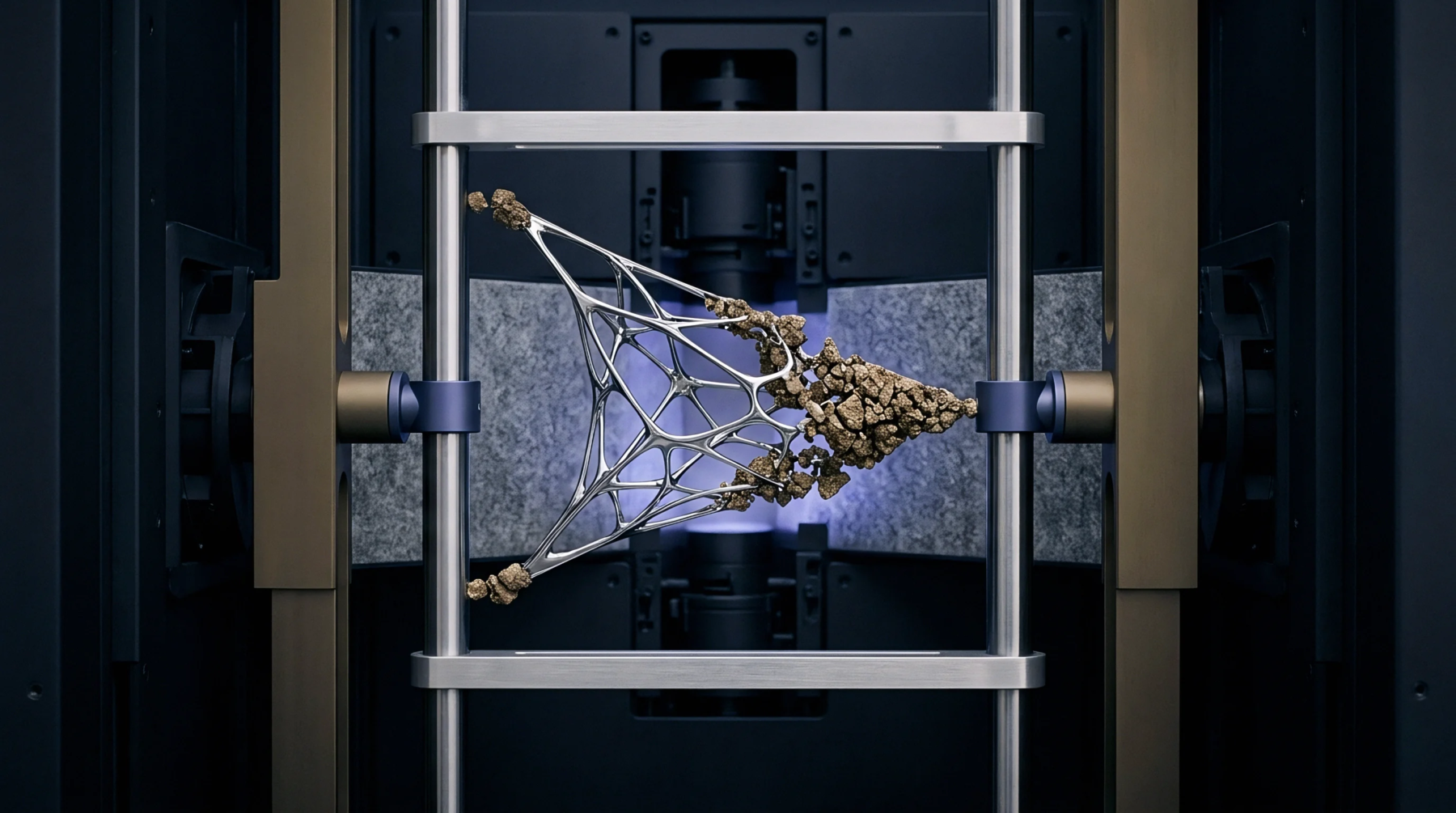
Prismatic solid-state cell enclosures demand module preloads between 2 and 8 MPa with flexible interlayers to control wall deflection and dendrites.
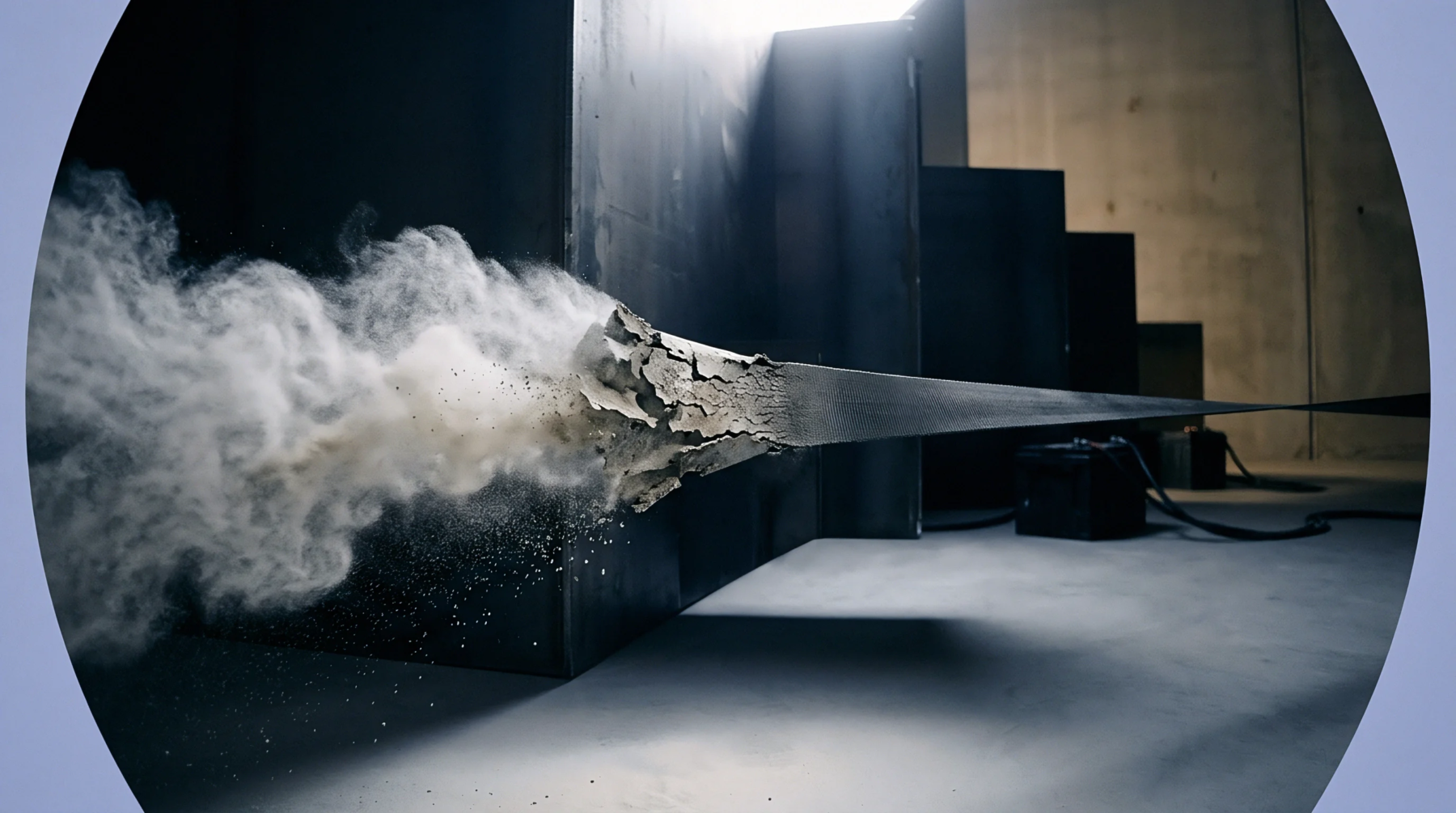
Automated volumetric dispensing accuracy depends on balancing line pressure drops against non-Newtonian shear thinning profiles across operating flow rates.
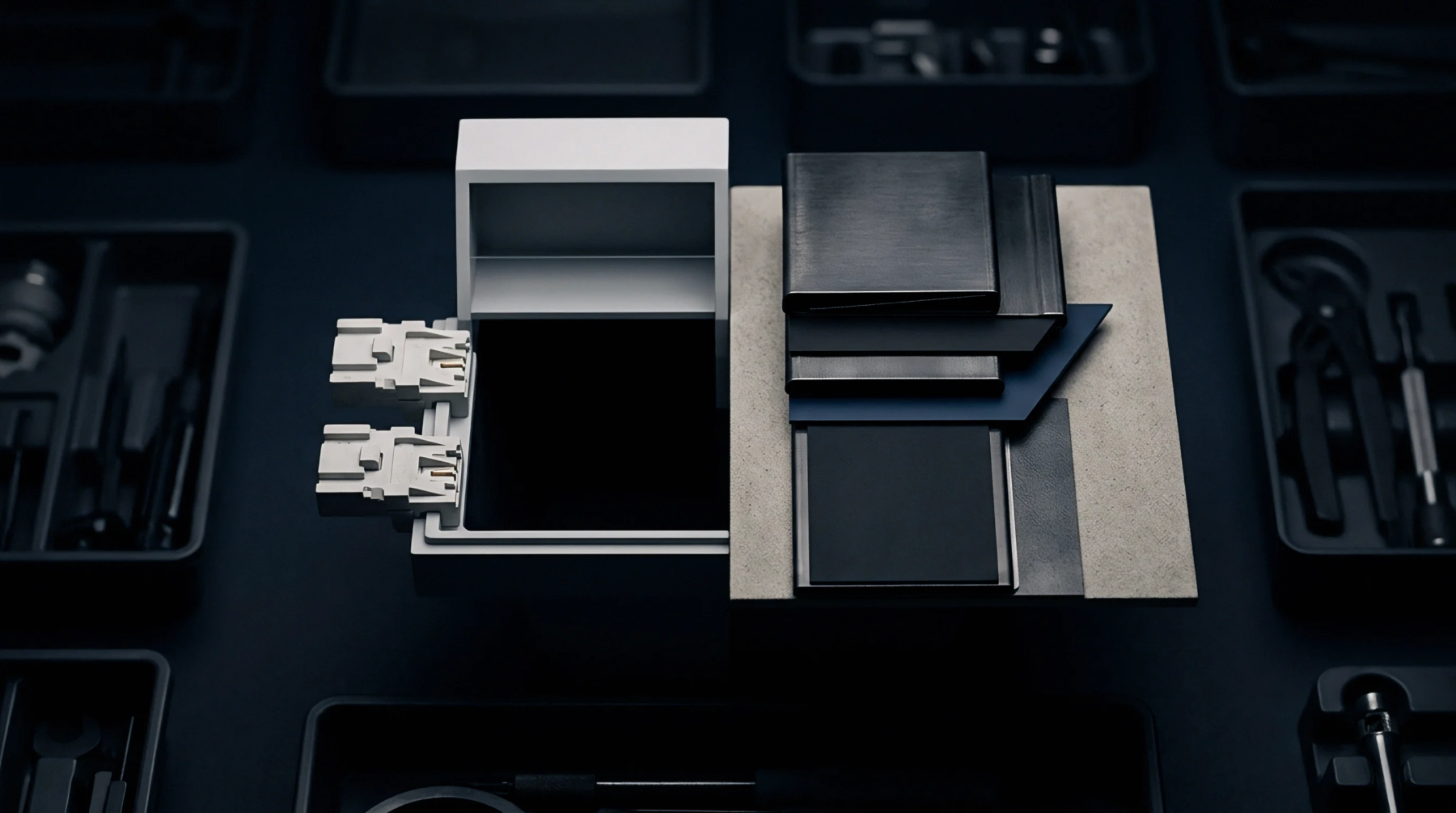
Entrapped argon porosity reduces tool steel transverse rupture strength by creating surface-adjacent stress concentrations that lower Weibull reliability.

Non-Newtonian gap filler rheology controls high-shear dispensing speeds, wet squeeze forces, and long-term settlement stability in battery pack assembly.
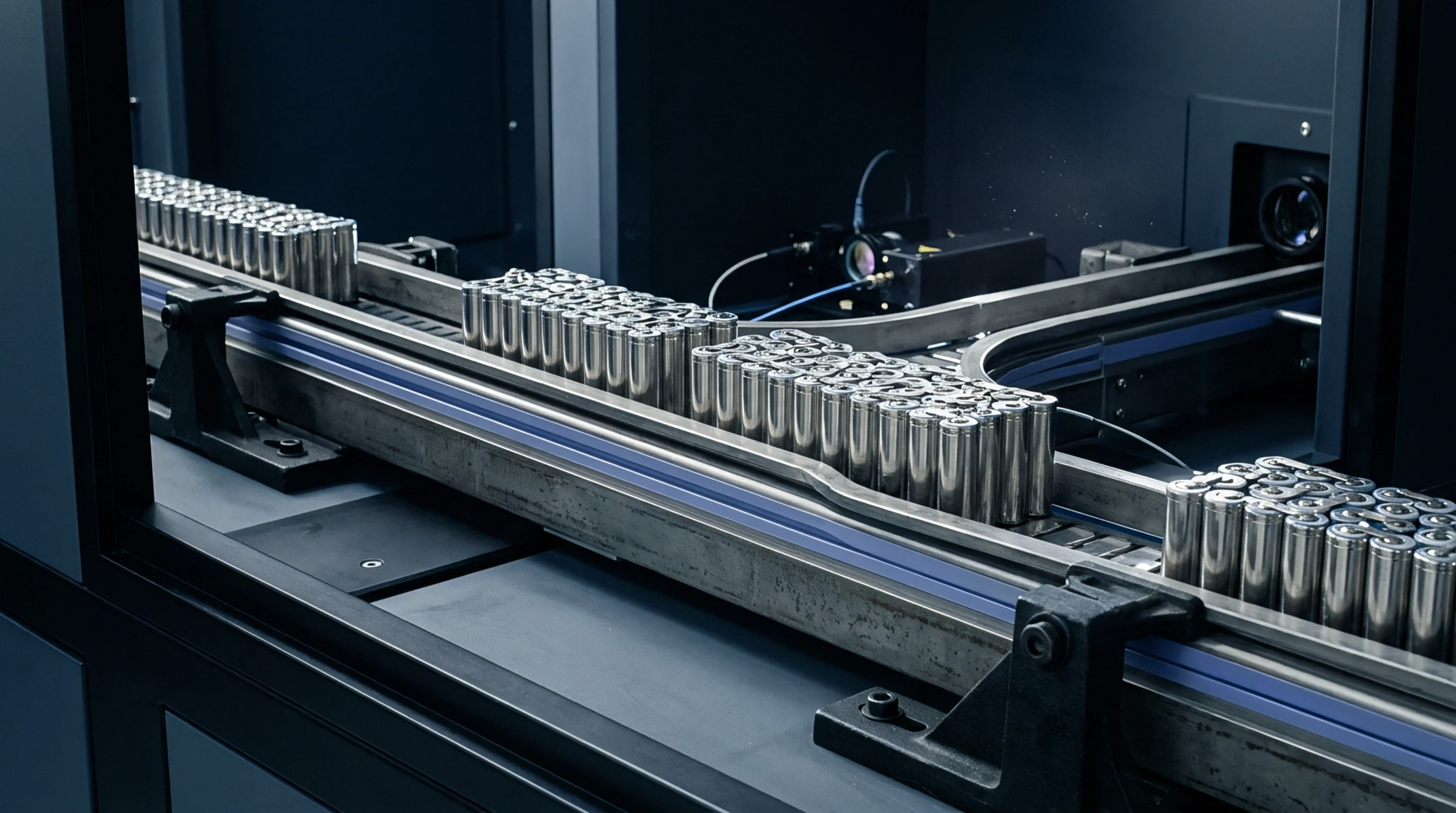
Thermal void expansion in high-speed steel originates from vacancy flux around undissolved carbides at austenitizing temperatures above 1190 degrees Celsius.

Entrapped argon voids in vacuum gas atomized powder cause thermally induced porosity during thermal processing, requiring tight argon specifications under 0.5 ppm.
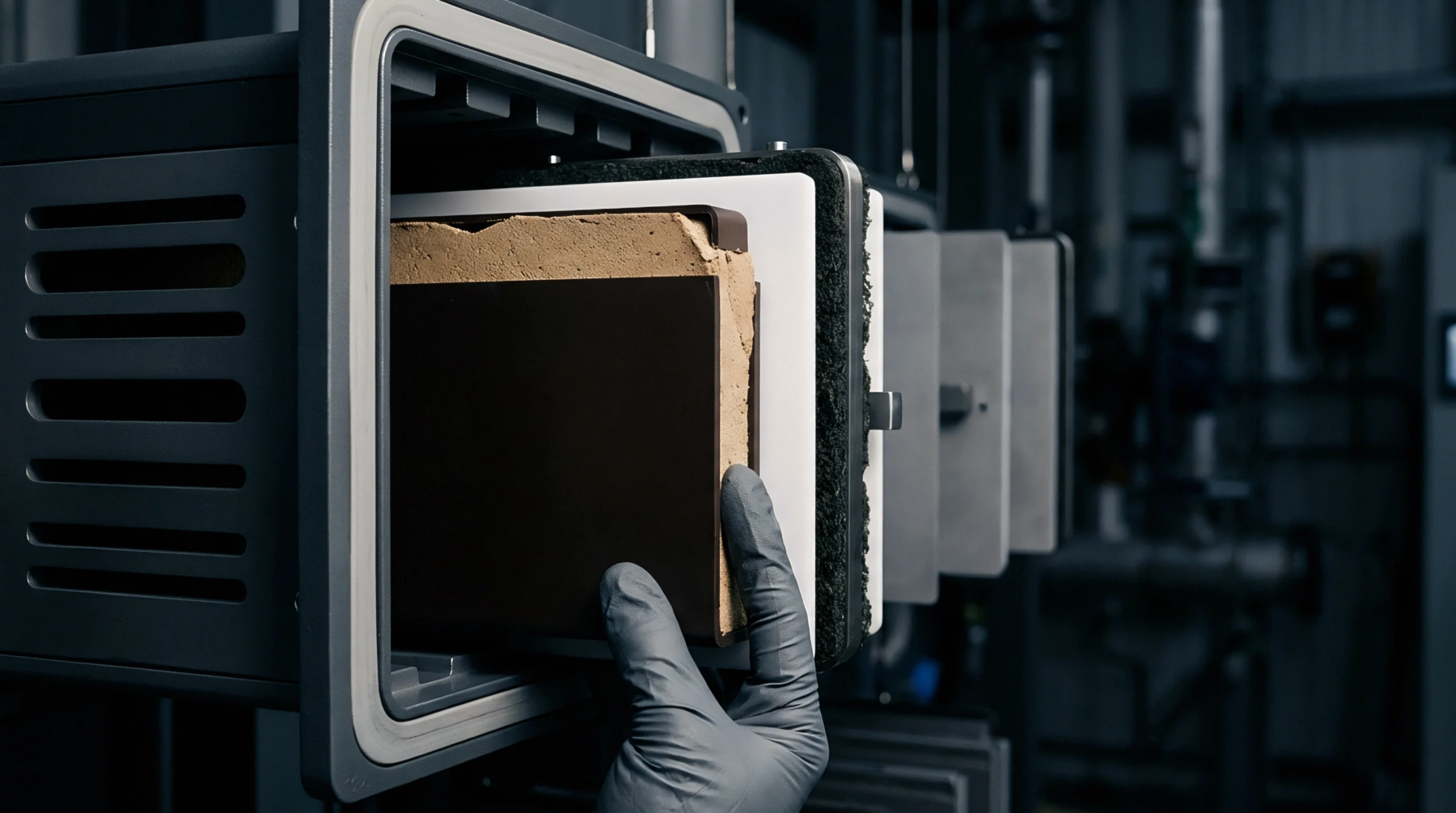
Sufficient stack pre-load retention and ceramic coating friction prevent wetted polyolefin separator sliding and tab shear in lubricated cell stacks.

Non-equilibrium phase partitioning in multi-component alloy anodes is predicted using coupled phase-field flux equations to bound interfacial diffusion speeds.

Rapid droplet solidification dynamics dictate grain size, microsegregation, and sphericity in battery powder synthesis, setting tap density and yield.

Predictive creep modeling quantifies elevated temperature pore evolution in solid state cell tooling to establish precise hold times and prevent yield loss.
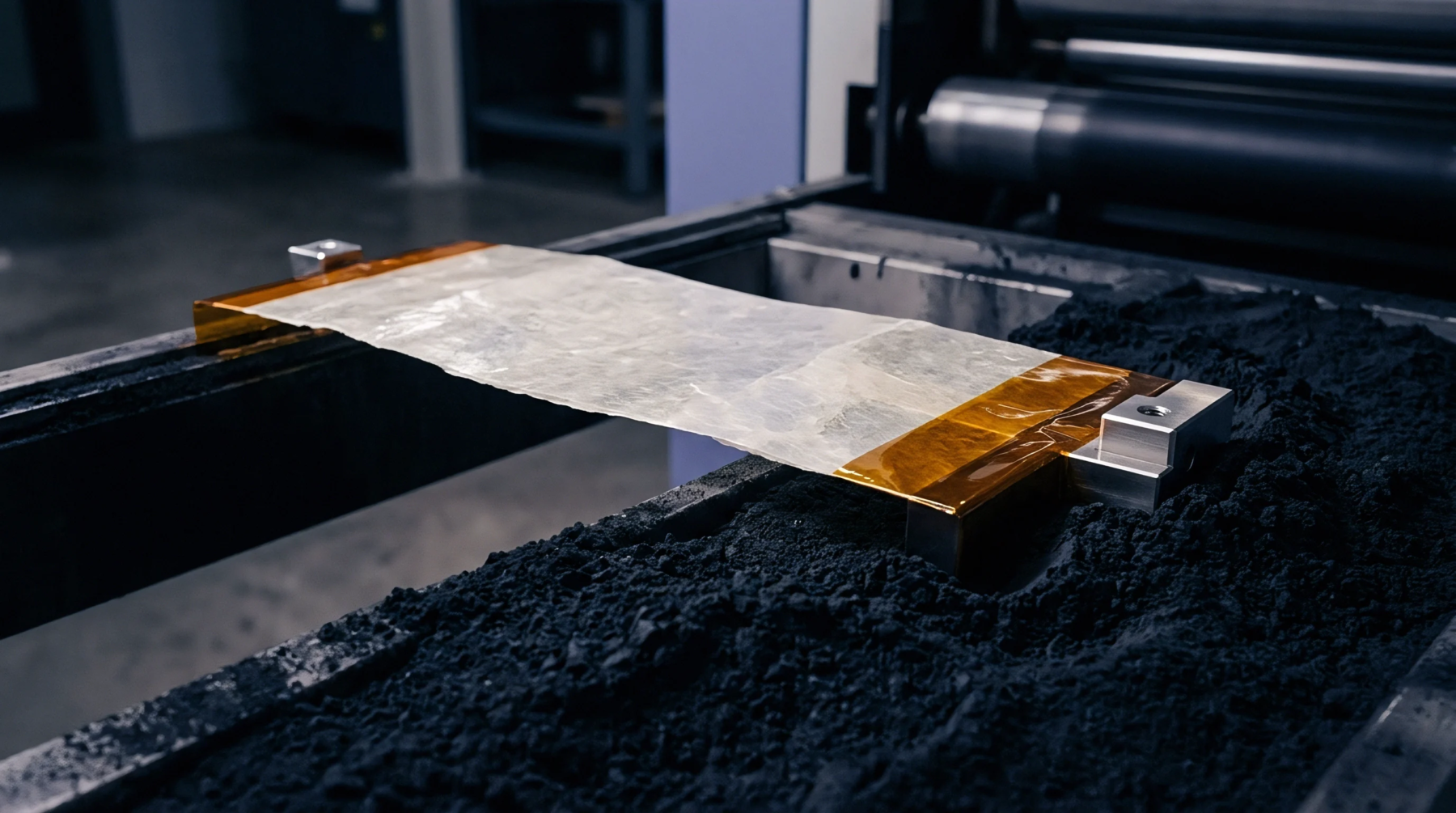
Thermally induced porosity expansion occurs when trapped argon exerts internal pressure exceeding matrix creep strength during high-temperature thermal exposure.

Gas atomization parameters and nozzle delivery pressures dictate argon entrapment levels, governing melt superheat control and inert gas mass monitoring.
Precision state of charge settings and active reefer climate control prevent capacity loss and internal resistance growth during oceanic container transit.

Choosing between cylindrical and prismatic cell formats demands balancing tooling capital, thermal conduction interfaces, and structural face pressure limits.

Custom pack sourcing demands explicit engineering stack-up allowances for cell swell alongside contractual assignment of compliance dossier ownership.
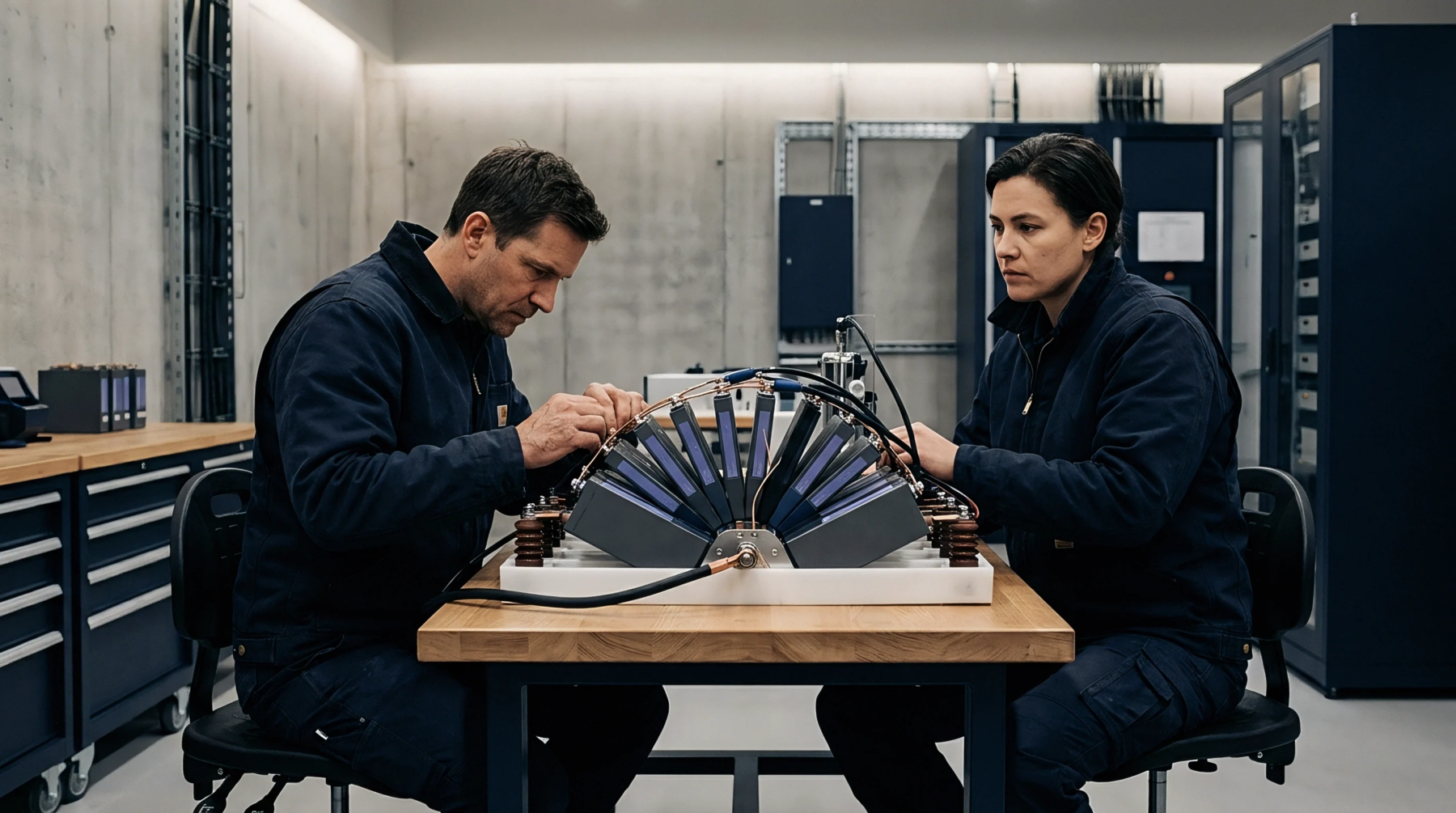
Procuring custom industrial battery modules requires locking cell format trade-offs, welding verification, and compliance files before amortizing tooling.

Nonlinear acoustic shear wave harmonic detection resolves zero gap kissing bonds in encapsulated battery packs by measuring contact acoustic nonlinearity.
Inline phased array testing maps structural adhesive wet-out and void formation through metal pack enclosures in real time at production line speeds.
Acoustic phase inversion mapping detects cell bond voiding by identifying the 180 degree pulse polarity shift caused by metal to gas impedance drops.
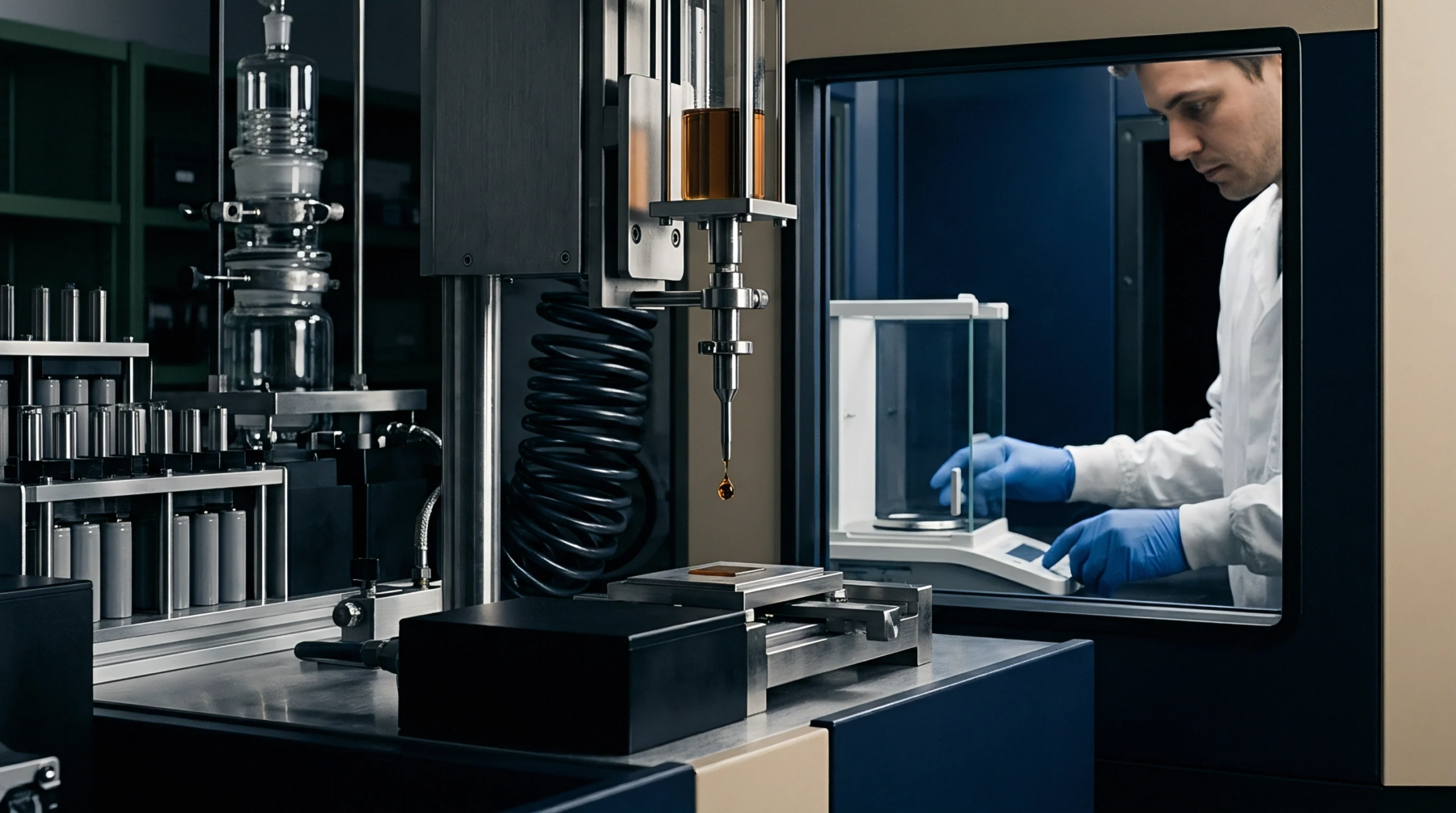
Volumetric displacement precision, shear rate thermal control, and wear-resistant fluid metering govern automated thermal gap filler dispensing performance.

Optimal prismatic module thermal interface selection balances bulk conductivity against rheology and compliance to accommodate swelling without dielectric rupture.

Spatial point process modeling quantifies microstructural carbide clustering in powder metallurgy tool steels to prevent premature fatigue failure in tooling.
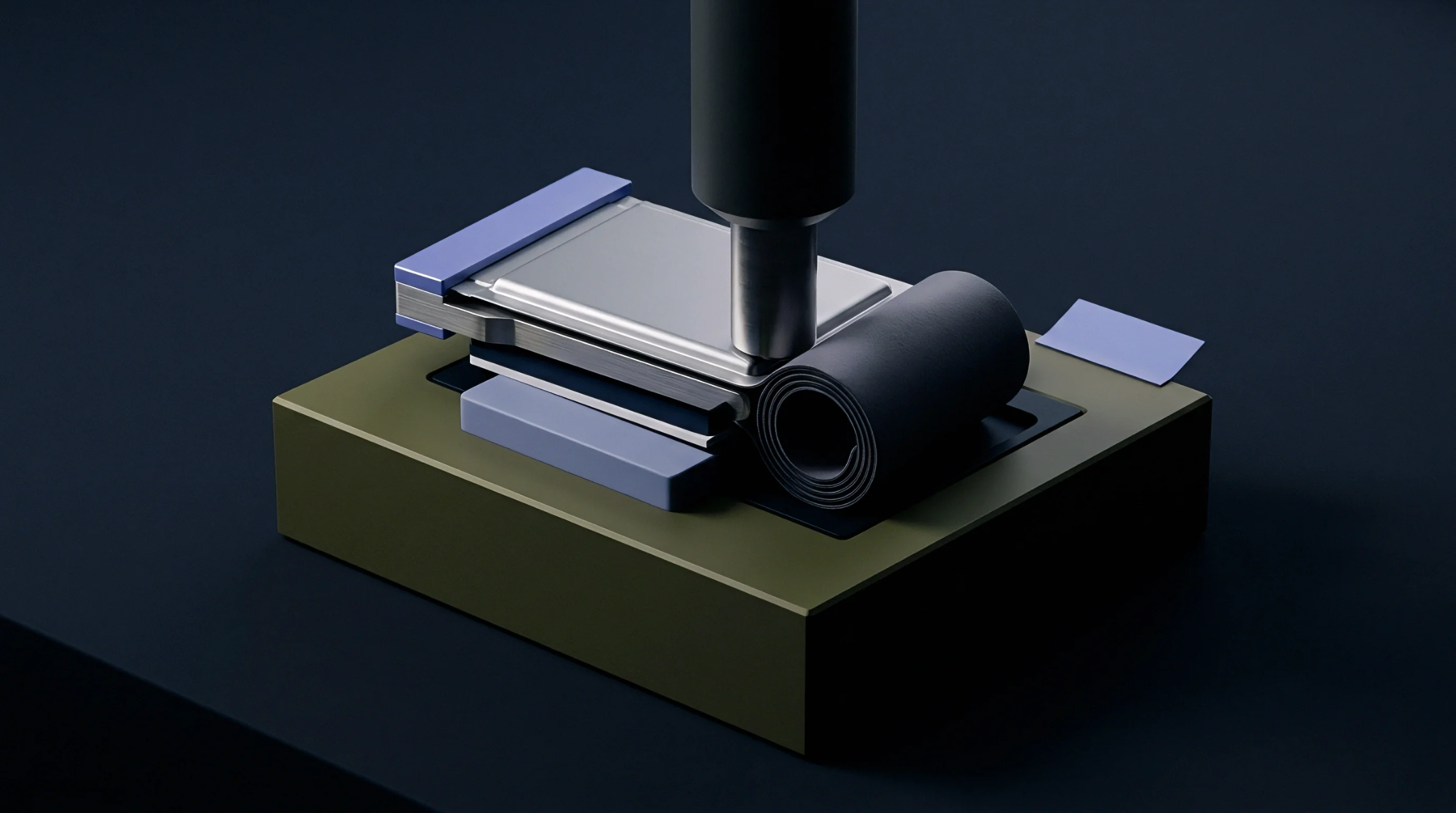
Stereological volume calculations in rolled tool steel require multi-planar geometric integration to correct directional carbide stringer measurement bias.

Systematic ASTM E562 manual point counting protocols quantify tool steel carbide and austenite volume fractions within verified statistical error boundaries.

Optimize close-coupled gas atomization gas-to-metal ratio between 3.5 and 4.0 to maximize 5 to 25 micrometer battery powder yield while limiting fines.
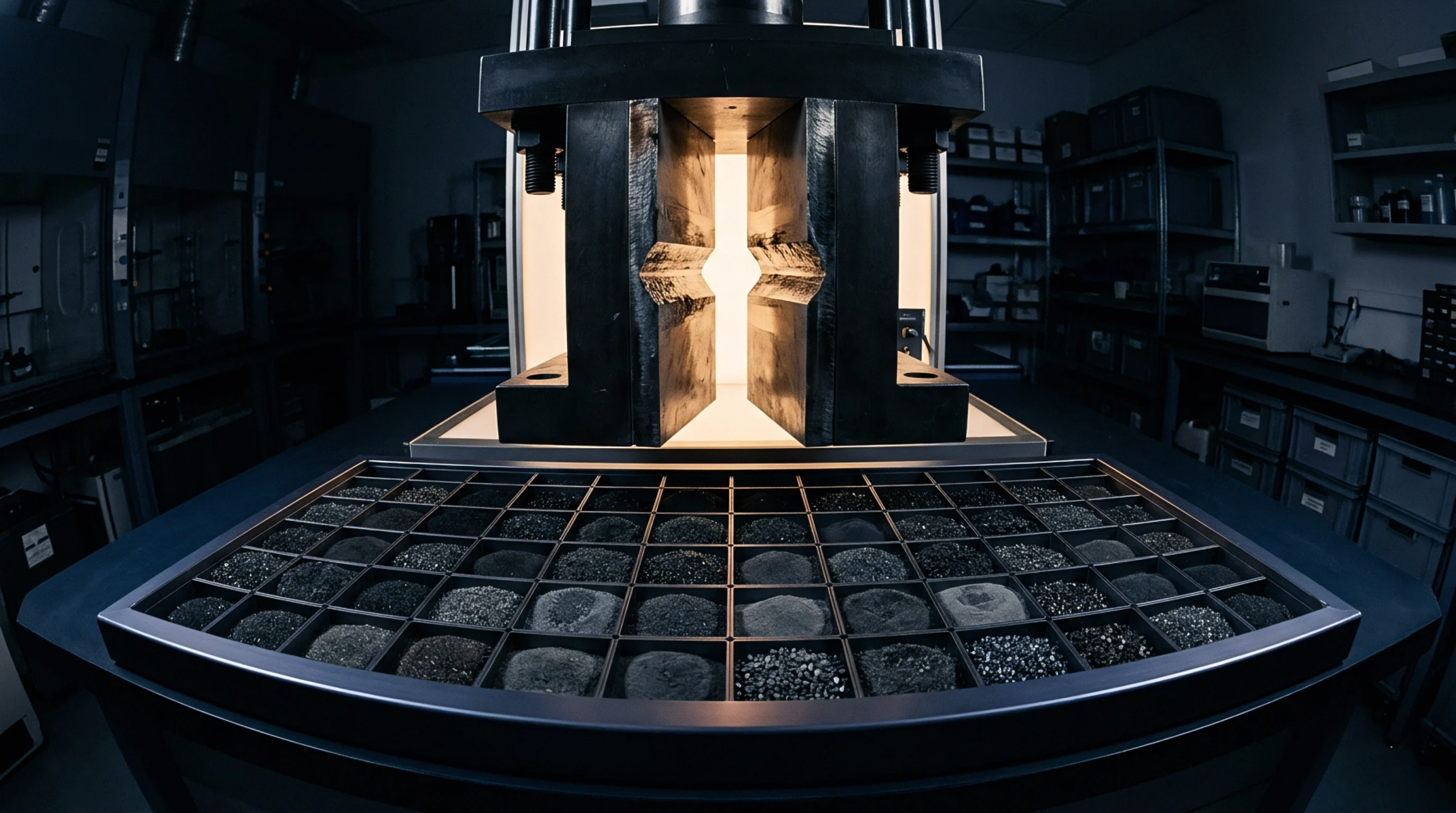
Maintaining gas atomization pressure between 2.5 MPa and 4.0 MPa optimizes particle sphericity while suppressing fine satellite dust in battery precursor synthesis.

Irreversible stack expansion is governed by solid interphase plastic creep and electrolyte breakdown, requiring elastomeric foam buffers to hold stack pressure under 0.8 MPa.
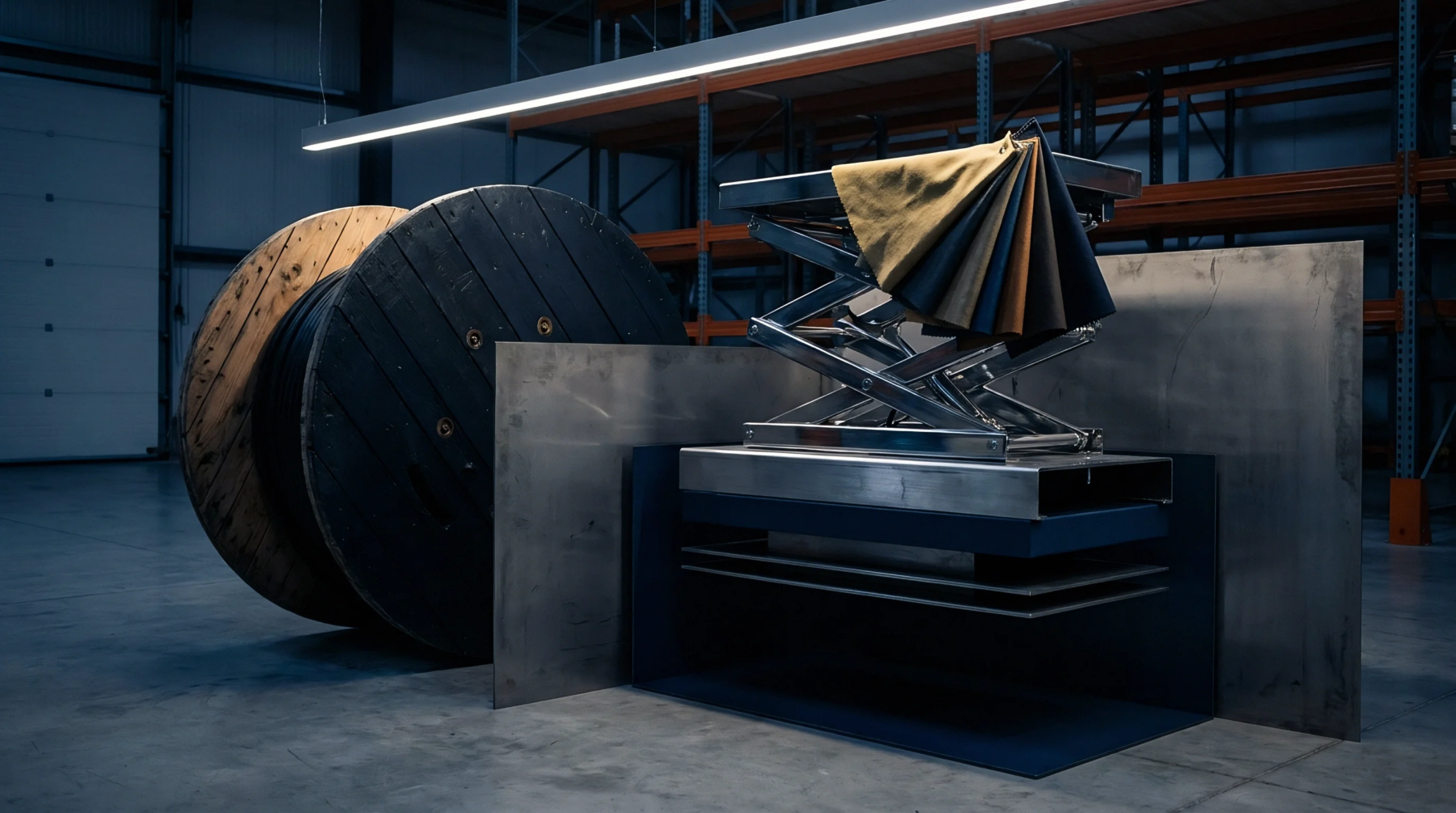
Multi-pass TMCP controls crystallographic texture in high alloy steel sheets, limiting planar anisotropy, yield variance, and deep-drawing earing defects.
Expertise is a utility, not a secret. sentiention™ publishes its working knowledge as open reference: intelligence layer covering the materials it sources, the markets it enters, and the reference that serves both.