
Recycled Cathode Material Entering the Supply Stream
Recycled cathode precursors match virgin cell performance when hydrometallurgical refining limits trace iron and copper contaminants below 10 and 5 ppm respectively.
Recycled cathode precursors match virgin cell performance when hydrometallurgical refining limits trace iron and copper contaminants below 10 and 5 ppm respectively.

Immediate AC-IR screening and differential capacity testing reveal hidden transit degradation and cell capacity variance in sodium ion shipments.

Verify UN 38.3 test summaries by matching technical report fields against accredited lab databases, factory trace codes, and physical SOC transport limits.

Enforce zero-acceptance sampling plans and 48-hour thermal soak protocols on imported prismatic cell lots to prevent non-conforming units from entering pack production lines.
Cell screening protocols isolate thermodynamic voltage hysteresis from active capacity deficits to defend contract compliance and warranty reserve calculations.

Busbar surface plating integrity requires verified multi-layer thickness control, low internal stress, and zero-defect adhesion to prevent joint degradation.

Verify inbound cell compliance using ISO 2859-1 sampling, microvolt OCV screening, K-value decay tracking, and UN 38.3 audit chains before pack assembly.

Standardizing prismatic cell procurement requires defining critical AQL thresholds, dynamic sampling plans, and precise metrology for lot acceptance.
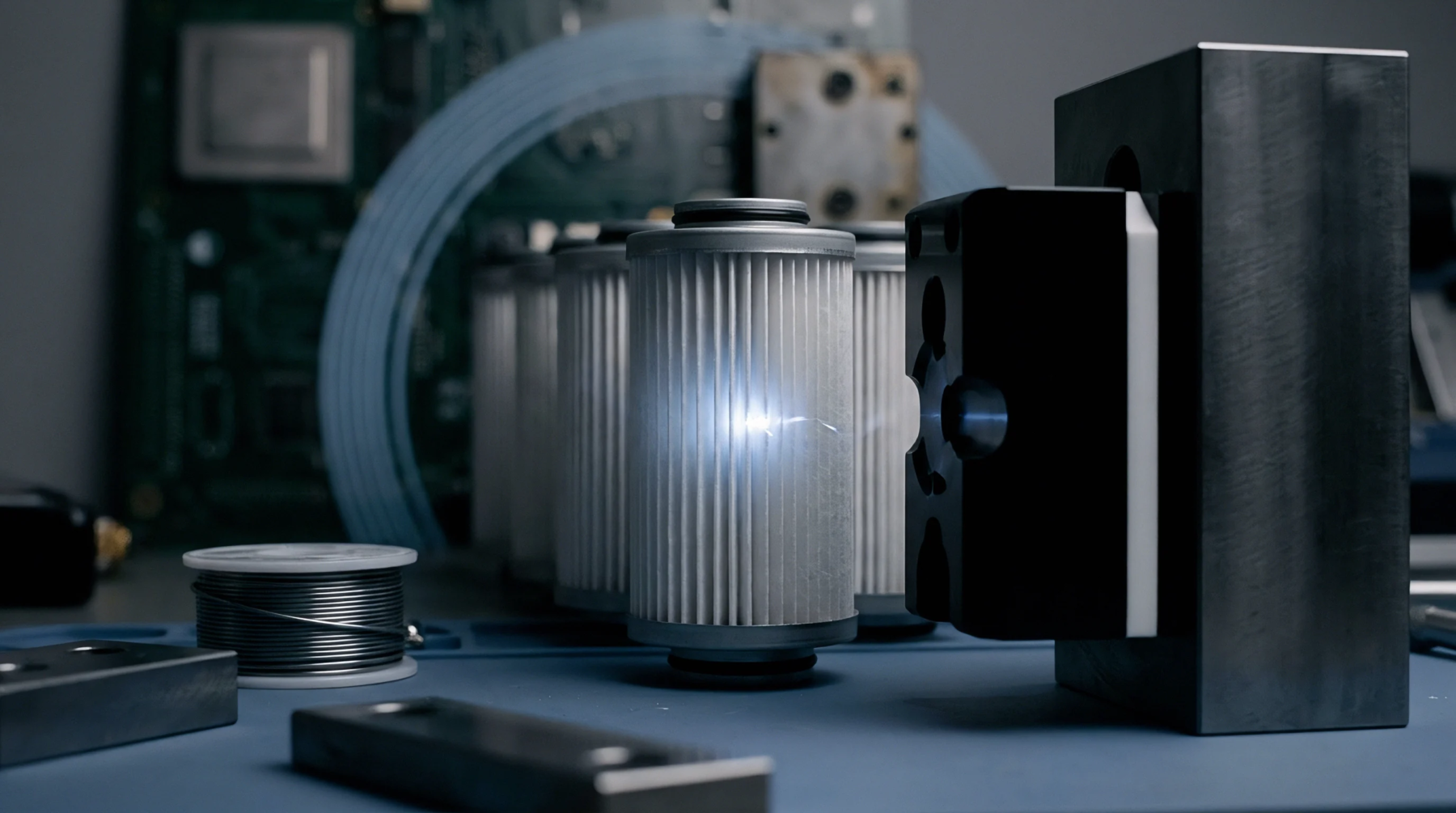
Differential capacity peak tracking isolates phase slippage and plating to detect non-linear capacity knees hundreds of cycles before bulk retention fails.

Laboratory qualification of LiFePO4 cells demands precise mechanical clamping, strict IEC cycling regimes, and Arrhenius acceleration to verify true capacity retention.

Pouch cell heat seals require precise thermal pressing and non-destructive inline acoustic or helium screening to prevent micro-void leaks during transit.
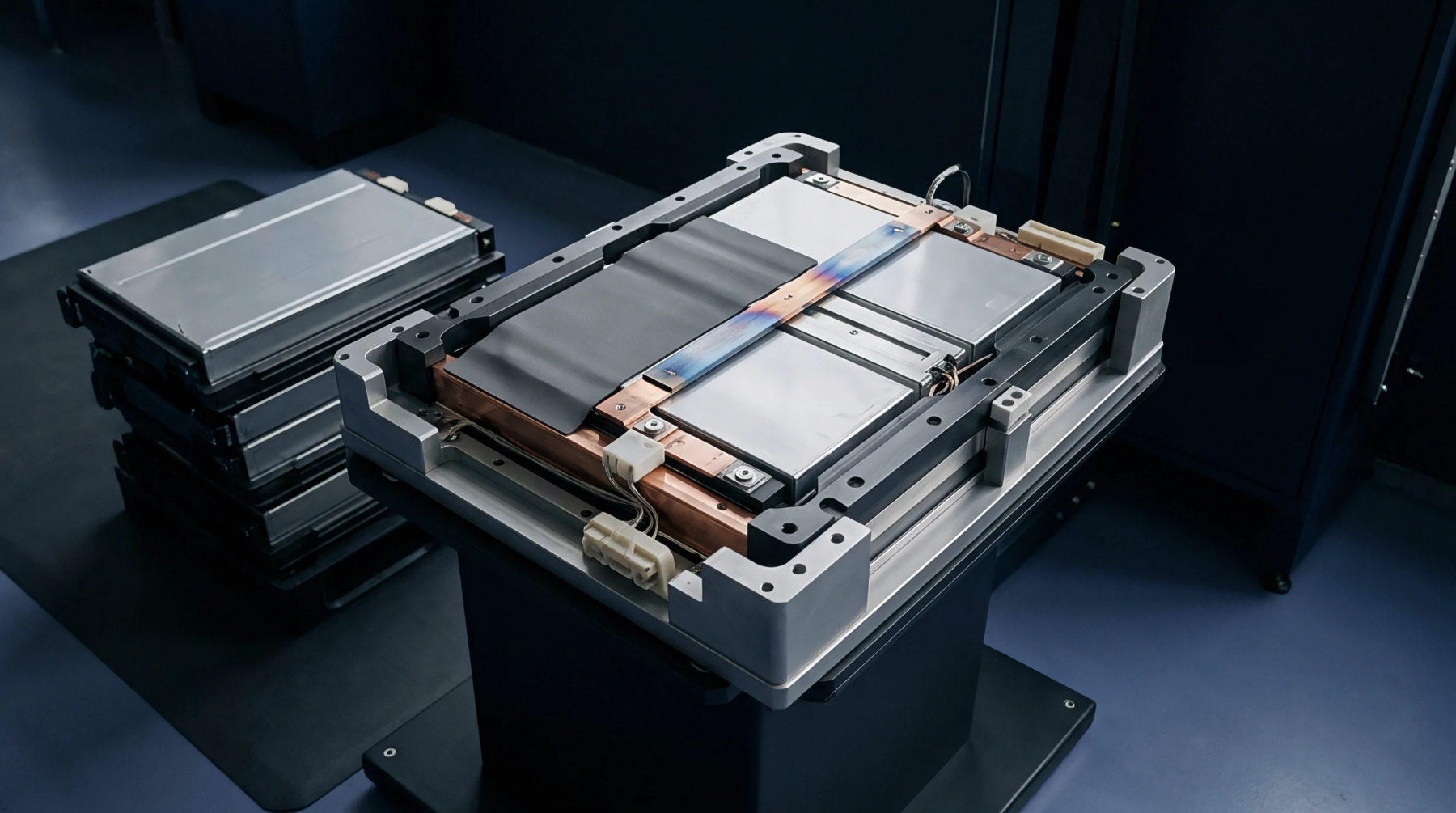
Incoming prismatic cell sampling relies on ISO 3951-1 variable plans and ISO 2859-1 attribute plans to reject defective lots before module integration.

Statistical process control limits for imported prismatic cells require Cpk above 1.33 and AQL 0.065 to prevent batch failures during pack assembly.
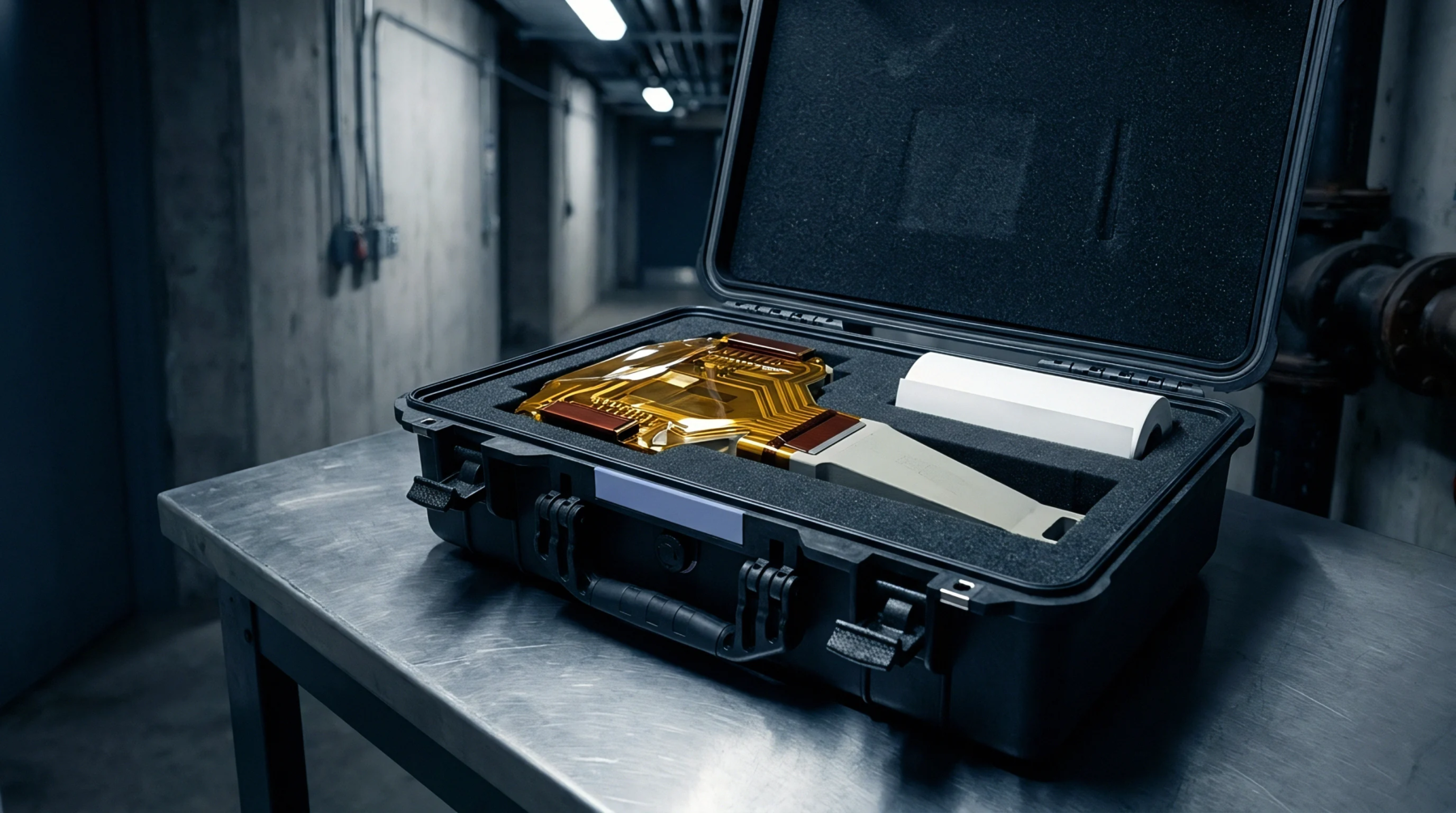
Combine non-destructive differential voltage analysis with high-resolution computed tomography to prove manufacturing defects and enforce cell lot warranty claims.

Enforce ANSI ASQ Z1.4 Level II sampling with AQL 0.010 for critical safety flaws and Kelvin OCV IR screening to reject defective lithium cells at receiving dock.
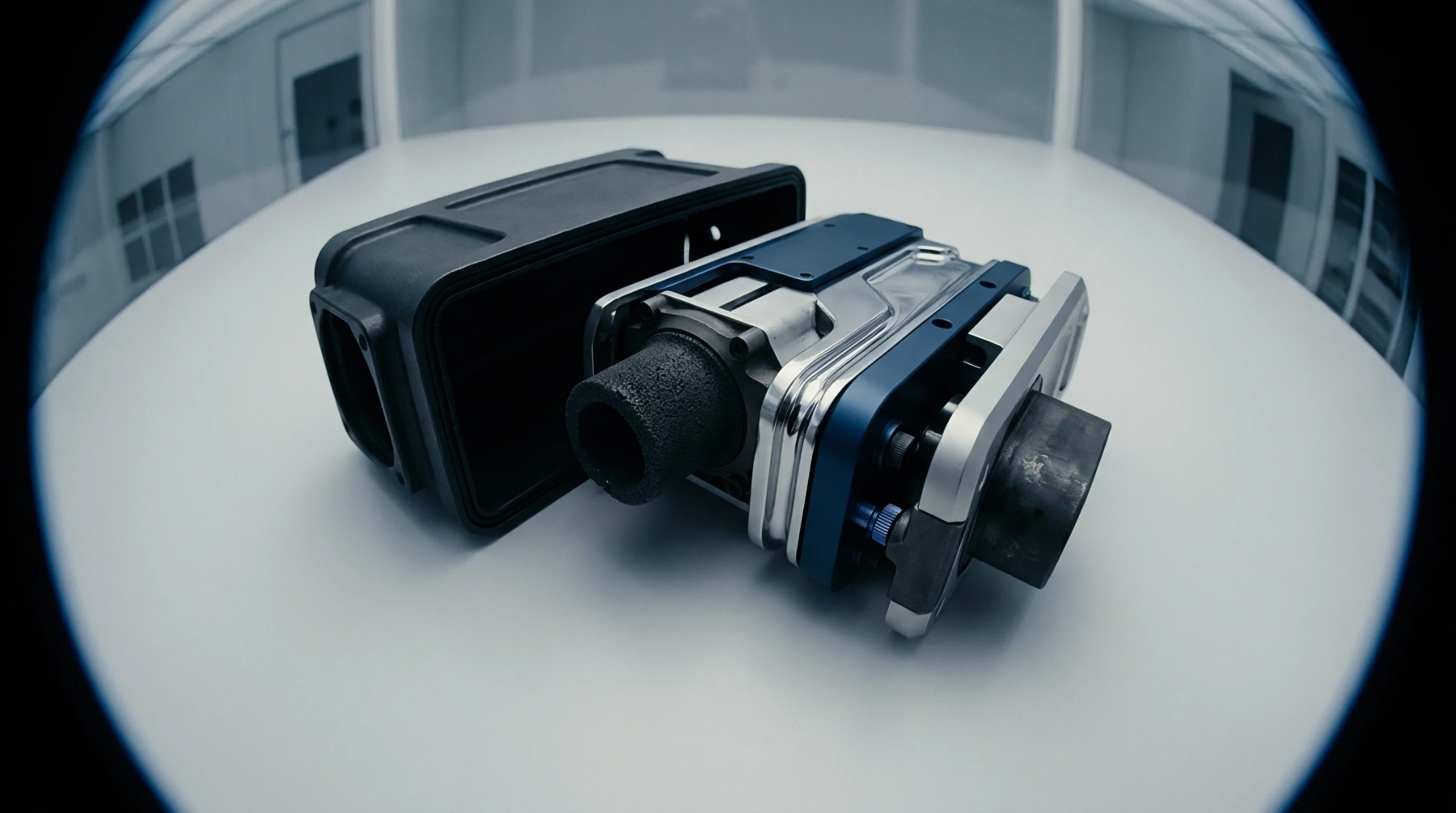
Broadband EIS frequency sweeps isolate mid-frequency charge transfer resistance to catch high-rate lithium cell batch defects invisible to 1 kHz resistance testing.

Differential capacity deconvolution isolates lithium loss and electrode degradation at receiving inspection, allowing objective batch rejection under ISO 12405-4.
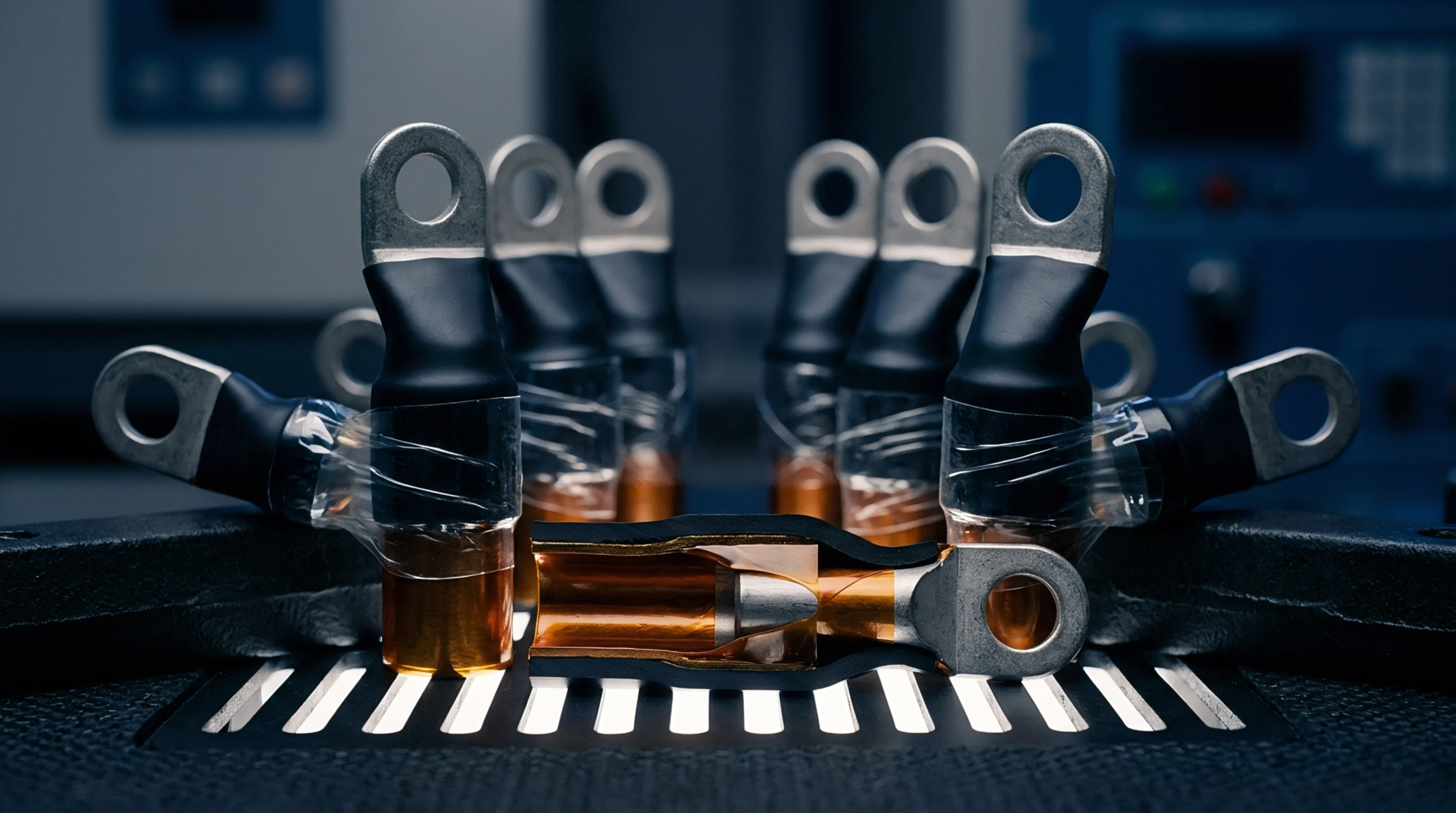
Statistically valid internal resistance screening requires non-parametric capability metrics and thermal corrections to prevent high-resistance distribution tails.

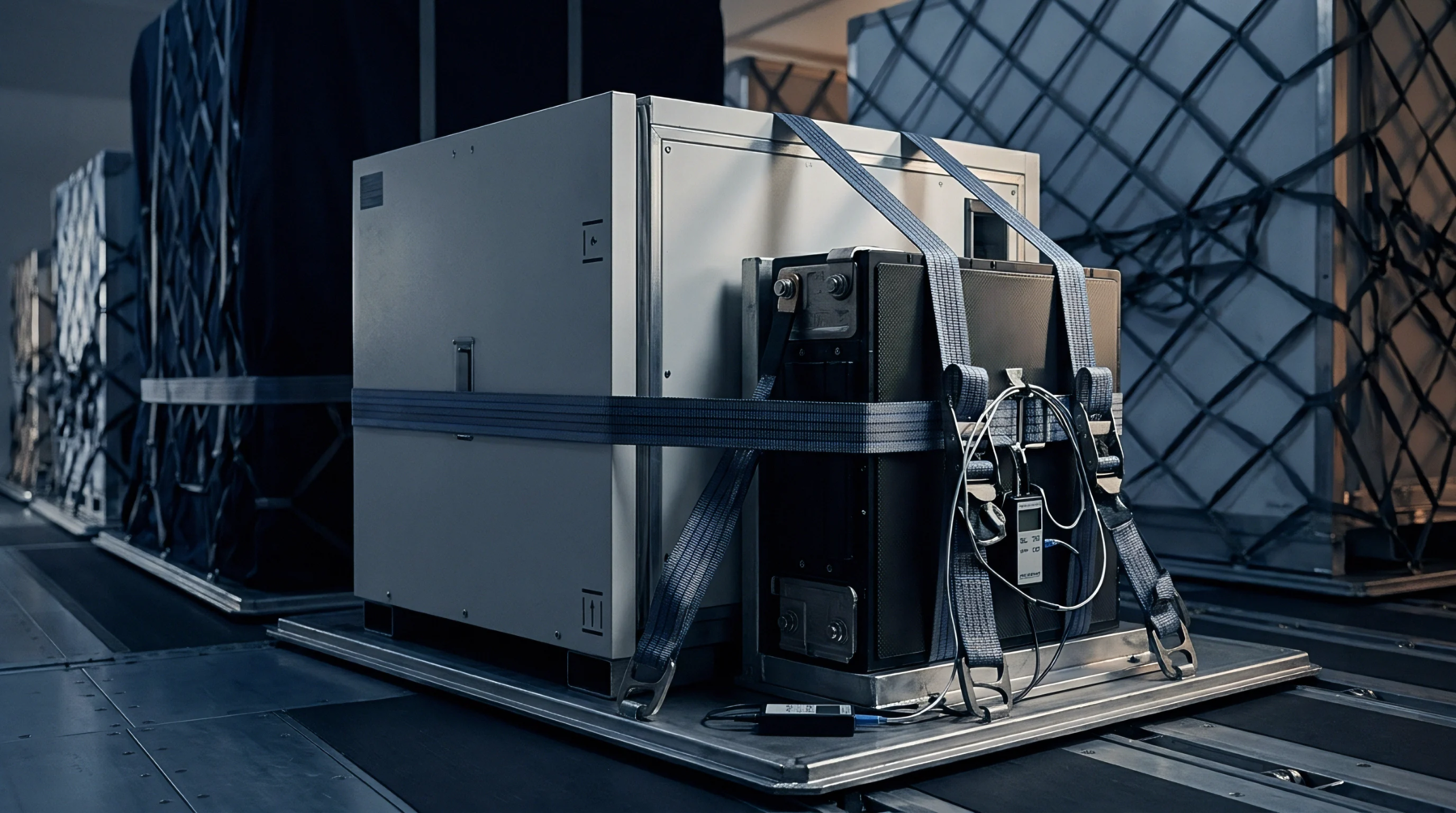
Incoming battery pallet inspection combines shock monitoring, four-wire OCV/IR screening, and AQL sampling to catch transit damage and enforce debit notes.

Hermetic containment below 1.0e-8 mbar l/s prevents fatal sulfide electrolyte hydrolysis, demanding helium tracer verification to clear safety regulations.

Thermomechanical phase stabilization balances trace impurities in recycled high-nickel cathodes, preventing microcracking to secure lifecycle pack economics.

Solid-state cell import verification requires modified UN 38.3 testing under active stack pressure and UN 3090 dangerous goods compliance.

Spatial thermal conductivity impedance tomography maps internal battery delamination and gas growth non-destructively during cyclic mechanical cell breathing.

Electrolyte volatility drives latent cell mass loss, requiring buoyancy-corrected analytical balances to verify hermetic integrity before transit acceptance.

Air transit compliance demands cell state of charge verification below thirty percent using calibrated current integration and relaxation-corrected voltage lookups.

Underwriters price battery storage risk by converting cell lot formation logs, K-value decay rates, and UL 9540A test dossiers directly into asset premium basis points.
Prismatic cell acceptance hinges on dockside AQL sampling that isolates electrochemical variance and mechanical header tolerances before pack welding commits cost.

Actuarial defect models price tail-risk exposures by replacing zero-defect assumptions with compound Poisson-Weibull distributions and contractual escrow sizing.
Prismatic cell batch acceptance demands zero-acceptance attribute sampling for safety defects and ISO 3951-1 variables sampling for capacity and impedance distributions.

Dynamic electrochemical AQLs align time-dependent impedance growth with contract indemnity clauses to prevent unrecoverable field failure liabilities.
Expertise is a utility, not a secret. sentiention™ publishes its working knowledge as open reference: intelligence layer covering the materials it sources, the markets it enters, and the reference that serves both.