
Graphite Anode Potential Dynamics under Subzero Charge Conditions
Subzero charge drives graphite surface potential below 0V vs Li/Li+, causing metallic lithium plating that demands temperature-compensated derating.

Subzero charge drives graphite surface potential below 0V vs Li/Li+, causing metallic lithium plating that demands temperature-compensated derating.

Calibrated GC-MS selected ion monitoring measures electrolyte solvent micro-leaks down to 10^-9 mbar L/s, isolating true seal defects from surface outgassing.

Intermittent thermal preconditioning failures cause irreversible low-temperature lithium plating, accelerating capacity loss and transferring asset liability.

Operando NMR isolates trapped dead lithium during sub-zero fast charging, enabling quantitative plating prevention and dynamic charging algorithm design.

Cross-border market surveillance enforcement targets domestic importers directly, requiring pre-funded bank guarantees and authenticated safety dossiers for recourse.
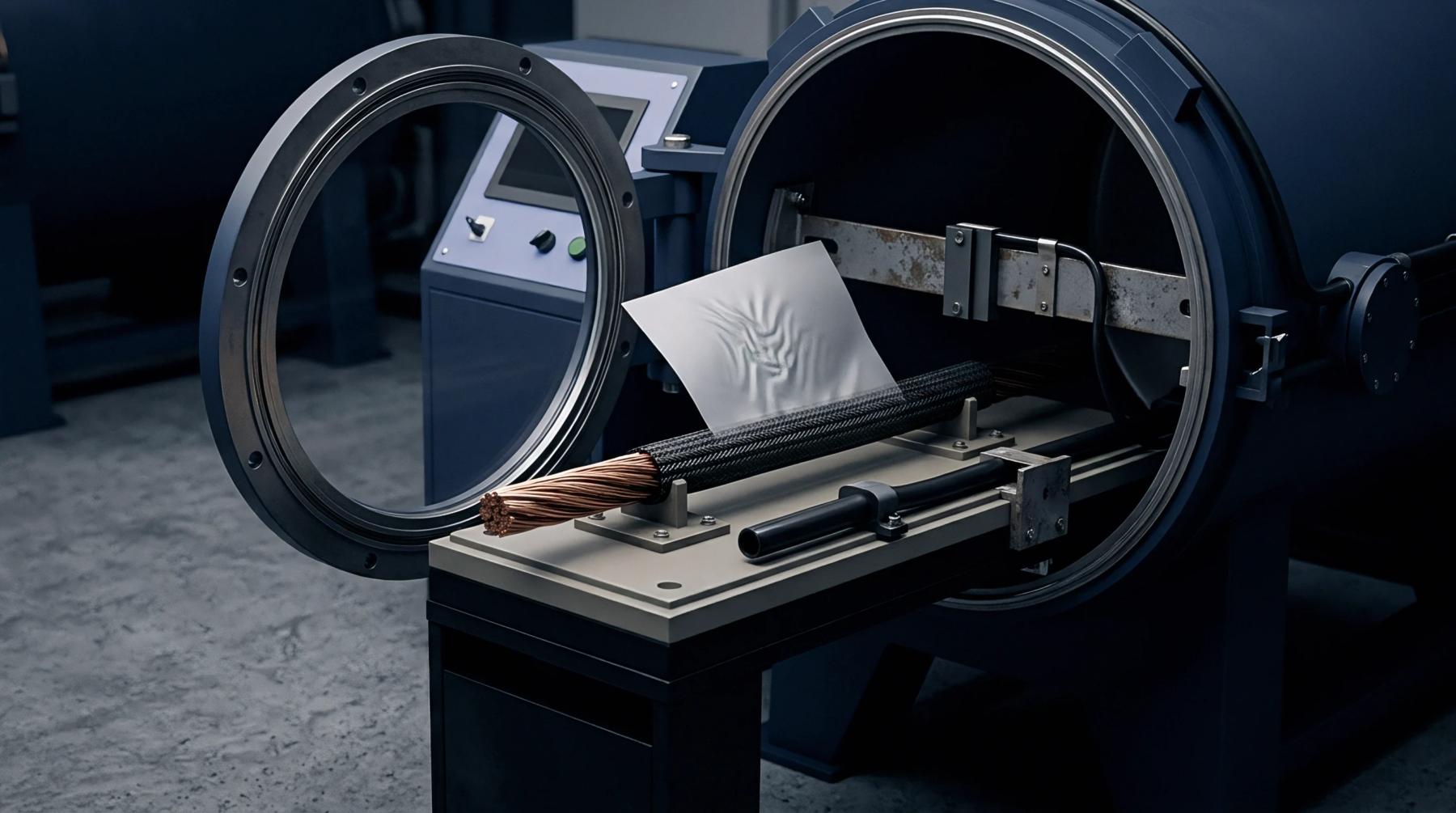
Vacuum brazed aluminum plate acceptance demands 100 percent inline ultrasonic C-scan inspection and helium leak validation below 10-6 mbar L/s to prevent field coolant leaks.
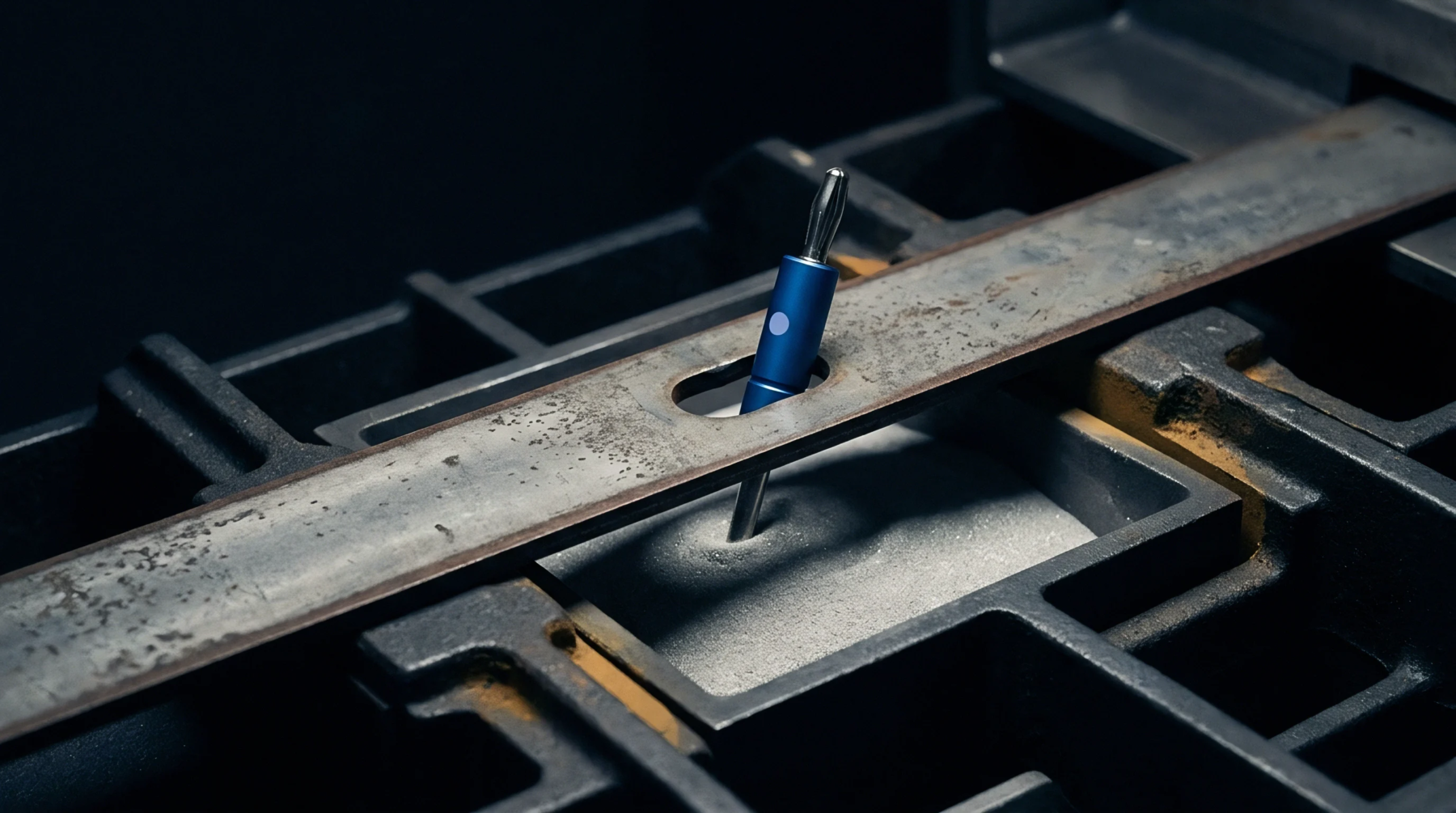
Four-wire Kelvin testing eliminates lead and contact resistance errors, enabling precise micro-ohm battery internal resistance measurement for cell grading.

Low-cycle strain life fatigue calculations govern high conductivity aluminum insert durability under rapid injection thermal shocks.

Electrochemical impedance transmission line modeling isolates micro-structural electrolyte salt depletion under continuous high-C discharge before voltage collapse.
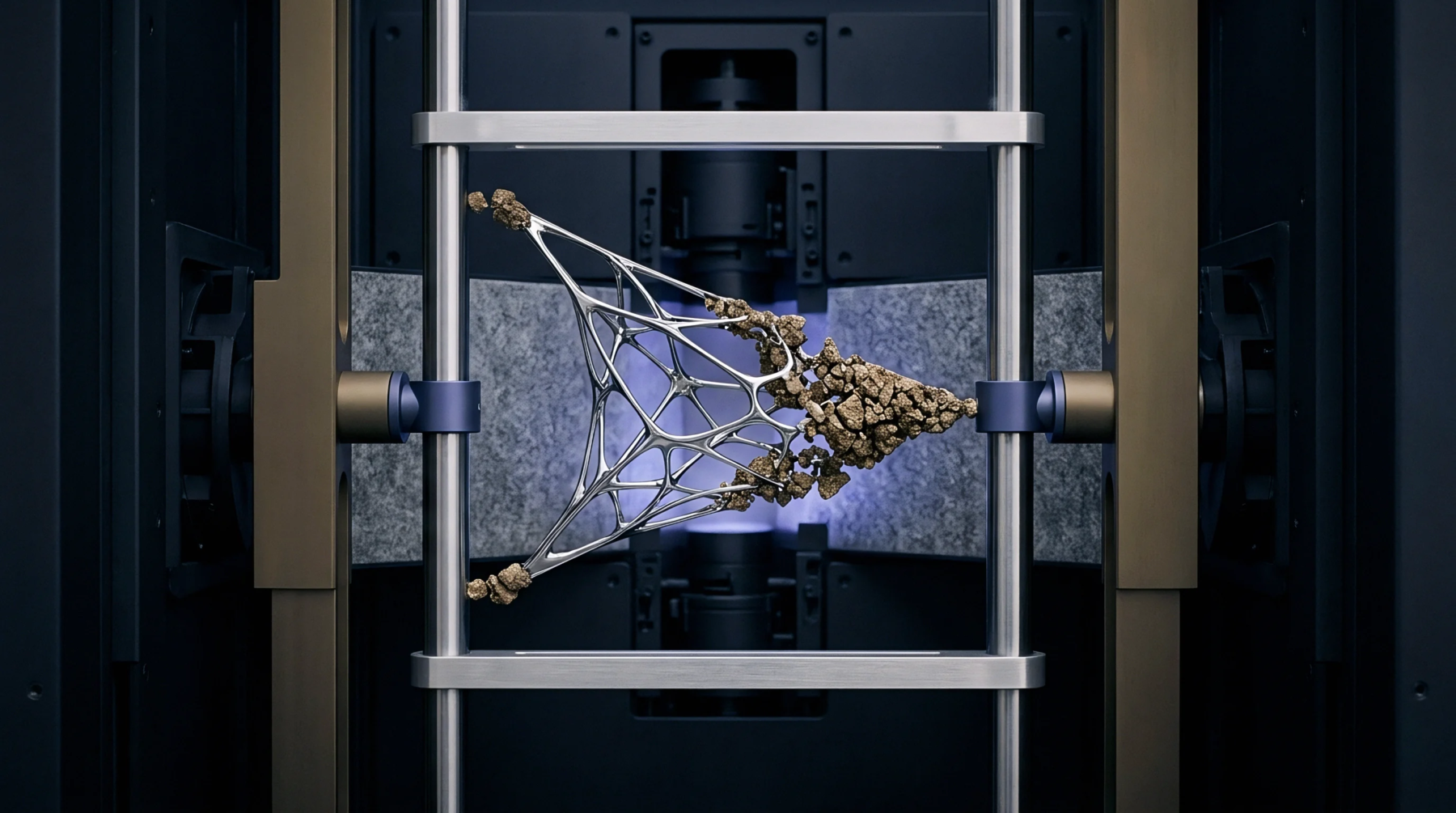
Inverse smearing matrix corrections stabilize multi-zone state estimation by regularizing ill-conditioned boundary matrices to reconstruct local core parameters.
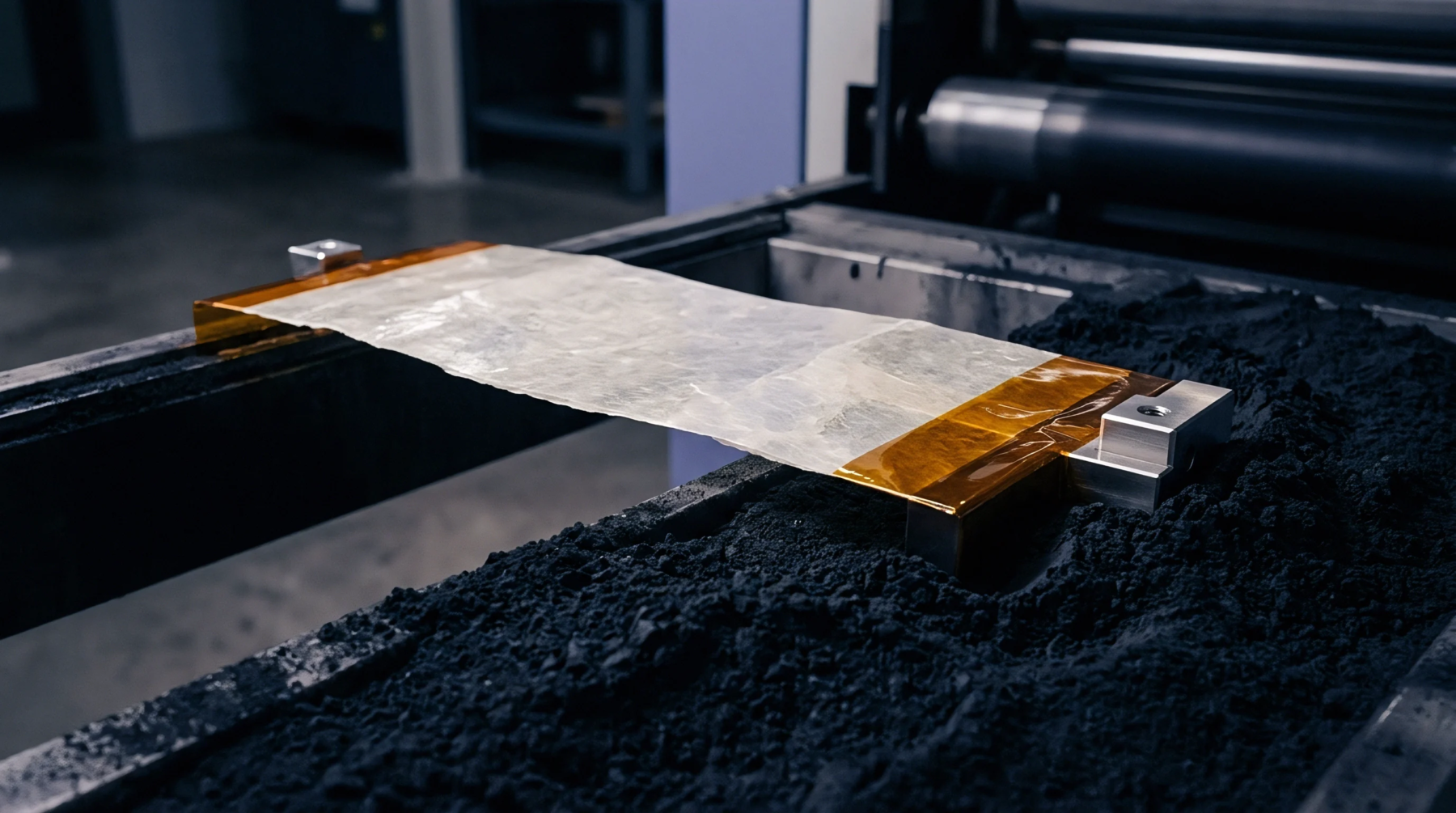
Thermomechanical strain relaxation at 1400 °C coupled with gas-phase defect passivation elevates hard carbon initial efficiency past 90 percent.
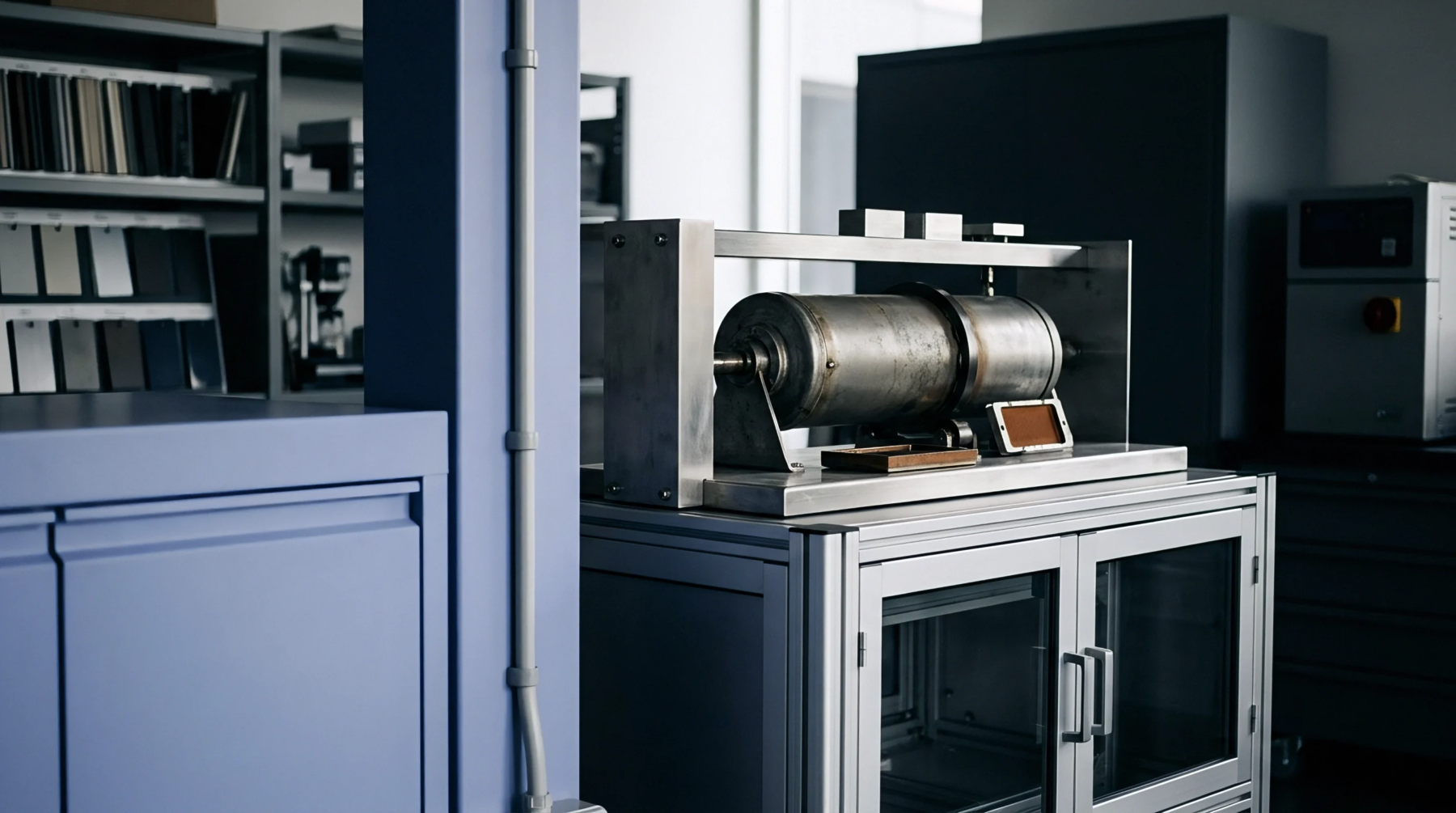
Differential capacity analysis extracts thermodynamic phase boundaries to deconvolve lithium inventory loss from active material degradation non destructively.

Polyolefin separator microstructures require correlated electron imaging, flow porosimetry, and transport testing to set baseline metrics that prevent cell short circuits.
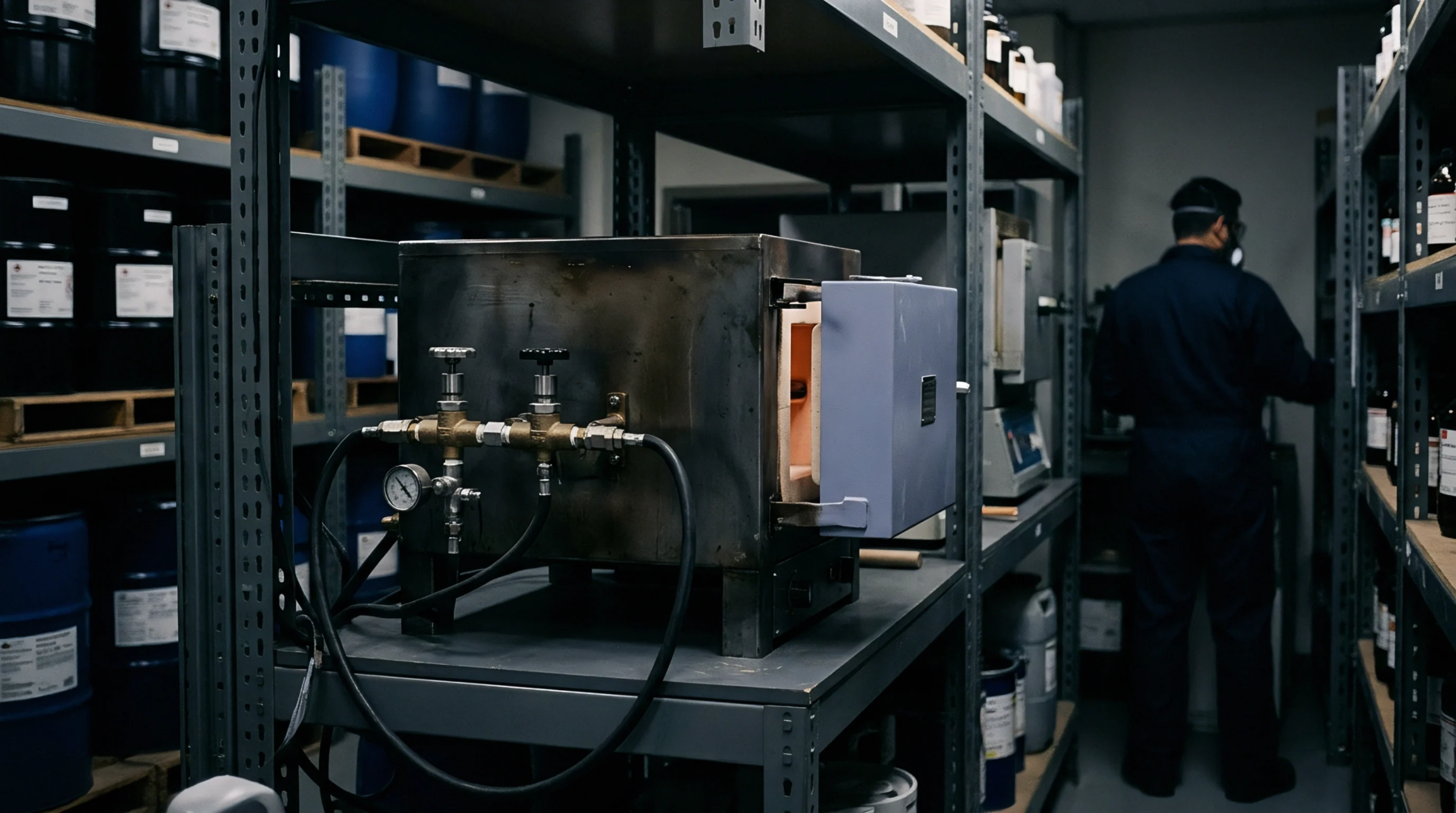
Thermal processing of hard carbon precursors regulates d002 interlayer spacing and closed microporosity to optimize sodium storage capacity and coulombic efficiency.

SAXS combined with contrast-matching solvent intrusion isolates closed pore volume loss during calendering to prevent over-compaction and lithium plating.

Optimize precursor pre-oxidation at 230-270 °C under 0.05 atm O2 to expand closed pore volume, achieving >220 mAh/g low-potential plateau capacity and >88% ICE.
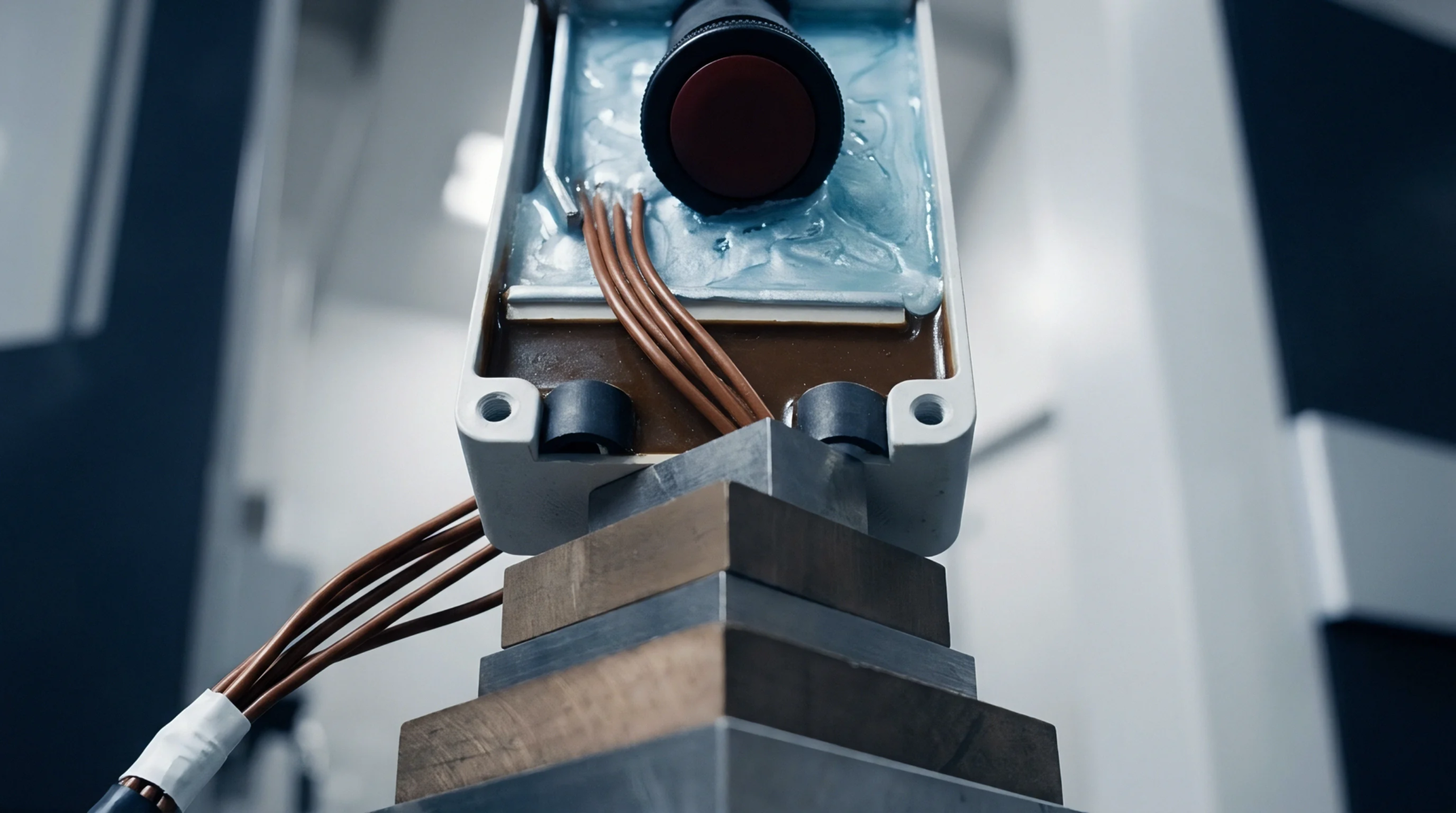
Entrapped inert gas expands inside softened tool steel matrix during post-HIP thermal cycles, requiring strict degassing and vacuum TIP testing to verify integrity.

UN 38.3 limits lithium cell solvent leakage during transport through strict mass loss thresholds and zero visual electrolyte loss criteria across T.1-T.8 tests.

Fast charging requires negative electrode potential monitoring above zero volts against lithium reference to prevent cell degradation and thermal risks.
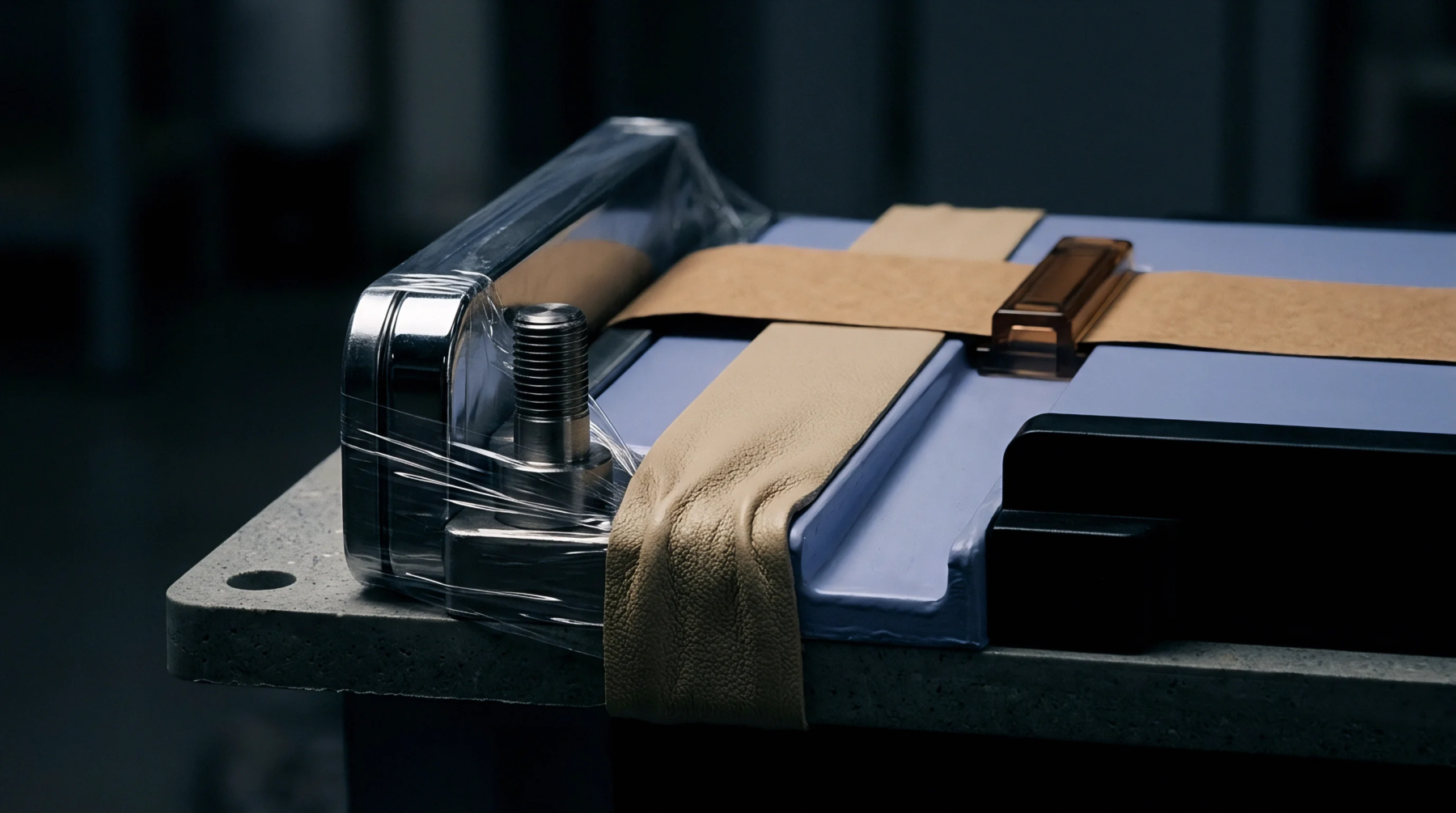
Foam compression set collapses baseline clamping force, shifting planar pressure to rigid edges, elevating thermal impedance, and risking tab fatigue.

Engineering high density battery enclosures requires sizing active exhaust rates to peak off-gas evolution and NFPA 68 vents to hydrogen-rich deflagration indices.
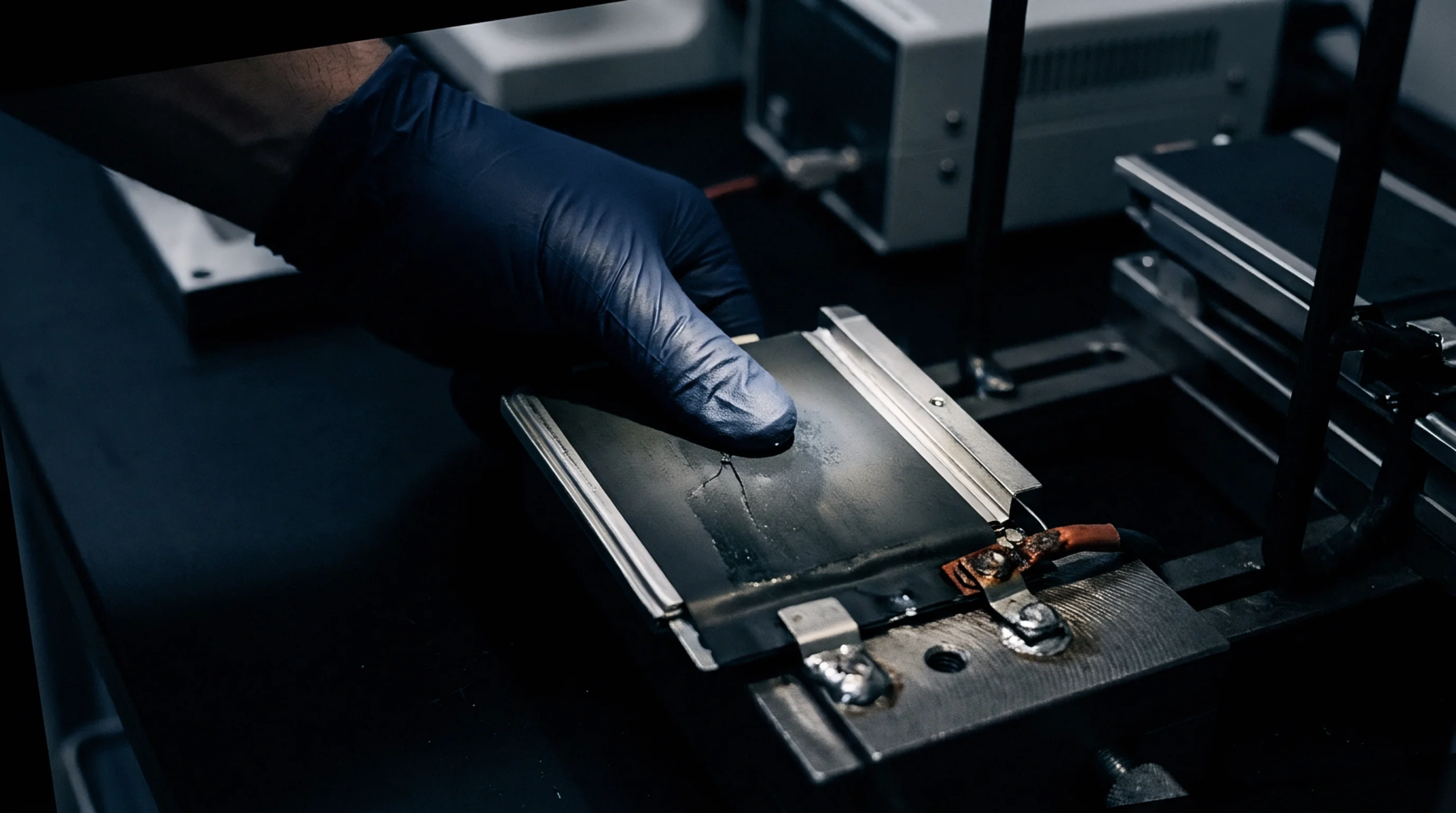
Unit-level UL 9540A test data unlocks reduced ESS clearances when peak heat release stays below 250 kW and target panel radiant flux remains under 1.5 kW/m².
Calendar capacity loss diagnostic separation isolates reversible lithium inventory depletion from permanent host lattice destruction to settle battery warranty liabilities.

Verify inbound cell compliance using ISO 2859-1 sampling, microvolt OCV screening, K-value decay tracking, and UN 38.3 audit chains before pack assembly.
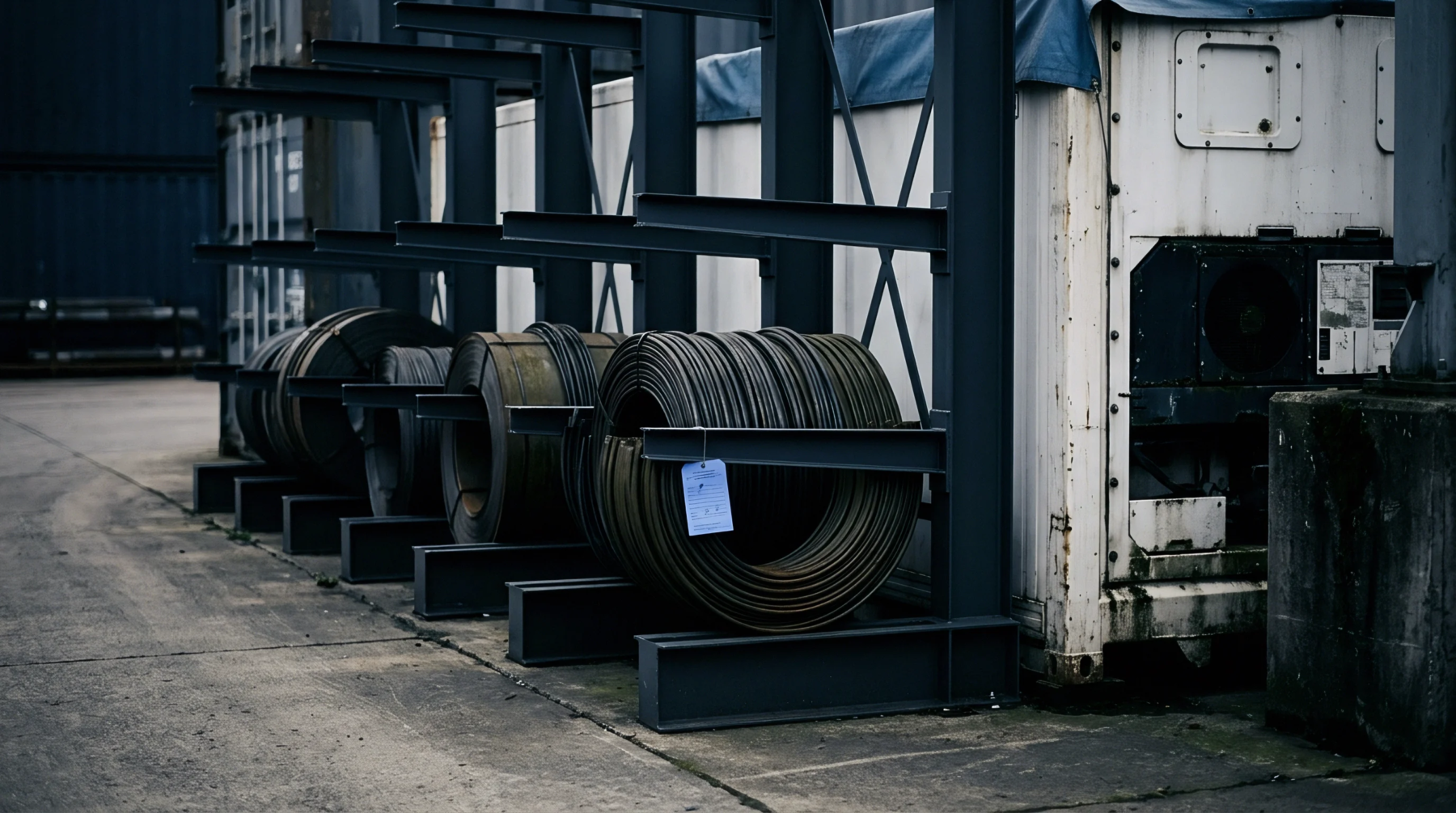
Quantifying ocean freight cell degradation requires tracking container micro-climates, modeling SEI growth, and enforcing baseline delta contract limits.

Electrolyte additive selection requires matching sacrificial reduction potentials and scavenger kinetics to electrode chemistries to control interphase growth.
Importers bear strict legal liability under dangerous goods regulations for invalid UN 38.3 certificates issued by unaccredited subcontracted laboratories.

Standardized cold weather thermal protocols prevent subzero lithium plating by aligning chamber soak times, charge derating, and impedance verification.

Automated off-gas screening detects lithium cell micro-venting by measuring alkyl carbonate vapors under altitude and thermal transport stress before thermal runaway occurs.

Powder metallurgy tool steels with cryogenic phase stabilization eliminate edge chipping and cut amortized tooling costs by over eighty percent in battery dies.
Expertise is a utility, not a secret. sentiention™ publishes its working knowledge as open reference: intelligence layer covering the materials it sources, the markets it enters, and the reference that serves both.