Meaning
Lithium battery transport regulations dictate the specific conditions under which cells and batteries move safely through global aviation networks by air. The protocol iata pi 965 provides the framework for shipping standalone lithium ion cells and batteries that do not come packed with or contained in equipment. Cargo operators apply these safety constraints to prevent thermal runaway incidents during transit in aircraft holds.
Compliance relies on strict adherence to state of charge limits and package integrity requirements. Exporters verify energy density thresholds to determine whether a shipment falls under the restrictive scope of section ia or the lighter mandates of section ib or section ii. Shipping lithium ion cells under this rule requires adherence to rigorous testing standards that confirm electrical safety during pressure changes at altitude.
Packaging Requirements
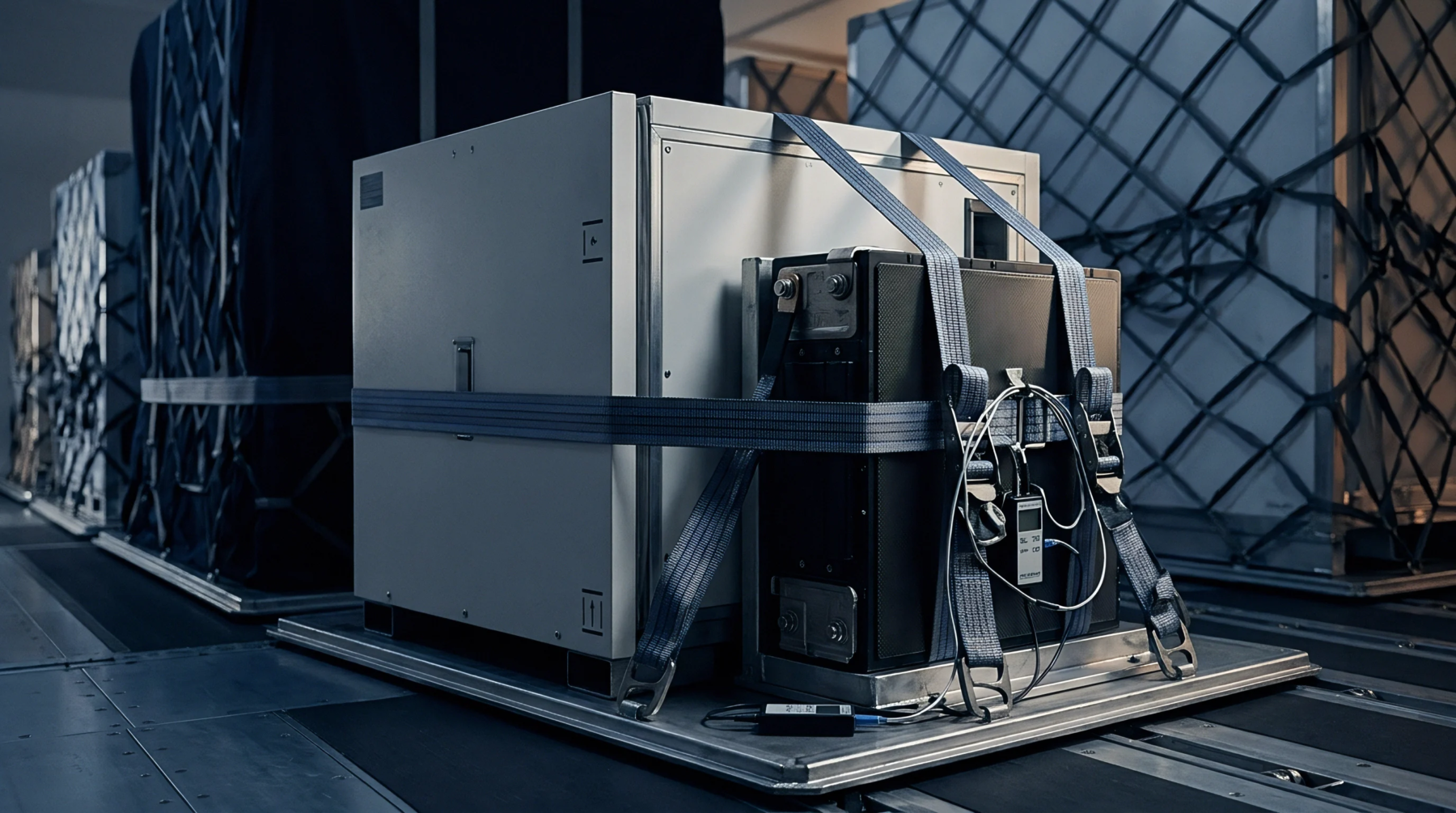
Shippers categorize consignments by mass and energy capacity to ensure airframe protection. A package containing batteries under iata pi 965 must withstand standard vibration and shock without short circuits or electrolyte leakage. Outer cartons protect against crushing or piercing during the sorting process in cargo hubs.
Operators mandate that each battery terminal remains isolated to prevent contact with conductive surfaces. Specialized thermal materials cover the batteries to mitigate fire risks while in the air. These containers follow weight limits calculated by the total energy content of the cells inside.
Testing verifies that the protective layers manage heat effectively if a single cell fails. Proper labeling confirms the contents conform to the declared safety category.
Consignment Logic
Strict weight limits apply to every individual package to prevent excessive fuel loads of hazardous material on a single flight. Aircraft pilots receive specific notification of dangerous goods when iata pi 965 shipments arrive on the manifest. Loading teams segregate these units from flammable materials to avoid compounding fire hazards in the hold.
Ground staff conduct inspections of the outer seals to check for signs of damage before the plane departs. Documentation accompanies every shipment to show that the batteries meet the criteria for safe transport at their current state of charge. Aviation authorities enforce these rules through random checks at terminals to ensure the integrity of the supply chain.
Airlines reserve the right to refuse packages that lack sufficient safety data or proper physical barriers.
Operational Boundaries
Compliance with iata pi 965 ends when the carrier delivers the package to the final destination facility or ground handler. Beyond this point the aviation safety rules yield to local regulations governing the storage and handling of consumer goods. These requirements do not apply to batteries that reach the consumer inside finished equipment such as laptops or mobile phones.
Lithium metal batteries require a separate set of rules because they differ in chemical composition and fire behavior. High capacity industrial units face extra hurdles that differ from the standard small format cells. Rules regarding state of charge ensure that batteries remain inert during the flight path.
Total compliance with these standards minimizes the likelihood of fire damage to commercial aircraft.