
Writing an MSDS That Survives a Customs Inspection
Surviving a customs safety inspection requires exact alignment between Section 3 composition, Section 9 physical properties, and Section 14 transport codes.
Surviving a customs safety inspection requires exact alignment between Section 3 composition, Section 9 physical properties, and Section 14 transport codes.
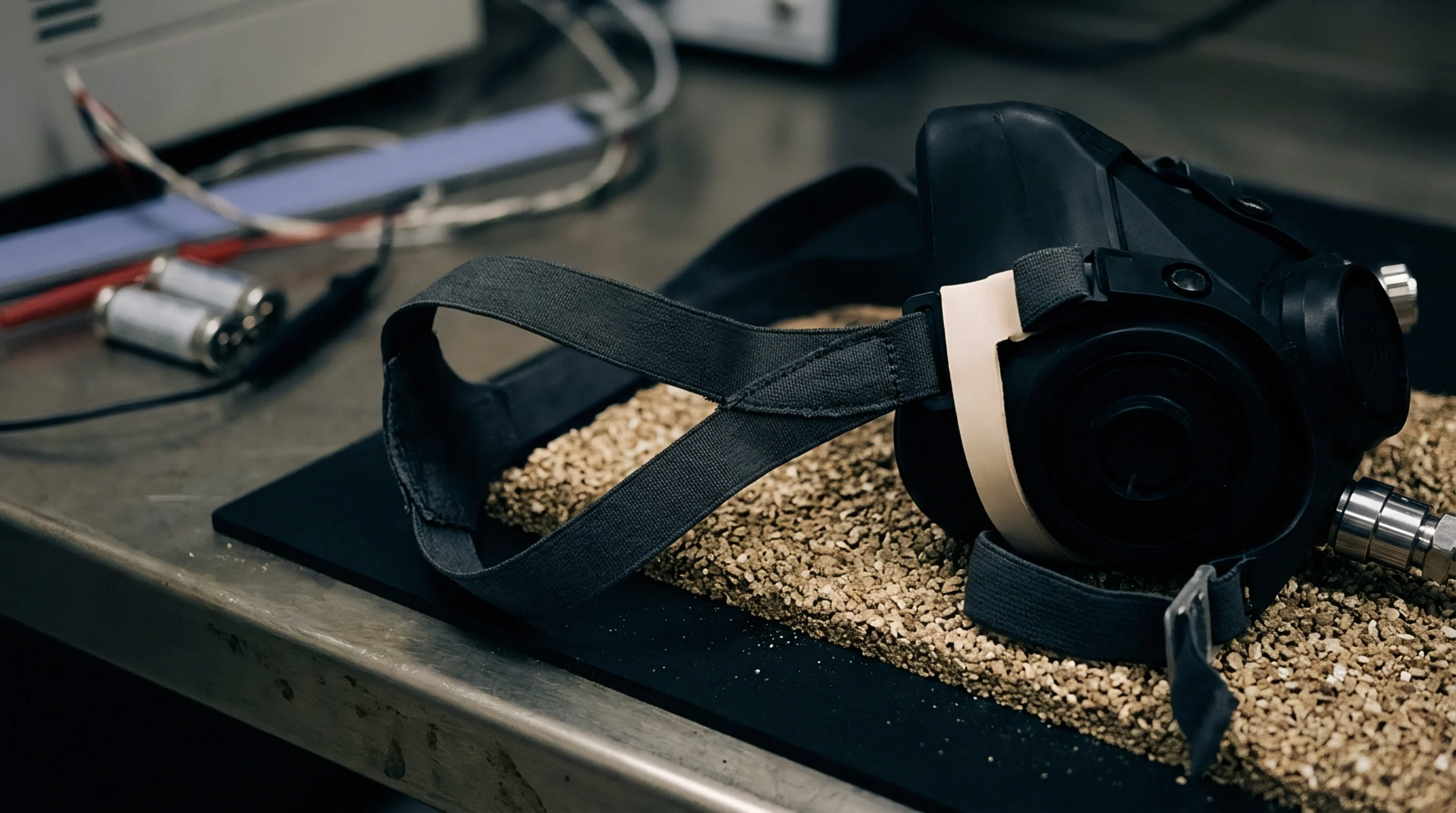
Transport certificates for fresh cells fail to cover chemically aged stock, exposing buyers to severe maritime customs rejections and uninsured liability.
Transit delays drive cell degradation and document expiry, requiring clear contract clauses to shift re-certification and scrap liabilities to suppliers.

Importers placing cells on the EU market must track staggered deadlines under Regulation 2023/1542 to ensure customs clearance and legal compliance.
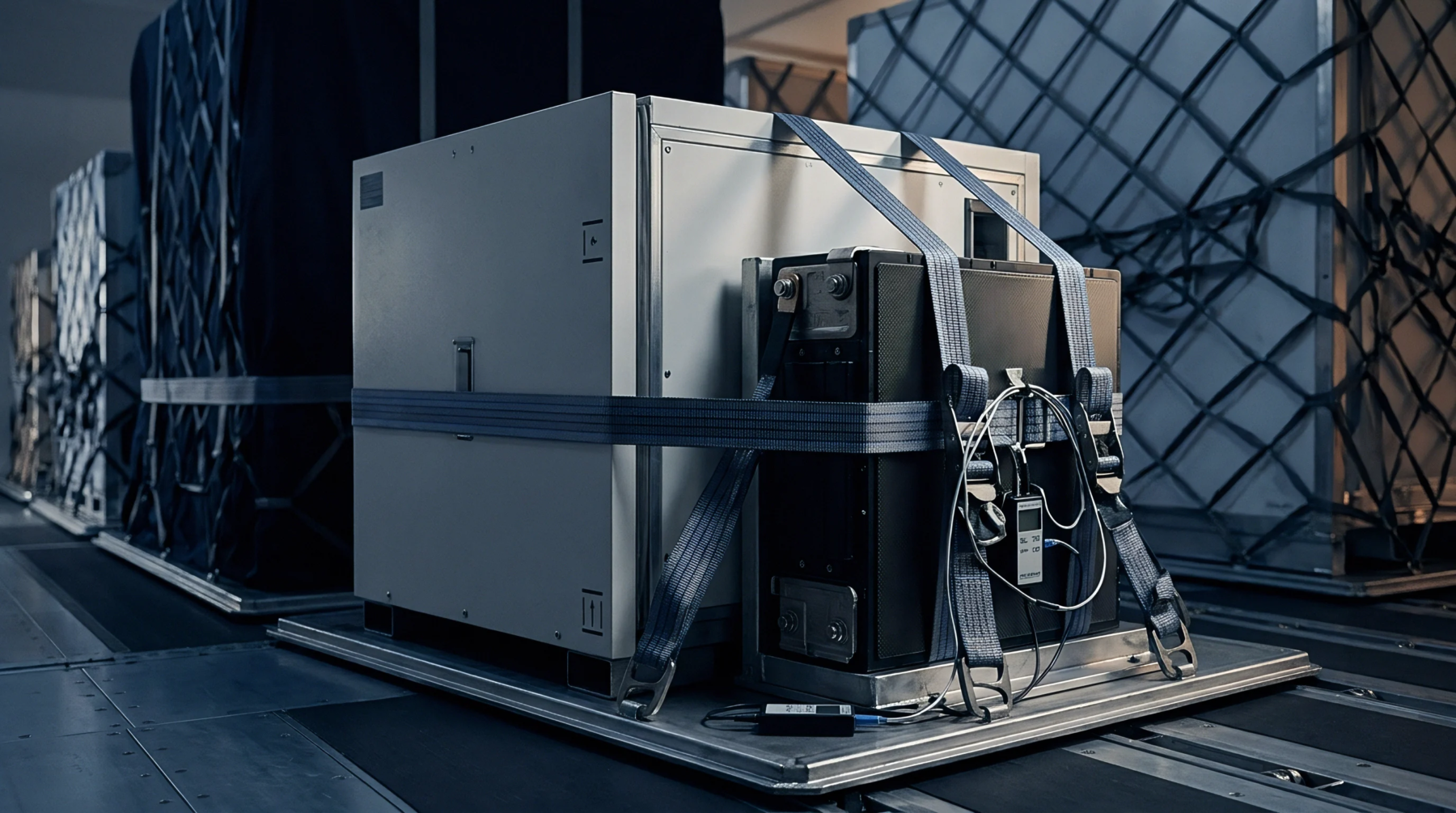
Lithium cell shipments require UN 38.3 bench qualification, 30 percent state-of-charge air caps, Class 9 packaging, and verified 10-field test summaries.
Unverified third-party battery test scopes leave importers legally liable for transport fines, customs seizures, and uninsurable thermal failures.
Electrolyte additive depletion accelerates cathode rock-salt phase shifts, raising charge transfer impedance and triggering transport safety failures.

Cross-border cell inspection demands dockside atmospheric auditing, 4-point Kelvin impedance profiling, loaded metrology, and ANSI Z1.4 lot sampling.
Local intercalation overpotentials in large format cells force anode potentials below 0V vs Li/Li+, causing lithium plating long before terminal voltage limits.
Non-compliant lithium cell transport certification exposes importers of record to strict regulatory fines, cargo detention costs, and unindemnified marine insurance losses.

Structure custom pack sourcing by retaining mechanical IP and UN 38.3 file ownership while negotiating cell-direct contract manufacturing terms.
Customs holds on non-compliant cell shipments generate compounding dangerous goods demurrage fees that require enforceable supplier indemnities and payment holdbacks.
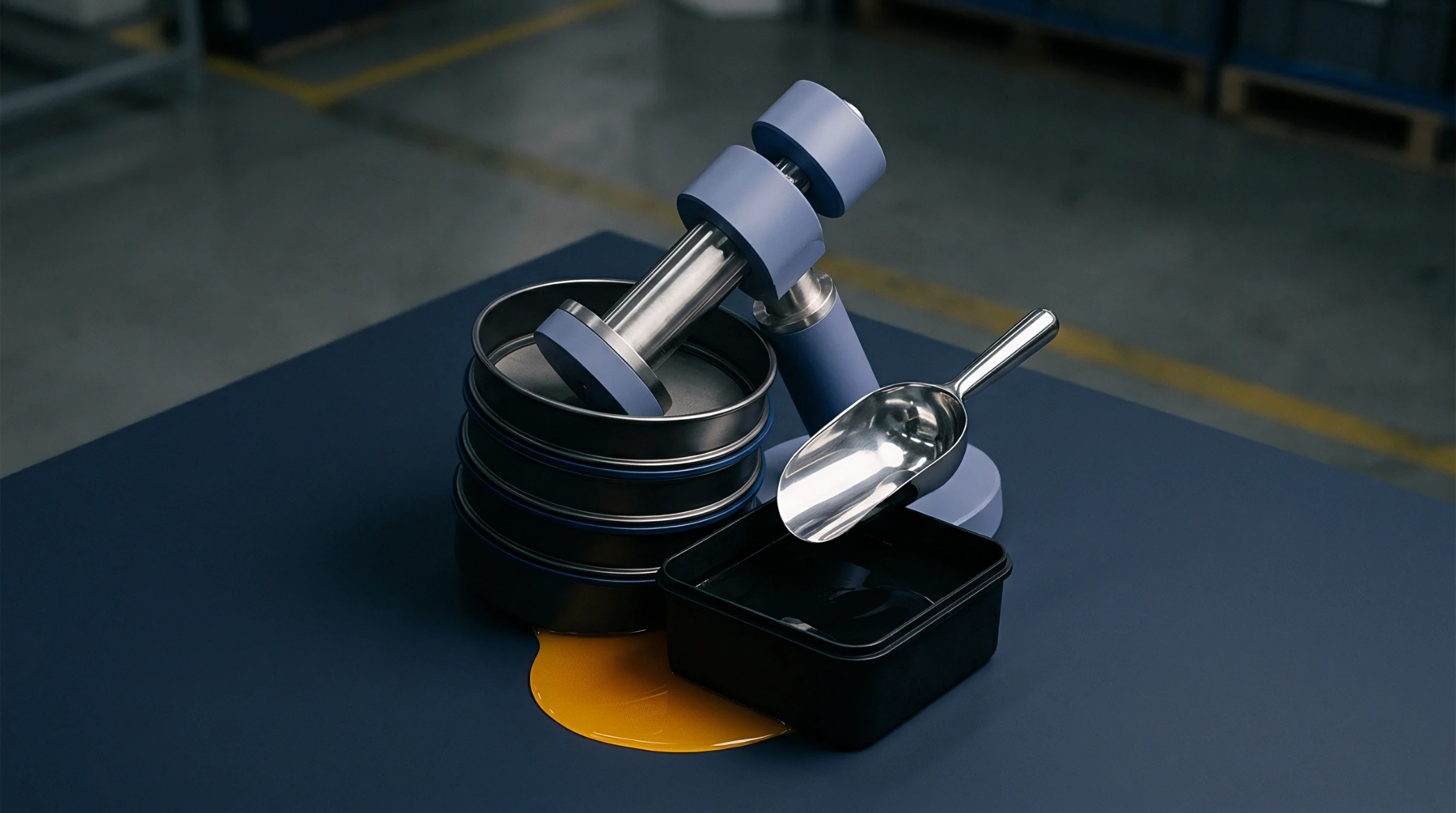
Enforce zero-acceptance sampling plans and 48-hour thermal soak protocols on imported prismatic cell lots to prevent non-conforming units from entering pack production lines.
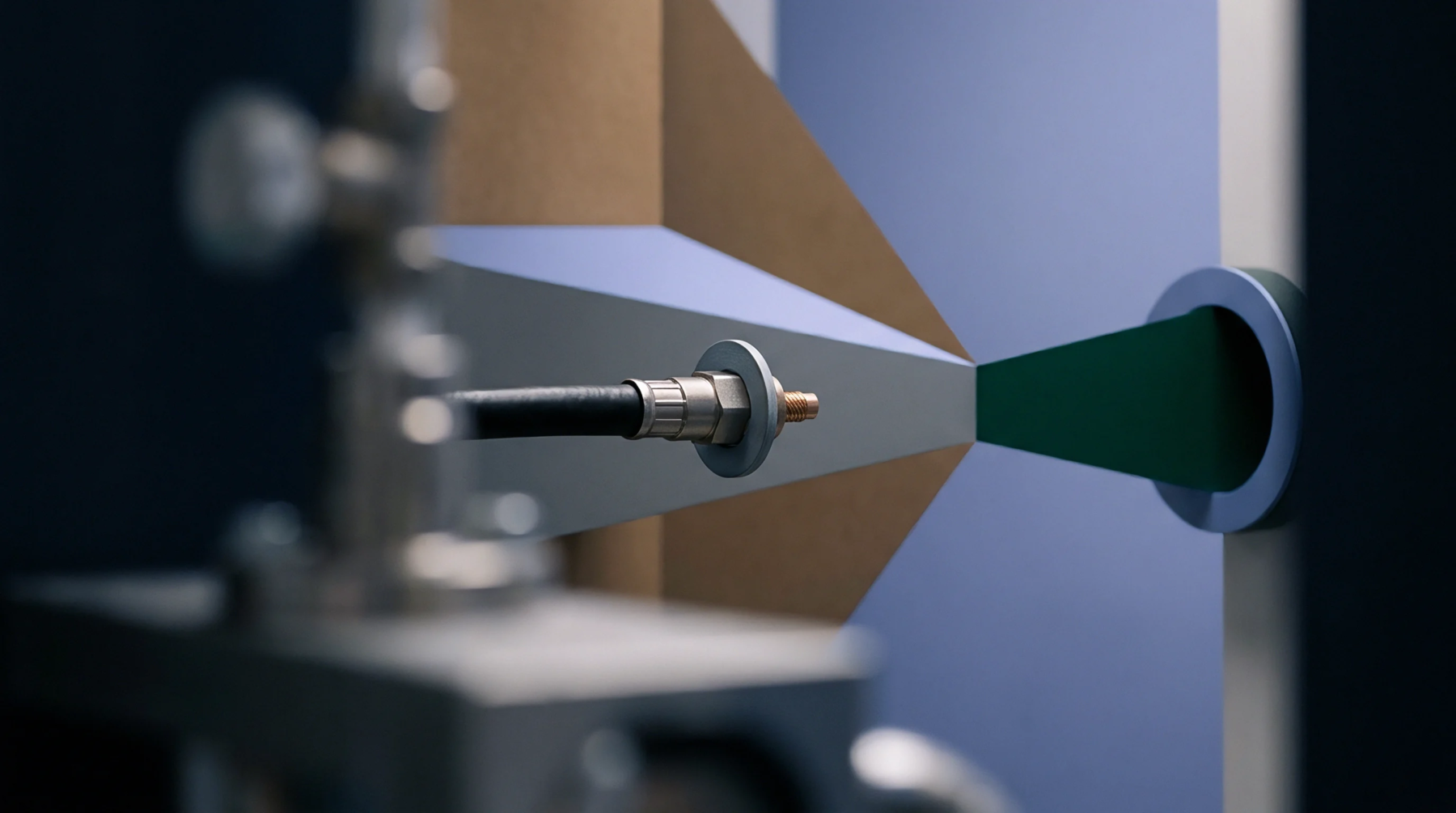
Inline helium mass spectrometry detects sub-micron battery envelope leaks down to 10-8 mbar l/s, preventing moisture-induced HF corrosion and solvent loss.

Verify inbound cell compliance using ISO 2859-1 sampling, microvolt OCV screening, K-value decay tracking, and UN 38.3 audit chains before pack assembly.
Cross-border market surveillance enforcement targets domestic importers directly, requiring pre-funded bank guarantees and authenticated safety dossiers for recourse.

Customs clearance for imported cells requires an authenticated UN 38.3.5 test summary, compliant SDS, and validated laboratory scopes to pass border entry audits.

Subcontracted battery test summary defects trigger customs seizures, exposing importers to demurrage and fines solvable only via uncapped indemnities.
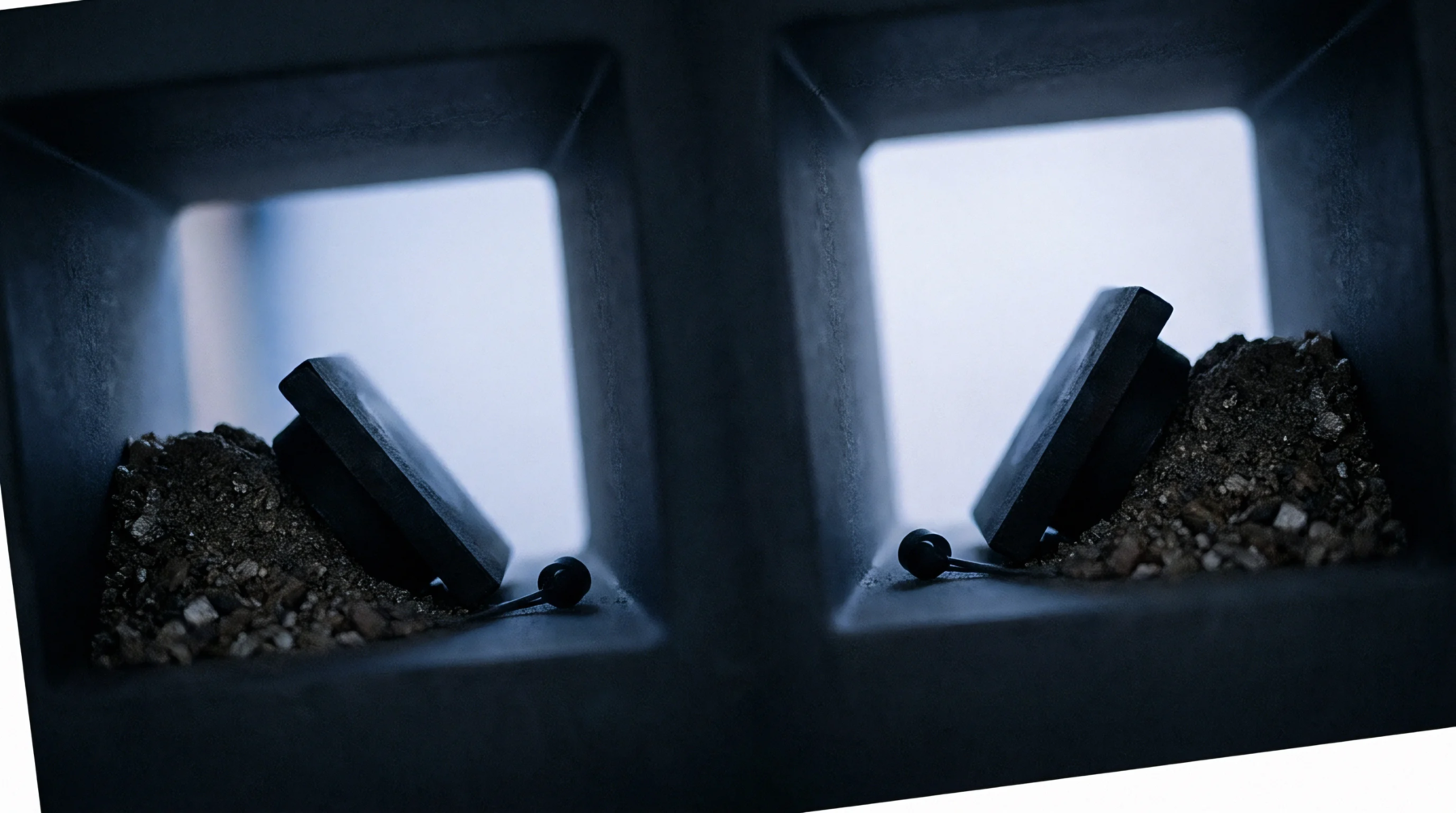
Solvent egress quantification demands micro-gravimetric balance tracking with air buoyancy corrections and chemical speciation to verify hermetic seal limits.

Closing the gap between certified designs and shipped batches demands rigorous incoming statistical acceptance sampling, teardowns, and strict contract limits.

Subzero fast charging forces severe SEI fracture and lithium plating, creating internal short risks that invalidate standard UN 38.3 safety credentials.

Local overpotential gradients drive localized anode plating in high-capacity prismatic cells, requiring edge-welded tab designs and precise voltage margins.

Auditing battery laboratory accreditations requires matching exact test standards against ISO 17025 scopes while enforcing drift limits on cell data.
Contractual risk transfer for battery logistics requires strict UN 38.3 documentation covenants, state-of-charge limits, and un-capped seller indemnities.
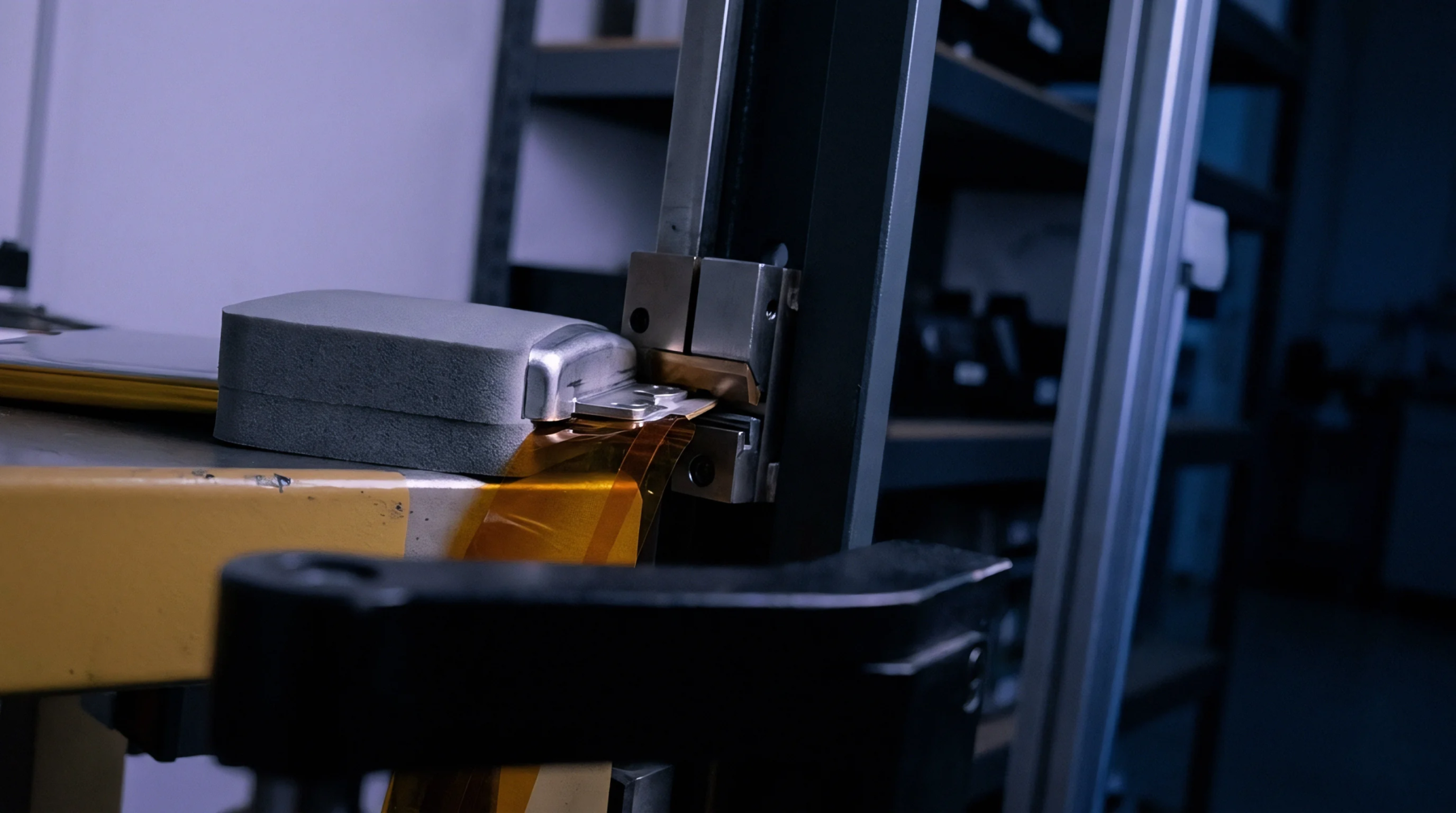
Multi-tab current imbalance distorts capacity derivative peaks, requiring rate-scaled differential voltage filtering to isolate true active material degradation.

Off-the-shelf battery assembly selection requires auditing cell impedance matching, verifying continuous thermal limits, and locking the bill of materials.
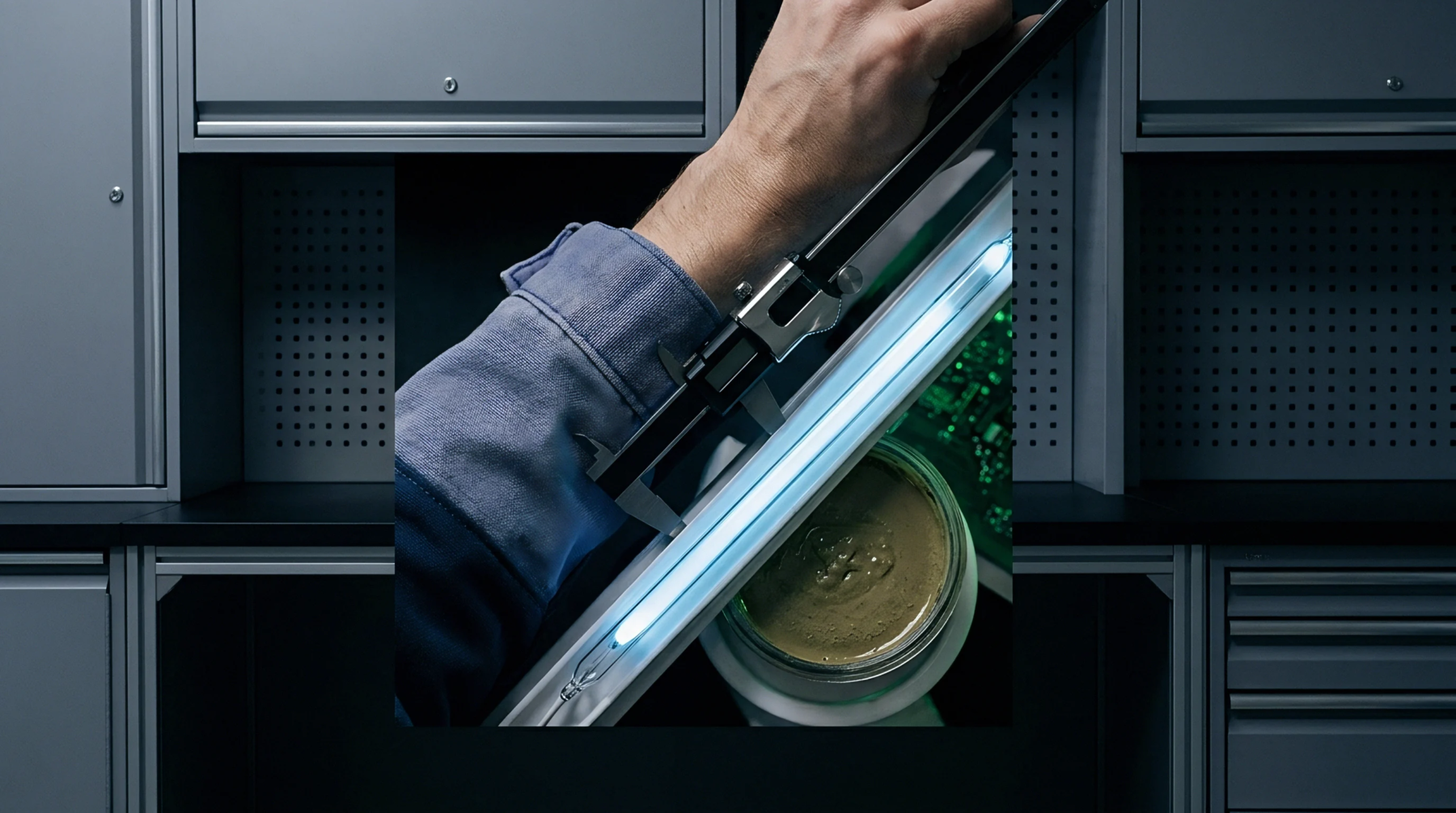
Sacrificial electrolyte additives stabilize high-nickel cathode surface phases by forming inorganic passivation films that inhibit nickel reduction and oxygen gas release.

Custom pack sourcing demands explicit engineering stack-up allowances for cell swell alongside contractual assignment of compliance dossier ownership.
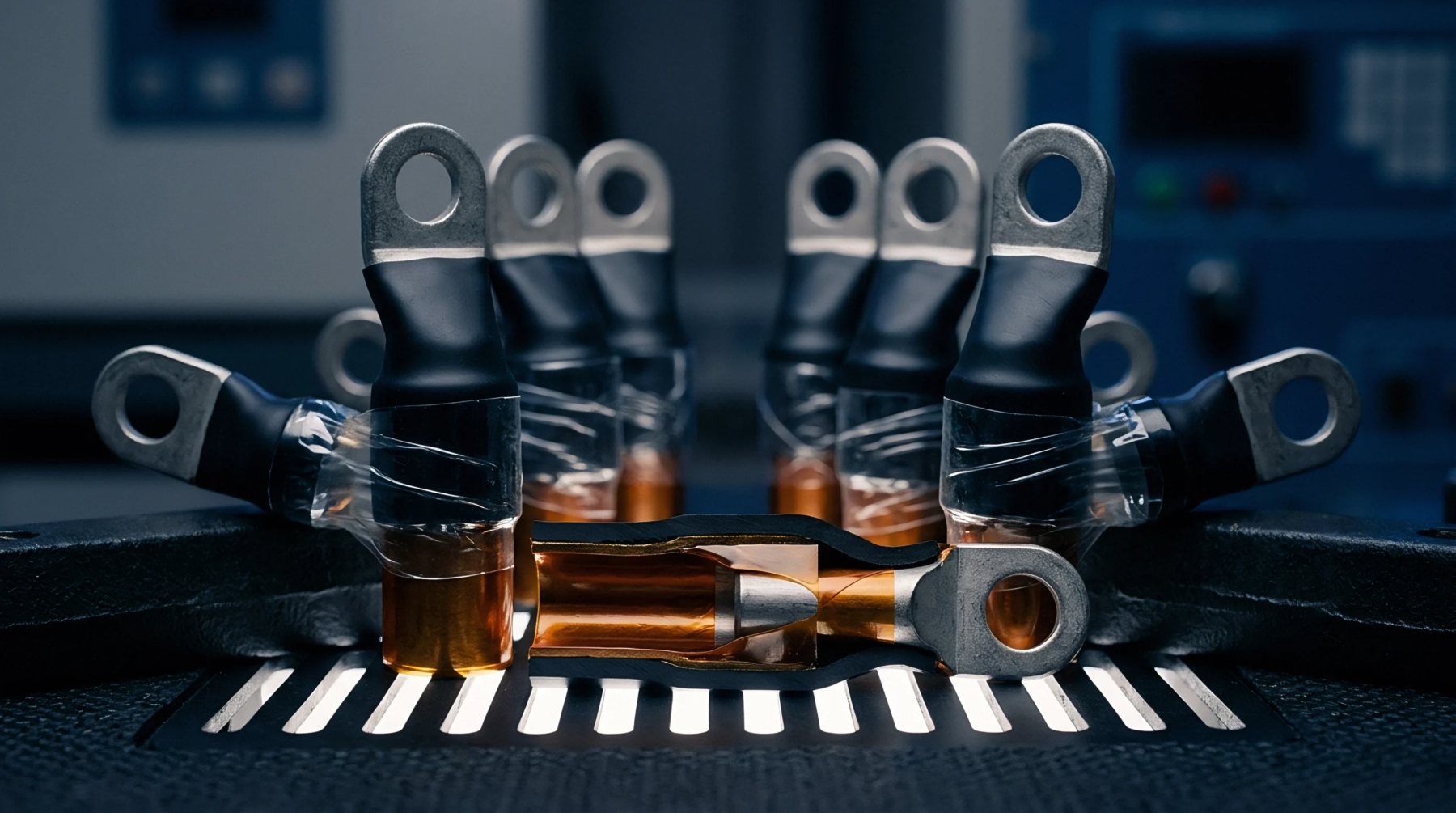
Importers mitigate cross-border forged lab schedules by enforcing primary ISO 17025 direct testing, independent ILAC verification, and escrow gates.

Cathode transition metals leach via acid attack during warm storage, migrating through polyolefin separator pores to degrade anode SEI and escalate K-value self-discharge.
Expertise is a utility, not a secret. sentiention™ publishes its working knowledge as open reference: intelligence layer covering the materials it sources, the markets it enters, and the reference that serves both.