
Argon Gas Pressure Calibration in Atomization Nozzle Systems
Dynamic argon pressure calibration stabilizes supersonic nozzle shock structure, locking particle size distribution and protecting additive powder yields.

Dynamic argon pressure calibration stabilizes supersonic nozzle shock structure, locking particle size distribution and protecting additive powder yields.

Sacrificial cathode additive kinetics dictate sodium cell formation time, gas volume, and interphase impedance, governing plant CapEx and landed cost per kWh.

Applying targeted dynamic platen pressure suppresses interfacial void formation by forcing viscoplastic lithium creep backfill to match electrochemical stripping fluxes.

Subzero fleet battery warranties require high-frequency edge telemetry capturing transient overpotentials to defend claims against lithium plating denial excuses.

Validating ISO 17025 ILAC accreditation scopes for UN 38.3 test summaries before shipment prevents carrier refusals and port impoundments.

Quantifying tool steel carbide banding via ASTM E1268 stereology prevents micro-chipping and premature fracture in high-takt battery cell stamping dies.

LFP capacity fade originates from lithium inventory loss at the anode interface, requiring strict dockside screening and precise SOC calculation for freight compliance.

Solid-state prismatic cell swelling generates edge rotation bending strain at header weld roots, requiring wobble laser trajectories and compliant header contours to prevent premature fatigue failure.

Early lithium cell resistance rise stems from passive layer growth and cathode microcracking, shifting procurement risk to initial DCIR specifications.

Hardware level microsecond timestamp synchronization eliminates false impedance spikes and secures compliant battery cell qualification data integrity.

Electro-slag remelting reduces non-metallic inclusions below three micrometers, suppressing micro-crack initiation along carbide bands under cyclic shear.

Silicon anode lithiation requires voltage cutoff management above 50 mV vs Li/Li+ to prevent c-Li15Si4 crystallization and severe mechanical capacity loss.

Shear-thinning gap filler viscosity drops under high dispense shear rates, requiring dynamic force control during module squeeze to prevent voids and structural cell damage.

Argon void modeling links powder atomization physics to HIP kinetics, allowing buyers to set strict gas limits that prevent tool strength loss.

Unrelaxed solid-phase lithium concentration gradients skew surface OCV lookups, introducing severe SOC errors that demand dynamic diffusion observers to prevent premature cutoff.

LFP cell voltage relaxation spans milliseconds to weeks, requiring structured rest periods to separate kinetic polarization from factory K-value self-discharge.

Importing lithium batteries demands verifying UN 38.3.5 test summaries, ISO 17025 lab scope, state of charge limits, and importer dossier records.

Anode potential suppression below zero volts triggers irreversible lithium plating during sub-zero fast charging, requiring closed-loop potential control.
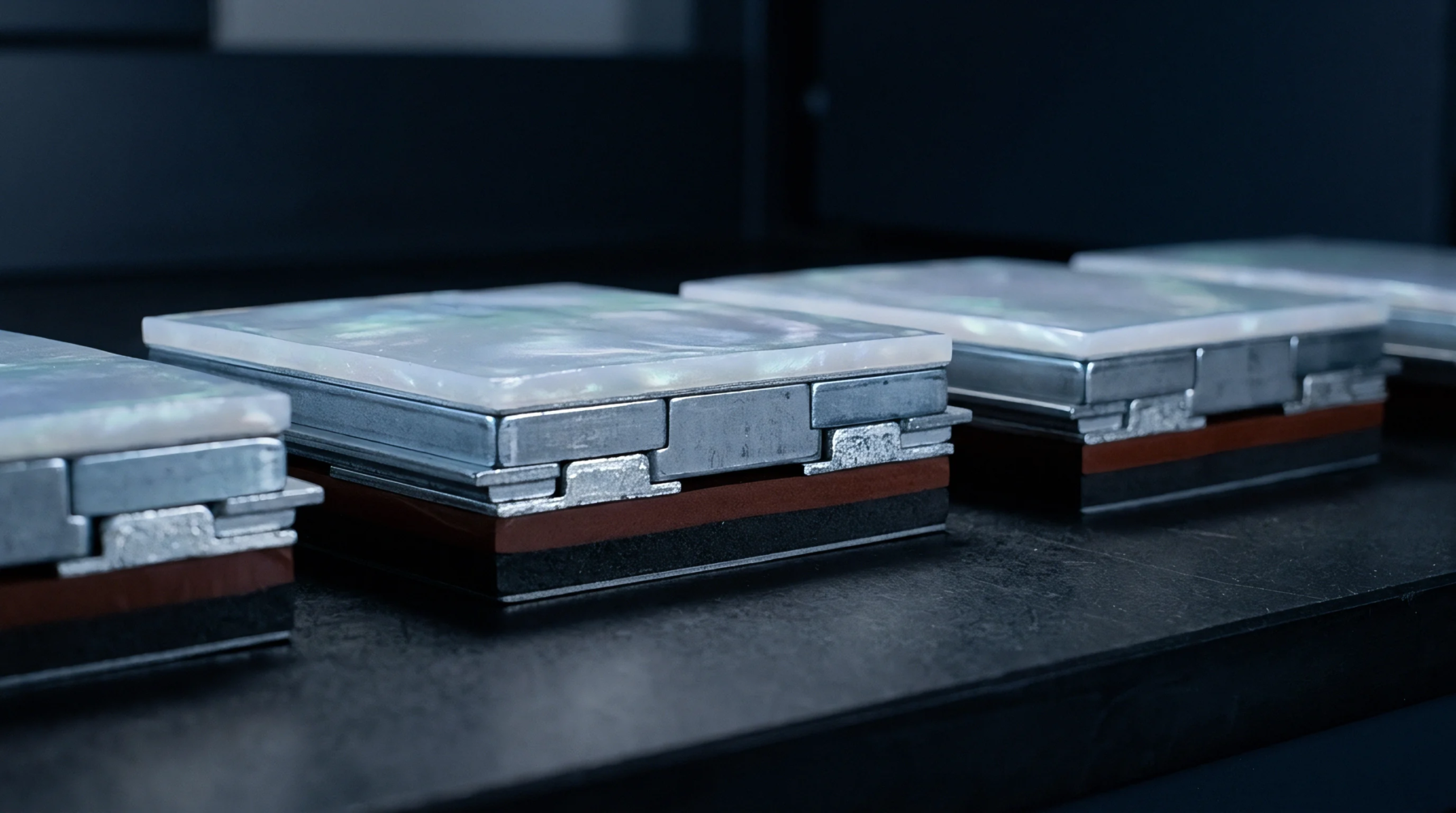
Dynamic dynamic dynamic vibration reduces lubricated separator shear transfer, driving micro-crack tearing and internal shorts unless stack pressure is held above 0.25 MPa.

Bio-derived hard carbon performance depends on biopolymer ratio selection, acid demineralization, controlled carbonization temperatures, and surface passivation to maximize low-potential plateau capacity while maintaining high initial Coulombic efficiency.

Direct anode potential tracking prevents sub-zero lithium plating by dynamically modulating charge current to hold graphite surface potential above zero volts vs Li/Li+.

Sub-zero charging forces graphite overpotential past zero volts, causing lithium plating that demands dynamic BMS C-rate derating to prevent rapid battery fade.

Modeling solute trapping kinetics during droplet cooling establishes exact gas atomization parameters to freeze supersaturated alloy phases for high-life battery anodes.

Internal argon trapped during atomization expands under heat treatment, requiring strict desorption limits to prevent thermally induced porosity.

Stationary battery storage baseline rules mandate a three-foot separation between units unless UL 9540A testing proves heat flux stays under critical thresholds.

Verify cross-border cell shipments at receiving docks using standardized DCIR pulse tests, platen compression gauges, and strict AQL sampling before invoice payment.

High temperature storage accelerates iron dissolution and anode migration in prismatic cells, causing self-discharge, SEI breakdown, and irreversible capacity loss.

Continuous hard carbon graphitization requires tight thermal control to preserve closed nano-cavities, while pre-sodiation economics rely on holding web yield above 96 percent.
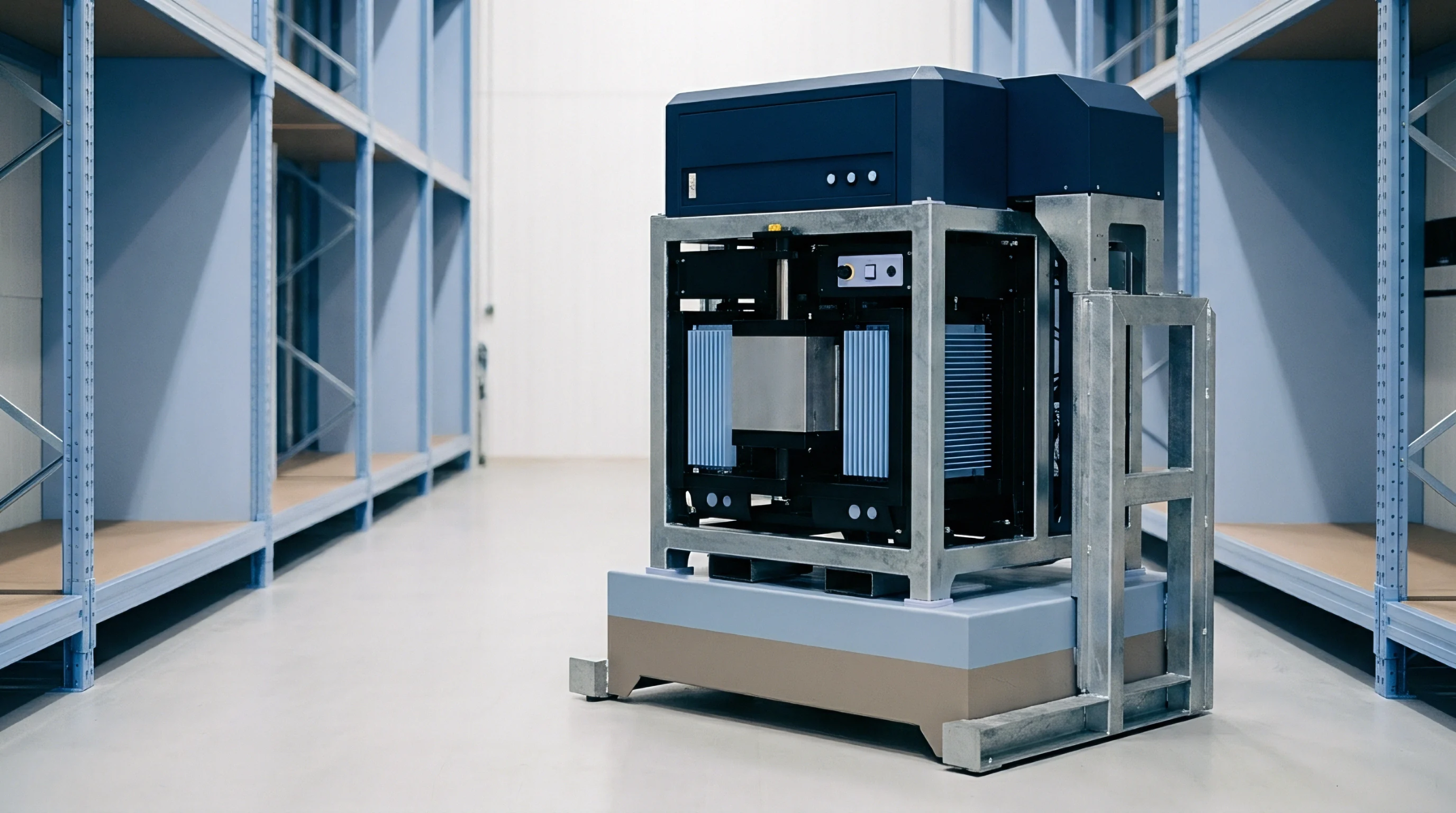
Customs holds on non-compliant cell shipments generate compounding dangerous goods demurrage fees that require enforceable supplier indemnities and payment holdbacks.

Hazardous goods audit frameworks require verified UN 38.3 test summaries, strict state of charge caps, and compliant packaging to ensure legal transport authorization.
Expertise is a utility, not a secret. sentiention™ publishes its working knowledge as open reference: intelligence layer covering the materials it sources, the markets it enters, and the reference that serves both.