
Helium Leak Rate Conversion for Pouch Cell Seals
Convert helium leak rates to air and moisture ingress rates by identifying the microchannel flow regime using Knudsen numbers to calculate 10-year cell degradation.

Convert helium leak rates to air and moisture ingress rates by identifying the microchannel flow regime using Knudsen numbers to calculate 10-year cell degradation.

Dynamic module pressure retention requires continuous dynamic strain compensation to prevent lithium metal anode degradation and structural pack housing fatigue.

Electrolyte solvent headspace analysis detects micro-leaks down to 1E-8 mbar L/s by quantifying vaporized carbonate signatures from battery seal fissures.

Dynamic tracking of graphite anode potential prevents sub-zero metallic lithium plating by throttling charging current before interfacial overpotentials breach 0V.
Resolving subsurface oxygen vacancy kinetics requires stabilizing the cathode surface lattice to prevent impedance spikes, thermal hazards, and transport bans.

Spectroscopic verification standards establish mandatory structural phase and valence metrics to prevent cathode degradation failures in cell qualification files.
Digital filtering in cycler logs is identified by autocorrelation in voltage residuals, digit frequency shifts, and artificial collapse of variance floors.
Raw cycler time-series auditing prevents early cell degradation failures by catching synthetic test curves and unaccredited regulatory paperwork.
Vacuum brazed aluminum cooling plates fail under coupled multi-axial creep-fatigue when pressure pulses interact with static cell swelling constraints.

Verify ISO/IEC 17025 lab accreditation before issuing cell purchase orders to ensure cross-border transport document legality and protect against customs detention.
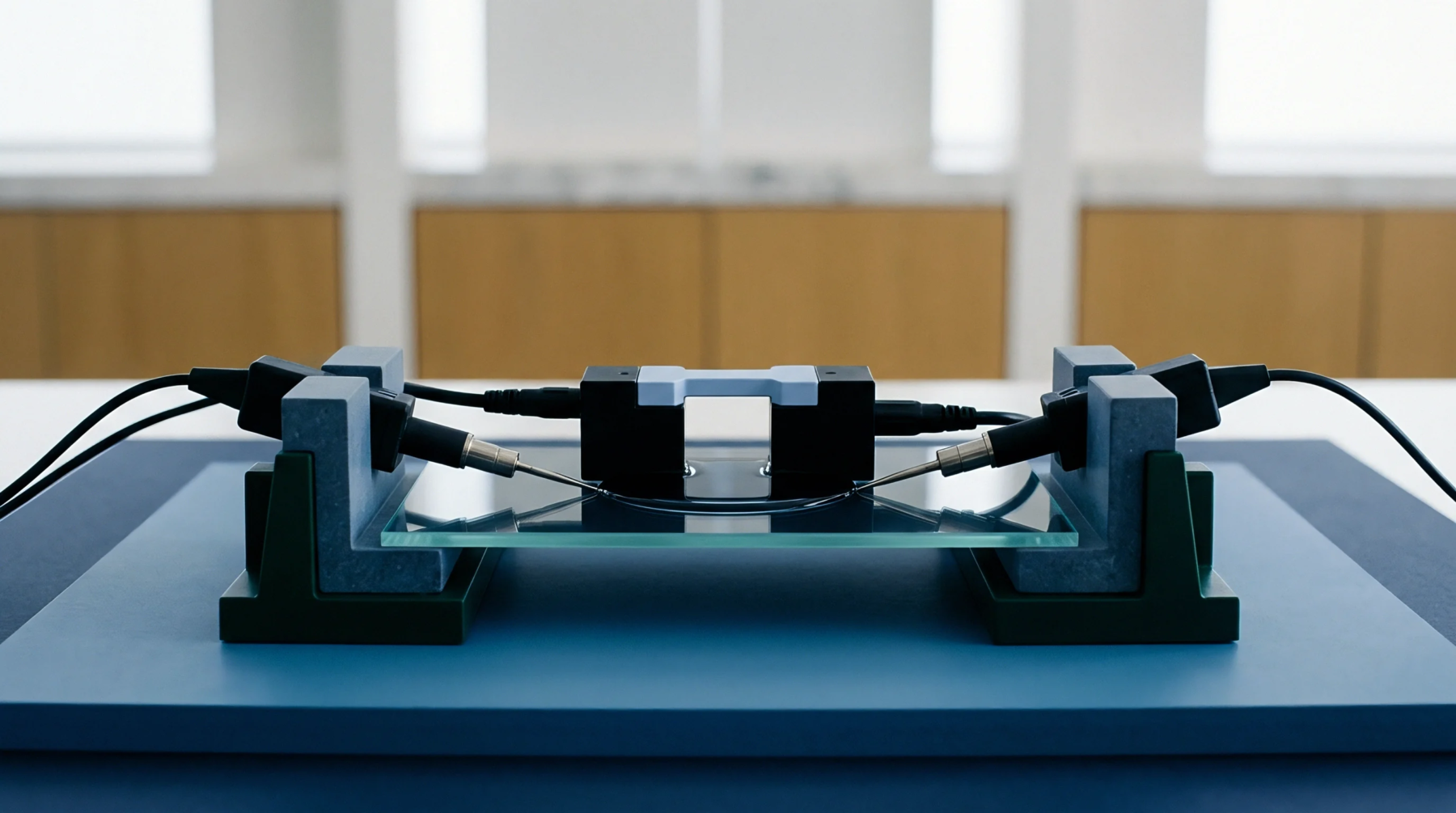
Sub-zero charging forces graphite anode potential below zero volts relative to lithium, initiating metallic plating driven by desolvation and diffusion barriers.
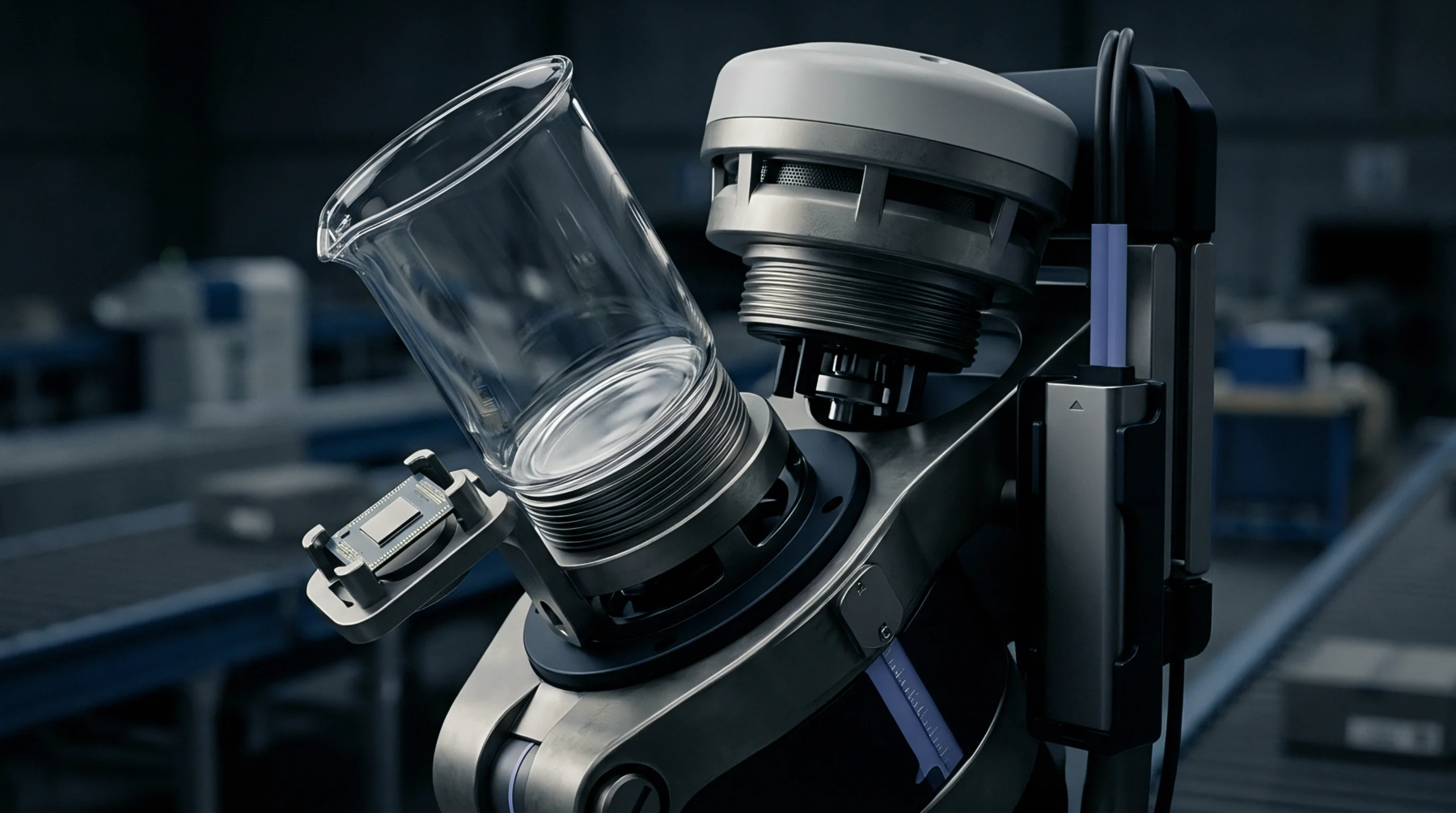
Extracting AA3003 braze joint creep damage parameters requires DIC strain mapping under multiaxial stress to prevent premature cold plate fluid leakage.

Sub-zero battery procurement requires matching electrolyte desolvation limits with strict non-plating charge cutoffs to protect landed cell life and warranties.
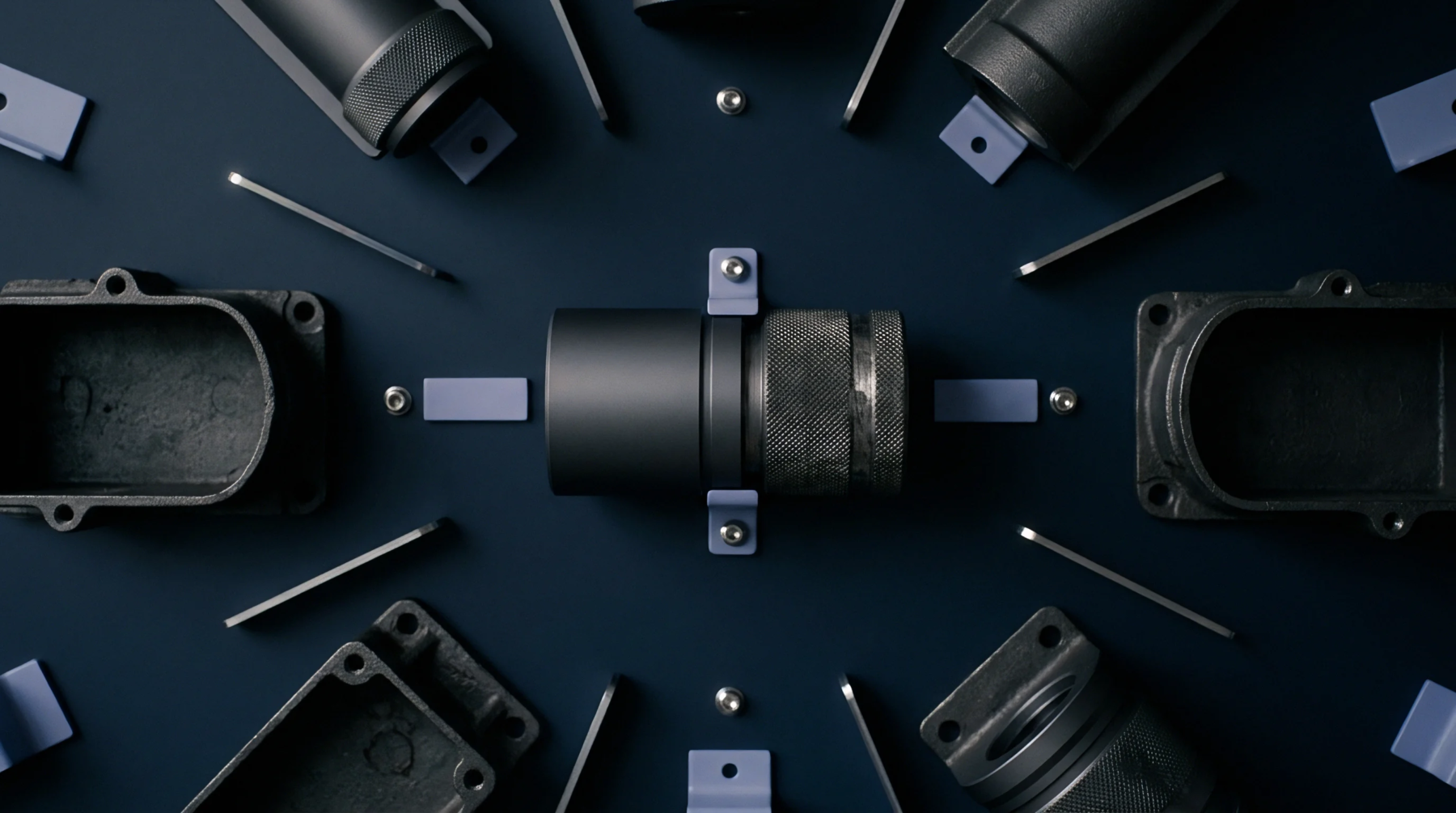
Non-proportional thermomechanical strain paths accelerate fatigue crack initiation at subsurface powder-bed defects in additive conformal aluminum cold plates.
Customs holds on battery imports compound per-diem liabilities, requiring explicit contractual indemnity structures and rapid bonded transfer procedures to mitigate risk.

Buyers secure full indemnification and third-party laboratory verification before accepting lithium transport summaries to prevent impoundment liabilities.
Customs transit suspends EU carbon passport requirements until economic release, requiring bonded warehouse verification of primary freight carbon data.

Electro-thermal degradation modeling reveals that internal thermal gradients accelerate localized lithium plating and active inventory loss during fast charging.

Multiaxial critical plane strain-life analysis models out-of-phase thermal and pressure fatigue on internal conformal cooling walls to prevent die failure.

Industrial electricity tariffs dictate over fifty percent of synthetic graphite production costs, driving price compression down toward natural graphite parity.
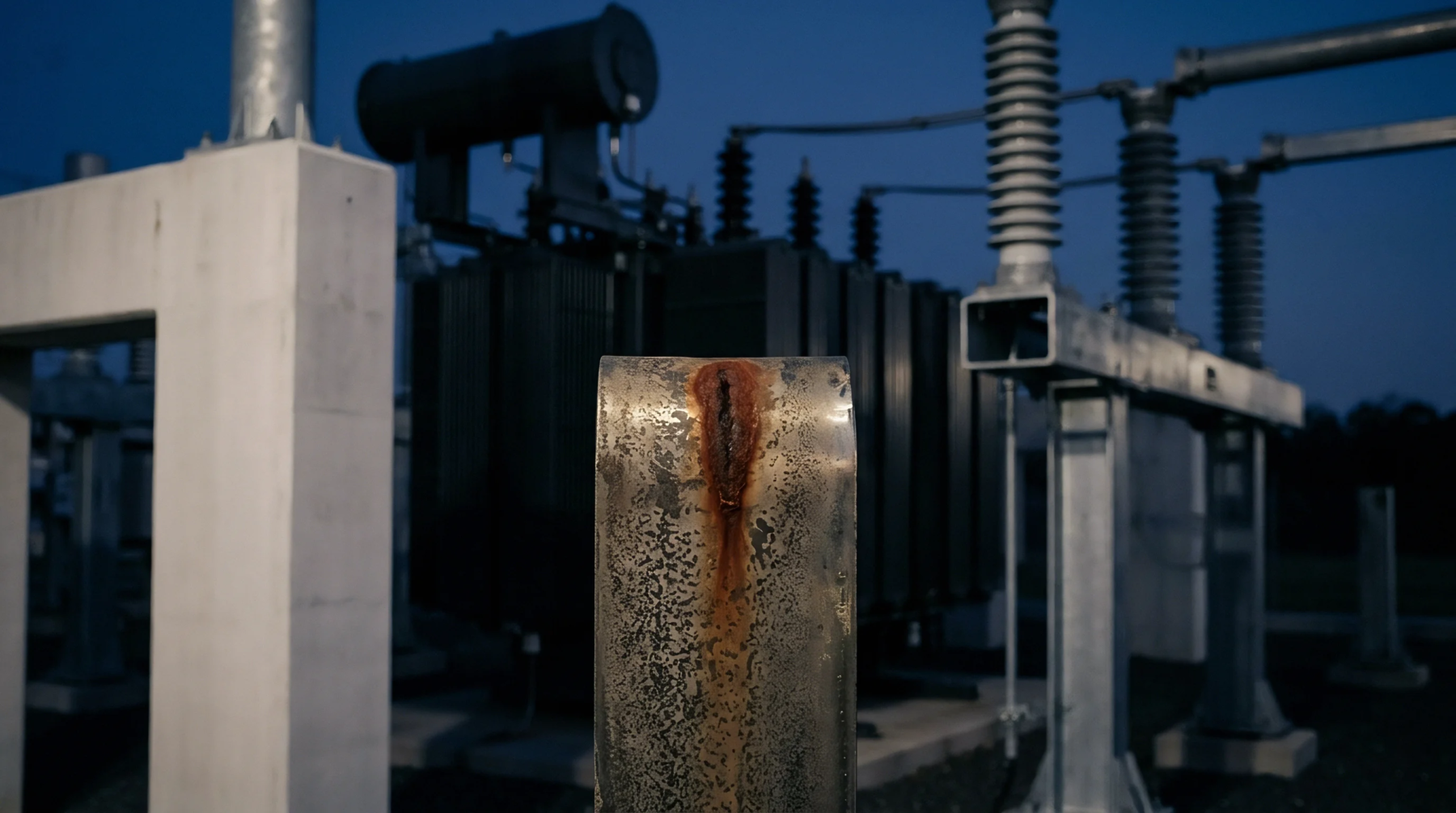
Coupling transient thermal strain models with Arrhenius acid dissolution rates predicts cavity pitting and fixes tooling refurbishment intervals.

Silicon anode breathing induces non-linear end plate flexure, causing localized pressure gradients that accelerate cell degradation and fail structural standards.
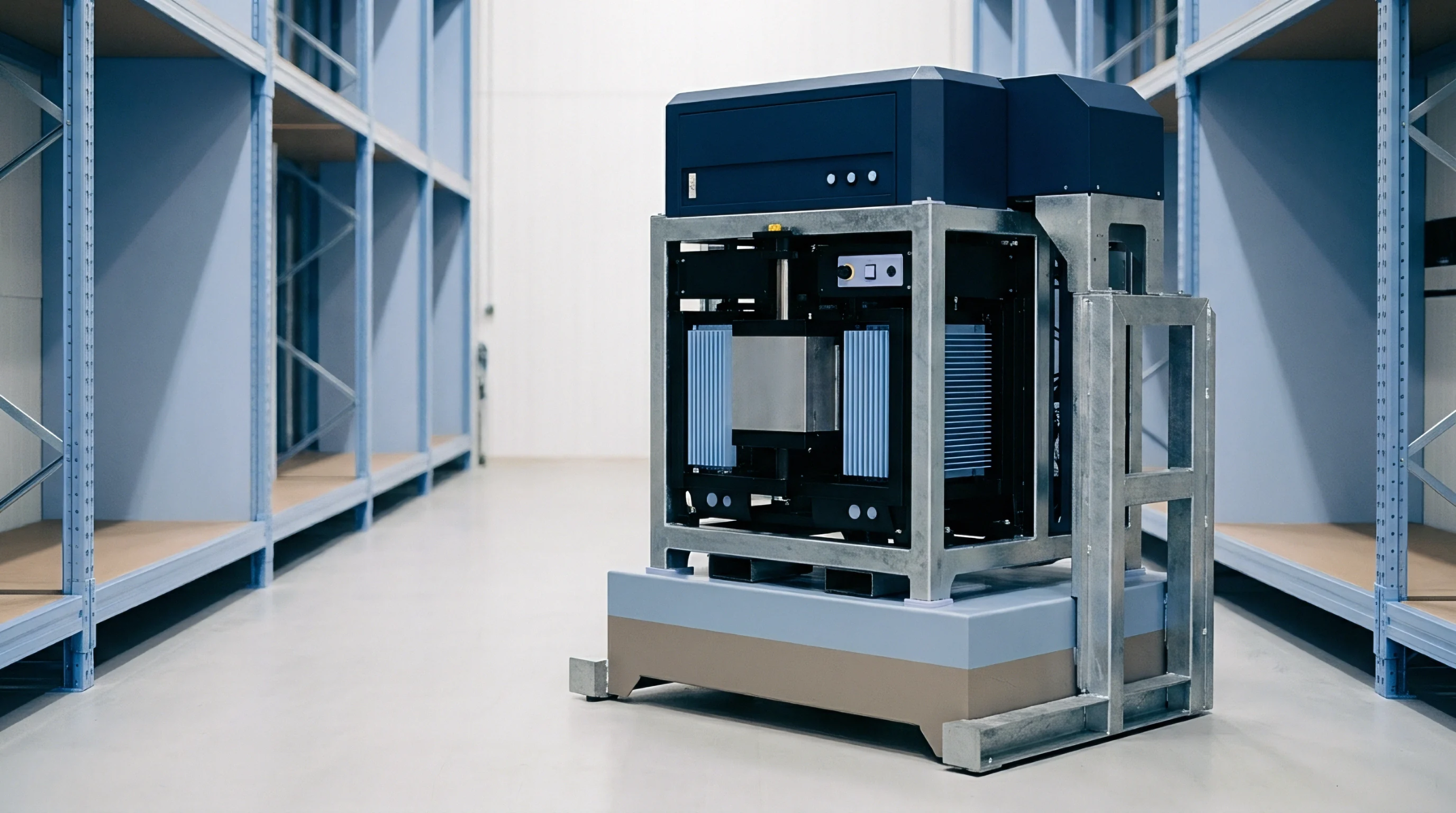
Quantifying battery off-gas flammability requires measuring volume yields, lower flammability limits, and deflagration vent areas to prevent explosion risk.

Selecting physical vapor deposited chromium nitride or titanium aluminum nitride coatings protects injection cavities against severe glass fiber abrasion while preserving dimensional tolerances.
Dynamic cycling of solid-state cells demands active dynamic pressure retention fixtures to prevent interfacial voiding and early capacity loss.

Off-the-shelf battery assembly selection requires auditing cell impedance matching, verifying continuous thermal limits, and locking the bill of materials.

Calculated worst-case and RSS mechanical stack tolerances govern inter-cell compression, housing deflection, bolt torque retention, and production assembly yield
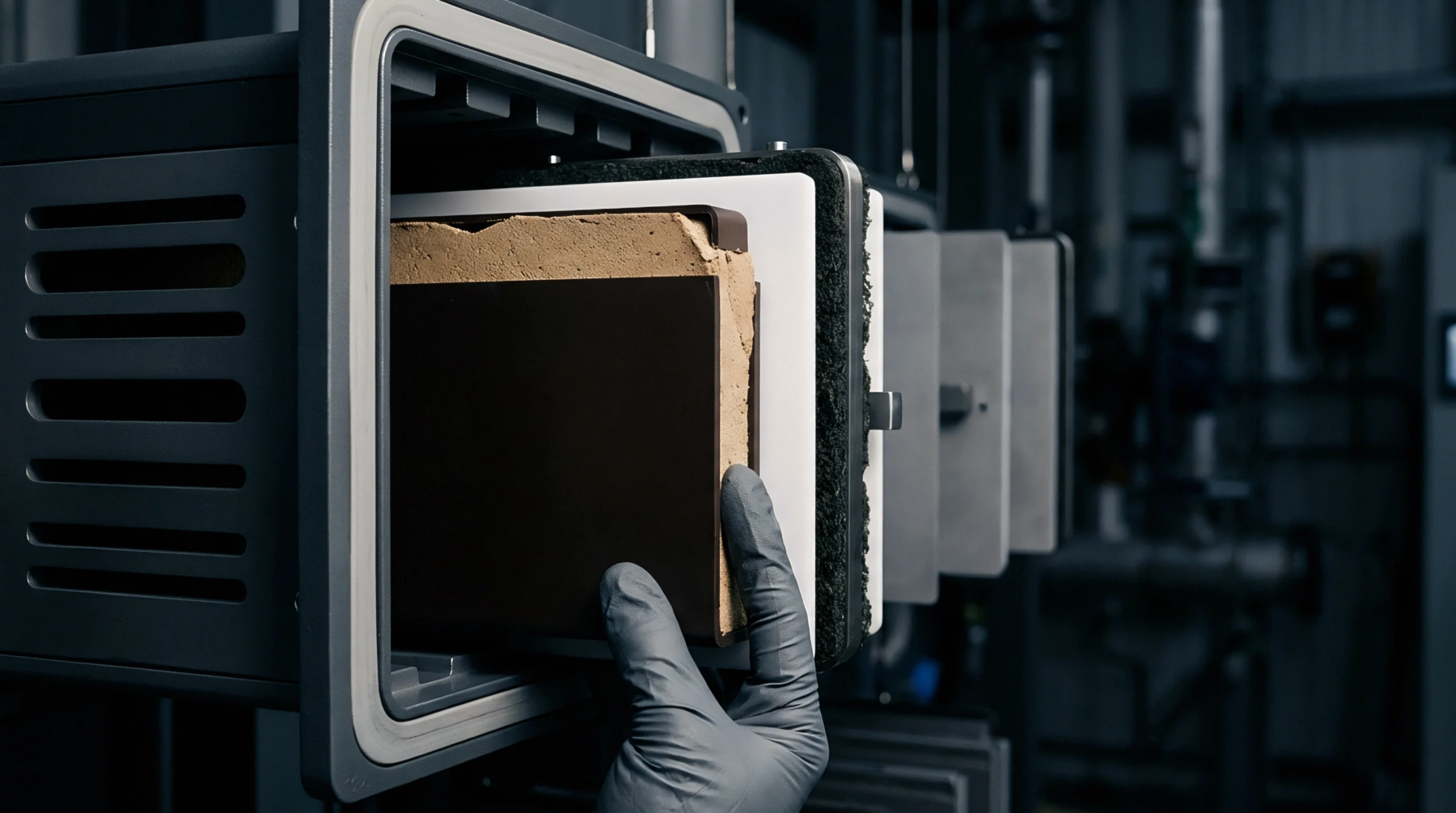
Integrating viscoelastic creep routines into thermomechanical transient solvers predicts separator mechanical collapse thresholds under battery thermal runaway conditions.
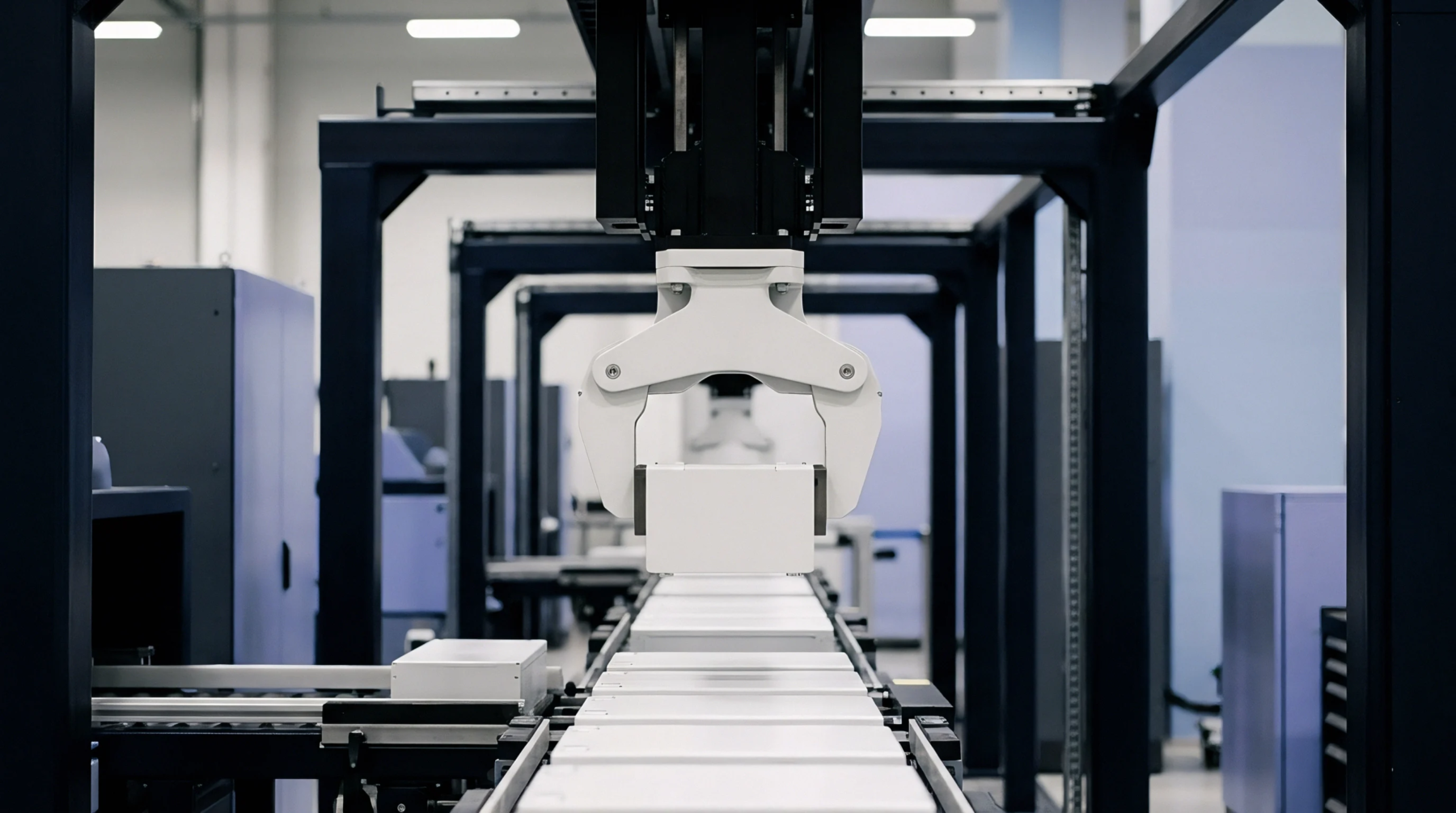
Lithium cell importation demands strict UN number classification, verified UN 38.3 test summaries, thirty percent state of charge, and compliant packaging.

Differential capacity sweeps at C/20 isolate non reversible plated lithium by separating reversible stripping peaks from active lithium inventory loss.
Expertise is a utility, not a secret. sentiention™ publishes its working knowledge as open reference: intelligence layer covering the materials it sources, the markets it enters, and the reference that serves both.