
Auditing Freight Forwarder Risk in Non Compliant Dangerous Goods Cargo Acceptance
Auditing freight forwarder dangerous goods acceptance requires validating UN 38.3.5 test summaries, 30 percent state of charge limits, and packaging integrity.

Auditing freight forwarder dangerous goods acceptance requires validating UN 38.3.5 test summaries, 30 percent state of charge limits, and packaging integrity.

EU Regulation 2023/1542 forces BESS importers to hold accredited third-party test dossiers and active Digital Battery Passports prior to single-market port entry.

Amortized enclosure tooling disputes resolve when contracts tie maintenance liability directly to audited press cycle logs and physical shot-life limits.

Demineralizing lignin to under 100 ppm ash and drying below 0.5 percent moisture stabilizes hard carbon batch structure and initial coulombic efficiency.
Thermally corrected differential capacity spectra isolate lithium loss from active material decay by subtracting entropic and kinetic overpotential shifts.
Mitigate battery enclosure casting die failure by modeling transient heat flux to constrain thermal tensile stress below steel yield limits.

Sub-zero fast charging of high-loading anodes causes localized salt precipitation and concentration polarization, requiring low-viscosity solvents and graded porosity.

Cell screening protocols isolate thermodynamic voltage hysteresis from active capacity deficits to defend contract compliance and warranty reserve calculations.
Resolving flat LFP voltage plateaus depends on temperature-corrected differential voltage curves to eliminate state-of-charge drift and warranty risk.

Carbothermic reduction during consolidation relies on controlling vacuum CO partial pressure and outgassing hold times to strip native oxides cleanly.

Structural adhesive shear fatigue in cell-to-pack enclosures requires balancing joint modulus against viscoelastic strain dissipation under multi-axis dynamic loads.

Sub-zero battery charging induces severe kinetic overpotentials, forcing metallic lithium plating over intercalation and demanding strict thermal step-down controls.

Enforce zero-acceptance sampling plans and 48-hour thermal soak protocols on imported prismatic cell lots to prevent non-conforming units from entering pack production lines.

Low temperature battery testing requires rigorous cold soak protocols, four-wire Kelvin sensing, and impedance analysis to ground supplier performance claims.

Non-linear capacity knees occur when mass transport limits force anode overpotentials below zero volts, triggering metallic lithium plating and pore clogging.
Optimizing module heat dissipation demands matching thermal interface wet-out and structural clamping spring rates to compensate for cyclic cell expansion.
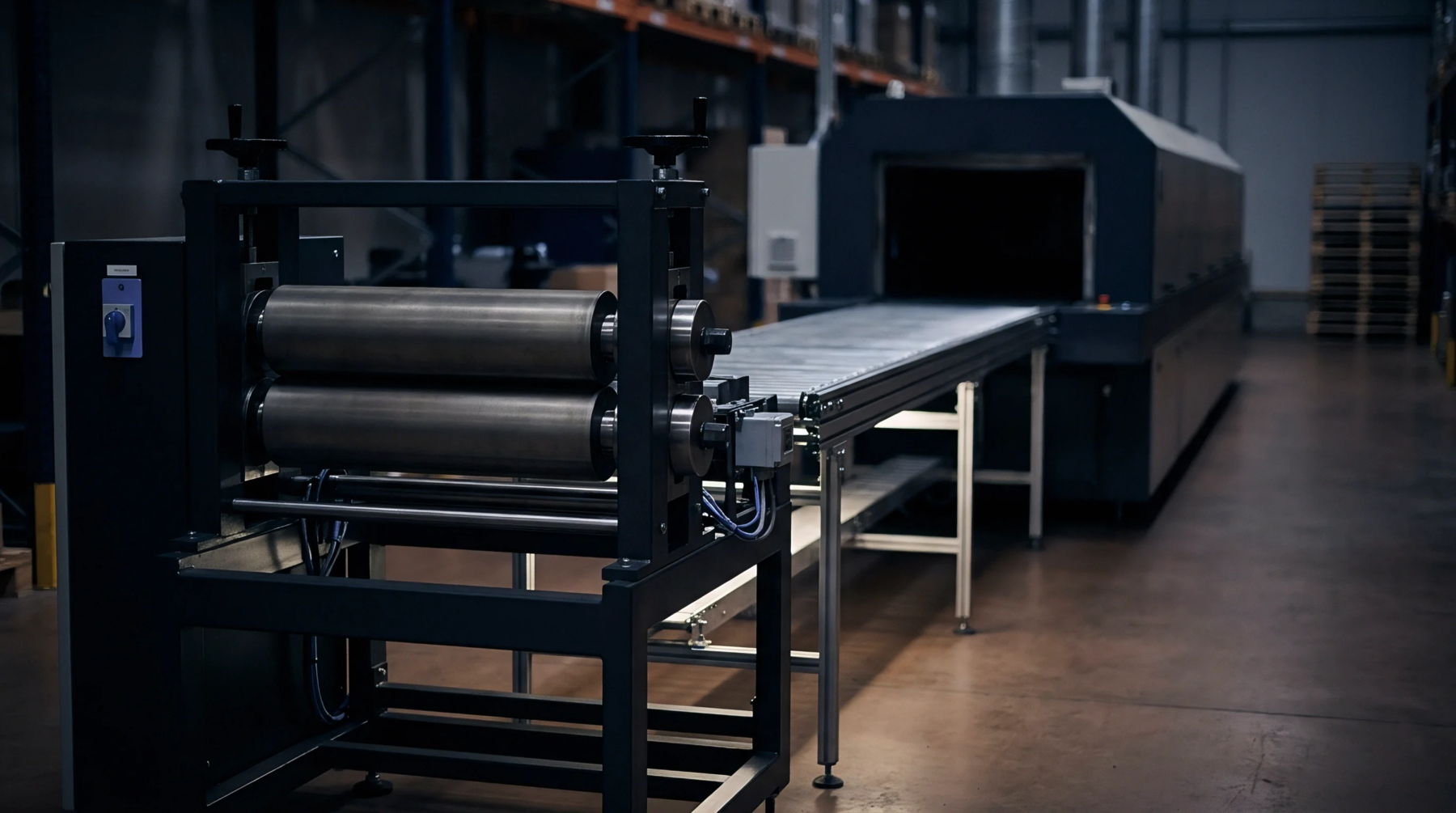
Proactive tool re-dressing at defined stroke thresholds prevents brittle intermetallic growth, optimizing scrap rates and pack manufacturing costs.

Optimal static compression between 200 and 400 kPa maximizes prismatic cell cycle life by preventing delamination while avoiding separator pore collapse.

Laboratory cycle life claims hold commercial value only when test cut-offs, clamping force, four-wire telemetry, and Weibull distributions are verified.
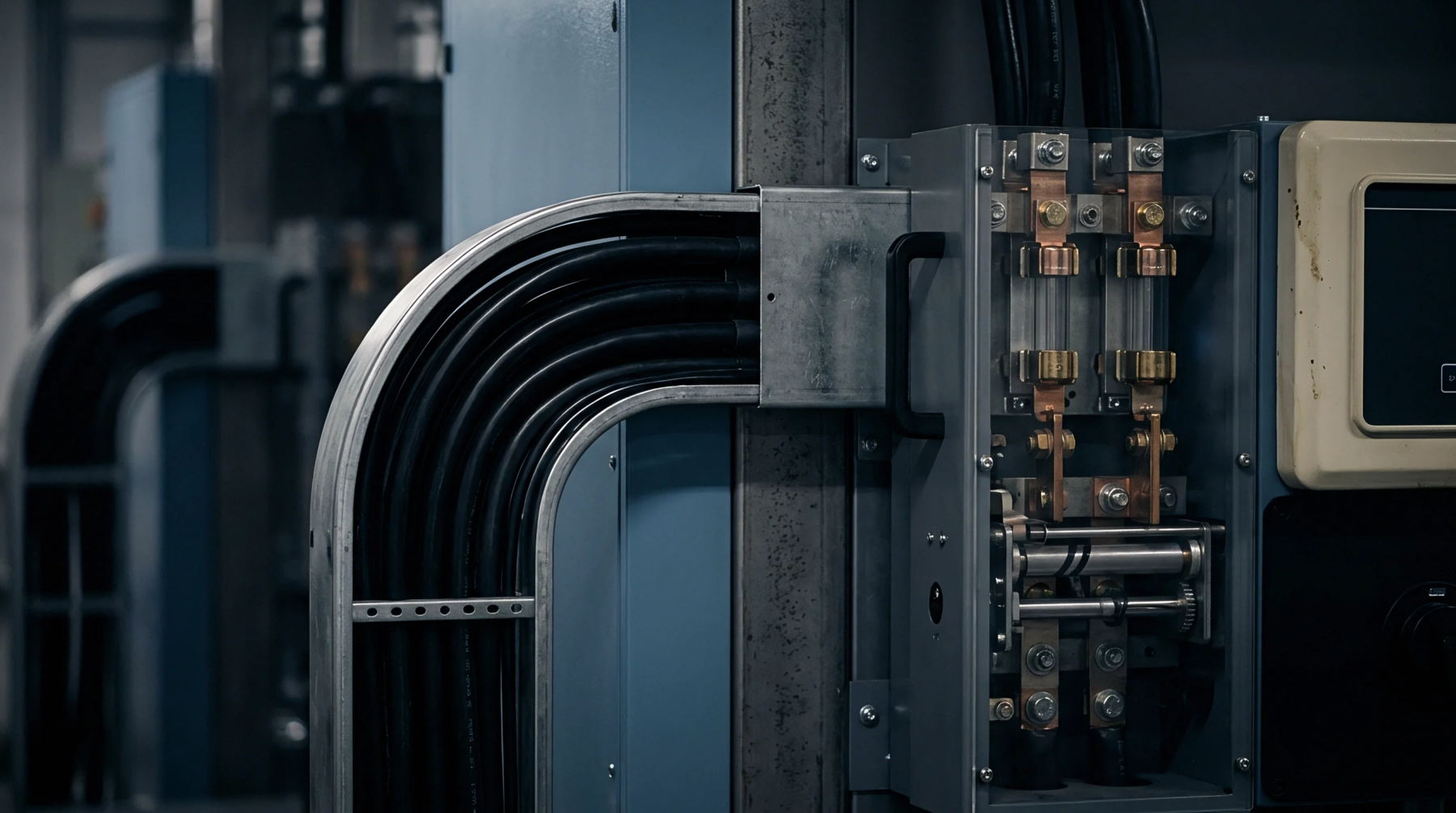
Electrochemical corrosion kinetics across dissimilar conductor interfaces accelerate through moisture condensation, demanding perimeter sealing and barrier plating.

High-nickel cell passivation growth follows diffusion-limited kinetics driven by cathode lattice oxygen loss and transition metal dissolution cross-talk.

Variable thermal boundary layers create local cell temperature spreads that accelerate solid electrolyte interphase growth and void supplier warranties.

Voltage hysteresis in lithiated silicon is a thermodynamic and stress-coupled phase phenomenon requiring strict cut-off limits to prevent crystallization.

Algorithmic thermal strain deconvolution separates reversible intercalation swelling from core heat expansion to size module end plates and compression gaps accurately.
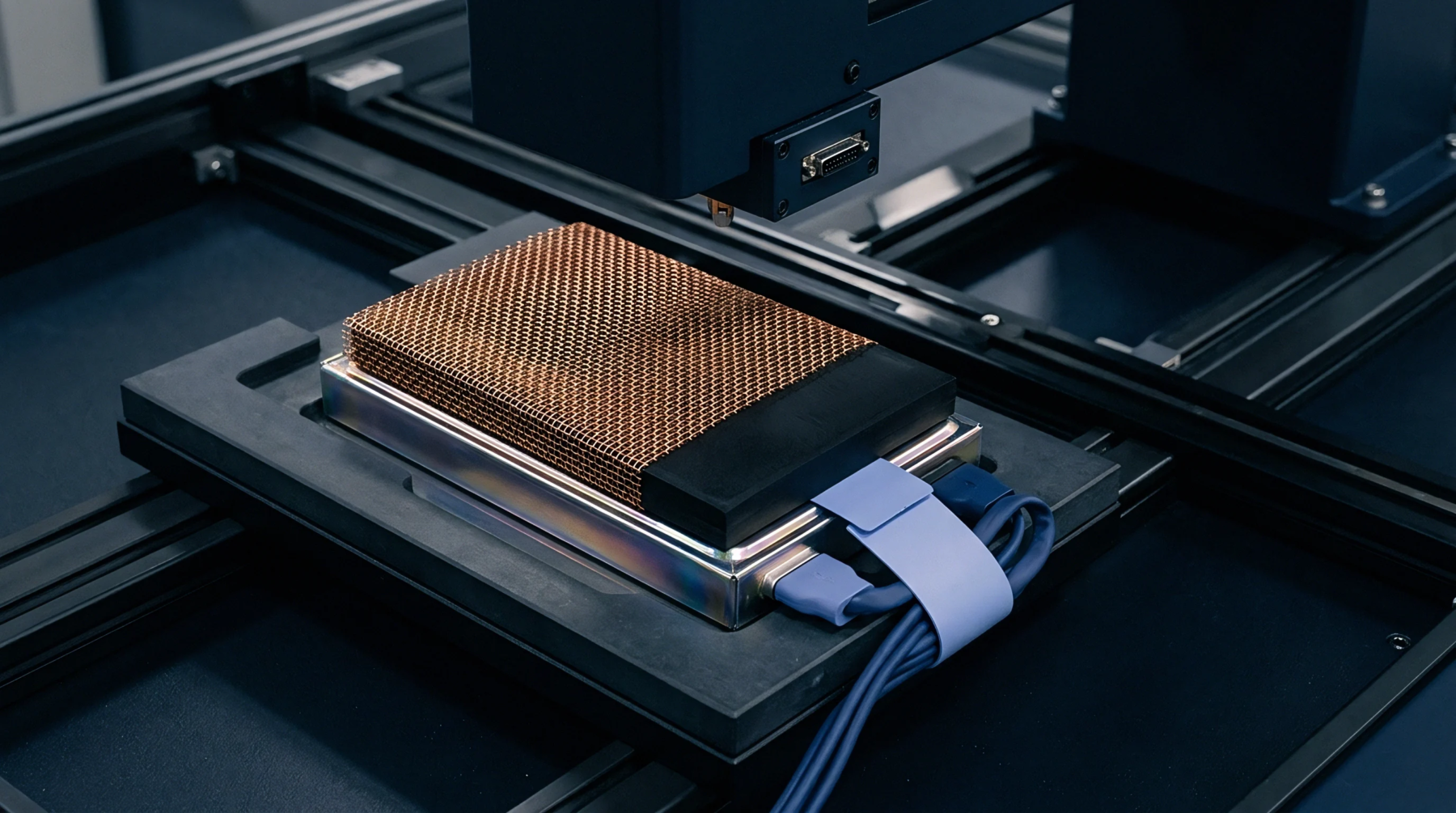
Fixture baseline verification protocols eliminate thermal and mechanical drift errors, securing cell swelling and dimensional metrology data accuracy.

LFP OCV relaxation requires multi-hour decay modeling and hysteresis tracking to prevent large SOC estimation errors across the flat voltage plateau.

Supersonic wave instability at the atomizer tip drives melt back-streaming and broadens particle size distribution; stabilizing shock position restores powder yield.

High-voltage operation accelerates cathode surface reconstruction and transition metal dissolution, demanding operando impedance testing and warranty risk controls.
Sub-micron carbide stereology via low-kV BSE imaging verifies tooling microstructure, preventing electrode burrs and lowering total cell manufacturing costs.

High voltage cathode stabilization requires conformal surface coatings and fluorinated additives to prevent phase conversion and ensure transport regulatory compliance.
Expertise is a utility, not a secret. sentiention™ publishes its working knowledge as open reference: intelligence layer covering the materials it sources, the markets it enters, and the reference that serves both.