
Calculating Nucleation Energy Barriers in Silicon Graphite Composite Matrix Architectures
Calculated elastic strain energy penalties in graphite matrices raise nucleation barriers, suppressing destructive phase transitions during fast lithiation.

Calculated elastic strain energy penalties in graphite matrices raise nucleation barriers, suppressing destructive phase transitions during fast lithiation.

Thermal pyrolysis tuning and defect passivation reduce volumetric lattice strain while maximizing initial coulombic efficiency in hard carbon anodes.

Dynamic intra-cell thermal gradients generate thermoelectric voltage noise that masks lithium plating signals; decoupling algorithms isolate true stripping.

Controlling lignin crosslinking density locks aromatic voids into closed pores during carbonization, maximizing sodium storage plateau capacity and efficiency.

Precise ceramic tip protrusion and supersonic argon aspiration stability dictate powder yield, preventing melt freeze-off and carbide segregation.
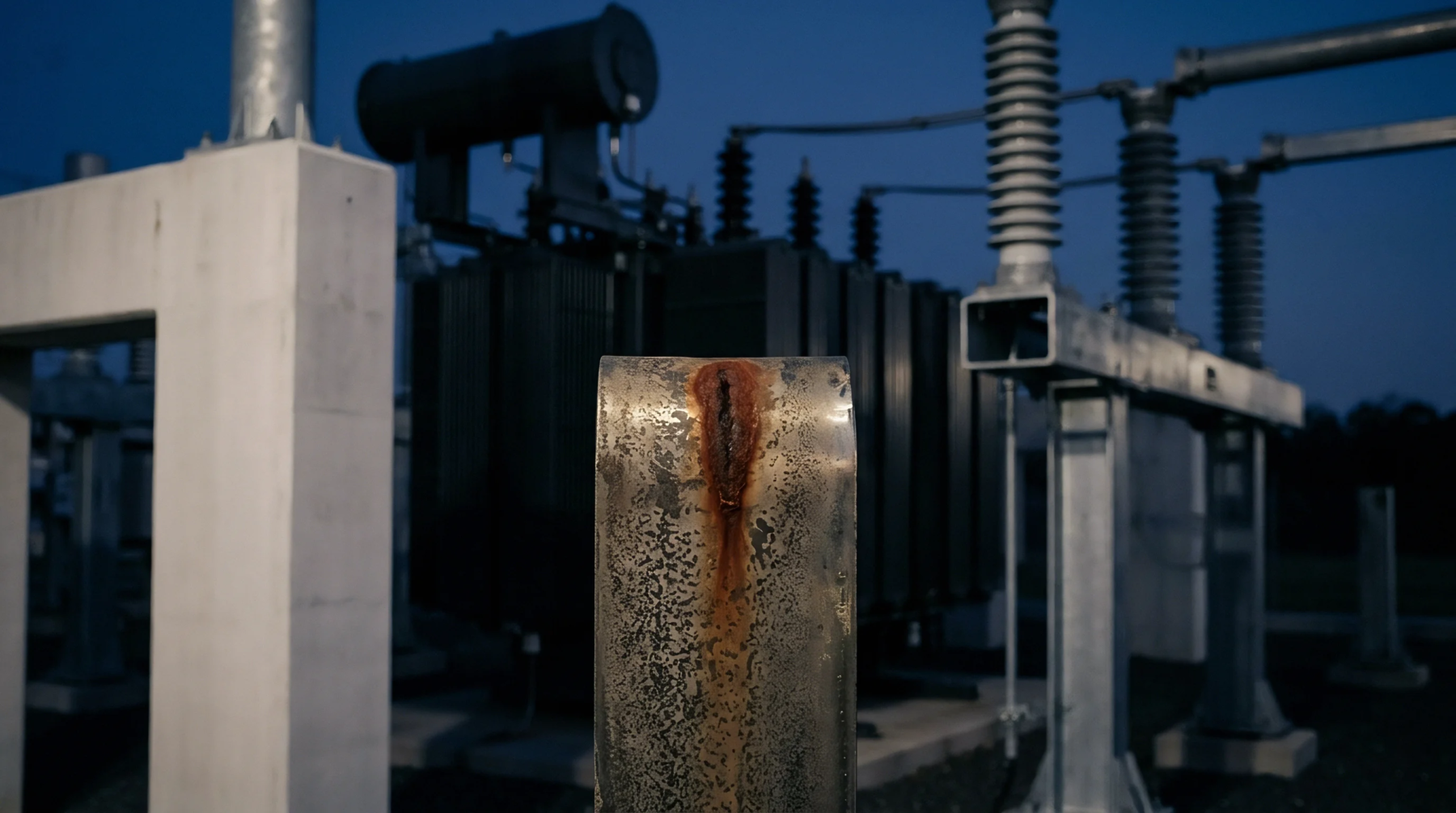
Low-rate galvanostatic testing isolates lithium loss from material degradation, providing true chemical health metrics that standard factory checks mask.

Solid-state prismatic expansion demands dynamic stack compression and strict header weld strain limits to prevent interfacial delamination and capacity fade.

Voltage relaxation transients distort open circuit measurements causing state of charge errors exceeding twelve percent without persistent diffusion modeling.

Vacuum brazed aluminum conformal coolant nodes demand nonlinear creep fatigue damage models incorporating grain boundary cavitation and dispersoid coarsening.

Helium leak rates overstate organic solvent vapor outgassing by orders of magnitude due to Knudsen flow transitions and lower internal solvent partial pressures.

Multiaxial strain-life fatigue analysis using critical plane models prevents early cracking in conformal cooled high-conductivity aluminum molds under thermal cycles.

GC-MS headspace analysis measures intrinsic electrolyte solvent vapors to detect sub-micron battery seal micro-leaks below 10^-7 mbar L/s without cell destruction.
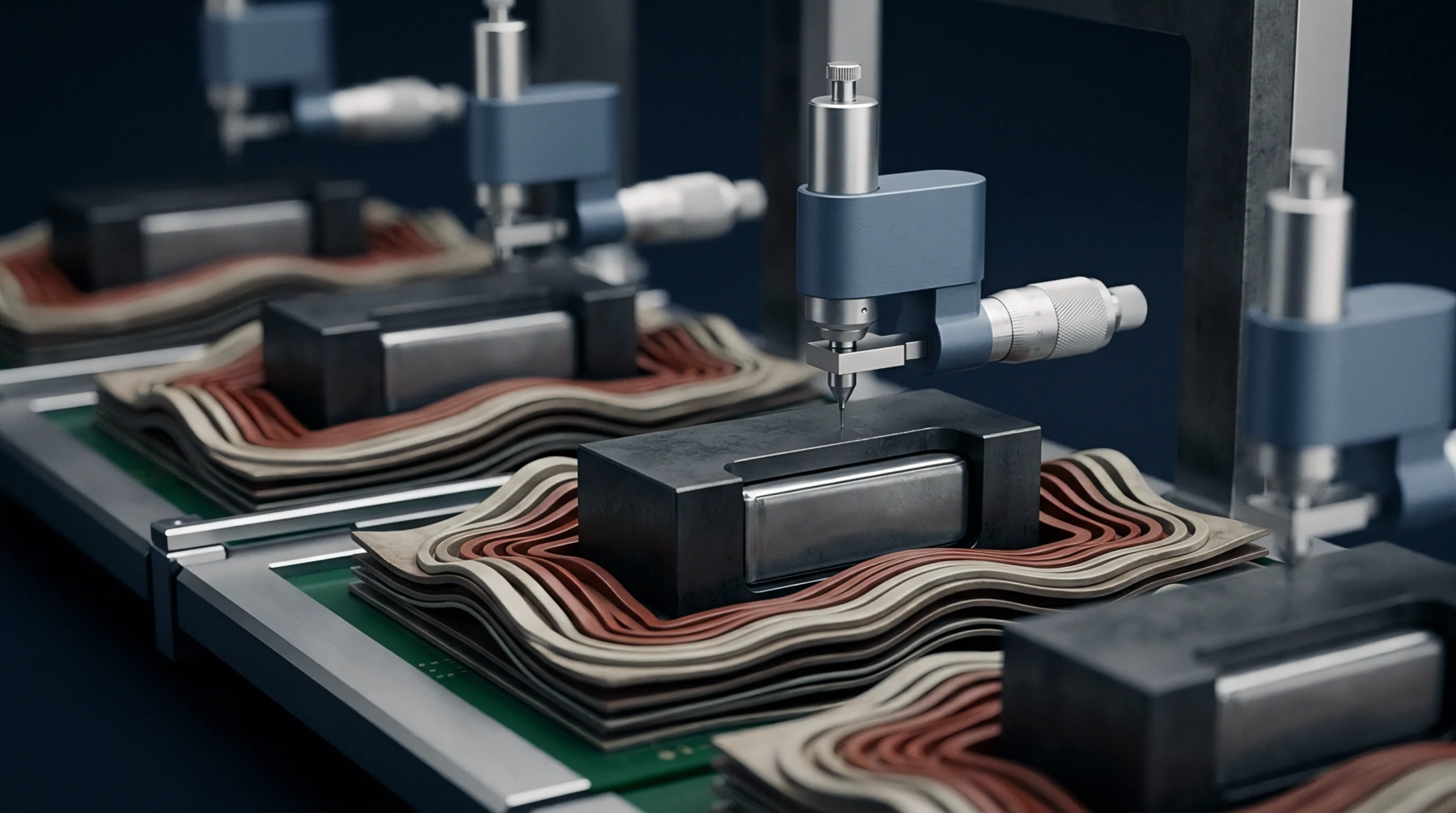
High silicon content lowers the local overpotential threshold for metallic lithium nucleation during fast charging through non-linear strain energy interactions.

Core-to-surface thermal gradients in prismatic cells drive localized plating and SEI growth, requiring 3D electro-thermal models to prevent early fade.

Bio-precursor pyrolysis creates hard carbon anodes whose closed void volume and interlayer spacing govern sodium capacity, initial efficiency, and cell cycle life.

High-voltage cathode operation drives surface oxygen loss and rock-salt phase layer growth, raising charge resistance and requiring strict surface coating audits.

Detect laboratory data smoothing and sensor decoupling by auditing raw ADC noise floors, checking residual autocorrelation, and parsing native cycler binary files.
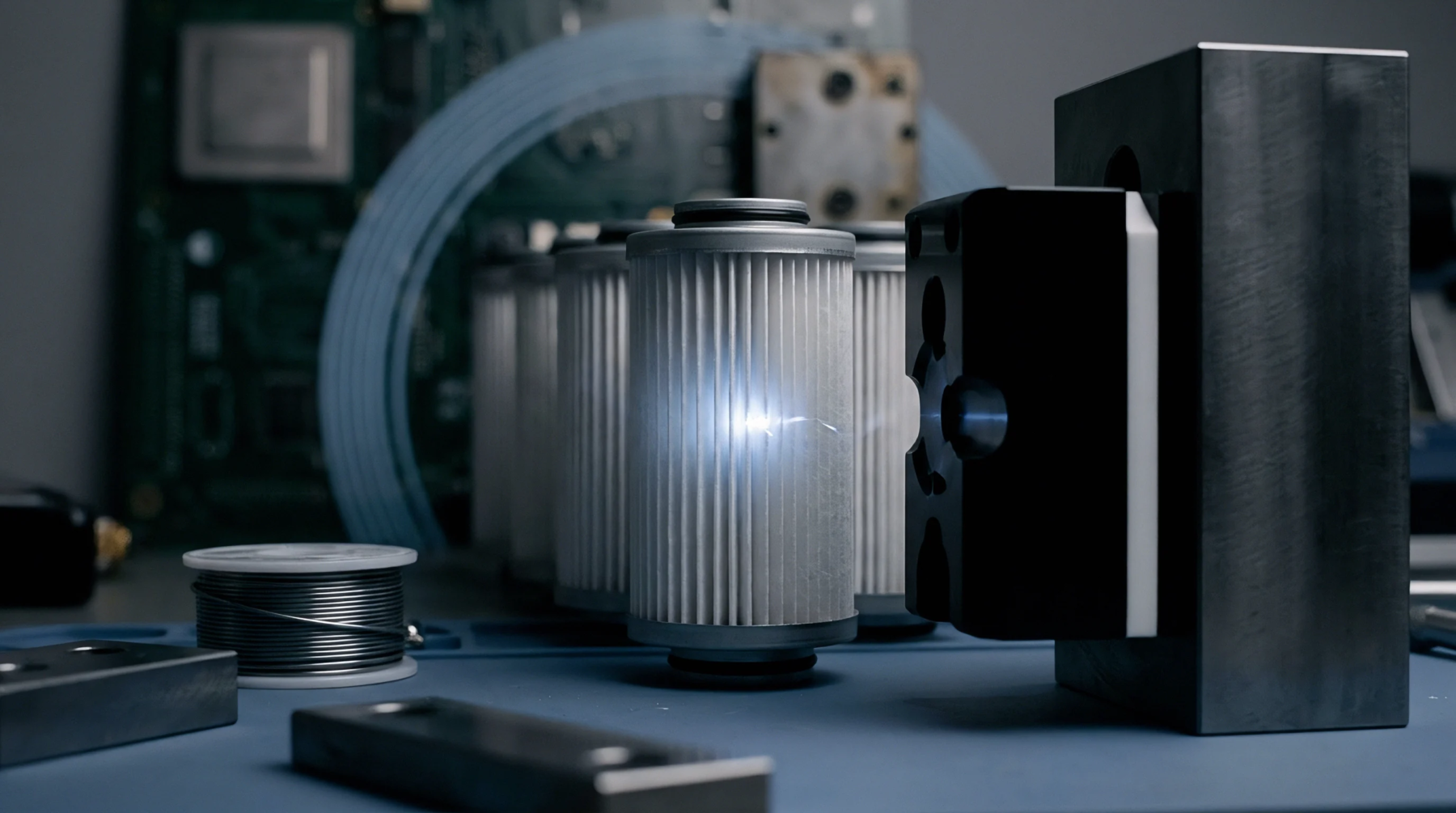
Non-compliant lithium cell transport certification exposes importers of record to strict regulatory fines, cargo detention costs, and unindemnified marine insurance losses.

Auditing UN 38.3 summary files against lab accreditations and physical cell parameters before export prevents dock holds, demurrage charges, and carrier rejections.

Verifying UN 38.3 test summaries requires matching physical cell markings, mass, and laboratory ISO 17025 scope against mandatory section 38.3.5 fields.
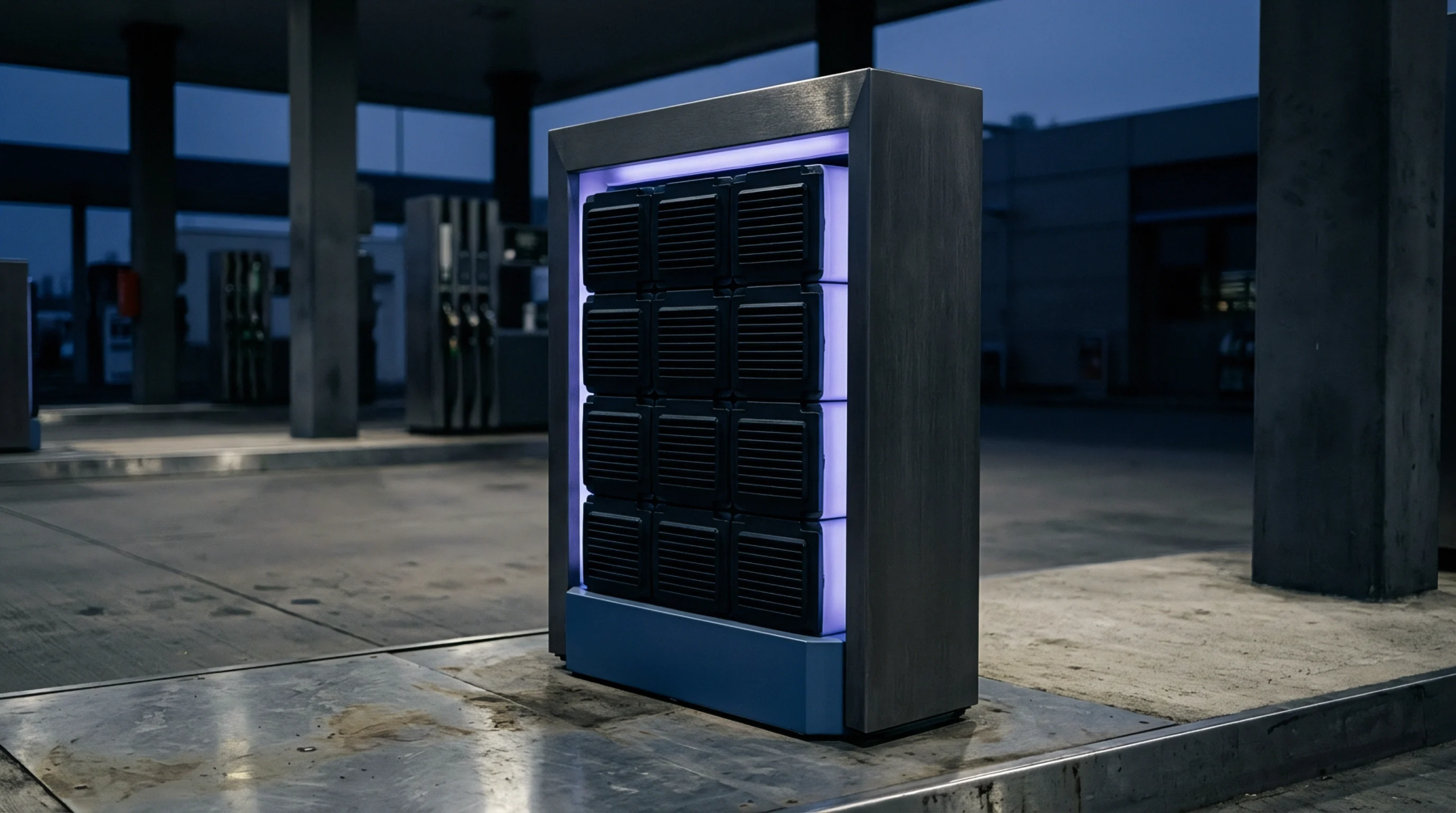
Quantifying carbide banding limits requires stereological ASTM E1268 rating of core cross-sections to cap anisotropy indices below 1.30 for tool steel billets.

Sub-zero graphite lithiation causes anode potential drops below 0V vs Li/Li+, triggering metallic lithium plating that demands temperature-dependent BMS current limits.

LFP phase transitions and voltage relaxation kinetics create severe OCV hysteresis and multi-hour voltage drift requiring dynamic BMS filtering to prevent SOC errors.
Statutory liabilities for European Union battery storage importers span joint product liability, extended producer responsibility, and customs hold financial risk.

Decouple cavity surface treatment warranties from tool steel structural guarantees in procurement RFQs to allocate early recoating costs fairly.

Tightening housing floor machining planarity below 0.2 mm slashes thermal paste volume requirements, preventing multi-million dollar annual BOM overruns.

High nickel cathode calendar aging stems from surface oxide reduction and parasitic electrolyte oxidation, requiring strict SOC derating below forty percent.

Cross-border cell movement requires an unbroken paper trail linking UN 38.3 lab tests, 30% SOC limits, GHS safety data sheets, and local customs filings.
Local intercalation overpotentials in large format cells force anode potentials below 0V vs Li/Li+, causing lithium plating long before terminal voltage limits.

Gas atomization of high alloy tool steel requires matching gas-to-melt ratios and superheat to restrict internal argon void volume under 0.05 percent.
Expertise is a utility, not a secret. sentiention™ publishes its working knowledge as open reference: intelligence layer covering the materials it sources, the markets it enters, and the reference that serves both.