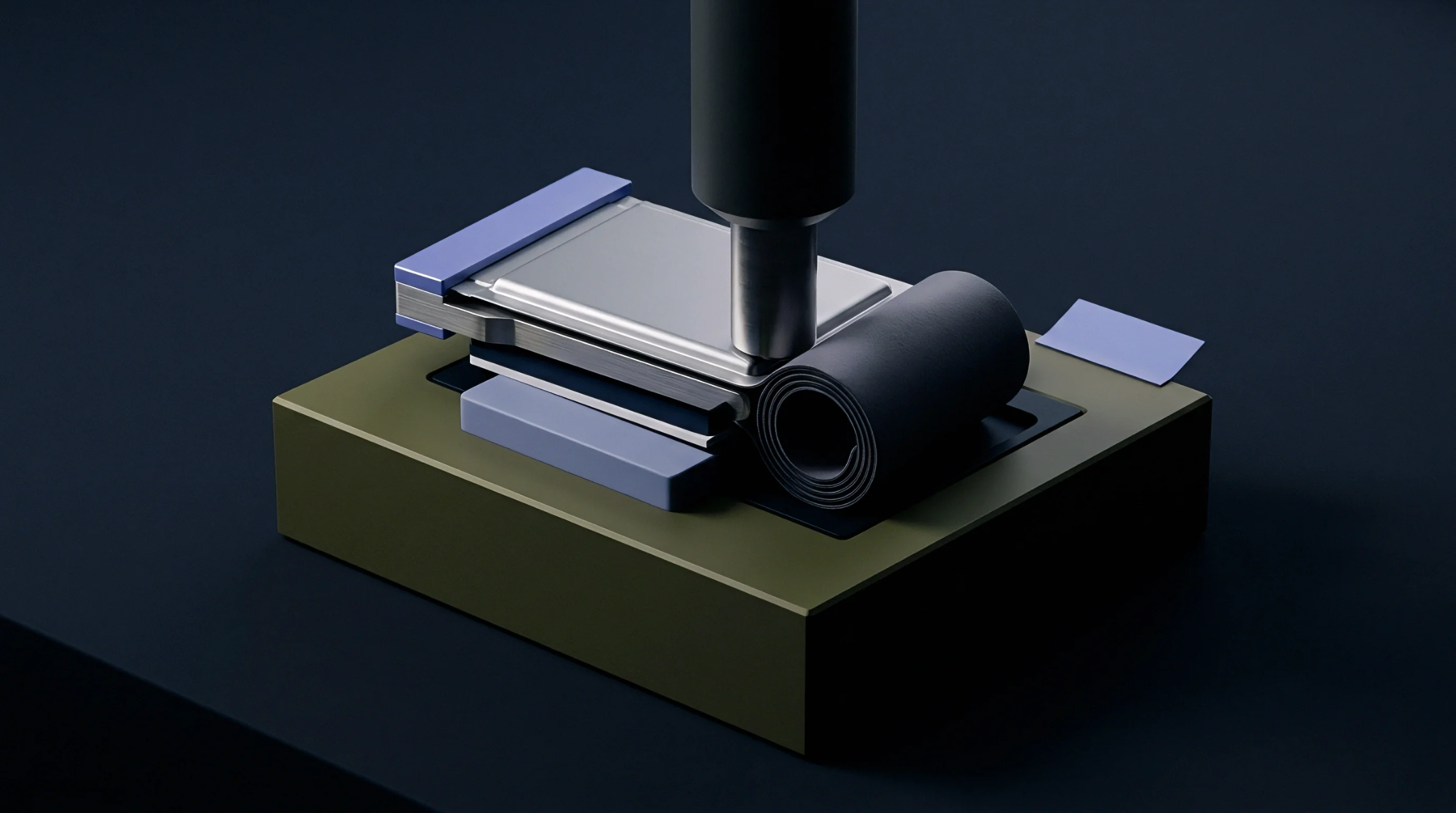
Cylindrical and Prismatic Cell Format Selection Criteria
Format selection dictates tooling capital, cooling architecture, and mechanical containment: cylindrical cells minimize stack stress, while prismatic cells maximize spatial fill.

Format selection dictates tooling capital, cooling architecture, and mechanical containment: cylindrical cells minimize stack stress, while prismatic cells maximize spatial fill.

Sub-zero battery warranties require linking capacity retention to temperature-bounded energy throughput and immutable, multi-sensor BMS telemetry logs.

Sub-zero fast charging shifts anode overpotential negative, forming non-reversible plated lithium that degrades cell capacity and demands strict BMS thermal thresholds.
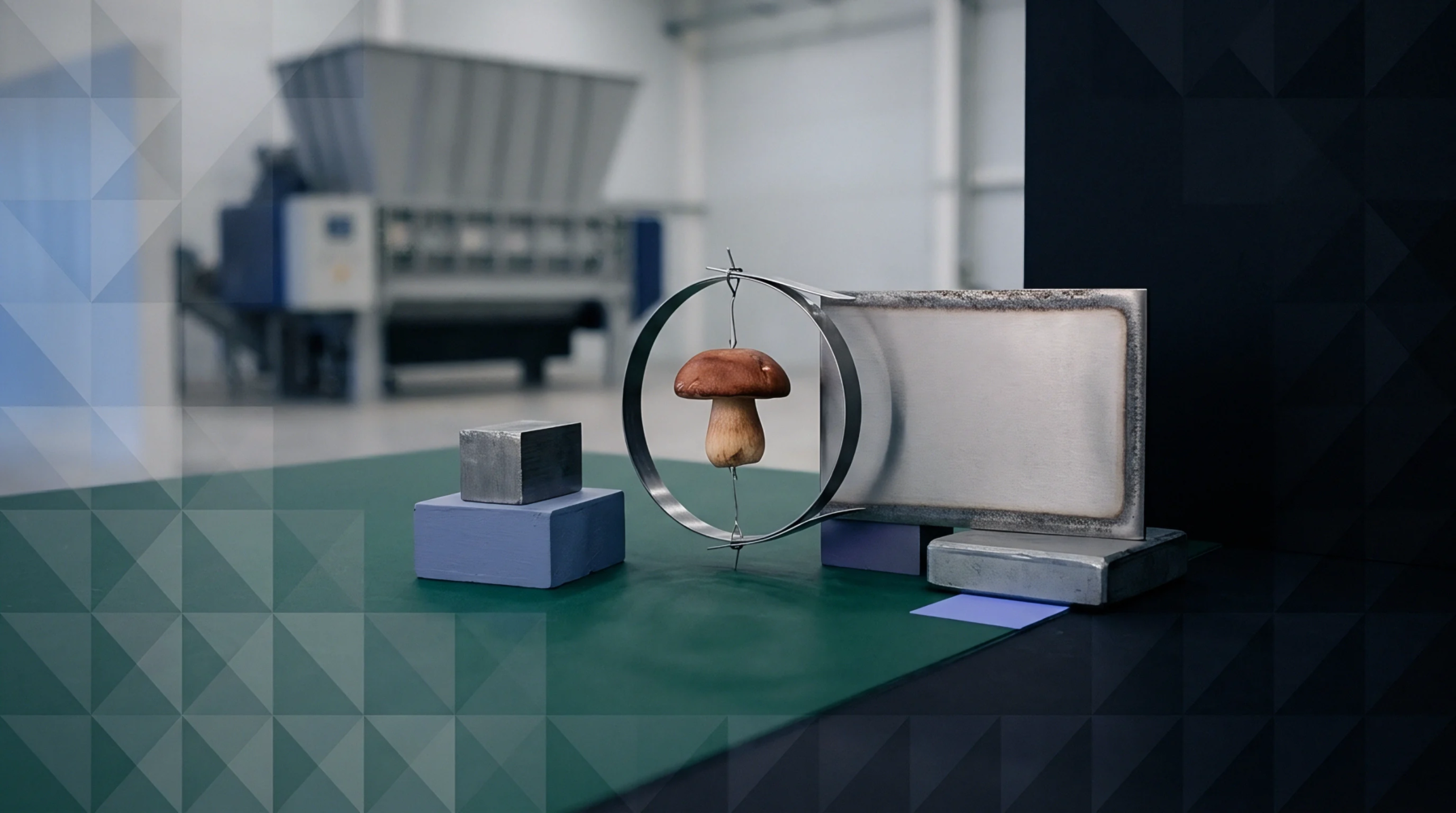
Regular calibration and maintenance of automated four-wire Kelvin test fixtures prevent contact resistance drift from mis-grading cell internal resistance.

Structure custom pack sourcing by retaining mechanical IP and UN 38.3 file ownership while negotiating cell-direct contract manufacturing terms.

Analytical verification of recycled pCAM requires rigorous laser diffraction, ICP trace impurity screening, and bench-scale calcination half-cell testing.

Verify UN 38.3 reports by matching test dates against active ISO 17025 scopes from ILAC MRA national registries before shipping to avoid customs holds.
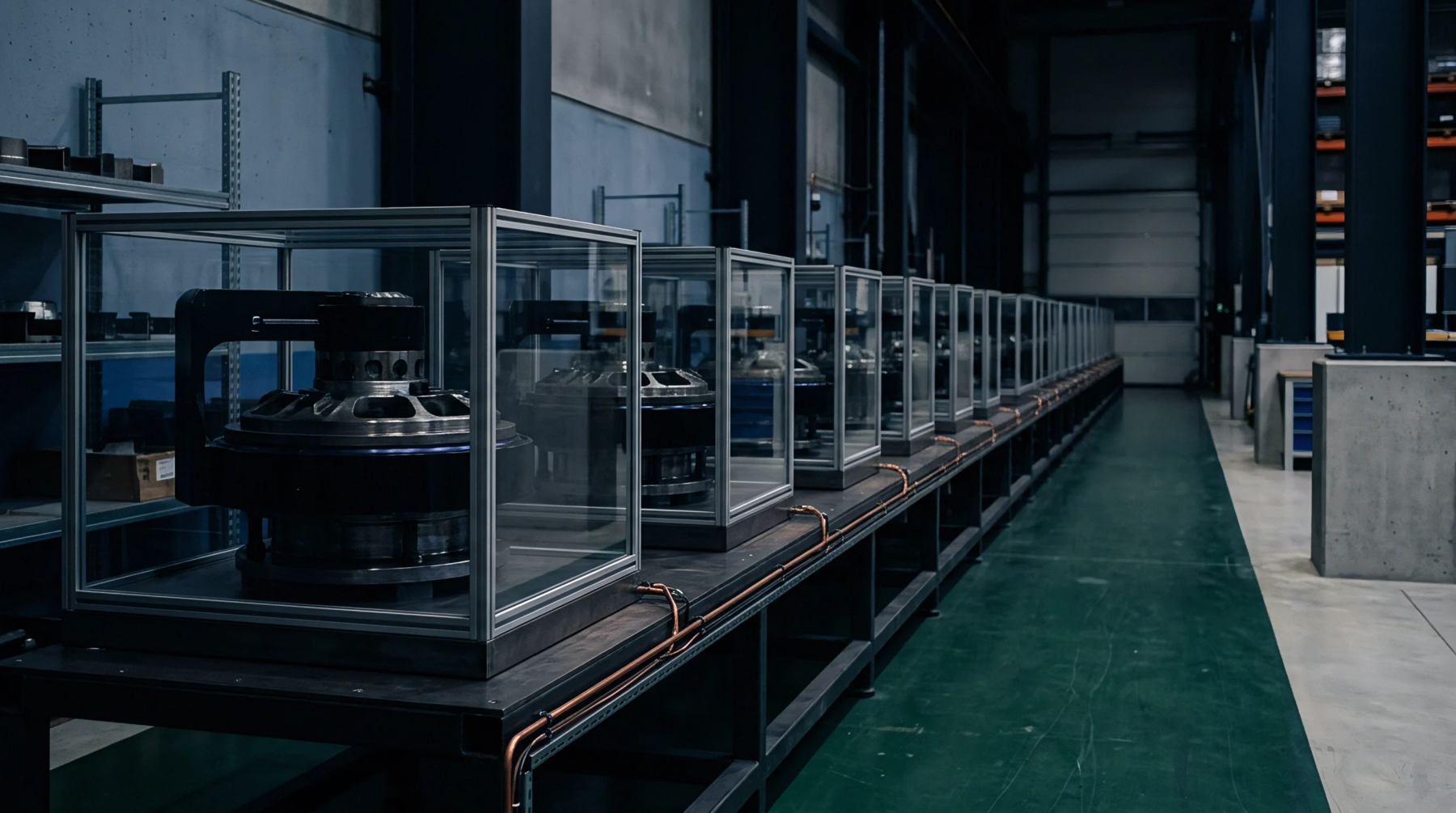
Ultrasonic phase inversion and time-of-flight gating accurately quantify bond disbonds, voids, and adhesion integrity in encapsulated structural battery packs.
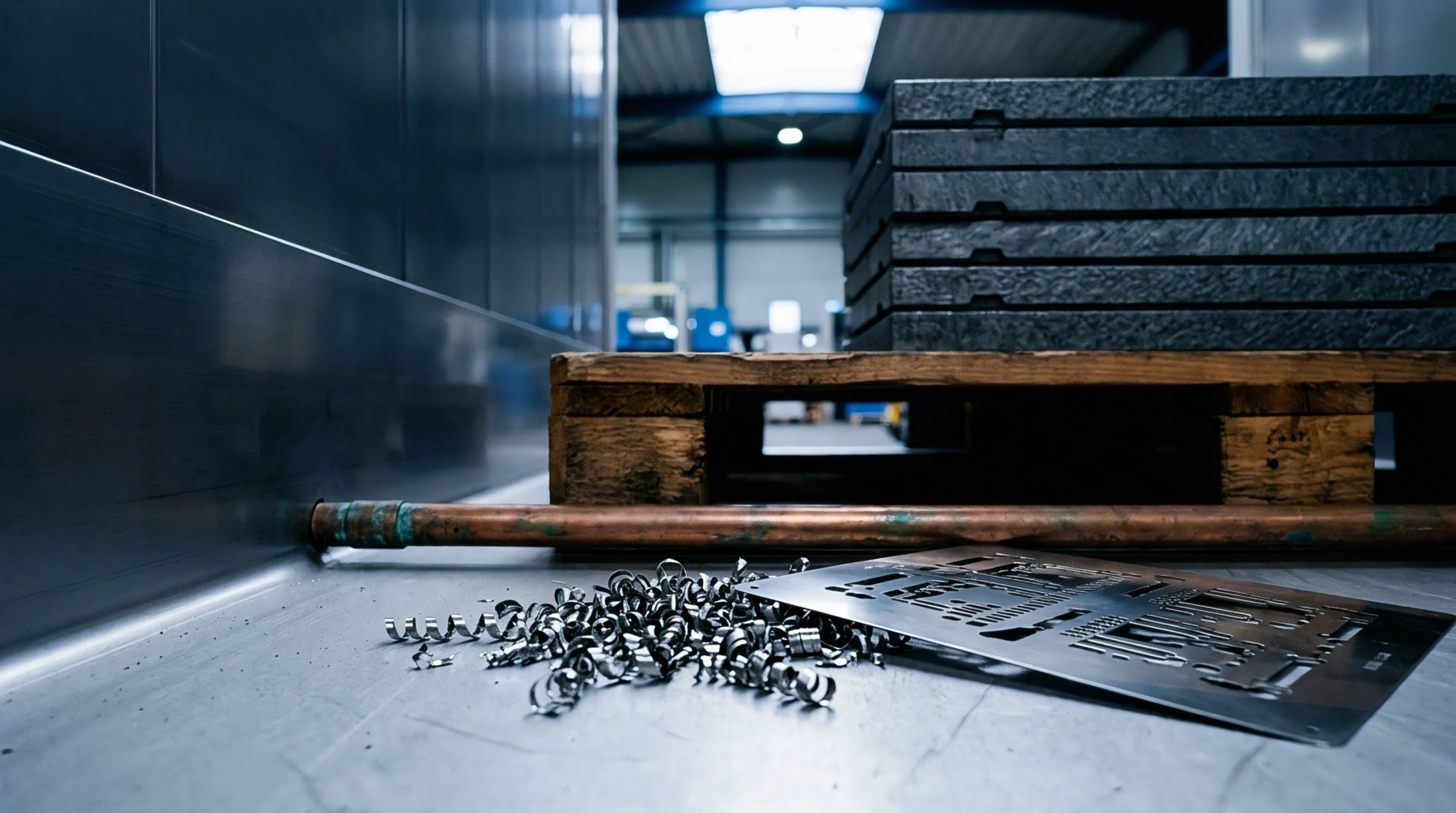
Thermal interface materials require precise thickness and pressure control to eliminate contact resistance without inducing structural stress on battery cells.

Early impedance growth exposes internal battery interphase degradation long before standard capacity tests reveal physical performance loss.
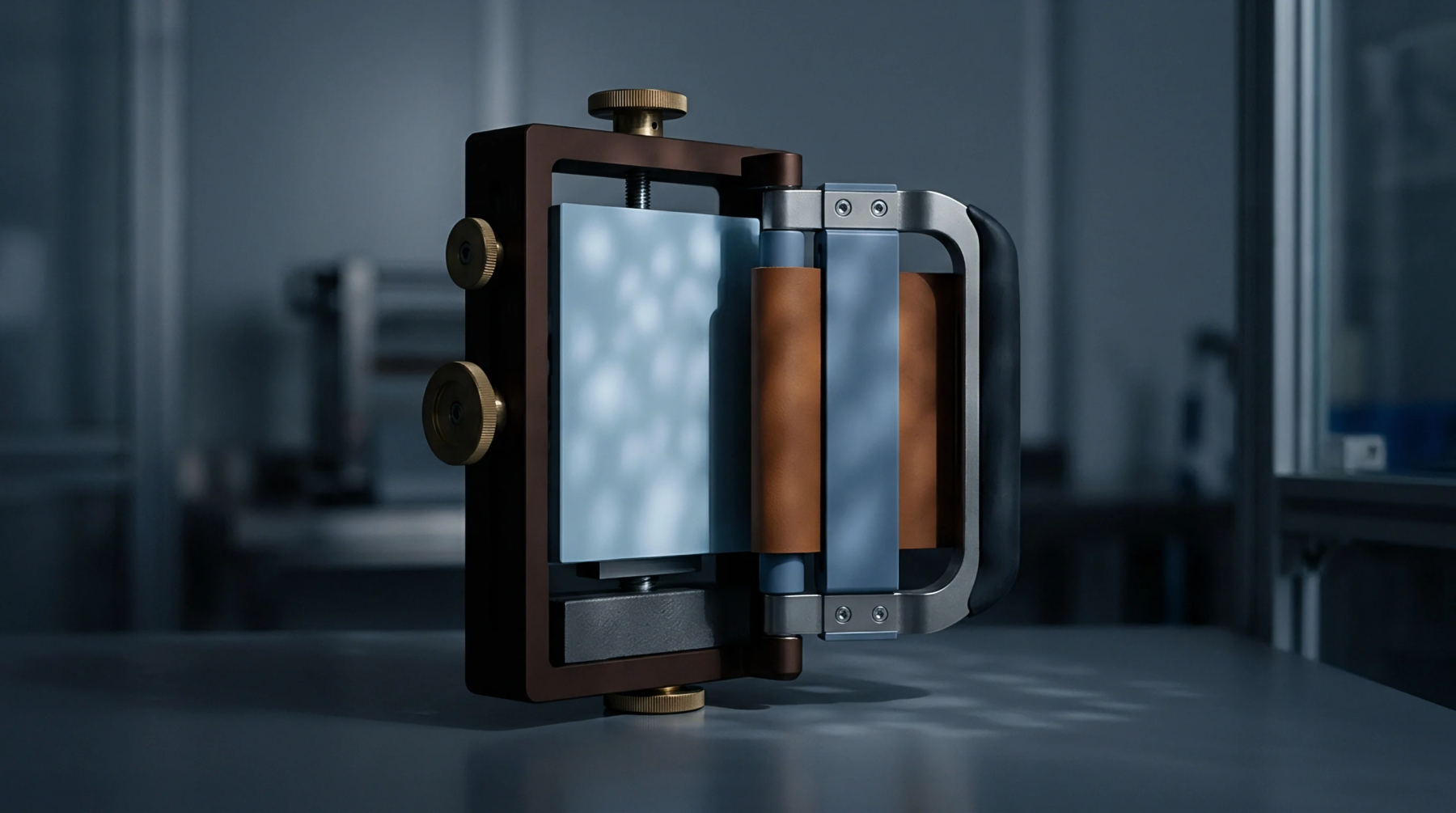
Deconvoluting fixture thermal strain from battery metrology requires baseline transfer matrix subtraction to isolate true electrochemical cell breathing.
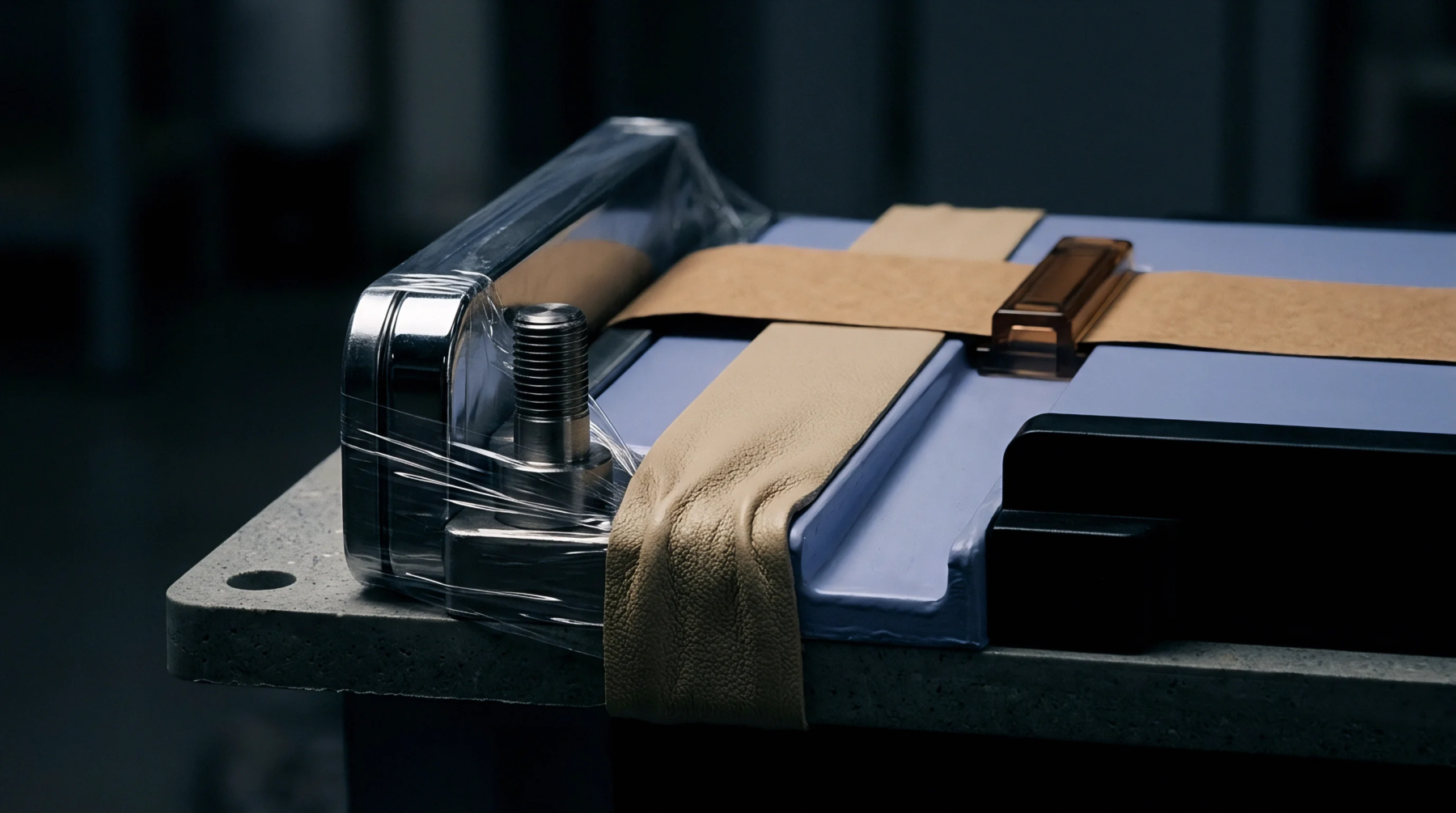
Helium leak quantification below 1e-6 mbar L/s requires background suppression, flow conversion modeling, and strict pouch heat seal quality control.

Unbiased stereological sampling maps planar carbide arrays to three dimensional volume fractions for tool steel incoming inspection.

Modulating close-coupled gas atomization pressure to match supersonic shock alignment stabilizes tip aspiration pressure, maximizing spherical battery powder yield within target size windows.

Verify UN 38.3 test summaries by matching technical report fields against accredited lab databases, factory trace codes, and physical SOC transport limits.
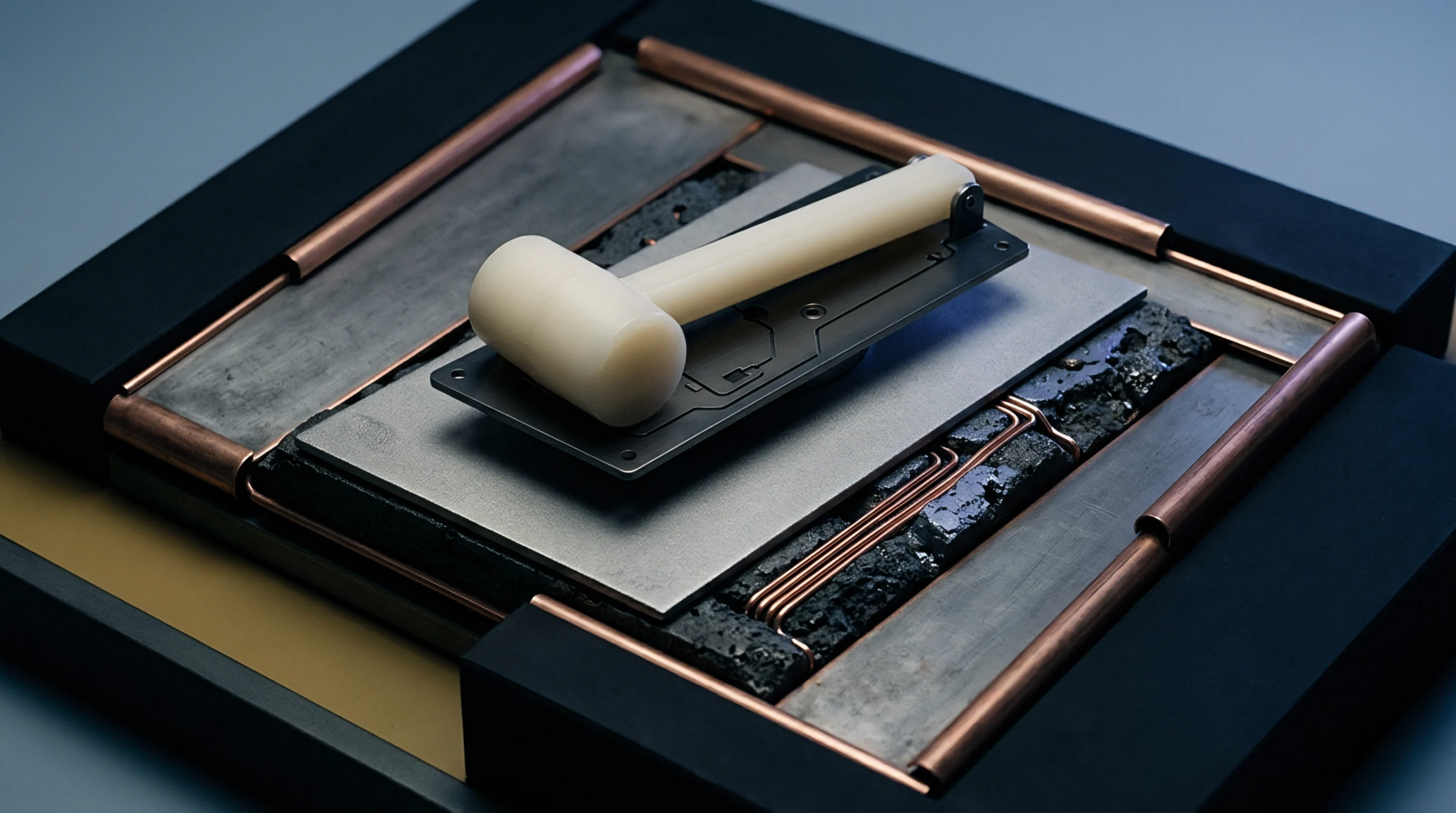
Establishing baseline solid-state cell thickness demands constant pressure fixtures with fixture compliance subtraction and zero-state reference at SOC zero.
Consolidated high-alloy steel battery enclosures require sub-3% planar yield variation across all sheet axes to prevent localized shear failure under cyclic shock.
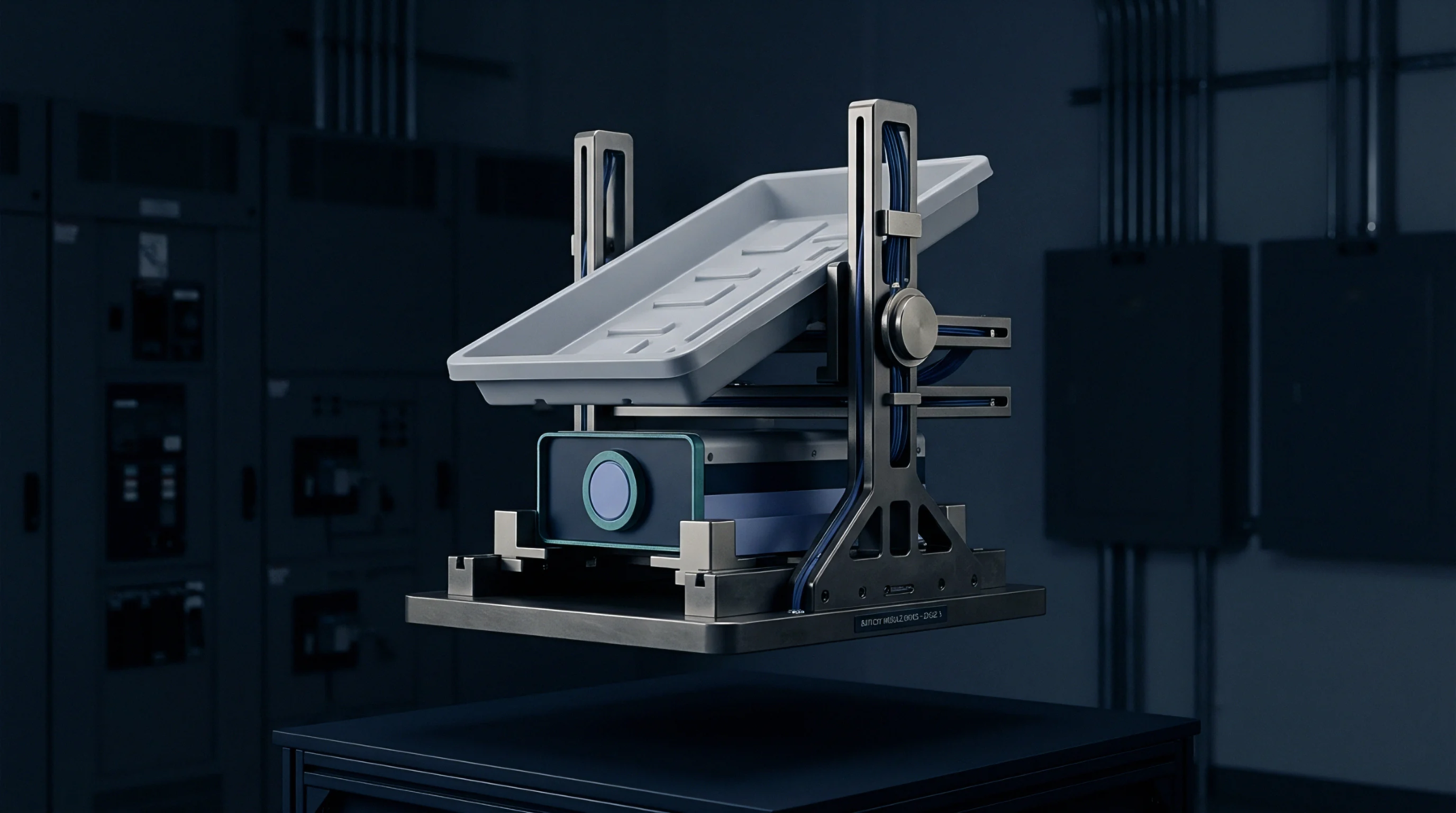
Operando multi-point optical fiber sensing isolates localized metallic lithium plating by decoupling spatial thermal expansion from anisotropic mechanical strain.
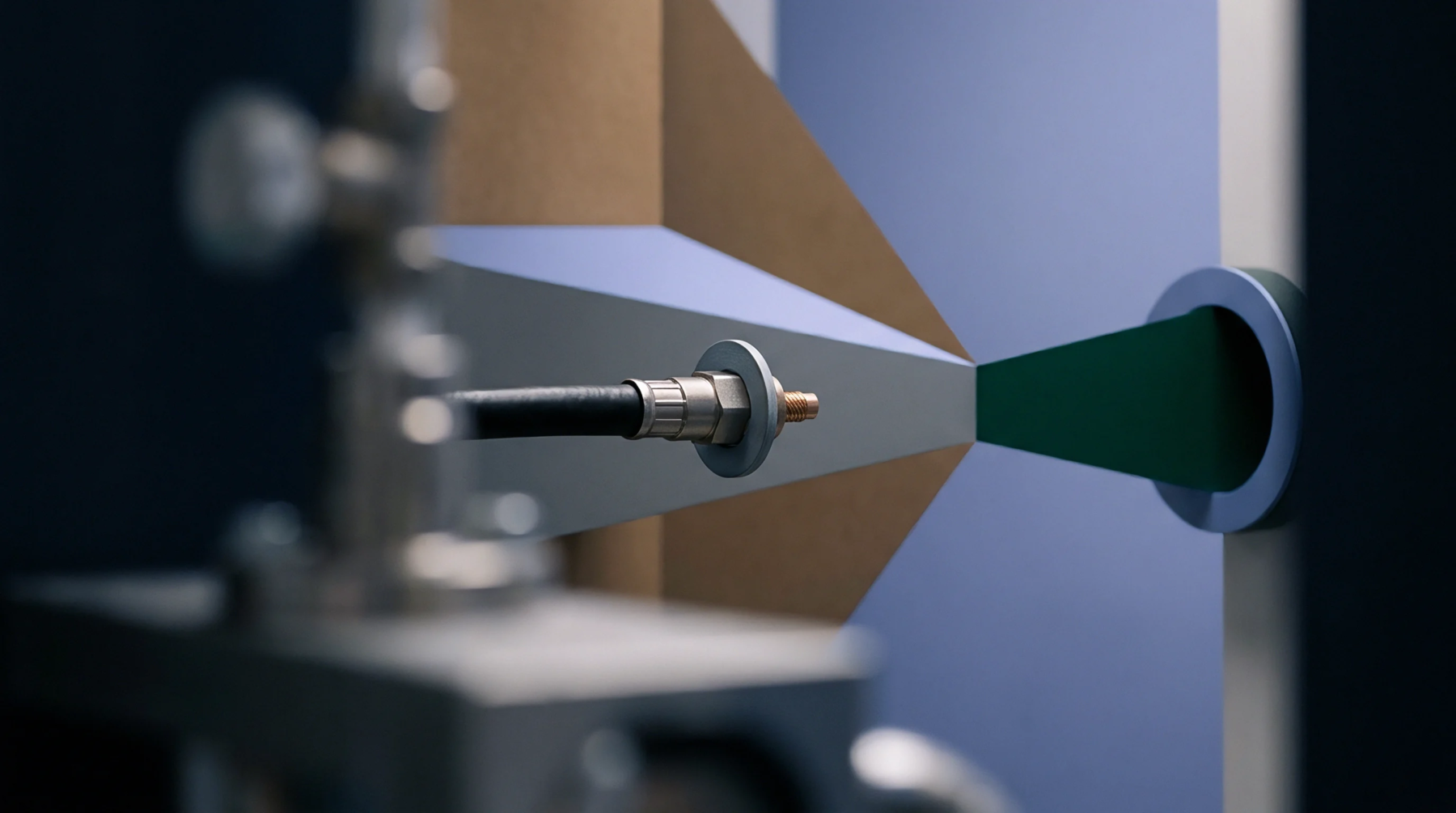
Decoupling Seebeck voltage offsets requires bipolar pulse excitation or spatial thermal modeling to isolate thermo-galvanic artifacts from true electrochemical overpotentials.
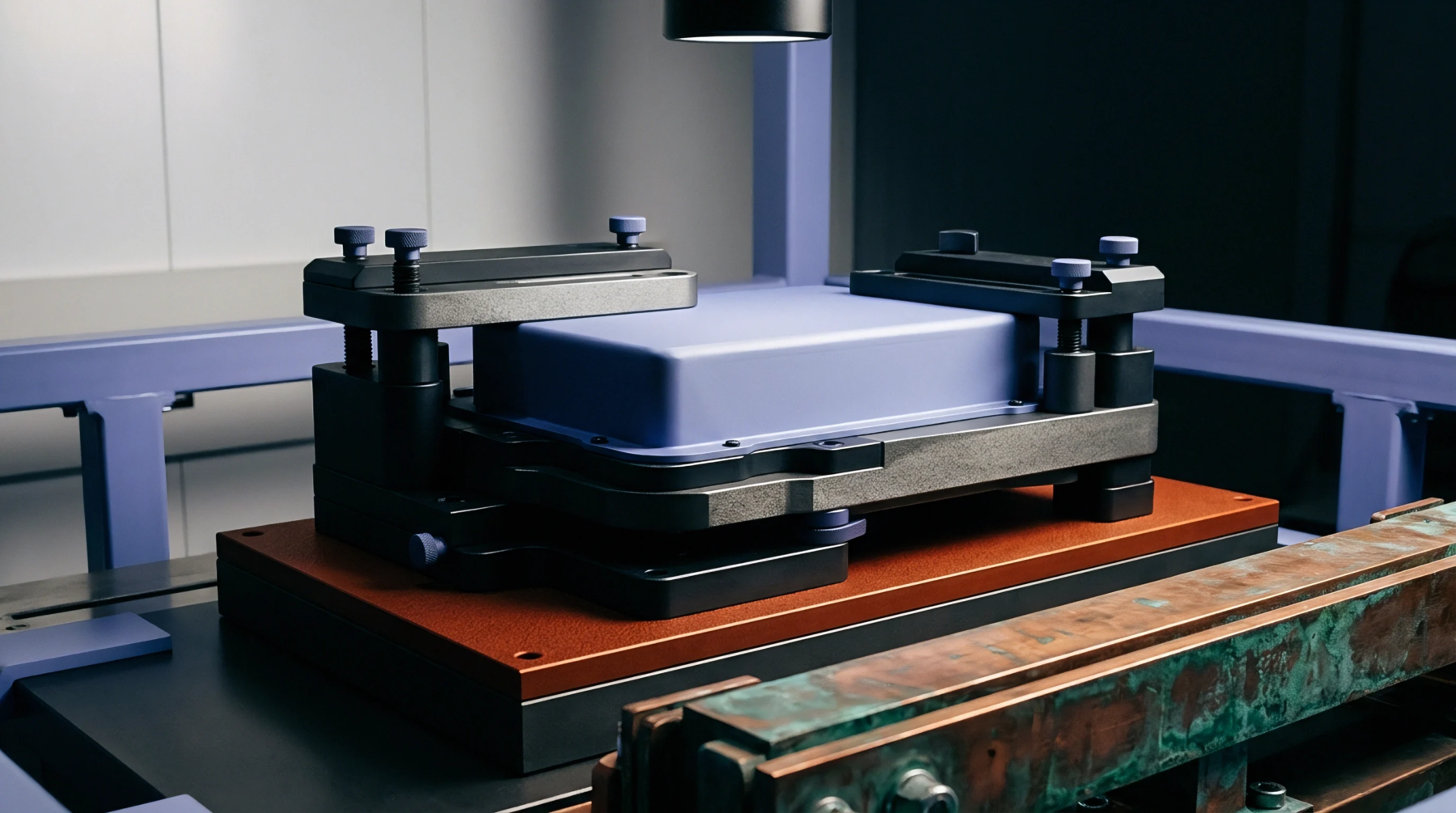
Field emission electron backscatter stereology provides accurate sub-micron carbide metrics required to prevent electrode slitting blade wear and cell separator punctures.
Commercial pouch cell procurement contracts require specifying helium mass spec leak thresholds below 2.69 × 10⁻⁶ mbar·L/s to prevent moisture ingress and HF acid formation.
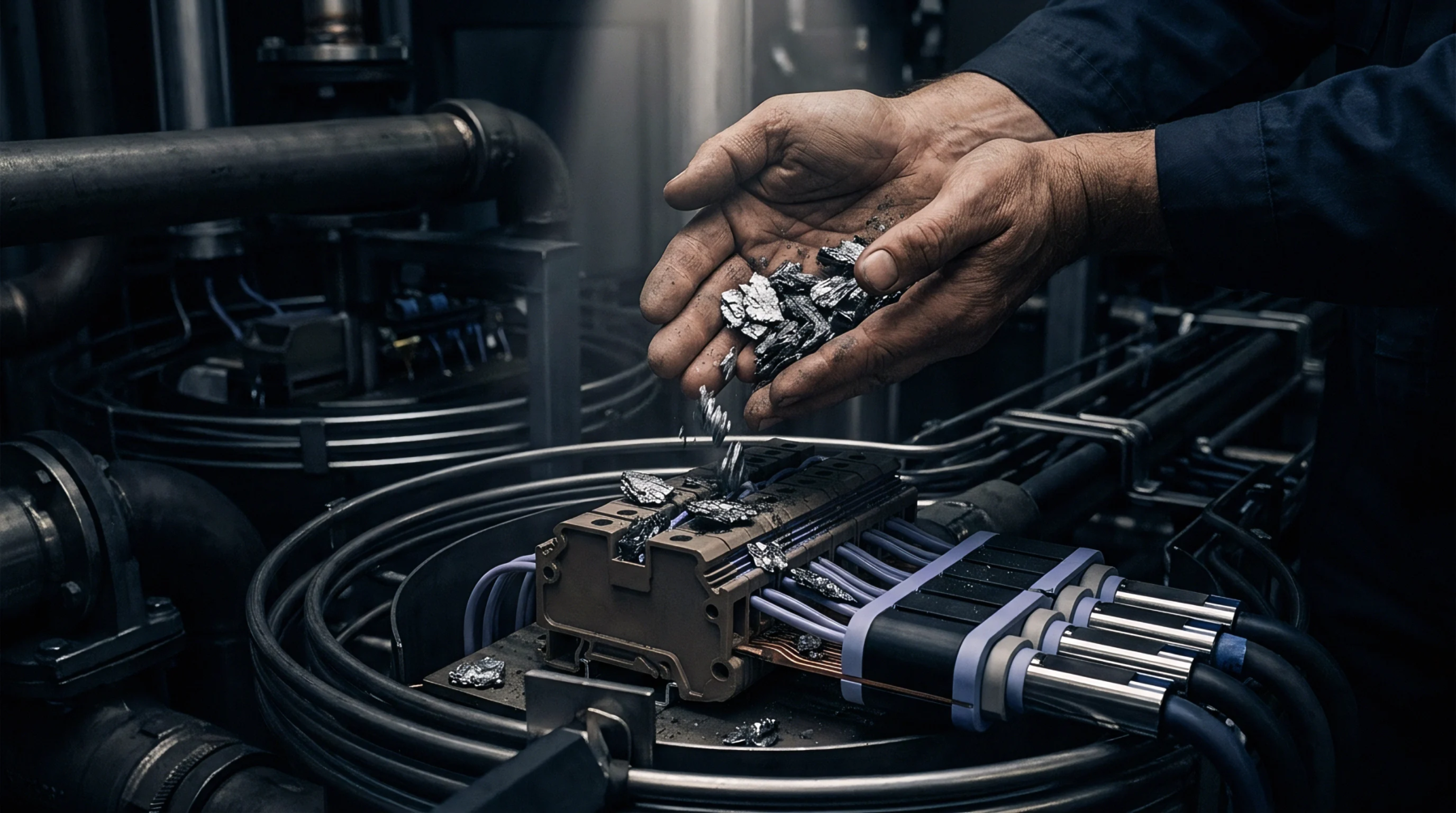
Optimize argon delivery pressure to balance nozzle suction against kinetic energy transfer, maximizing fine powder yield while avoiding tip overpressure.

Initial lithiation drives permanent and reversible solid-state cell thickness expansion requiring continuous Servo-regulated platen pressure during formation.
High-voltage cathode surface phase reconstruction converts layered lattices into resistive rock-salt layers, requiring surface doping and fluorinated electrolyte additives to secure long-term cell capacity and safety compliance.

UN 38.3 mandates eight environmental and electrical safety tests for lithium batteries, requiring verified test summaries for legal commercial transport.
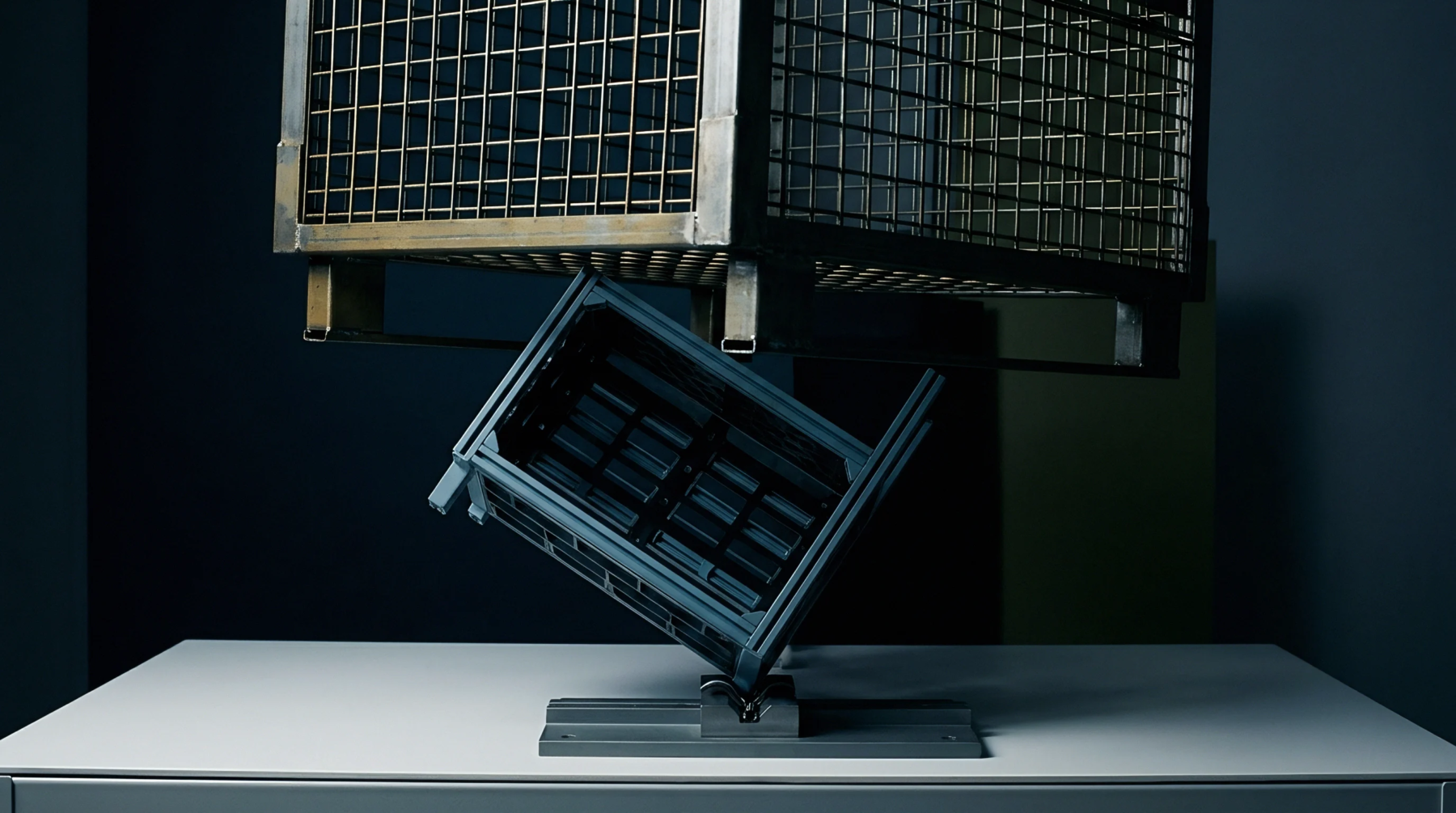
Transverse impact anisotropy drops high-alloy consolidated steel toughness up to 66 percent, requiring directional stress alignment to prevent fatigue failure.
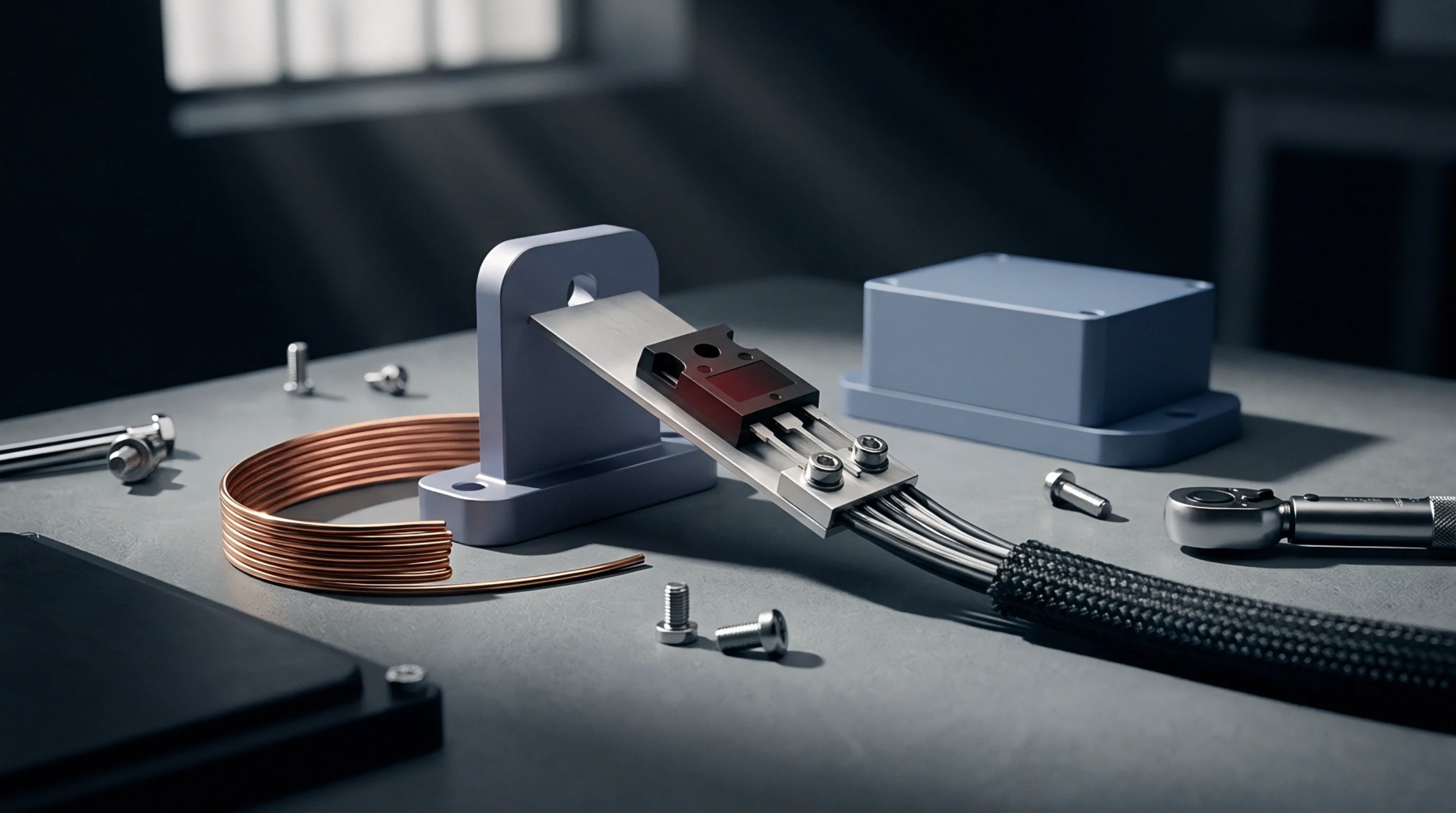
Specify ISO 5949 Class 2 max carbide segregation on die billet orders; verify incoming core coupons via quantitative stereology before paying tooling NRE.
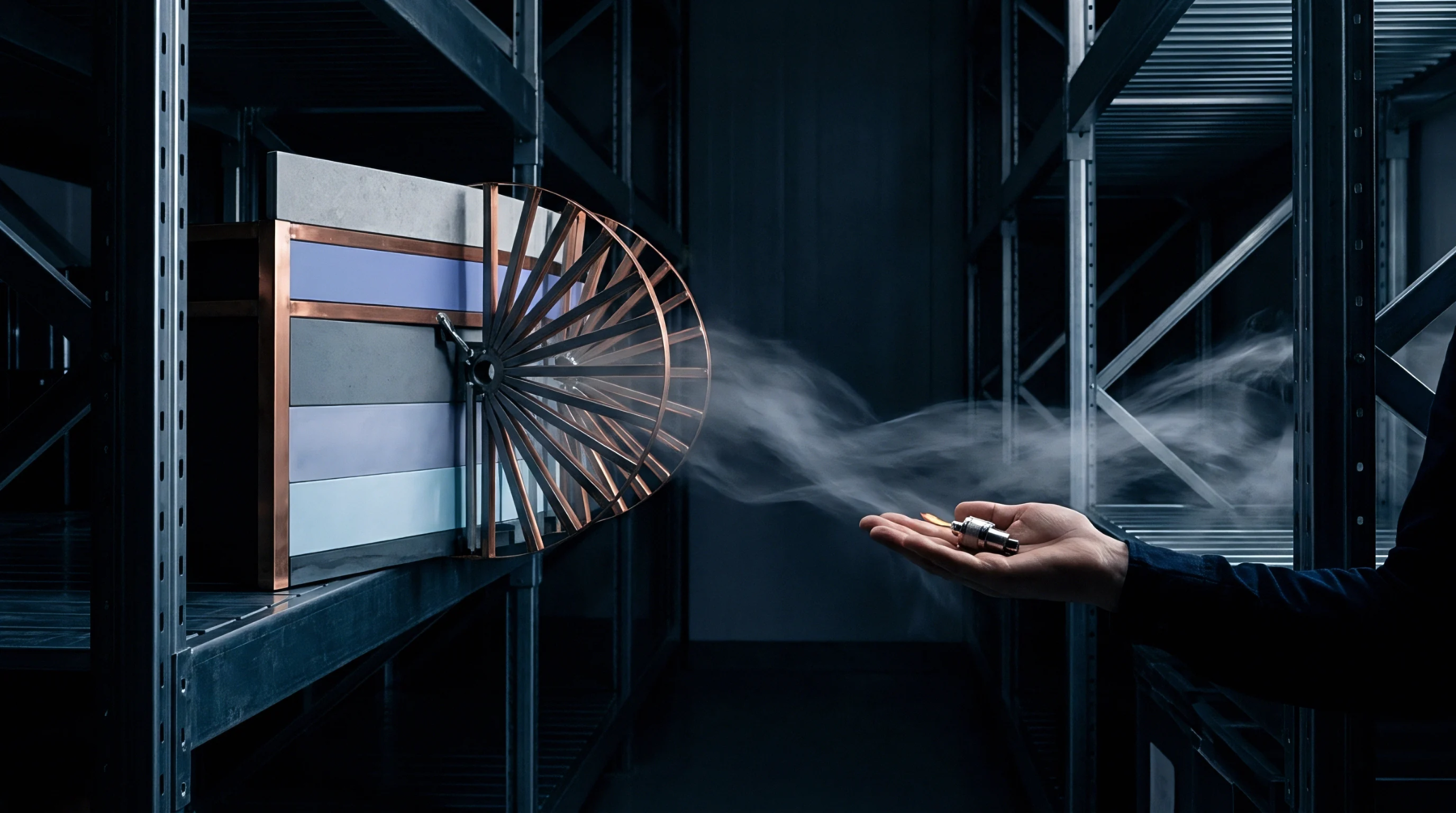
A UN 38.3 test summary requires ten mandatory data fields, lab accreditation validation, and exact serial batch matching to clear dangerous goods air freight.
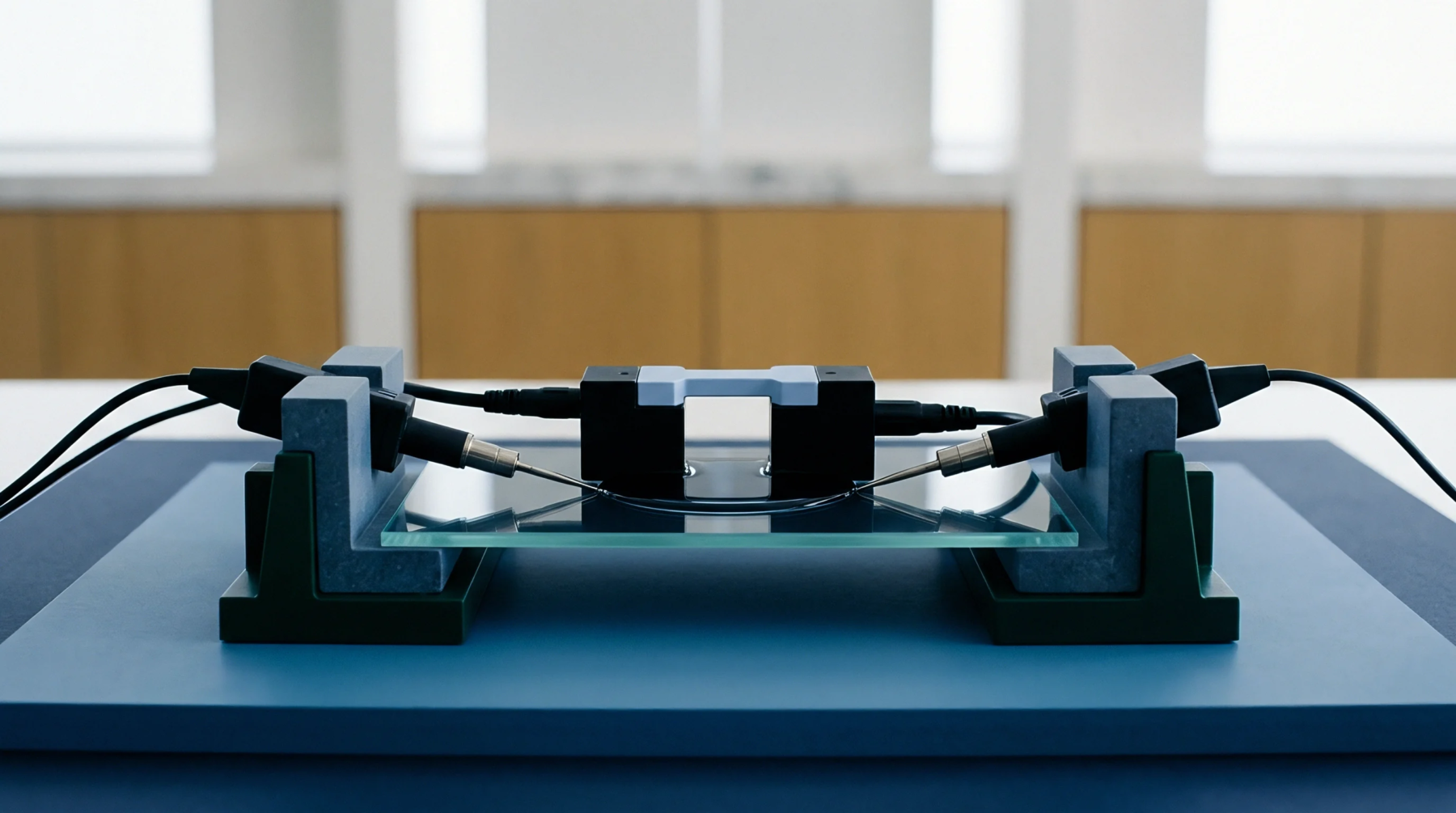
Verify UN 38.3.5 test summary lab accreditation, physical model metrics, and 30 percent SOC limits prior to air cargo tendering to avoid stranded shipments.
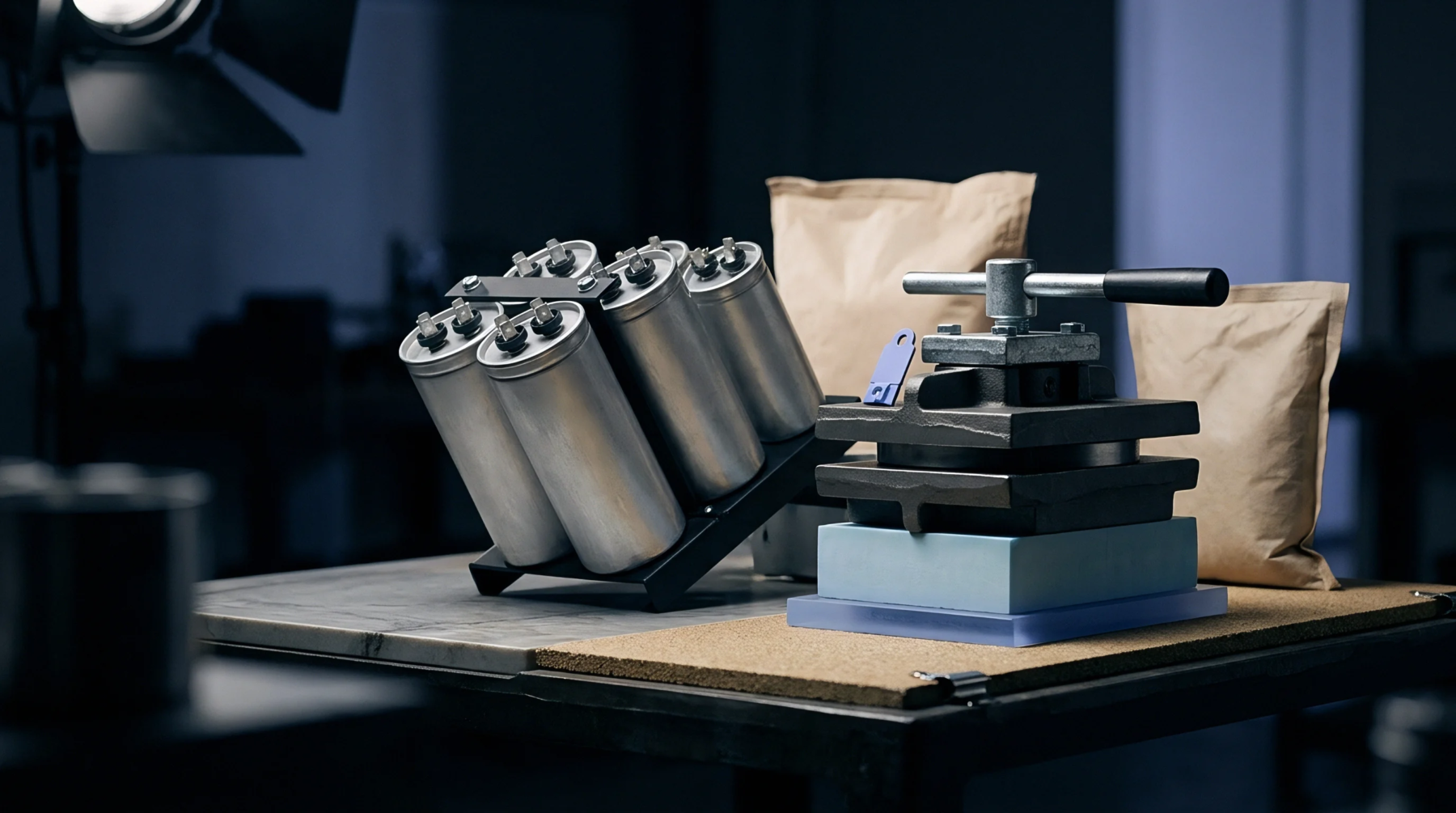
Optimize gas-to-metal ratios between 2.8 and 4.2 under controlled aspiration pressure to maximize tool steel powder yields and suppress internal gas entrapped porosity.
Expertise is a utility, not a secret. sentiention™ publishes its working knowledge as open reference: intelligence layer covering the materials it sources, the markets it enters, and the reference that serves both.